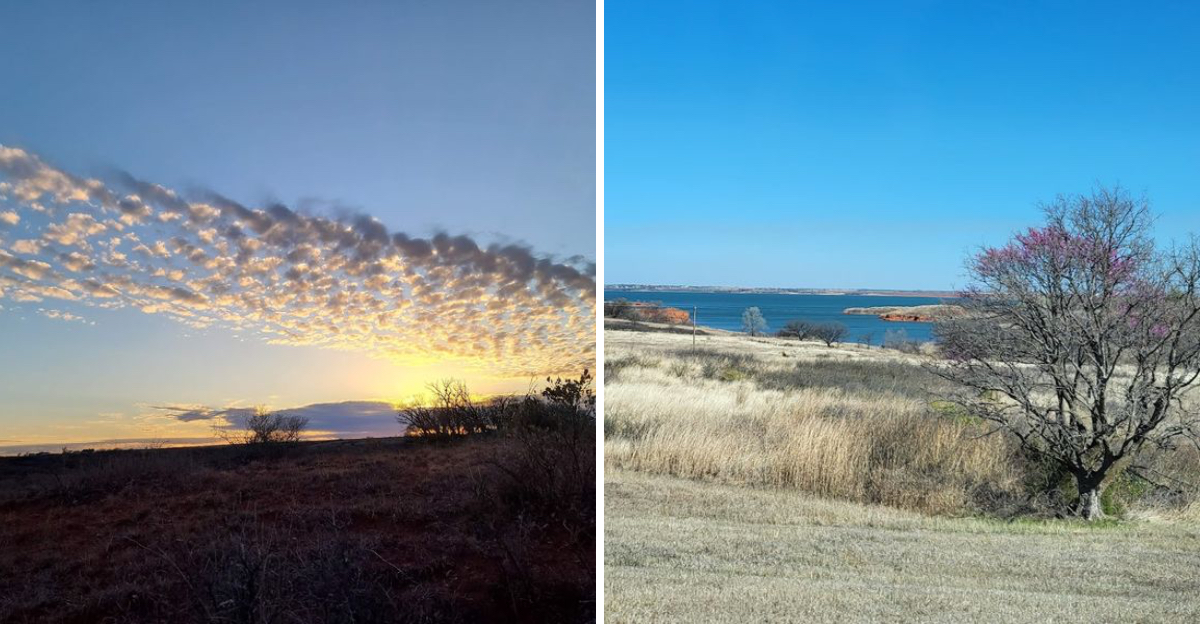
Some roads just make you exhale. The kind where your shoulders drop, your grip on the steering wheel loosens, and the world suddenly feels bigger than your to-do list.
That is exactly what happens when you roll into Black Kettle National Grasslands in western Oklahoma. Sprawling across Custer County near the town of Cheyenne, this place trades skyscrapers for sky, and it delivers on that promise in the most honest, unhurried way possible.
If you have been craving open space without the crowds, without the Instagram lines, and without the overpriced parking, this grassland drive might be the reset you did not know you needed.
The First Glimpse: When the Horizon Just Keeps Going
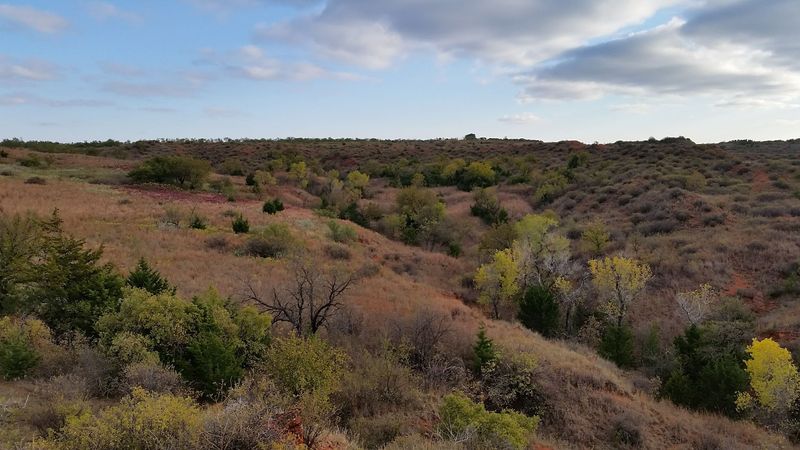
Nobody warns you about that first moment when the tree line disappears and the land just opens up in every direction. It hits you like a deep breath you forgot to take.
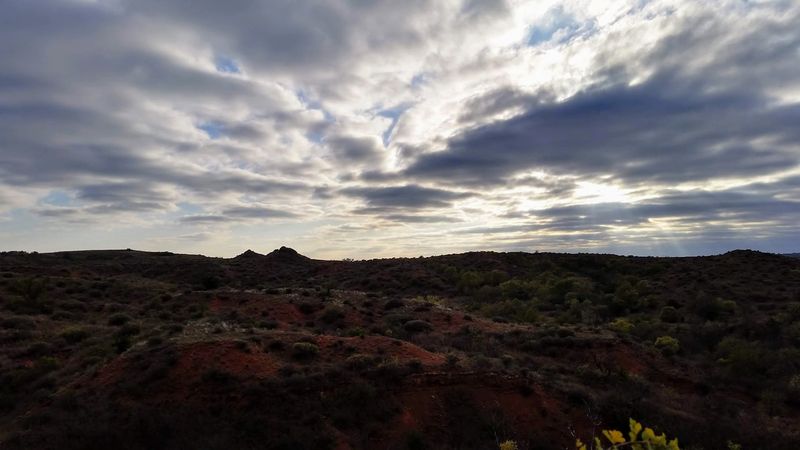
The grasslands roll out flat and golden, interrupted only by the occasional cedar tree or red-dirt trail cutting through the scrub.
Black Kettle National Grasslands covers roughly 31,300 acres in western Oklahoma, managed by the U.S. Forest Service.
The landscape feels ancient and unhurried, the kind of place where time moves at its own pace and does not apologize for it. Grasses sway in waves when the wind picks up, and on a clear day, the sky overhead is almost theatrical in its size.
The drive itself becomes the destination. You are not rushing toward a waterfall or a scenic overlook with a gift shop.
You are just moving through space, watching the light change on the land. It sounds simple because it is, and that simplicity is the whole point.
First-time visitors often pull over just to stand outside and listen to the silence, which is not really silence at all but a chorus of wind, insects, and distant birds that you only hear when everything else stops.
Lake Skipout: A Small Surprise in a Big Landscape
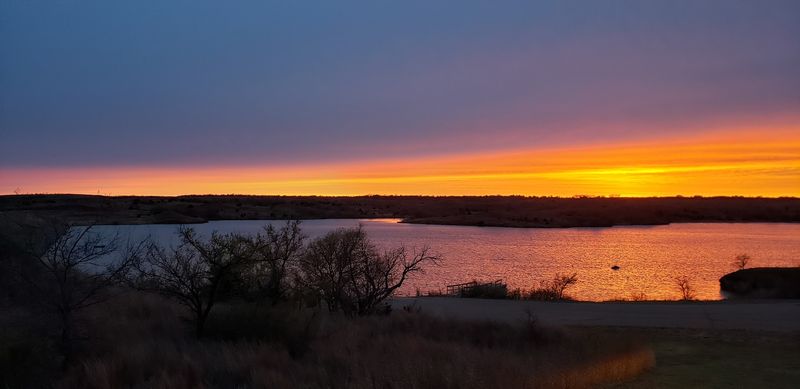
Right when you think the grasslands are all grass and sky, a lake appears out of nowhere. Lake Skipout sits quietly inside the Black Kettle area and has a way of catching visitors completely off guard.
It is small, calm, and really pretty in a low-key, no-fuss kind of way.
There is a boat ramp and a fishing pier that has clearly seen some weather over the years but still does its job. Anglers set up along the banks in the early morning when the light is soft and the fish are cooperative.
The lake reflects the Oklahoma sky in a way that makes every photo look better than you expected.
Behind the main lake, a series of smaller ponds lines the back trails, and those quieter spots feel even more tucked away from the world. The trails that connect them are easy to walk and do not require any special gear.
What makes this corner of the grasslands special is how unexpected it feels. You come for wide-open land and end up finding a peaceful waterway that invites you to slow down even further.
Pack a fishing rod if you have one, and set aside a couple of hours to just sit by the water and let the afternoon do its thing.
Free Camping Under Actual Stars
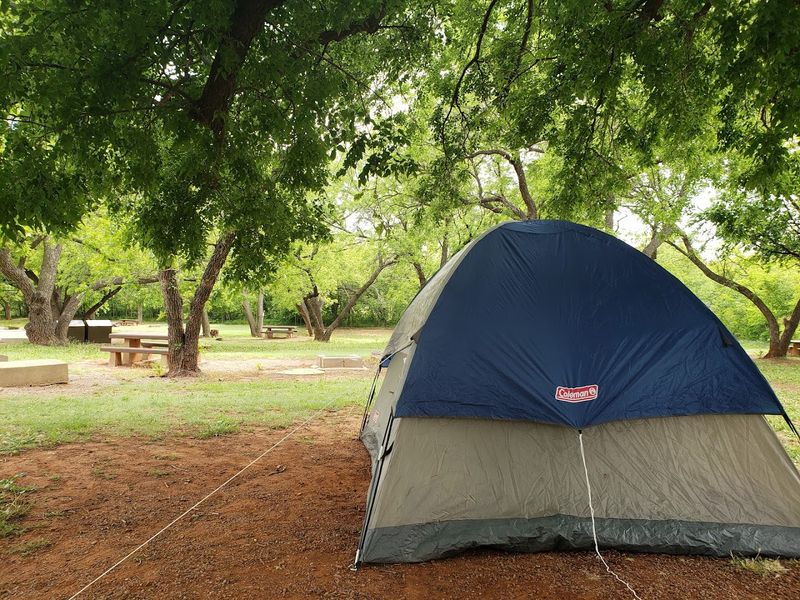
Free camping still exists in America, and Black Kettle National Grasslands is proof. Skipout Campground does not charge a fee, and yet it delivers clean restrooms, picnic tables, fire pits, and enough space to breathe.
That combination is rarer than it sounds.
There are a few designated RV spots at Skipout, along with multiple parking areas where tent campers can set up near the water. The sites are simple and unpretentious.
No electricity hookups, no sewage dump station, no camp store selling overpriced firewood. Just you, the prairie wind, and a fire pit waiting to be used.
Water spigots are available to fill containers, and dumpsters handle trash duty.
Two additional campgrounds exist in the surrounding area beyond Skipout, so options are available if one spot feels too busy. Weekends around holidays tend to draw more visitors, so a mid-week arrival almost guarantees you a quiet night with very few neighbors.
One heads-up worth mentioning: some visitors have reported goathead stickers in the grass, which are sharp little seed pods that are not kind to bare feet or thin-soled shoes. Wear sturdy footwear around camp and you will be fine.
The stargazing out here is truly remarkable, with very little light pollution to compete with the night sky.
Wildlife Watching Without Trying Too Hard
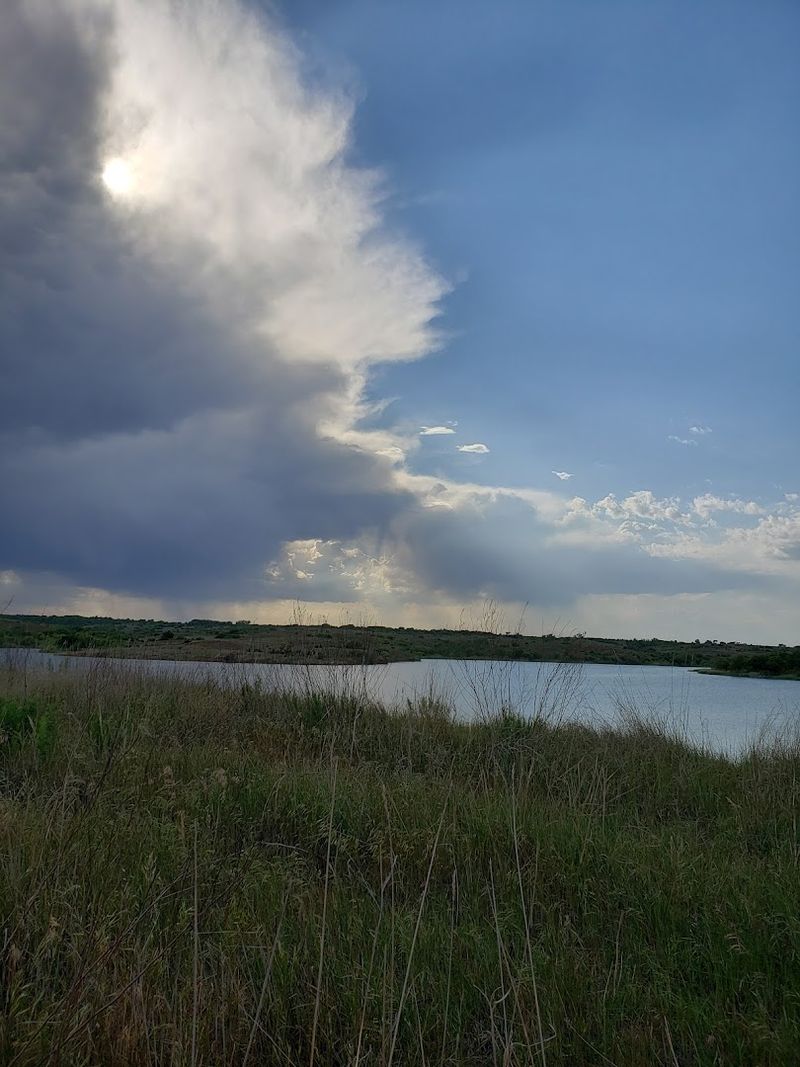
You do not need binoculars and a field guide to see wildlife at Black Kettle, though both would certainly help.
White-tailed deer move through this area regularly, and spotting one at the edge of the tree line during early morning or late afternoon is practically a given if you are patient enough to sit still for a few minutes.
The grassland ecosystem supports a wide variety of bird species too. Meadowlarks are especially vocal in the warmer months, and raptors circle overhead scanning the open ground below.
The habitat here is genuinely diverse for what looks like a flat, open stretch of land at first glance. Closer inspection reveals a layered world of insects, small mammals, and migratory birds passing through on their seasonal routes.
Hunting is permitted in designated areas during legal seasons, and deer hunting in particular draws visitors who know the land well. But wildlife watching as a purely observational activity is just as rewarding and requires nothing more than patience and a willingness to stand quietly for a while.
The grasslands do not perform on demand, but if you show up consistently and pay attention, the place has a way of revealing itself in small, memorable moments that feel earned rather than handed to you.
The Trails: Short, Honest, and Worth Every Step
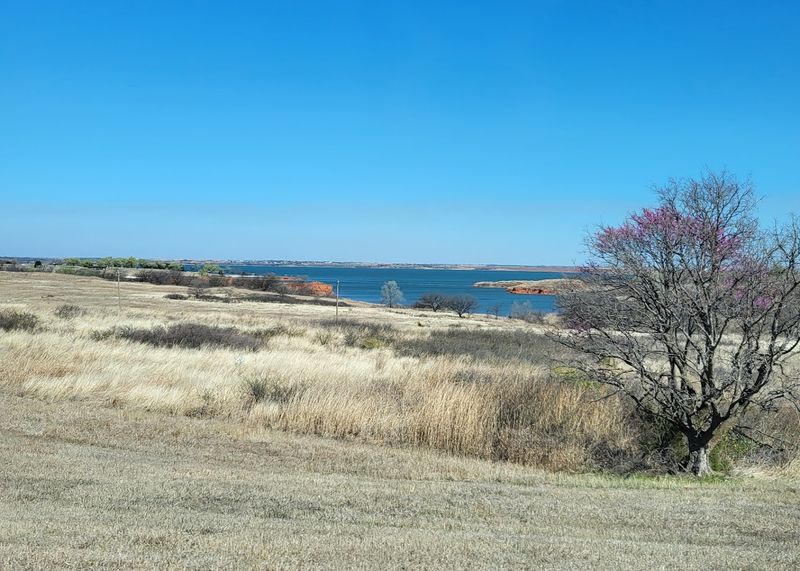
The trails at Black Kettle are not going to challenge a seasoned hiker looking for elevation gain and technical terrain. They are short, relatively flat, and designed for a different kind of experience entirely.
Think of them as a way to get off the road and into the landscape rather than a physical accomplishment to check off a list.
The paths behind Lake Skipout wind past smaller ponds and through scrubby vegetation that feels really wild. Grasses brush against your legs, birds scatter from the brush ahead of you, and the sky stays enormous overhead.
One important note for dog owners: some walking trails in the area do not allow dogs, so check the specific trail rules before you leash up and head out. It is a detail that has surprised more than a few visitors.
The trails connect the campground areas to the water and back through the grassland terrain in a loop that takes maybe an hour at a relaxed pace. They are not marked with elaborate signage, which means a basic sense of direction goes a long way.
The experience rewards people who enjoy quiet exploration over dramatic vistas. Every bend in the trail reveals a small change in the landscape, and that slow accumulation of small details is what makes a walk out here feel truly satisfying.
The Museum Stop That Actually Delivers
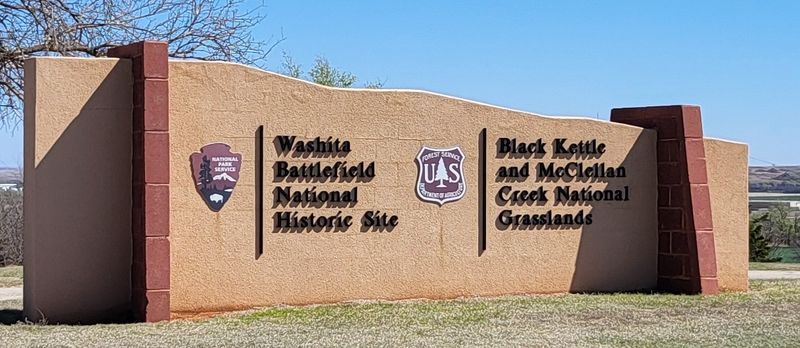
Near the Black Kettle grasslands, the community of Cheyenne offers a museum stop that earns its place on the itinerary.
Visitors who have made the drive out here consistently mention the museum as a highlight, which says a lot given how unexpected a cultural stop feels in the middle of wide-open ranch country.
The Black Kettle Museum in Cheyenne covers the history of the Southern Cheyenne people and the events of the Battle of the Washita, which took place in November 1868 near this very land.
The museum treats the subject with care and depth, presenting a history that is complicated and important without glossing over the difficult parts.
It is the kind of place that changes how you see the landscape once you walk back outside.
Spending an hour inside before heading into the grasslands shifts the entire experience. The land takes on a different weight when you understand what happened here and who called it home long before the roads and campgrounds arrived.
The museum is located in Cheyenne, Oklahoma, which is the closest town to the grasslands and worth a slow drive through on your way in or out. Small towns in this part of the state have a particular character that rewards unhurried attention, and Cheyenne fits that description well.
Reading the Sky Like a Local
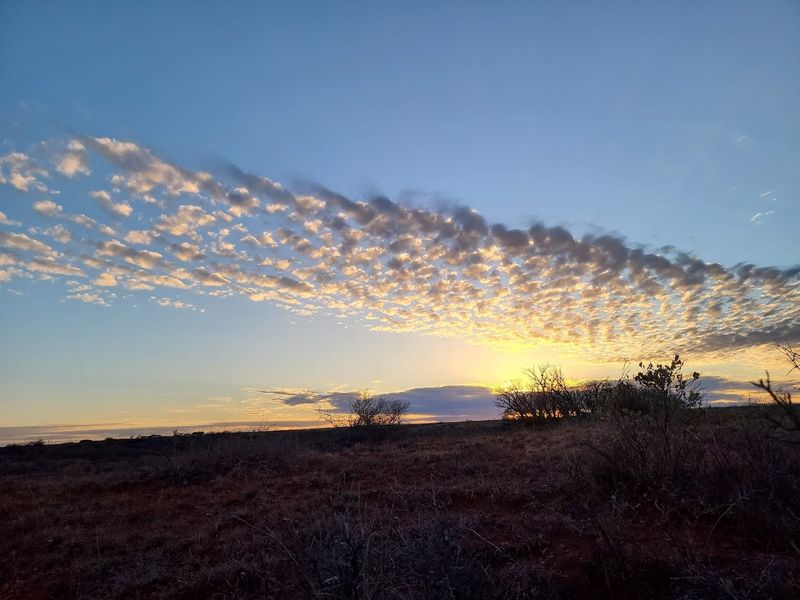
Western Oklahoma has weather, and it has opinions about sharing that weather with you. The sky out here is not decorative.
It is active, expressive, and occasionally very serious about making its presence known. Anyone planning a trip to Black Kettle National Grasslands should spend at least five minutes checking a reliable weather forecast before heading out.
Spring and early summer bring the possibility of severe thunderstorms and tornado activity across this part of the state. That is not said to scare anyone away but to make sure you come prepared with a plan.
Knowing the nearest shelter, keeping an eye on the horizon, and downloading a weather app with radar capability are all practical habits for this region. The reward for staying weather-aware is that you get to witness some of the most dramatic skies on the continent.
Sunset out here is its own event. The flat terrain means the color spreads across the entire sky without obstruction, going from gold to orange to a deep bruised purple that fades slowly into dark.
Storm light on the grasslands, when it is safe to watch from a distance, is the kind of visual that people describe for years afterward. The sky is genuinely one of the main attractions at Black Kettle, and it never charges admission or repeats itself exactly.
How to Do This Drive Right: Practical Notes for Real Visitors
A few honest notes before you pack the car. The roads inside Black Kettle National Grasslands vary widely in quality.
Some are paved and easy. Others are dirt tracks that look fine until they simply stop, with no turnaround and nothing at the end but a field.
A basic map of the area from the U.S. Forest Service office is worth grabbing before you explore, and cell service is unreliable enough that you should not count on GPS to save you.
The nearest town with services is Cheyenne, Oklahoma, so fuel up and grab any supplies before heading into the grasslands. There are no convenience stores or restaurants inside the park boundary.
The campgrounds have water spigots but no electricity, and the restrooms are basic but reportedly kept in decent condition. Plan accordingly and you will have everything you need.
Black Kettle National Grasslands sits in Custer County, near Cheyenne, Oklahoma, in the western part of the state. The address associated with the area is Oklahoma 73638.
The closest major reference point is Cheyenne, which is a small town with genuine western character and a quiet main street worth a slow walk.
Come with a full tank, a flexible attitude, and a genuine appetite for open space, and this corner of Oklahoma will absolutely deliver on every mile of that promise.
Dear Reader: This page may contain affiliate links which may earn a commission if you click through and make a purchase. Our independent journalism is not influenced by any advertiser or commercial initiative unless it is clearly marked as sponsored content. As travel products change, please be sure to reconfirm all details and stay up to date with current events to ensure a safe and successful trip.
