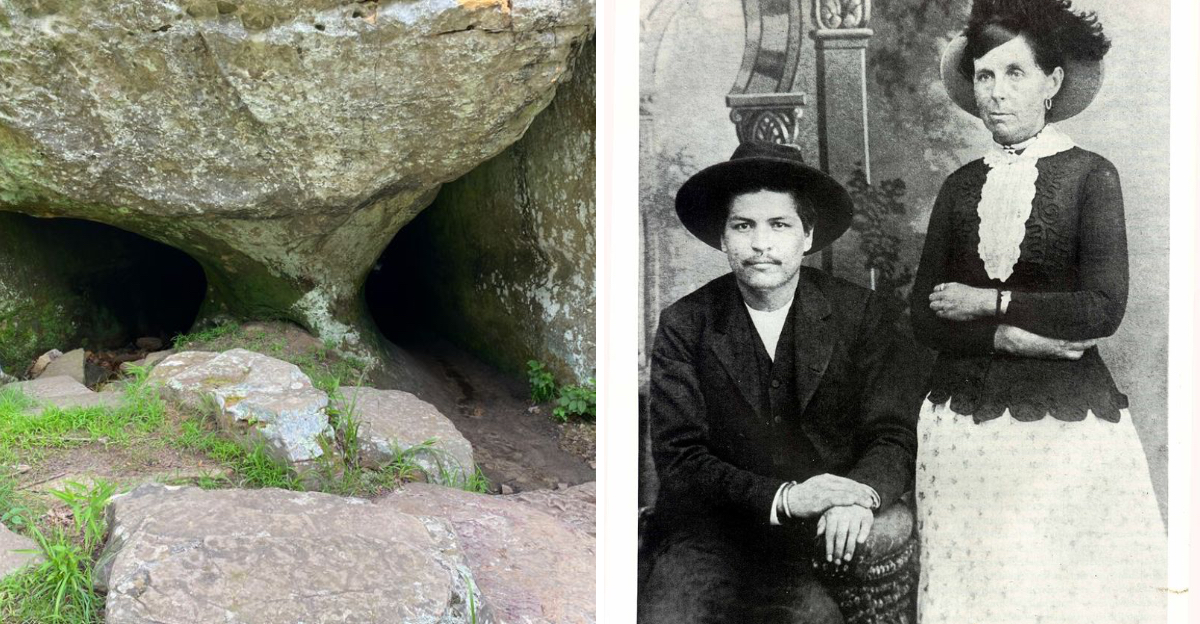
I stood at the mouth of a dark sandstone cave in the San Bois Mountains, and I could almost hear the echo of hoofbeats from a century ago. It isn’t just another pretty spot in the woods.
This place was the real deal, a genuine hideout where some of the Wild West’s most wanted criminals stashed their loot and planned their next heists. Belle Starr, Jesse James, and the Dalton Gang all knew these caves well, using the natural fortress of rock and forest to evade lawmen hot on their trail.
Today, I found myself walking the same trails these outlaws once rode, exploring the very caves where they counted stolen gold, and soaking in the rugged beauty that made this location the perfect criminal sanctuary.
The park sprawls across 8,246 acres of stunning Oklahoma wilderness, and every twisted path seems to whisper another outlaw tale.
The Legendary Cave That Started It All
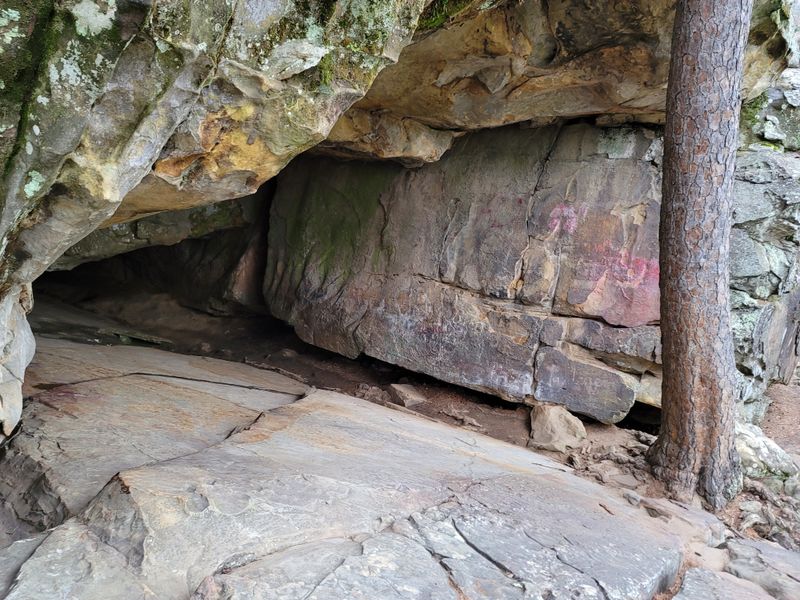
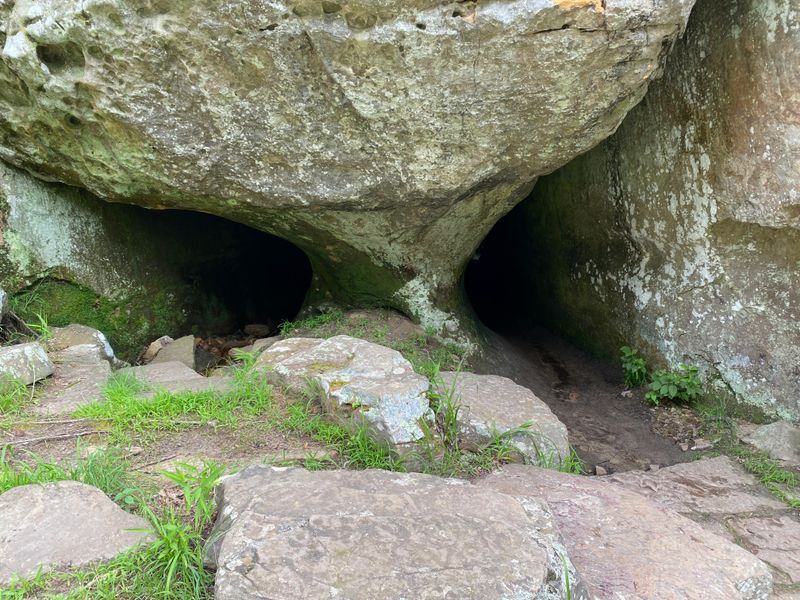
Standing before the actual Robbers Cave feels like stepping into a Western movie set, except everything here is authentic. The sandstone formation rises dramatically from the hillside, creating a natural shelter that’s been carved by wind and water over thousands of years.
I climbed the trail leading up to the cave entrance, and immediately understood why outlaws chose this spot. The cave offers a commanding view of the surrounding valley, meaning anyone hiding inside could spot approaching lawmen from miles away.
Inside, the cave splits into multiple chambers, some large enough to accommodate horses and stolen goods. The cool, damp air inside provides relief from Oklahoma’s summer heat, and I could imagine tired outlaws resting here after a long ride from their latest robbery.
Park rangers told me that Belle Starr, the infamous “Bandit Queen,” used this cave regularly in the 1880s. She and her gang would hole up here between raids, counting their loot and planning their next moves.
The hike to reach the cave takes about 20 minutes on a moderately challenging trail. I found the journey itself thrilling, with twisted trees and rocky outcroppings creating an atmosphere that hasn’t changed much since outlaw days.
Belle Starr’s Preferred Sanctuary
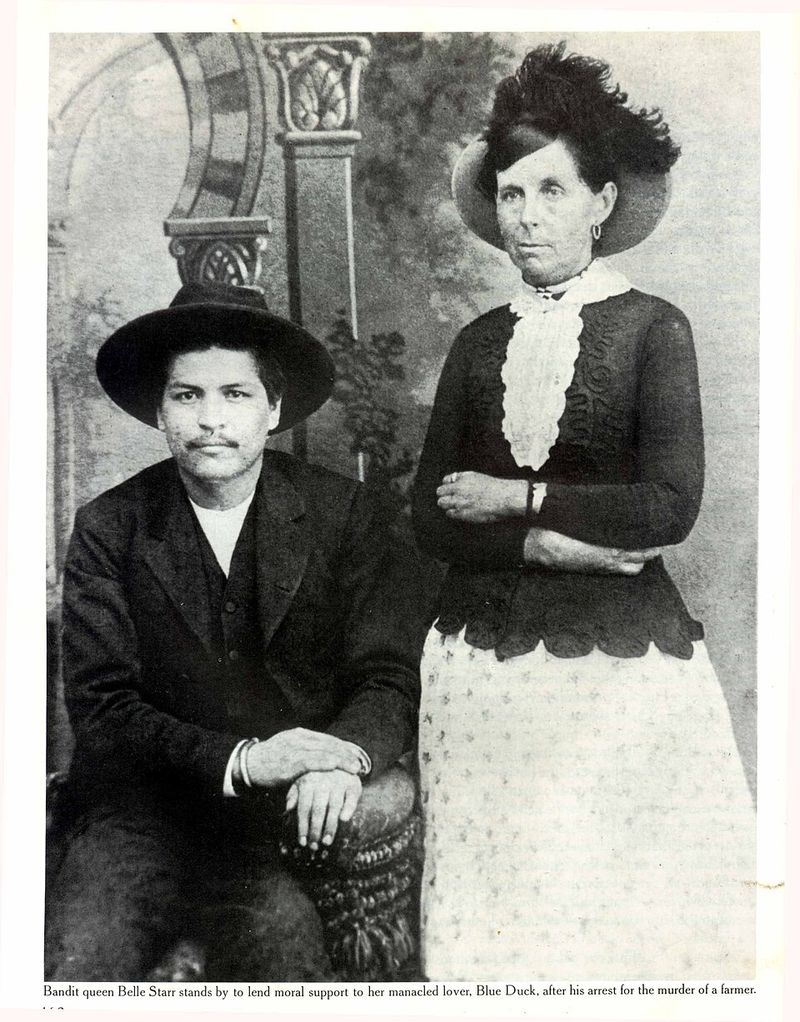
Belle Starr wasn’t your typical Wild West outlaw. Born Myra Maybelle Shirley in 1848, she became one of the most notorious female criminals in American history, and Robbers Cave was her home away from home.
Walking through the park, I kept thinking about how Belle operated differently from male outlaws. She was educated, played piano beautifully, and could quote classical literature, yet she also rustled horses, harbored fugitives, and masterminded robberies with ruthless efficiency.
The cave provided Belle with more than just a hiding spot. Historical records suggest she used the area’s multiple caves and dense forest to create an entire network of safe houses and escape routes throughout the San Bois Mountains.
I learned from the park’s nature center that Belle often dressed in velvet gowns and carried two pistols on her hips. She’d ride into the cave area on her favorite horse, Venus, with stolen goods packed on additional horses trailing behind.
Her connection to this Oklahoma hideout was so strong that when lawmen finally caught up with other gang members, they’d often find evidence leading back to these caves. Belle’s legacy still permeates every shadowy corner of Robbers Cave State Park.
The Dalton Gang’s Strategic Retreat
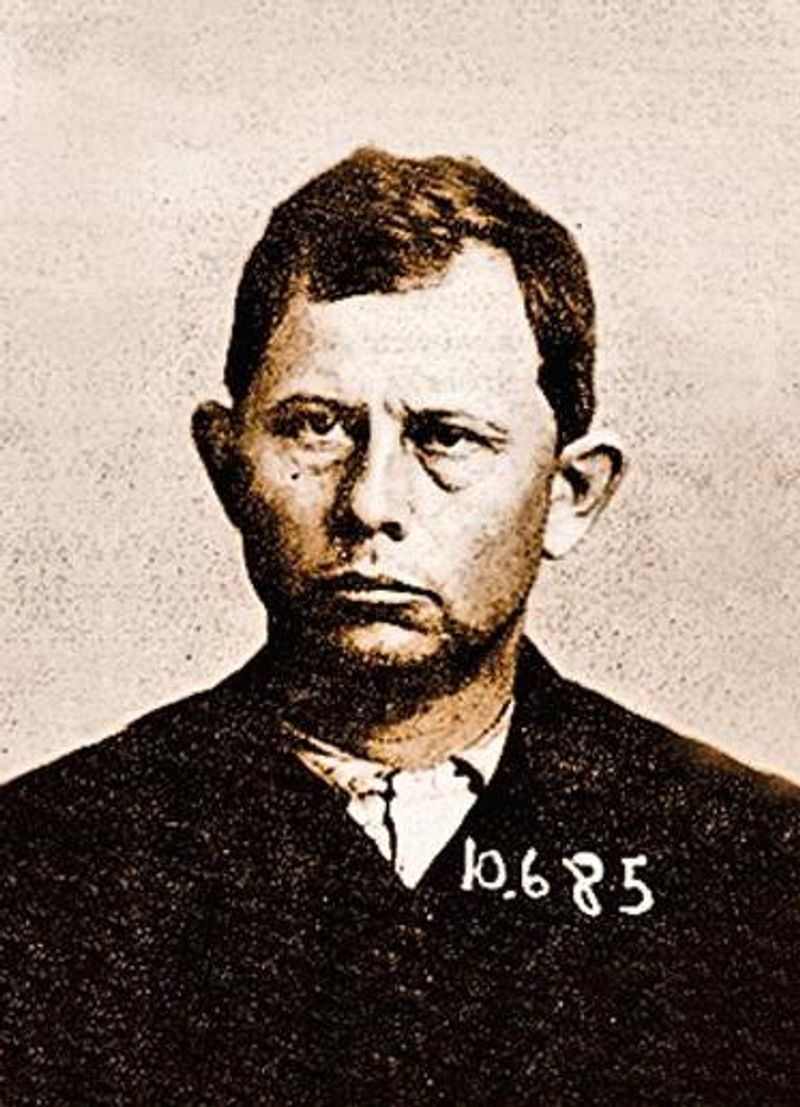
Before their fateful raid on Coffeyville, Kansas, the Dalton Gang knew Robbers Cave intimately. Bob, Grat, and Emmett Dalton, along with their associates, used this Oklahoma sanctuary repeatedly throughout their criminal careers.
I hiked the same ridgelines the Daltons would have ridden, and the strategic advantages became crystal clear. Multiple escape routes branch off in different directions, and the thick forest cover made tracking almost impossible for pursuing posses.
The Daltons were locals who knew this country like the backs of their hands. They grew up not far from here, which gave them a crucial advantage when planning their hideout locations and escape routes.
Park historians explained to me that the gang would often split up after robberies, with different members taking different paths to the cave. This tactic confused lawmen and made it nearly impossible to track the entire gang at once.
Standing at the cave’s lookout point, I could see for miles across the valley below. The Daltons would post sentries here, watching for dust clouds that might signal approaching trouble.
Their careful planning and knowledge of this terrain kept them free for years before their luck finally ran out in 1892.
Jesse James and His Band of Riders
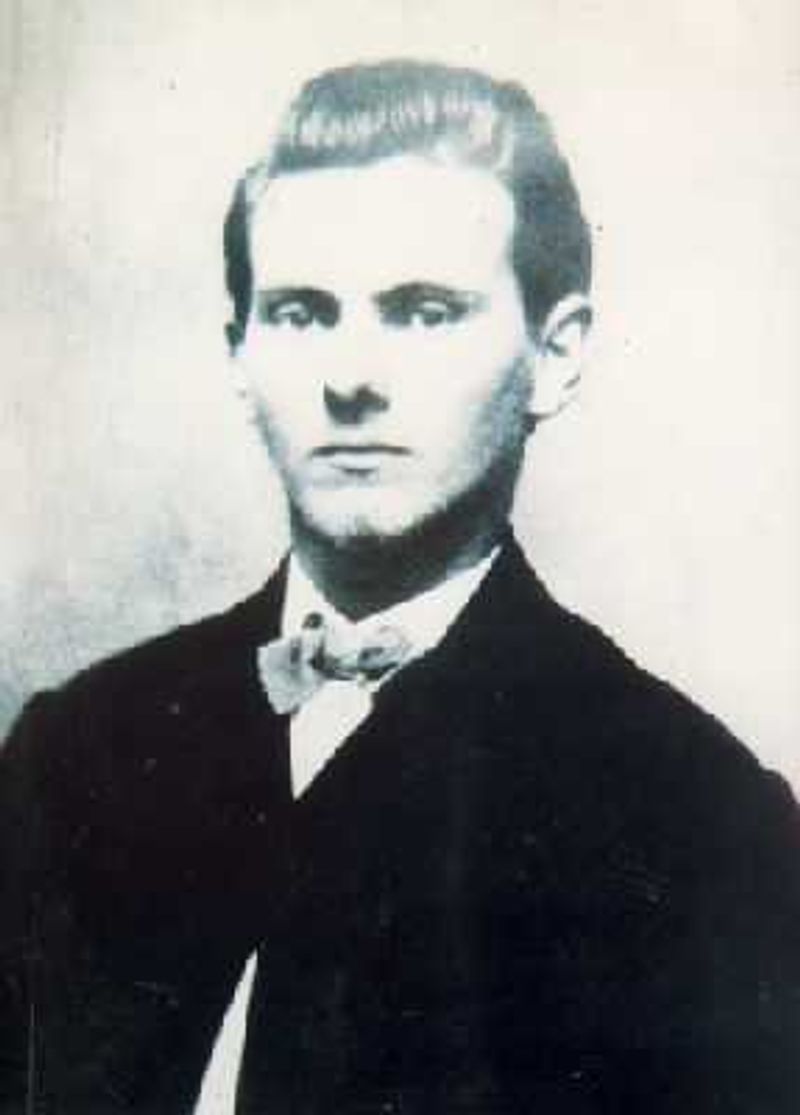
Jesse James, perhaps America’s most famous outlaw, also knew the value of Robbers Cave as a sanctuary. Though his primary operations centered in Missouri, James and his gang regularly traveled to Oklahoma when things got too hot up north.
I explored the deeper recesses of the cave system, imagining Jesse and his brother Frank huddled around a small fire, dividing their take from the latest bank or train robbery. The cave’s natural chimney effect would have dispersed smoke, making fires nearly invisible from the outside.
Local legends suggest Jesse buried some of his stolen loot somewhere in these hills. I met several visitors who come to the park with metal detectors, still hoping to strike it rich by finding Jesse’s hidden gold.
The James Gang’s visits to Robbers Cave typically occurred during the 1870s, when they were at the height of their criminal activities. Oklahoma was still Indian Territory then, which meant fewer lawmen and more places to disappear.
Walking the trails here, I understood why Jesse felt safe in this rugged landscape. The combination of loyal locals who wouldn’t talk, difficult terrain that favored those who knew it, and multiple escape routes made Robbers Cave an outlaw’s paradise during those wild frontier days.
The Natural Fortress of San Bois Mountains
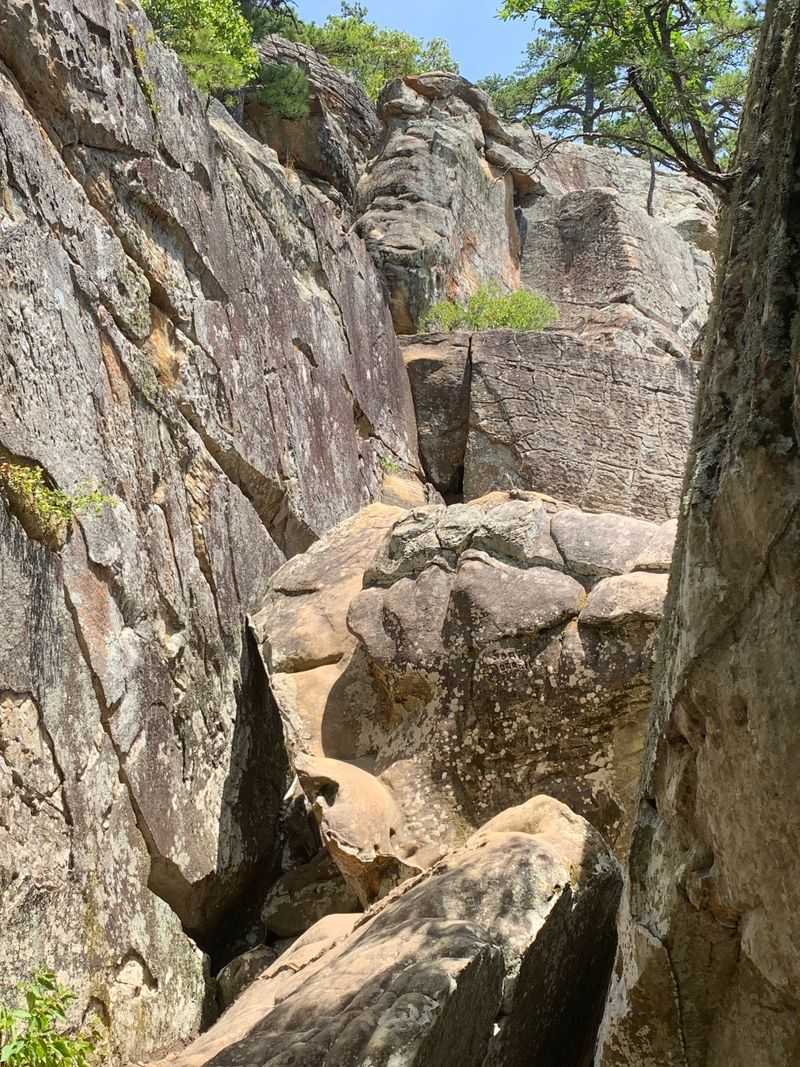
Geography made Robbers Cave the perfect outlaw hideout, and hiking through the San Bois Mountains showed me exactly why. These ancient hills rise abruptly from the surrounding plains, creating a natural fortress that’s easy to defend and hard to attack.
The mountains themselves are part of the Ouachita range, running east to west rather than north to south like most American mountain ranges. This unusual orientation created valleys and ridges that formed natural corridors and dead ends, perfect for ambushing pursuers.
I spent hours exploring the park’s 8,246 acres, discovering countless smaller caves, overhangs, and hidden hollows where outlaws could stash supplies or hide additional horses. The sandstone formations create a maze of possibilities that would take years to fully search.
Dense post oak and blackjack oak forests cover the mountains, providing cover so thick that riders could disappear just yards off the trail. I experienced this myself when fellow hikers vanished from view within seconds of stepping into the woods.
The park’s elevation changes dramatically, with the cave sitting high enough to provide visibility but sheltered enough to remain hidden. Water sources dot the landscape, meaning outlaws and their horses could survive here indefinitely without venturing into town where they might be recognized and reported.
Life as an Outlaw in the Hideout
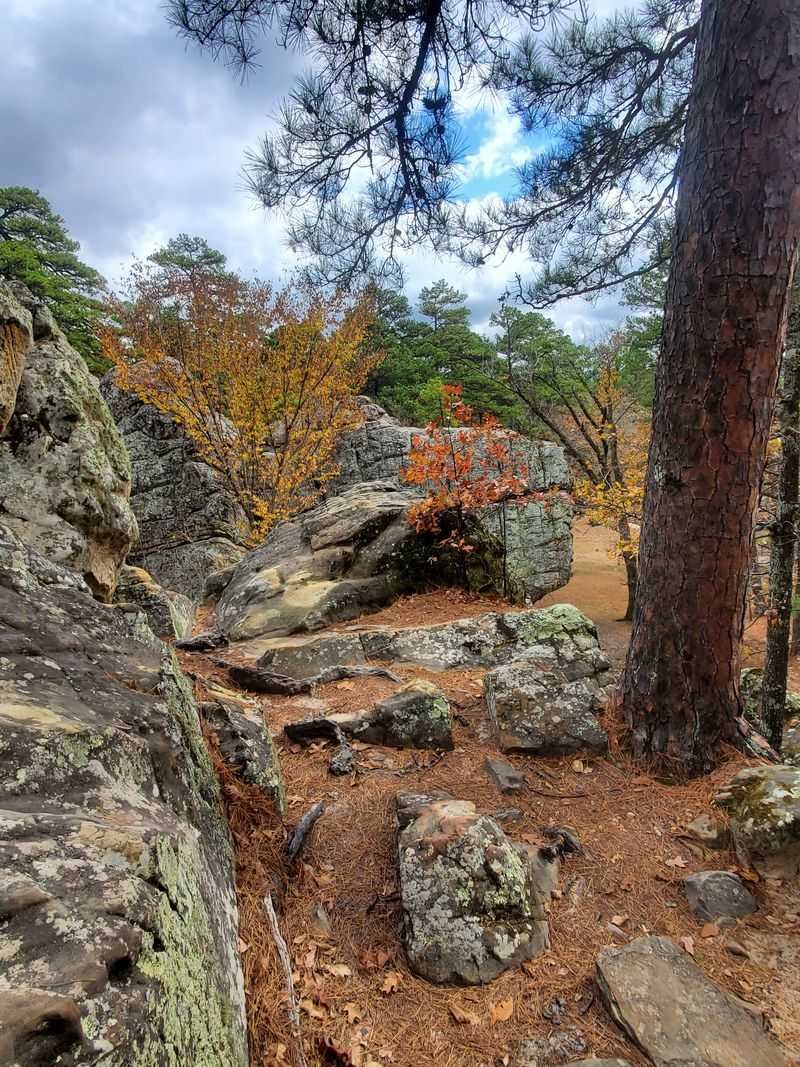
Living in Robbers Cave wasn’t glamorous, despite what Hollywood westerns might suggest. I sat inside the main cave chamber trying to imagine daily life for these criminals on the run, and the reality seemed harsh and uncomfortable.
Outlaws would have slept on bedrolls spread directly on the cave’s rocky floor. The constant dampness would have seeped into their bones, and the cave’s year-round cool temperature meant they’d need fires even in summer.
Food came from hunting the abundant deer, turkey, and small game in the surrounding forest, or from supplies purchased by trusted associates in nearby towns. I noticed wild persimmon and blackberry bushes throughout the park, likely the same varieties outlaws would have foraged.
The isolation must have been mentally challenging. Days or weeks might pass without seeing anyone outside their small group.
Card games, storytelling, and planning future robberies would have filled the long hours between lookout duties.
I talked with park rangers who explained that outlaws also had to maintain their horses, clean their weapons, and stay vigilant for threats. One careless moment could mean capture or worse.
The romantic notion of outlaw life fades quickly when you consider the constant danger, discomfort, and paranoia that defined their existence in this Oklahoma wilderness.
The Lawmen Who Hunted Them
For every outlaw using Robbers Cave, there were determined lawmen trying to bring them to justice. I learned about legendary marshals like Heck Thomas and Bill Tilghman who spent years tracking criminals through these very hills.
Judge Isaac Parker, known as the “Hanging Judge,” sent countless deputies into Oklahoma’s Indian Territory from his court in Fort Smith, Arkansas. Many of these lawmen specifically targeted outlaws known to use Robbers Cave as their sanctuary.
The cat-and-mouse game between outlaws and marshals was deadly serious. I stood at various vantage points around the park, realizing that both sides used the same terrain advantages.
Lawmen would approach carefully, knowing that one wrong move could trigger an ambush.
Local residents often found themselves caught in the middle. Some sympathized with outlaws and provided warnings or supplies, while others cooperated with marshals hoping to bring law and order to the territory.
The nature center displays several artifacts from this era, including handcuffs, wanted posters, and even a few bullets recovered from the area. Rangers told me that skirmishes between outlaws and lawmen occurred throughout these mountains, though the dense forest often allowed criminals to escape even when surprised at their hideout.
The chase could last for days through Oklahoma’s rugged backcountry.
How the Park Preserves Outlaw History
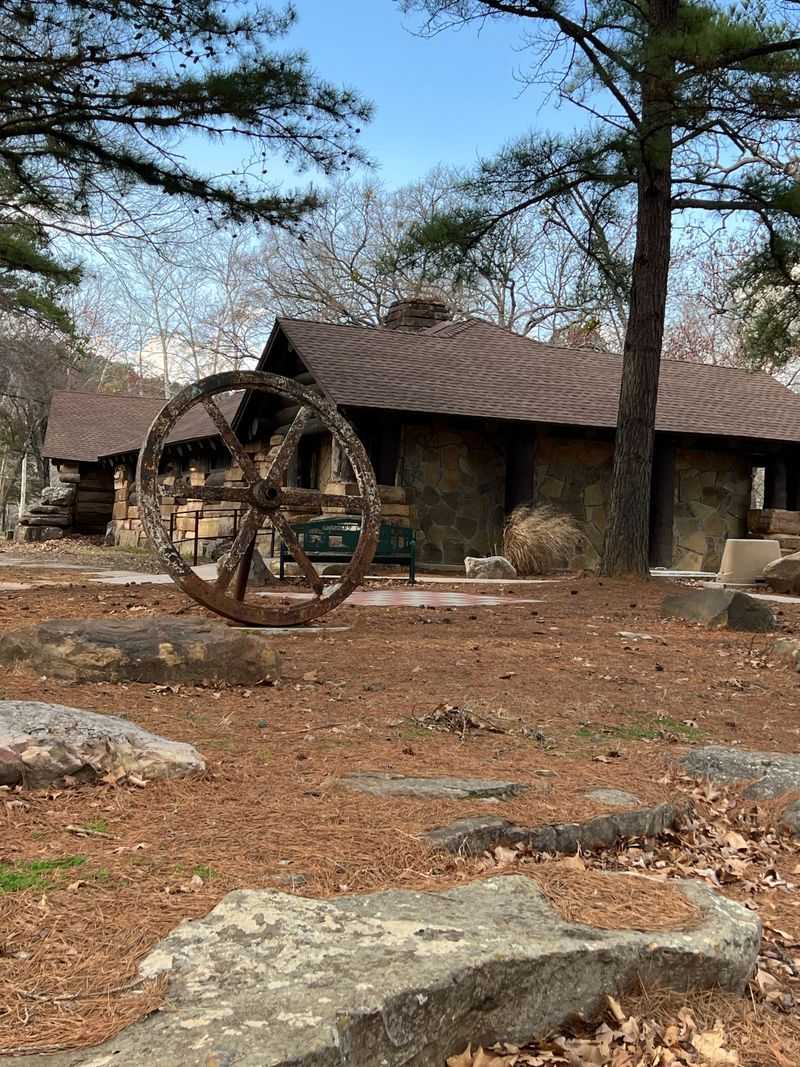
Robbers Cave State Park does an excellent job honoring its outlaw heritage while also providing modern recreational opportunities. I spent considerable time at the nature center, where displays bring the Wild West era to life through artifacts, photographs, and detailed historical accounts.
The park’s interpretive programs include guided hikes that follow outlaw trails and explain how criminals used the landscape to their advantage. Rangers share stories passed down through generations, some verified by historical records and others part of local folklore.
I appreciated that the park doesn’t glorify criminal activity but instead presents it as an important chapter in Oklahoma’s complex history. The exhibits explain the social and economic conditions that led some people to lives of crime during the frontier period.
Trail markers throughout the park identify locations significant to outlaw history. Standing at these spots, I could read about specific incidents that occurred there, making the past feel immediate and real.
The gift shop sells books about Belle Starr, the Dalton Gang, and other outlaws who used the cave. I picked up several volumes that provided deeper context about life in Indian Territory during the 1870s and 1880s.
The park’s commitment to historical accuracy while maintaining family-friendly recreation creates a unique experience that educates visitors about Oklahoma’s wild frontier past.
Exploring the Trails Where Outlaws Rode
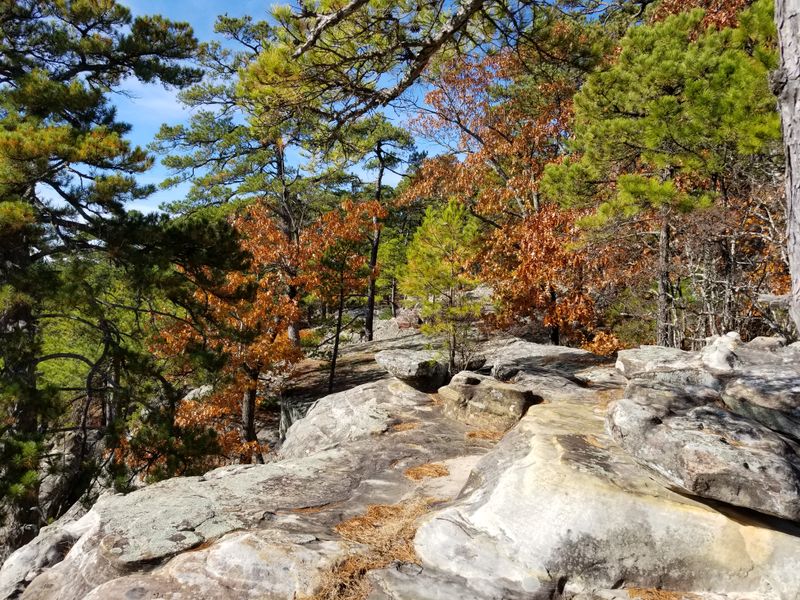
Walking the same trails once traveled by notorious criminals gave me chills. Robbers Cave State Park maintains over 20 miles of hiking trails, many following routes that outlaws used for quick escapes or approaching the cave undetected.
I tackled the main trail to the cave first, a moderate climb that winds through thick forest before emerging at the famous sandstone formation. The path is well-maintained now, but I tried to imagine it as a narrow horse trail barely visible through the underbrush.
The Rough Canyon Nature Trail offers a different perspective, descending into a valley where outlaws might have watered their horses at the creek. I spotted deer along this trail, the same game that would have provided meals for hiding criminals.
Some trails lead to overlooks with panoramic views across the mountains. These vantage points would have been crucial for spotting approaching danger.
I stood at one such overlook, scanning the horizon just as Belle Starr or Jesse James might have done.
The equestrian trails particularly fascinated me. The park maintains special trails for horseback riding, and I watched riders pass by, their horses’ hooves echoing on rocky sections.
This brought the outlaw era to life more vividly than anything else. Riding through these Oklahoma hills on horseback remains the most authentic way to experience the landscape as outlaws knew it.
The Surrounding Wilderness and Wildlife
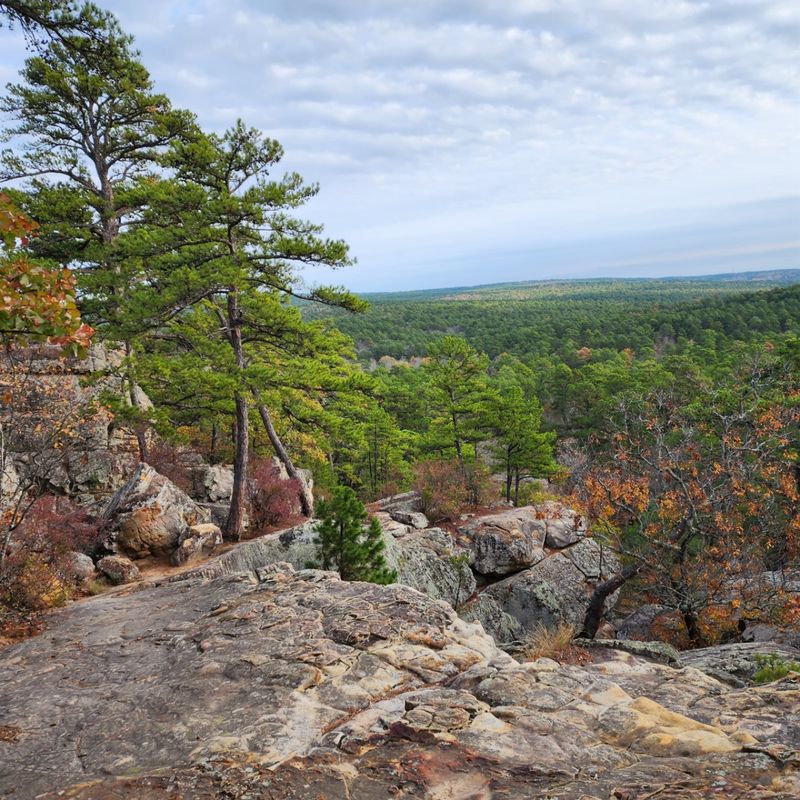
The natural environment that made Robbers Cave attractive to outlaws remains largely unchanged today. I encountered abundant wildlife during my visit, including white-tailed deer, wild turkeys, armadillos, and countless bird species that would have been familiar to 19th-century criminals.
The forest composition of post oak, blackjack oak, and eastern red cedar creates dense cover that still makes it easy to disappear from view. I tested this by stepping just a few yards off marked trails and finding myself completely hidden from other hikers.
Several creeks and springs provide water throughout the park. I drank from one spring after filtering, just as outlaws would have done without modern purification methods.
The water was cold and clear, flowing from the same underground sources that sustained criminals over a century ago.
Rocky outcroppings and boulder fields create natural fortifications throughout the landscape. I climbed atop several of these formations, gaining commanding views while remaining mostly concealed from below.
Outlaws would have used these same rocks as defensive positions if confronted by lawmen.
The park’s ecosystem supports the same plants outlaws would have recognized. I identified wild onions, persimmons, blackberries, and various medicinal herbs that frontier people used.
This living connection to the past makes Robbers Cave State Park in Oklahoma feel like a genuine time capsule of the Wild West era.
Modern Amenities Meet Historic Atmosphere
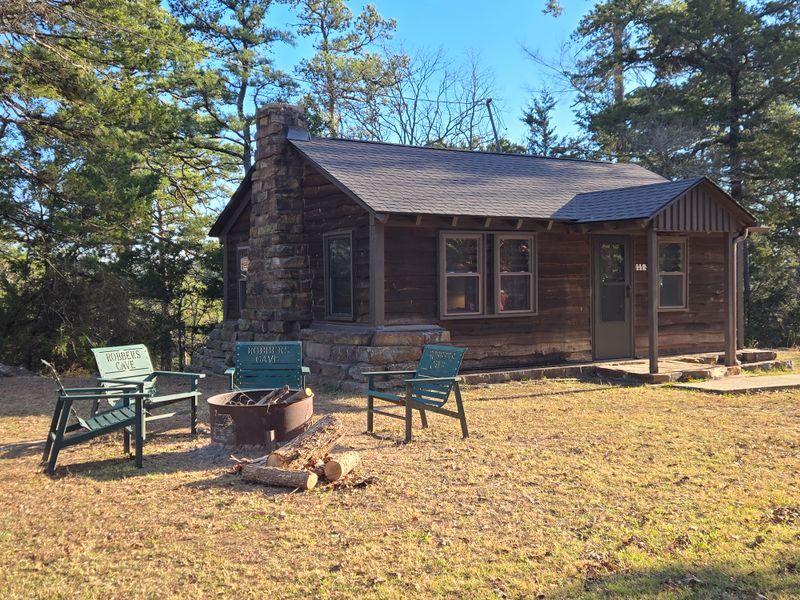
Today’s visitors to Robbers Cave State Park enjoy comforts that outlaws could never have imagined, yet the park manages to maintain its historic atmosphere. I stayed in one of the park’s renovated cabins, which blend modern conveniences with rustic charm that honors the location’s heritage.
The park offers diverse lodging options including cabins, yurts, RV sites, and tent camping areas. I appreciated how camping near the cave lets you experience the landscape much as outlaws did, minus the constant fear of capture.
The Lookout Kitchen restaurant serves delicious meals with views overlooking the valley. I enjoyed lunch there, imagining how Belle Starr would have envied such luxury after weeks of campfire cooking and dried meat.
Lake Carlton provides opportunities for fishing, paddle boating, and swimming that outlaws might have enjoyed during their downtime. I rented a paddle boat and explored the quiet coves, though I kept my eyes open for lawmen out of habit.
The park’s nature center, gift shop, swimming pool, and mini golf course cater to families seeking outdoor recreation beyond the outlaw history. Yet even these modern additions are designed to blend with the natural environment.
The park’s address is 2084 NW 146th Road in Wilburton, Oklahoma, making it easily accessible while preserving the remote feeling that once made it the perfect criminal sanctuary in the Wild West.
Dear Reader: This page may contain affiliate links which may earn a commission if you click through and make a purchase. Our independent journalism is not influenced by any advertiser or commercial initiative unless it is clearly marked as sponsored content. As travel products change, please be sure to reconfirm all details and stay up to date with current events to ensure a safe and successful trip.
