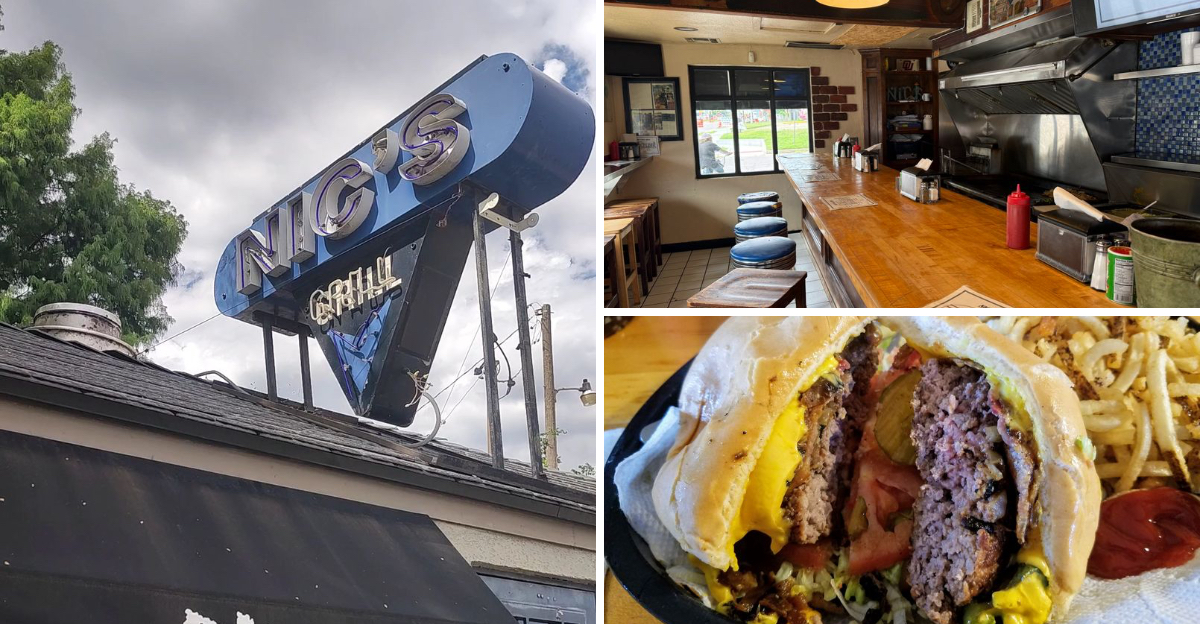
Oklahoma City has always been a place where tradition meets character, and nowhere is that more evident than in its dining scene.
The capital city sits in the heart of the Great Plains, where wide-open skies meet a community that values authenticity and grit.
Travelers who wander through this part of Oklahoma discover more than just landmarks and museums, they find gathering spots where locals debate, bond, and occasionally disagree over what makes a truly great burger.
One such spot has become the center of friendly controversy, drawing both devoted fans and vocal critics who can’t quite agree on what makes it special.
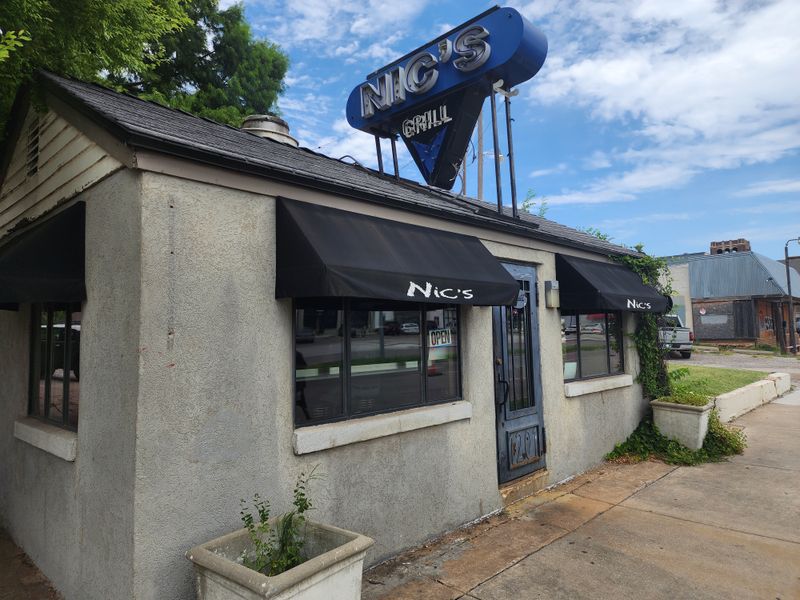
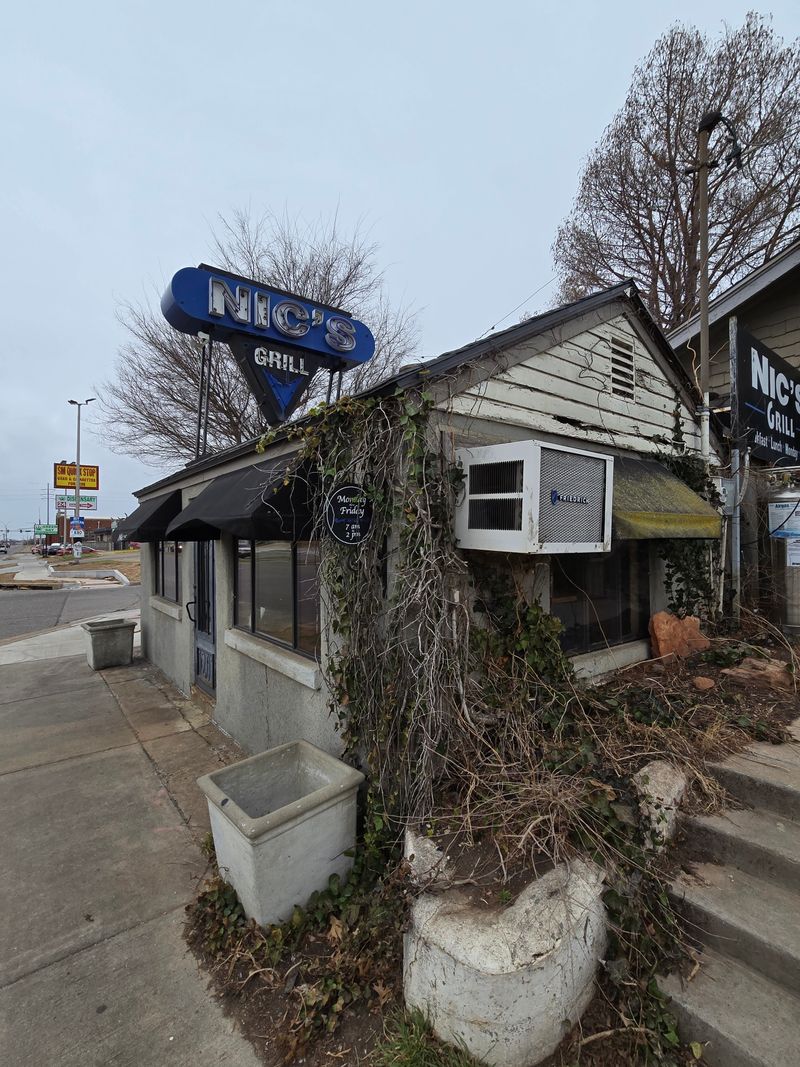
Nic’s Grill occupies a tiny corner on North Pennsylvania Avenue, a modest building that barely announces itself to passersby.
Yet inside this cramped space, something remarkable happens every weekday and Saturday between late morning and early afternoon.
The scent of grilled onions drifts into the street, the counter fills with regulars who know each other by name, and a single cook works a flattop grill with the kind of focus that comes from decades of repetition.
Some swear this place serves the finest burger in the state, while others question whether the hype matches reality.
The debate rages on, but one thing remains certain: this unassuming eatery has sparked more passionate opinions than almost any other dining spot in Oklahoma City, making it a must-visit for anyone curious about what divides and unites a community over a simple meal.
A Legendary Reputation Built on Simplicity
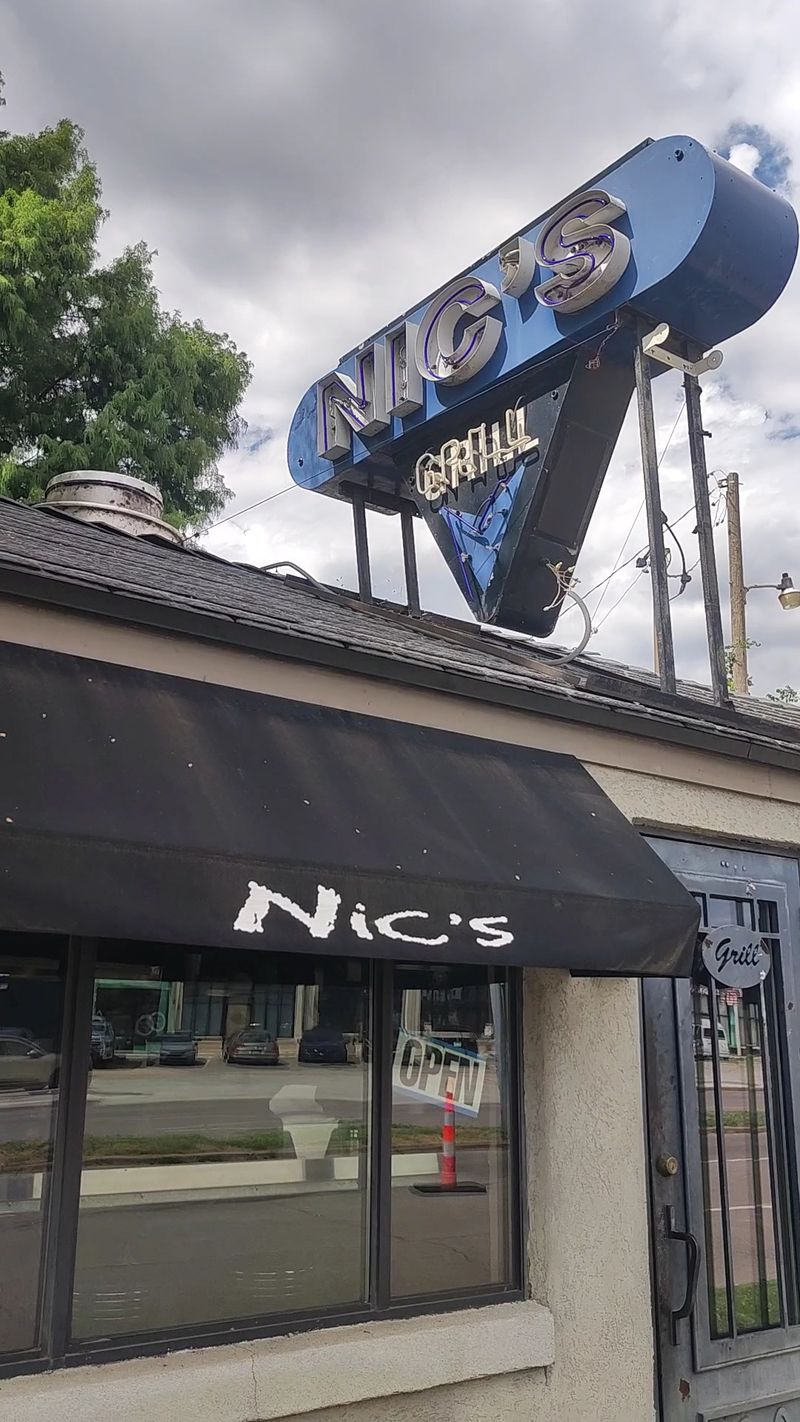
Walk into almost any conversation about burgers in Oklahoma City, and you’ll hear the name Nic’s Grill mentioned with reverence, skepticism, or sometimes both.
This tiny establishment has built a reputation that stretches far beyond its limited seating, drawing visitors from across the state and beyond.
The menu is stripped down to the essentials: burgers, fries, and a handful of breakfast options.
There are no elaborate toppings, no gourmet pretensions, just straightforward American diner fare executed with unwavering consistency.
What sets this place apart is the way it has become woven into the cultural fabric of the city.
For more than two decades, locals have made pilgrimages here, often arriving well before the doors open to secure one of the coveted counter seats.
The experience is as much about the ritual as it is about the meal itself.
Regulars know to bring cash, expect a wait, and prepare for a dining experience that feels more like joining a neighborhood gathering than visiting a typical restaurant.
Yet this legendary status also invites scrutiny.
Some visitors arrive with sky-high expectations fueled by glowing reviews and national television features, only to find themselves questioning whether the reality lives up to the hype.
The debate centers not on quality, most agree the burgers are well-made, but on whether they justify the devotion they inspire.
This tension between expectation and experience has become part of the story, creating a divide among diners that only adds to the intrigue surrounding this Oklahoma institution.
Address: 1201 N Pennsylvania Ave, Oklahoma City, Oklahoma
The Onion Burger That Divides Opinion
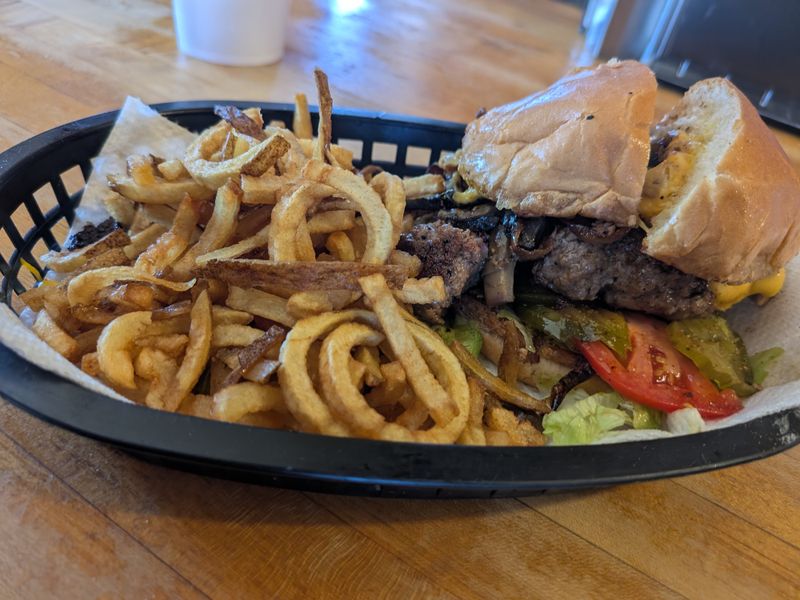
At the heart of the debate sits the signature onion burger, a preparation style that has deep roots in Oklahoma culinary history.
During the Great Depression, cooks began mixing thinly sliced onions into burger patties to stretch meat supplies, creating a distinctively caramelized flavor that has endured for generations.
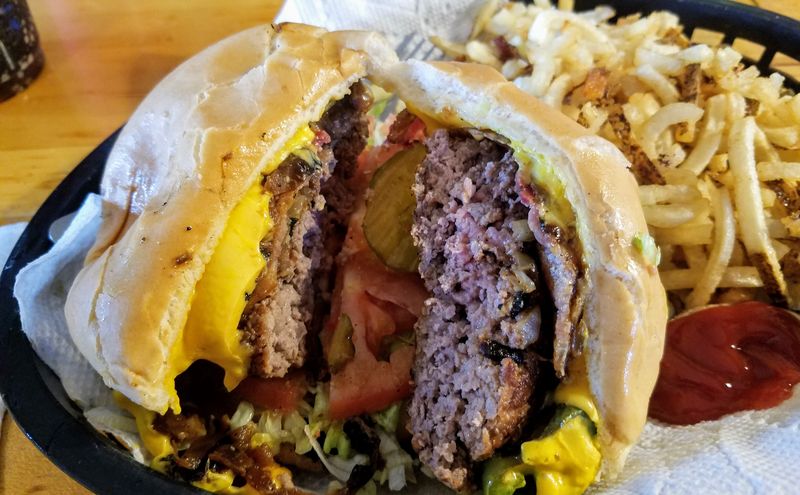
Nic’s Grill has become one of the most celebrated practitioners of this technique, pressing a generous mound of onions directly into each patty as it sizzles on the flattop.
Supporters of this approach describe the result as transformative.
The onions caramelize into the meat, creating layers of sweetness and savory depth that elevate a simple burger into something memorable.
The edges develop a crispy texture while the interior remains tender, and the grilled onions infuse every bite with flavor.
For many, this represents the pinnacle of burger craftsmanship, a perfect marriage of technique and tradition that showcases what can be achieved with minimal ingredients and maximum skill.
However, not everyone shares this enthusiasm.
Critics point out that the patties are cooked to well-done, leaving no trace of pink in the center.
For diners who prefer their burgers with some juiciness and a medium temperature, this can feel like a missed opportunity.
Others find the onion-forward flavor overwhelming, masking the taste of the beef itself.
The texture, which some describe as melting and tender, strikes others as slightly dry.
These differing perspectives reveal how personal preference shapes dining experiences, and why even a widely praised establishment can leave some visitors underwhelmed.
Limited Hours Create Urgency and Frustration
One factor that fuels both the mystique and the controversy surrounding this eatery is its extremely limited operating schedule.
Open only from late morning until early afternoon on weekdays and Saturdays, the restaurant serves lunch exclusively, closing its doors by mid-afternoon or whenever the daily supply of ingredients runs out.
This scarcity creates a sense of urgency among devoted fans who plan their schedules around these narrow windows of availability.
The restricted hours also contribute to the lines that form outside the entrance, sometimes stretching down the sidewalk as opening time approaches.
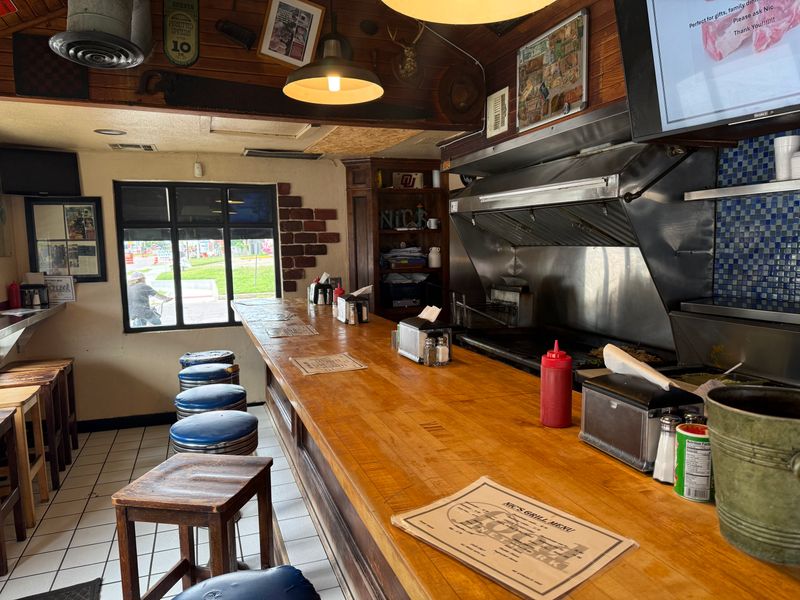
Arriving early has become essential for anyone hoping to secure a seat at the counter or one of the few small tables inside.
This creates an atmosphere of anticipation and camaraderie among those waiting, who often strike up conversations about previous visits or share tips about the best time to arrive.
For some, this sense of community and shared experience adds to the appeal, making the meal feel like participation in something special rather than just another lunch outing.
Yet these same limitations generate frustration among others.
Visitors who make the trip across Oklahoma City only to find the place closed for the day, or who arrive to discover a line too long to accommodate their schedule, often leave disappointed.
The cash-only policy adds another layer of inconvenience for those unprepared.
While supporters argue these quirks are part of the charm, critics see them as unnecessary obstacles that make the experience more difficult than it needs to be, especially when other burger spots in the area offer similar quality with greater accessibility.
The Personal Touch That Defines the Experience
Beyond the burgers themselves, much of the conversation about this establishment centers on the personal interactions that unfold inside its cramped quarters.
The owner has developed a reputation for greeting customers warmly, engaging in conversation, and creating an atmosphere that feels more like a neighborhood gathering than a commercial transaction.
Regular patrons speak of being recognized and welcomed by name, while first-time visitors often find themselves drawn into friendly banter that makes them feel immediately included.
This personable approach has cultivated fierce loyalty among a core group of supporters who return not just for the meal but for the sense of connection and community.
In an era when dining often feels impersonal and transactional, this old-fashioned hospitality stands out.
The small size of the space, with seating for fewer than twenty people, intensifies these interactions, forcing strangers to sit elbow-to-elbow and often sparking conversations that wouldn’t happen in a larger, more anonymous setting.
For many, this human element is what transforms a good burger into a memorable experience.
However, this intimate atmosphere doesn’t resonate with everyone.
Some diners prefer a more straightforward transaction without the expectation of conversation or social interaction.
The tight quarters can feel claustrophobic rather than cozy, especially during busy periods when the small space fills with the noise and energy of multiple conversations happening simultaneously.
What some perceive as friendly and welcoming, others experience as crowded and overwhelming.
This divide in how people respond to the social dynamics reveals how the same environment can create completely different impressions depending on individual preferences and temperament.
The Role of Expectations in Shaping Satisfaction
Perhaps no factor contributes more to the split opinions than the weight of expectations visitors bring through the door.
After appearing on national television programs and accumulating countless glowing reviews, this Oklahoma City spot has achieved a level of fame that can work against it.
First-time visitors often arrive with assumptions shaped by superlatives and enthusiastic recommendations, expecting a transformative culinary revelation rather than simply a very good burger prepared with care and consistency.
When reality meets these inflated expectations, disappointment can follow even when the meal itself is objectively well-executed.
A burger that would be thoroughly enjoyed in a vacuum becomes subject to harsher judgment when measured against claims of being the best in the city, state, or region.
This phenomenon affects many celebrated establishments, but it feels particularly pronounced here because of the simplicity of the offering.
With such a straightforward menu, there’s nowhere for the food to hide and nothing to distract from the central question of whether this burger truly deserves its exalted reputation.
Meanwhile, visitors who arrive with more modest expectations often find themselves pleasantly surprised and satisfied.
Without the burden of needing the experience to be life-changing, they can appreciate the craftsmanship, the atmosphere, and the care that goes into each preparation.
This highlights how much our prior beliefs and assumptions shape our perceptions of quality.
Two people can eat the identical burger and walk away with completely different assessments based not on what they tasted, but on what they expected to taste.
Understanding this dynamic helps explain why opinions about this place remain so divided despite the consistency of what’s being served.
Cash-Only Policy in a Digital Age
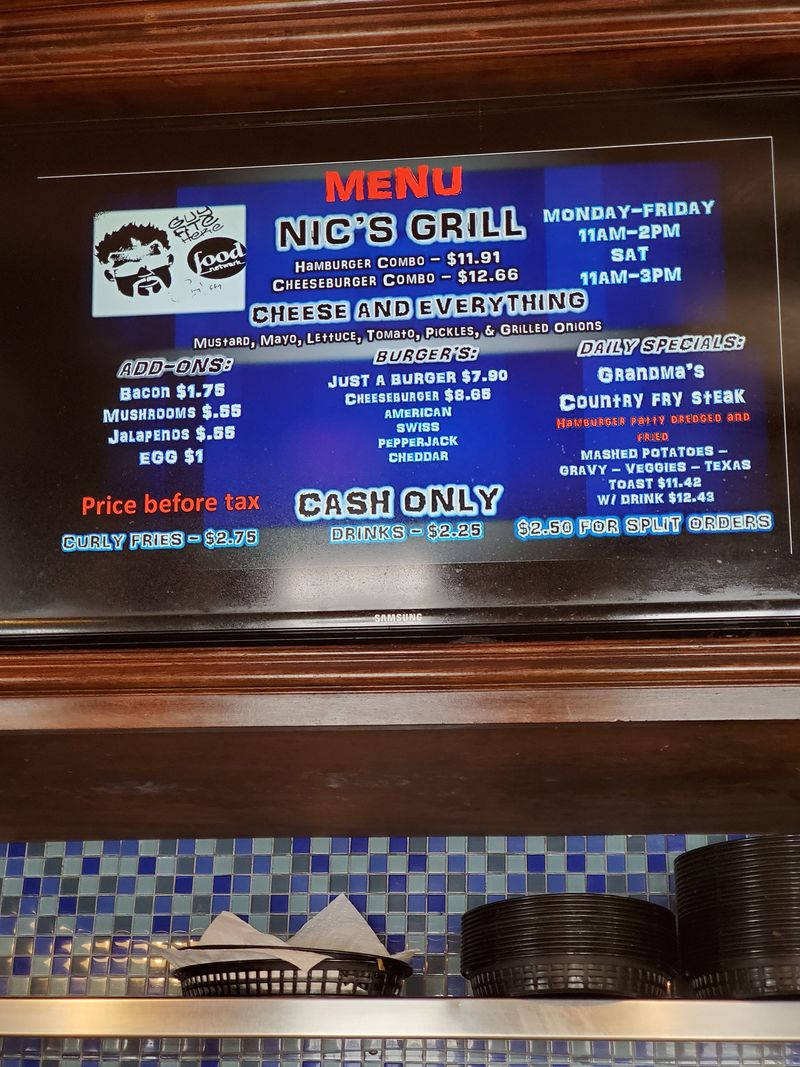
Another point of contention centers on the establishment’s insistence on accepting only cash payments, a policy that feels increasingly anachronistic in an era when many people rarely carry physical currency.
For the restaurant, this approach likely simplifies operations and reduces transaction fees, allowing the focus to remain on food preparation rather than payment processing.
Long-time regulars have adapted to this requirement, knowing to stop at an ATM before arriving or keeping cash on hand specifically for their visits.
However, this policy catches many first-time visitors off guard, particularly those who have become accustomed to paying for everything with cards or mobile devices.
Discovering the cash-only requirement only after ordering can create an awkward moment, forcing diners to search for nearby ATMs or abandon their orders entirely.
While signs and online information do mention this policy, it’s easy to overlook such details when planning a spontaneous lunch outing.
The inconvenience can color the entire experience, especially for those who already feel uncertain about whether the visit will live up to expectations.
Supporters argue that this policy is part of the charm, a throwback to simpler times that reinforces the no-frills, traditional character of the place.
They see it as a small price to pay for maintaining the authentic atmosphere that makes the establishment special.
Critics counter that there’s nothing inherently authentic about making things unnecessarily difficult for customers, and that accepting modern payment methods wouldn’t diminish the quality of the burgers or the warmth of the service.
This disagreement reflects broader debates about how much tradition should be preserved when it creates friction with contemporary convenience.
A Reflection of Oklahoma City’s Evolving Identity
The passionate debates surrounding this establishment reveal something deeper about Oklahoma City itself and how communities negotiate change while honoring tradition.
The city has experienced significant growth and transformation in recent years, with new restaurants, cultural venues, and residential developments reshaping neighborhoods.
Against this backdrop of change, places that have remained largely unchanged for decades take on added significance as anchors of continuity and authenticity.
For many longtime residents, this burger spot represents a connection to the Oklahoma City they remember, a place that hasn’t been polished or modernized to appeal to changing tastes.
The cramped quarters, limited hours, and cash-only policy aren’t seen as flaws but as evidence of integrity, proof that the establishment hasn’t compromised its character in pursuit of broader appeal.
Supporting such places becomes a way of asserting values, of choosing substance over style and tradition over trendiness.
The loyalty these establishments inspire goes beyond the quality of the meal to encompass what they represent in a rapidly changing urban landscape.
Yet others see the resistance to any modernization as stubbornness rather than principle.
They argue that accepting credit cards, extending hours slightly, or finding a larger space wouldn’t diminish the quality of the burgers or the warmth of the service, but would make the experience accessible to more people.
For these critics, tradition shouldn’t mean inconvenience, and preserving character shouldn’t require making things harder than necessary.
This tension between preservation and adaptation plays out in dining debates across Oklahoma and beyond, with this particular burger joint serving as a flashpoint for these broader conversations about what authenticity means and whether it requires sacrifice.
Dear Reader: This page may contain affiliate links which may earn a commission if you click through and make a purchase. Our independent journalism is not influenced by any advertiser or commercial initiative unless it is clearly marked as sponsored content. As travel products change, please be sure to reconfirm all details and stay up to date with current events to ensure a safe and successful trip.
