Locals in Oklahoma know this place is pure gold, but is it really the ultimate pilgrimage for book and movie fans, or just another overhyped tourist trap that out-of-towners flock to while missing the real gems?
This unassuming house in Tulsa has sparked endless debates about what makes a destination truly worth the drive.
Whether you grew up reading the book in middle school or watched the film a dozen times, there’s something magnetic about walking through the same rooms where cinematic history was made.
Pack your curiosity and get ready to see if this tribute lives up to the hype that has visitors traveling from across the country just to stand on its front porch.
A Neighborhood Steeped in Cinematic History
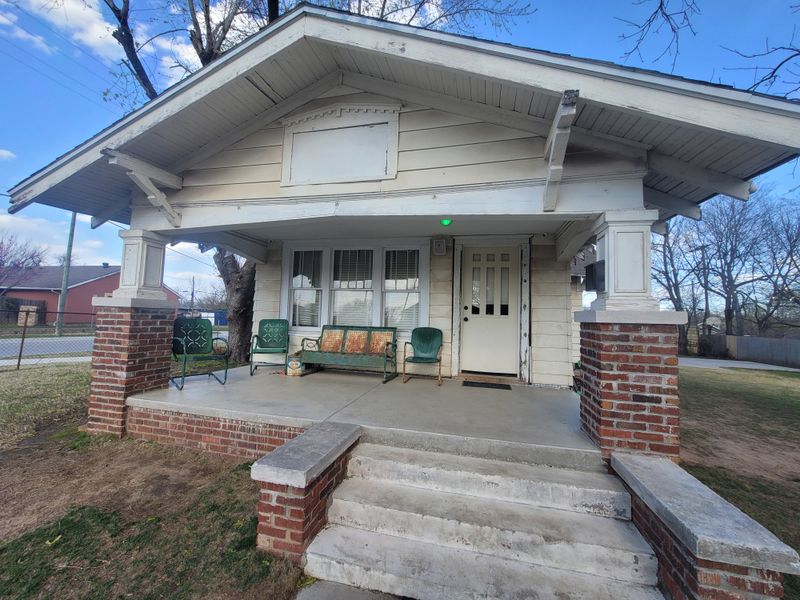
Tucked away in Tulsa’s Crutchfield neighborhood sits a modest bungalow that became the backdrop for one of the most beloved coming-of-age films ever made.
When Francis Ford Coppola chose this working-class area to bring S.E.Hinton’s novel to life in 1983, he captured the raw authenticity of the Greasers’ world.
Walking these streets today feels like stepping back into that era, where the divide between the haves and have-nots shaped the lives of teenagers navigating identity and belonging.
The surrounding blocks still carry the character that made them perfect for filming, with tree-lined avenues and homes that tell stories of generations past. North Tulsa’s landscape hasn’t been polished or gentrified beyond recognition, which adds to the museum’s genuine atmosphere.
Visitors often comment on how the neighborhood itself becomes part of the experience, offering context to the social tensions explored in the story.
Just a few blocks away, you’ll find the park where the rumble scene was filmed, creating a mini pilgrimage route for fans. The area invites exploration on foot, allowing you to trace the paths the characters might have walked.
This sense of place makes the museum more than just a building, it transforms into a living piece of storytelling that connects past and present in Oklahoma’s cultural tapestry.
Address: 731 N St Louis Ave, Tulsa, OK 74106
The House That Almost Disappeared
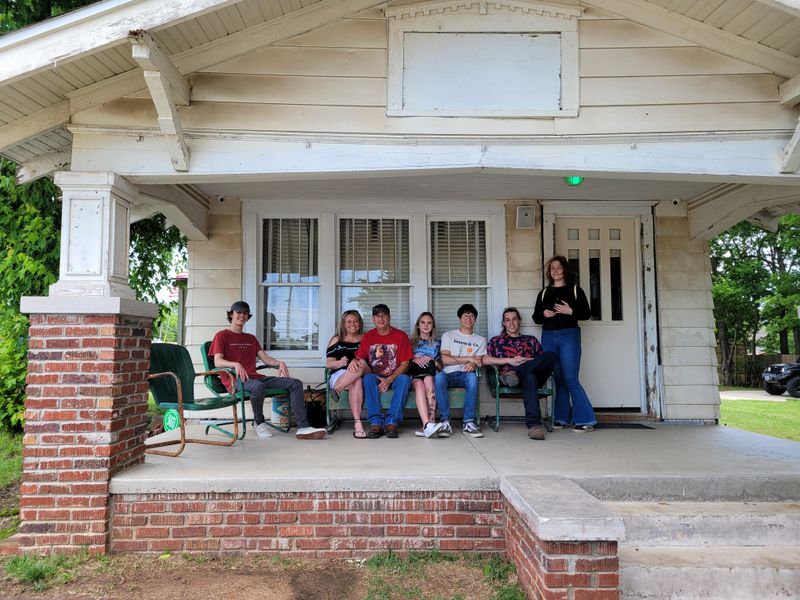
Before Danny Boy O’Connor from House of Pain stepped in, this iconic structure was headed for demolition. Imagine the cultural loss if one of cinema’s most recognizable homes had been reduced to rubble and memories.
In 2016, the hip-hop artist and devoted fan purchased the property, launching a restoration project fueled by passion and respect for the story that shaped his youth.
The rescue mission wasn’t just about preserving walls and windows. It represented saving a tangible connection to a narrative that resonated with millions of readers and viewers worldwide.
O’Connor’s dedication transformed what could have been another vacant lot into a thriving museum that welcomes thousands of visitors annually. His investment went beyond money, it required vision to see the potential in a rundown house that most would have overlooked.
Restoration work focused on returning rooms to their appearance during filming, using production photos and memories from cast and crew. The kitchen where Ponyboy made breakfast, the living room where the brothers gathered, Ponyboy’s bedroom, all meticulously recreated to transport visitors back to 1983.
This labor of love demonstrates how one person’s commitment can preserve cultural heritage for future generations.
The staff often shares stories about O’Connor’s involvement, including his surprise visits with friends. His towering presence and genuine warmth leave lasting impressions on guests lucky enough to meet him during their tour.
Stepping Into the Curtis Brothers’ World
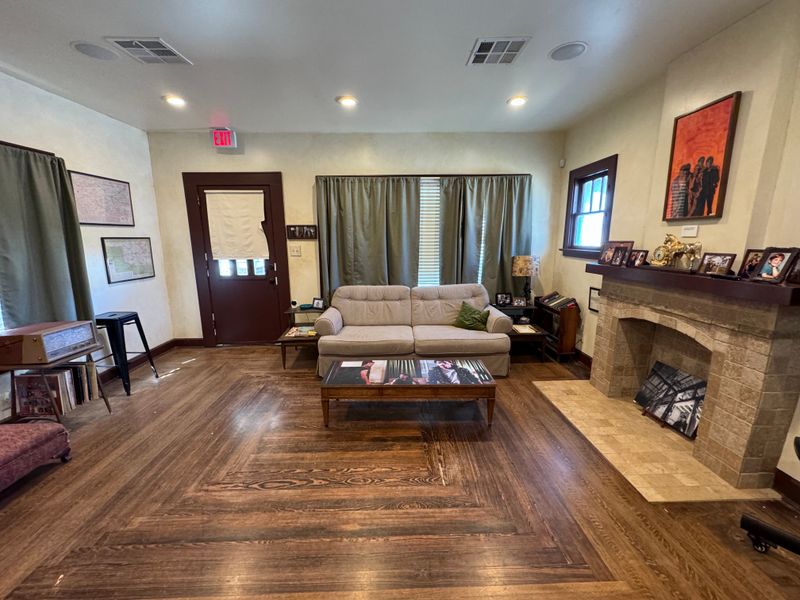
Push through the front door and you’re immediately transported to the Curtis family home, where three orphaned brothers tried to stay together against all odds. The living room remains frozen in time, arranged exactly as it appeared when cameras rolled decades ago.
Furniture placement, wall decorations, even the smallest details reflect the production design that helped tell this powerful story about family and survival.
Each room serves as a portal to specific scenes that fans remember vividly. The kitchen still displays the chocolate cake and breakfast setup that shocked viewers when Sodapop casually ate dessert in the morning.
These authentic touches create an immersive experience that goes far beyond simply reading plaques or looking at photographs behind glass. You can stand where the actors stood, imagine their movements through the space, and feel the weight of the story in a deeply personal way.
Tour guides, many of whom worked as extras during filming, bring these spaces to life with behind-the-scenes anecdotes. They’ll point out which walls were moved for camera angles, where lighting equipment was positioned, and how the small house accommodated a full film crew.
Their firsthand knowledge adds layers of understanding that transform a simple walk-through into an educational journey through moviemaking history.
Photography is encouraged throughout the house, allowing visitors to recreate their favorite moments and share their experience with fellow fans online.
Treasures From the Set
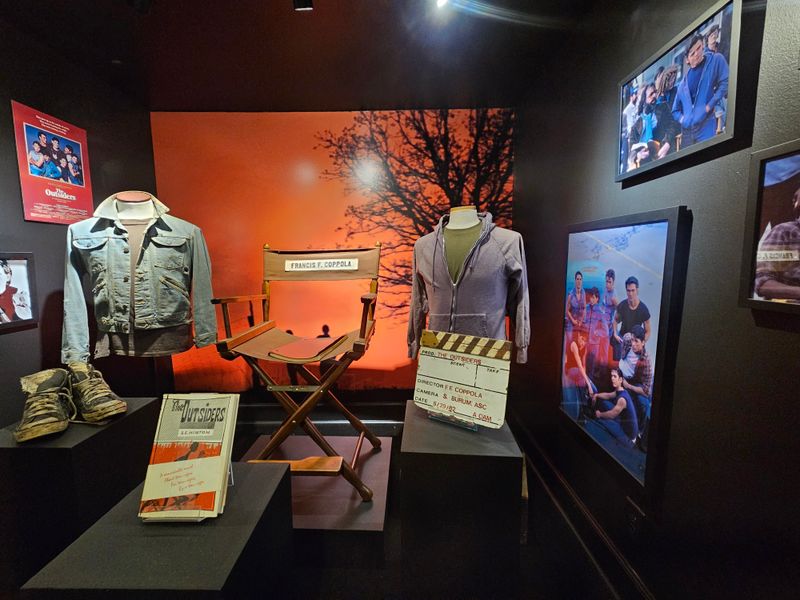
Glass cases and wall displays throughout the museum showcase an impressive collection of props, costumes, and memorabilia that bring the production to vivid life.
You’ll find yourself face to face with clothing worn by the cast during filming, including C.Thomas Howell’s distinctive purple sleeveless shirt, Emilio Estevez’s Mickey Mouse tee, and Tom Cruise’s denim rumble outfit. These aren’t replicas or similar items, they’re the actual garments that appeared on screen.
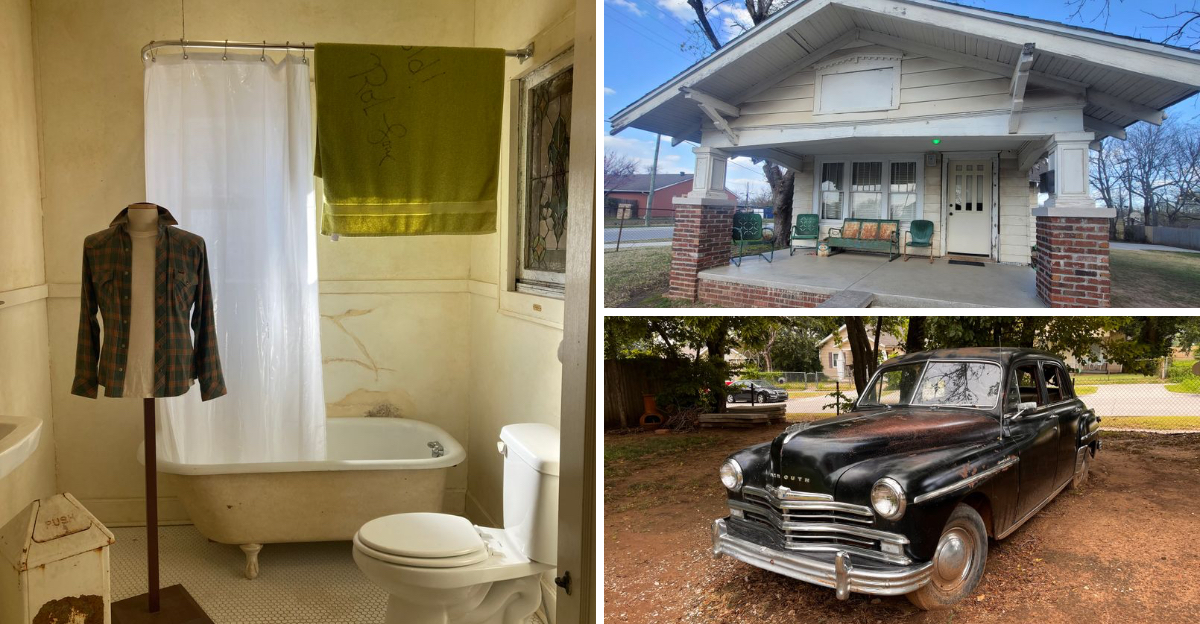
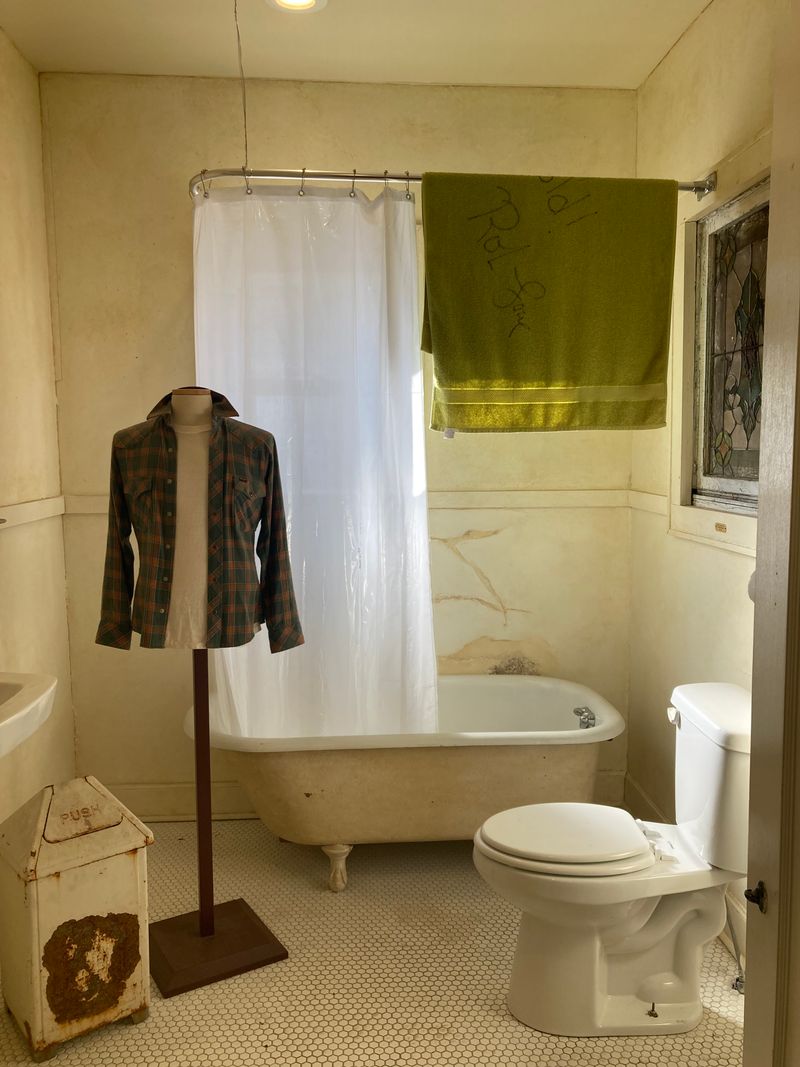
The collection extends beyond clothing to include production photos, call sheets, and personal items that tell the story of how this film came together. One particularly touching piece is a green towel signed by Rob Lowe during a fundraising event, similar to the one his character used in the bathroom scene.
The museum kept one of several he signed, creating a unique artifact that connects the past filming to ongoing preservation efforts.
Visitors spend considerable time examining these treasures, often pointing out details they never noticed while watching the movie. The proximity to these objects creates an intimacy with the production that streaming the film at home simply cannot replicate.
You can see the wear on the clothing, the signatures on photographs, the tangible evidence of creative work that happened four decades ago.
The collection continues growing as cast members, crew, and fans contribute items. This living archive ensures that future generations can connect with the film’s legacy in meaningful ways.
The Wall of Signatures
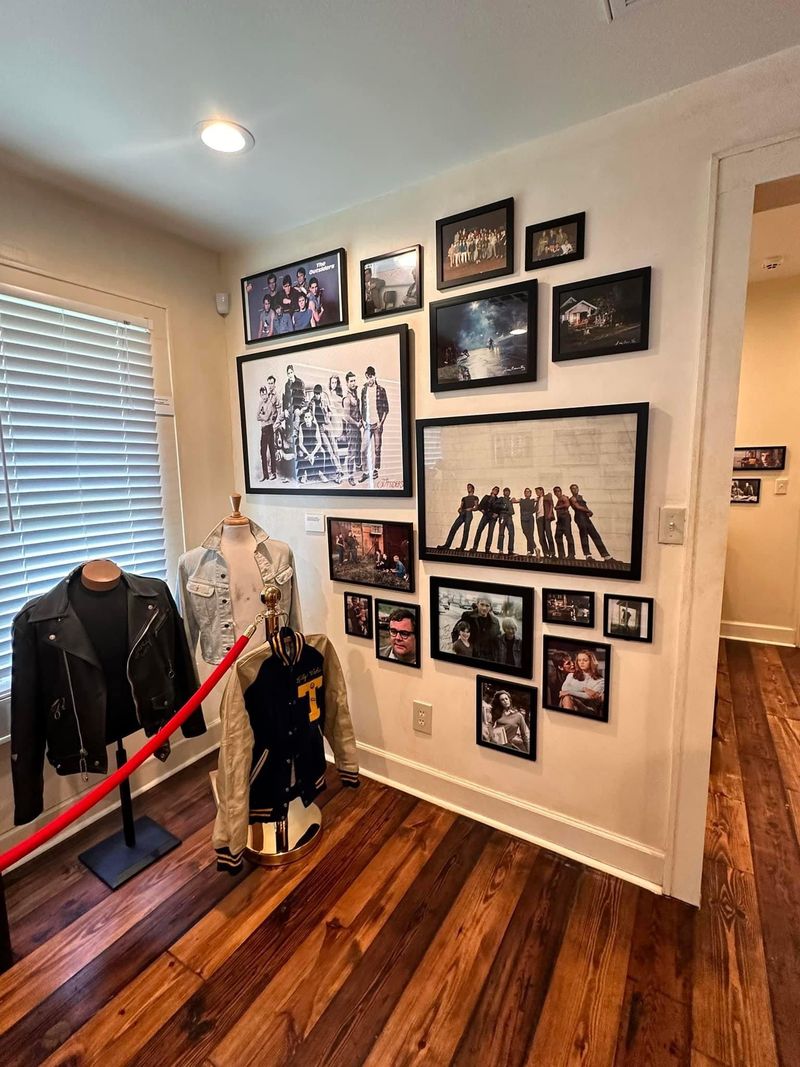
One entire wall has become a canvas of memories, covered in autographs from cast members who’ve returned to visit this special place. C. Thomas Howell, Ralph Macchio, and other stars have left their marks, creating a visual timeline of the film’s enduring impact.
Each signature represents a moment when someone who helped create this story came back to see how it’s been preserved and celebrated.
What makes this wall particularly powerful is understanding which cast members have returned and which haven’t. Tour guides share that Tom Cruise, Patrick Swayze (before his passing), Emilio Estevez, and Diane Lane haven’t made the pilgrimage back to Tulsa.
This creates an interesting dynamic where some stars have embraced the museum’s mission while others have moved on completely. Howell stands out for his active involvement, regularly supporting the museum and the local community through various initiatives.
Fans often stand before this wall for extended periods, tracing names with their eyes and imagining the moments when these celebrities walked through the same rooms.
The signatures aren’t perfectly arranged or professionally displayed, they’re scattered organically across the surface, which adds to their authenticity.
This isn’t a staged photo opportunity, it’s a genuine record of people reconnecting with an important chapter of their careers.
The museum hopes that over time, more cast members will add their names to this growing testament to the film’s legacy and its place in Oklahoma’s cultural history.
The Gift Shop Experience
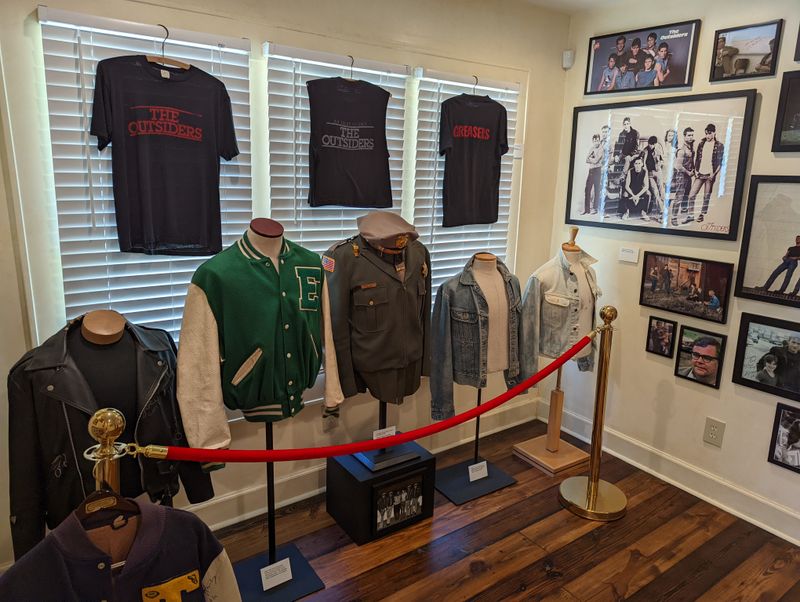
Housed in what was once the property’s garage, the gift shop serves as both entrance point and treasure trove for fans wanting to take home a piece of their experience. The selection goes far beyond typical museum fare, offering everything from t-shirts and caps to books, pins, patches, and stickers.
Many items feature iconic quotes and imagery from both the novel and film, allowing visitors to display their fandom in countless ways.
What sets this shop apart is its dual focus on the movie and North Tulsa itself. You’ll find merchandise celebrating the local community and its history, acknowledging that this story belongs to Oklahoma as much as it belongs to fans worldwide.
This thoughtful curation reflects the museum’s commitment to honoring both the film and the neighborhood that gave it authenticity.
The shop also serves practical purposes, housing restrooms and offering a few snacks for visitors who’ve traveled long distances. Staff members here are equally knowledgeable and passionate, ready to help you find the perfect souvenir or answer questions about the museum.
Many guests report spending as much time browsing the shop as touring the house itself, drawn in by the extensive selection.
Proceeds from merchandise sales help fund ongoing preservation and community programs, making each purchase a contribution to keeping this cultural landmark alive. Whether you grab a simple sticker or invest in multiple items, you’re supporting a mission that extends beyond nostalgia into active cultural preservation.
The Rumble Park Connection
Your museum experience doesn’t have to end at the house’s front door. Just a couple of blocks away sits the park where one of the film’s most intense scenes was shot.
The rumble between the Greasers and Socs unfolded on this very ground, and walking to it creates a mini pilgrimage that deepens your connection to the story. Fans often make this short journey part of their visit, snapping photos and imagining the choreographed fight that took place decades ago.
The park itself hasn’t been transformed into a commercial attraction. It remains a functioning neighborhood green space where local families gather, children play, and daily life continues.
This normalcy adds to its appeal, reminding visitors that this story about teenage struggles and social divisions played out in real communities. Standing in the park grounds you in the physical reality of the filming locations rather than the Hollywood fantasy.
Many visitors report feeling a rush of recognition when they round the corner and see the park for the first time. Scenes flash through their minds, and they can almost hear the shouts and sounds from that pivotal confrontation.
Staff at the museum will happily provide directions and suggest the best spots for photographs that capture the park’s connection to the film.
This extension of the museum experience into the surrounding neighborhood reinforces how the entire area participated in creating this cinematic landmark.
A Pilgrimage Worth Making
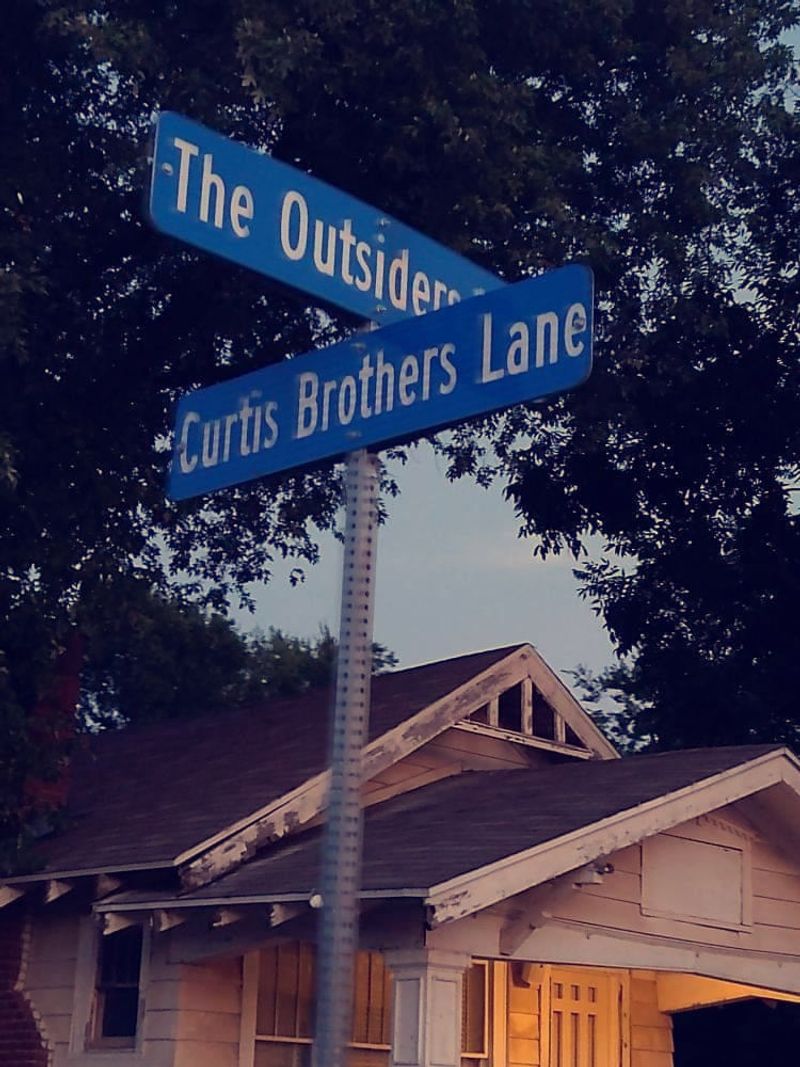
Reviews overflow with stories of people who drove hours or flew across the country specifically to visit this museum. For many, it represents a bucket list item, a tangible way to connect with a story that shaped their adolescence or sparked their love of literature.
One visitor marked it as bucket list item number 604, suggesting a lifetime of adventures with this museum earning its place among them. These pilgrimages speak to the story’s enduring power and the museum’s success in honoring that legacy.
Families make the trip together, with parents introducing children to the book and film before visiting. Young fans who discovered the story through school assignments arrive alongside lifelong devotees who’ve watched the movie dozens of times.
This multigenerational appeal demonstrates how S.E. Hinton’s themes of identity, loyalty, and social division remain relevant across decades.
The museum becomes a meeting place where different ages and backgrounds share common ground through their love of this narrative.
Distance doesn’t deter true fans. People from neighboring states and far-flung locations plan entire trips around museum hours, which currently run Friday through Sunday from late morning to late afternoon.
The modest admission fee, consistently described as reasonable and worthwhile, removes financial barriers that might prevent visits. Once people arrive, they typically spend an hour exploring, though many linger longer, reluctant to leave this special space.
The museum’s location in Oklahoma means it’s perfectly positioned for road trips and regional adventures that combine multiple attractions into memorable journeys.
Stay Gold Forever
Johnny Cade’s dying words to Ponyboy, “Stay gold,” have become the rallying cry for fans and the perfect summary of what this museum represents. The phrase, drawn from Robert Frost’s poem “Nothing Gold Can Stay,” speaks to preserving innocence and beauty in a harsh world.
This museum embodies that mission by keeping alive a story about teenagers trying to maintain their humanity despite circumstances that threatened to harden them beyond recognition.
The emotional resonance of visiting runs deeper than nostalgia for a book or movie. People connect with the universal themes of finding your place, protecting what matters, and refusing to let difficult circumstances define you.
Standing in these preserved rooms, you’re reminded why this story mattered when you first encountered it and why it continues mattering to new generations discovering it today. The museum doesn’t just preserve a filming location, it safeguards the values and emotions that made the story powerful.
As Oklahoma continues evolving and neighborhoods change, this house stands as a testament to the importance of cultural preservation. It proves that stories told well transcend their original context and become part of our shared human experience.
Whether you’re revisiting a childhood favorite or discovering the story for the first time, this museum offers a profound reminder that some things are worth keeping golden.
Pack your bags, grab your copy of the book, and head to Tulsa for an experience that’ll remind you why stories matter and why staying gold is always worth the effort.
Dear Reader: This page may contain affiliate links which may earn a commission if you click through and make a purchase. Our independent journalism is not influenced by any advertiser or commercial initiative unless it is clearly marked as sponsored content. As travel products change, please be sure to reconfirm all details and stay up to date with current events to ensure a safe and successful trip.
