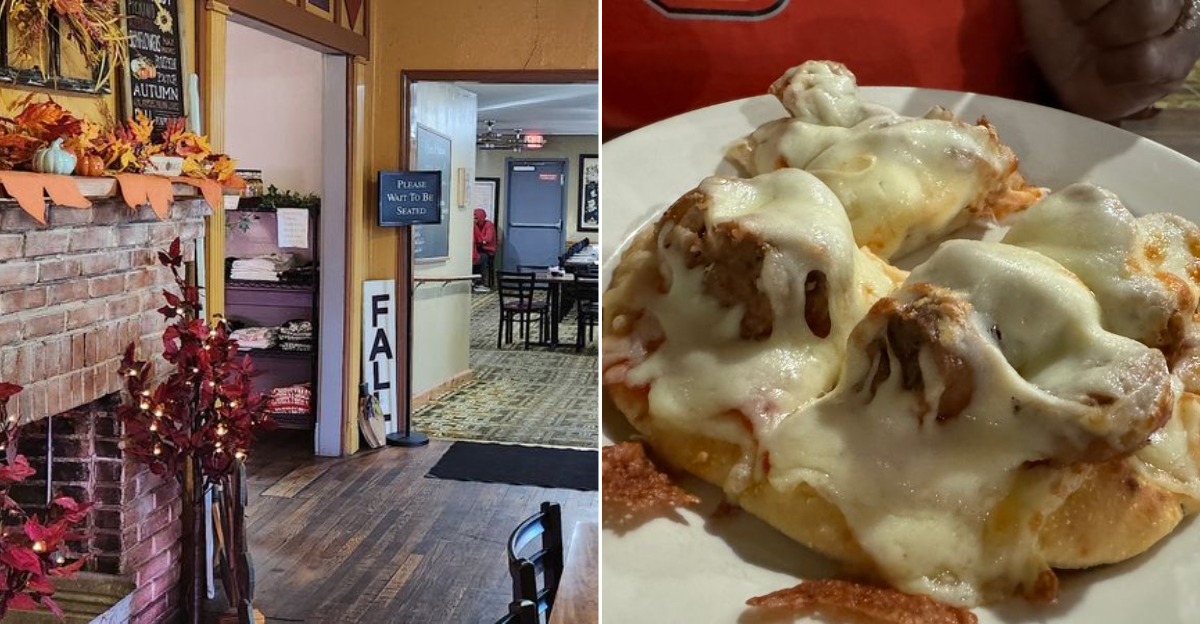
A single plate holds five different recipes, each one passed down through the same family. That is the deal at this Oklahoma Italian restaurant, where a combination plate offers a tour of generations in one sitting.
The spaghetti sauce comes from a grandmother who cooked for coal miners. The meatballs follow a recipe that has never been written down.
The baked ziti, the lasagna, the ravioli, each one carries its own story. The plate arrives full and the portions are generous.
The dining room is modest and the service is warm. The family has been feeding this community for over forty years, and the recipes have remained untouched.
This is not a place for trends or reinvented classics. It is a place where tradition is still the main ingredient, served on a single plate that tells a story of five generations.
A Family Dream That Turned Into A Restaurant
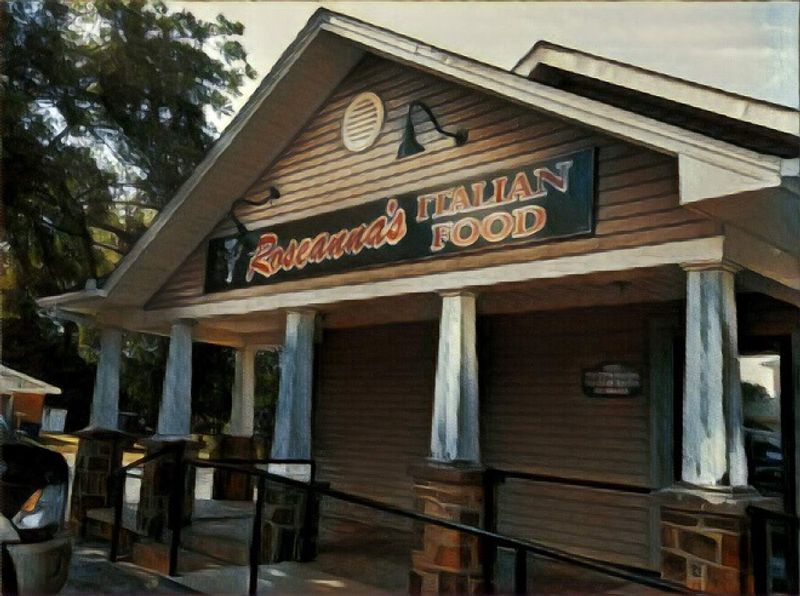
Every good restaurant story starts with somebody deciding to take a chance, and this one belongs to Frank and Rose Ann Prichard, who turned their love of cooking into a place with their name over the door. That was the beginning, and it never really turned into anything corporate or copied.
What I find genuinely sweet is that the family never handed the kitchen over to strangers. Their children stepped in, and eventually the grandchildren did too, so the recipes stayed inside the household where they were born instead of getting watered down along the way.
You can feel that kind of continuity when a business has been passed down rather than sold off, and it shows up in small details like the way the menu reads and how the dining room is decorated. Nothing about it feels focus-grouped.
Oklahoma has plenty of family-run kitchens, but very few can point to a specific husband and wife whose hand-me-down recipes still anchor the whole operation. That is the thread running through everything here, and it is the reason people talk about the place with real affection rather than just calling it good.
Do you know many restaurants like that anymore? I sure do not.
How To Find Oklahoma’s Little Italy
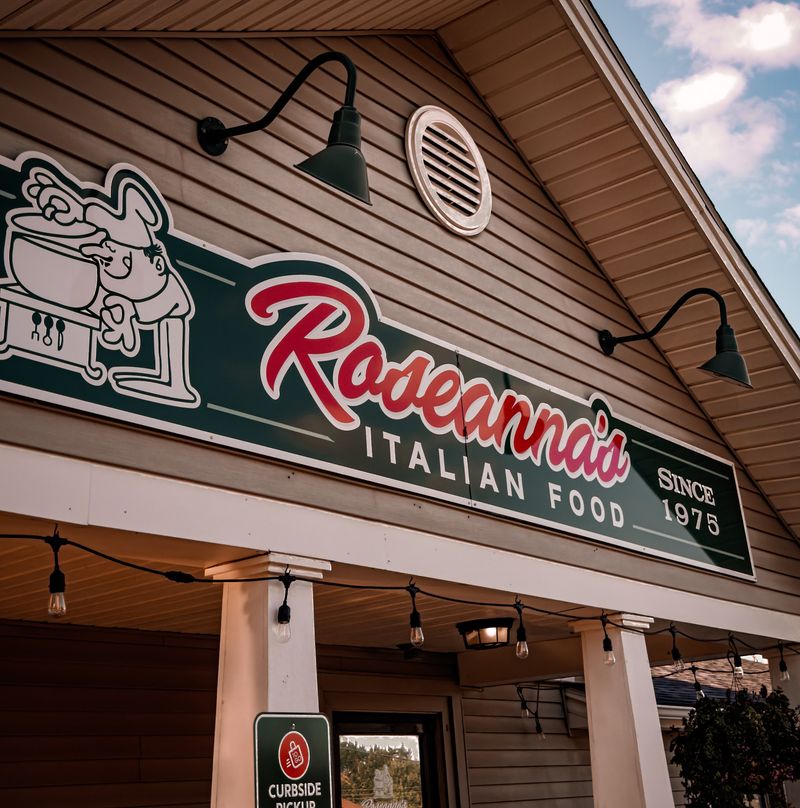
Getting to Krebs takes a little intention, and that is honestly part of why the trip feels rewarding when you finally roll into town. The restaurant sits at 205 E Washington Avenue, Krebs, OK 74554, so plug that in and let the map do the rest.
Krebs earned the nickname Little Italy because Italian immigrant families settled here generations ago to work the coal mines, and their food culture never left. That history is why a town this size has more Italian cooking per block than places ten times bigger.
The drive itself is pleasant, with rolling green country roads through southeastern Oklahoma and none of the highway chaos you get closer to the bigger cities. It is the kind of route where you actually notice the scenery instead of the traffic.
Once you are in town, everything is close together, and parking is not the headache it would be somewhere urban. You can wander a bit before or after eating without feeling rushed.
My advice would be to treat it like a small day trip rather than a quick errand, because the whole area rewards people who slow down and look around a little.
Recipes Handed Down Instead Of Invented
Here is what separates this menu from a hundred other Italian spots: the dishes came from an actual household, not a test kitchen. Frank and Rose Ann grew up making these recipes, and the family still hand-crafts them the same way.
That distinction matters more than it sounds. When a recipe belongs to a family, nobody is trying to modernize it or trim corners to speed up the line, because changing it would feel like rewriting something personal.
You taste that in the texture and the seasoning, the kind of details that only come from repetition over decades. It is comfort food in the truest sense, meaning it was designed to feed people you love rather than impress a critic.
Several of the dishes are even named after family members, which tells you exactly who to thank for what is on your fork. I love that they kept those names on the menu instead of swapping them for generic descriptions.
If you are the type who reads a menu carefully before ordering, this one is more fun than most, because you are basically reading a family tree written in pasta.
Frank’s Combination Platter Is The Whole Point
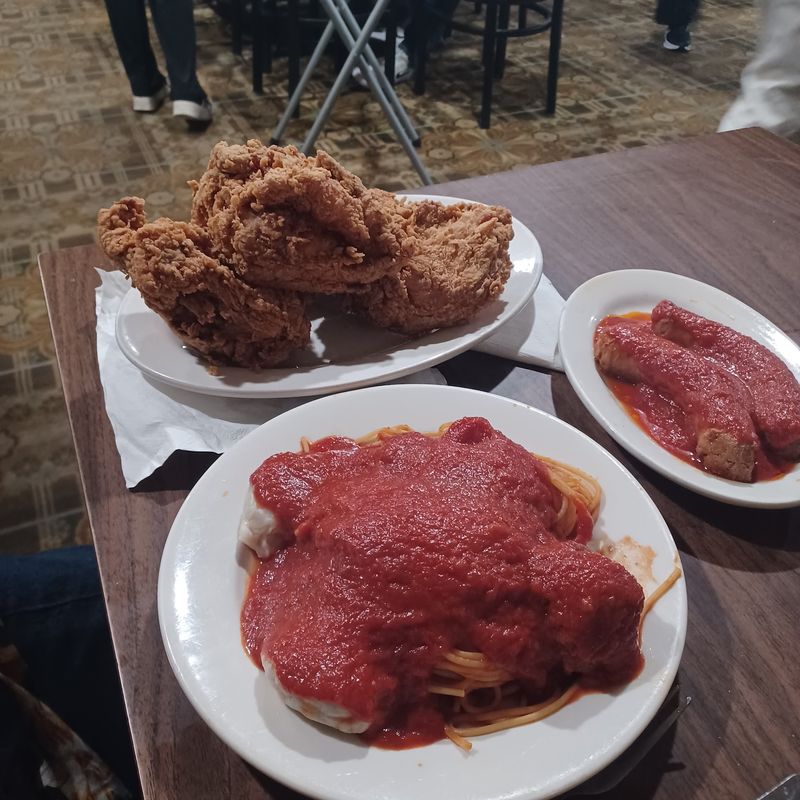
Let me get straight to the reason this article exists, because the combination platter is the dish everybody drives here for. It is often called Frank’s Combination Platter, and it is basically a greatest-hits album served on ceramic.
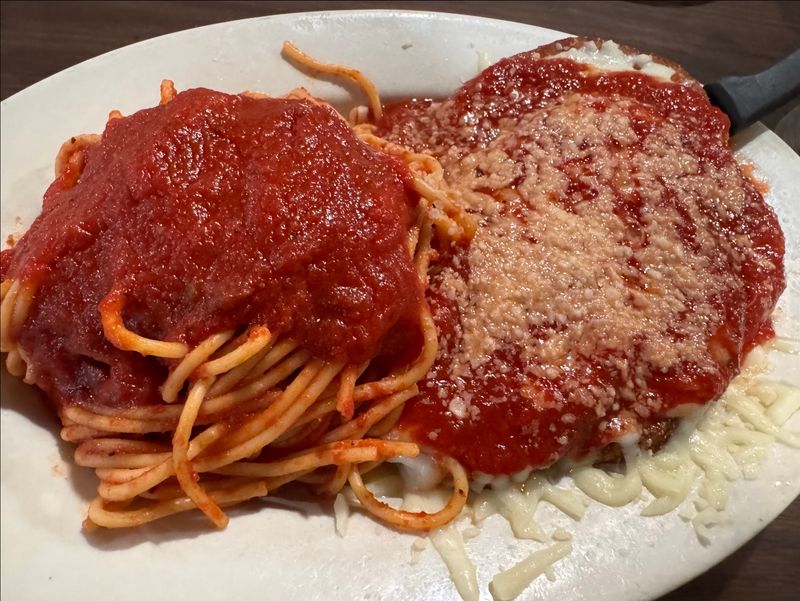
Rather than making you commit to one pasta while wondering about the rest, the kitchen puts five different family recipes on a single plate. That means one order gets you a genuine sampler of the family’s cooking history.
For a first-time visitor, that setup solves the biggest problem with a menu full of homemade options, which is choice paralysis. You do not have to negotiate with your dining partner over who orders what and who shares.
It is also a smart way to figure out your personal favorite, so when you come back you know exactly what to ask for. Think of it as research disguised as dinner.
Fair warning, the plate is generous, so maybe skip the giant lunch beforehand. Coming in genuinely hungry is the only way to do this thing justice, and you will thank yourself later when there is still room for dessert.
Five Recipes Sharing One Plate
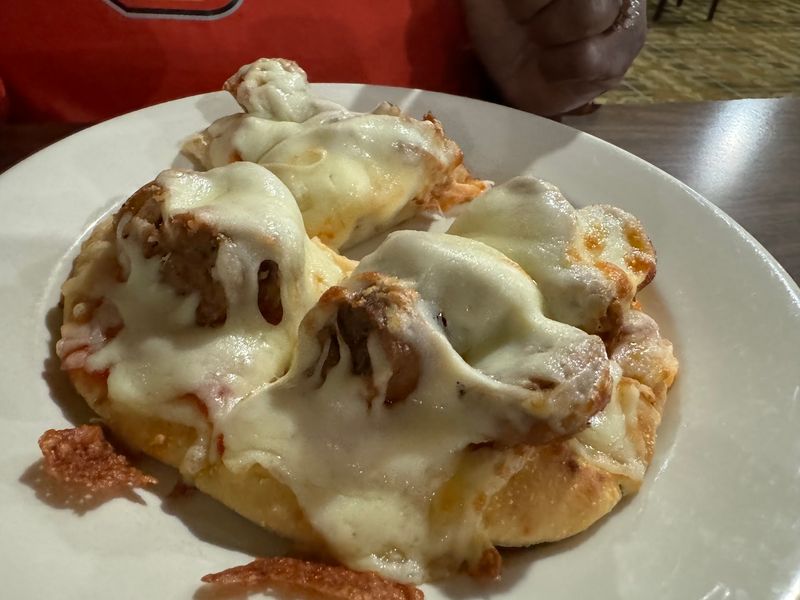
Curious what actually lands in front of you? The lineup includes Clare’s lasagna, Vincent’s handmade beef ravioli, Nana’s gnocchi, classic spaghetti, and a well-seasoned meatball sitting right there on top.
The gnocchi deserve a note for anyone who has not tried them before, because they are soft potato dumplings rather than regular pasta. They have a pillowy texture that surprises people the first time, and plenty of folks end up calling them the standout.
Having the ravioli and the lasagna side by side is a treat too, since one is delicate and hand-formed while the other is layered and hearty. Tasting them back to back really shows off the range in one family’s cooking.
Spaghetti and a meatball round the whole thing out, and they act as the familiar anchor for anybody who wants something they already know they love. Even the classics taste different when they are made from a household recipe.
Honestly, eating your way across that plate feels like flipping through a photo album, one dish at a time. That is a rare thing to get from a single order anywhere in Oklahoma.
Inside The Kitchen Where It All Comes Together
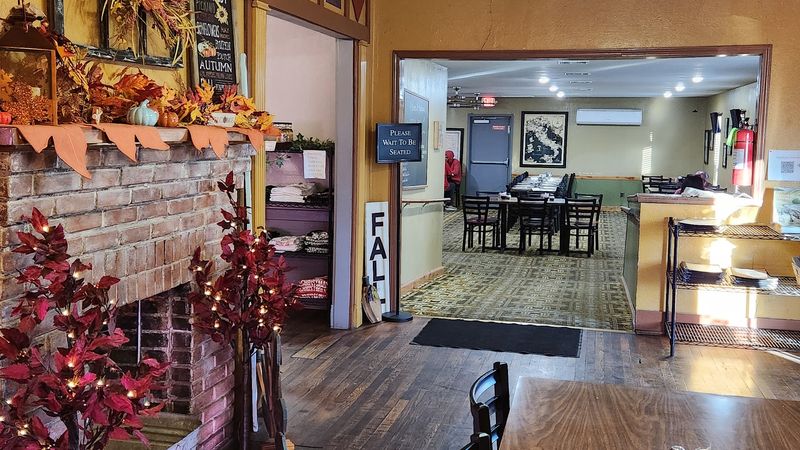
Think for a second about how much work five separate recipes on one plate actually requires. Each component has to be made properly on its own, which means the kitchen is juggling several different traditions at the same time.
Handmade ravioli alone is a serious commitment, since somebody has to form each one rather than pulling a bag out of the freezer. Gnocchi takes the same kind of patience, because potato dough is fussy and does not forgive shortcuts.
The Prichard children are the ones doing that work, turning basic ingredients into full meals day after day. That level of consistency over years is genuinely impressive when you consider how physical restaurant cooking is.
What I appreciate is that the family did not simplify the menu to make life easier on themselves. They kept the labor-intensive dishes because those are the ones that carry the meaning.
So when your plate arrives looking crowded and generous, remember it represents several sets of hands and several sets of recipes working in the same room. That is a lot of effort for one dinner, and it is exactly why people keep making the drive out here.
Walls Covered In Family History
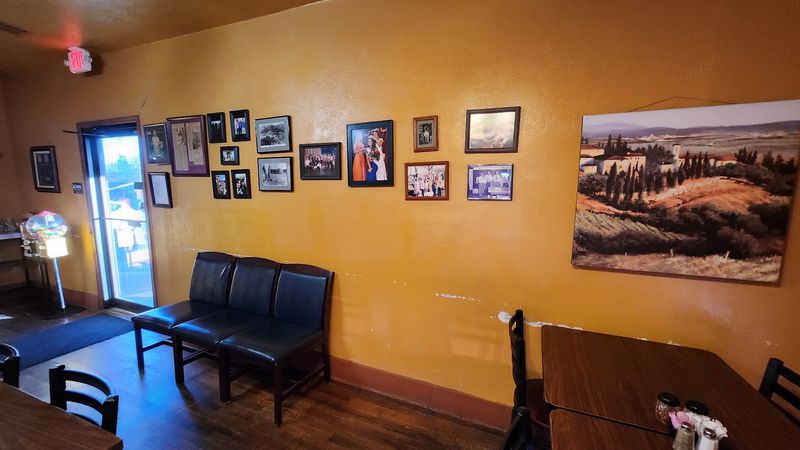
Walking through the door feels closer to entering somebody’s house than checking into a restaurant, and a lot of that comes down to the decor. Family pictures and pieces of the restaurant’s history cover the walls, so there is plenty to look at while you wait.
Those photos are not generic prints bought to fill space, which you can usually tell immediately. They connect directly to the people whose names appear on the menu, and that gives the room a personality no designer could fake.
The seating is comfortable and unfussy, the sort of setup where nobody minds if your group talks a little loudly or takes a while to finish. Families with kids fit in without any awkwardness here.
If you like reading the walls of a place, give yourself a few extra minutes before or after eating to actually look around. There is a small history lesson hiding in those frames.
Warm, lived-in, slightly cluttered in the good way, that is the honest description of the atmosphere. It is the kind of dining room that makes you want to sit back and stay a while instead of hurrying out.
Beyond The Pasta There Is Steak And Peppers
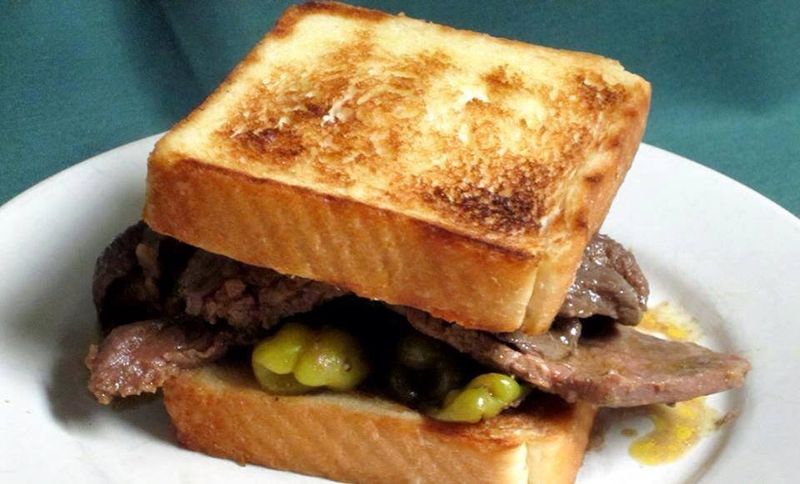
Not everybody at your table is going to want pasta, and that is fine, because the menu stretches further than the combination platter suggests. Steak and peppers is one of the dishes people mention often, and it fits right into that hearty comfort category.
Having a solid non-pasta option matters more than people admit, especially when you are traveling with a group where somebody always wants something different. Nobody gets stuck settling here.
There is also homemade cheesecake waiting at the end, assuming you paced yourself well enough to have room. Fair warning, pacing yourself after a five-recipe plate takes real discipline.
My suggestion would be to order dessert as a table and share it, since that way everybody gets a taste without anybody tapping out halfway through. It also stretches the meal out, which is sort of the point of eating somewhere like this.
The bigger takeaway is that the kitchen is not a one-trick operation, even though one dish gets all the attention. Whether you show up craving pasta, something off the grill, or just dessert, the menu has an answer for you.
Keeping The Tradition Running Every Single Day
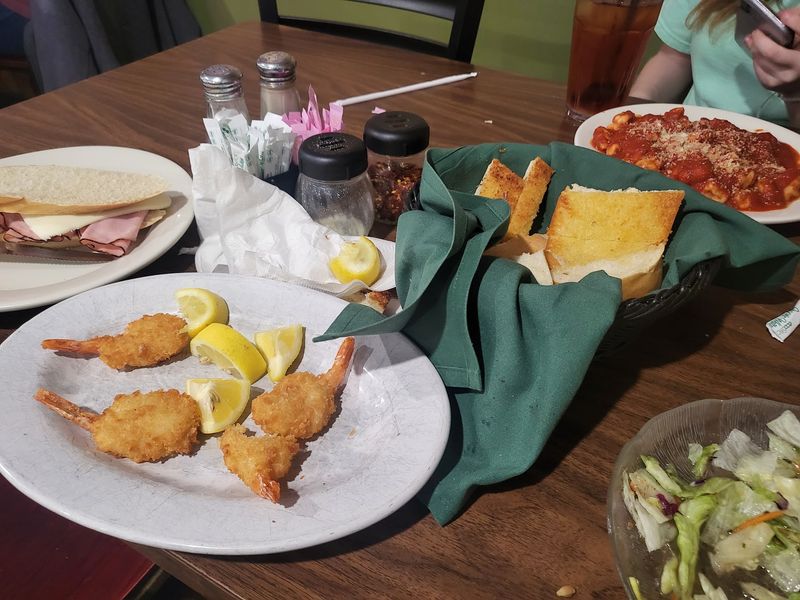
Restaurants are hard work, and family restaurants are harder, because there is no walking away at the end of a shift when your last name is on the sign. The Prichard children keep at it day and night, which is not a small thing.
That kind of dedication is what actually preserves recipes. Traditions do not survive because somebody wrote them down once, they survive because people keep cooking them over and over for strangers who become regulars.
You see the payoff in how loyal the crowd is, with folks driving in from across Oklahoma just to eat food they could not get anywhere else. Word of mouth built that, not advertising.
There is something reassuring about supporting a place like this too, since your meal directly helps keep a local family business standing. That feels better than handing money to a chain.
If you go, it costs nothing to be patient and gracious with the people working, especially when the dining room is full. Kitchens making everything by hand run at their own pace, and honestly, the wait is part of what makes the food worth talking about afterward.
