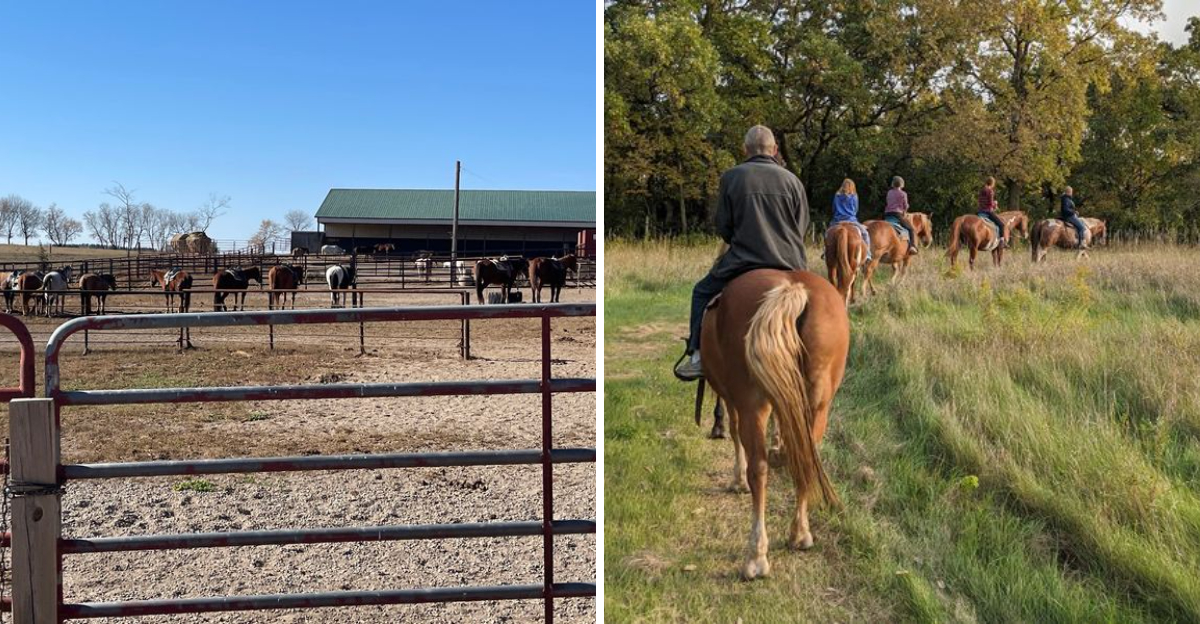
It’s easy to forget how good it feels to be outside, to move slowly, and to connect with something real. At this Minnesota horse farm, you get exactly that – a chance to trade screens for saddle leather and city noise for quiet trails.
The working ranch has over 400 acres and 50 horses, with trails that wind along the river and through bluff country. Riders of all skill levels can join guided treks, choosing between a quick hour-long ride or a longer two-hour journey deeper into the valley.
Expect to spot wildlife like bald eagles, deer, and snapping turtles along the way. It’s an experience that’s as grounding as it is memorable, a reminder that perspective often comes from slowing down.
Plan ahead, call to book, and prepare to see Minnesota from a different angle. This horse farm is ready to change the way you see the world, one trail at a time.
The Long Gravel Drive And First Impressions
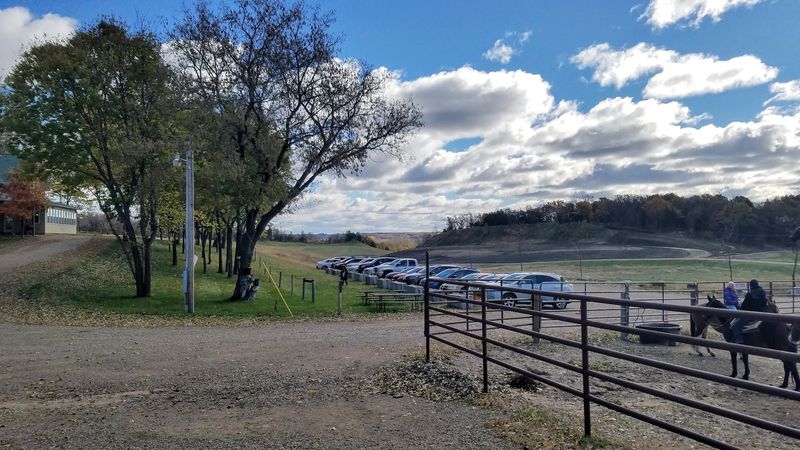
Turning off Jonathan Carver Parkway, the road narrows and the noise of traffic fades within seconds. Gravel crunches under the tires.
The parking area is generous, which matters more than it sounds, because groups roll in with vans and pickups and everyone somehow finds a spot. Horses stand in nearby pens, tails swishing, watching arrivals with mild curiosity.
Nothing about the entrance feels staged or polished for photos. Fences lean where fences lean, buckets sit where buckets get used, and the whole property carries the look of a place that works every single day.
Paperwork happens near the barn, quick and straightforward, and then attention shifts to matching riders with horses. Staff move with purpose because there are animals to look after and trails to run on schedule.
Arriving a little early is smart. That extra time allows for watching the herd, listening to hooves on hard ground, and settling nerves before anyone climbs into a saddle. The mood is casual. Boots optional, patience helpful.
Meeting The Horse Chosen Just For You
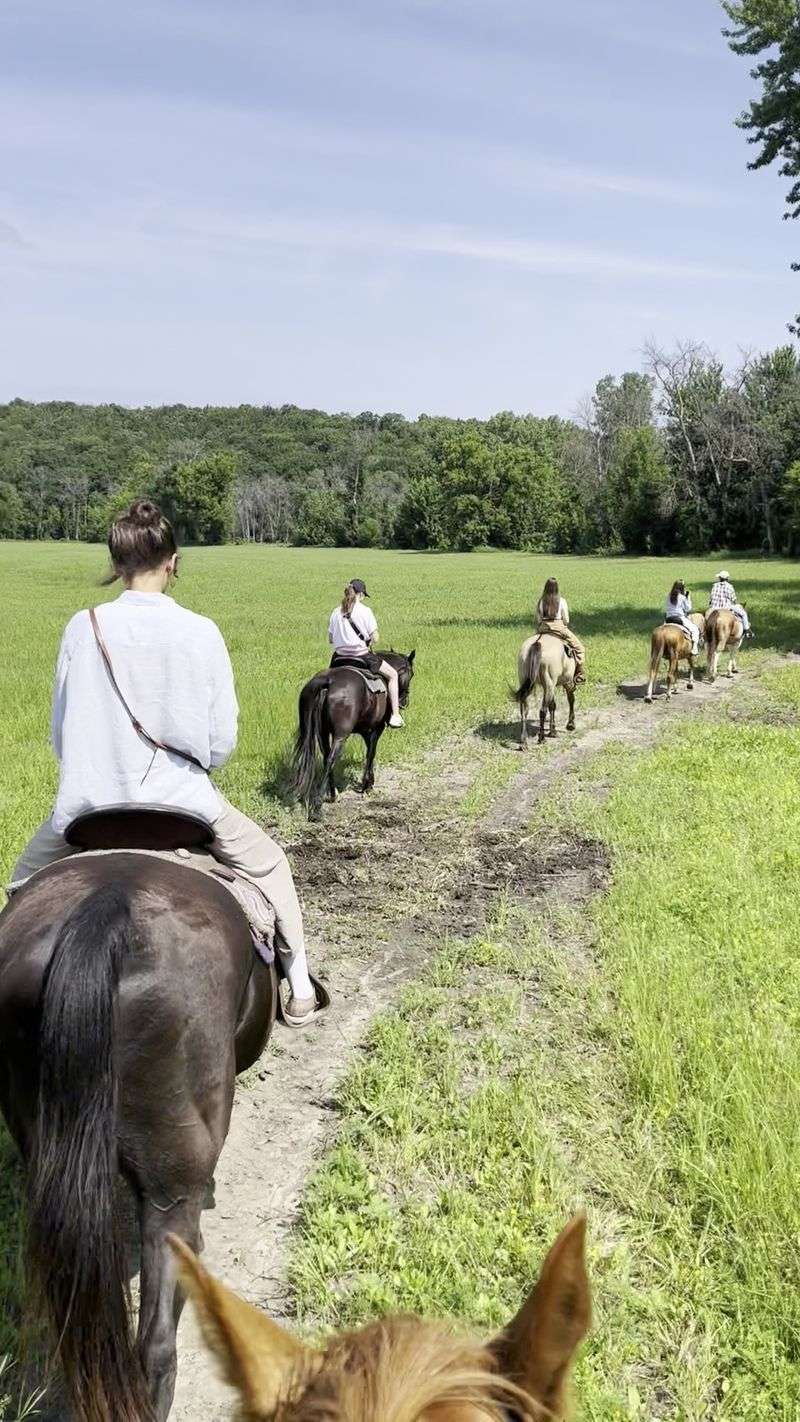
Horse matching turns out to be the quiet skill behind the whole operation. Nobody grabs a random animal from a line.
Staff ask about riding history, height, and comfort level, then pair riders accordingly, which explains why so many first timers walk away grinning instead of rattled. Beginners tend to get the steady types who have done this route hundreds of times and know exactly where the trail bends.
Names come up constantly around the barn. Riders have mentioned Teddy, Speckles, and Duke, the last of whom apparently treats every leafy branch as a buffet opportunity.
The introductions matter. Standing beside a horse, hand on a warm shoulder, feeling that slow breathing, does something to shrink nervousness down to a manageable size.
Mounting happens from the ground for most riders, and staff assist anyone who needs a boost, so it helps to say something if that sounds tricky.
Then reins get handed over, stirrups get adjusted, and the personality of the animal underneath starts revealing itself.
Basic Instructions That Actually Stick
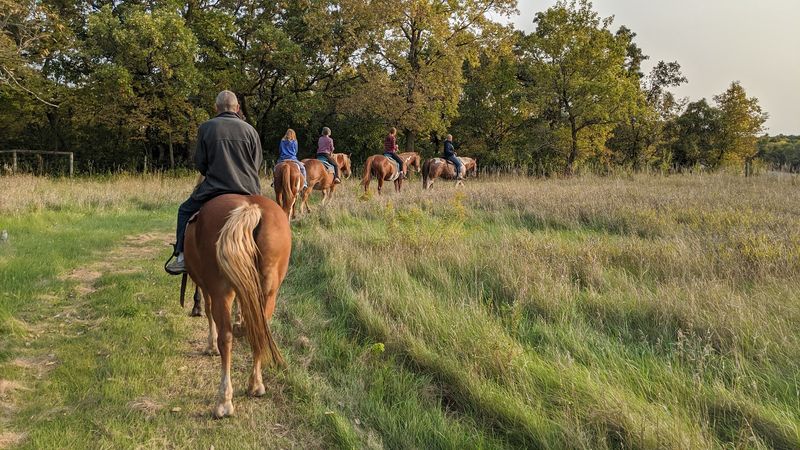
Before anyone heads out, guides run through the essentials in plain language. Hold the reins low, steer with light pressure, keep space between horses.
No lectures, no jargon. Just enough information for a nervous rider to feel capable rather than overwhelmed.
Guides repeat the important bits while the group is still standing in the yard, then check that everyone looks reasonably settled in the saddle. Several riders have praised how clearly those directions land, especially in bigger groups with mixed experience.
Trotting and cantering are generally kept off the menu on trail rides, since skill levels vary widely within a single group and the horses stay calmer at a walk. That decision keeps things predictable, and honestly the slower pace suits the scenery better anyway.
Questions get answered without eye rolling. Asking twice is fine.
The whole briefing takes only a few minutes, but it changes the tone of the ride, turning what could feel like a gamble into something closer to a guided walk with a very large friend.
Riding Out Along The Minnesota River Bluffs
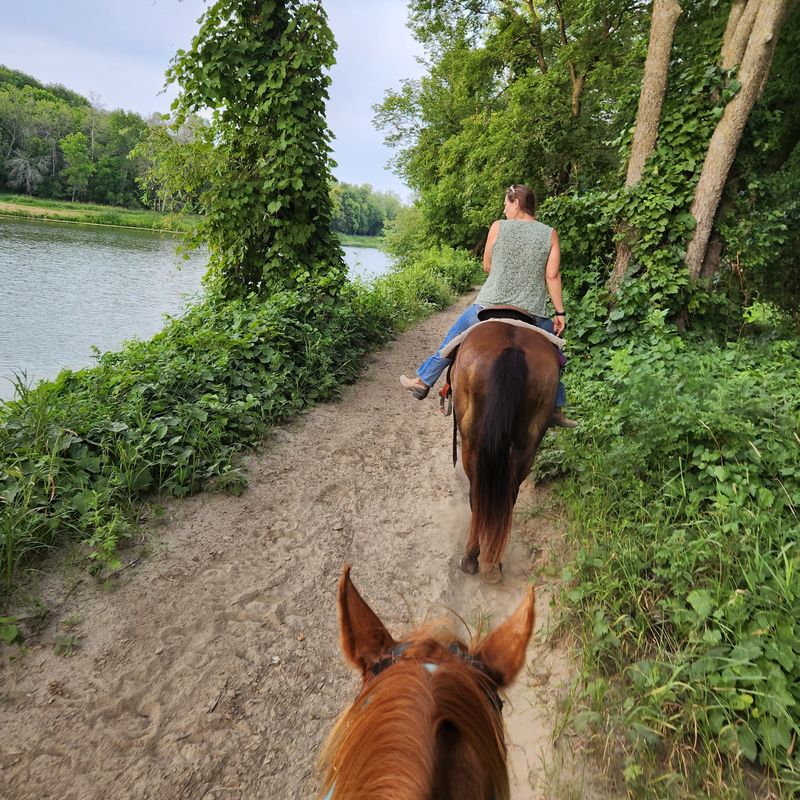
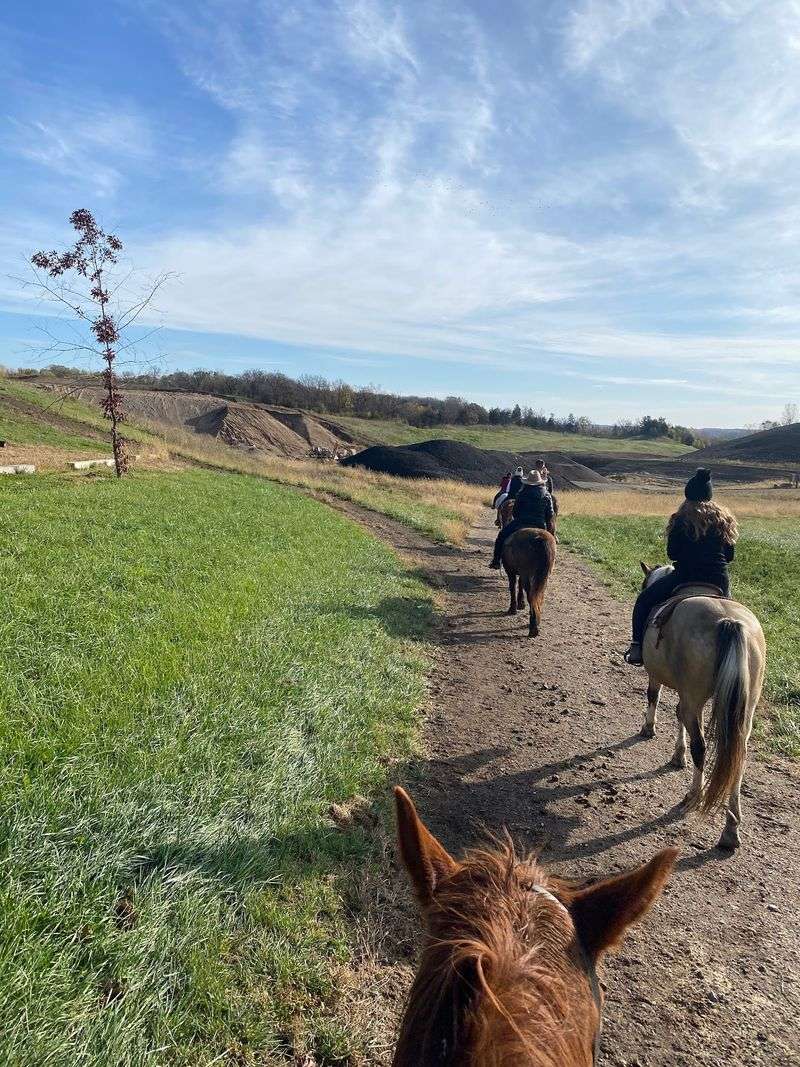
Trails are what this ranch is known for, and the terrain earns the reputation once the group clears the buildings. Woods thicken, the ground softens, and the river valley opens up in gaps between trees.
Switchback paths climb through the timber, offering views out over water and floodplain that most drivers on nearby roads never see. The elevation changes are gentle enough for beginners but interesting enough to keep the ride from feeling flat.
Part of the route passes near a working quarry, and trucks can occasionally be heard in the distance, which is worth knowing in advance. Push past that stretch and the wooded sections take over completely. Leaves brush shoulders. Hooves thud on packed dirt.
Longer rides get deeper into the property, which spans several hundred acres, so there is genuine variety between one hour and two hour options. Sitting up there, watching light filter through branches while a horse picks its own careful footing, is where the perspective shift really happens.
Wildlife Sightings Nobody Expects
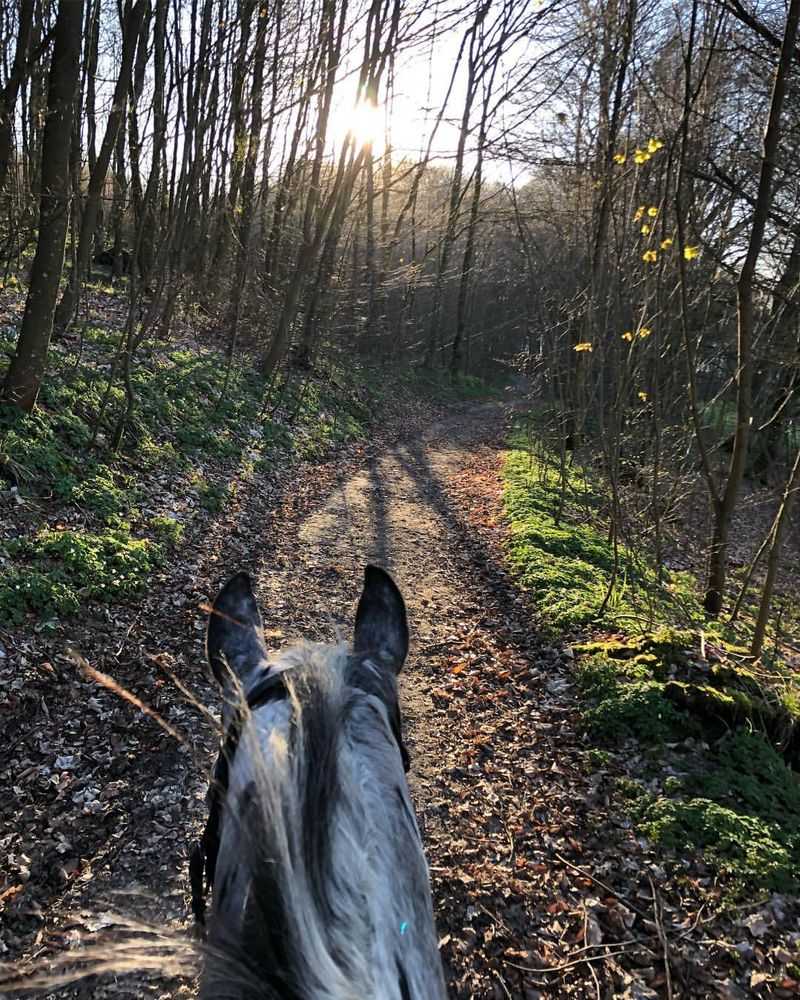
Turkeys were the surprise on more than one ride here. Riders have reported them crossing the path, along with turtles sunning themselves, butterflies drifting through clearings, and mushrooms pushing up along shaded edges.
Sitting on a horse changes what gets noticed. Animals seem less bothered by an approaching horse than an approaching person, so sightings happen at closer range than expected.
Deer move through the brush. Hawks circle above the open stretches.
Guides often point things out as the group moves, naming plants or noting tracks in the dirt, which adds a layer of interest for anyone who likes knowing what they are looking at.
Seasons shift the show considerably. Spring brings green everything and loud birds, summer delivers wildflowers and heavy shade, and autumn turns the whole valley gold and rust colored.
Bringing a small camera is tempting, though holding reins with one hand takes practice. Sometimes the better plan is simply to look, remember, and let the moment stay unphotographed.
Guides Who Keep An Eye On Everyone
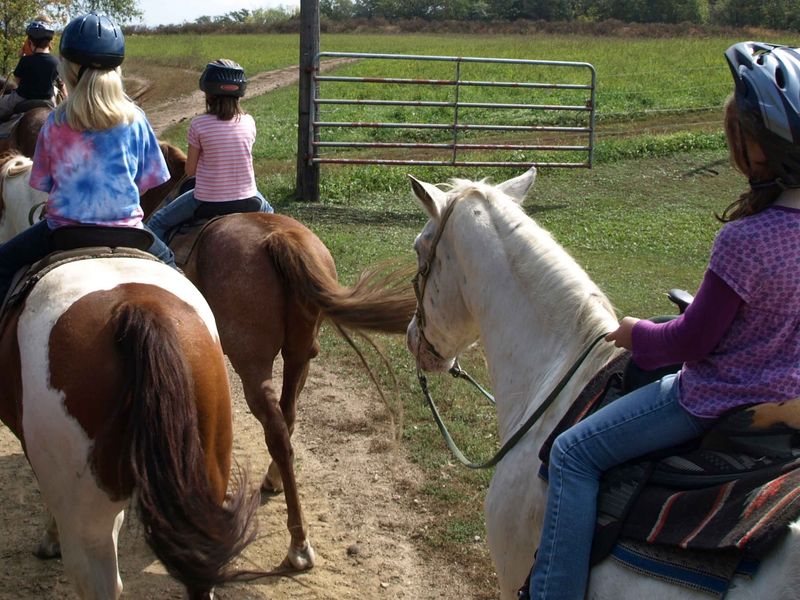
Trail guides here do more than lead the way. They turn in the saddle constantly, counting heads, watching for a horse drifting off the line or a rider gripping the reins too tightly.
Names come up often in visitor accounts. Abby, Kim, Jo, and Ruby have all been mentioned as friendly, informative company on the trail.
Safety instructions carry weight, and guides will ask riders to slow down or adjust for the sake of the animal, which is exactly what a well run stable should do. Horses carrying strangers all day deserve that kind of advocacy.
Some guides talk more, some less. Asking questions usually opens up good conversation about the herd, the property, and the routes.
Stops happen when needed, giving the group a chance to regroup and letting anyone uncomfortable get a quick adjustment. That attentiveness is what makes families with kids feel comfortable booking here.
Small gestures land the hardest. A guide making a child feel like a genuine cowgirl tends to be the story retold at dinner.
Pony Rides And The Youngest Riders
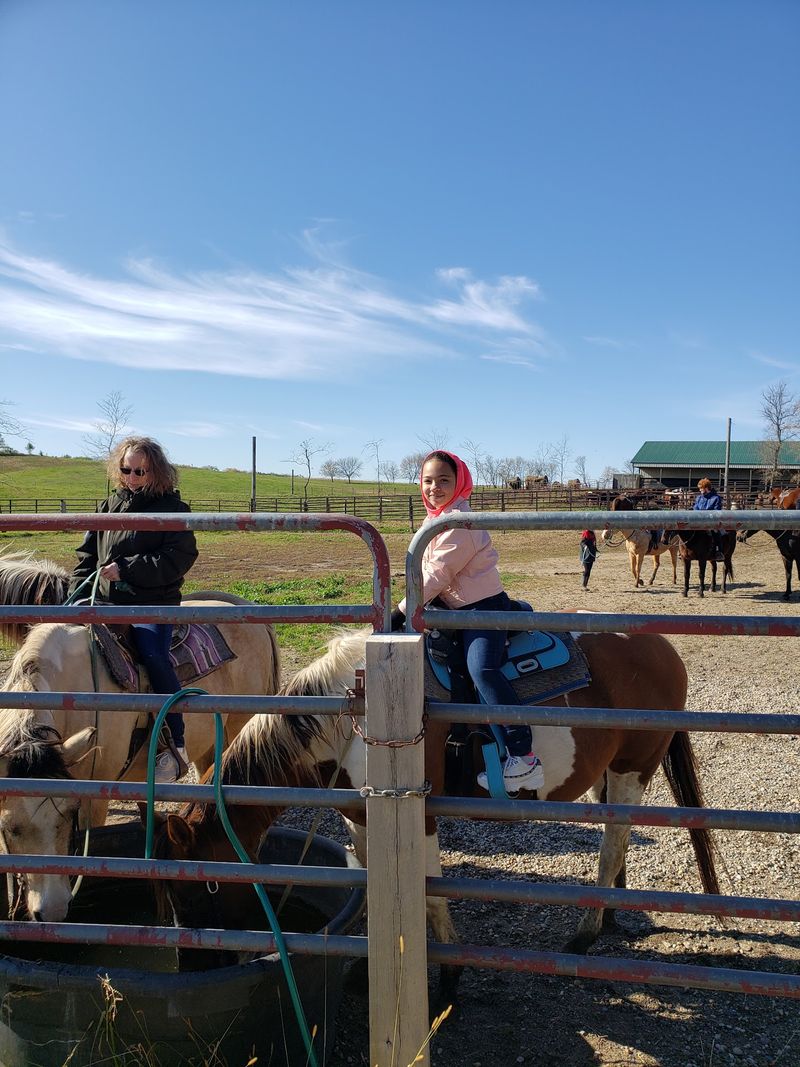
Little kids get their own version of the adventure. Pony rides run at a laid back pace, led on foot, which suits anyone too small for a full trail horse. Parents watch from the fence line. Cameras come out immediately.
Families have described first rides here as the moment a horse crazy kid finally got to sit on one, and that kind of memory sticks around far longer than any souvenir. There is no rush and no performance expected.
Older children who meet the requirements can join the regular trail rides, riding alongside parents and siblings, which turns the outing into a shared experience rather than a spectator sport.
Calling ahead helps. Availability and age guidelines are worth confirming before packing everyone into the car.
Practical notes for parents: closed toe shoes, long pants if possible, and a snack for afterward. Kids come off the trail dusty, thrilled, and unusually quiet on the drive home, which any parent recognizes as the mark of a genuinely good day out.
Private Rides, Sunsets, And Special Occasions
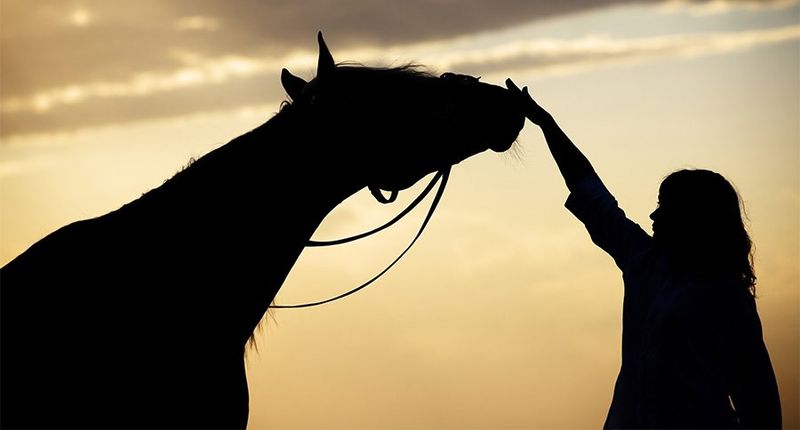
Sunset rides deserve their own mention. Visitors celebrating anniversaries and engagements have chosen this ranch for exactly that reason, and guides have been known to snap photos afterward.
Low light across the river valley does something remarkable to the landscape. Shadows stretch, the air cools, and the horses seem to settle into an easier rhythm.
Private options mean smaller groups and a quieter trail, which suits couples or anyone wanting the experience without an audience. Booking ahead is essential for these, since slots are limited by daylight and staffing.
One rider described the whole thing as spiritual and emotional renewal, which sounds grand until an hour is spent in a saddle watching the sun drop behind trees. Birthdays work well here too. So do reunions, work outings, and the kind of day where nobody can agree on a plan.
Bring a light layer. Minnesota evenings cool off fast once the sun clears the bluffs, and shivering through the best part of the ride would be a shame.
A Family Operation With Deep Roots
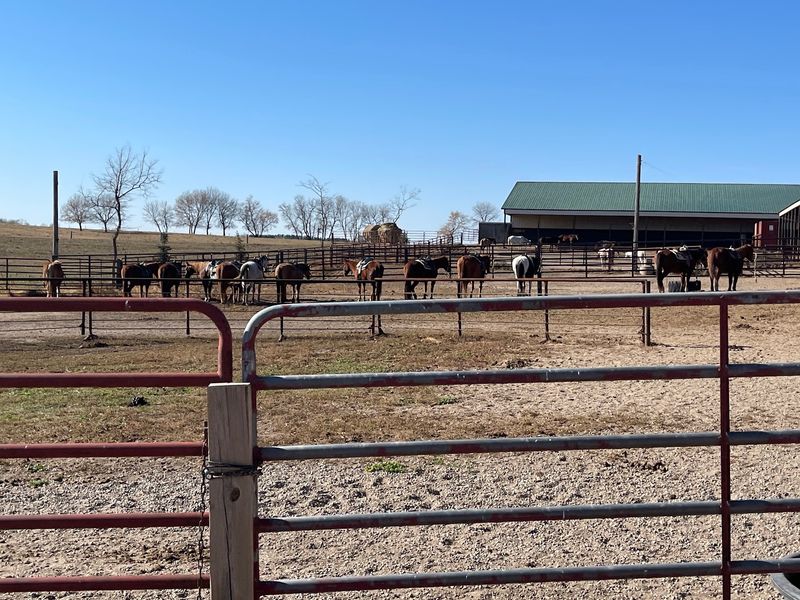
Longevity says something about a place. Visitors have learned from the owner that the ranch has been operating since the early 1960s, spread across roughly four hundred acres with a herd numbering close to fifty horses.
That scale explains a lot. Multiple rides can head out without crowding the same trail, and horses get rotation instead of endless back to back work.
Conversations with staff often turn to how the place got started, and those stories add texture to the visit for anyone curious enough to ask. Arriving early is the easiest way to catch one.
Communication at the desk can be direct and to the point, something regular visitors mention with affection more often than complaint. Ranch efficiency is not the same as customer service polish.
Owner responses to visitor notes usually end with a simple sign off about happy trails, which fits the tone perfectly. Decades of running the same operation build knowledge that cannot be faked. The horses reflect it.
Planning The Trip Without Any Guesswork
A few practical details make the difference between a smooth visit and a frustrating one. Reservations by phone are the way to go.
Mondays are closed. The ranch opens at 10 AM the rest of the week. Running until 6 PM Tuesday through Thursday and until 5 PM Friday through Sunday.
Wear long pants and closed shoes with a low heel if possible, since jeans prevent saddle rub and sneakers work better than sandals. Sunscreen and bug spray belong in the car during summer months.
Ride lengths vary, with one hour and two hour options, and the longer route reaches the better wooded sections. Arriving fifteen minutes early leaves room for paperwork and horse assignments without stress.
Cash is worth having on hand. Weather can shift plans, so a quick call before driving out saves disappointment. Carver sits an easy drive southwest of the Twin Cities, making this a genuinely doable half day escape.
Address: 16480 Jonathan Carver Pkwy, Carver, Minnesota
