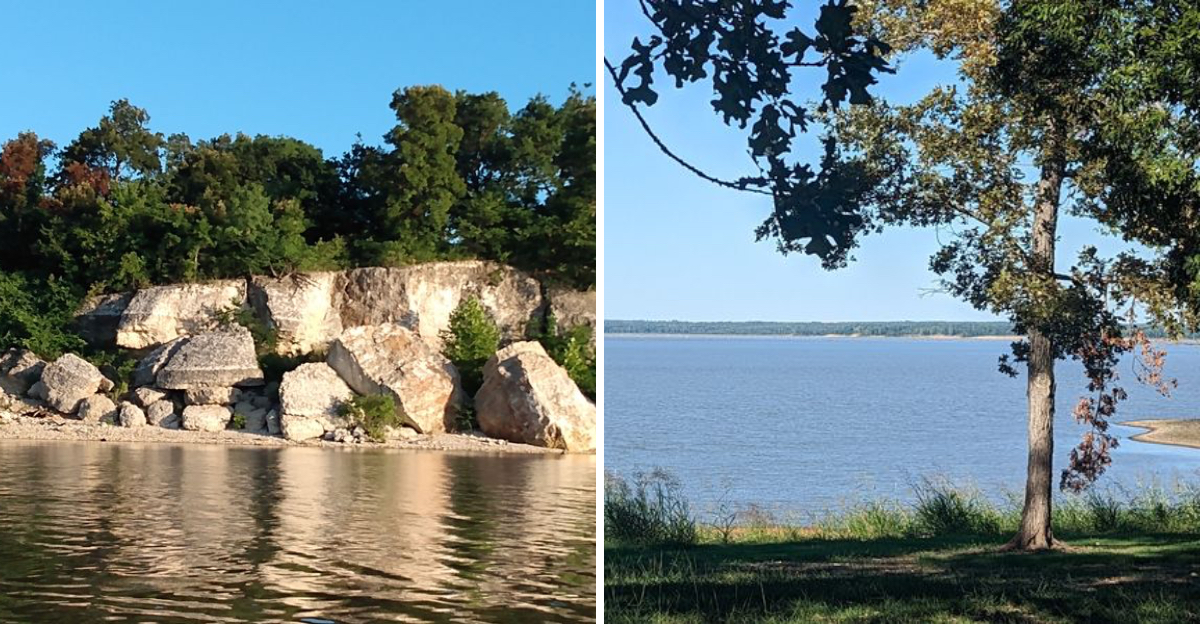
This Oklahoma lake is one of those places that quietly catches you off guard. Built in the 1970s by the U.S.
Army Corps of Engineers, it transformed a stretch of forest into a wide, shallow reservoir that locals have been drawn to for decades. But when the water levels drop, something unexpected happens.
The old forest begins to reveal itself again, with weathered tree stumps rising from the shallows like something out of another time. It’s a reminder that there’s a whole story beneath the surface, one that doesn’t fully disappear.
You can feel it as you walk the shoreline, like the past is still right there, just waiting to be noticed.
The Flooded Forest Beneath the Surface
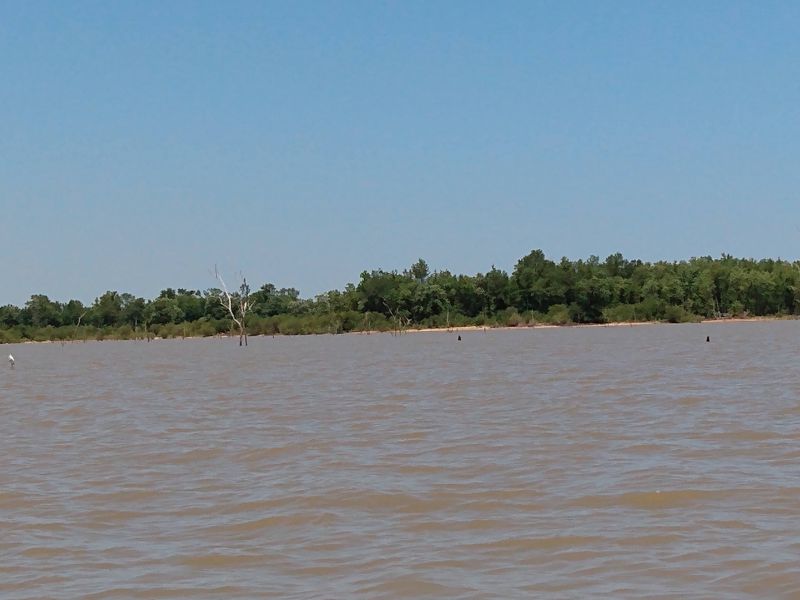
Most lakes keep their secrets well hidden, but Hugo Lake is unusually generous with its past. When water levels fall during dry seasons, the old forest floor that was submerged when the reservoir was filled in the 1970s becomes visible in a way that stops visitors in their tracks.
Tree stumps, some thick enough to suggest they were there for generations before the lake ever existed, poke up through the shallow water in clusters across the lake bed. Standing at the shoreline and looking out at them, you get a vivid sense of what this land looked like before the Kiamichi River was dammed.
The stumps are not just a visual curiosity. They also create a complex underwater habitat that fish love, which is part of why Hugo Lake has developed such a loyal following among anglers.
The submerged wood provides shelter and feeding grounds that keep the ecosystem lively year-round.
For anyone who enjoys connecting natural history with a real landscape, this flooded forest story is one of the most tangible examples you will find anywhere in Oklahoma.
How Hugo Lake Was Created
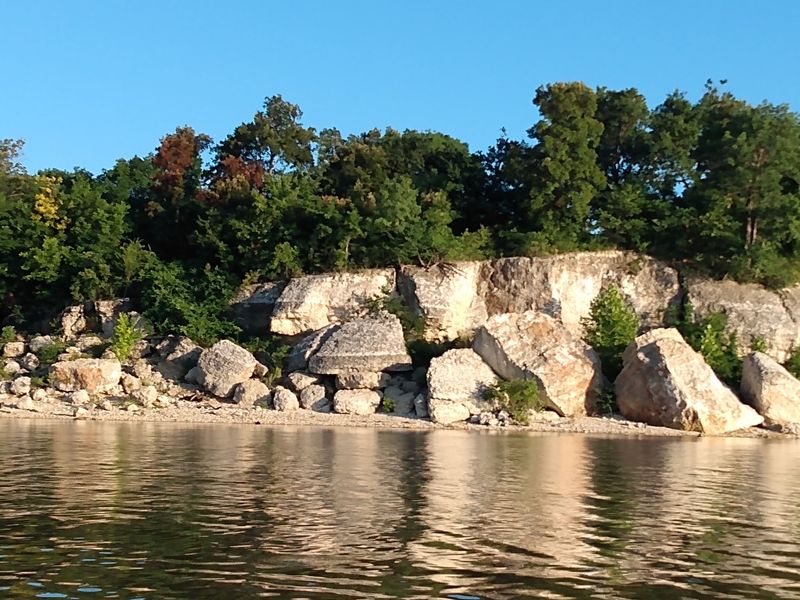
Hugo Lake did not appear naturally on the map of southeastern Oklahoma. The U.S.
Army Corps of Engineers built Boss Hill Dam on the Kiamichi River, and the reservoir began filling in 1974. The project was designed primarily for flood control, water supply, and recreation, serving the communities of Choctaw County.
Before the dam went up, the valley held a dense forest floor with mature trees, brush, and the natural contours of river bottomland. Families and wildlife had lived alongside that stretch of the Kiamichi for a long time, and the flooding transformed the landscape entirely within just a few years.
The lake covers roughly 13,000 acres at conservation pool level, with a shoreline that stretches for miles through gently rolling hills. Because much of the original terrain was forested lowland rather than open field, the submerged stumps left behind are more plentiful here than at many other Oklahoma reservoirs.
Understanding this origin story makes every visit feel more layered, because you are always standing above something that used to exist in a completely different form.
What Low Water Levels Actually Look Like
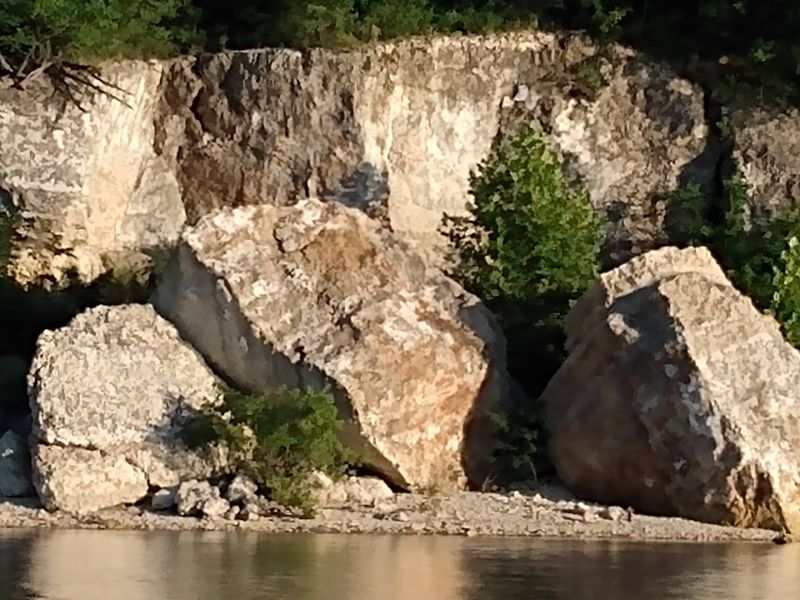
Seeing the stumps for the first time is genuinely striking. During periods of low rainfall or drought, the water retreats and exposes broad mudflats and sandy shallows where the stumps stand in rows and clusters, some dark with age, some still holding their bark.
Walking along the exposed shoreline during these times feels a little like wandering through an outdoor museum. The stumps vary in size, and some reach knee height while others barely clear the mud.
The spacing between them suggests the original tree canopy must have been dense and varied.
Photographers find this scene especially compelling in the early morning, when low light rakes across the water and the stumps cast long shadows. The reflections in the shallow pools between them add a quiet, almost meditative quality to the whole scene.
Even visitors who come purely for boating or fishing tend to pause when the stumps are visible, because there is something genuinely thought-provoking about seeing the bones of a forest that was swallowed by a lake decades ago right here in Oklahoma.
Fishing at Hugo Lake Is Seriously Good
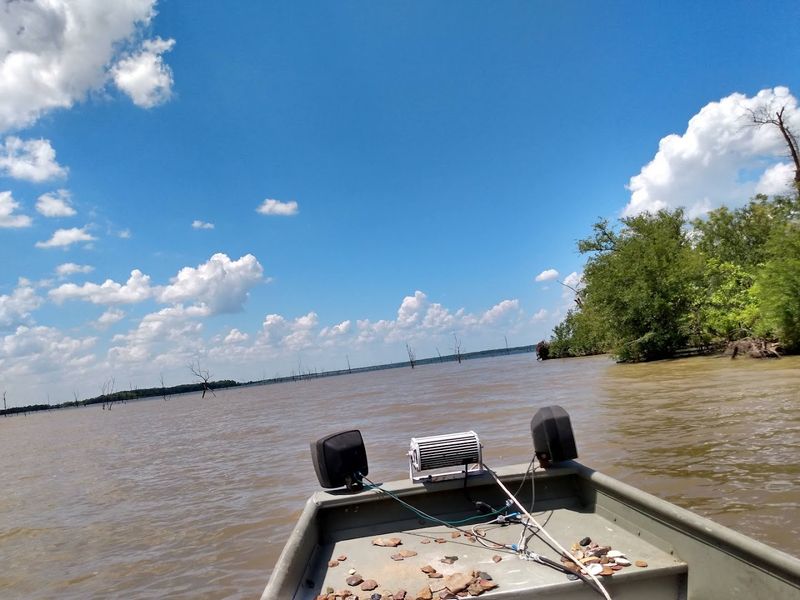
Ask any regular visitor what keeps them coming back to Hugo Lake, and fishing will almost always be the first answer. The lake holds a strong population of largemouth bass, catfish, crappie, and white bass, and the submerged timber that covers much of the lake bed gives the fish plenty of places to gather.
One honest word of caution worth knowing before you launch a boat: Hugo Lake is famously shallow in many areas. Some sections of open water are only two feet deep, and hitting a submerged stump with a boat motor is a real possibility if you are not paying attention to your depth finder.
Local anglers know the lake well and tend to move carefully through unfamiliar stretches.
Shore fishing is a solid option here, especially near the dam and around the campground areas where the bank is accessible. Crappie fishing around the stumps and brush piles is particularly productive in spring and fall.
The combination of structure, shallow habitat, and relatively light boat traffic makes Hugo Lake a rewarding place to cast a line, even on a slow day.
Camping Options Around the Lake
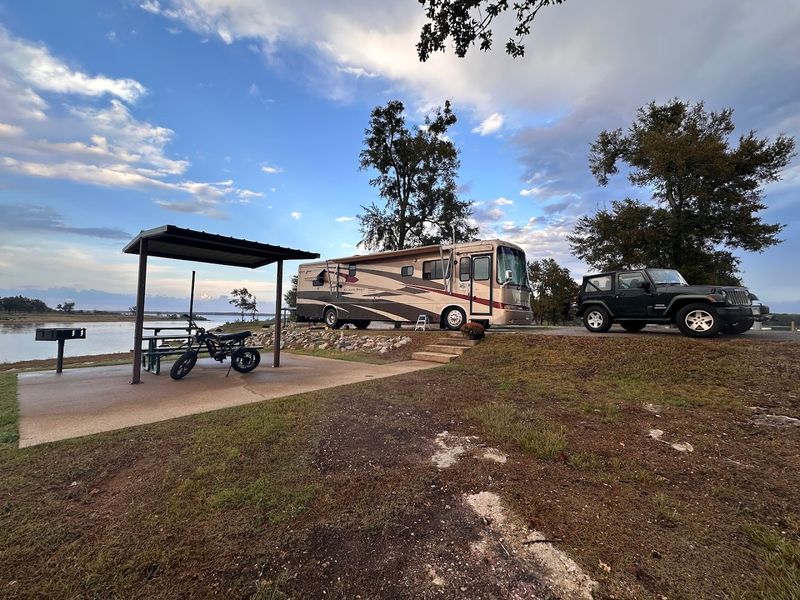
Hugo Lake State Park sits on the western shore of the reservoir and offers one of the more relaxed camping setups in southeastern Oklahoma. The park has multiple campground loops, including spots with electrical hookups for RVs as well as more basic tent sites for those who prefer a simpler setup.
Campsites in loops like J1 and J2 have become favorites among repeat visitors, some of whom have returned to the same spots year after year. The shaded sites under mature trees give the campground a comfortable, settled feel that newer parks sometimes lack.
The cabins at the park have been going through a gradual renovation process, and while they are older in style, they are kept clean and functional. If you are planning a longer stay or visiting in cooler months, a cabin can make the trip considerably more comfortable.
Prices for campsites are reasonable by any standard, which is part of why Hugo Lake draws a loyal crowd of families, couples, and solo travelers who want a low-key outdoor stay without a complicated reservation process or a crowded atmosphere.
Sunsets Over the Water Are Worth Staying For
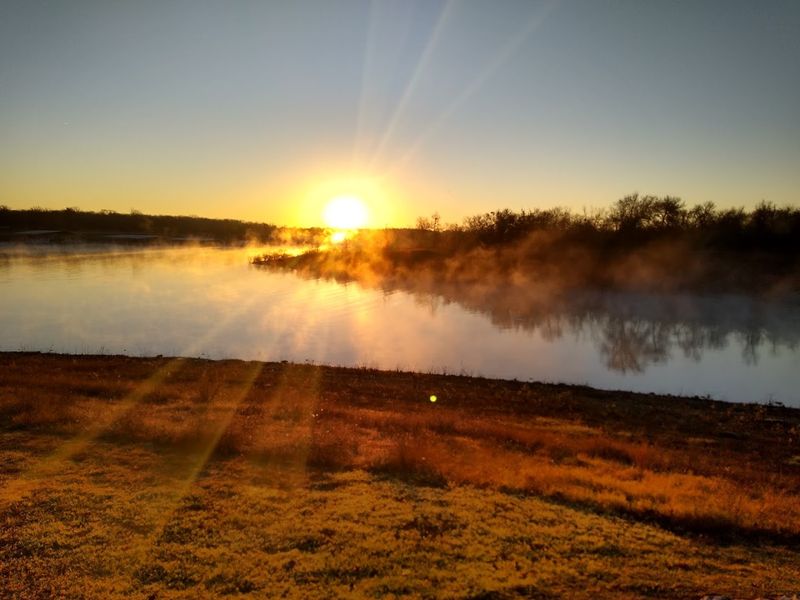
One thing that keeps showing up in conversations about Hugo Lake is the quality of the sunsets. The wide, open water and the relatively flat surrounding terrain mean that the sky takes over completely in the evening hours, and the colors that spread across the horizon can be genuinely spectacular.
The shallow water acts as a mirror during calm evenings, doubling the color of the sky and creating reflections that stretch all the way to the shoreline.
When the exposed stumps are visible during low water periods, they add a silhouetted foreground element that makes the scene look almost too good to be real.
Photographers who visit specifically for sunset shots tend to position themselves along the western shore or on the open beach area near the park. The golden hour light hits the water at a low angle and turns everything warm and soft.
Even if photography is not your thing, sitting at a picnic table or on a camp chair and watching the light change over Hugo Lake is one of those simple pleasures that reminds you why spending time outdoors in Oklahoma is worth the drive.
Wildlife Along the Shoreline
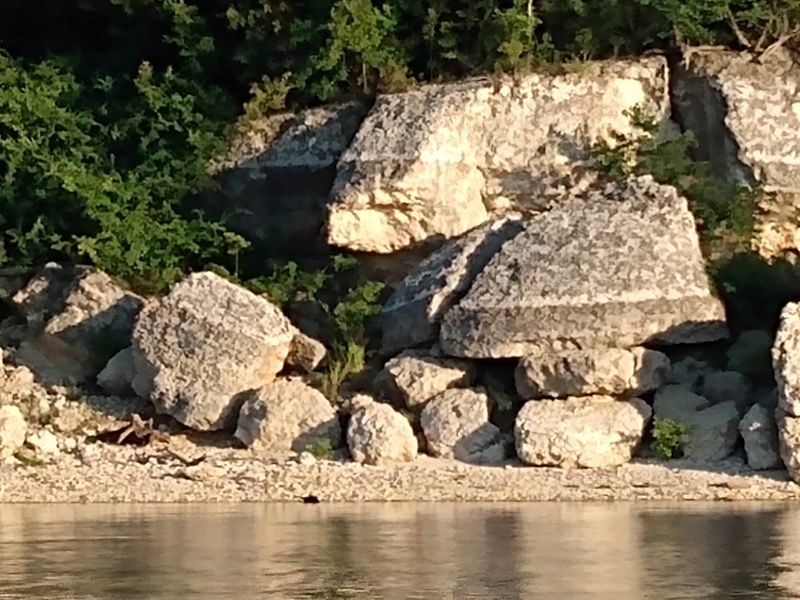
The shallow, weedy edges of Hugo Lake create excellent habitat for a wide range of wildlife, and paying attention to the shoreline pays off in a way that surprises many first-time visitors. Great blue herons are a common sight, standing motionless in the shallows or lifting off slowly across the water surface.
Osprey patrol the lake regularly, especially during spring and fall migration, and watching one drop into a shallow area to grab a fish near a cluster of stumps is a memorable moment.
White-tailed deer appear along the tree line at dawn and dusk, particularly in the quieter campground areas away from heavy foot traffic.
The forested areas surrounding the lake support a healthy population of songbirds as well, making Hugo Lake a worthwhile stop for birdwatchers who happen to be passing through Choctaw County. Spring mornings in the campground can be surprisingly loud with bird activity.
The mix of open water, submerged timber, mudflats, and shoreline forest creates a patchwork of habitats that keeps the wildlife variety high throughout the year, adding another dimension to every visit beyond just the lake itself.
The Beach Area and Swimming
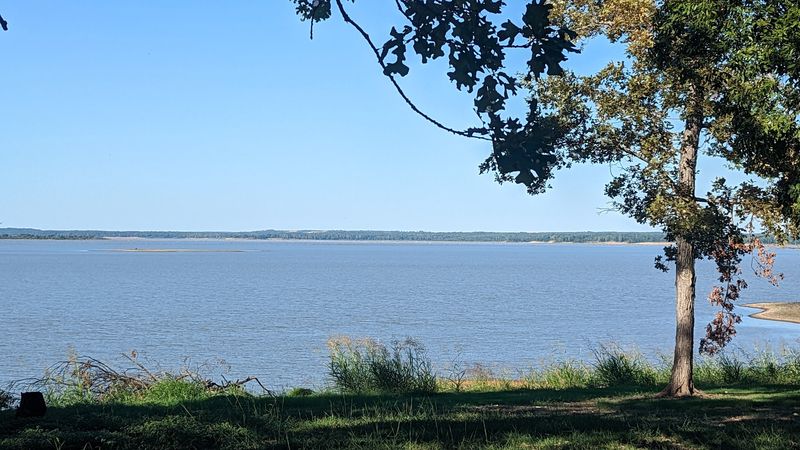
Hugo Lake State Park includes a designated beach area that draws families during the warmer months. The beach is relatively modest in size, but the shallow water entry makes it a comfortable spot for children and casual swimmers who want to cool off without dealing with strong currents or deep drops.
The shallowness of the lake that frustrates boaters actually works in favor of swimmers and waders near the beach, where the gradual depth means you can walk quite a distance from shore and still be in manageable water.
On hot summer days in Oklahoma, that kind of easy access to cool water is genuinely appreciated.
The beach area has received some mixed reviews over the years regarding maintenance, with some visitors noting it could use more regular attention. That said, the overall experience is still positive for families who are not expecting a resort-style setup.
Bringing your own chairs, an umbrella, and some water shoes is a smart move, since the lake bottom can be uneven in spots due to the same submerged debris and root systems that make this lake so visually interesting from a historical standpoint.
The Shallow Water Warning Every Boater Needs
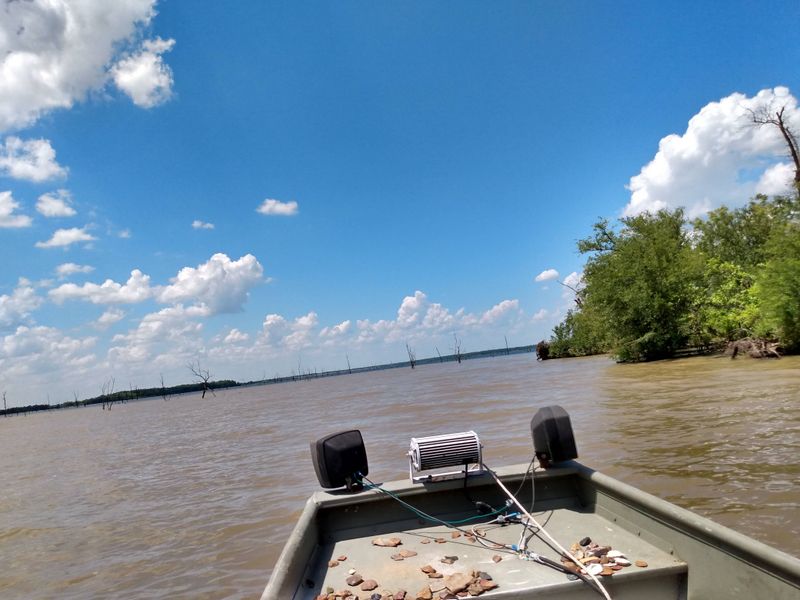
There is a piece of local knowledge about Hugo Lake that every first-time boater absolutely needs before launching. Large portions of the lake are surprisingly shallow, sometimes only two feet deep even in areas that look like open, navigable water from a distance.
The submerged stumps and root systems that make the lake so visually interesting when water levels drop are the same hazards that can damage a boat motor when water levels are higher and the obstacles are hidden just below the surface.
Prop damage is a real and common outcome for boaters who do not use a depth finder or who travel at speed through unfamiliar sections.
This is one reason why you rarely see heavy boat traffic on Hugo Lake compared to other Oklahoma reservoirs of similar size. Those who know the lake well tend to move at reduced speeds and stick to the channels they have learned over multiple visits.
Kayaks and canoes are actually an excellent way to experience Hugo Lake precisely because of this shallowness. A paddle craft lets you move slowly through the stumps, explore the edges, and appreciate the lake at a pace that a powerboat simply cannot match.
Planning Your Visit to Hugo Lake
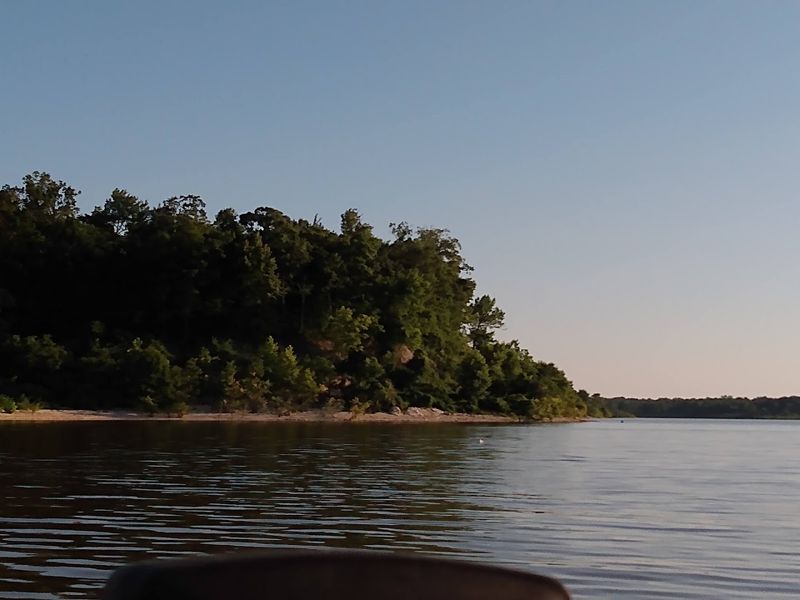
Hugo Lake sits near the town of Hugo in Choctaw County, southeastern Oklahoma, with the state park address listed under Oklahoma 74743.
The drive from Oklahoma City takes roughly three hours heading southeast, while visitors coming from Dallas, Texas can reach the lake in about two and a half hours heading north.
Spring and fall are the most comfortable seasons to visit. Summer temperatures in southeastern Oklahoma can climb high, though the lake and shade trees at the campground help manage the heat.
Winter visits are quiet and peaceful, with the campground nearly empty and the stumps often more visible due to lower seasonal water levels.
The park charges modest day-use and camping fees, and reservations for campsites can be made through the Oklahoma State Parks system online. Weekends in summer fill up faster than you might expect, so booking a few weeks ahead is a good habit during peak season.
Bringing sunscreen, insect repellent, and a good pair of water shoes will cover most of what you need for a comfortable stay, and a camera is worth packing no matter what season you choose to make the trip.
Dear Reader: This page may contain affiliate links which may earn a commission if you click through and make a purchase. Our independent journalism is not influenced by any advertiser or commercial initiative unless it is clearly marked as sponsored content. As travel products change, please be sure to reconfirm all details and stay up to date with current events to ensure a safe and successful trip.
