The first time I pulled off the highway in southern Oklahoma, I was just looking for a quick stop. Stretch the legs, grab a drink, then get back on the road.
Instead I found myself standing in front of a place that completely changed how I thought about American history. The story of the Chisholm Trail is full of dust, grit, cattle drives, and the kind of determination that shaped the West.
Walking through this museum brings those stories to life in a way no textbook ever managed for me. You start to picture the miles of open land, the sound of hooves, and the sheer effort it took to move thousands of cattle across the plains.
It turns a simple roadside stop into something far more memorable. And once you step inside, you will realize this detour is easily one of the most interesting parts of the whole trip.
The 4D Theater Experience Changes Everything
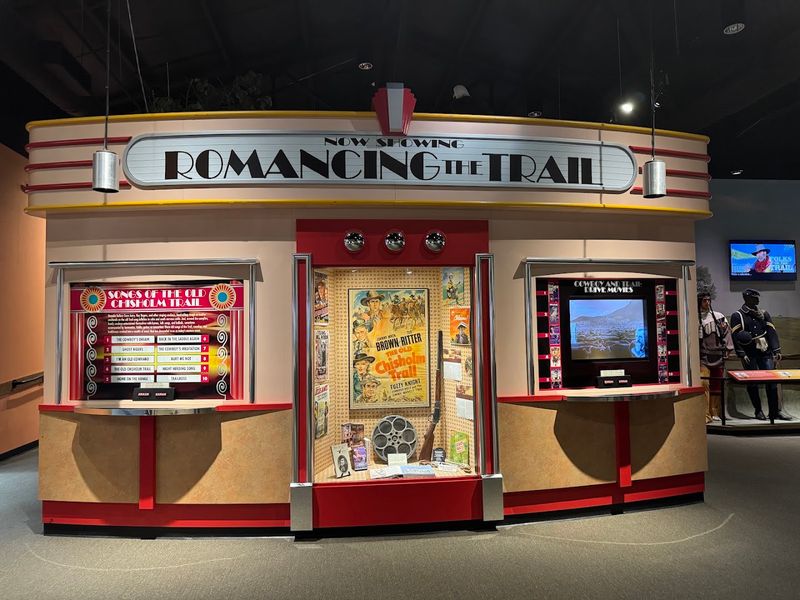
Walking into a museum theater and having rain hit your face is not something most people see coming. The 4D cinema here is one of those experiences that sneaks up on you and leaves a lasting impression.
The film tells the story of the Chisholm Trail with wind, mist, and a full sensory presentation that pulls you right into the dust of a cattle drive.
The storytelling is sharp and well-paced. You feel the heat, you sense the movement, and the whole thing runs at a length that respects your time without cutting corners.
Kids absolutely lose their minds in the best possible way, but adults are just as caught off guard by how effective it all is.
It is the kind of theater trick that could easily feel gimmicky, but here it earns every drop of rain it throws at you. The narrative is grounded in real history.
The visuals are vivid and cinematic. By the time the lights come back on, you have a completely different relationship with the trail and the people who walked it.
Do not skip this one thinking it is just a short film. It is more like a portal.
Animatronic Campfire Show Feels Surprisingly Real
Somewhere between the main galleries, you step into a small dark room and find yourself at a campfire. Not a real one, but close enough to make your brain do a double take.
The Campfire Theater lets you join Jesse Chisholm by the chuck wagon as he tells the story of how the Chisholm Trail got its name.
There is something oddly moving about watching a mechanical cowboy lean forward and speak about the hardships of the trail. The craftsmanship behind these figures is serious.
The expressions are nuanced, the lighting is warm and flickering, and the audio pulls the whole thing together into a scene that feels lived-in.
It sounds like the kind of thing you might politely watch and then move on from. But most people end up standing there longer than planned, quietly absorbed in the moment.
The stories being shared are rooted in real trail life, covering everything from the weather to the dangers cowboys faced each night. It is a small theater, but the emotional punch it delivers is outsized.
This campfire scene is one of those museum moments you keep thinking about on the drive home, long after you have forgotten other exhibits you saw that day.
Interactive Exhibits Make History a Hands-On Adventure
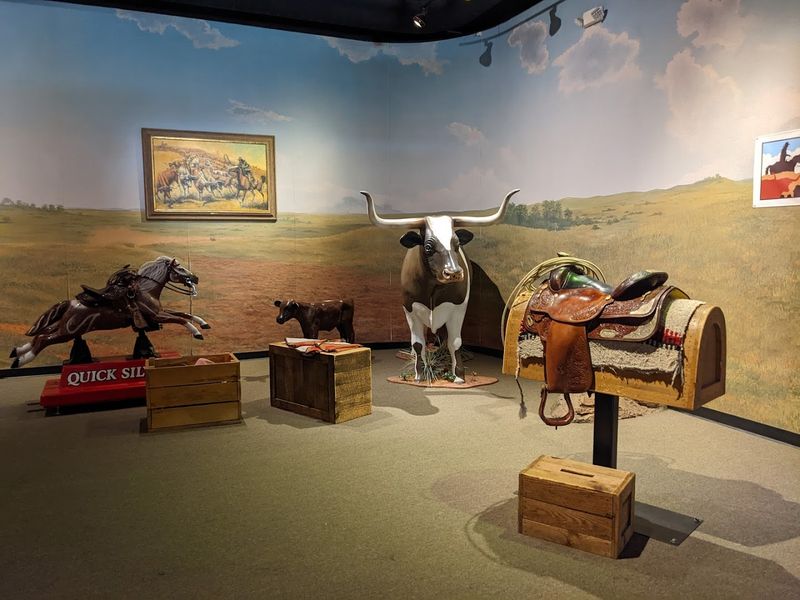
Most history museums ask you to look and not touch. This one practically begs you to roll up your sleeves and get involved.
The interactive section is built for curious minds of all ages, and it delivers on that promise with exhibits that feel thoughtful rather than just flashy.
You can try making your own cattle brand, which sounds simple until you realize how much creative thought went into the real ones. There is also a trail boss quiz that tests your knowledge of trail life in a way that is more fun than any pop quiz you ever took in school.
The Duncan General Store setup lets you explore what frontier commerce looked like up close.
What makes this section work is that it never feels dumbed down. The information behind each interactive station is rich and layered.
Kids get the sensory engagement they need to stay focused, while adults find themselves genuinely learning things they did not know before. It is a rare balance to strike in a museum setting, and the team here clearly spent real time thinking about how people actually learn.
The hands-on area is not just a bonus corner. It is a core part of why this place sticks with you long after you leave.
Garis Gallery of the American West Holds Serious Art
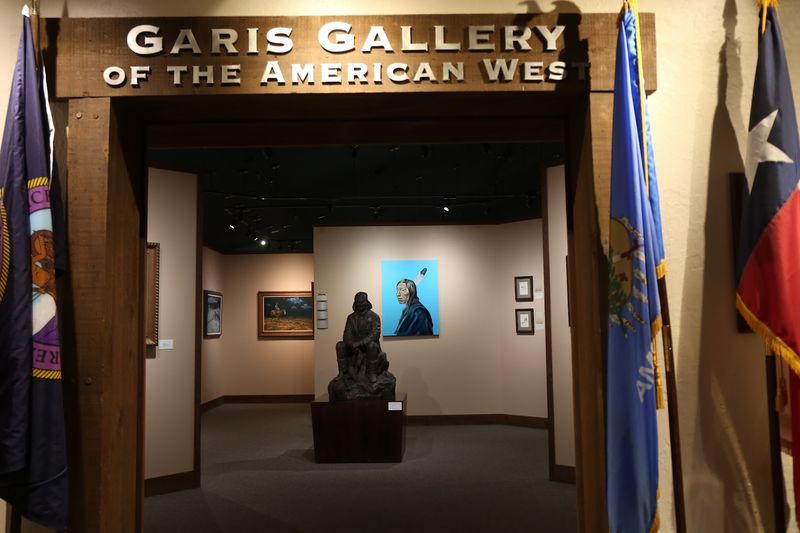
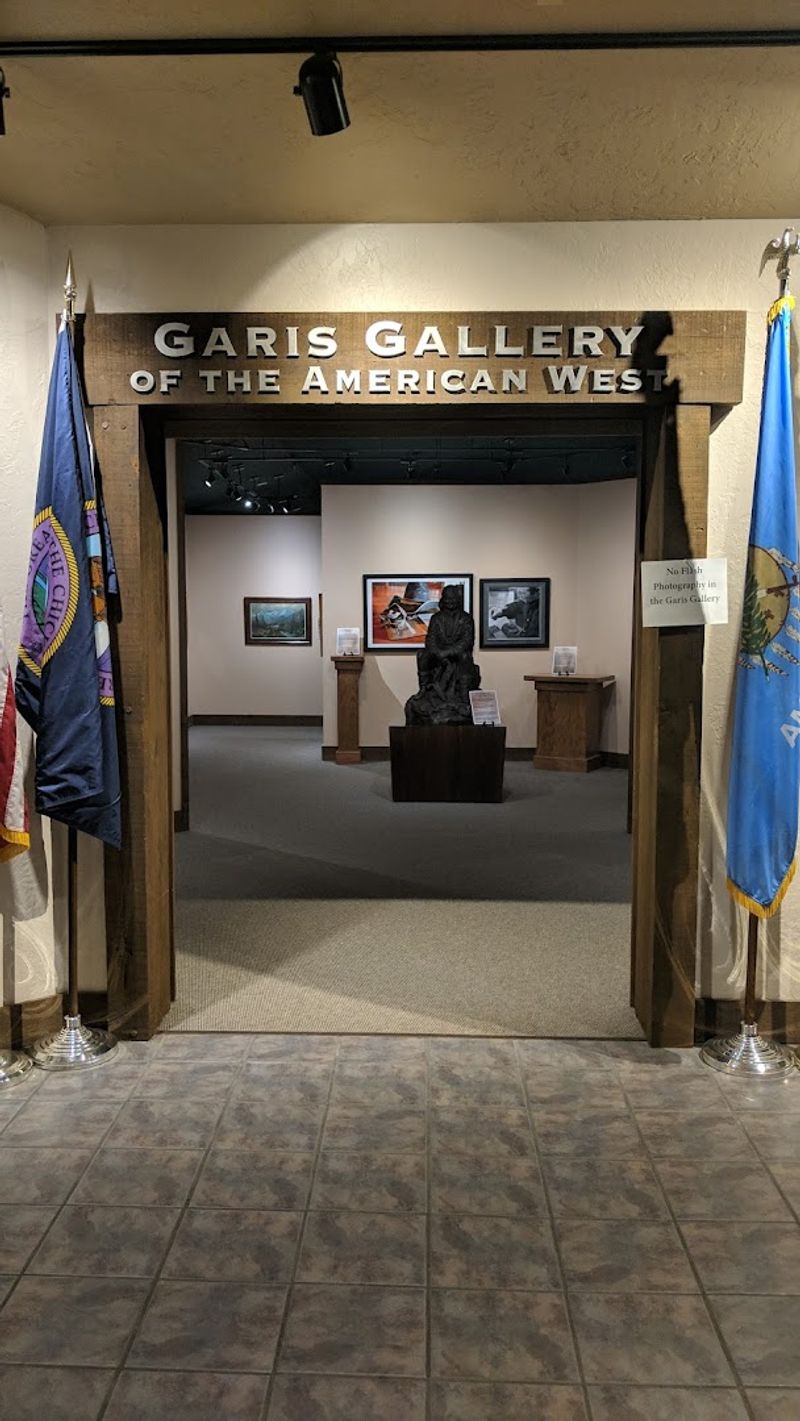
Art and history do not always share space this comfortably. The Garis Gallery of the American West is a compact but impressive collection of Western fine art that earns serious attention.
Works by Remington, Russell, and Catlin hang here, and seeing them in person hits differently than seeing them in a textbook.
The gallery is not enormous, but the curation is deliberate. Every piece feels chosen to deepen your understanding of the American West rather than simply decorate a wall.
The paintings capture movement, light, and emotion in ways that remind you why these artists became legends of their genre.
The gallery also hosts featured and rotating artist exhibits, so repeat visitors often find something new. You are not just looking at history, you are standing in a space where art and commerce meet in the same way they did on the frontier itself.
Beyond the major names, the gallery also features regional artists and rotating exhibits that change regularly, so repeat visitors always find something new. If you tend to rush through the art sections of history museums, this one will slow you down.
It rewards patience. Stand in front of one painting long enough and the whole story of the West starts to feel very close.
The Outdoor Bronze Sculptures Set the Tone Immediately
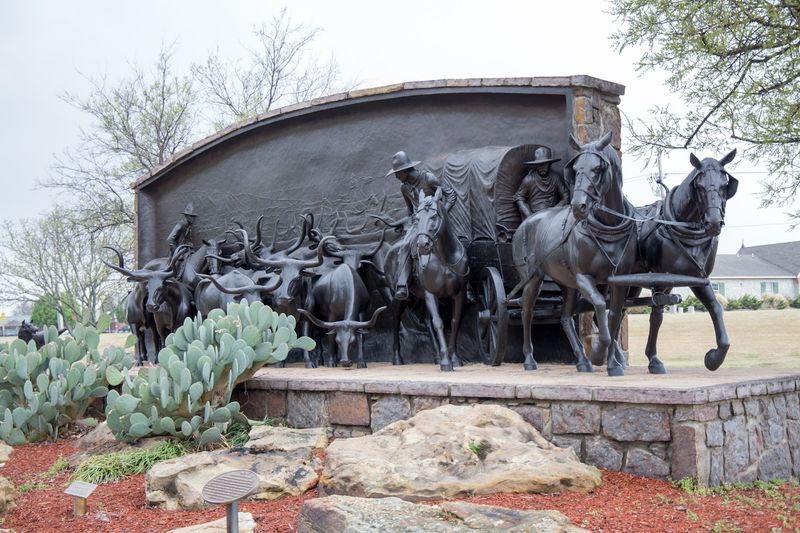
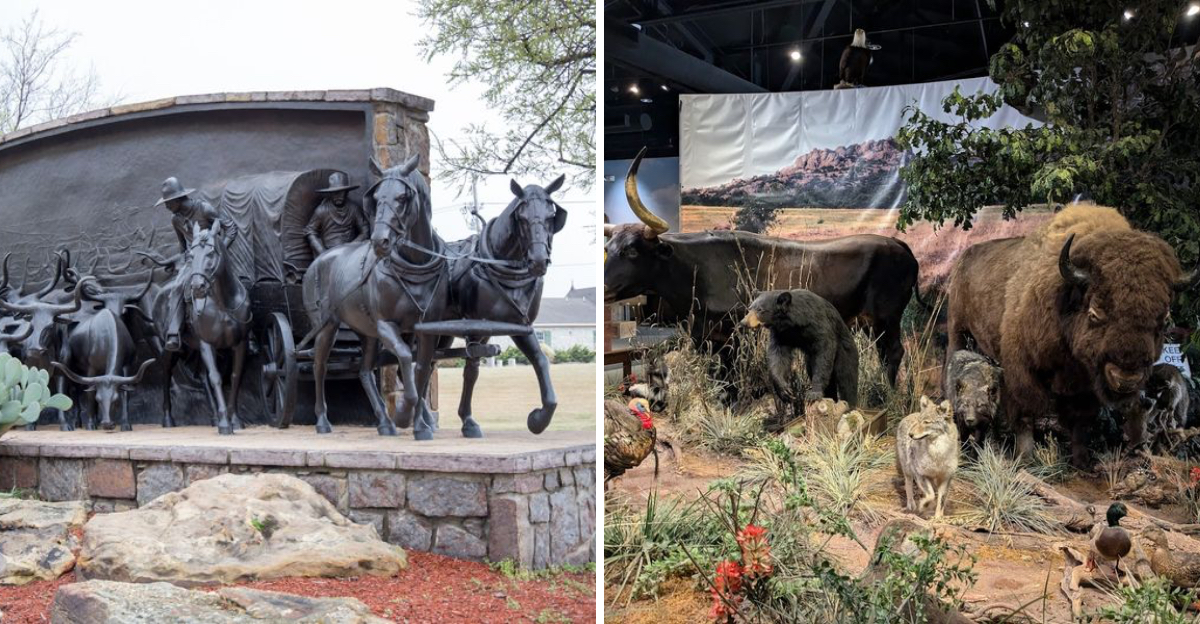
Before you even walk through the front door, the grounds outside make a statement. The outdoor bronze sculptures here are the kind of art that stops foot traffic cold.
They are large, detailed, and positioned in a way that frames the landscape beautifully.
Bronze sculpture has a long tradition in Western American art, and the pieces here honor that tradition without feeling stiff or ceremonial. There is real energy in the metalwork.
A horse mid-stride, a figure leaning into the wind, the whole composition feels alive in a way that flat art simply cannot replicate. The surrounding landscaping is well maintained, and there is a covered pavilion area nearby that makes the grounds feel welcoming rather than just decorative.
Many visitors end up spending more time outside than they initially planned. The sculptures invite you to walk around them, see them from different angles, and appreciate how the light changes the way they read.
It is the kind of outdoor art experience you might expect at a major city museum, not a mid-sized museum in southern Oklahoma. That pleasant surprise sets the tone for everything inside.
If you are the type to pull out your camera before entering a building, budget some extra time here. The sculptures are absolutely worth it.
The Chisholm Trail Story Goes Deeper Than You Expect
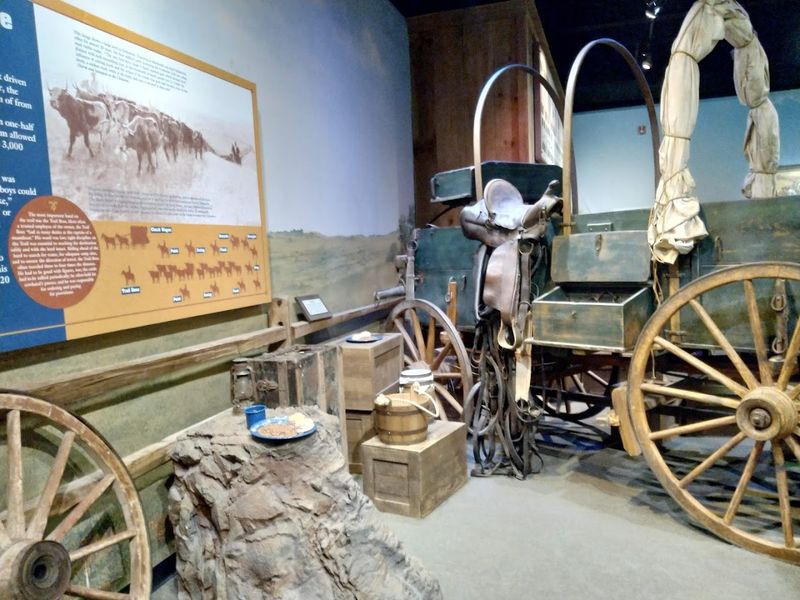
Most people arrive knowing the broad strokes. Cowboys, cattle, Kansas, done.
But the history presented here fills in the gaps in a way that is genuinely surprising. The Chisholm Trail was not just a cattle route.
It was a corridor of commerce, conflict, survival, and cultural exchange.
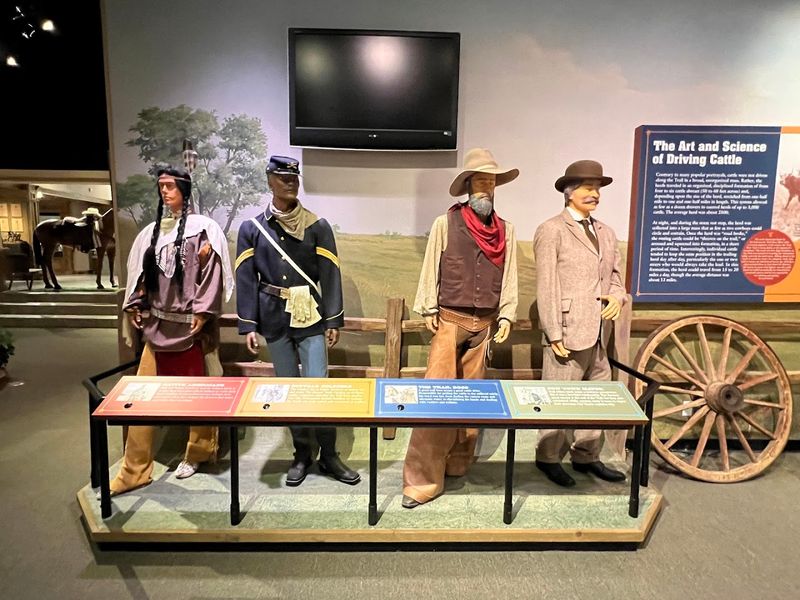
The exhibits walk you through the full arc of the trail era with a level of detail that respects the complexity of the story. The role of Native Americans is addressed thoughtfully.
The economic forces that drove the cattle drives are explained with clarity. The human cost of trail life, the weather, the distances, the danger, comes through in the artifacts and the storytelling.
There is a particular kind of quiet that settles over you when history is presented honestly. You start connecting dots you did not know were there.
Why did the trail end when it did? Who actually profited from it?
What happened to the people who depended on it once it was gone? The Chisholm Trail Heritage Center does not shy away from those questions.
It leans into them. By the end, you have a much fuller picture of a chapter in American history that deserves far more attention than it usually gets in standard school curricula.
A Gift Shop Worth Browsing Without Guilt
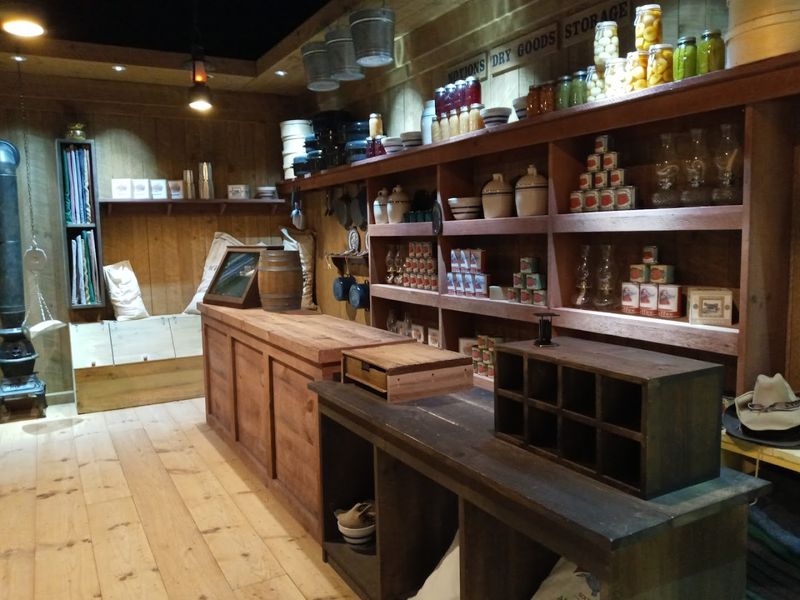
Museum gift shops have a reputation problem. Too often they are full of overpriced trinkets that have nothing to do with what you just experienced.
The shop here breaks that pattern in a refreshing way. The merchandise is thoughtful, reasonably priced, and actually connected to the history and art you just spent time with.
There are books about trail history and Western art, clothing with quality that holds up past the parking lot, and small souvenirs for every budget. The Western fine art prints available are a particularly good find.
You can take a piece of that gallery experience home without needing a museum-level budget to do it.
Browsing here feels like a natural extension of the visit rather than an obligatory detour. The layout is clear, the staff is helpful without being pushy, and the selection gets refreshed regularly alongside the rotating exhibits.
If you are traveling with kids, they will find things here too, and the prices will not make you wince at checkout. It is the kind of gift shop where you actually want to linger.
Pick up something for yourself, something for a history-loving friend, and maybe a book you will actually read on the drive home. This shop earns its square footage.
The Grounds Make It a Full Day Out
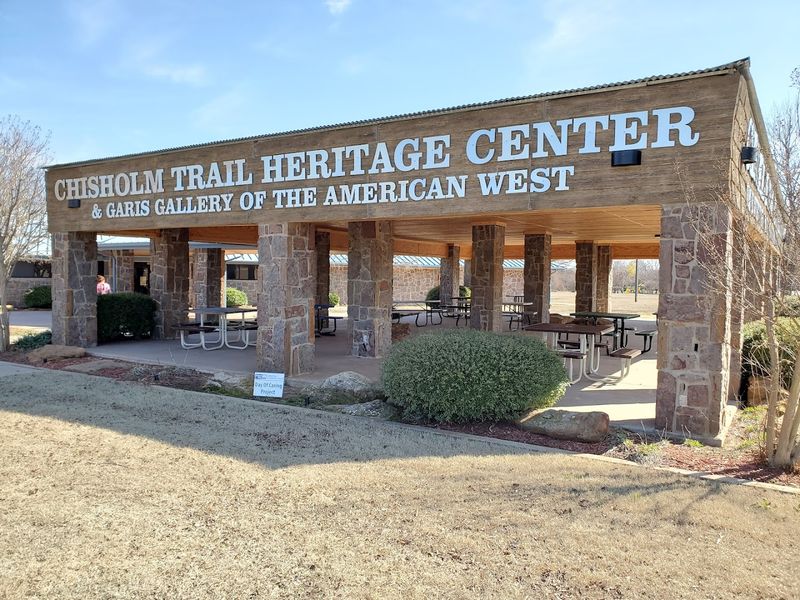
Packing a lunch and heading to a museum might not be your usual move, but this place makes a strong case for it. The grounds around the museum are beautifully maintained, with landscaping that gives the whole property a polished but relaxed feel.
The free parking lot is large and easy to navigate, which sounds like a small thing until you have circled a crowded museum lot three times in the summer heat. Arriving here feels effortless.
The space between the parking area and the entrance is pleasant to walk, especially with the bronze sculptures drawing your eye across the grounds.
Families with kids especially benefit from having outdoor space to decompress between the indoor exhibits. A short walk outside resets everyone’s energy and attention span before heading back in for more.
The museum also sits on spacious grounds, giving the area around the building a relaxed, open feel. It is a detail that a lot of museums overlook entirely.
Here, the outdoor experience feels like it was planned with the same care as the exhibits inside. That kind of attention to the full visitor experience is what turns a good trip into a great one.
Staff Knowledge Turns a Visit Into a Real Conversation
There is a version of this museum where you wander through alone, read the panels, and leave with a decent but forgettable experience. Then there is the version where a staff member catches your curiosity and suddenly an hour disappears.
The team here consistently tips the visit toward the second option.
The people working here know the history deeply. Not in a rehearsed tour-guide way, but in the way of someone who has spent real time caring about the subject.
They can answer follow-up questions, point you toward things you might have missed, and share context that does not fit neatly on a wall panel. That kind of human layer is increasingly rare in museum settings.
The welcome you receive at the front desk sets the tone for the whole visit. The staff walks you through the floor plan, starts the theater programs, and checks in without hovering.
It is the right balance of attentive and relaxed. For first-time visitors especially, having a knowledgeable person orient you to the space saves time and adds depth to everything you see afterward.
The Chisholm Trail Heritage Center has clearly built a culture where the people working there are as much a part of the experience as the exhibits themselves. That is not easy to do, and it shows.
Plan Your Visit to Duncan Oklahoma With Confidence
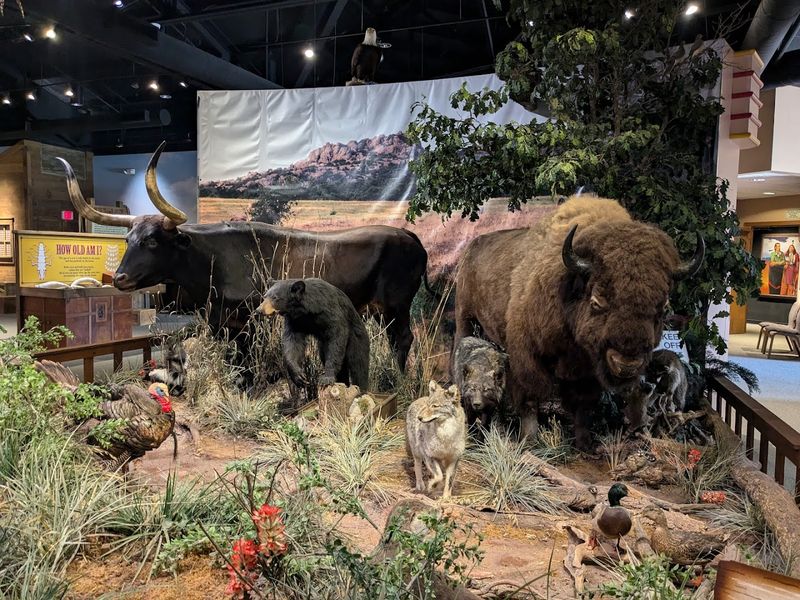
Duncan, Oklahoma sits in the southern part of the state, roughly 45 minutes from Fort Sill and within comfortable driving distance of Oklahoma City for a day trip. The museum is easy to find and the location feels intentional, right along the trail corridor where so much of this history actually unfolded.
The Chisholm Trail Heritage Center & Garis Gallery of the American West is open Monday through Saturday from 10 AM to 5 PM, and on Sundays from 1 to 5 PM. That Sunday afternoon window is a solid option for travelers passing through on a weekend.
The museum is closed before 10 AM daily, so plan accordingly and give yourself at least two to three hours to do it justice.
The full address is 2150 Chisholm Trail Pkwy, Duncan, OK 73533, and the website at onthechisholmtrail.com has current information on rotating exhibits and events.
Parking is free and plentiful, the facility is clean and well maintained, and the overall experience punches well above its weight for a museum of this size.
If you are anywhere in the region and have even a passing interest in American frontier history, this stop belongs on your itinerary. Seriously, do not let it slip past you on the map.
Dear Reader: This page may contain affiliate links which may earn a commission if you click through and make a purchase. Our independent journalism is not influenced by any advertiser or commercial initiative unless it is clearly marked as sponsored content. As travel products change, please be sure to reconfirm all details and stay up to date with current events to ensure a safe and successful trip.
