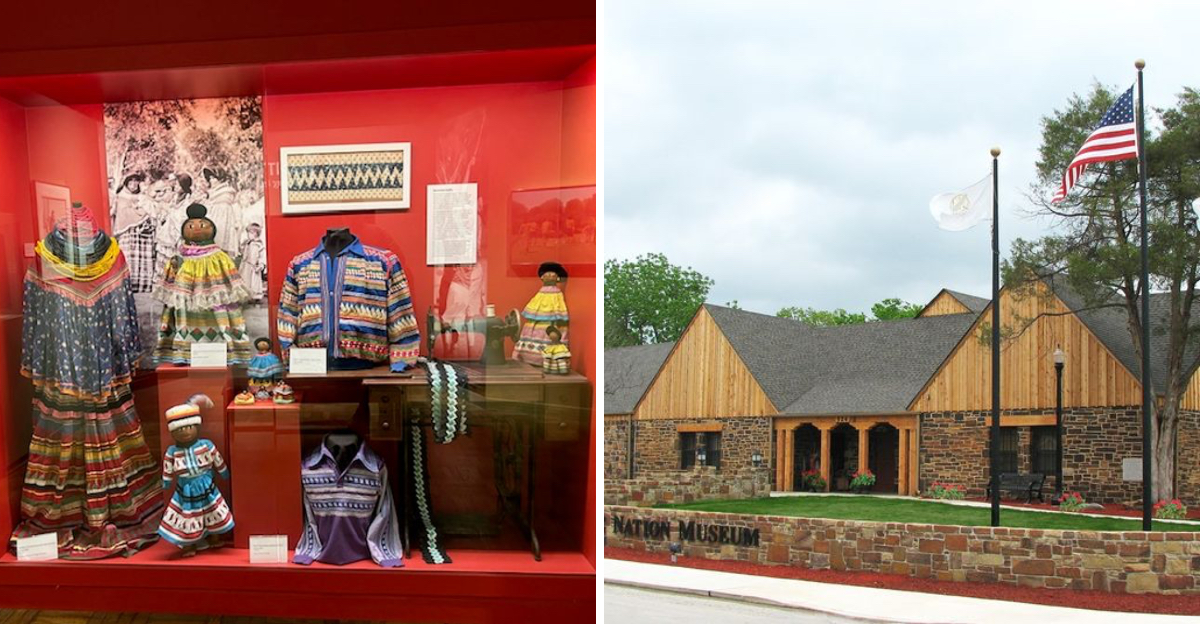
You want to talk about resilience? There’s a museum in Oklahoma that doesn’t just stick artifacts behind glass and call it a day, it throws open the doors to the Seminole Nation’s past with stories that’ll grab you by the heart and refuse to let go.
We’re talking survival against impossible odds, a culture that refused to be erased, and the kind of strength that makes your own daily complaints about slow Wi-Fi feel pretty silly.
Wander through the exhibits and you’ll meet the voices, the art, and the unbreakable spirit of people who turned tragedy into triumph.
It’s not a dusty old building, it’s a living, breathing reminder that history isn’t just something you read about in a textbook.
So if you’re cruising through the Sooner State and want to leave smarter and more inspired than you came, pull over. Your soul will thank you.
The Story Behind the Seminole Nation Museum
Not every museum starts with a mission this personal. The Seminole Nation Museum in Wewoka, Oklahoma, was created to document and interpret the history and culture of the Seminole Nation of Oklahoma, along with the people and events that shaped Wewoka itself.
Wewoka serves as the capital of the Seminole Nation, and the museum treats that responsibility with real seriousness. It is an independent organization, not formally affiliated with the Seminole Nation of Oklahoma, which gives it a unique voice in how it tells these stories.
The museum uses carefully selected artifacts, historic photographs, and interpretive exhibits to bring more than a century of Seminole history into focus. Every display feels purposeful, chosen to educate rather than simply impress.
What makes this place stand out is how it balances cultural preservation with genuine storytelling. You do not just learn dates and names here.
You come away understanding why the Seminole Nation’s story matters so deeply to Oklahoma and to the broader history of the United States.
Wewoka: A Capital City with Deep Roots
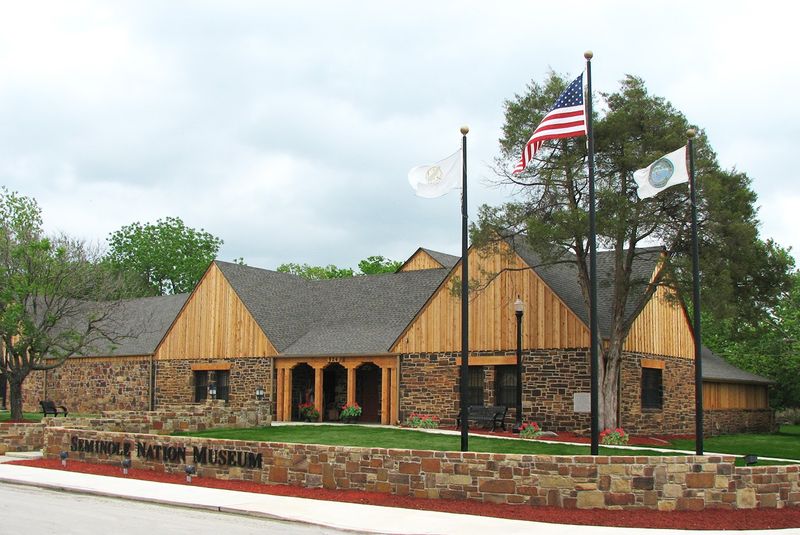
Wewoka is not a name that appears on many tourist maps, but that is exactly what makes it so worth finding. This small city in Seminole County, Oklahoma, carries an outsized historical significance as the official capital of the Seminole Nation.
The town itself has a layered past that stretches back to the forced relocation of the Seminole people from Florida to Indian Territory in the 1800s. Arriving here, you can feel that history in the streets, the architecture, and the quiet pride of the community.
The museum leans into this local identity fully. It does not just tell the story of the Seminole people in general terms.
It connects that broader history directly to Wewoka, showing how this specific place became one of the most historically significant and culturally rich communities in all of Oklahoma.
Driving into Wewoka for the first time, I was struck by how much character the town holds. It is the kind of place where the past feels close, and the museum is the beating heart of that feeling.
The Forced Relocation and the Seminole Resistance
Few chapters in American history carry as much weight as the forced relocation of Native nations in the 19th century. The Seminole Nation Museum addresses this period head-on, presenting it with clarity, honesty, and deep respect for those who endured it.
The Seminole people were among the most resistant of any nation during this era. They fought back in what became known as the Seminole Wars, a series of conflicts in Florida that lasted decades and pushed the U.S. military to its limits.
That fierce determination is a thread that runs through the entire museum.
Exhibits in this section use historic documents, maps, and photographs to walk you through the journey from Florida to Indian Territory in what is now Oklahoma. The emotional weight of that story is not softened or glossed over.
Standing in front of these displays, I felt a genuine shift in how I understood this history. The museum does not present the Seminole people as passive subjects of history.
It shows them as active, courageous participants who shaped their own story even under the most difficult circumstances imaginable.
Native American Art That Stops You in Your Tracks
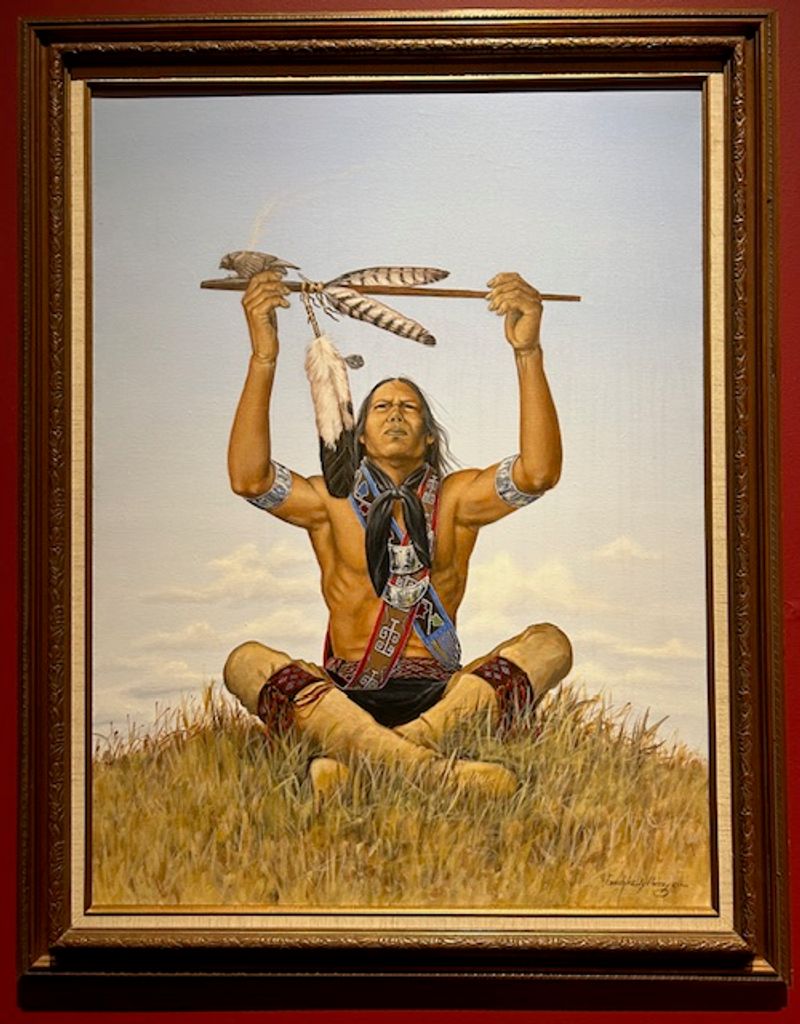
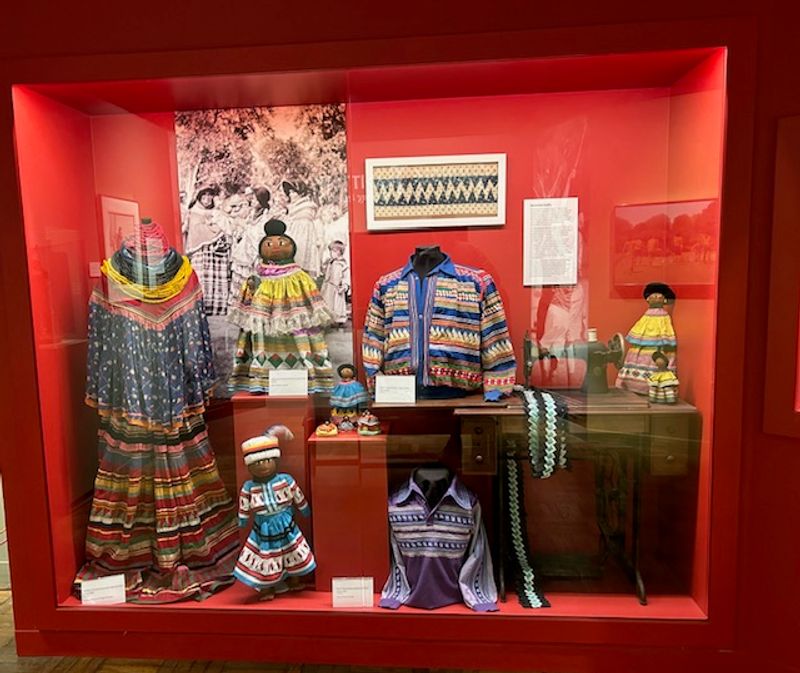
Art has a way of communicating what words sometimes cannot, and the Seminole Nation Museum understands this completely. The collection of Native American artwork on display is one of the most visually striking parts of the entire experience.
Colorful, meticulous pieces line the walls of what feels like a carefully curated gallery rather than a typical museum display. The craftsmanship is extraordinary, with traditional patterns and vivid colors that draw your eye and hold your attention.
What I appreciated most was how the art connects directly to the cultural stories being told throughout the rest of the museum. Each piece feels like it belongs in the larger conversation, not just hanging there for decoration.
The gallery space itself is compact but expertly designed, so nothing feels crowded or overwhelming. You move through it at your own pace, and each work rewards a slow, thoughtful look.
Oklahoma has a rich tradition of Native American artistic expression, and this museum presents some of its finest examples. For anyone who loves art and history in equal measure, this section alone makes the trip to Wewoka absolutely worth it.
The 45th Infantry Division Thunderbirds Exhibit
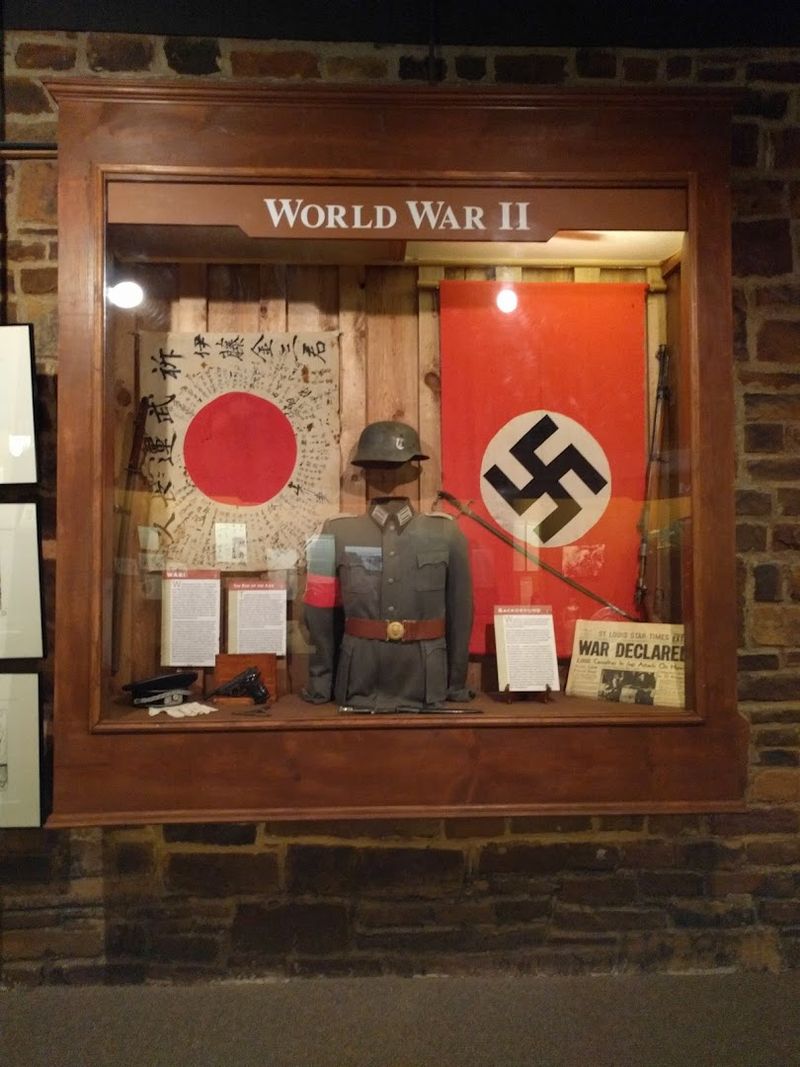
One of the most surprising and compelling sections of the Seminole Nation Museum is its exhibit dedicated to the 45th Infantry Division, known as the Thunderbirds. This connection between Native American heritage and American military service runs deep in Oklahoma history.
The 45th Division had strong ties to the Native nations of Oklahoma, and its Thunderbird symbol was inspired by Native American iconography. The exhibit explores this relationship with genuine depth, using photographs, documents, and artifacts from the division’s service in World War II and Korea.
For many visitors, this section comes as an unexpected revelation. It broadens the museum’s scope beyond what you might expect and shows how Seminole and other Native American men served their country with distinction even as their communities faced ongoing struggles for recognition and rights.
I found this exhibit to be one of the most emotionally layered parts of the entire museum. It holds multiple truths at once, celebrating bravery while also acknowledging the complex relationship between Native nations and the U.S. government.
Oklahoma’s history is full of these nuanced stories, and the museum tells them well.
Artifacts and Historic Photographs That Bring the Past Alive
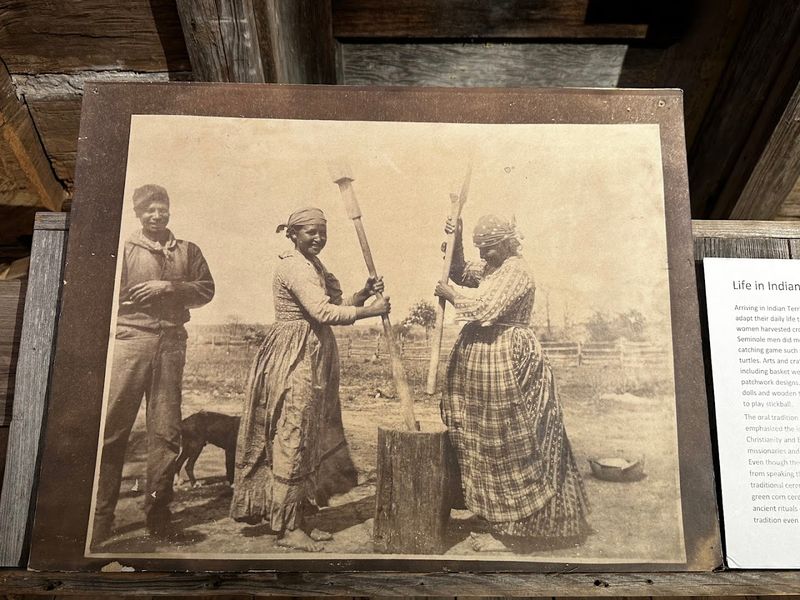
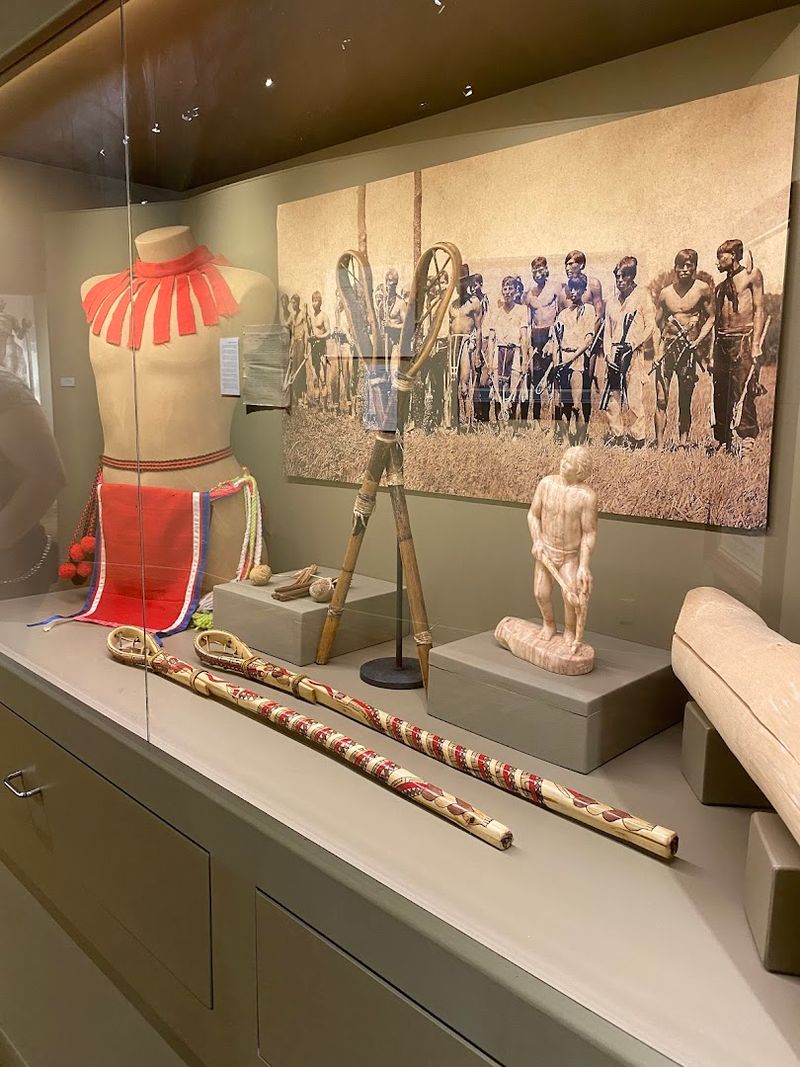
There is something about holding your gaze on a photograph taken over a hundred years ago that makes history feel suddenly, powerfully real. The Seminole Nation Museum has a remarkable collection of historic photographs that do exactly that.
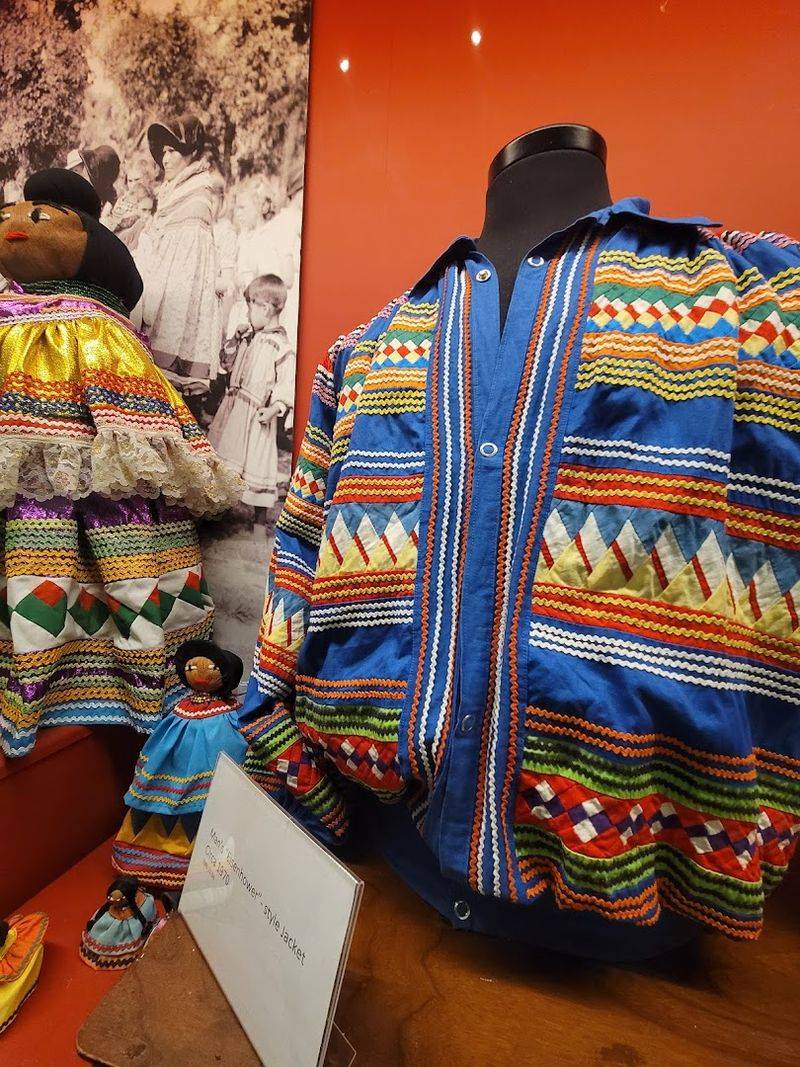
Paired with physical artifacts, these images create a layered portrait of Seminole life across different eras. Beadwork, traditional clothing, tools, and personal items sit behind glass cases with clear, informative labels that give each object context without overwhelming you with text.
The curation here is thoughtful. Nothing feels thrown together or randomly placed.
Every item seems chosen to tell a specific part of the story, and together they build a picture of a community that has continuously adapted, preserved, and celebrated its identity.
Historic photographs of Wewoka and its residents add a local dimension that makes the broader Seminole story feel grounded and personal. You see faces, buildings, and moments from a community that built something meaningful in Oklahoma against considerable odds.
Walking through these displays slowly is the right approach. Each artifact and image rewards patience, and the more time you spend with them, the more the full story begins to take shape around you.
The Gift Shop and Authentic Seminole Craftsmanship
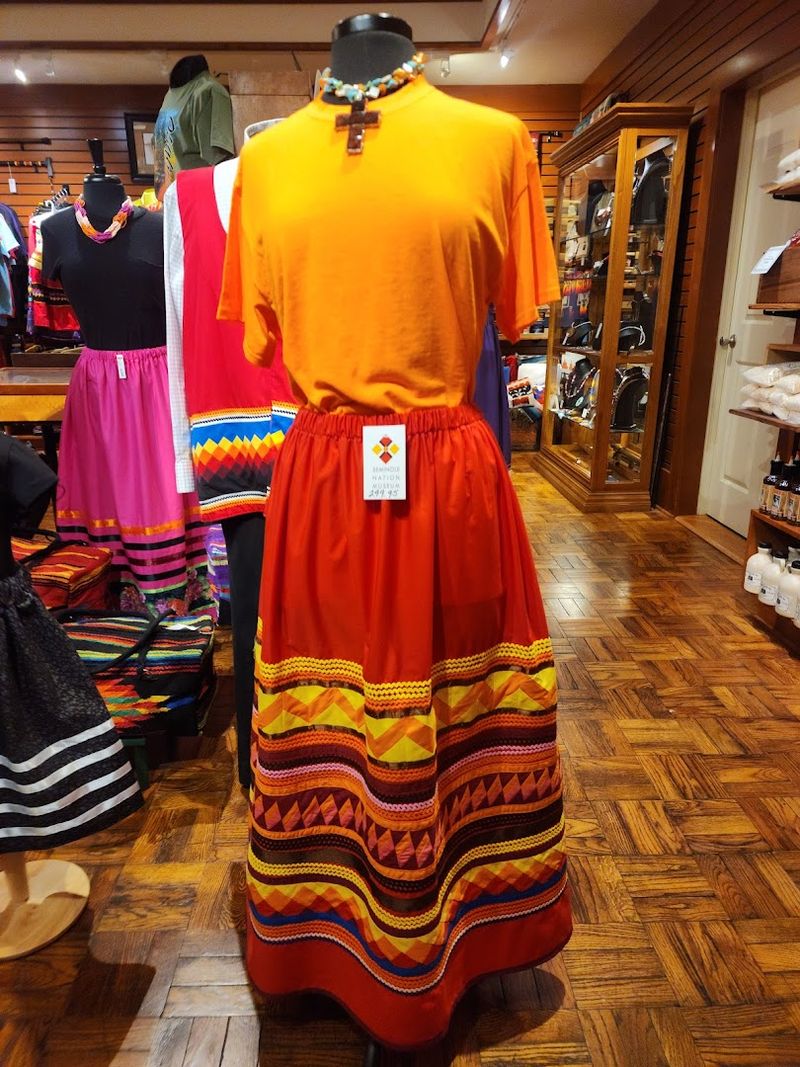
Gift shops at museums can feel like afterthoughts, but the one at the Seminole Nation Museum earns its own dedicated visit. It is stocked with authentic, handmade items that reflect real Seminole craftsmanship and cultural tradition.
The ribbon skirts are a standout. Sewn by skilled artisans, they are vibrant, detailed, and genuinely beautiful.
Matching baby outfits carry the same care and color, making them meaningful keepsakes rather than generic souvenirs.
Other items include beadwork, traditional crafts, and various handmade goods that you simply will not find in a regular shop. Each purchase feels like a direct way to support the cultural community the museum represents, which adds real meaning to the shopping experience.
The shop is well-organized and easy to browse, and the items are clearly labeled with information about their origins and significance. For anyone interested in Native American craft traditions, this space is genuinely exciting to explore.
Oklahoma is home to many Native nations, each with its own artistic traditions, and the Seminole Nation Museum gift shop gives you a tangible connection to one of the most distinctive of them all. I left with something beautiful and a story to tell about where it came from.
How the Museum Connects Land History to Living People
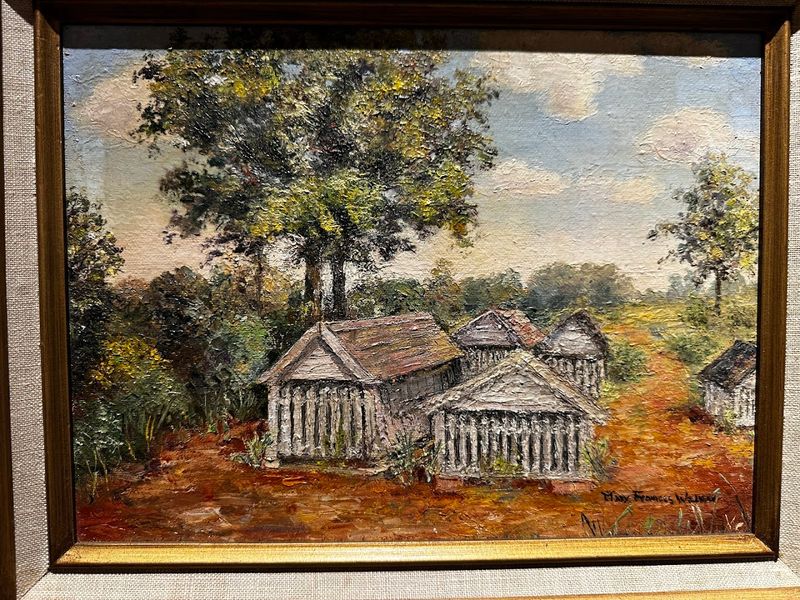
One of the most quietly remarkable things the Seminole Nation Museum offers is its ability to connect historical land records to people living in Oklahoma today. The museum holds research resources that can trace the original allotment of specific parcels of land back to individual Seminole families.
This is not a small thing. For anyone who has purchased property in Seminole County or the surrounding area, the museum can provide real historical context about who originally held that land and how it passed through history.
That kind of living connection to the past is rare and deeply meaningful.
It speaks to the museum’s broader mission, which goes beyond displaying objects behind glass. This is a place committed to keeping history relevant and accessible to people in the present.
The research capabilities of the museum also make it a valuable resource for genealogists and historians, not just casual visitors. Oklahoma has a complex land history tied directly to the allotment era of the late 1800s and early 1900s, and the Seminole Nation Museum holds important pieces of that puzzle.
Coming here with a specific question and leaving with a real answer is an experience that transforms a museum visit into something genuinely personal.
Rotating Exhibits That Keep Every Visit Fresh
One thing that sets the Seminole Nation Museum apart from many small regional museums is its commitment to changing and expanding its exhibits over time. The displays are not static, and returning visitors regularly find something new to engage with.
Rotating exhibits mean the museum stays current and continues to grow its storytelling capacity. New video installations have been added in recent years, bringing additional voices and perspectives into the experience in a way that feels modern without losing the museum’s grounded, respectful tone.
This ongoing evolution reflects a genuine dedication to the museum’s mission. It is not a place content to simply maintain what it has.
The team behind it clearly sees the collection as a living, growing body of work.
For Oklahoma residents and repeat visitors, this makes the Seminole Nation Museum worth returning to rather than treating as a one-time stop. Each visit can offer a new layer of understanding or a new piece of the cultural story you had not encountered before.
The fact that the museum continues to invest in new exhibits despite operating largely on donations is a testament to the passion driving it forward. That energy is something you can genuinely feel when you walk through the space.
Practical Tips for Planning Your Visit to Wewoka
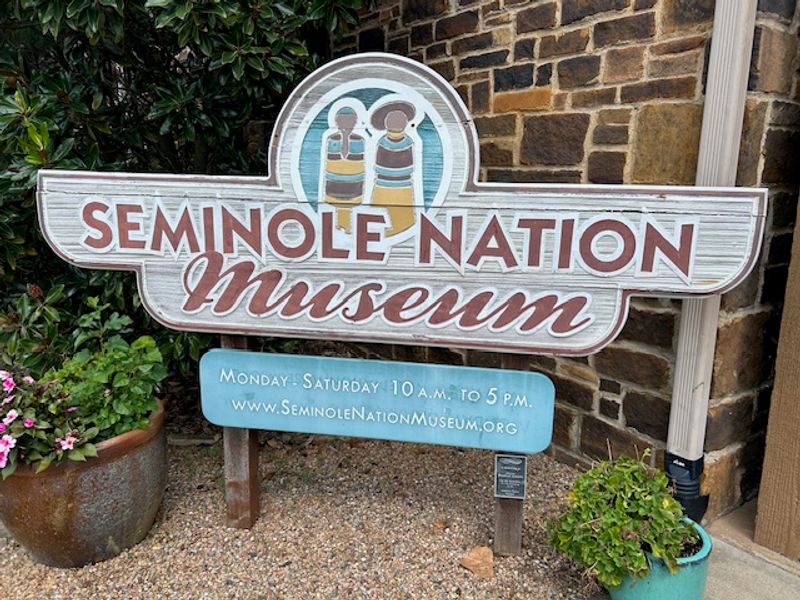
Getting to the Seminole Nation Museum is straightforward, and the visit itself requires very little planning beyond showing up with curiosity and an open mind. The museum is located at 524 S Wewoka Ave, Wewoka, OK 74884, roughly an hour’s drive from Oklahoma City.
Operating hours run from 10 AM to 5 PM, Monday through Saturday, so weekday visits are just as welcome as weekend ones. The museum is closed on Sundays, so plan accordingly.
Admission is free, though donations are warmly encouraged and genuinely help keep the museum running and growing. Bringing a few dollars to leave in the donation box is a small gesture that makes a real difference for this community-supported institution.
Street parking is available directly in front of the building along Wewoka Avenue. The museum is compact enough to explore thoroughly in about 30 to 60 minutes, though those who linger over the art and artifacts will find the time stretches pleasantly.
For questions or to confirm hours before your visit, the museum can be reached at +1 405-257-5580, or you can check their website at seminolenationmuseum.org. Oklahoma has many remarkable places to explore, and Wewoka belongs firmly on that list.
