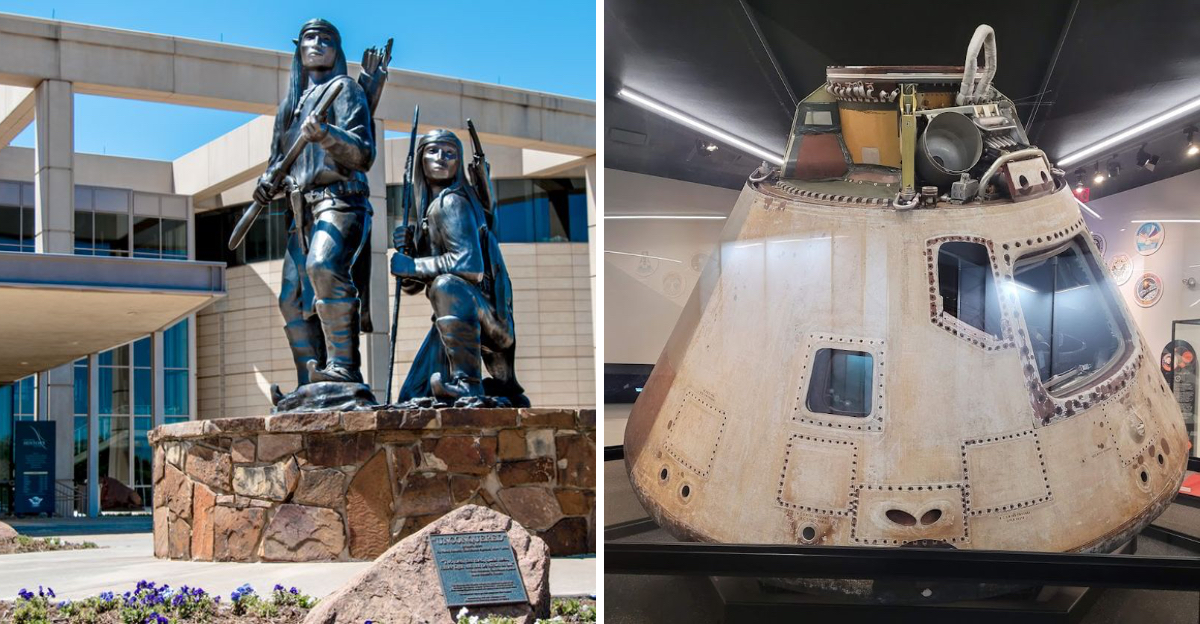
Some museums feel like quiet, dusty rooms where time forgot to show up. And then there are places that stop you cold the moment you walk through the door, places where history is not just displayed but felt.
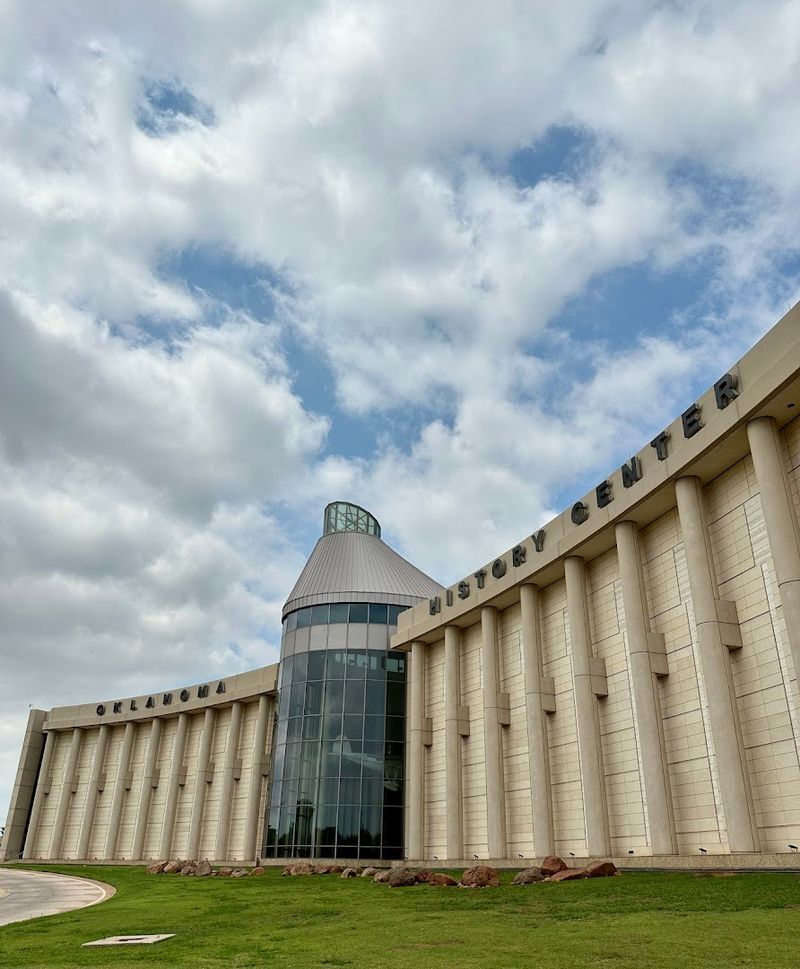
Sitting right across from the Oklahoma State Capitol on 18 sprawling acres in Oklahoma City, this is exactly that kind of place.
Imagine standing in front of one of the original handwritten copies of the Bill of Rights, the actual document that shaped American freedom, not a replica, not a photograph, but the real thing.
The Oklahoma History Center is the centerpiece of the Oklahoma Historical Society, and it holds over 200 interactive exhibits covering everything from the Land Run and Route 66 to the Dust Bowl and Indigenous peoples’ stories.
This is the kind of place where kids beg their parents to stay longer, where adults suddenly realize they never knew half of what happened in their own backyard, and where every corner has a story that pulls you in deeper.
Stick around, because what this museum holds is far more extraordinary than most people ever expect.
The Original Bill Of Rights Calls This Place Home
Most people assume the original Bill of Rights lives somewhere in Washington D.C., locked behind bulletproof glass in a federal building. So when you round a corner inside the Oklahoma History Center and come face to face with an actual original copy of that document, the air in the room feels different.
There were fourteen original copies made, one for each of the original thirteen states plus one for the federal government. Oklahoma’s copy is one of the surviving originals, and it ended up here through a fascinating and slightly dramatic chain of custody that spans centuries.
Seeing it up close, the ink faded but still legible, the paper aged but preserved with care, is one of those rare moments where history stops being abstract.
The Oklahoma Historical Society takes the preservation of this document seriously, and it shows in how the exhibit is presented. The lighting is deliberate, the case is climate-controlled, and the surrounding context helps you understand exactly what you are looking at and why it matters.
For anyone who has ever sat through a civics class and wondered whether any of it was real, standing in front of this document answers that question instantly. It is not just paper.
It is the foundation of rights that Americans still debate and defend every single day.
Five Permanent Galleries Cover Everything Oklahoma Has Ever Been
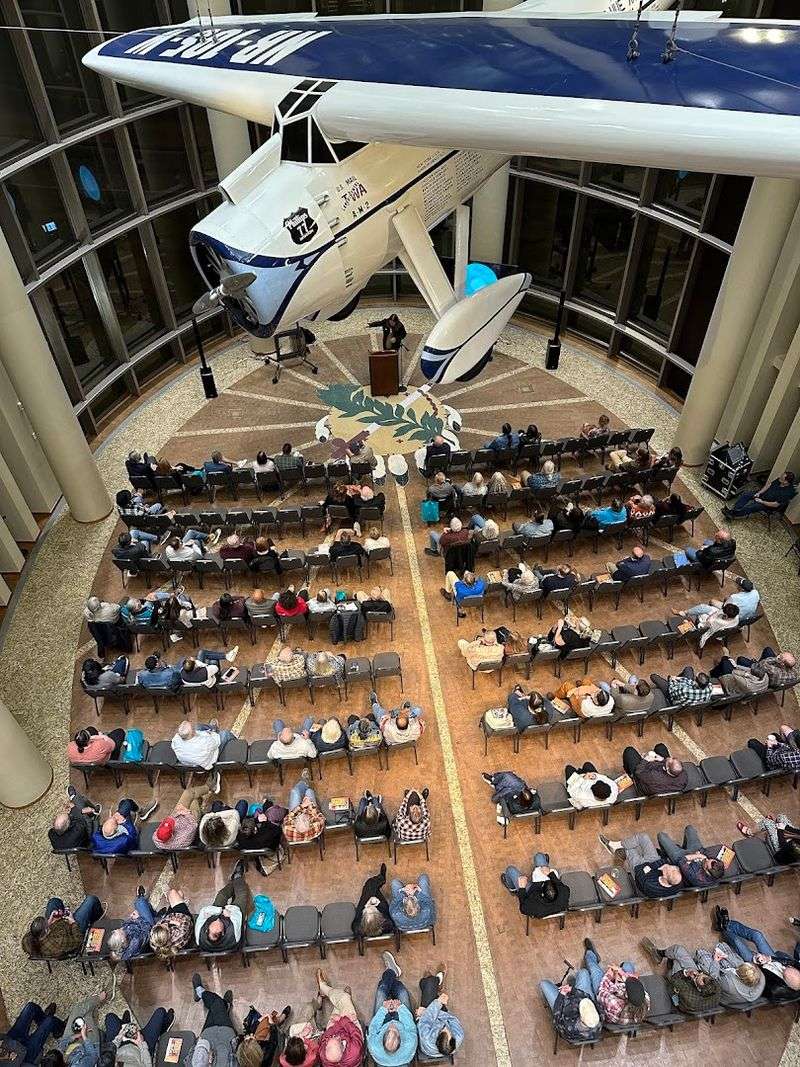
Walking into a museum and realizing you only have a few hours but could easily spend a few days is both exciting and slightly stressful. The Oklahoma Historical Society’s Oklahoma History Center has five permanent galleries, and each one covers a completely different chapter of the state’s story.
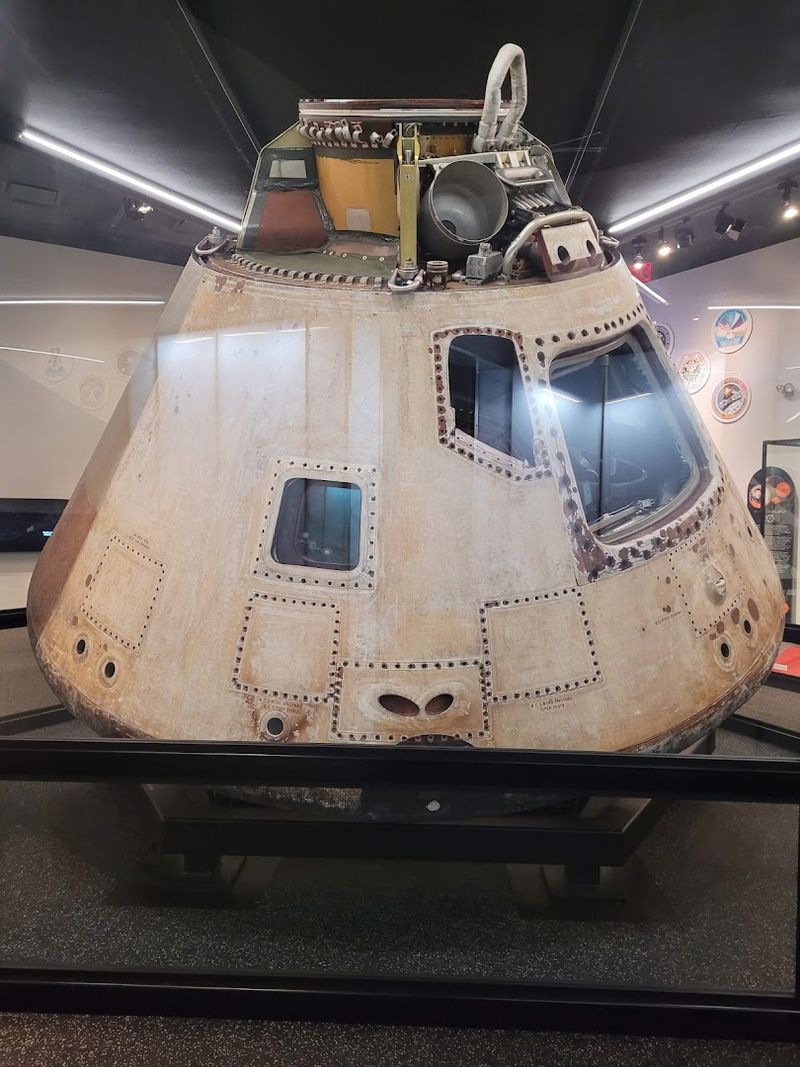
You move from exhibits about oil and gas booms to displays about aviation pioneers, then shift into the raw, heartbreaking story of the Dust Bowl, and suddenly you are standing in front of artifacts connected to Oklahoma’s space exploration history. The range is genuinely surprising.
One moment you are reading about tornadoes and the science behind them, and the next you are learning about the Land Run of 1889, when thousands of settlers raced across open land to stake their claims.
Each gallery has its own distinct atmosphere and energy. Some feel reverent and quiet, others are loud with interactive screens and hands-on displays that pull even the most reluctant museum visitor into the story.
The Oklahoma Historical Society designed these spaces to be accessible and engaging for all ages, and it works. You do not need to be a history buff to find something here that grabs you.
The galleries have a way of finding your personal entry point and pulling you in from there.
Indigenous History Gets The Respect And Space It Deserves
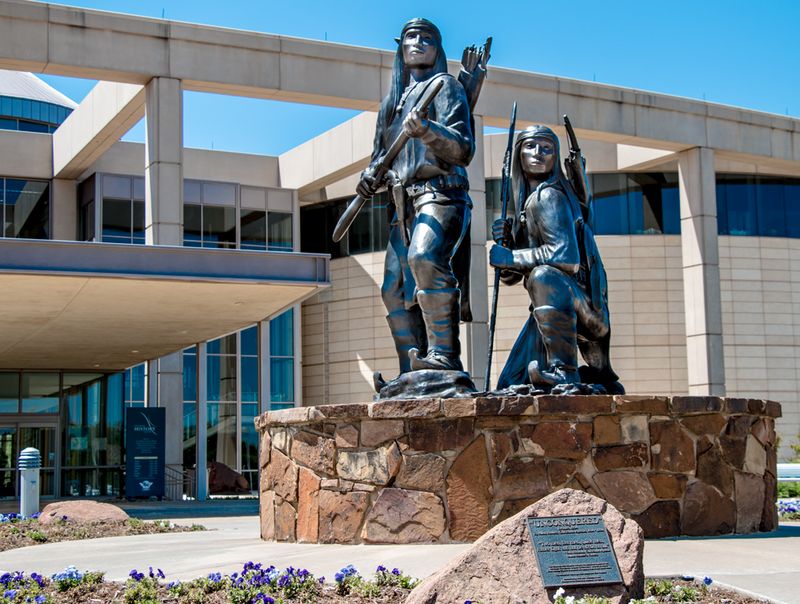
Oklahoma’s relationship with Indigenous peoples is one of the most complex and important stories in American history, and the Oklahoma Historical Society does not shy away from telling it fully.
The exhibits dedicated to the history of Native nations in Oklahoma are among the most detailed and emotionally resonant in the entire building.
The Five Civilized Tribes, the Trail of Tears, the allotment era, and the ongoing cultural traditions of Oklahoma’s 39 federally recognized tribes are all represented here with depth and care. You are not getting a surface-level summary.
You are getting artifacts, oral histories, traditional items, and historical documents that put real human faces on events that textbooks often reduce to a single paragraph.
What strikes you most is the way the museum frames these stories, not as finished chapters of history but as living, continuing narratives.
Oklahoma is home to more Native Americans than almost any other state, and the Oklahoma Historical Society honors that reality by giving Indigenous history a prominent and permanent place in the museum.
Spending time in these galleries changes how you see the state entirely. It reframes the land itself, the names of towns and rivers and counties, and suddenly all of it carries a weight and a meaning you did not fully appreciate before walking through these doors.
Route 66 Lives On Inside These Walls
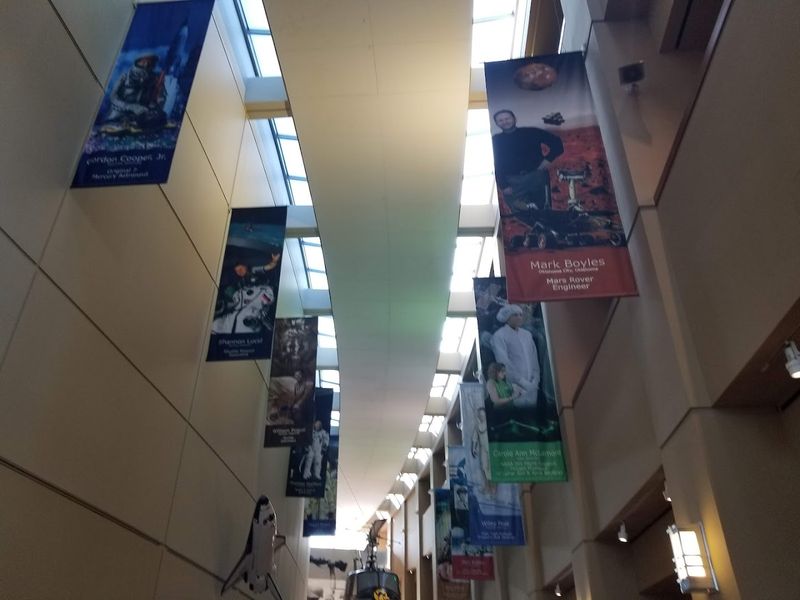
Route 66 has a mythology all its own. It is road trips and diners, freedom and restlessness, America at its most romanticized.
But inside the Oklahoma Historical Society, the Mother Road gets a different kind of treatment: grounded, specific, and rooted in the actual human stories that played out along Oklahoma’s stretch of the highway.
Oklahoma sits at the heart of Route 66, and the exhibits here reflect that central role. You get the context of why the road was built, who it served, and how it shaped communities that grew up along its edges.
There are photographs, signage, artifacts, and interactive elements that bring the era to life without making it feel like a theme park attraction.
What makes this section of the museum particularly compelling is how it connects the highway’s history to broader American moments: the Great Depression, the migration of Dust Bowl families heading west, the post-World War II car culture that turned Route 66 into an icon.
Standing in the middle of this exhibit, you start to understand that the road was never just a road.
It was a lifeline for some, an escape route for others, and a symbol of possibility for millions. The Oklahoma Historical Society captures all of that complexity without flattening it into nostalgia.
The Land Run Of 1889 Is Recreated In Stunning Detail
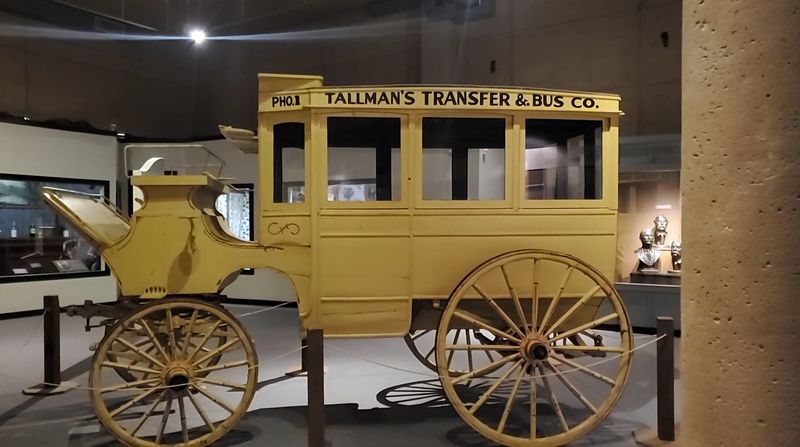
April 22, 1889 was one of the most chaotic and consequential days in American history. Thousands of settlers lined up along the borders of what would become Oklahoma, and at the sound of a signal, they raced across open land to claim homesteads.
The Oklahoma Historical Society brings this moment to life in a way that makes your pulse quicken even 130 years later.
The exhibits about the Land Run are layered with detail.
You get the personal stories of settlers who staked claims, the legal and political framework that made the run possible, and the perspective of Indigenous peoples who had already been living on this land and watched it happen with a mix of grief and outrage.
The Oklahoma Historical Society does not present the Land Run as purely triumphant, which makes it far more honest and far more interesting.
Large-scale images, artifacts from settlers and Native communities alike, and interactive displays make this one of the most immersive sections of the museum. You can feel the dust, the excitement, and the moral weight of what happened all at once.
It is a story about ambition and displacement, about a nation building itself at tremendous cost, and the museum holds all of those contradictions without trying to resolve them neatly. That honesty is what makes it unforgettable.
Oil And Gas Shaped Oklahoma And This Exhibit Proves It
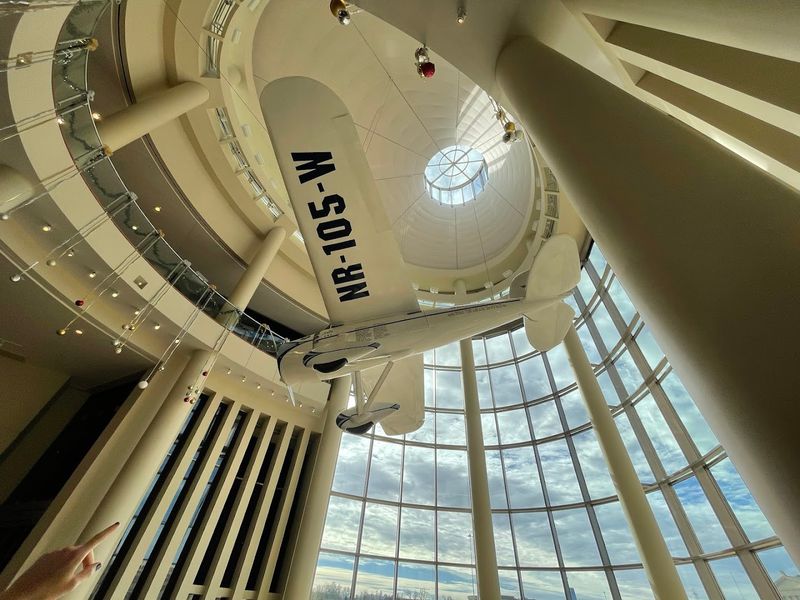
Oklahoma and oil go together the way Texas does, which is to say deeply, dramatically, and with enormous consequences for the people who lived through the boom and bust cycles.
The Oklahoma Historical Society’s exhibits on oil and gas history are some of the most visually striking in the entire museum.
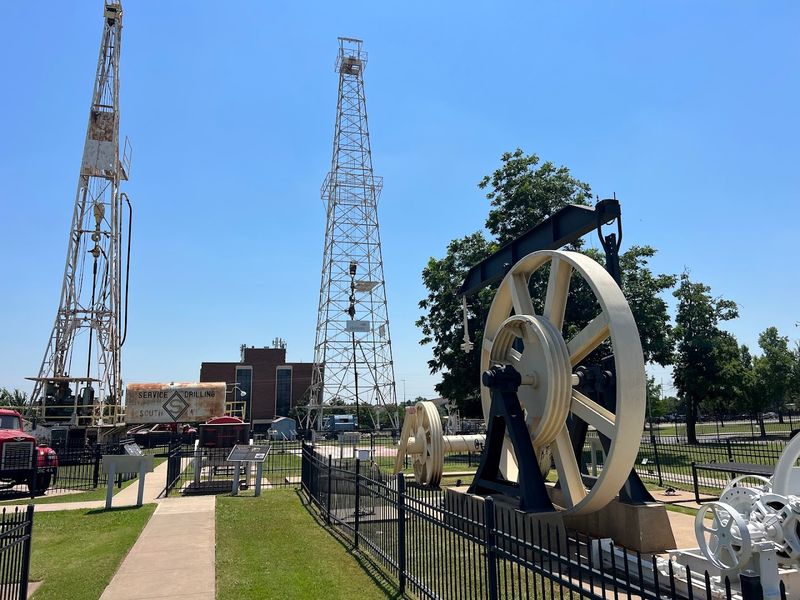
You get a real sense of what the oil fields looked like in the early twentieth century, when derricks covered the landscape and fortunes were made and lost overnight.
The exhibits include actual equipment, photographs from the field, and stories of the wildcatters who drilled on instinct and sometimes hit it impossibly rich.
Oklahoma’s oil history is inseparable from its economic history, and the museum makes that connection clear without turning it into a dry lecture.
There is also an honest reckoning with what the oil industry cost the state over time, environmentally and economically, as boom cycles gave way to downturns and communities built around oil had to reinvent themselves.
The Oklahoma Historical Society presents this as an ongoing story rather than a closed chapter.
For anyone curious about how natural resources shape culture, identity, and politics, this section of the museum offers more insight than most college courses. It is the kind of exhibit that makes you rethink everything you thought you knew about where energy comes from and what it costs.
The Dust Bowl Exhibit Hits You Right In The Gut
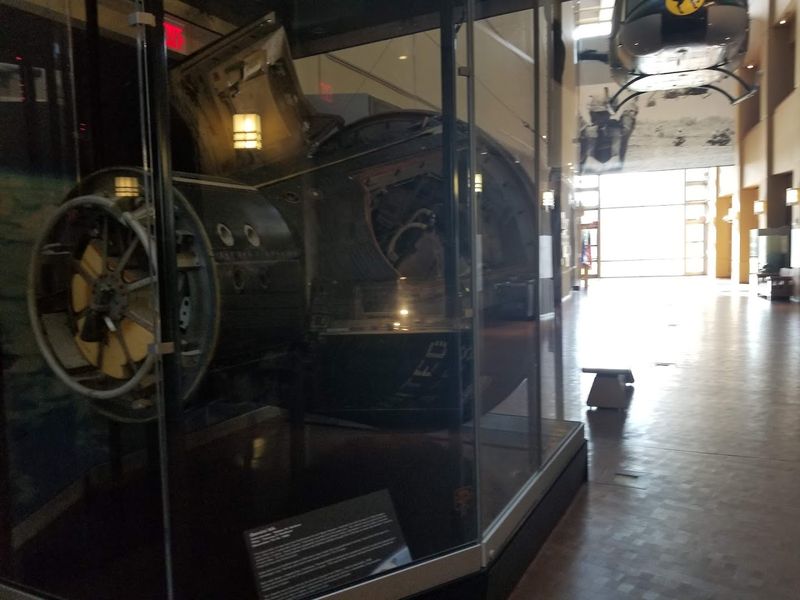
There is a photograph in the Dust Bowl section of the museum that stops most visitors in their tracks. You know the type: a family on a barren porch, sky dark with rolling clouds of displaced earth, faces carrying a kind of exhaustion that goes beyond tired.
The Oklahoma Historical Society has assembled an exhibit around this era that is as emotionally powerful as any museum display in the country.
The Dust Bowl of the 1930s devastated Oklahoma’s panhandle and surrounding regions in ways that permanently altered the state’s population and culture. Entire communities were abandoned.
Families packed everything they owned into cars and trucks and headed west, becoming the migrants John Steinbeck immortalized in The Grapes of Wrath.
The museum puts those human stories at the center of the exhibit, surrounding them with the environmental and economic context that made the disaster possible.
What the Oklahoma Historical Society does particularly well here is connecting the past to the present, showing how land use, drought cycles, and agricultural practices created the conditions for catastrophe.
You walk out of this exhibit with a new understanding of how fragile the relationship between human communities and the land actually is.
It is sobering and beautiful and deeply, uncomfortably relevant. Some history feels distant.
This one does not.
Over 200 Interactive Displays Keep Every Visitor Engaged
Let’s be honest: not every museum visit lands the same way for every person in your group. Kids get bored, adults zone out, and suddenly everyone is ready for lunch before you have seen half of what the place has to offer.
The Oklahoma Historical Society clearly thought hard about this problem and solved it with over 200 interactive displays spread across more than 50 subjects.
These are not the kind of interactive elements where you press a button and a light blinks. The displays are genuinely hands-on, drawing visitors into the subject matter rather than just illustrating it from a distance.
You can explore tornado science, learn about aviation history through simulated experiences, and engage with stories about space exploration in ways that feel active rather than passive. The variety keeps the energy up across the entire visit.
For families especially, this museum is a revelation. Kids who would normally drift toward their phones find themselves pulled into exhibits that feel more like experiences than lessons.
The Oklahoma Historical Society understood that engagement is the whole game, and they built a museum around that principle from the ground up. The result is a place where the hours disappear without warning.
You look up and realize you have been in the aviation gallery for forty-five minutes and you are still not ready to leave. That is exactly the point.
Planning Your Visit To This Oklahoma City Landmark
Knowing a place exists and actually getting yourself there are two different things, and a little planning goes a long way when visiting the Oklahoma Historical Society.
The museum sits on 18 acres at 800 Nazih Zuhdi Dr in Oklahoma City, Oklahoma, directly across from the State Capitol, which makes for an impressive approach whether you are arriving by car or on foot.
The museum is open Monday through Saturday from 10 AM to 5 PM and is closed on Sundays. That Saturday opening is particularly useful for families and weekend travelers who cannot make weekday visits work.
Arriving early gives you the best chance of moving through the galleries at your own pace before the afternoon crowds build up. The building itself is large enough that it never feels overwhelming, but you will want at least three to four hours to do it justice.
Parking is available on site, and the location near the Capitol means there is plenty of the city to explore before or after your visit.
The Oklahoma Historical Society also maintains a genealogy research library on the premises, which is a separate experience worth building into your trip if you have Oklahoma family roots to trace.
This is not a quick stop. It is a full day destination that rewards everyone who gives it the time it deserves.
Dear Reader: This page may contain affiliate links which may earn a commission if you click through and make a purchase. Our independent journalism is not influenced by any advertiser or commercial initiative unless it is clearly marked as sponsored content. As travel products change, please be sure to reconfirm all details and stay up to date with current events to ensure a safe and successful trip.
