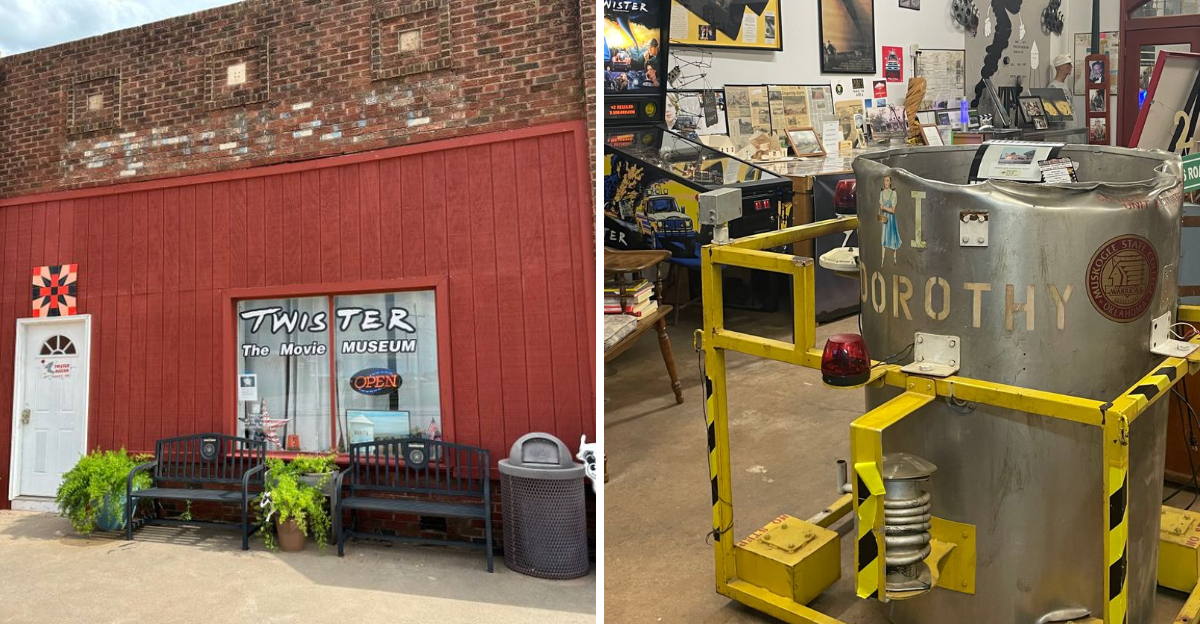
Some places feel like they have a soundtrack, and Wakita’s just happens to sound like roaring wind and rattling windows.
I grew up watching Twister on repeat, so standing in this small Oklahoma town felt oddly familiar, like I had stepped into a scene I already knew by heart. Flying cows, chasing storms, Bill Paxton yelling into the wind, it all suddenly felt very close to real life.
Walking into the Twister the Movie Museum surprised me in the best way. This is not a dusty room of forgotten memorabilia.
It is a place powered by locals who remember when Hollywood rolled into town in 1996 and turned their quiet streets into a movie set. Listening to their stories made the film feel alive again, not as nostalgia, but as something that actually happened here.
I expected props and photos. What I found was a doorway back to an era when disaster movies felt bigger, louder, and more thrilling than anything else at the multiplex. And once you step inside, you start to realize this museum is only the beginning of what Wakita still has waiting.
Linda Wade Makes Every Visit Personal
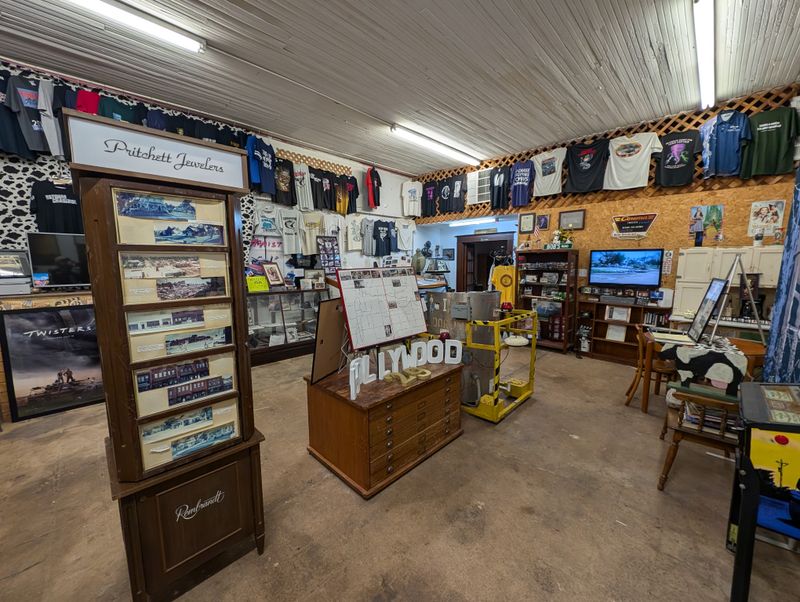
Walking into the museum, I was immediately greeted by Linda Wade, the heart and soul of this entire operation. She doesn’t just work here.
She lives and breathes Twister history.
Linda was a resident of Wakita when the film crew rolled into town, and she witnessed the transformation of her quiet community into a Hollywood set. Her enthusiasm is contagious, and she has an incredible memory for details that never made it into any behind-the-scenes documentary.
During my visit, she walked me through the museum with stories that brought every artifact to life. She explained how the town prepared for filming, what it was like to watch the water tower scene being shot, and how the cast and crew interacted with locals.
Her knowledge extends to both the original Twister and the newer Twisters film.
What makes Linda special is her genuine warmth. She treats every visitor like a friend, answering questions with patience and excitement.
She even stays in touch with storm chasers and film fans who visit from around the world.
Meeting Linda transformed my museum visit from a simple tour into an unforgettable conversation with someone who truly cares about preserving this piece of Oklahoma cinema history.
Location: 101 W Main, Wakita, Oklahoma
Original Dorothy Stands Ready for Photos
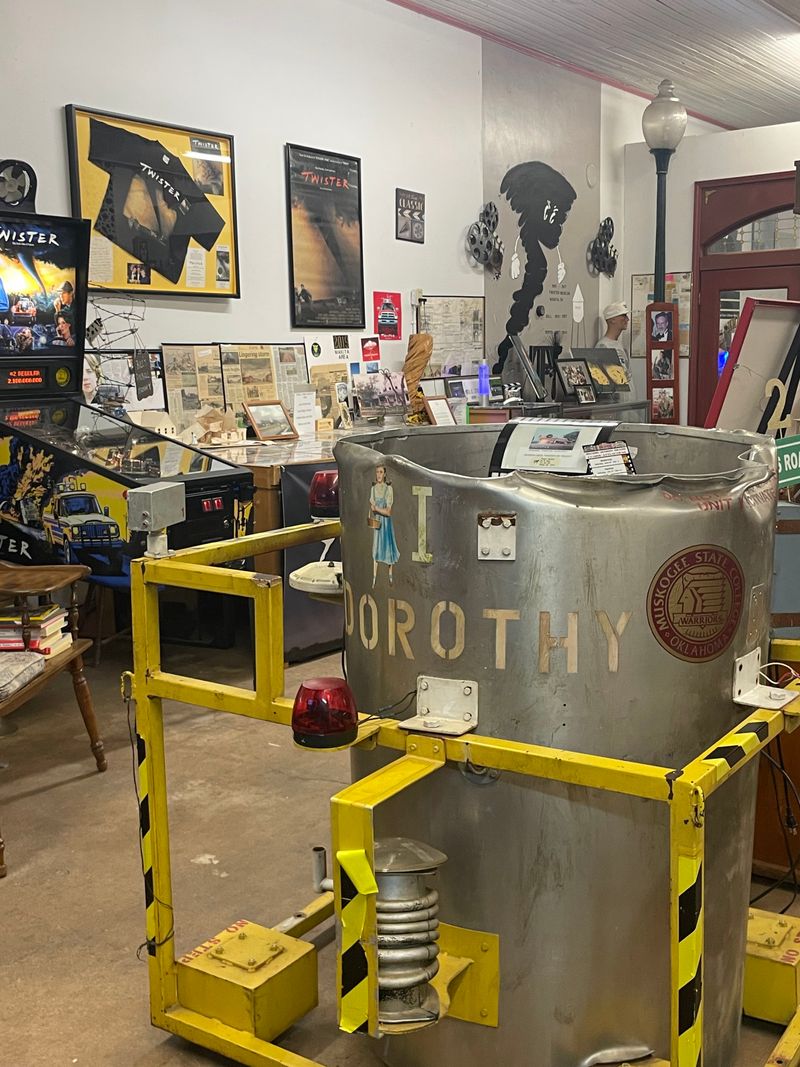
Standing next to the original Dorothy 1 from the movie is surreal. This wasn’t a replica or a tribute piece.
This was the actual prop that appeared on screen.
Dorothy, named after Dorothy Gale from The Wizard of Oz, was the revolutionary tornado sensor designed by Jo Harding in the film. The device’s purpose was to release hundreds of small sensors into a tornado’s path to gather data.
In reality, it was a brilliantly crafted movie prop that became iconic.
The museum’s Dorothy shows its age beautifully. You can see the wear from being hauled around during filming, the paint scratches, and the mechanical details that made it look functional on camera.
It’s surprisingly large in person, and the spinning sensor balls look ready to launch at any moment.
Visitors are encouraged to take photos with Dorothy, and I absolutely did. Standing next to this piece of movie magic brought back memories of watching Bill Paxton and Helen Hunt desperately trying to deploy it before the tornado struck.
The museum staff explained how Dorothy was constructed and shared stories about the challenges of filming scenes with the device in harsh Oklahoma weather conditions.
Behind-the-Scenes Photos Capture Hollywood Magic
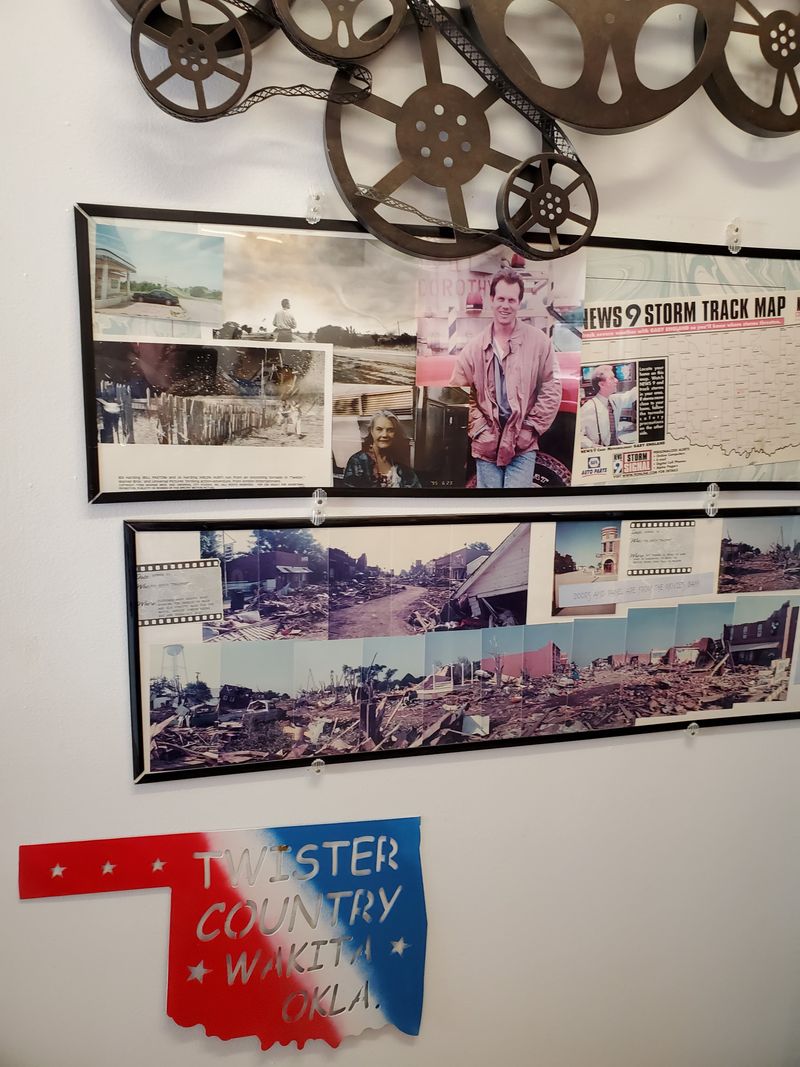
The walls of the museum are covered with photographs that document the entire filming process. These aren’t publicity stills.
They’re candid shots taken by townspeople and crew members during production.
I spent considerable time studying these images because they reveal so much about how movies were made before digital effects dominated everything. You can see the massive wind machines, the crews setting up practical effects, and the actors between takes looking surprisingly normal and approachable.
One series of photos shows the transformation of downtown Wakita into the fictional town of Wakita as it appeared in the film. Buildings were repainted, storefronts were redesigned, and debris was strategically placed to create the post-tornado devastation scenes.
The before-and-after comparison is remarkable.
Other photographs capture lighter moments, like cast members joking around with locals or taking breaks in the Oklahoma heat. There are images of Bill Paxton signing autographs, and Helen Hunt chatting with residents who had become extras.
What struck me most was how these photos preserve a moment when a tiny Oklahoma community became the center of a major Hollywood production. The pride and excitement on people’s faces in these images is genuinely touching.
Movie Props Bring Fictional Destruction to Life
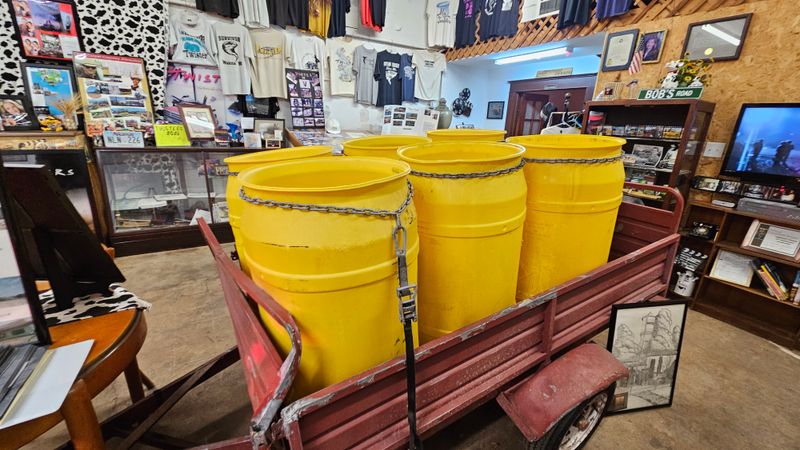
Beyond Dorothy, the museum houses an impressive collection of actual props used during filming. These aren’t just background pieces.
They’re items that appeared prominently in scenes throughout the movie.
I was fascinated by the debris pieces, carefully constructed to look like tornado-ravaged materials but designed to be safely thrown around by wind machines. There are damaged road signs, pieces of buildings, and various objects that were meant to fly through the air during storm sequences.
The attention to detail in these props is remarkable. Everything was weathered and distressed to look authentically destroyed by violent weather.
Up close, you can appreciate the craftsmanship that went into creating convincing destruction without using real tornado-damaged materials.
The museum also displays smaller items like costume pieces, script pages, and production materials that give insight into the filmmaking process. Seeing handwritten notes and marked-up scripts reminds you that real people created every moment of this film.
What makes these props special is their connection to specific scenes. Linda can point to almost any item and tell you exactly where it appeared in the movie, making it easy to recall those moments while standing in front of the actual objects.
The Water Tower Remains a Wakita Landmark
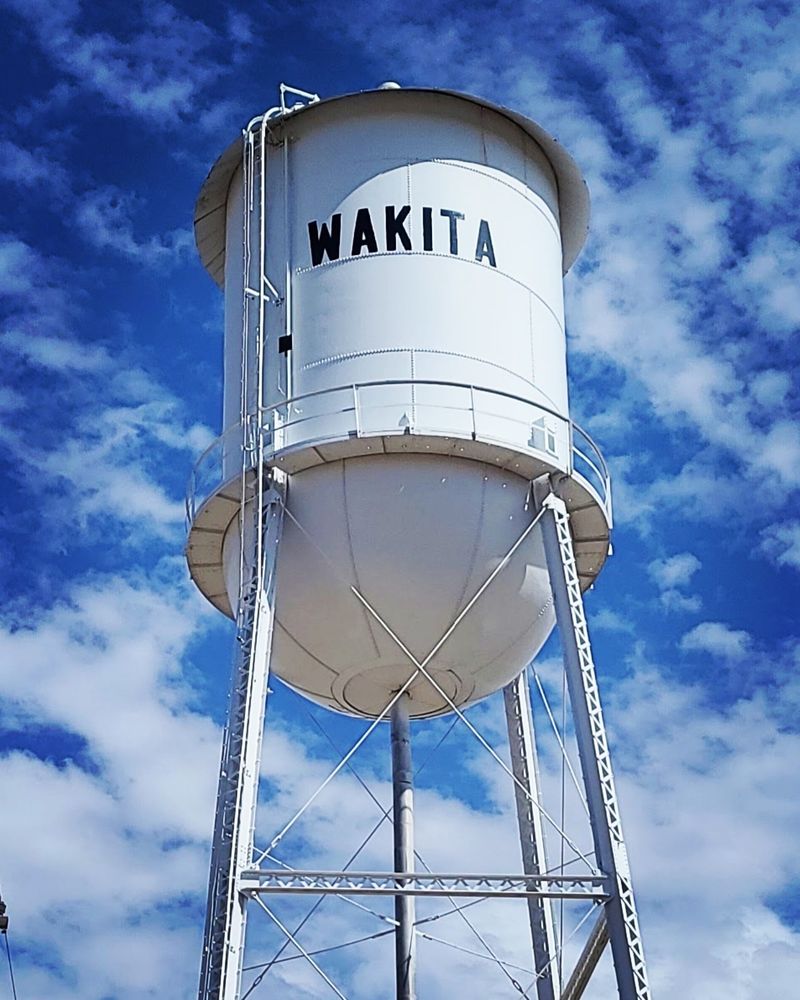
After exploring the museum, I walked over to see the water tower that appears in one of Twister’s most memorable scenes. The production company left it behind as a gift to the town, and it still stands proudly today.
In the film, this tower appears during intense storm sequences, serving as a landmark that helps orient viewers to the geography of the chase scenes. Seeing it in person, I was struck by how much taller it looks than it did on screen.
The tower has become a pilgrimage site for fans. People come from across the country specifically to photograph themselves standing beneath it, recreating moments from the movie.
When I visited, there were several other tourists doing exactly that, and we all shared stories about our favorite Twister memories.
The structure shows its age now, with rust and weathering adding character to its appearance. But that only makes it feel more authentic, like a genuine artifact from 1990s cinema rather than a maintained tourist attraction.
Standing beneath the water tower, looking up at the Oklahoma sky, I couldn’t help but scan the horizon for storm clouds. The tower creates an immediate connection to the film’s atmosphere and tension.
Aunt Meg’s House Site Preserves Movie Memory
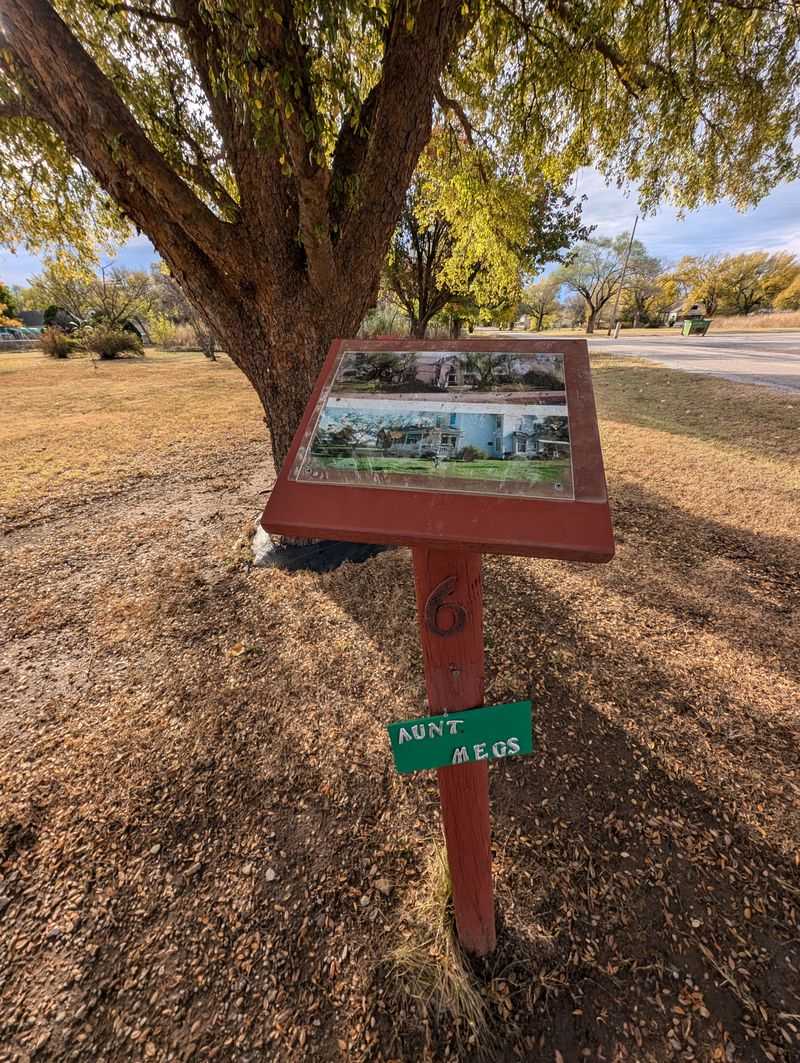
Just around the corner from the museum sits the lot where Aunt Meg’s house once stood in the film. The actual structure was built specifically for Twister and was destroyed during filming for the devastating tornado scene.
Today, the site features a memorial garden maintained by the community. Wind chimes hang throughout the space, creating the same gentle tinkling sound that appeared in the movie during the famous breakfast scene before the tornado hit.
Walking through this garden was unexpectedly emotional. The chimes really do sound exactly like they did in the film, and hearing them while standing on the actual location where that scene was filmed created a powerful sense of connection to the story.
The garden includes informational markers explaining what was filmed here and how the scene was constructed. Photographs show the house at various stages, from pristine and welcoming to completely destroyed by the movie’s climactic storm.
Local residents have planted flowers and maintained the space with obvious care and pride. It’s not just a tourist stop.
It’s a genuine tribute to a film that brought attention and affection to their small Oklahoma town and created memories that residents still cherish decades later.
Free Admission with Donations Welcomed
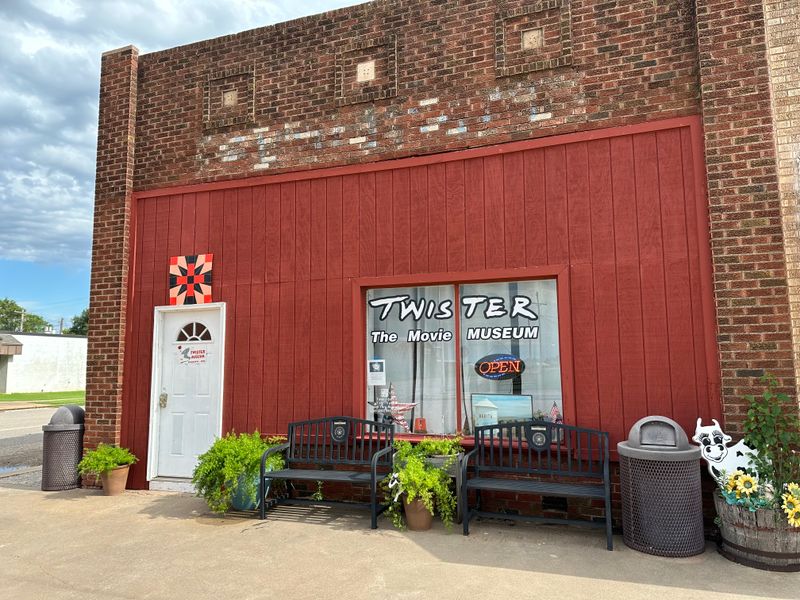
One of the most refreshing aspects of the Twister the Movie Museum is its approach to admission. There’s no entrance fee whatsoever.
The museum operates entirely on donations and volunteer efforts.
This policy reflects the genuine spirit of the place. The people running it aren’t trying to profit from nostalgia.
They’re preserving an important piece of their town’s history and sharing it with anyone interested enough to visit.
That said, I strongly encourage visitors to donate generously. Maintaining a museum requires ongoing expenses, from climate control to preserve artifacts to basic utilities and upkeep.
The collection continues to grow as new items are acquired, and that requires funding.
When I visited, I noticed that most guests left donations that seemed appropriate for the quality of experience they received. Many people treated it like a standard museum admission price, while others gave more because they were so impressed.
The donation-based model also means that families on tight budgets or travelers passing through unexpectedly can still enjoy the museum without financial stress. It makes the experience accessible to everyone while trusting visitors to support the museum’s mission according to their means and appreciation.
T-Shirts and Merchandise Support the Museum
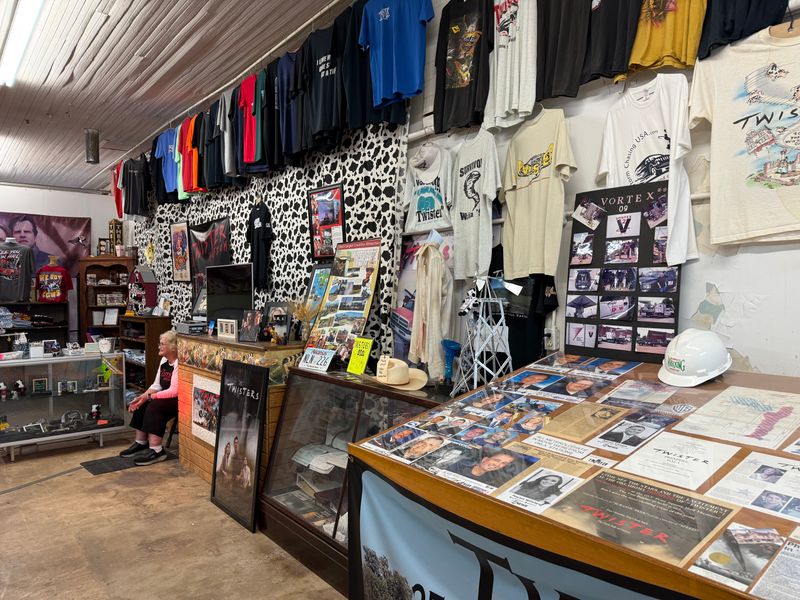
The museum’s gift shop offers an excellent selection of Twister-themed merchandise, and I’ll admit I couldn’t resist buying a t-shirt. These aren’t generic items you could find anywhere.
They’re specific to the museum and Wakita.
The t-shirt designs are creative and well-made, featuring references that true fans will immediately recognize. Some include quotes from the movie, others showcase the water tower or Dorothy, and several celebrate Wakita itself as a filming location.
Beyond shirts, the shop offers other memorabilia like hats, magnets, postcards, and various collectibles. Everything is reasonably priced, and purchases directly support the museum’s operations and preservation efforts.
What I appreciated most was the quality of the merchandise. These aren’t cheap, flimsy souvenirs that fall apart after one washing.
The items are well-crafted and designed to last, making them genuine keepsakes rather than throwaway tourist trinkets.
The shop also occasionally receives special items related to both the original Twister and the newer Twisters film. Linda mentioned that they try to keep the inventory fresh and interesting for repeat visitors who want to collect different pieces over multiple trips to Wakita.
Museum Hours Require Planning Ahead
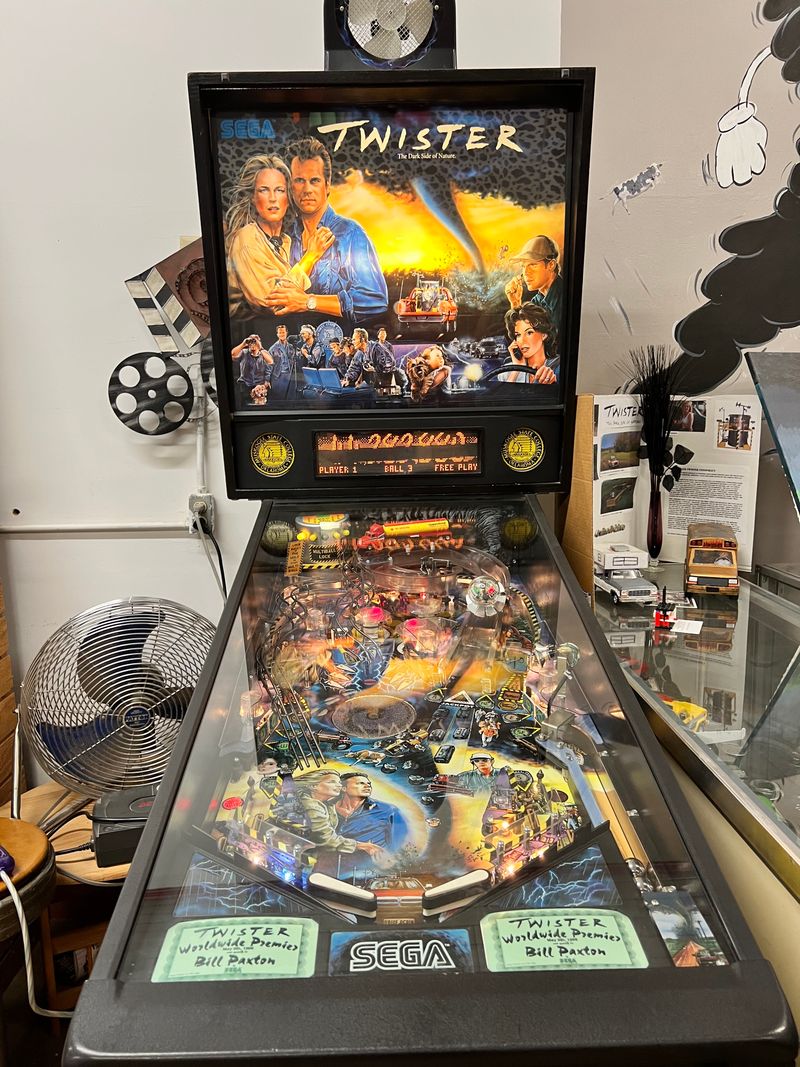
Planning your visit to the Twister the Movie Museum requires checking the hours carefully. Hours are Tuesday-Saturday, 1:00-5:00 PM, April through August.
This limited schedule reflects the volunteer nature of the operation. The people running the museum have other commitments and responsibilities, so they can’t maintain the extended hours of larger commercial attractions.
I strongly recommend calling ahead before making the trip, especially during off-season months. Linda and the other volunteers are usually happy to arrange special appointment times for visitors who can’t make the regular hours, particularly for people traveling long distances.
The museum’s website at twistermuseum.org provides current information about hours and any special closures or events. Checking online before your trip can save disappointment if there’s an unexpected schedule change.
Because Wakita is genuinely in the middle of rural Oklahoma, it’s not the kind of place you casually pass through. Most visitors are making a deliberate detour to see the museum, so confirming hours in advance is essential.
The extra planning effort is absolutely worth it to ensure you don’t arrive when the doors are locked.
Props from Twisters Connect Past and Present
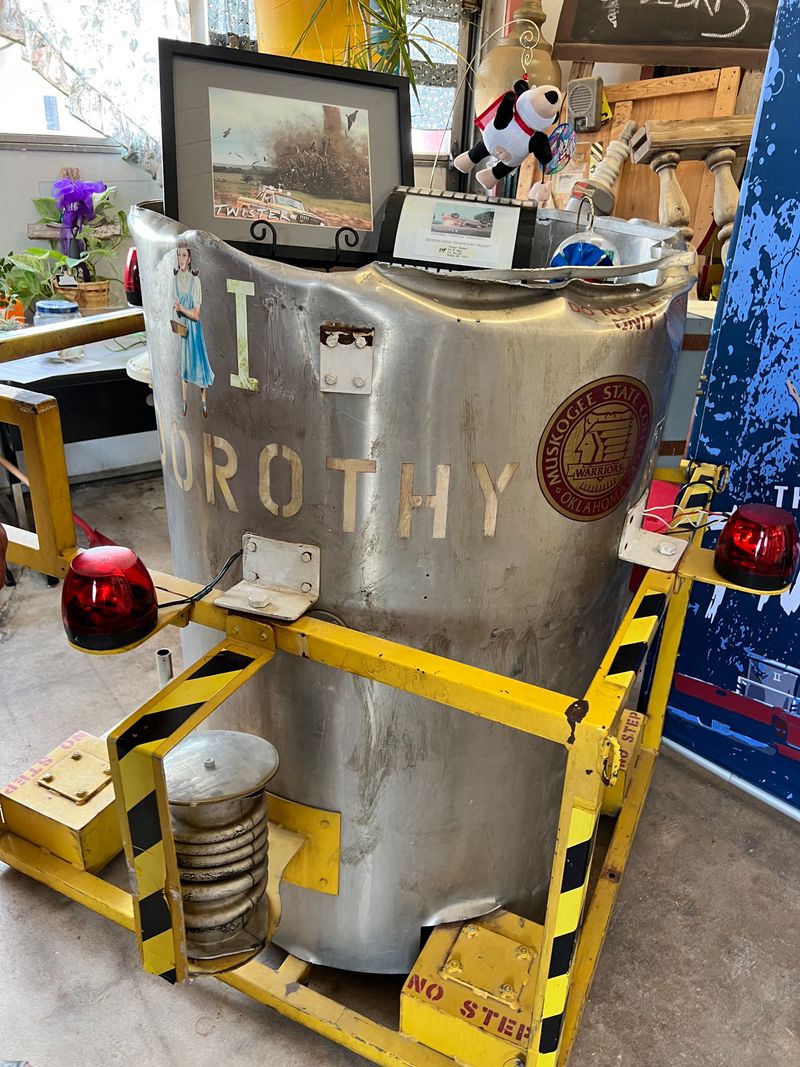
During my visit, Linda excitedly showed me three props from the filming of Twisters, the 2024 sequel. Seeing items from both films displayed together created a fascinating connection between eras.
The new props demonstrated how filmmaking technology has evolved while maintaining respect for the original movie’s practical effects legacy. Even with modern digital capabilities, the Twisters production still used physical props and real locations, including areas near Wakita.
Linda explained that the Twisters crew reached out to the museum during production, recognizing Wakita’s importance in tornado movie history. This connection meant the museum could acquire authentic items from the new film to display alongside the classic memorabilia.
For fans of the original movie, seeing how the franchise has continued provides an interesting perspective on Hollywood’s relationship with Oklahoma and tornado culture. The new props show respect for what came before while bringing the story to a new generation.
The museum’s ability to incorporate Twisters materials demonstrates its ongoing relevance. This isn’t just a static shrine to a 1990s movie.
It’s a living collection that grows and evolves with the franchise’s continued cultural impact.
Visitor Map Shows Global Fan Reach
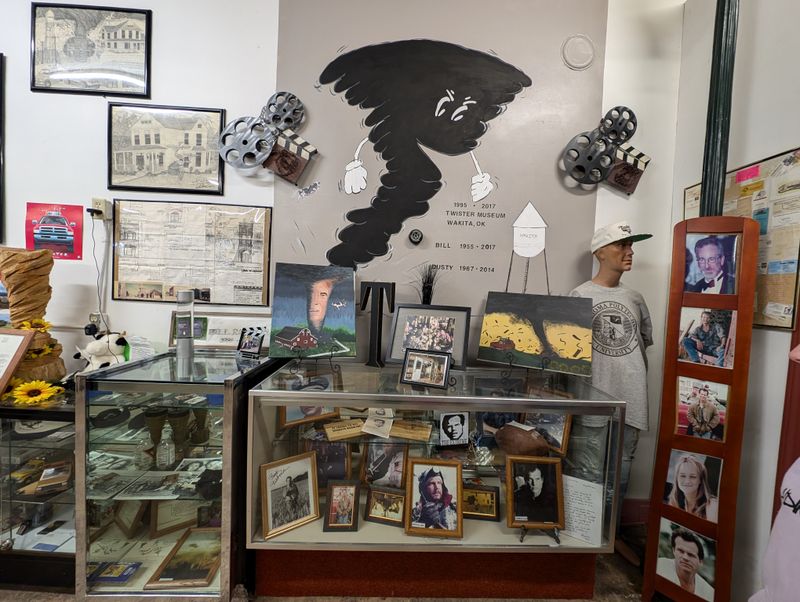
Near the entrance, the museum displays a map where visitors can mark their hometown, and I was amazed by the international scope of pins covering it. People have traveled from literally every continent to visit this small Oklahoma museum.
Seeing markers from Australia, Japan, Germany, and dozens of other countries reinforced just how universally beloved Twister became. The movie transcended American borders and created fans worldwide who felt connected to this story about Oklahoma storm chasers.
I added my own pin to the map, joining thousands of others who made the pilgrimage to Wakita. There’s something special about physically marking your visit and seeing yourself as part of this global community of fans.
The map also shows the impressive number of visitors from across the United States. Every state is represented multiple times, with particularly heavy concentrations from Texas, Kansas, and other tornado-prone regions where the movie resonated especially strongly.
This simple display illustrates the museum’s impact beyond its small size and limited hours.
Wakita has become an international destination for movie tourism, proving that authentic passion and careful preservation can draw people from anywhere to experience something genuinely special and meaningful to them.
Dear Reader: This page may contain affiliate links which may earn a commission if you click through and make a purchase. Our independent journalism is not influenced by any advertiser or commercial initiative unless it is clearly marked as sponsored content. As travel products change, please be sure to reconfirm all details and stay up to date with current events to ensure a safe and successful trip.
