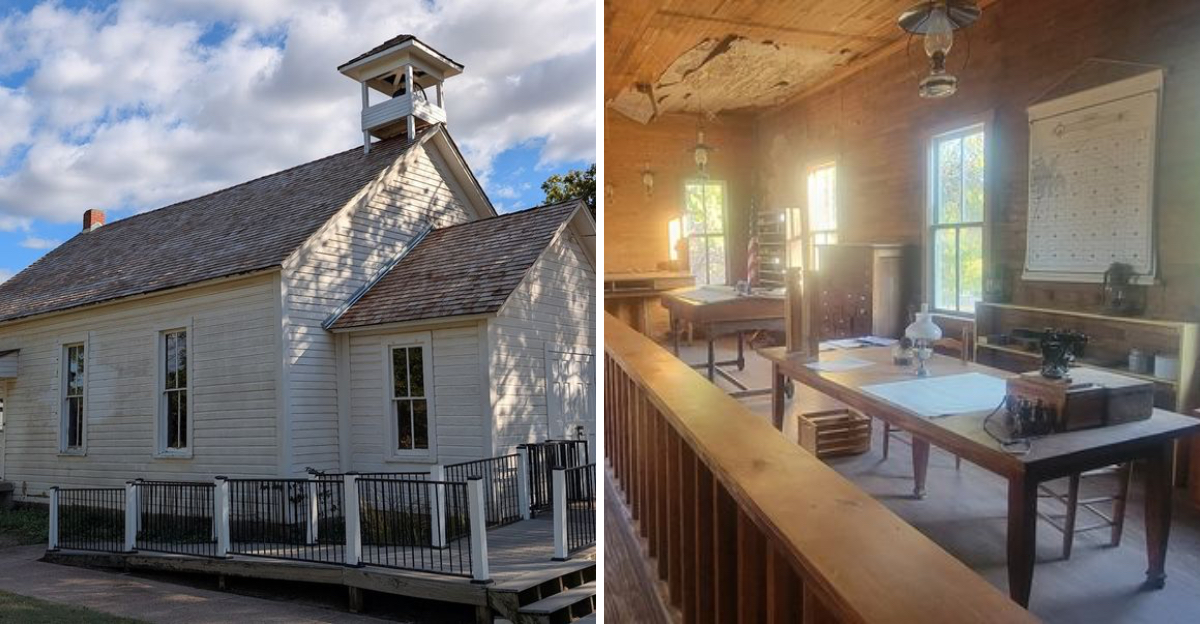
Something about this museum in Oklahoma feels different the moment you step onto the grounds. The air carries a weight of history that you can almost touch, and the artifacts inside tell stories that range from fascinating to downright spine-tingling.
This place preserves one of the most dramatic land rushes in American history, along with some objects that seem to carry a strange energy all their own. I found myself slowing down without even realizing it, taking in each detail a little longer than I planned.
There is a certain atmosphere here that pulls you in and does not let go easily. If you think Oklahoma history is just dusty old facts, this place will change your mind fast.
The Land Run Legacy Started It All
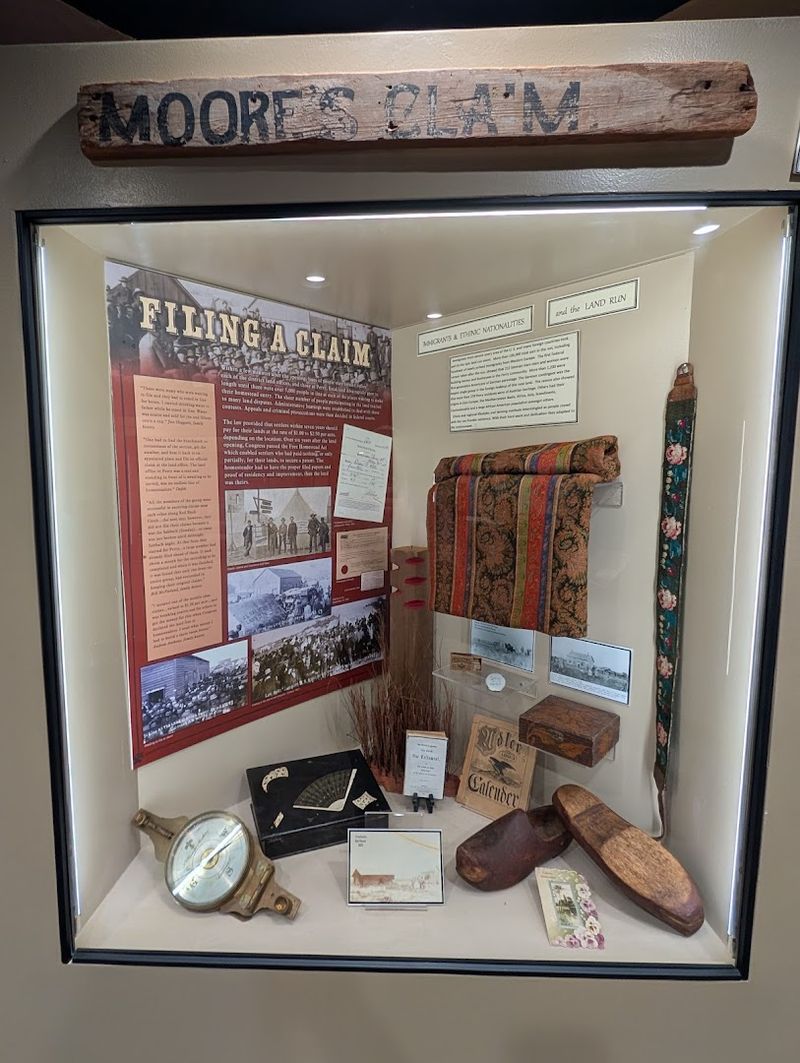
On September 16, 1893, nearly 100,000 people lined up on horseback and on foot to race for free land in what became one of the most chaotic events in American history.
The Cherokee Strip Land Run opened six million acres of Oklahoma territory in a single afternoon, and the Cherokee Strip Museum exists to make sure that story never fades.
Walking through the main exhibit hall, you get a front-row seat to that wild day. Photographs, maps, and original documents line the walls, pulling you into a moment when an entire region transformed overnight.
The sheer scale of what happened here is hard to wrap your head around at first.
What makes this exhibit special is how personal it feels. These were real families who staked everything on a single race across open prairie.
Their tools, their paperwork, and even their clothing survived and ended up here, giving the whole display an intimacy that a textbook never could. Oklahoma history rarely hits this close to home.
Eerie Artifacts With Unexplained Origins
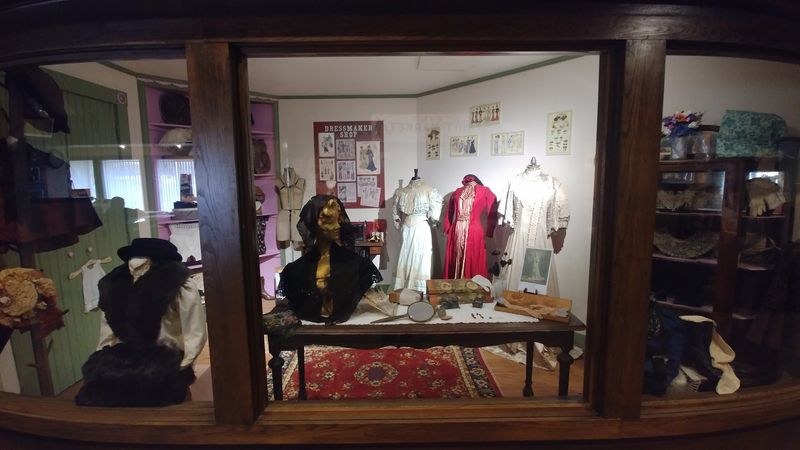
Some objects in this museum carry a quiet strangeness that is hard to explain and even harder to shake. Among the everyday pioneer tools and frontier clothing, there are items whose full histories remain unclear, and that ambiguity is part of what makes them so compelling.
A worn leather pouch with strange markings, a hand-carved wooden box with no known owner, a collection of personal effects from a homestead that was abandoned without explanation.
Each of these sits behind glass looking completely ordinary, yet something about them feels like a quiet question with no answer.
Museum staff are careful not to dramatize these pieces, which somehow makes them feel even more unsettling. The facts are presented plainly, and the gaps in the record are acknowledged honestly.
That straightforward approach lets your imagination fill in the blanks, which is often more effective than any theatrical presentation.
Whether you believe in paranormal energy or not, standing in front of these cases produces a feeling that is hard to categorize. Oklahoma has always had a layered, complex past, and these artifacts carry some of that complexity right into the present.
The Rose Hill Schoolhouse and Its Haunting Atmosphere
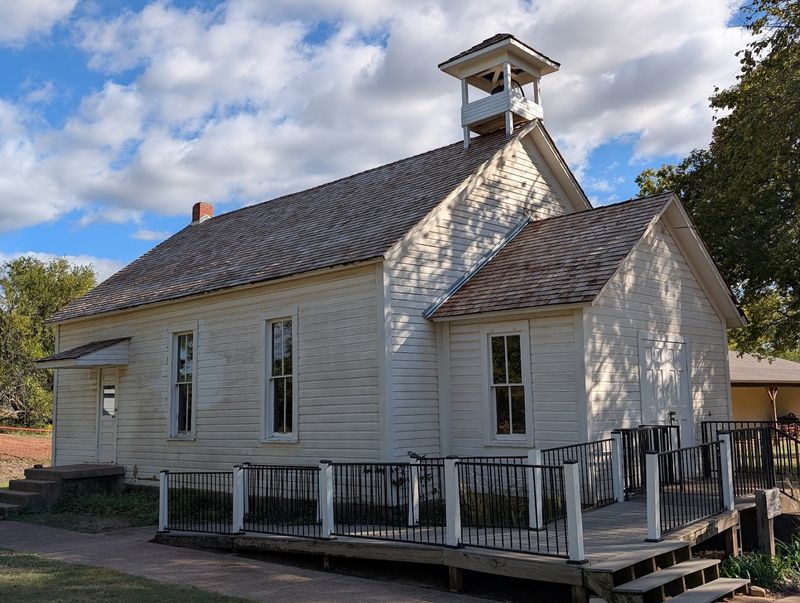
Step onto the grounds behind the main building and you will find the Rose Hill Schoolhouse standing exactly as it did over a century ago. The structure is small, weathered, and quietly imposing in a way that newer buildings never manage to achieve.
Inside, the wooden desks are arranged in rows just as they would have been for frontier children. A chalkboard still holds faint traces of old lessons, and the teacher’s desk sits at the front with an authority that feels very much alive.
The room has a stillness to it that goes beyond quiet.
Several people who have spent time in this building after hours have reported a persistent feeling of being watched. The museum does not advertise this, but it does not deny the accounts either.
The schoolhouse has its own personality, and not everyone finds it entirely comfortable.
During special event days, costumed educators bring the space back to life with authentic lessons and period-accurate routines. That programming is genuinely excellent and worth planning your visit around.
But even on an ordinary afternoon, the Rose Hill Schoolhouse manages to feel like time has not fully moved on from it.
Pioneer Home With a History Raises Questions
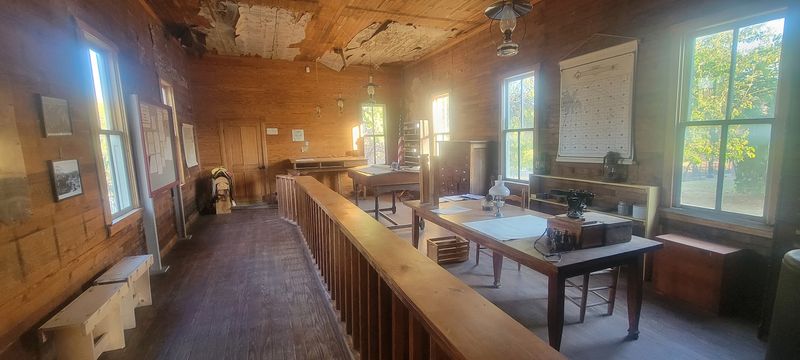
Behind the main museum building, a reconstructed pioneer home sits on the grounds with a backstory that has sparked more than a little local conversation. The structure dates to the land run era, and its original occupants left behind a record full of gaps that historians have never fully closed.
The interior is furnished with period pieces that belonged to actual Oklahoma settlers. A rocking chair near the window, a cast-iron stove, a narrow bed with a faded quilt.
Everything is arranged to reflect daily life in the 1890s, and the effect is convincingly immersive.
What gives the place its edge is a combination of the isolation it projects and the unresolved questions around its history. Nobody knows exactly what happened to the family who last lived there before the structure was preserved.
That open ending gives the rooms a peculiar weight.
Some visitors move through quickly and feel nothing unusual. Others linger and describe a sense of pressure in the air that they struggle to put into words.
The museum presents the home as a historical artifact first and foremost, which is exactly the right approach. The atmosphere does the rest on its own.
The Sonic Drive-In Exhibit You Did Not Expect
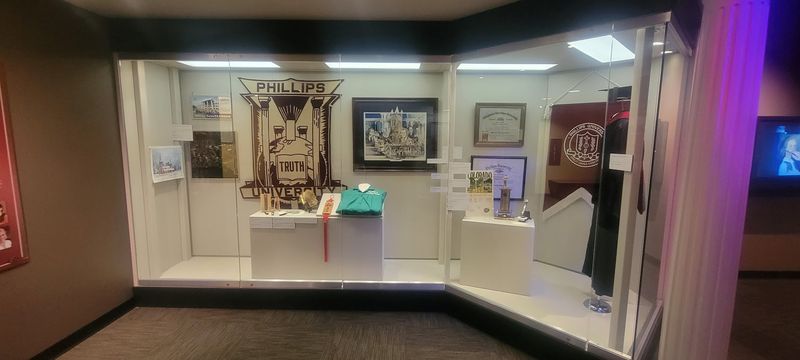
Right in the middle of all the frontier history and atmospheric old buildings, the Cherokee Strip Museum throws a genuine curveball at you. Perry, Oklahoma is the birthplace of the Sonic Drive-In chain, and the museum celebrates that fact with an exhibit that is equal parts nostalgic and fascinating.
The display traces the origins of Sonic from its very first location right here in Perry. Original signage, vintage photographs, and early promotional materials fill the case, telling the story of how a small-town drive-in became one of the most recognized fast-food brands in the country.
It is a surprising tonal shift from the eerie pioneer artifacts and the haunted schoolhouse just outside. But that contrast is actually part of what makes this museum so enjoyable.
History is not a single mood, and this place understands that better than most.
The Sonic exhibit appeals to a completely different part of your imagination than the land run displays do. It is cheerful, colorful, and packed with the kind of mid-century Americana that makes you feel oddly warm inside.
Oklahoma has produced more cultural landmarks than most people realize, and this one is easy to underestimate until you see it.
Frontier Tools and Equipment Tell Dark Stories
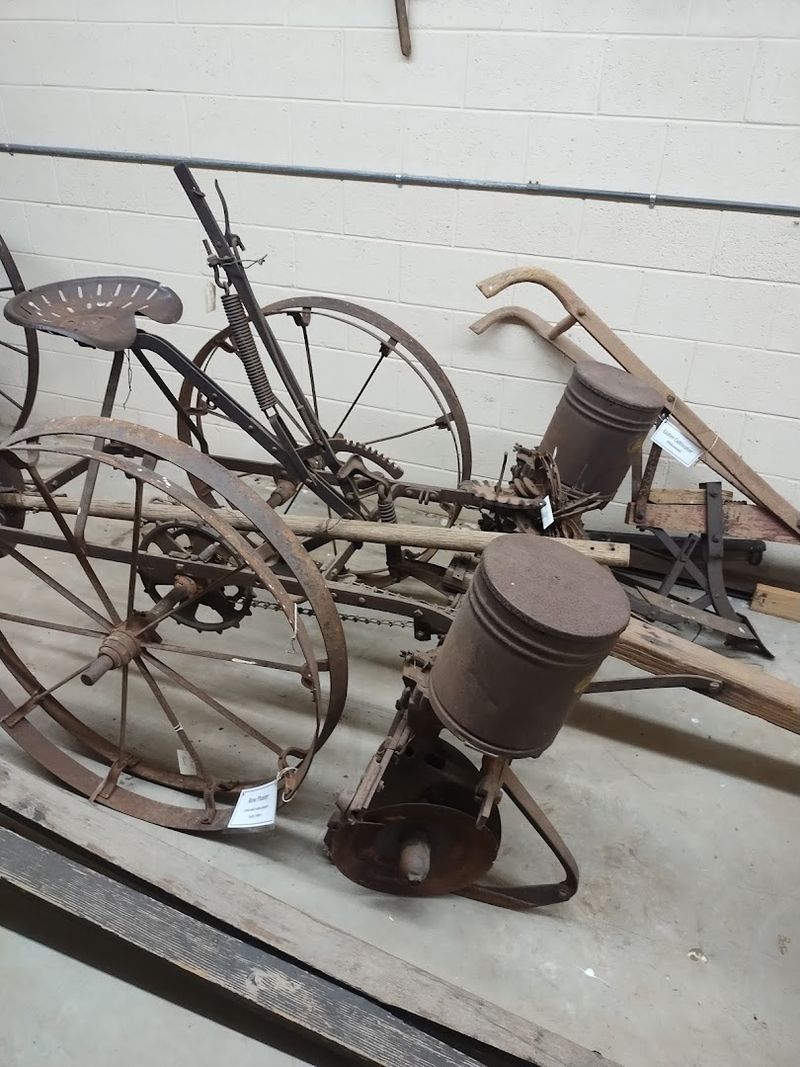
Scattered across the museum grounds and displayed in outdoor areas near the main building, a collection of original farming and ranching equipment from the land run era waits for curious visitors. These are not replicas.
Many of these tools were used by actual homesteaders who broke this Oklahoma soil for the first time.
A hand plow with a cracked handle. A rusted harrow with tines bent from years of hard use.
A wagon wheel leaning against a fence post, its wood split and grey. Each object has a physical presence that photographs cannot fully capture.
What makes these tools feel slightly unsettling is the context around them. The land they worked was claimed in a chaotic rush, and many of the families who used this equipment did not survive long enough to see their claims produce anything substantial.
Drought, poverty, and isolation ended more homesteading dreams than most history books acknowledge.
Holding that knowledge in mind while standing among these objects gives the outdoor area a reflective, slightly somber quality. It is not frightening exactly, but it is genuinely moving in a way that sneaks up on you.
Great history always does that.
The Land Run Film That Sets the Mood Immediately
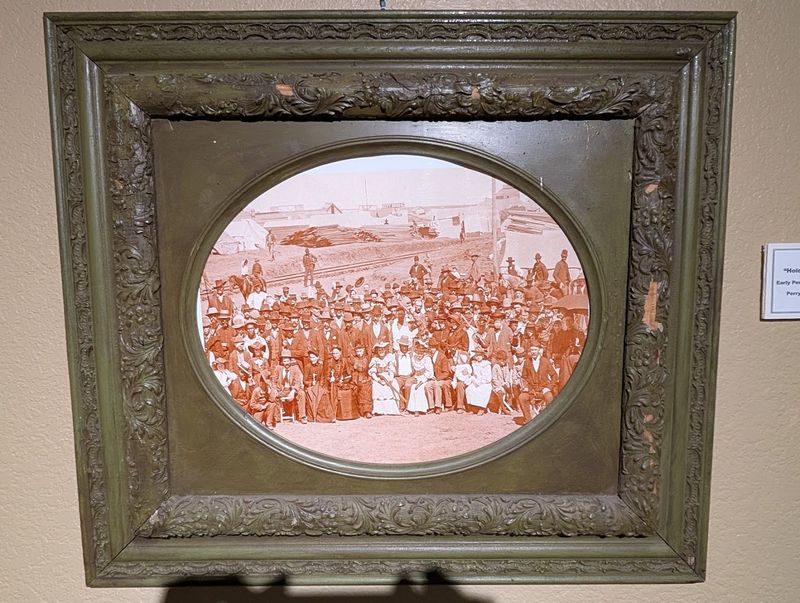
Before you wander through the exhibits, the museum invites you to sit down and watch a short film about the Cherokee Strip Land Run. This is genuinely good advice, and following it will transform the rest of your visit in a meaningful way.
The film uses historical photographs, maps, and narration to reconstruct the events of September 1893. Seeing the scale of the run laid out visually before you encounter the physical artifacts makes everything in the museum feel more immediate and more personal.
There is something about the footage and the pacing of the film that creates a mood rather than just delivering information. By the time it ends, you are already emotionally invested in the stories the exhibits are about to tell.
That is skillful museum programming, and it works.
The theater room itself is small and simply designed, which suits the material perfectly. This is not a flashy production with special effects.
It is a clear, honest presentation of a remarkable historical event, and its restraint is one of its greatest strengths. Oklahoma history told straight is compelling enough on its own without any embellishment needed.
Local Industry and Economy Exhibits Worth Your Time
Beyond the dramatic story of the land run itself, the Cherokee Strip Museum dedicates significant floor space to the quieter history of how Perry and the surrounding region actually functioned as a community once the dust settled.
These exhibits cover agriculture, commerce, and civic life in a way that feels genuinely illuminating.
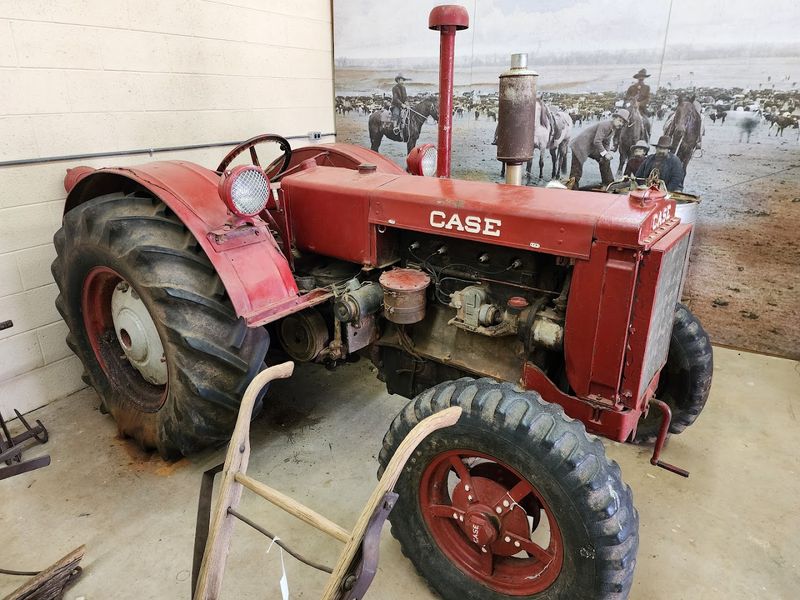
Old bank ledgers, photographs of early Main Street businesses, and equipment from the region’s agricultural operations fill these displays. They paint a picture of a community that was built from almost nothing in an extraordinarily short time, which is its own kind of remarkable story.
What stands out here is the specificity. These are not generic representations of frontier life.
They are documents and objects from this particular place, connected to families and businesses that shaped Perry into what it is today. That local focus gives the exhibits a texture that broader regional museums often lack.
Spending time with these displays also helps you understand why the land run mattered beyond the race itself. The real story was everything that came after, and this section of the museum tells that part with care and clarity.
Oklahoma communities like Perry were built on a foundation of extraordinary effort and stubborn persistence.
The Grounds as a Place of Quiet Reflection
One of the most underrated parts of visiting the Cherokee Strip Museum is simply spending time on its grounds. The outdoor space around the buildings is shaded, well-maintained, and carries a sense of calm that feels genuinely restorative after moving through the more intense indoor exhibits.
Large trees provide cover over a grassy area between the main museum and the Rose Hill Schoolhouse. Picnic tables are available, and the setting encourages you to slow down and absorb what you have just experienced before moving on.
That kind of built-in pause is rarer than it should be at museums.
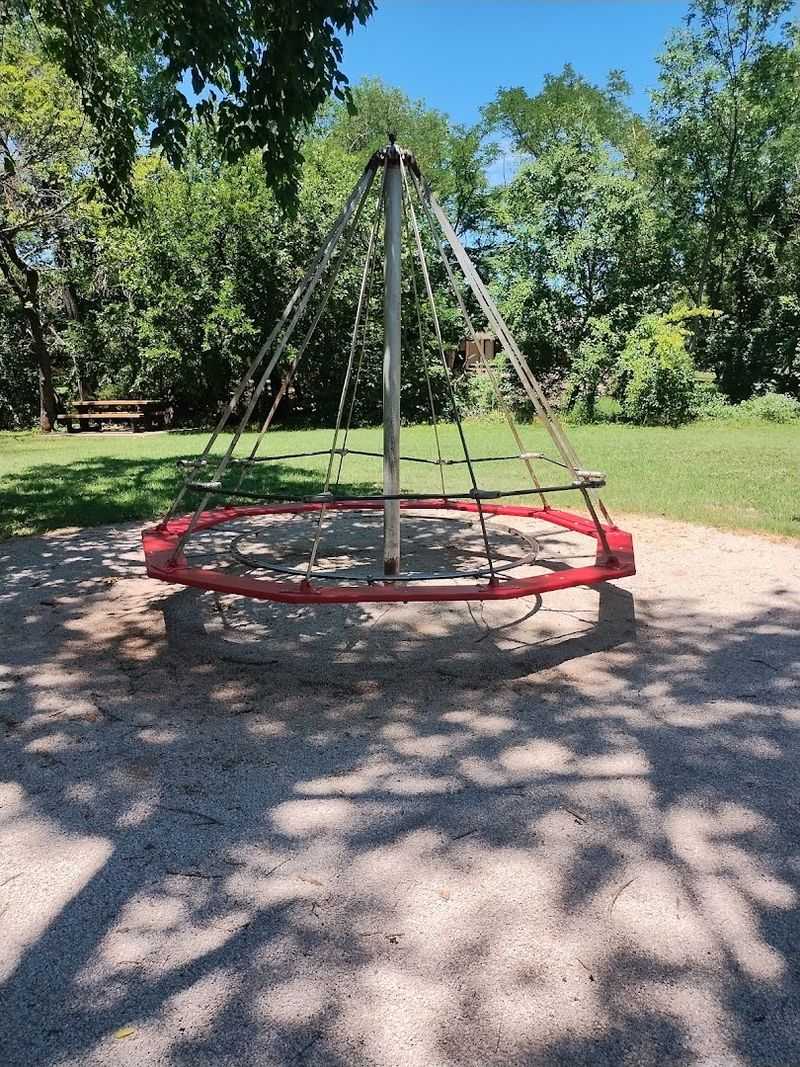
Old playground equipment from an earlier era sits in the yard near the schoolhouse. It is weathered and clearly not from this century, which gives it a visual quality that feels more like an artifact than a recreational feature.
Children are drawn to it immediately, which is a testament to how naturally curious kids are about the past.
The grounds also connect the various historic structures in a way that feels like a small outdoor campus rather than a scattered collection of buildings.
Moving from one to the next at your own pace, with open sky overhead, is one of the better ways to experience what Oklahoma heritage actually feels like in person.
Planning Your Visit to Make the Most of It
Getting the most out of the Cherokee Strip Museum starts with knowing when to show up. The museum is open Tuesday through Friday from 9 AM to 5 PM and on Saturdays from 10 AM to 4 PM.
It is closed on Sundays and Mondays, so plan accordingly before making the drive.
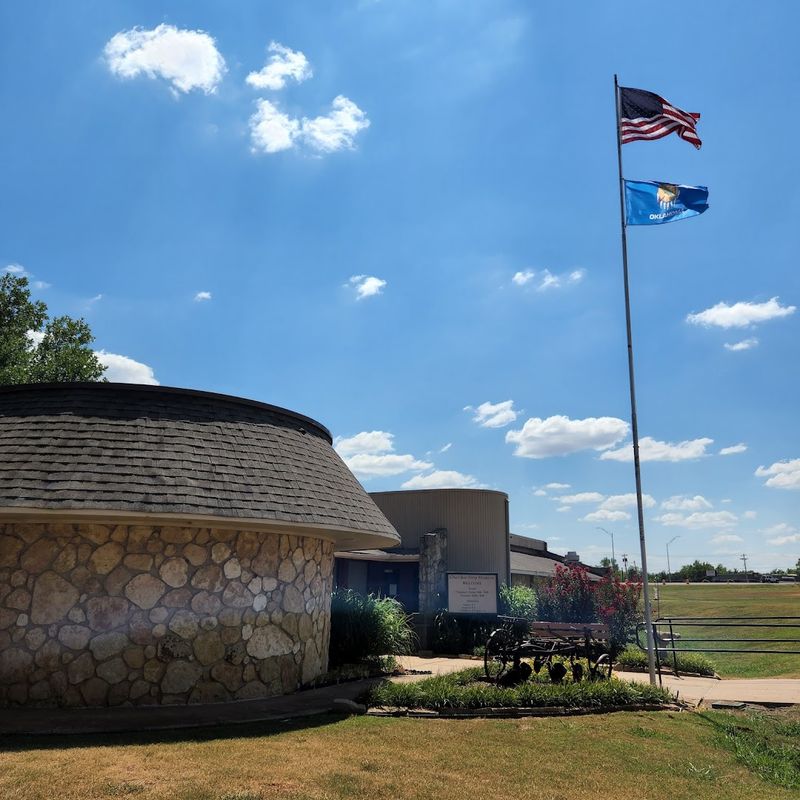
The museum sits at 2617 Fir St in Perry, Oklahoma, just off Interstate 35, which makes it a genuinely convenient stop if you are traveling through the state. The location is easy to find, parking is available on site, and the whole visit can comfortably fit into a two to three hour window.
Special programming, including the mock school day experience at the Rose Hill Schoolhouse, requires advance booking and is especially popular with families and school groups. If that is something you want to experience, reach out well ahead of your planned visit to secure a spot.
The gift shop is modestly priced and worth a browse before you leave. Picking up something small to remember the visit is a satisfying way to close out the experience.
Oklahoma has many worthwhile stops, and this one consistently rewards the effort of getting there with something genuinely memorable to take home.
Dear Reader: This page may contain affiliate links which may earn a commission if you click through and make a purchase. Our independent journalism is not influenced by any advertiser or commercial initiative unless it is clearly marked as sponsored content. As travel products change, please be sure to reconfirm all details and stay up to date with current events to ensure a safe and successful trip.
