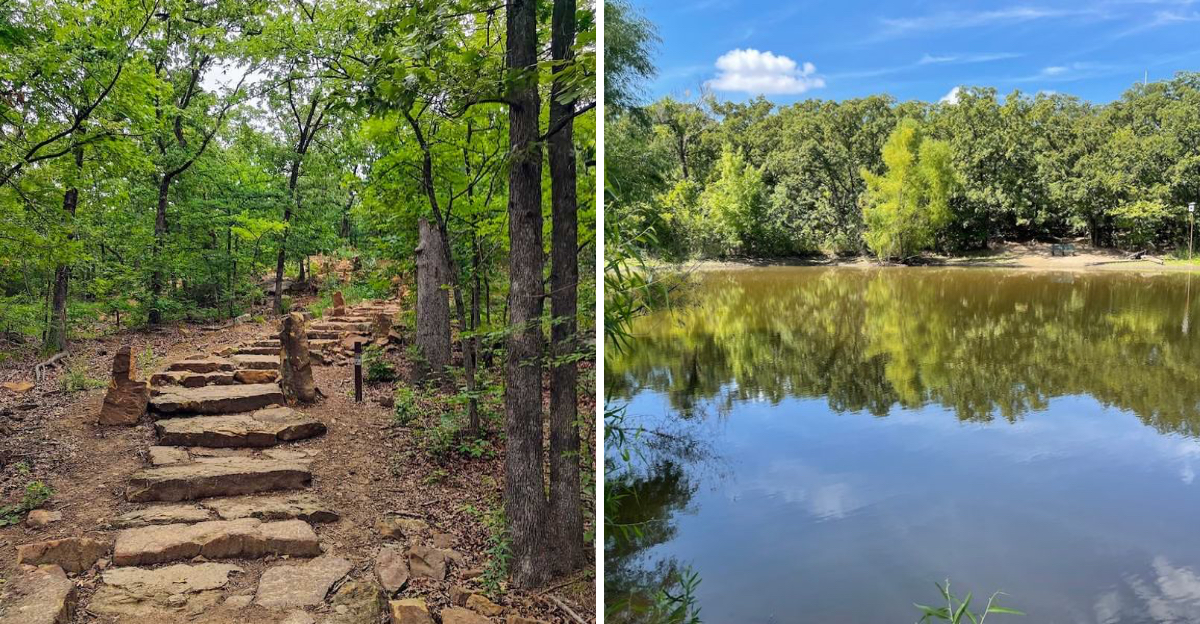
Turkey Mountain used to be Tulsa’s secret. Now it’s everywhere, all the time, packed with people who just discovered what locals have known for years.
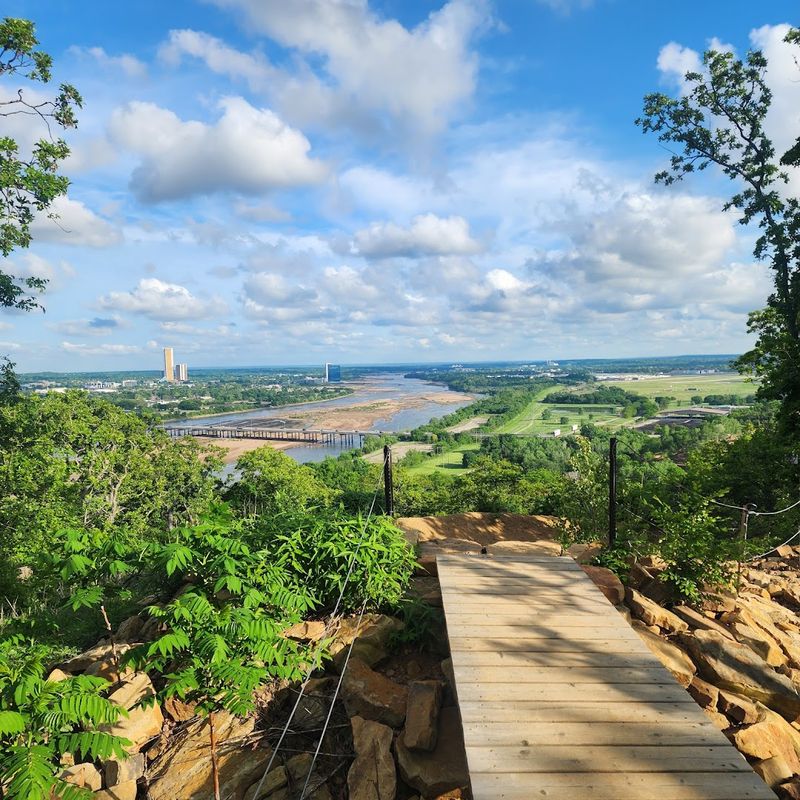
This urban wilderness area sits right inside city limits, offering trails that wind through rocky terrain and lead to overlooks where you can see the Arkansas River stretching out below. It’s beautiful, it’s accessible, and it’s free, which means everyone wants a piece of it.
But all that love comes with consequences. The trails are getting worn down faster than they can recover.
Parking lots fill up before most people finish their morning coffee. And then there’s the darker side, the stuff nobody wants to talk about but everyone’s thinking about when they’re out there alone.
Turkey Mountain is feeling the weight of its own popularity, and if you’ve been going there for years, you can feel the difference. The question isn’t if overtourism is happening here.
It’s what we’re going to do about it before this place loses what made it special in the first place.
The Trails Are Showing Their Age
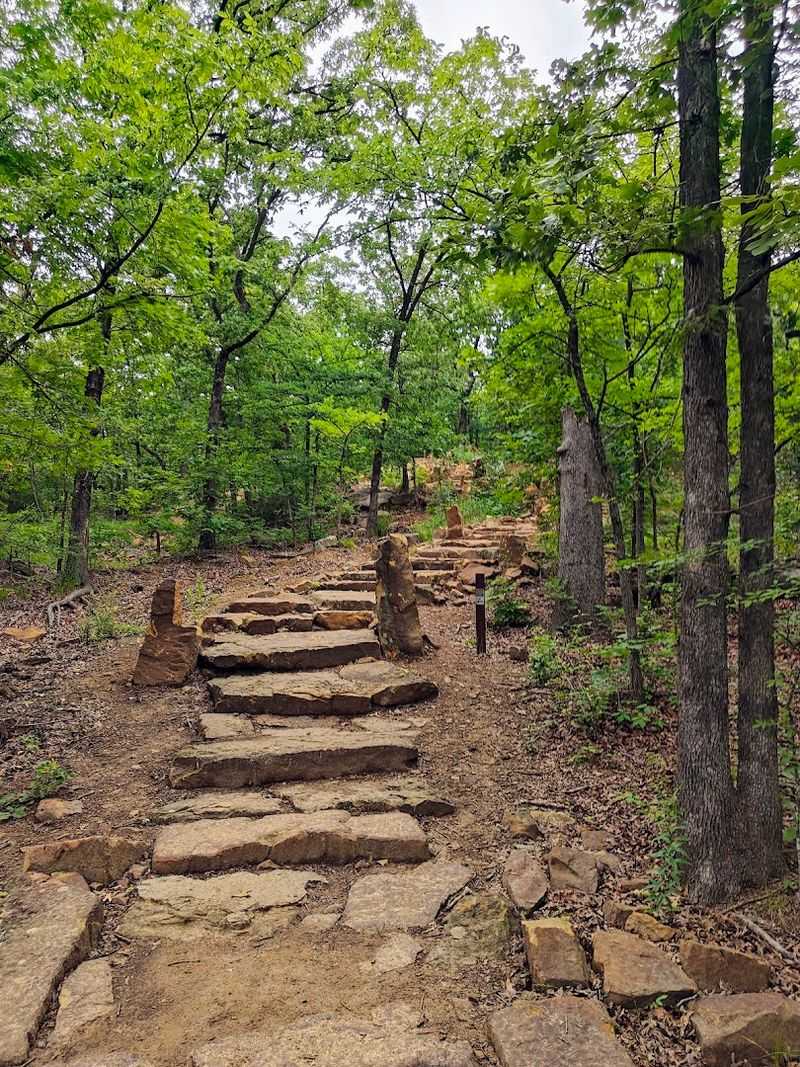
Walk any of the main trails at Turkey Mountain and you’ll see it immediately. The paths that used to feel wild and untouched now look beaten down, with exposed roots tripping up hikers and eroded sections that turn into mud pits after a single rainstorm.
Heavy foot traffic does this.
When too many boots hit the same ground over and over, the soil compacts and loses its ability to absorb water. Plants that once stabilized the trail edges get trampled.
What starts as a narrow footpath gradually widens as people step around the muddy or rocky spots, creating multiple braided trails that scar the landscape even more.
Mountain bikers add another layer of impact, especially on trails that weren’t designed for bikes in the first place. The combination of hikers, runners, and cyclists all using the same routes accelerates the wear.
Some sections have become so rutted that they’re genuinely difficult to navigate safely.
Trail maintenance crews do what they can, but they’re fighting an uphill battle against the sheer volume of visitors. For every section they repair, another one deteriorates.
It’s not that people are intentionally destructive. It’s just that there are too many of us loving this place at the same time.
Parking Has Become A Contact Sport
Show up at Turkey Mountain on a Saturday morning after 8 AM and good luck finding a spot. The main parking lot fills up fast, and when it does, people start getting creative.
Cars line the road leading to the trailhead. Vehicles squeeze into spaces that aren’t really spaces.
Sometimes you’ll see cars blocking other cars, with phone numbers scrawled on windshields.
This wasn’t always the problem. A few years back, you could roll in at 10 AM on a weekend and still have your pick of spots.
Now it feels like you’re competing for parking at a shopping mall during the holidays. The lot simply wasn’t designed for this many visitors.
The overflow situation creates its own issues. When people park along the road, it narrows the driving lane and makes it harder for emergency vehicles to get through if they need to.
Plus, all those extra cars mean more exhaust fumes and more wear on access roads that also weren’t built for heavy traffic.
Some folks have started arriving at dawn just to avoid the parking circus. Others have given up on weekends entirely and only come during weekday afternoons.
But that’s not really a solution. It’s just a workaround for a place that’s bursting at the seams.
Safety Concerns Nobody Wants To Talk About
Here’s the uncomfortable truth. More people means more problems, and not just the environmental kind.
Turkey Mountain has seen incidents that make you think twice about hiking alone. Assaults have happened here.
So have robberies. One reviewer mentioned encountering someone so impaired on substances that it felt genuinely threatening.
This isn’t about fearmongering. It’s about acknowledging that when a place becomes popular, it attracts all kinds of visitors, including some with bad intentions.
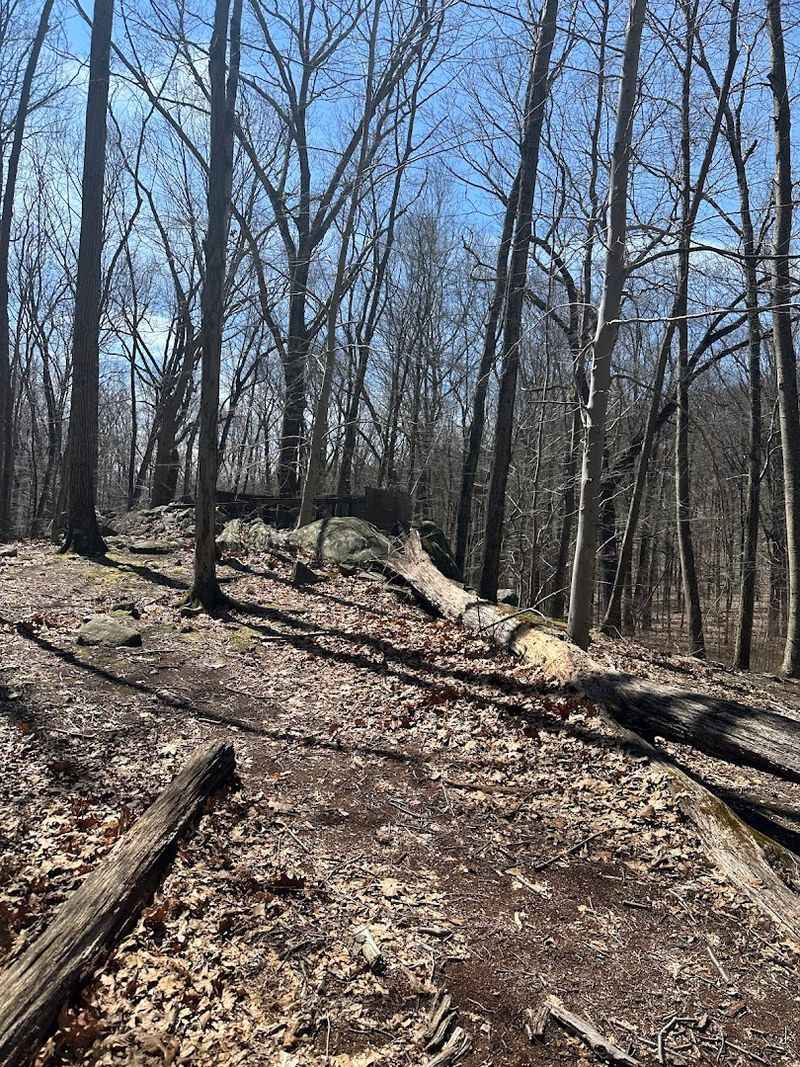
The trails wind through dense woods where you can’t see more than twenty feet in any direction. Cell service is spotty in some areas.
If something goes wrong, help isn’t immediately available.
Local hikers have adapted. Many carry pepper spray now.
Some bring hiking sticks that double as defensive tools. Others never go alone anymore, even though solo hiking used to be one of the joys of this place.
That shift in behavior tells you everything about how the atmosphere has changed.
It’s worth noting that most visits to Turkey Mountain are perfectly safe. Thousands of people hike here without incident.
But the fact that safety has become a regular topic of conversation among users shows how overtourism changes more than just the landscape. It changes how we experience a place emotionally and psychologically.
The Wildlife Is Getting Squeezed Out
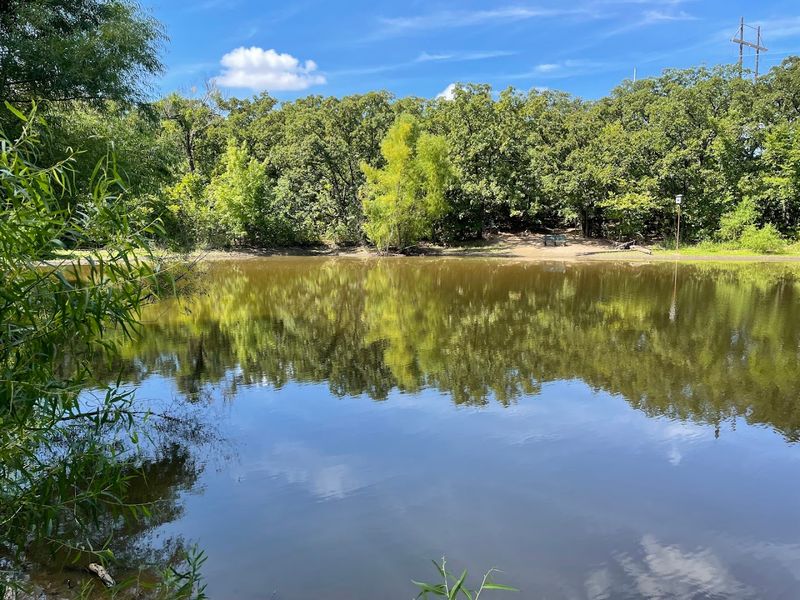
Coyotes used to be a common sight at Turkey Mountain. So were deer, various bird species, and plenty of smaller mammals going about their business.
But as human traffic increases, wildlife does what it always does. It leaves.
Animals need space, quiet, and predictable patterns to survive. Constant human presence disrupts all three.
One hiker reported seeing a coyote dart across the trail, which sounds exciting until you realize that coyote was probably fleeing from the noise and activity. Birds that nest in the area face disturbance during breeding season when trail traffic is heaviest.
Small mammals that forage at dawn and dusk now have to contend with early morning joggers and evening hikers.
The ecological impact goes beyond just seeing fewer animals. When wildlife populations decline or relocate, it affects the entire ecosystem.
Predators help control rodent populations. Birds distribute seeds and control insects.
Remove or stress these species, and the forest itself changes in ways that aren’t immediately obvious but compound over time.
Some areas of Turkey Mountain have become so heavily trafficked that they’re essentially wildlife deserts now. The animals haven’t disappeared entirely.
They’ve just moved to the quieter, less accessible parts of the wilderness. But as those areas shrink, there’s less and less room for them to go.
Trail Etiquette Has Left The Building
Remember when hikers would nod at each other on the trail? When mountain bikers would call out their approach and slow down for pedestrians?
When people would step aside to let faster hikers pass? Those days feel like ancient history at Turkey Mountain now.
With so many users crammed onto the same trails, common courtesy has become surprisingly uncommon.
Part of the problem is that many visitors are new to outdoor recreation. They don’t know the unwritten rules about yielding to uphill hikers or staying on marked trails.
They blast music from portable speakers, shattering the natural quiet that others came to experience. They let dogs run off-leash in areas where leashes are required, creating conflicts with other hikers and their pets.
The mixing of different user groups adds complexity. Hikers want peaceful walks.
Trail runners want to move fast. Mountain bikers need clear paths at speed.
When everyone’s trying to use the same space for different purposes, friction is inevitable. Some trails are designated for specific uses, but not everyone pays attention to the signs.
Crowding also makes people less patient. When you’re constantly dodging other users or waiting for groups to move, frustration builds.
That frustration sometimes manifests as rudeness, which creates a negative feedback loop that makes the experience worse for everyone.
Litter Is Becoming A Real Problem
More visitors means more trash, even though most people claim they’d never litter. But the evidence is right there on the trails.
Water bottles tucked into tree roots. Energy bar wrappers caught in bushes.
Dog waste bags tied to branches and forgotten. Sometimes it feels like people think the Leave No Trace principle is just a suggestion.
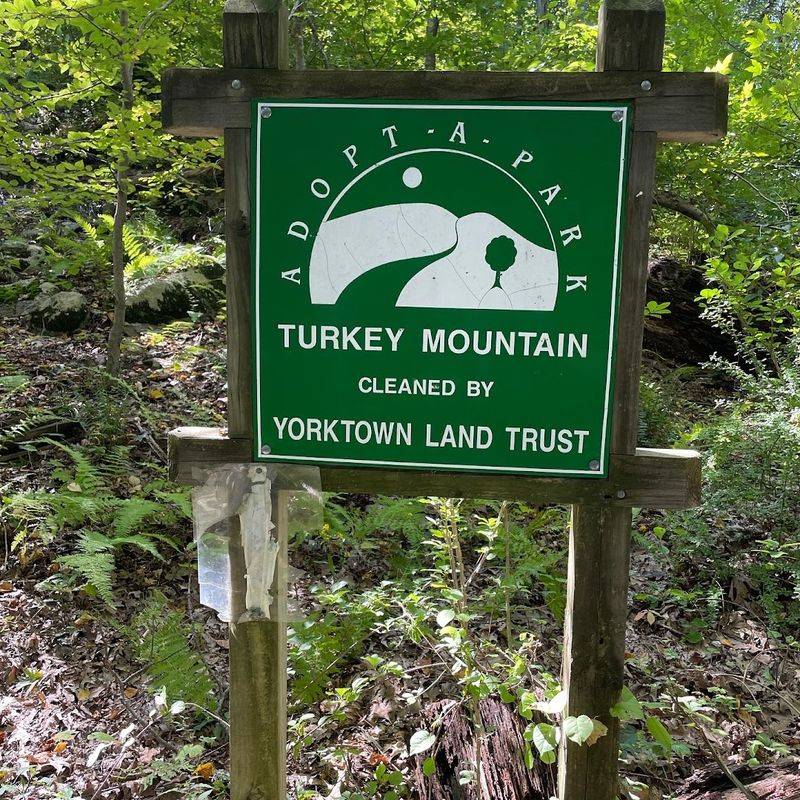
The volume of litter has increased noticeably over the past few years. What used to be an occasional piece of trash here and there has become a persistent problem that volunteer cleanup crews can’t keep up with.
Some of it is accidental, things falling out of pockets or packs without people noticing. But some of it is just laziness.
Litter doesn’t just look bad. It harms wildlife that might eat it or get tangled in it.
It contaminates soil and water. Plastic breaks down into microplastics that persist in the environment for decades.
Even biodegradable items like orange peels or apple cores shouldn’t be tossed on the trail because they’re not native to the ecosystem and can disrupt local plant growth.
The bathrooms at the trailhead stay relatively clean, which suggests that when infrastructure exists, people use it. The problem is that there’s no infrastructure out on the trails themselves, and not everyone plans ahead well enough to pack out everything they bring in.
The Quiet Is Gone
Close your eyes and try to remember what Turkey Mountain sounded like ten years ago. Bird calls.
Wind rustling through leaves. Maybe the distant sound of the Arkansas River.
That’s gone now, replaced by constant human chatter, bike tires crunching over gravel, and the rhythmic huffing of trail runners passing by every few minutes.
Sound pollution might not seem like a big deal compared to physical trail damage, but it fundamentally changes what the wilderness experience is supposed to be. People come to places like Turkey Mountain to escape the noise of urban life.
When the trails become as loud as a city park, that escape disappears. You can’t hear yourself think.
You definitely can’t hear the natural soundscape.
Some of this is unavoidable. When lots of people use a space, they’re going to make noise.
But the level of noise at Turkey Mountain has crossed a threshold where it’s no longer possible to find solitude, even on the less popular trails. There’s always someone within earshot, always another group coming around the next bend.
For people who’ve been visiting Turkey Mountain for years, the loss of quiet feels personal. It’s like watching a favorite restaurant get discovered and then becoming so crowded you can’t enjoy it anymore.
The place is still there, but the experience that made it special has been diluted beyond recognition.
Finding Turkey Mountain Before It Changes More
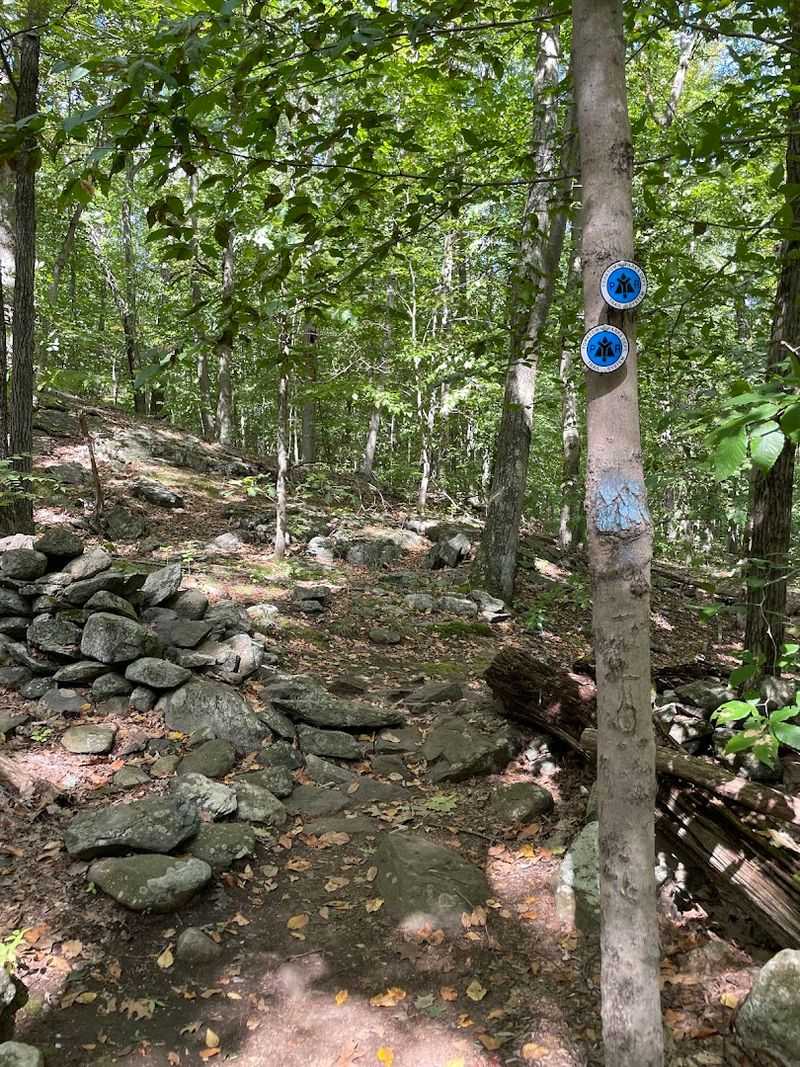
If you want to experience what’s left of Turkey Mountain’s original character, go early on a weekday morning or late on a weekday afternoon. Those are the windows when the crowds thin out and you might catch glimpses of what this place used to be.
The trails still wind through beautiful terrain. The overlooks still offer views of the Arkansas River and the Tulsa skyline beyond.
The bones of something special are still here.
Turkey Mountain Urban Wilderness Area covers several hundred acres of trails that range from easy walking paths to challenging rocky climbs. There are multiple entry points and enough trail variety that you can visit repeatedly and take different routes each time.
The stone stairway that leads to one of the overlooks remains a highlight, even if you now have to share it with a dozen other people taking photos.
The bathrooms at the main trailhead are clean and well-maintained. There’s ample parking when you arrive early enough.
The trail markers are clear, though having a trail map on your phone helps since you won’t find many maps posted once you’re out on the paths. Dogs are welcome on leash, and you’ll see plenty of them.
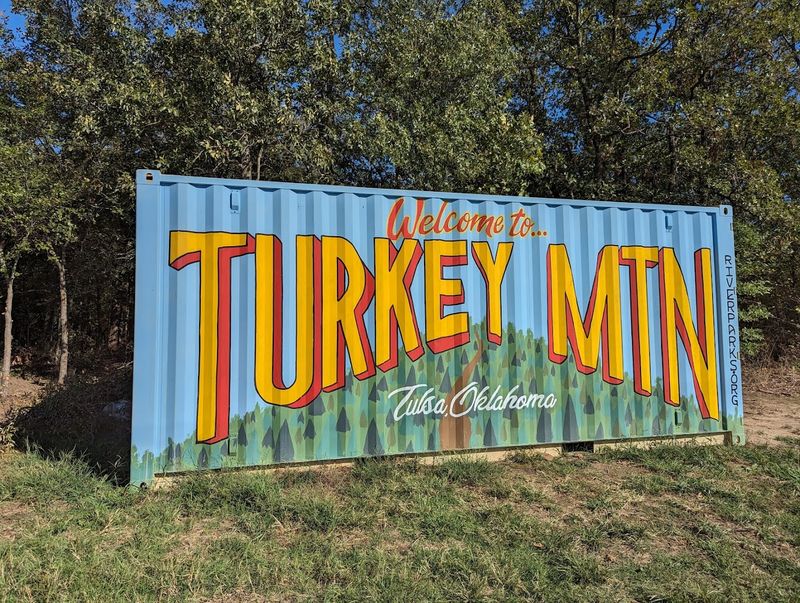
Turkey Mountain Urban Wilderness Area is located at Tulsa, right inside the city limits but feeling worlds away when you’re deep in the woods. Visit soon, before overtourism transforms it completely.
Dear Reader: This page may contain affiliate links which may earn a commission if you click through and make a purchase. Our independent journalism is not influenced by any advertiser or commercial initiative unless it is clearly marked as sponsored content. As travel products change, please be sure to reconfirm all details and stay up to date with current events to ensure a safe and successful trip.
