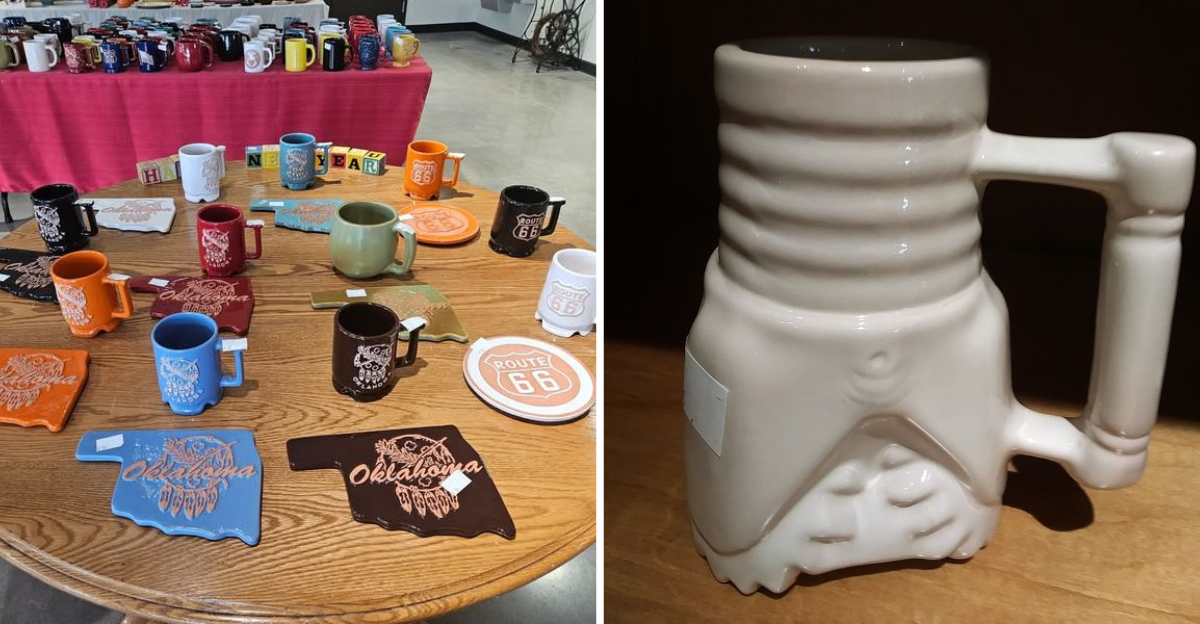
Watching a lump of Oklahoma clay transform into a finished piece of pottery right before your eyes is almost magical. This pottery company is one of those rare places where the entire creative process happens in front of you, no curtain, no mystery. The mold room to the kiln, every step is visible, and that openness makes the whole experience feel personal and real.
I stumbled onto this gem while passing through and honestly had no idea what I was walking into. The facility is both a working production floor and a showroom packed with history. By the time I left, I had a deeper appreciation for handmade pottery and a serious urge to start a collection.
The Rich History Behind Frankoma Pottery
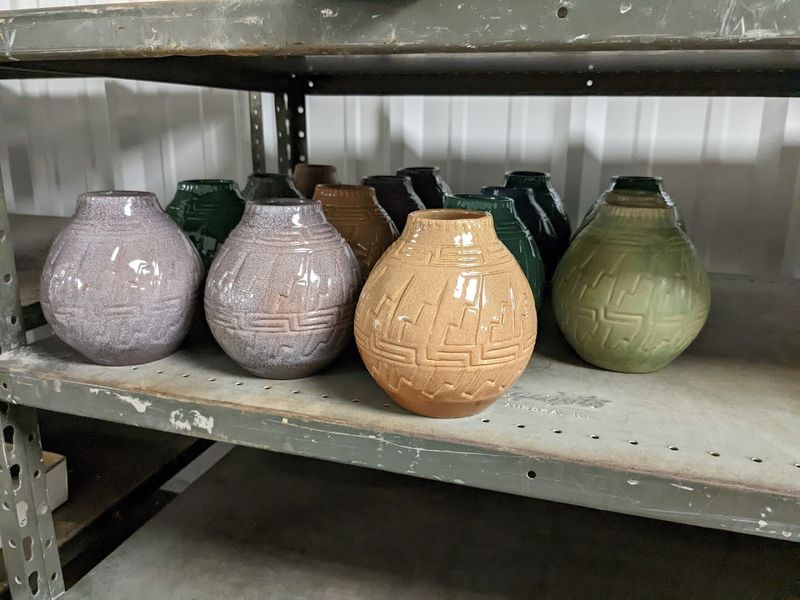
Few American pottery brands carry the kind of origin story that Frankoma does. It all started in 1933 when artist and educator John Frank founded the company in Norman, Oklahoma, with a vision to create affordable, beautiful ceramics rooted in American craftsmanship.
That founding spirit still breathes through every piece made today.
Over the decades, the company moved from Norman to Sapulpa before eventually landing at its current home in Glenpool. Each move brought changes, but the core identity stayed intact.
The pottery has outlasted fires, economic downturns, and multiple ownership changes, which says a lot about how deeply it is woven into Oklahoma’s cultural fabric.
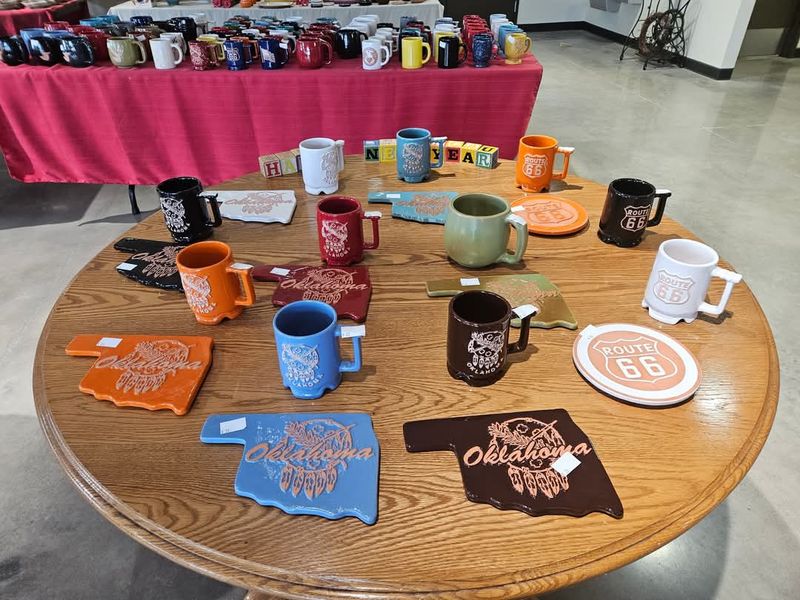
The current facility, opened in late 2022, was built by a retired engineer who poured real passion into reviving the brand. Seeing hundreds of vintage pieces displayed alongside freshly made ones feels like visiting a living museum.
It is the kind of place where history is not just talked about, it is still being made, one clay piece at a time.
The molds are stored on rolling shelves that span entire walls. The kilns fire around the clock during production runs.
Visitors can watch pieces being cast, trimmed, and glazed, all within a few feet of where they stand. There is no velvet rope separating you from the work.
Just clay, heat, and decades of accumulated skill. That accessibility turns a simple tour into something genuinely inspiring.
Oklahoma Clay That Makes All the Difference
The clay itself is one of the most fascinating parts of the Frankoma story. Early on, the company used a light-hued Ada clay that gave pieces a pale, almost creamy finish.
Then in 1954, everything changed when production shifted to a distinctive brick-red clay excavated from Sugar Loaf Hill near Sapulpa. That switch gave Frankoma pottery its now-iconic terra cotta coloration beneath the glazes.
What makes this clay special is not just the color. It is locally sourced, deeply tied to Oklahoma geology, and contributes to the durability that collectors have come to rely on.
You can actually feel the density of the finished pieces when you pick them up in the showroom.
Watching the raw clay being handled in the production area gives you a real sense of how much the material itself shapes the final product. It is not just a medium, it is a character in the story.
The earthy richness of that brick-red clay is something you notice immediately, and it is a big reason why Frankoma pottery looks like nothing else on the market today.
That clay went through the same geological processes that shaped the hills around Tulsa. It was dug from the ground, processed, and transformed by hand into something useful and beautiful.
There is a direct line from the Oklahoma earth to the mug you hold in your hands. That connection is rare in an age of mass produced imports, and it is exactly what keeps collectors coming back generation after generation.
How the Mold Room Brings Shapes to Life
The mold room is where the transformation truly begins, and getting to observe it in person is genuinely exciting. Artisans pour a liquid clay mixture called slip into plaster molds, which absorb the moisture and allow the clay to take shape.
It sounds simple, but the timing and technique involved are surprisingly precise.
Once the slip has set enough to hold its form, the excess is poured out and the piece is left to firm up inside the mold. After removal, each piece gets carefully trimmed by hand to clean up edges and remove any imperfections.
That trimming step is where the human touch really shows up in the final product.
Visitors can watch this whole sequence unfold without any barrier between them and the work being done. There is something grounding about seeing skilled hands shape everyday objects with such quiet focus.
The mold room is not flashy or loud, but it holds a kind of calm energy that makes you slow down and actually pay attention to what craftsmanship looks like up close.
The molds themselves are works of art, some of them decades old, stored on rolling shelves that fill entire walls. Each mold has a story, a specific year it was made, a particular glaze it pairs best with, a generation of potters who learned their craft using that exact shape.
Watching a fresh piece emerge from a mold that has been in use for fifty years is like watching a small piece of history repeat itself in real time.
Glazing: Where Oklahoma Colors Come Alive
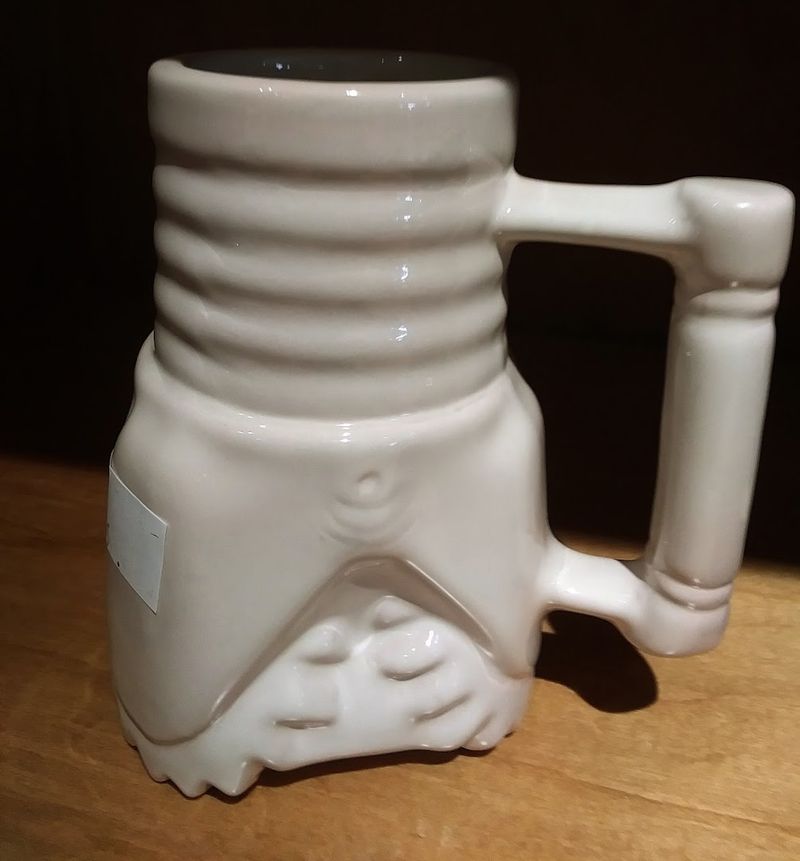
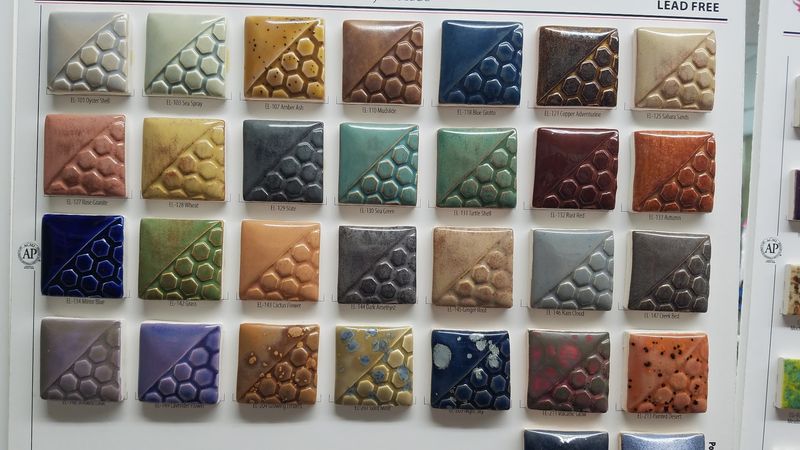
After the clay pieces are trimmed and dried, they move into the glazing stage, and this is where Frankoma’s personality really shines through. The glazes used are deeply inspired by the Oklahoma landscape, with names like Prairie Green, Desert Gold, and Sky Blue that practically paint a picture of the state’s wide-open terrain.
Picking up a finished piece and recognizing the color of a prairie sunset in it is a quietly moving experience.
The glazing process at Frankoma is done by hand, which means each piece absorbs a slightly unique finish. No two items are ever completely identical, and that natural variation is part of the charm.
Collectors often seek out specific glaze runs because the subtle differences make each piece feel one of a kind.
One of the most distinctive features of Frankoma’s production method is the single-firing process. The clay body and the colored glaze are fused and fired together in one kiln session rather than two.
This approach contributes to both the affordability of the pottery and its long-lasting durability, making it as practical as it is beautiful for everyday use.
The Kiln: Where Everything Comes Together
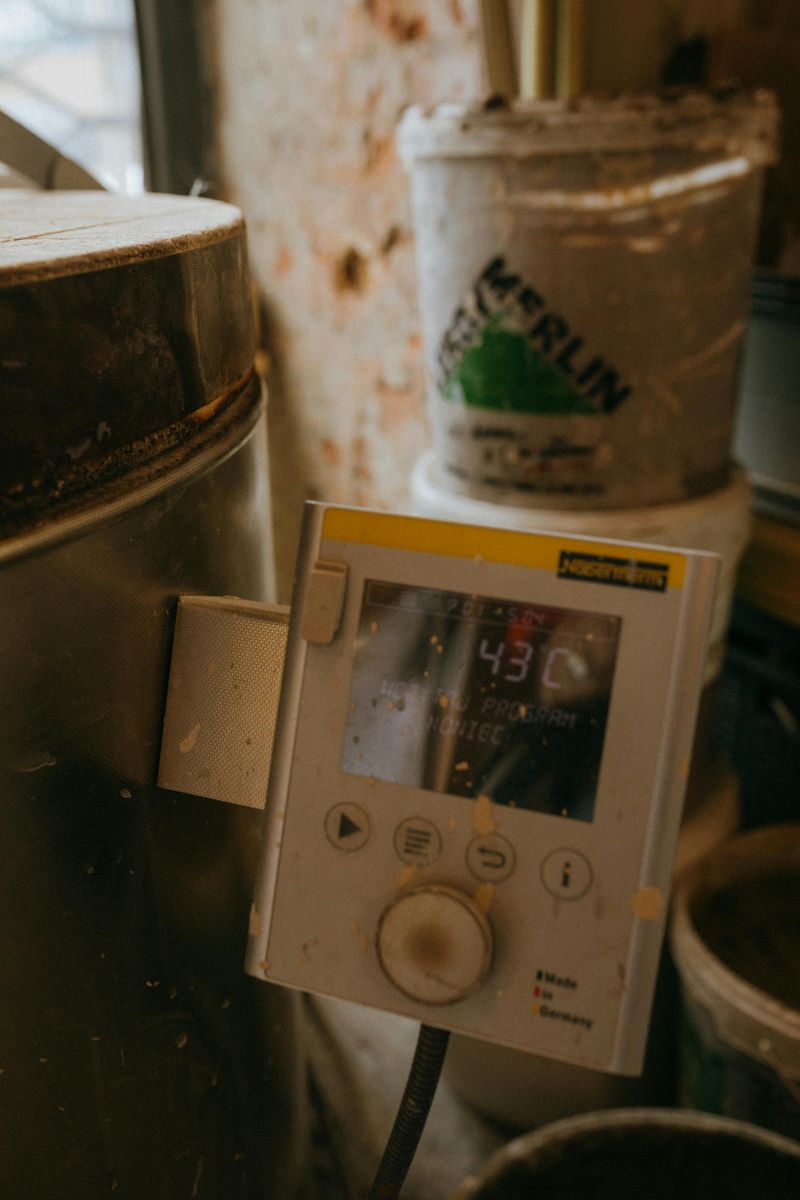
The kiln is the final act in the whole production story, and there is a real sense of anticipation around it. Once glazed pieces are loaded in and the temperature climbs, the clay and glaze bond together permanently in a process that cannot be undone.
That irreversibility is part of what makes the moment feel so significant when you are watching it happen.
Frankoma uses a single-firing method, which is somewhat uncommon in modern pottery production. Most manufacturers fire the clay once to harden it and then again after glazing.
Frankoma skips that first separate firing, combining both stages into one, which streamlines the process without sacrificing quality.
Seeing the finished pieces emerge from the kiln, colors deepened and surfaces hardened, is genuinely satisfying even as a bystander. The transformation from soft, muted clay to a glossy, vibrant finished object happens entirely inside that kiln.
It is the kind of moment that makes you appreciate how much patience and knowledge goes into something as seemingly simple as a coffee mug or a serving bowl sitting on your kitchen shelf.
The kiln reaches temperatures high enough to melt the glaze into a glass like surface. Watching the door open after a full firing reveals rows of pieces glowing with residual heat, their colors finally revealed.
Some glazes break in unpredictable ways, creating subtle variations that make each piece unique. That unpredictability is not a flaw, it is the signature of handmade pottery, and it is exactly what collectors look for.
Planning Your Visit to Frankoma in Glenpool
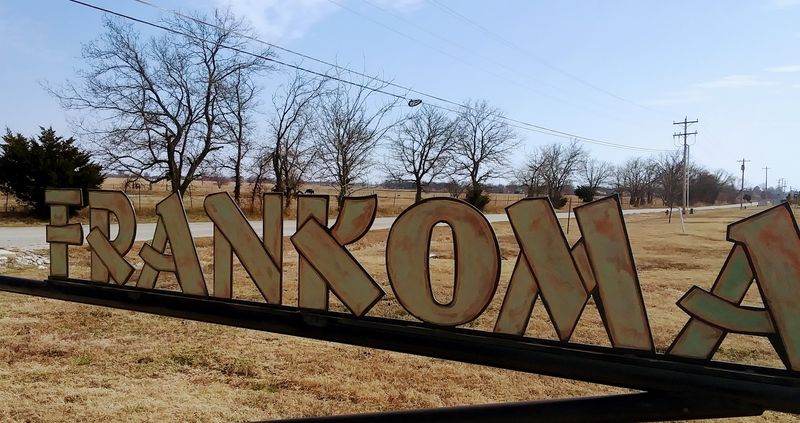
Getting to Frankoma Pottery is straightforward, and the location in Glenpool makes it a natural stop whether you are heading north toward Tulsa or cutting across the state on a road trip. The facility sits at 17117 S Union Ave and is open most days of the week from 10:30 AM to 4 PM, though it is closed on Sundays.
It is worth checking their hours before you go, especially around holidays.
Plan to spend at least an hour, maybe more if you are the type who likes to linger over details. The production floor observation alone is worth the trip, and the showroom has enough variety to keep you browsing longer than you might expect.
Nearby Sapulpa also has a historical museum with a Frankoma display if you want to extend the experience into a full afternoon.
The whole visit has a relaxed, no-pressure feel that is refreshing compared to more tourist-heavy attractions. You are not rushed, nobody is following you around, and the setting is genuinely welcoming.
For anyone with even a passing interest in American craft traditions or Oklahoma history, Frankoma is the kind of stop that turns into a story you tell people afterward.
Address: 17117 S Union Ave, Glenpool, OK 74033
