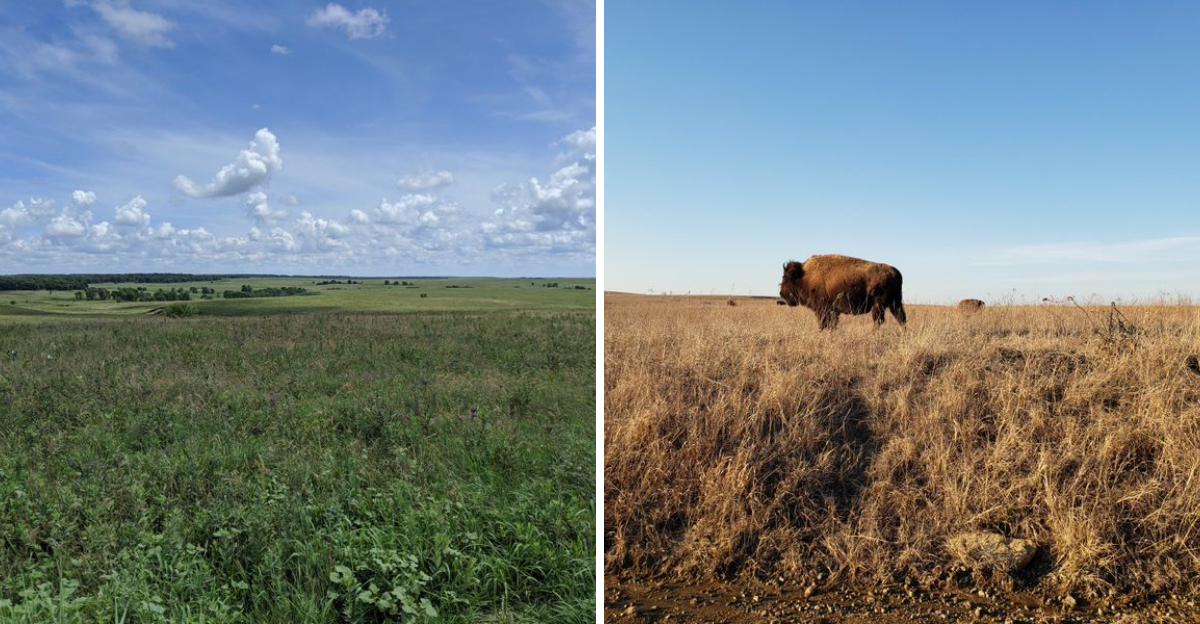
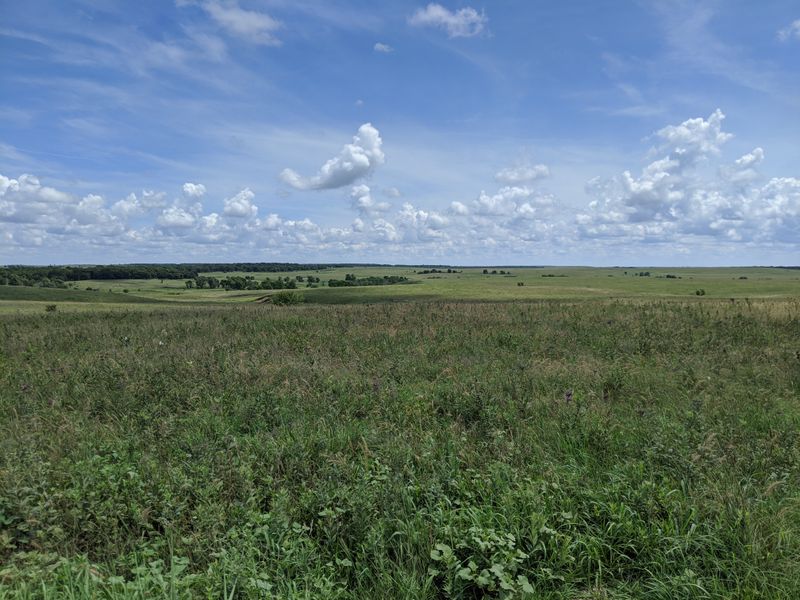
Deep in the Osage Hills of northeastern Oklahoma lies a landscape that time forgot. The Joseph H. Williams Tallgrass Prairie Preserve stretches across nearly 40,000 acres of rolling grasslands, offering a rare glimpse into what North America looked like before the plow changed everything.
This protected expanse remains one of the last intact tallgrass prairies on the continent, where native grasses sway in endless waves and bison roam freely just as they did centuries ago.
Managed by The Nature Conservancy, this preserve represents more than just scenic beauty. It stands as a living monument to ecological restoration and conservation, where visitors can witness the powerful connection between land and wildlife that once defined the Great Plains.
Whether you arrive in spring when wildflowers paint the grasslands in brilliant colors or during autumn when the prairie glows golden under wide Oklahoma skies, this untouched wilderness offers an experience that feels both ancient and immediate, reminding us of what we stand to lose and what we can still protect.
Ancient Grasslands Frozen in Time
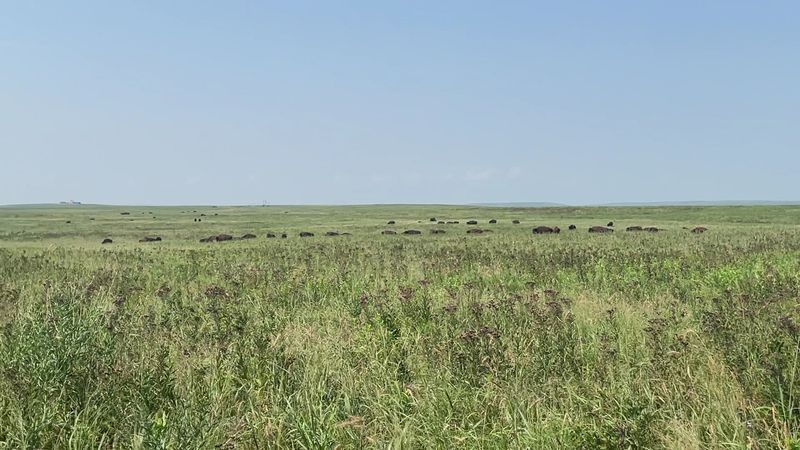
Tallgrass prairie once covered 170 million acres across North America, stretching from Canada to Texas in a vast sea of native grasses that could grow taller than a horse. Today, less than four percent of that original ecosystem survives, making the Joseph H.
Williams Tallgrass Prairie Preserve an ecological treasure of immense significance. Walking through these grasslands feels like stepping back through centuries, where big bluestem, Indian grass, and switchgrass reach heights of six to eight feet during peak growing season.
The preserve protects plant communities that have evolved over thousands of years, creating a complex web of life that modern agriculture has erased from most of the Midwest. More than 750 plant species thrive here, including rare wildflowers that bloom in succession from early spring through late fall.
Each season brings new colors and textures to the landscape, transforming the prairie into a living canvas that shifts with the weather and the light.
Conservation efforts focus on maintaining the natural processes that shaped this ecosystem, including periodic controlled burns that mimic the wildfires that historically rejuvenated the grasslands. These fires clear away dead vegetation, release nutrients back into the soil, and prevent woody plants from taking over the prairie.
The result is a landscape that functions much as it did before European settlement, supporting the full range of native species that depend on these conditions.
Visitors driving the gravel roads through the preserve witness this ecological miracle firsthand, surrounded by horizons that seem to stretch forever beneath Oklahoma skies.
Bison Herds Roaming Free
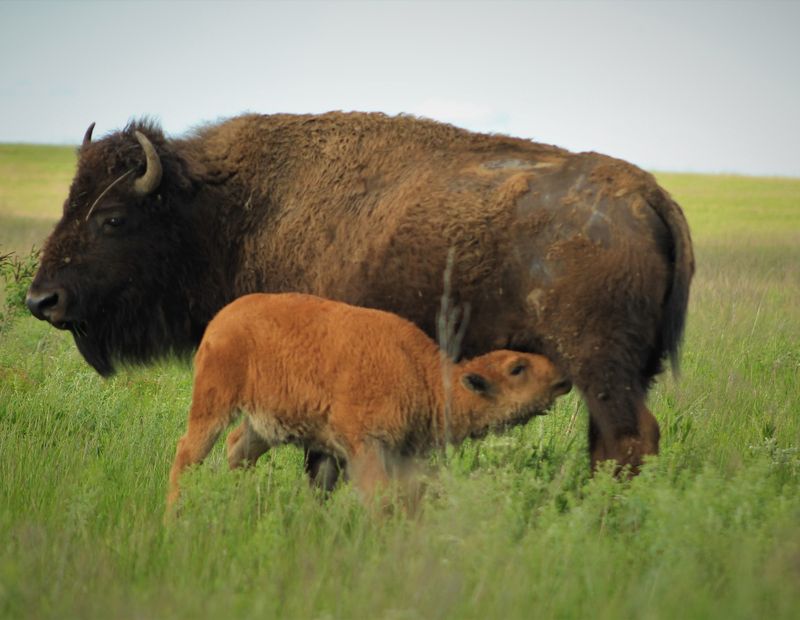
Nothing captures the spirit of the American prairie quite like the sight of bison grazing across open grasslands.
The preserve maintains one of the largest free-roaming bison herds in the world, with approximately 2,500 animals moving across the landscape in patterns determined entirely by their own needs and instincts.
These magnificent creatures serve as ecosystem engineers, their grazing habits and movements shaping the prairie in ways that benefit countless other species.
Watching bison from your vehicle along the preserve’s gravel roads offers an unforgettable wildlife experience. During spring, cinnamon-colored calves stay close to their mothers, learning the ways of the herd while playing and exploring their grassland home.
Adult bulls can weigh up to 2,000 pounds, their massive heads and shoulders creating an imposing silhouette against the sky. Despite their size, bison move with surprising grace and can reach speeds of 35 miles per hour when motivated.
The relationship between bison and prairie runs deeper than simple grazing. Their wallowing behavior creates depressions that collect water and provide habitat for amphibians and insects.
Their hooves break up soil crust, helping seeds germinate. Their selective grazing creates a mosaic of vegetation heights that benefits different bird species and small mammals.
This dynamic interaction between large herbivores and grassland demonstrates how prairie ecosystems evolved together over millennia.
Staff at the visitor center can provide information about where herds have been spotted recently, though bison sightings are never guaranteed. These animals roam freely across thousands of acres, making each encounter feel earned and special.
Scenic Driving Routes Through Wilderness
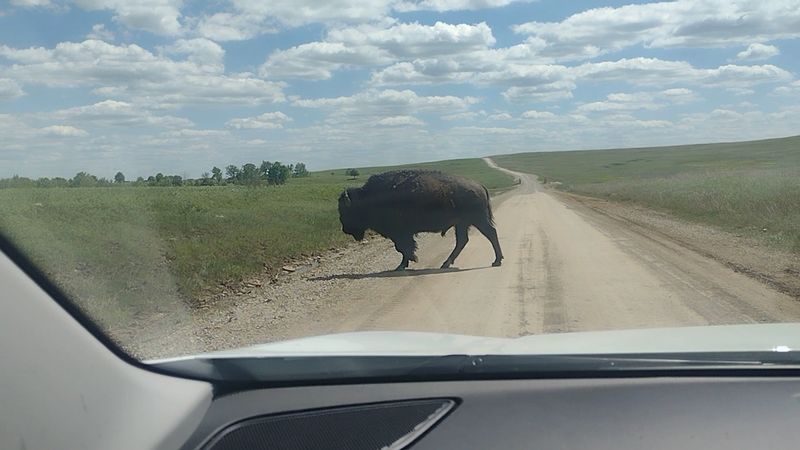
Exploring the preserve by vehicle offers the most accessible way to experience this vast landscape. A network of well-maintained gravel roads winds through 40,000 acres of prairie, providing constantly changing views of grasslands, wildlife, and the distinctive topography of the Osage Hills.
The main driving loop takes approximately two to three hours at a leisurely pace, though many visitors spend much longer stopping at scenic overlooks and watching for wildlife.
These unpaved roads demand attention and respect. Recent rains can create muddy conditions, and the gravel surface means your vehicle will definitely need washing afterward.
Higher clearance vehicles like trucks and SUVs handle the terrain more comfortably, though regular cars manage fine when conditions are dry. Speed limits stay around 30 to 35 miles per hour, which feels just right for taking in the scenery and watching for animals crossing the road.
Several designated overlooks along the route provide sweeping views across the prairie, where you can truly appreciate the scale of this protected landscape. Low-water bridges add a bit of adventure to the drive, occasionally hosting turtles sunning themselves on the concrete.
White-tailed deer bound across the roads with surprising frequency, and patient observers might spot hawks circling overhead or catch glimpses of smaller prairie residents.
The roads remain open from 7 AM to 7 PM daily, giving visitors plenty of time to complete the loop. Coming prepared with a full tank of gas, plenty of water, and binoculars enhances the experience, as does checking in at the visitor center for current conditions and wildlife activity reports.
Visitor Center and Educational Resources
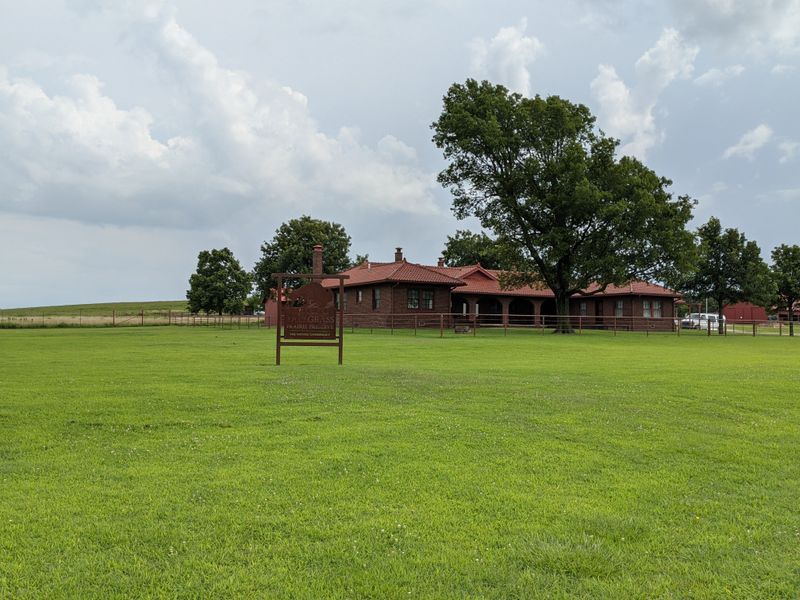
Starting your prairie adventure at the visitor center provides valuable context and information that enriches the entire experience. Knowledgeable staff and volunteers share their enthusiasm for the preserve, offering insights about current wildlife activity, trail conditions, and the best spots for viewing bison herds.
Their expertise helps visitors make the most of their time, whether you have two hours or an entire day to explore.
Inside, educational displays explain the ecology of tallgrass prairie, the history of bison conservation, and the ongoing restoration work that keeps this landscape healthy. Hands-on exhibits allow visitors, especially children, to touch real bison skulls and bones, making the connection to these massive animals more tangible.
Information panels detail the various plant species, seasonal changes, and the complex relationships between prairie residents from the smallest insects to the largest mammals.
The center features clean restroom facilities, which visitors appreciate given the remote nature of the preserve and the length of the driving loop.
While the preserve no longer operates a gift shop, the staff can direct you to resources for learning more about prairie conservation and The Nature Conservancy’s work protecting critical habitats across Oklahoma and beyond.
Visiting during staffed hours allows you to ask questions and get personalized recommendations based on your interests and the current season.
Staff members track bison movements and can suggest areas where you might have the best chance of close encounters, though they always emphasize safety and remind visitors to stay in their vehicles around these powerful wild animals.
Address: 15316 County Road 4201, Pawhuska, Oklahoma
Hiking Trails Across the Prairie
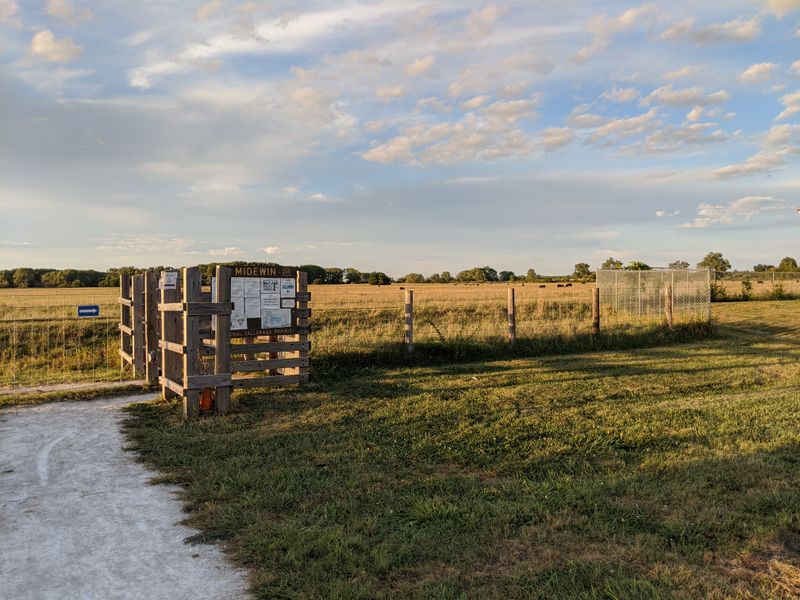
For those who want to experience the prairie on foot, the preserve maintains several well-marked hiking trails that offer intimate encounters with this unique ecosystem.
Walking among the grasses provides a completely different perspective than viewing from a vehicle, allowing you to hear the wind moving through the vegetation, notice smaller wildflowers, and observe insects and birds at close range.
The trails are mowed paths through the prairie, making navigation straightforward while keeping you immersed in native vegetation.
Trail lengths vary from short walks near the visitor center to longer routes that traverse several miles of grassland and offer panoramic views from elevated points.
The longer trails earn their moderate difficulty rating not from technical challenges but from exposure to sun, wind, and the cumulative effect of walking through gently rolling terrain.
Benches positioned along the routes provide welcome rest stops and excellent spots for quiet observation of prairie life.
Hikers should come prepared for conditions quite different from woodland trails. The prairie offers little shade, making sun protection essential during warmer months.
Insects, particularly ticks, are active from spring through fall, so insect repellent and regular tick checks are important precautions. Long pants tucked into socks provide additional protection while hiking through taller grasses.
Spring and fall offer the most comfortable hiking conditions, with moderate temperatures and spectacular displays of wildflowers or autumn colors.
Early morning walks reward visitors with dew-covered spiderwebs stretching between grass stems and increased wildlife activity before the heat of the day.
The trails remain open during preserve hours, though hikers should always check current conditions and be aware of weather changes, as storms can develop quickly over open prairie.
Wildlife Beyond the Bison
While bison rightfully claim the spotlight, the preserve supports an incredible diversity of wildlife that thrives in this protected grassland ecosystem. White-tailed deer appear frequently along the roads, often in groups that bound gracefully across the prairie with their distinctive flag-like tails raised.
These deer find excellent habitat in the preserve’s mix of grassland and scattered shrubby areas, with populations that remain healthy and abundant.
Birdwatchers discover the preserve ranks among Oklahoma’s premier birding destinations, with more than 150 species recorded throughout the year. Grassland specialists like greater prairie chickens, scissor-tailed flycatchers, and dickcissels nest in the native vegetation.
Hawks and other raptors hunt from above, while meadowlarks fill the air with their distinctive songs. During migration seasons, the prairie hosts additional species passing through on their journeys north or south.
Reptiles and amphibians add to the preserve’s biodiversity, though visitors encounter them less frequently than mammals and birds.
Rattlesnakes inhabit the grasslands and occasionally sun themselves on gravel roads, reminding visitors to watch their step if they do exit their vehicles in permitted areas.
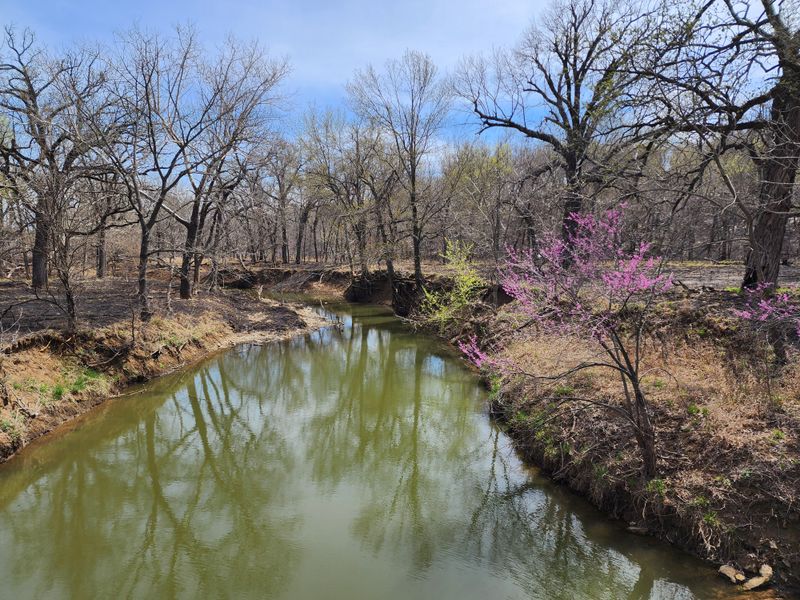
Turtles make appearances near low-water crossings and wetland areas. Box turtles traverse the prairie, while aquatic species inhabit seasonal pools and streams.
The preserve’s management practices specifically benefit these diverse species by maintaining the habitat complexity that natural prairies once provided. Different vegetation heights, scattered bare ground, and seasonal water sources create niches for species with varying needs.
This biodiversity represents one of the preserve’s greatest conservation successes, demonstrating how protecting large landscapes allows entire ecosystems to function.
Seasonal Transformations
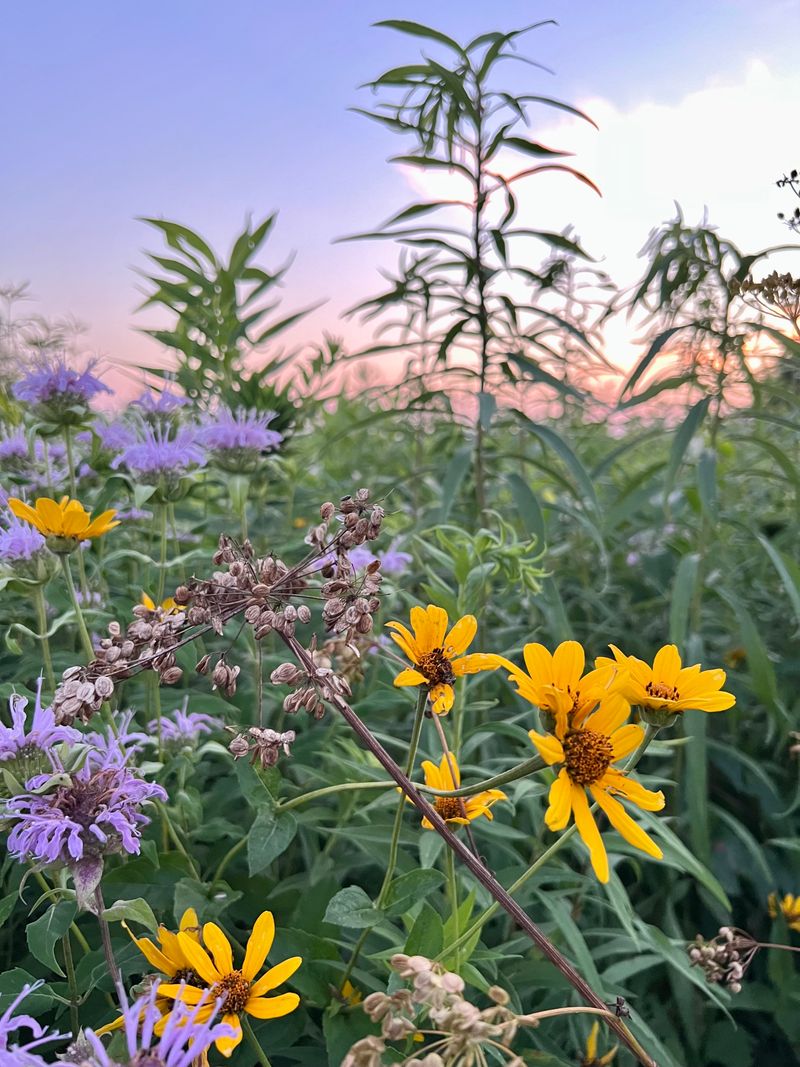
The prairie reveals different personalities throughout the year, with each season bringing distinct colors, weather patterns, and wildlife behaviors that make repeat visits worthwhile.
Spring arrives with an explosion of wildflowers that carpet the grasslands in waves of color, beginning with early bloomers in March and continuing through June.
Purple coneflowers, black-eyed Susans, and dozens of other native species create a constantly changing palette. This is also calving season for the bison herd, when those adorable cinnamon-colored youngsters make their first appearances.
Summer brings the tallgrasses to their full impressive height, with some species towering eight feet or more. The prairie takes on a lush green appearance, though the heat can be intense.
Early morning or evening visits during summer months offer the most comfortable conditions and the best light for photography. Thunderstorms build dramatically over the open landscape, creating spectacular cloud formations and occasional rainbow displays.
Autumn transforms the grasslands into a tapestry of golds, russets, and bronze tones as the grasses cure and wildflowers go to seed. The quality of light changes, taking on a warm glow that enhances the prairie’s natural beauty.
Cooler temperatures make this an ideal time for hiking, and wildlife activity increases as animals prepare for winter. Migrating birds pass through in impressive numbers.
Winter strips the prairie to its essentials, revealing the landscape’s bones and contours. The grasses bleach to pale gold, and bison grow their thick winter coats.
While some might consider this the least appealing season, winter offers its own stark beauty and the opportunity to see the prairie in its most elemental state, much as it endures year after year.
Conservation Success Story
The preserve’s existence represents decades of dedicated conservation work and vision. The Nature Conservancy began acquiring land here in 1989, recognizing the Osage Hills as one of the few remaining areas where large-scale prairie restoration might succeed.
The region’s rocky soil and hilly terrain had discouraged intensive agriculture, allowing remnant prairies to persist when flatland prairies elsewhere fell to the plow. This fortunate circumstance gave conservationists a foundation to build upon.
Restoring and maintaining tallgrass prairie requires more than simply protecting land from development. The ecosystem evolved with periodic fire, grazing by large herbivores, and other disturbances that prevented woody plants from taking over.
The preserve uses controlled burns on a rotating schedule, carefully managing these fires to mimic natural patterns while protecting nearby communities. These burns release nutrients, stimulate native plant growth, and maintain the open character that defines prairie landscapes.
Reintroducing bison completed a crucial piece of the ecological puzzle. These animals had been extirpated from Oklahoma by the late 1800s, victims of overhunting and habitat loss.
Bringing them back required careful planning, genetic management, and ongoing monitoring. Today’s herd descends from animals sourced from other conservation herds, ensuring genetic diversity.
Annual roundups allow staff to check the herd’s health, vaccinate when necessary, and remove excess animals to maintain sustainable population levels.
The preserve demonstrates that large-scale ecosystem restoration can succeed when given adequate space, time, and resources. Its success has inspired similar conservation efforts across the Great Plains, offering hope that these irreplaceable grasslands might persist for future generations to experience and study.
Photography Opportunities
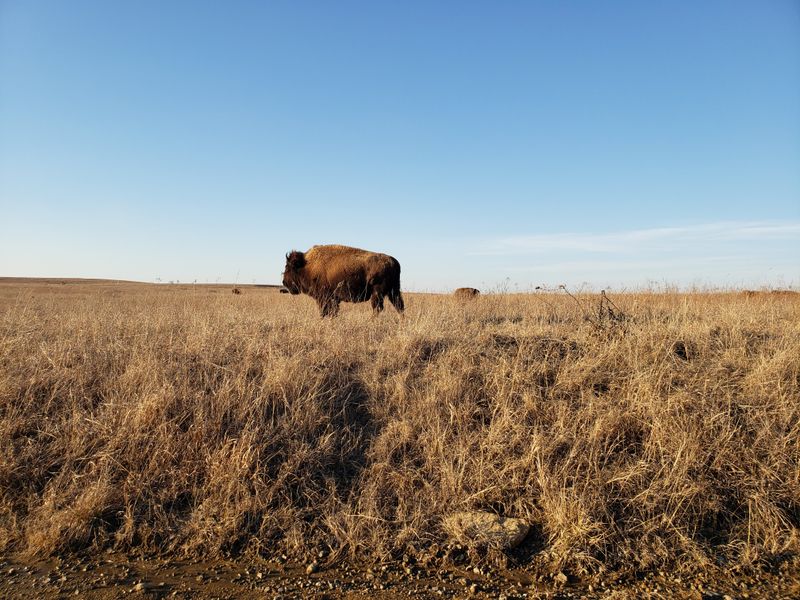
Photographers find endless inspiration in the preserve’s sweeping landscapes and wildlife encounters. The combination of dramatic topography, big skies, and photogenic subjects creates opportunities for images that capture the essence of the American prairie.
Bison make compelling subjects, whether photographed as individuals showing their massive proportions or as herds dotting the distant hillsides. The key is patience and respect, shooting from inside your vehicle with telephoto lenses rather than approaching these unpredictable wild animals.
The quality and direction of light transforms throughout the day, with golden hour providing particularly magical conditions. Morning light streams across the grasslands from the east, backlighting the tall grasses and creating a warm glow.
Evening light does the same from the west, often enhanced by dramatic cloud formations that build over the prairie. Midday light can be harsh, but it emphasizes the vast scale and endless horizons that define this landscape.
Wildflower photography rewards those who visit during peak bloom periods in spring and early summer. Getting down low to shoot at flower level provides intimate perspectives that contrast beautifully with wide landscape shots.
Macro photographers discover countless subjects among the insects, seed heads, and smaller prairie residents. Storm photography attracts those seeking dramatic weather images, though safety must always come first when lightning threatens.
The preserve’s gravel roads provide mobile shooting platforms, allowing photographers to explore different areas and respond to changing light conditions. A vehicle also offers protection from weather and serves as a blind for wildlife photography.
Bringing dust protection for camera gear is wise, as the gravel roads generate fine dust that can infiltrate equipment. The preserve’s natural beauty requires no artificial enhancement, just careful composition and timing.
Planning Your Visit
Making the most of your preserve experience starts with proper planning and realistic expectations. The preserve opens at 7 AM and closes at 7 PM daily, with these hours remaining consistent throughout the week.
Arriving earlier in the day often provides better wildlife viewing opportunities, as animals are more active during cooler morning hours. Visiting on weekdays typically means encountering fewer other visitors, though the preserve’s vast size means it rarely feels crowded even on busy weekends.
Your vehicle will get dusty, possibly very dusty, so plan accordingly. Some visitors bring towels to wipe down windows during their drive when dust accumulation affects visibility.
A full fuel tank before entering is essential, as no services exist within the preserve and the nearest gas stations are in Pawhuska, several miles away. Bringing plenty of drinking water, snacks, and sun protection ensures comfort during your visit, especially if you plan to hike any trails.
Binoculars significantly enhance the experience, allowing you to observe bison behavior and identify distant birds. A camera with a telephoto lens captures wildlife images that point-and-shoot cameras cannot match.
Checking the preserve’s website or calling ahead provides current information about road conditions, especially after periods of heavy rain. The visitor center staff can offer valuable guidance, though the preserve remains accessible even when the center is unstaffed.
The preserve charges no admission fees, making it an accessible destination for everyone. This free access reflects The Nature Conservancy’s mission to connect people with nature.
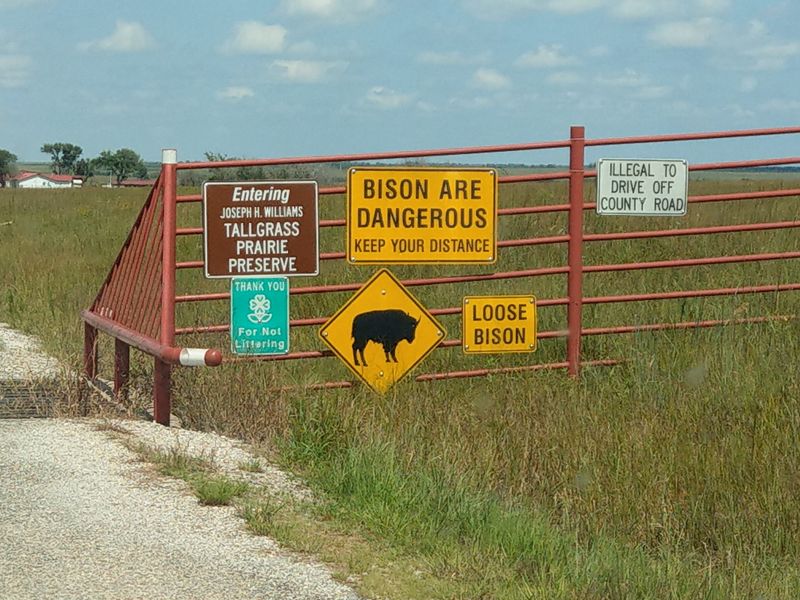
Respecting preserve rules, particularly staying in your vehicle around bison, ensures both your safety and the continuation of this remarkable opportunity to witness wild prairie ecosystems.
Connection to Osage Nation Heritage
The preserve exists within the historic Osage Nation, adding cultural significance to its ecological importance. The Osage people have deep connections to this landscape, having lived and hunted across these prairies for generations.
Understanding this cultural context enriches any visit, reminding us that conservation involves not just protecting nature but also honoring the human communities whose histories are intertwined with these lands.
The nearby town of Pawhuska serves as the capital of the Osage Nation and offers additional cultural experiences for visitors interested in learning more about Osage history and contemporary life.
The Osage Nation Museum, the oldest tribally owned museum in the United States, houses collections that tell the story of the Osage people.
Visiting both the preserve and these cultural sites provides a fuller understanding of the region’s past and present.
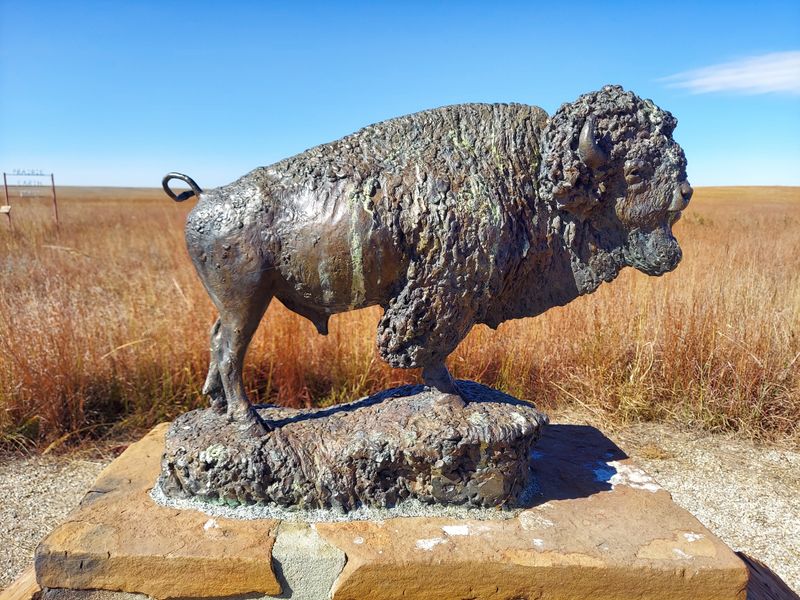
The relationship between the Osage Nation and bison runs particularly deep. These animals provided food, shelter, clothing, and spiritual significance to Plains tribes, including the Osage.
The near-extinction of bison in the late 1800s represented not just an ecological catastrophe but a cultural one as well. Seeing these animals roaming free again across Osage lands carries profound meaning beyond simple wildlife viewing.
The Nature Conservancy works to maintain respectful relationships with the Osage Nation while managing the preserve. This collaboration recognizes that effective conservation must consider both ecological and cultural perspectives.
For visitors, taking time to learn about and appreciate the Osage connection to this landscape adds depth to the experience and acknowledges the full history of these remarkable prairies.
Dear Reader: This page may contain affiliate links which may earn a commission if you click through and make a purchase. Our independent journalism is not influenced by any advertiser or commercial initiative unless it is clearly marked as sponsored content. As travel products change, please be sure to reconfirm all details and stay up to date with current events to ensure a safe and successful trip.
