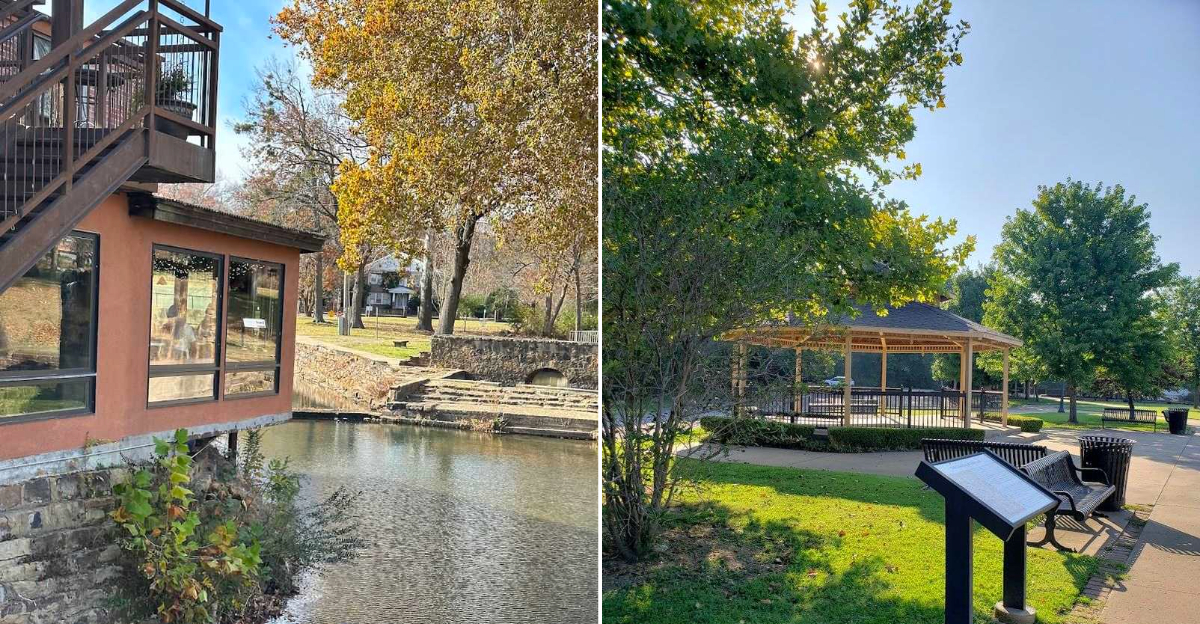
This Oklahoma river town has a downtown that feels like it belongs to another era, and the locals have kept it that way on purpose.
Red brick buildings line the streets, and the courthouse square is the kind of place where you can spend an afternoon just walking and looking .
The town sits at the base of the Ozark Mountains, which means the landscape is greener and hillier than most people expect from Oklahoma .
The river runs right through it, and the water is clear and cool enough to draw paddlers from across the state .
The shops are independent and welcoming, and the restaurants serve food that ranges from traditional Cherokee dishes to pizza that has earned a loyal following .
There is history around every corner, but the town does not feel stuck in the past, it feels alive. It is the kind of place where you plan to stay for an hour and end up spending the whole day .
Cherokee National History Museum
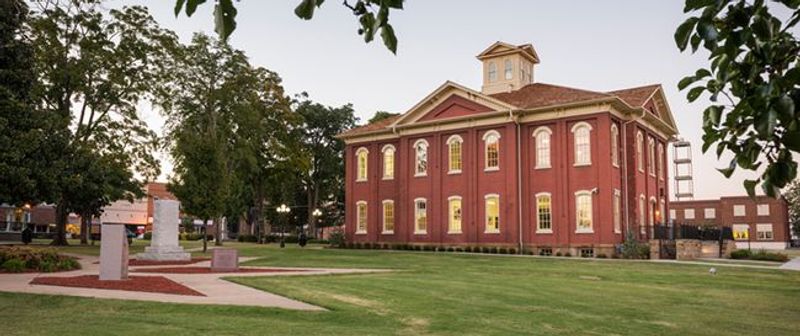
The first place I would send you is the Cherokee National History Museum, because it gives the whole town a heartbeat almost immediately. You walk in thinking you are just getting context, and then pretty quickly you realize this place is carrying a much bigger story than most downtown museums ever try to hold.
The building itself already sets the tone, since it was the original Cherokee National Capitol and still feels grounded, formal, and deeply important.
Inside, the exhibits move through Cherokee history in a way that feels clear without ever feeling cold, which I appreciated more than I expected. There is art, language, government, resilience, and everyday life woven together, so you do not leave with one narrow takeaway that flattens everything into a single theme.
It felt human the whole way through, and that matters when a place is trying to tell a living story instead of just preserving old facts behind glass.
What stayed with me most was how naturally this museum connects Tahlequah to the larger story of Oklahoma without losing the distinctly Cherokee point of view. Afterward, stepping back outside into downtown made the streets feel fuller somehow, like I had been handed the right lens.
If you start here, everything else in Tahlequah starts making more sense.
Cherokee National Supreme Court Museum
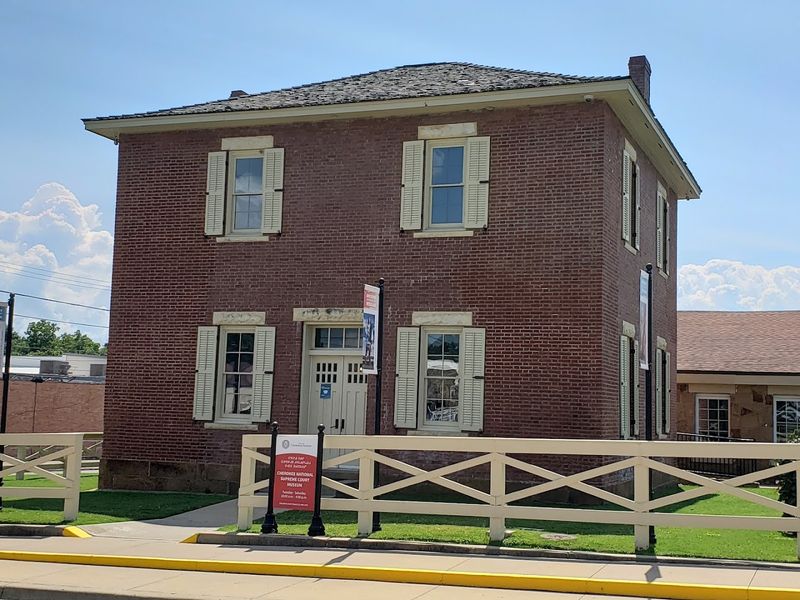
If you like the kind of place that quietly changes how you think about history, the Cherokee National Supreme Court Museum really sneaks up on you. From the outside, it has that solid, old-government look that makes you slow down before you even reach the door.
Then you get inside and realize you are standing in one of the oldest public buildings in Oklahoma, which gives the whole visit a little extra gravity.
What I found so interesting here was how clearly it shows that the Cherokee Nation built functioning institutions with real structure, real law, and real civic intention. That might sound formal, but the museum never feels stiff, because the stories keep bringing everything back to actual people and the society they were trying to shape.
There is also a printing press connected to the Cherokee Advocate story, and seeing that piece of communication history in person made the past feel surprisingly immediate.
This stop works especially well in downtown Tahlequah because it is not isolated from the life around it, and that contrast is part of the experience. You can leave the museum, look down the street, and feel how the old civic center still anchors the modern town.
Honestly, it is one of those places that makes Oklahoma feel much deeper than the usual version people picture.
Cherokee National Prison Museum
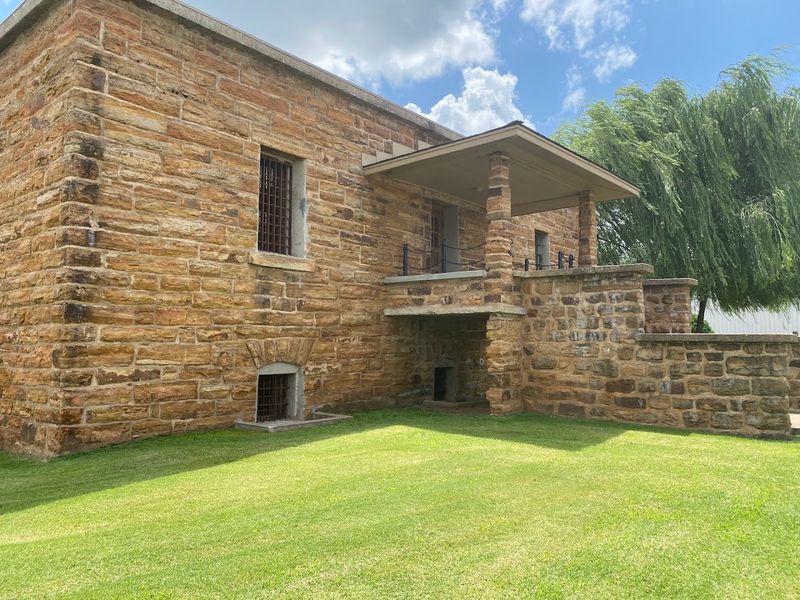
I know a prison museum might not sound like the warmest stop in town, but stay with me, because this one is worth your time. The Cherokee National Prison Museum has a heavy stillness to it that feels honest rather than theatrical, and that makes the stories land harder.
You are not there for cheap drama, you are there to understand another piece of how the Cherokee Nation governed itself in a very real way.
The stone building alone does a lot of the talking, since it carries that old institutional feeling without needing much help. Inside, the exhibits explain crime, punishment, and law in Indian Territory, but they also connect that subject back to the broader civic life of Tahlequah.
I liked that it never felt detached from the rest of downtown, because this was not some random side story, it was part of the same community framework that shaped the town.
There is something about seeing this place after the nearby museums that makes everything click together a little more clearly. You begin to understand that Tahlequah was not important by accident, and that Oklahoma history here is tied to systems, not just symbols.
It is a sobering stop, yes, but also one that gives the whole downtown a stronger sense of depth and reality.
Cherokee Cultural Pathway
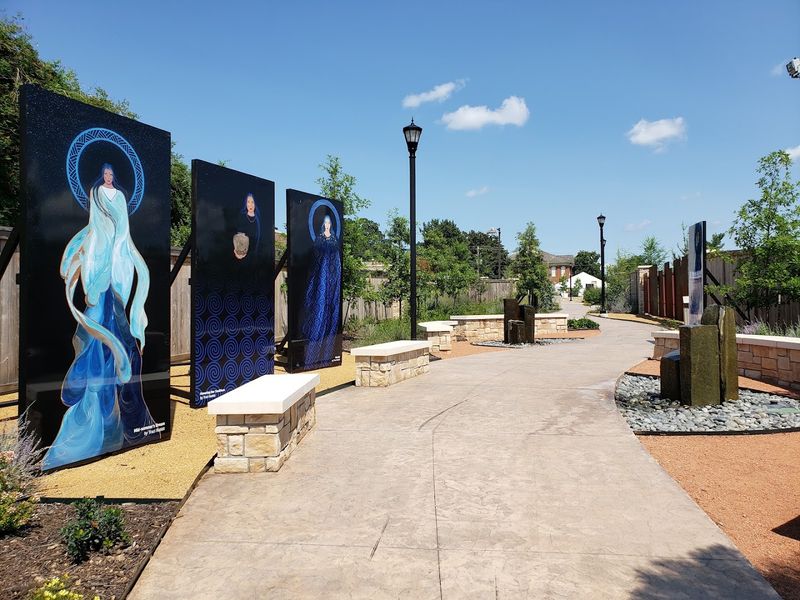
One of my favorite things in Tahlequah was not a single building at all, but the way the Cherokee Cultural Pathway ties the downtown together. It gives you a reason to walk slowly, look up, and actually notice how close history, art, and daily life sit to one another here.
Instead of treating museums like separate errands, the pathway makes the whole center of town feel like one connected conversation.
As you move along it, you start picking up details you would probably miss if you just drove from one stop to the next. The public art, the interpretive elements, and the easy rhythm between blocks make the walk feel grounded and purposeful without becoming overly polished.
I loved that it still felt like a real Oklahoma downtown first, with local life happening around you, while the cultural layer stayed present the entire time.
There is also something generous about a place that invites you to learn while simply being outside and moving through town at your own pace. You do not have to force the experience, because Tahlequah keeps meeting you halfway with one interesting thing after another.
If you are the kind of traveler who likes a town to reveal itself gradually, this pathway is probably where you will start feeling that old-fashioned downtown magic for yourself.
Tahlequah History Trail
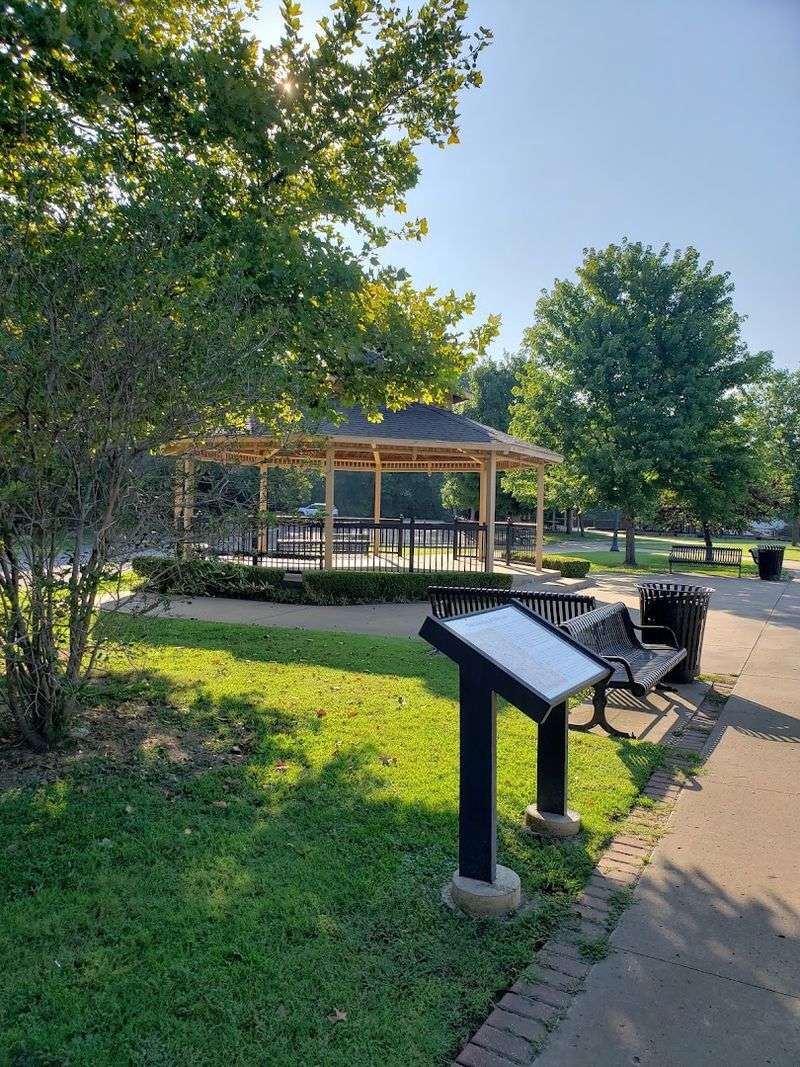
You know that satisfying feeling when a downtown actually rewards wandering instead of just looking decent from the car? That is exactly what the Tahlequah History Trail does, because it gives shape to your walk without making it feel overly organized.
You can follow the trail and still keep the day loose, which is honestly my favorite way to get to know a place.
As you move from marker to marker, the story of Tahlequah unfolds through buildings, public spaces, and details that are easy to overlook without a little nudge. I liked how the trail helps you notice the age and civic importance of the town while still letting the place feel lived in, not preserved under glass.
That balance matters, especially in Oklahoma, where so many downtowns are still trying to hold onto their old centers against the pull of newer roads and newer habits.
The best part is that the trail keeps reminding you that this town was built around actual public life, not just passing traffic. You are walking streets that still function as a center, and that changes the whole mood of the experience.
By the end, Tahlequah feels less like a collection of attractions and more like a place with memory built right into the sidewalks.
Vidalias
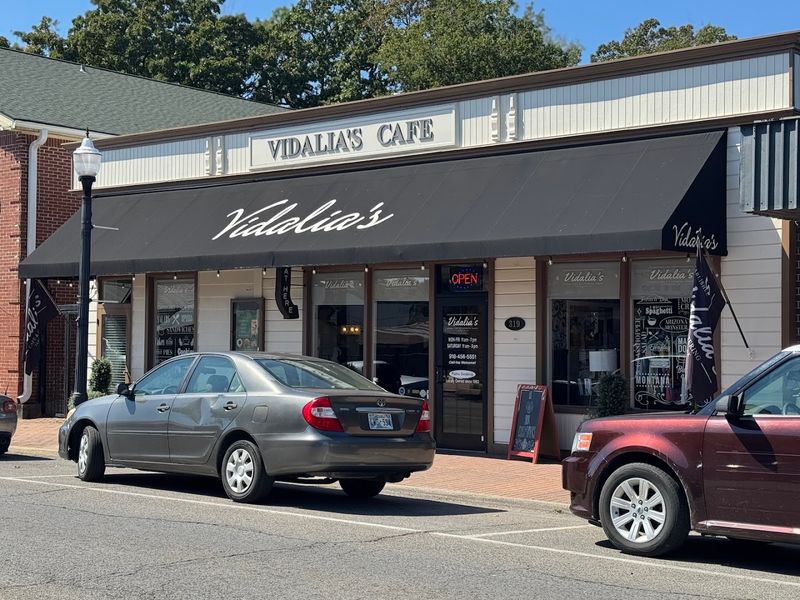
Then there is Vidalias, which has the kind of downtown restaurant energy that immediately settles you in without any fuss. You walk through the door and get that nice feeling that people actually come here because they mean to, not because it is the only thing nearby.
In a town like Tahlequah, that sort of steady local pull says a lot.
The space feels comfortable in a way that suits the whole rhythm of downtown, where the best part is often just being present long enough to notice things. I liked that it fit so naturally into the streetscape, because restaurants in old centers can either feel stitched into the town or dropped onto it, and this one clearly belongs.
There is a lived-in ease here that matches the broader mood of Oklahoma downtowns at their best, where lunch can turn into an unhurried pause instead of a quick errand.
What makes Vidalias worth mentioning in this story is not just the food, but the role it plays in keeping the center of town feeling active and human. Places like this give people a reason to walk a little farther and stay a little longer, and that matters more than you might think.
If Tahlequah feels like a downtown from another era, restaurants like Vidalias are a big reason why.
The Branch
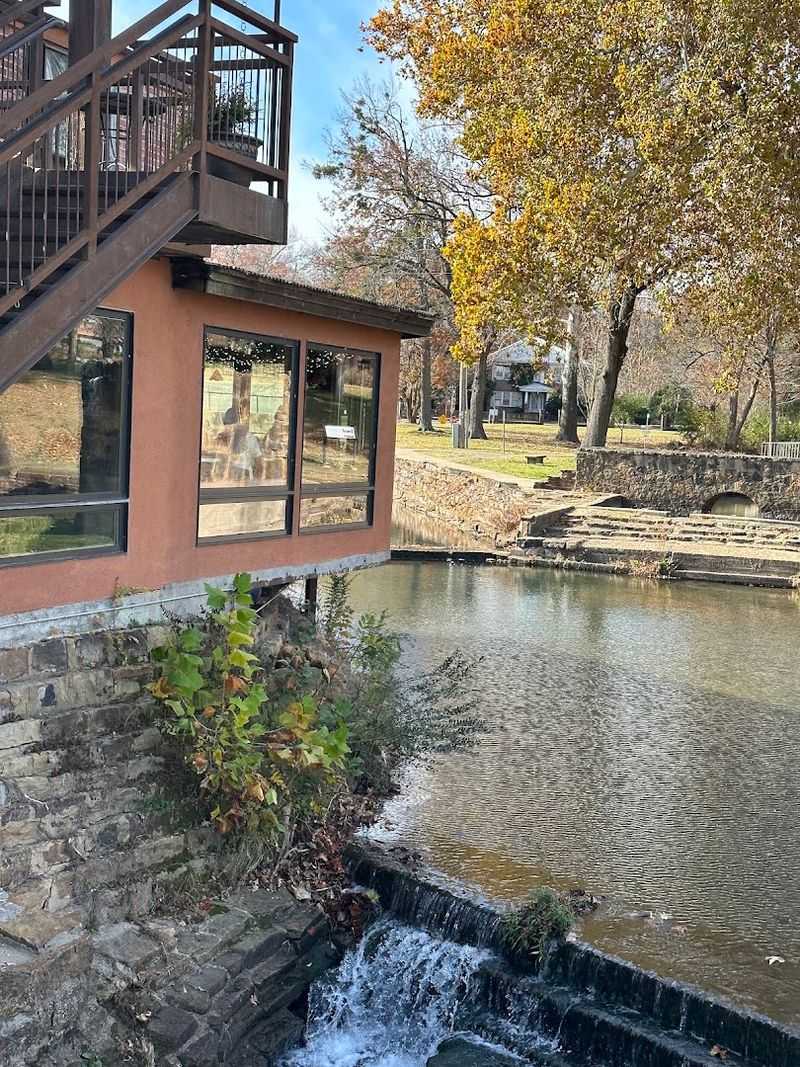
Sometimes the best way to understand a downtown is to stop trying to understand it and just sit somewhere good for a while. That is why I really liked spending time at The Branch, because it gives you a comfortable perch right in the middle of Tahlequah’s everyday rhythm.
Instead of rushing to the next museum or shop, you can just let the town come to you for a minute.
The interior is cozy without feeling cramped, and if you get a seat with a view toward Town Branch Creek, the whole afternoon starts to soften around the edges. I am always drawn to places where you can watch a town breathe a little, and this is one of those spots where the pace feels naturally slower.
In Oklahoma, where some downtowns feel like they lost their gathering places long ago, The Branch feels like proof that the old pattern still works when people care enough to keep showing up.
It is also a nice reminder that ambiance matters, especially in a place built for walking and noticing details. A town does not keep its center alive on history alone, and coffee shops like this quietly help hold the social fabric together.
If you want to feel Tahlequah rather than just check it off, this is a very good place to pause.
Illinois River
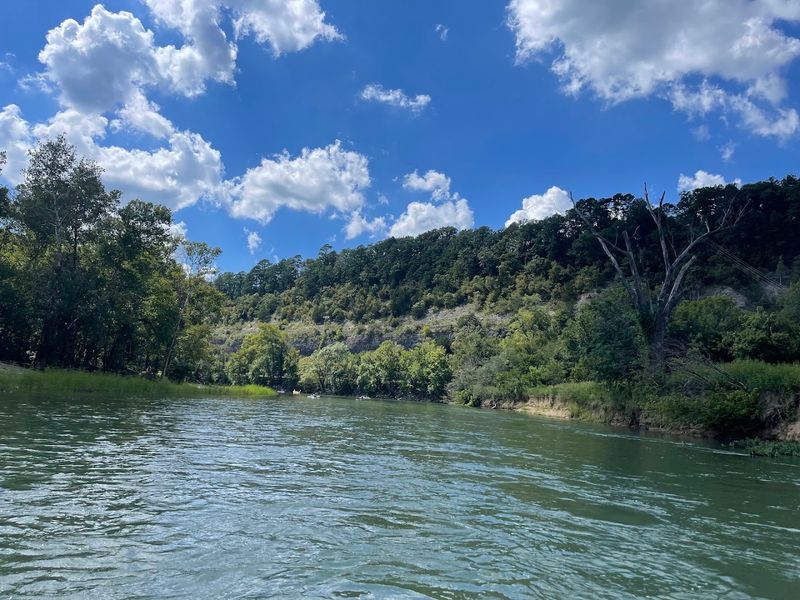
And then, when you have had your fill of sidewalks and storefronts, the Illinois River reminds you why Tahlequah feels different from a lot of inland towns. The river is not some distant backdrop you barely notice, because it shapes the whole personality of the place even when you are still downtown.
There is something about knowing water is right there that makes the town feel looser, greener, and more open.
I loved heading that direction after spending time in the historic center, because the shift from civic history to river landscape happens so naturally here. You do not feel like you are leaving the story behind, you just feel like you are seeing the other half of it.
In Oklahoma, that combination is pretty special, where a place can give you museums, old buildings, local cafes, and then almost casually send you toward a beautiful stretch of water.
The river also explains some of the friendliness and ease I felt around Tahlequah, because river towns often carry a slightly unhurried mood that sticks with people. Even if you only go to look for a while, it adds a sense of space that balances the close-knit feel of downtown.
By the end of the day, the Illinois River makes the whole town feel complete.
