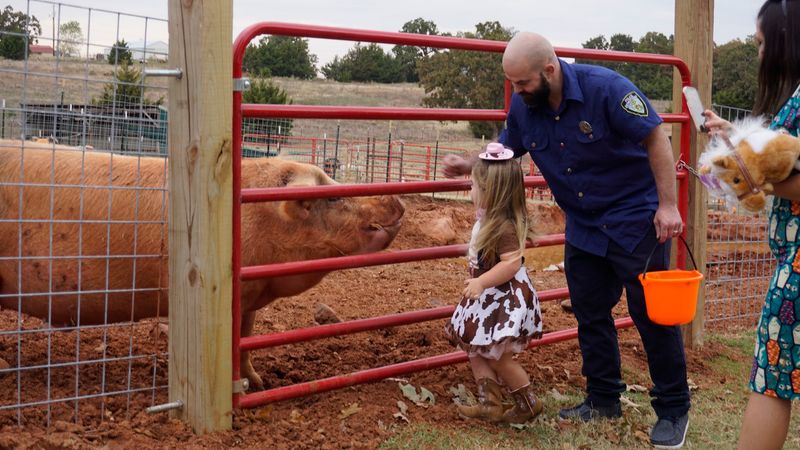
Some of the best afternoons in Oklahoma start on a gravel road you almost drove past. I expected a quiet pasture and a few friendly goats, and instead I found a place where every animal has a name, a story, and somebody who fought hard for it.
You book ahead, you show up, and suddenly a pony is leaning into your hand like you two go way back. It is the kind of stop that sticks with kids long after the car ride home.
A Country Road Address Just Northeast of Oklahoma City
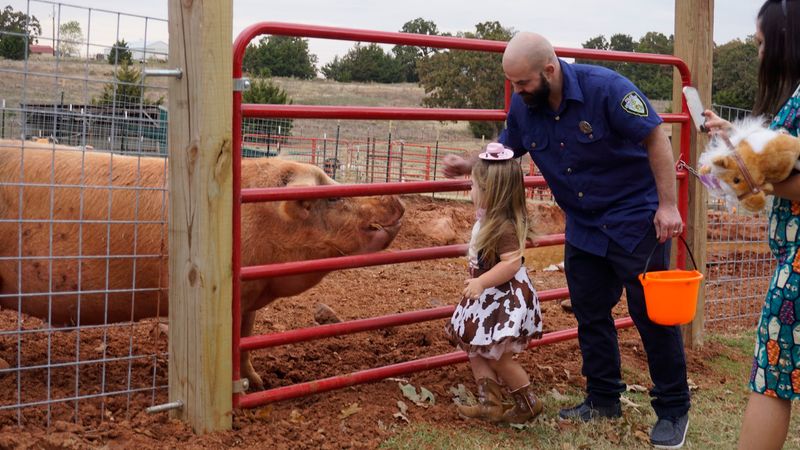
Head out past the edge of the Oklahoma City metro, where the strip malls thin out and the fence posts start doing the talking, and you land in Luther. That is where Oliver and Friends Farm Animal Sanctuary sits, at 20217 N Indian Meridian, on land that feels a world away from the interstate even though it barely takes half an hour to reach.
The sanctuary is a working farm animal rescue, not a petting zoo dressed up as one. Animals here are residents rather than attractions, many of them arriving with special needs, injuries, or histories that left them without a place to go.
What makes it unusual for visitors is the private tour setup. Instead of wandering a public midway with crowds, you schedule time and get introduced to the animals one by one, with the people who care for them doing the introducing.
For families in Edmond, Jones, Wellston, or anywhere along the Turner Turnpike corridor, it is an easy drive. Tulsa folks can make it in roughly an hour and a half, which around here counts as a perfectly reasonable Saturday plan.
How a Rescue Named After One Animal Grew Into a Whole Herd
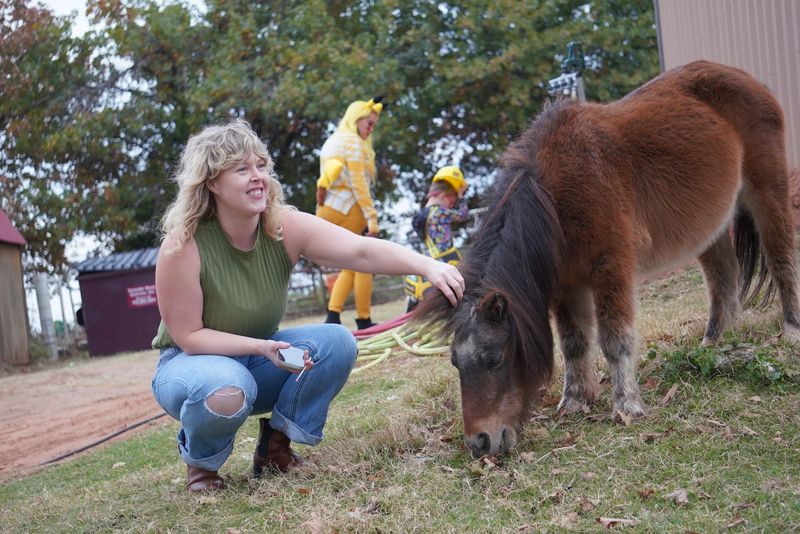
Every sanctuary starts with a single animal somebody could not walk away from, and the name on the sign here tells you exactly how that goes. Oliver and Friends grew from that impulse into a nonprofit with a barn full of residents, many of them disabled or medically fragile.
Visitors who have taken the tour often describe meeting animals they had already been following online, which makes the walk feel a bit like shaking hands with local celebrities. There is a particular thrill in recognizing a face from a video and then scratching that same face behind the ears.
The founders tend to be right there during tours, handing out backstories along with feed. Guests consistently mention how the origin stories change the whole experience, turning a pasture stroll into something closer to a series of short biographies.
Supporters have called it a nonprofit worth backing, and the sentiment shows up again and again from people who visited once and kept coming back. That kind of loyalty usually means the care behind the scenes matches the presentation out front.
Ninety Minutes That Belong Entirely to Your Group
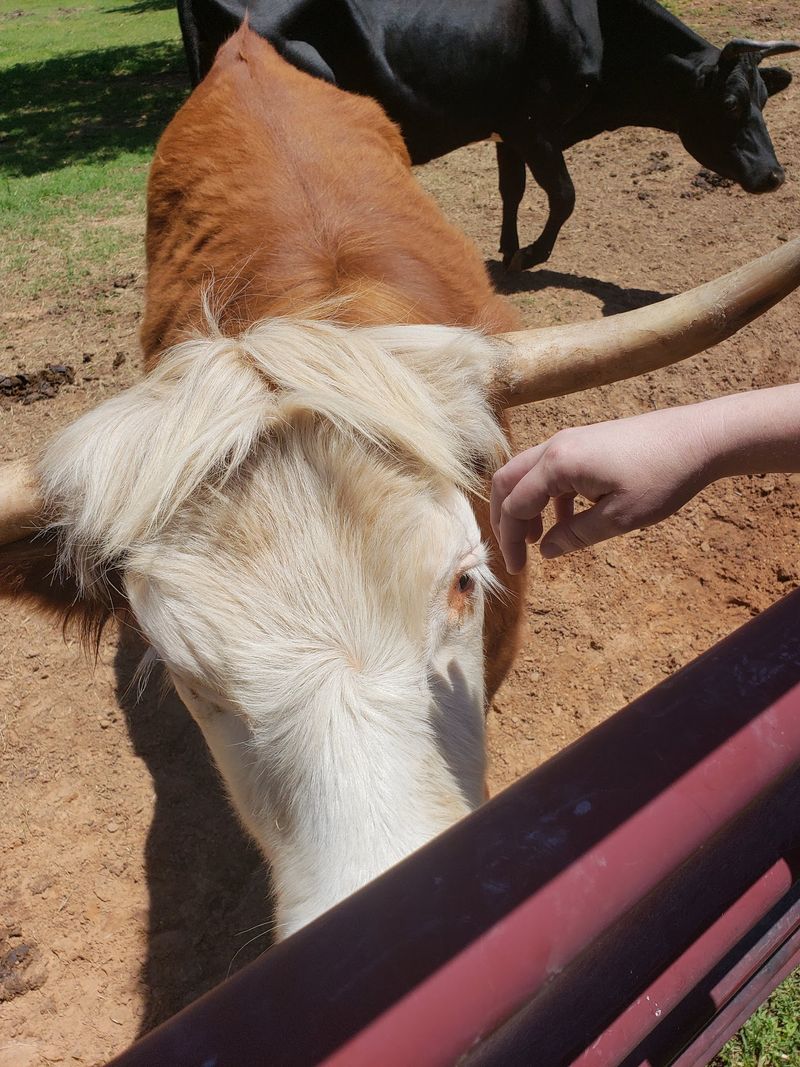
Ninety minutes sounds short until you are halfway through and realize you have not checked your phone once. The private animal experience runs about an hour and a half, scheduled by appointment, and during that window the animals and the hosts are focused on your group alone.
No jostling for position at a fence line. No waiting behind a school field trip.
The pace is conversational, which means you can ask why one goat walks differently, or how a certain calf ended up here, and actually get an answer.
That format also works beautifully for people who get overwhelmed in crowds. Grandparents with small kids, folks who need a slower pace, anyone who would rather sit on a bucket and let a chicken decide whether to approach all do fine here.
Guests have used the visit for birthdays and small celebrations, and more than one has walked away saying it beat a trip to the zoo. Hard to argue with that when the animals are coming to you instead of sleeping behind glass.
Goats With Opinions and Absolutely No Shyness
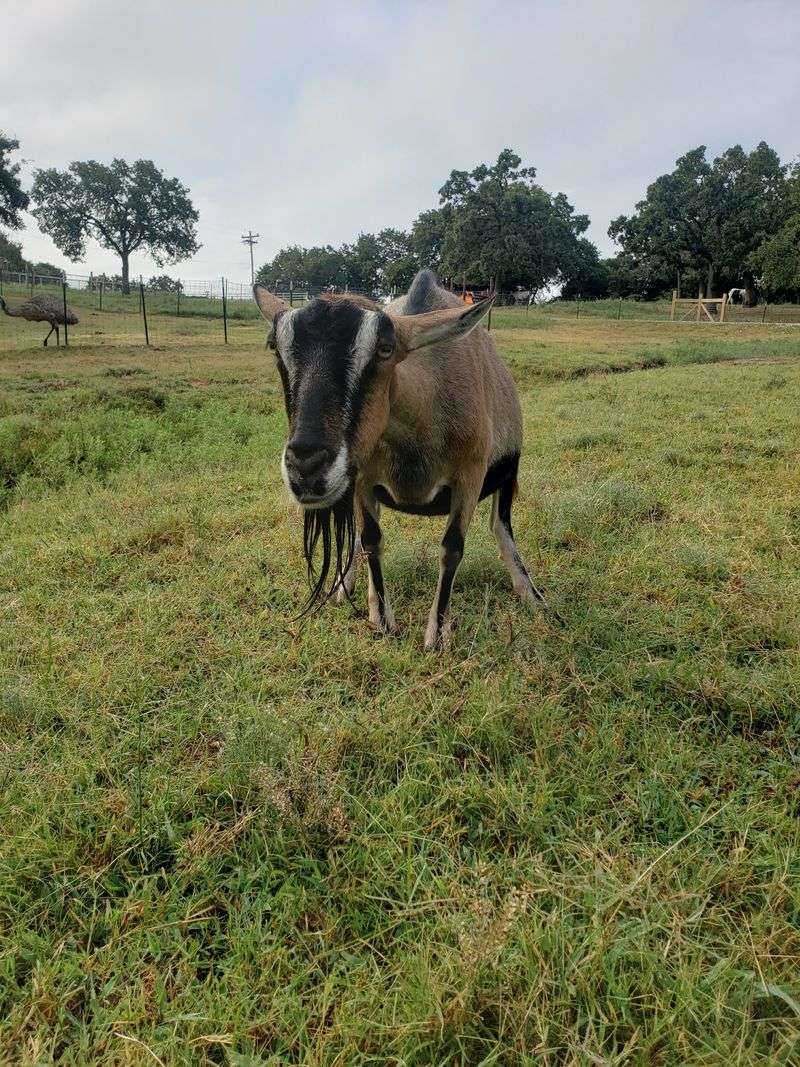
Goats run the social calendar at most farms, and this one is no exception. They arrive at the fence first, they investigate pockets, and they have strong feelings about who is holding the feed bucket.
Feeding them is part of the tour, and it is the moment most kids decide the whole drive was worth it. There is something about those rectangular pupils and that businesslike nibble that turns nervous first-timers into instant fans.
Fun bit of goat trivia for the car ride: their horizontal pupils give them a field of vision somewhere around 320 degrees, which is why one always seems to notice the snack bag before you have finished opening it.
Plenty of the goats here came in needing extra care, and the staff will gladly explain what that looks like day to day. You end up learning a surprising amount about hoof trims, special diets, and mobility supports without it ever feeling like a lecture.
Bring patience and steady hands, and they will do the rest of the work for you.
Baby Cows That Lean In Like Oversized Dogs
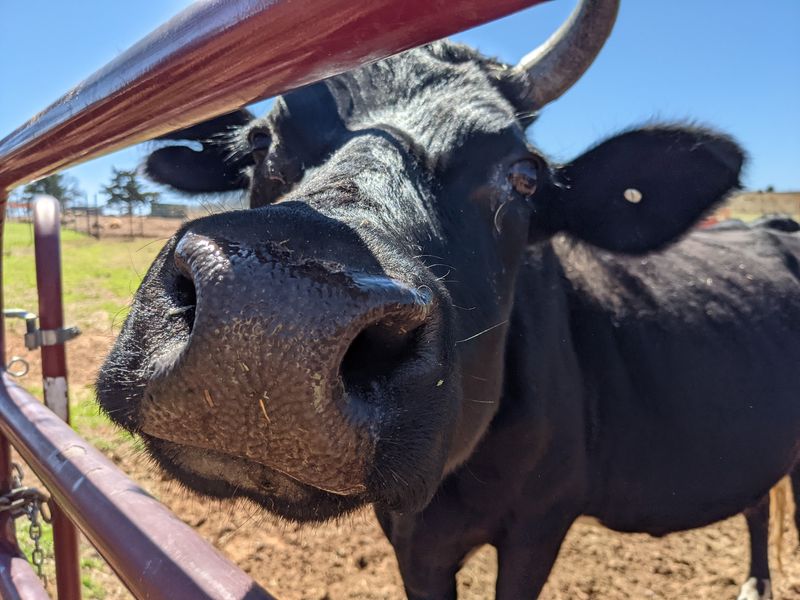
Nothing quite prepares a first-time visitor for the weight of a calf leaning against their leg. Baby cows live here too, and they have the same affectionate, slightly clumsy energy as a large puppy who has not yet figured out its own size.
They are curious about hands, sleeves, camera straps, and anything else within reach of a long pink tongue. Kids tend to squeal.
Adults tend to go quiet and then start planning their next visit.
Calves are also where the sanctuary’s mission shows most plainly. Young animals with health issues or no place to land often need months of intensive care before they thrive, and the people running the place walk you through that work honestly.
A small heads-up worth passing along: wear clothes you do not mind getting slobbered on, because you will get slobbered on. Boots or closed-toe shoes are smart too, since pastures are pastures.
Longtime supporters keep coming back specifically to see how the young ones have grown, which tells you something about how these stories tend to turn out.
Pony Time: Brushing, Walking, and a Short Ride
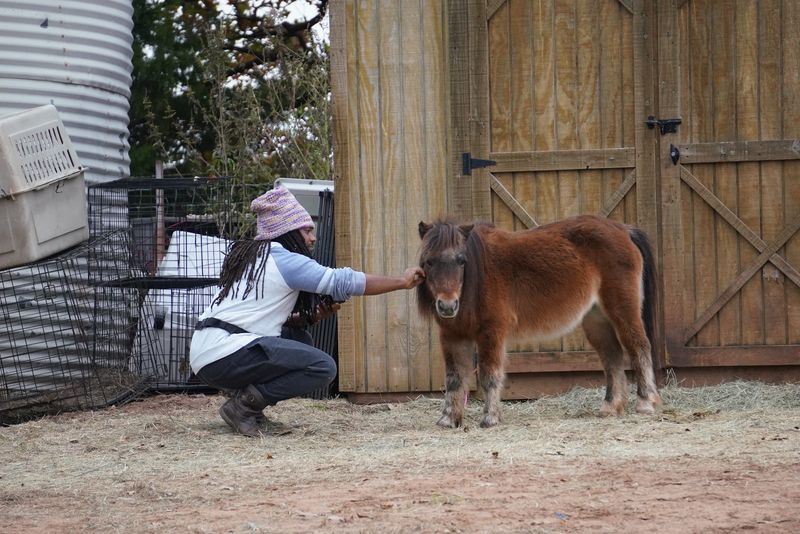
Grooming a pony turns out to be weirdly relaxing, and the tour makes room for it. Guests get to walk, brush, and even ride a pony during their visit, which is often the headline moment for younger kids.
Brushing is the underrated part. Running a curry comb along a warm shoulder while the pony shifts its weight and sighs is about as calming as an afternoon gets, and it teaches kids to read animal body language in real time.
The ride itself is gentle and supervised, meant for confidence rather than speed. If your child has never been near a horse, this is a low-pressure introduction with somebody experienced holding the lead.
Horses live on the property alongside the smaller residents, and their size makes a memorable contrast after a morning spent at goat height. Kids who arrive a little timid usually leave asking when they can come back.
Photos from this part of the tour tend to be the ones that end up framed, so have your camera ready before the brushing starts.
Egg Gathering in the Coop, a Small Thrill for City Kids
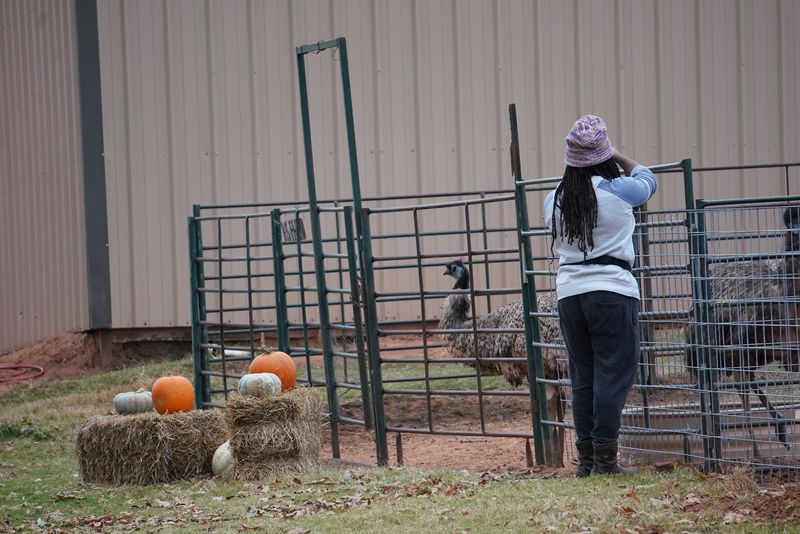
Reaching under a hen and coming up with a warm egg is a rite of passage that most kids raised on pavement never get. The tour includes a trip to the coop to retrieve eggs, and it is consistently one of the sneaky highlights.
Chickens here are as much personalities as the hoofed residents. Some follow you around, some ignore you entirely, and at least one will always be standing exactly where you want to walk.
There is a nice bit of practical education built into the moment too. Kids learn where eggs actually come from, why nesting boxes matter, and how a flock sorts itself out socially.
Worth knowing: hens generally need around 24 to 26 hours to produce a single egg, so finding one waiting for you genuinely is a small piece of luck rather than a guarantee.
Parents often report this is the part their kids describe first when they get home. Something about the combination of straw, feathers, and a warm egg in a small hand just lands.
Animals With Extra Needs, Living Their Best Days
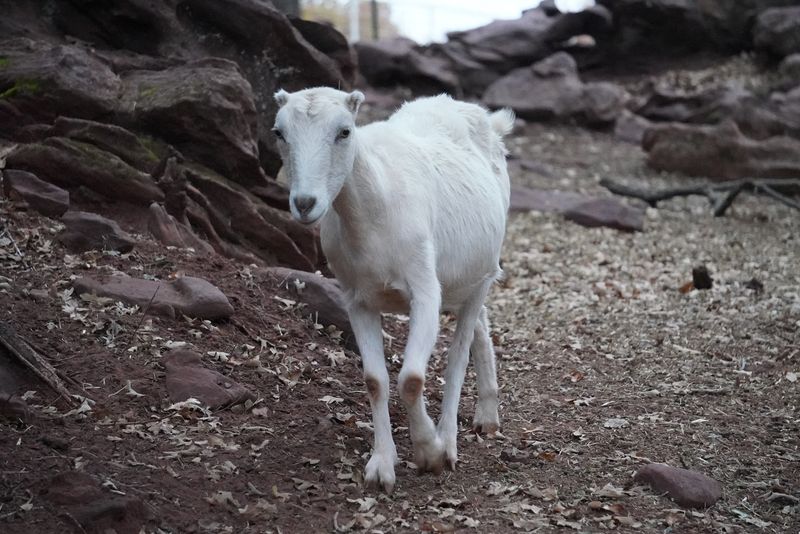
What separates this place from a standard farm visit is who lives here. Many residents are disabled or arrived with medical challenges, and the sanctuary exists so those animals get a full, comfortable life rather than an uncertain one.
Visitors regularly comment that watching these animals thrive is the emotional core of the tour. You see the wheelchairs, the braces, the modified pens, and then you see the animal using all of it to go do whatever it wants.
Care here is clearly detailed and ongoing. Guests notice how well fed, well groomed, and relaxed the residents are, which is usually the fastest way to judge any rescue operation.
Volunteers and owners both come across as deeply invested, and that shows in how the animals respond to them. Creatures that have had a rough start do not casually walk up to people unless they have learned to trust.
It reframes the whole outing. You came to pet a goat, and you leave thinking about what good care actually looks like when somebody commits to it fully.
The Price Breakdown: $45 to Start, Add-Ons Kept Small
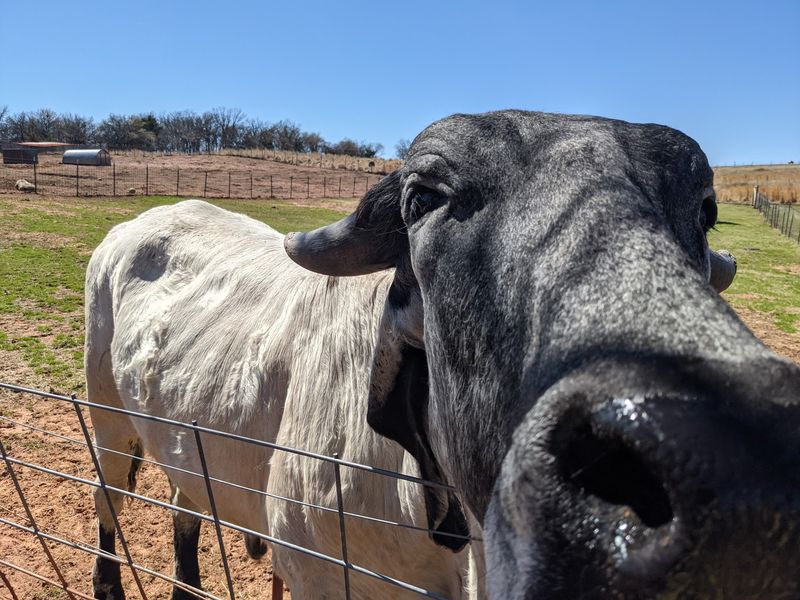
Cost is where a lot of family outings fall apart, so here it is plainly. The private animal experience runs $45 for the first two guests, with additional adults at $25 each and additional children at $15 each.
Run the math for a family of four with two kids and you land around $75 for ninety minutes of hands-on time. Compared with a day of admission tickets, parking, and concessions somewhere bigger, that is a comfortable number.
Because it is a nonprofit sanctuary, your booking fee is going toward feed, medical care, and the daily upkeep of animals who need more than the average farm resident.
Prices and availability can shift, so confirm current rates when you reach out to schedule rather than assuming these numbers hold forever.
Some visitors have also arranged donations of produce like pumpkins for the animals, which the sanctuary has welcomed in the past. If you have a garden surplus in the fall, it may be worth asking whether they can use it.
Booking by Appointment Only, So Plan Ahead
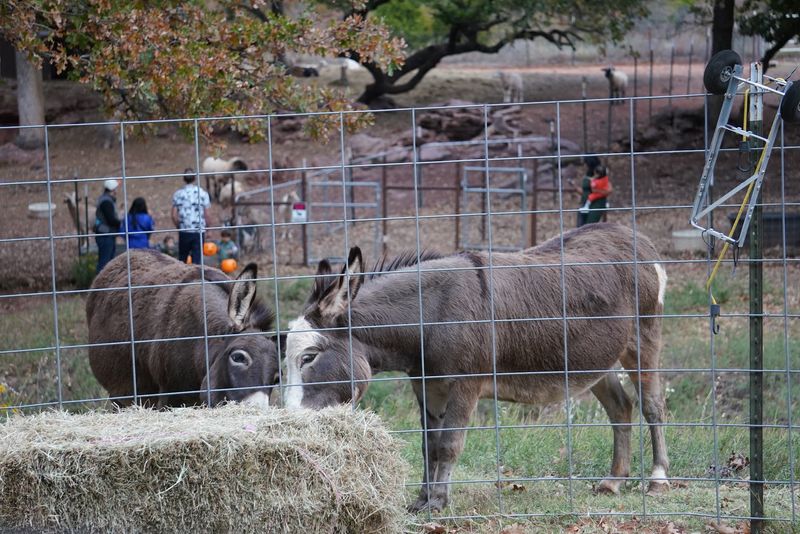
Showing up unannounced will not work here, and that is by design. Private animal experiences are available strictly by appointment, which is exactly what keeps the visit calm for both the animals and your group.
Reach out through the sanctuary’s website at oliverandfriends.org to arrange a time. Weekends and pleasant-weather months tend to fill faster, so a little lead time helps, especially if you are tying the visit to a birthday.
Give them a heads-up about your group size when you book, since pricing scales by adults and children and they will want to plan the pace accordingly.
If anyone in your party has mobility needs or a nervous kid who needs extra warm-up time, mention it. Small operations like this one are usually far more flexible than large attractions, but only if they know in advance.
The sanctuary is licensed and insured, which is a reassuring detail for parents weighing whether hands-on animal contact is a good idea for their crew.
Weather, Footwear, and Other Oklahoma Realities
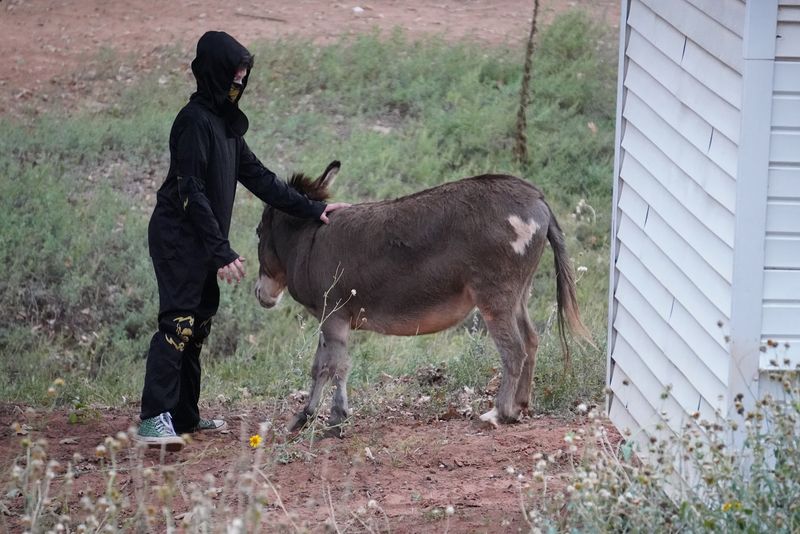
Oklahoma weather has opinions, and a farm visit puts you right in the middle of them. Spring storms, July heat that sits on you like a blanket, and that relentless prairie wind all factor into picking a date.
Mild stretches in April, May, October, and early November tend to be the sweet spot. Morning slots generally beat afternoons in summer, both for your comfort and the animals’.
Dress for dirt. Closed-toe shoes or boots, clothes you would wear to mow, and a hat make the experience far better than sandals and something you like.
Sunscreen and water bottles are smart, since much of the time is spent outdoors with limited shade. In cooler months, layers work best because pastures catch wind that a parking lot never will.
Storm season is worth watching too. If the forecast turns ugly, contact the sanctuary rather than gambling on the drive, since outdoor animal time and lightning do not mix.
Plan around the sky and the rest tends to take care of itself.
Bring the Camera, Because You Will Fill It
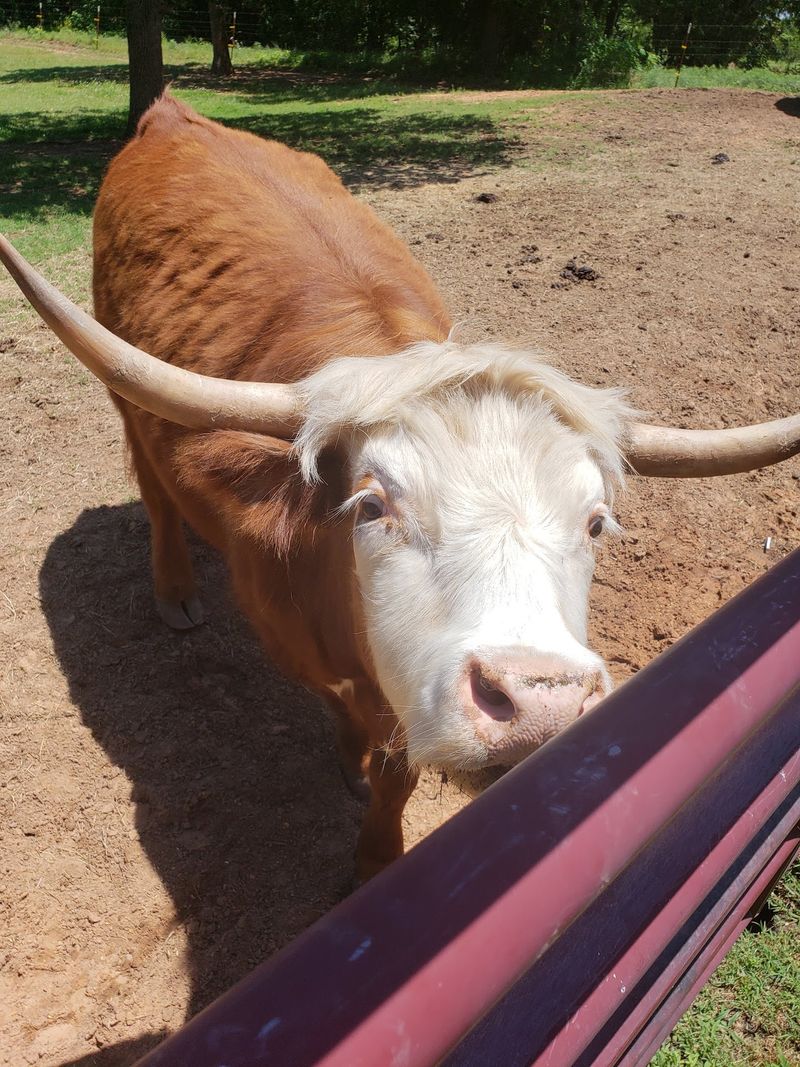
Photographers, this one is for you. The sanctuary specifically encourages guests to bring cameras, and the ninety-minute private window means you are not fighting a crowd for a clean shot.
Golden hour on open pasture does most of the work. Low sun through the fence line, dust catching light, a calf silhouetted against a barn wall – it is almost unfair how easy the good shots come.
Kid-and-animal moments are the real prize, though. A child’s face the instant a goat accepts food from their palm is not something you can stage, and you will want it saved.
Practical tip: keep the strap short and secured. Goats and calves are genuinely interested in dangling straps, lens caps, and anything that swings.
Families have used the tour for birthday photo sessions and holiday visits, including fall trips with grandkids that turned into their favorite pictures of the year.
If you only remember one thing from this list, make it charging your battery the night before.
Who This Trip Suits Best
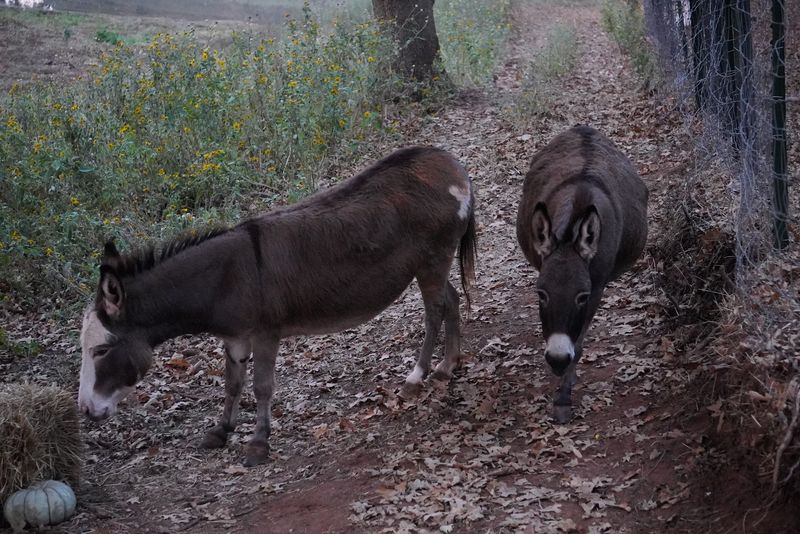
Animal people, obviously. But the list is wider than that, and it helps to know where you fall before booking.
Grandparents traveling with grandkids do exceptionally well here. The pace is unhurried, the walking is manageable, and the payoff is a shared memory rather than a gift shop receipt.
Homeschool families and curious kids get a genuine education out of it, learning about rescue work, animal care, and responsibility in a way no worksheet delivers. Teens who claim to be too cool for farm trips generally cave within ten minutes of meeting a calf.
Small birthday groups have used the private tour as the whole party, which sidesteps the noisy indoor playplace problem entirely.
People looking for a nonprofit to support locally often visit once and become regular backers afterward, which says plenty about how the operation runs.
If your crowd needs rides, souvenirs, and constant stimulation, this may feel slow. If they like meeting animals and hearing real stories, it will land perfectly.
Worth the Drive, and Then Some
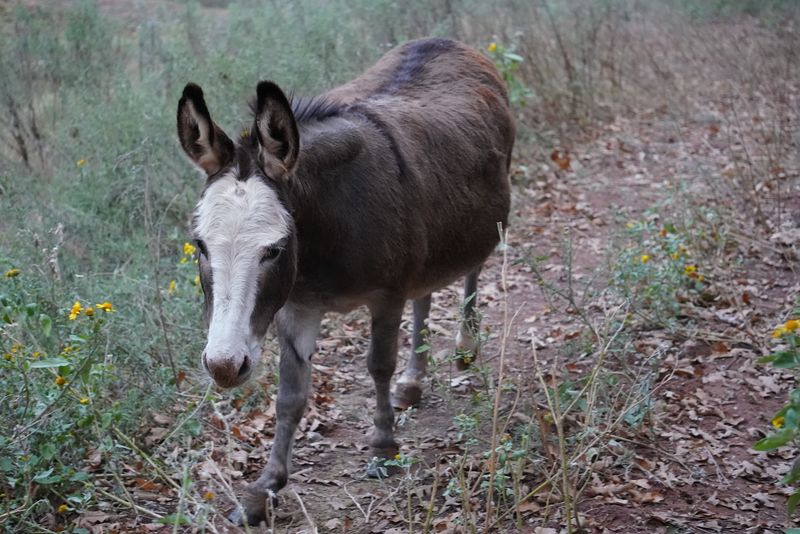
Drive home from Luther and something shifts. You spent ninety minutes outdoors with animals who were given a second chance, and the whole thing cost less than dinner out for a family of four.
What lingers is not the feeding or the pony ride, though both are great. It is the stories, told by people who know each animal by name and remember exactly how it arrived.
Guests describe it as better than a zoo, and the reasoning holds up. Nothing is behind glass, nobody is rushing you along, and the animals seem genuinely glad you came.
For OKC residents it is a short hop. For Tulsa families it is an easy half-day round trip with room for a small-town stop on the way back.
Book ahead, dress for the pasture, bring a camera and a little patience. Oliver and Friends Farm Animal Sanctuary is the kind of Oklahoma stop you end up recommending to people you barely know, simply because it deserves the traffic.
