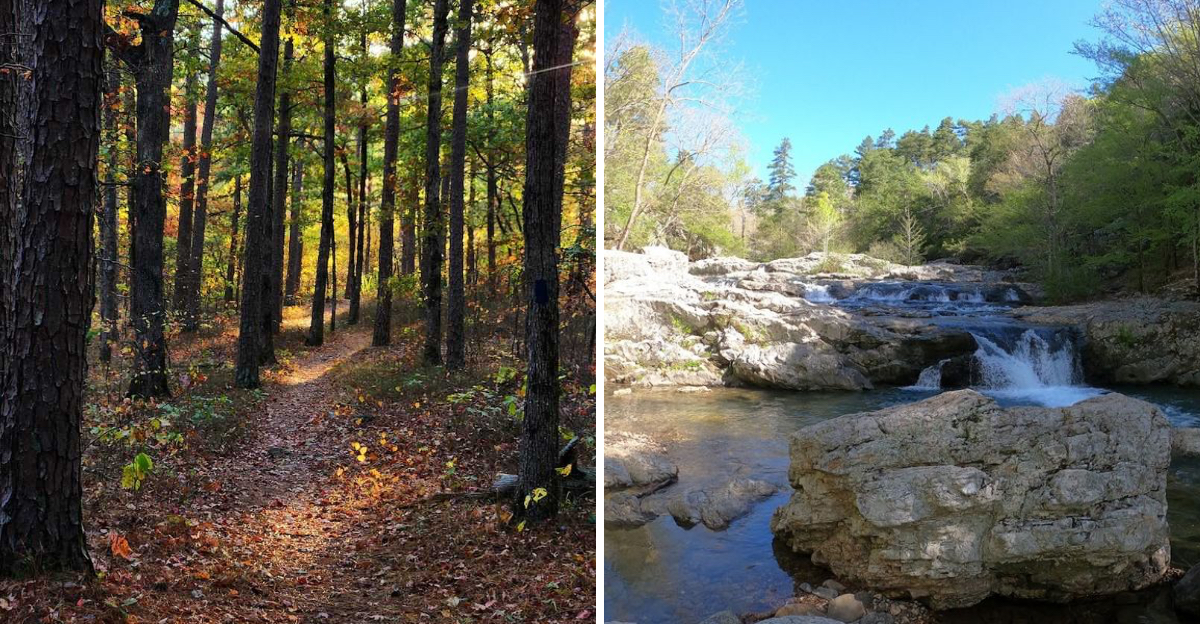
There are hikes you forget about a week later, and then there are the ones that stick to your memory like pine sap on your boots. This is one of the latter.
Somewhere in the forested mountains of southeastern Oklahoma, a trail winds its way past whispering streams, through cathedral-like stands of pine and oak, and eventually opens up to a glittering highland lake so calm it looks like someone laid a mirror between the ridges.
The Cedar Lake Trail area inside Ouachita National Forest is the kind of place that makes you wonder why you ever wasted a weekend on anything else.
Pack your daypack, lace up your boots, and get ready for a hike that earns every single step.
The First Steps Into the Forest Feel Like Entering Another World
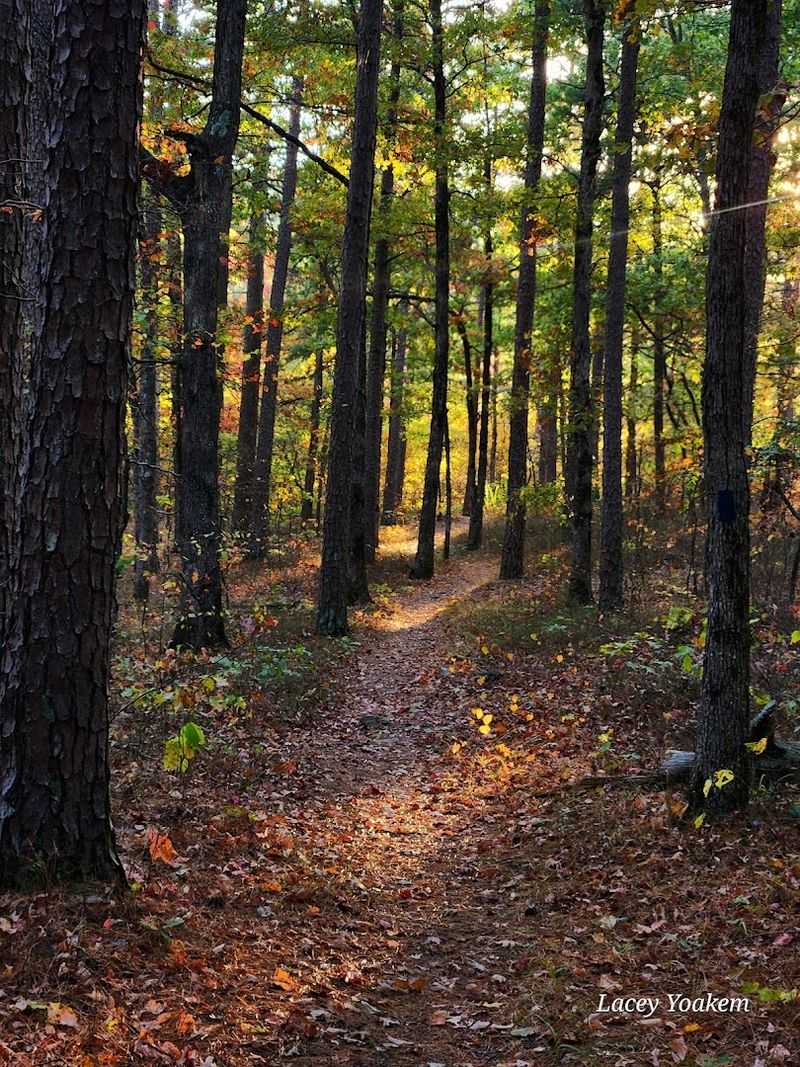
Before you even hit the first quarter mile, the forest has already started doing its thing. The air shifts almost immediately, dropping a few degrees cooler and filling your lungs with that unmistakable mix of pine resin, damp earth, and something green and alive you can’t quite name.
The Cedar Lake Trail area sits within Ouachita National Forest, one of the oldest and largest national forests in the South. It spans across southeastern Oklahoma and into Arkansas, covering nearly 1.8 million acres of rugged, mountainous terrain.
The trailhead is well-marked, and the path itself is maintained well enough that you won’t be bushwhacking through bramble every five steps.
What strikes you first is the silence. Not dead silence, but the kind layered with birdsong, the rustle of squirrels in the canopy, and the occasional creak of an old tree settling.
It’s the kind of quiet that cities spend millions of dollars trying to fake with white noise machines. Out here, it’s just Tuesday.
The forest floor is carpeted with fallen needles and leaves that soften every footfall, making the walk feel almost meditative. Go slow on these first steps.
Let your eyes adjust to the dappled light. The trail rewards the unhurried traveler more than anyone racing to the finish.
Small Streams Cross Your Path and Demand Your Full Attention
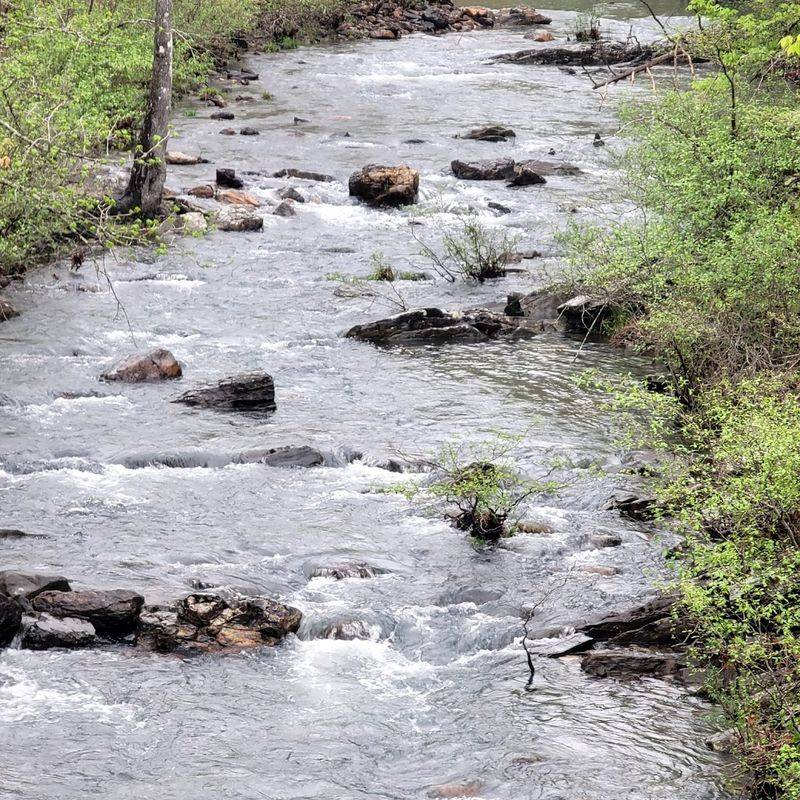
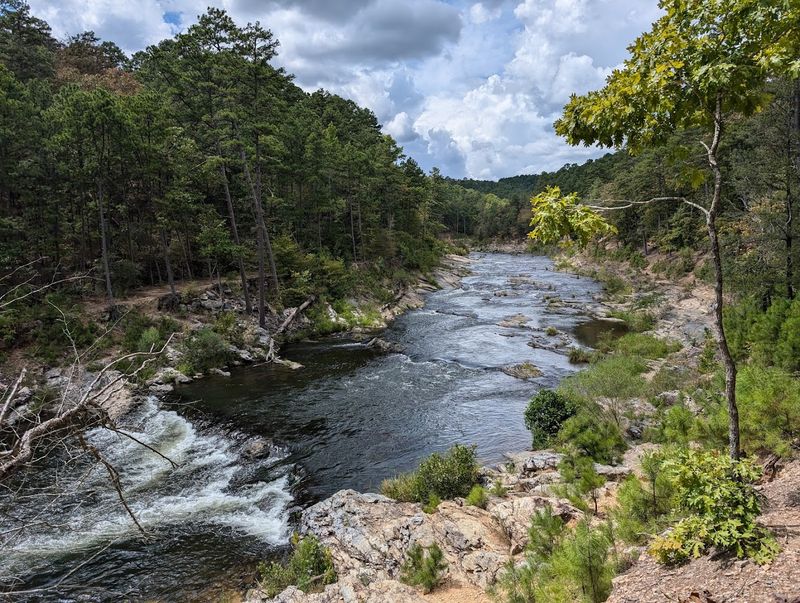
You’ll hear them before you see them. A soft, persistent murmur threading through the trees, growing louder until you round a bend and there it is: a small, crystal-clear stream cutting across the trail like it owns the place.
And honestly, it kind of does.
The Horsethief Springs Trail, which begins at Cedar Lake and connects with the broader Ouachita National Recreation Trail, crosses multiple streams along its 11.2-mile loop.
These aren’t dramatic river crossings requiring ropes and bravery, but they’re real enough to soak your boots if you misjudge a stepping stone.
Pack gaiters or be prepared to hop like a kid playing the floor-is-lava.
These streams are genuinely beautiful in the way that only moving water can be. Watch how the light catches the surface.
Notice how the rocks underneath are worn smooth by years of current. If you crouch down close, you might spot small fish darting between the stones, living their unbothered little lives.
After rain, the streams run fuller and faster, adding a bit of drama to the crossing. In drier months, some narrow to barely a trickle, but they’re almost always present.
They break up the rhythm of the hike in the best possible way, giving you a natural excuse to pause, breathe, and just be somewhere beautiful for a moment.
Hidden Waterfall Moments Reward the Hikers Who Wander Off the Main Loop
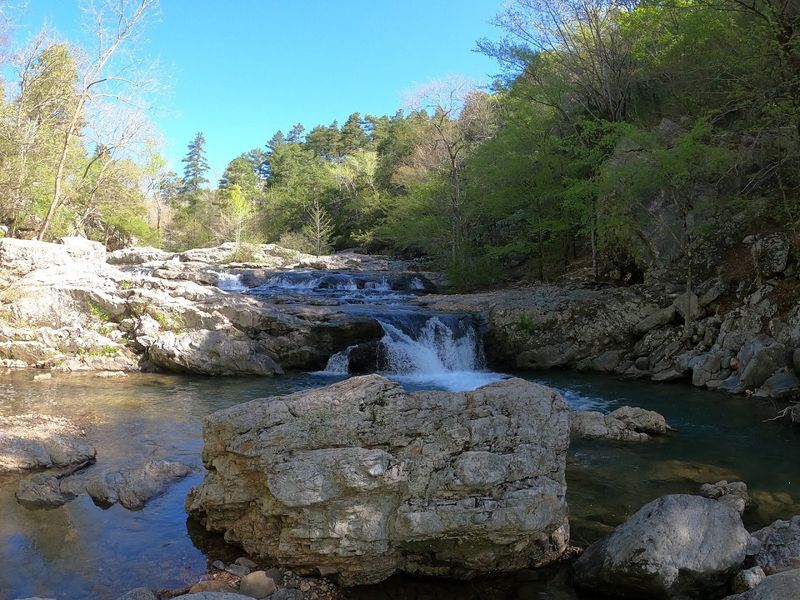
Let’s be clear about something: the Cedar Lake loop itself is a lakeside trail, not a waterfall trail. But the broader trail network in this area, especially along the Horsethief Springs route, leads you through terrain where water finds its own dramatic way downhill.
After heavy rainfall, small cascades form along the rocky hillsides and ravines, temporary but stunning. They spill over lichen-covered ledges and drop into mossy pools below with a sound like applause.
These aren’t listed on any map, and they don’t have names, which somehow makes stumbling onto one feel like a private discovery.
For a more reliable waterfall experience, the broader Ouachita National Forest region has you covered. The forest stretches into Arkansas, where spots like Little Missouri Falls offer a genuinely impressive cascade accessible via a paved observation trail.
Planning a two-day trip that combines the Cedar Lake area with a drive into the Arkansas portion of the forest turns a good hike into an exceptional adventure.
The lesson here is simple: don’t rush. Wander a little.
Take the spur trail you weren’t planning to take. The forest in this part of Oklahoma and Arkansas is generous with its surprises, but only to the people willing to slow down long enough to notice them.
Bring a camera with a good wet-weather lens, just in case.
The Pine and Oak Forest Canopy Puts on a Show Every Single Season
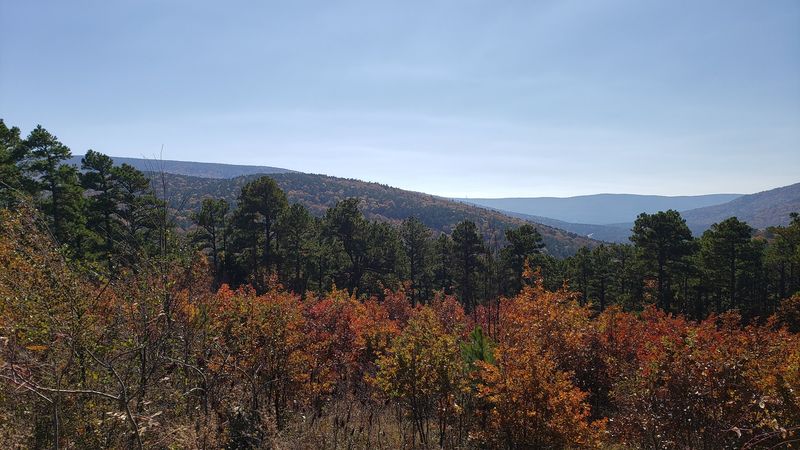
Deciding when to visit this part of the forest is genuinely tricky because every season makes a compelling argument for itself. Spring brings an explosion of green so vivid it almost looks fake, with ferns unfurling along the trail edges and wildflowers dotting the understory in yellows and purples.
Summer is lush but humid, the kind of warm that reminds you this is still the South. The canopy closes in overhead, providing shade that makes midday hiking bearable, though early morning starts are always the smarter move.
Birdlife peaks in summer, and the forest fills with sounds that make even experienced birders stop mid-stride.
Fall is when the forest really shows off. The oaks turn amber and rust while the pines stay green, creating a patchwork of color that photographers plan entire trips around.
Early winter has its own stripped-down beauty, with bare branches opening up long views across the ridgelines that you simply can’t get when everything is leafed out.
The trail is open year-round, which means there’s no wrong time to go, only different versions of right. Locals tend to favor late fall and early spring for the mild temperatures and manageable crowds.
Whatever month you pick, the forest will be doing something worth seeing. The Ouachita Mountains are one of the warmest forested mountain ranges in the country, making shoulder-season hiking particularly enjoyable.
Cedar Lake Appears Suddenly and the View Stops You Cold
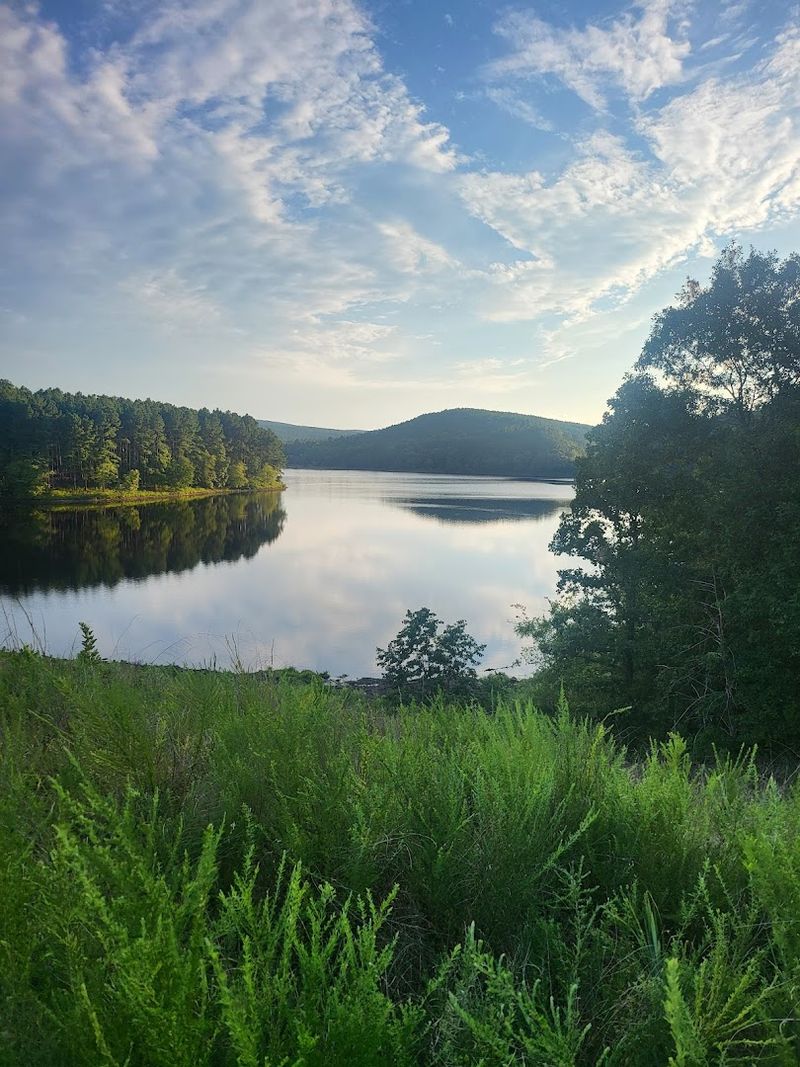
Nothing quite prepares you for the moment Cedar Lake comes into view. You’ve been walking through forest for a while, eyes adjusting to the rhythm of trees and trail, and then the trees part and there it is: a calm, glittering lake sitting in a highland bowl like it was placed there by someone with very good taste.
The 2.9-mile loop trail circles the lake, giving you changing perspectives of the water at every turn. Some sections bring you right to the shoreline, where the water is so still in the early morning that the pine-covered hills reflect perfectly on the surface.
It’s the kind of scene that makes people stop walking just to stare.
Cedar Lake sits at an elevation that gives it a highland feel, cooler and crisper than the lower valleys, with clean air and long views across the water to the forested ridges beyond. The lake is popular with both hikers and equestrians, so don’t be surprised if you share a stretch of trail with a horse and its very unbothered rider.
Fishing is allowed in the lake, and birdwatching along the shoreline is exceptional. Bald eagles have been spotted in this area, along with a wide variety of songbirds and waterfowl.
Bring binoculars and give yourself more time than you think you’ll need, because Cedar Lake has a way of making schedules irrelevant.
Wildlife Encounters Are Common and Completely Unscripted
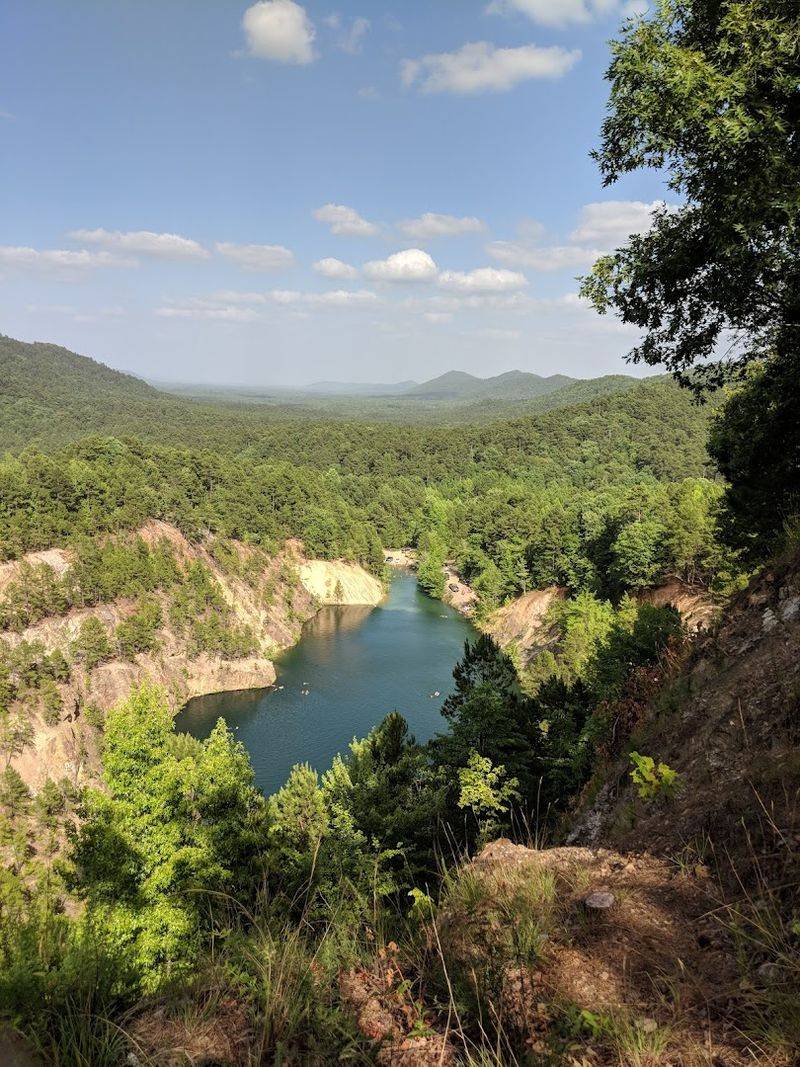
One moment you’re just walking, thinking about lunch or whether you remembered to bring enough water, and then a deer steps onto the trail twenty feet ahead of you and stares directly into your soul. This happens here.
Regularly.
Ouachita National Forest is home to a remarkably diverse collection of wildlife, including white-tailed deer, wild turkey, red foxes, black bears, and a long list of bird species.
The forest’s size and relative remoteness give animals plenty of room to live their lives, which means your chances of a real, unplanned wildlife encounter are high.
Snakes are part of the deal too. Rattlesnakes have been spotted on trails, particularly in spring and summer.
This isn’t a reason to skip the hike; it’s a reason to watch where you step and where you put your hands when scrambling over rocks. Stay on the trail, make a little noise as you walk, and you’ll almost certainly be fine.
Birdwatchers find this forest particularly rewarding. The mix of pine, oak, and riparian habitats supports an impressive variety of species, and the early morning hours before the trail gets busy are the best time to spot them.
Even if you’re not a dedicated birder, the soundtrack alone, all those overlapping calls and songs, is worth the early alarm. Pack patience alongside your snacks.
The Horsethief Springs Trail Adds Miles and Mountains for Serious Hikers
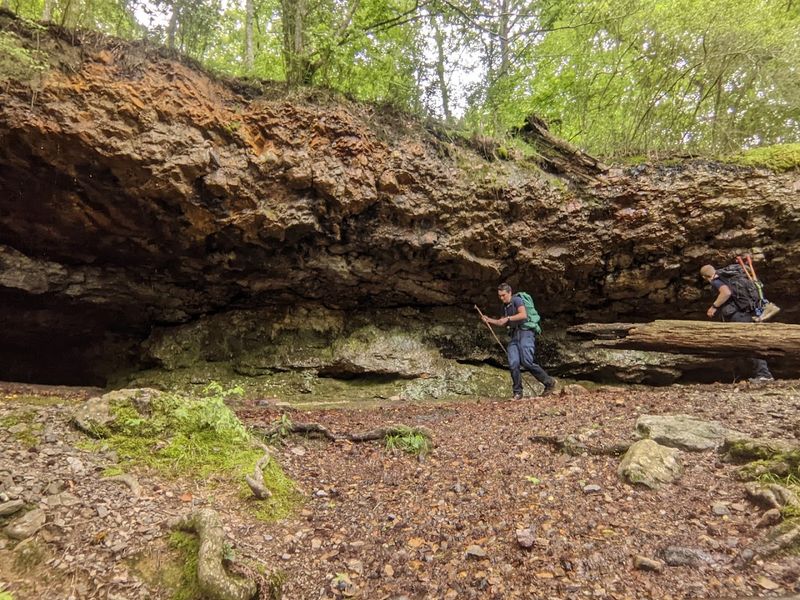
If the 2.9-mile Cedar Lake loop leaves you wanting more, the Horsethief Springs Trail is ready to humble you in the best possible way.
This 11.2-mile loop begins at Cedar Lake and connects with the Ouachita National Recreation Trail, taking you deeper into the forested mountains than most day hikers ever venture.
The terrain gets more demanding as the trail climbs. Rocky ridgelines, steep descents, and multiple stream crossings keep your legs and your attention fully engaged.
This is not a trail for flip-flops or anyone who forgot to eat breakfast. Proper footwear, a full water supply, and a trail map are non-negotiable on this one.
What you get in return for the effort is extraordinary. The deeper sections of the trail feel genuinely remote, with long stretches where you might not see another person for an hour or more.
The forest here is older, denser, and more atmospheric, with massive trees and a sense of depth that the shorter loop simply can’t match.
The trail, which this route connects to, is one of the longest trails in the region, stretching about 192 miles across the Ouachita National Forest, with additional miles extending east beyond the forest boundary. Completing even a small section of it feels like a meaningful accomplishment.
Plan this hike for a cooler day, start early, and bring a friend. The mountains here are beautiful, but they’re best enjoyed with backup.
Practical Tips Make the Difference Between a Great Day and a Rough One
Here’s the honest version of what you need to know before you go, because nobody wants to find out the hard way that they should have brought more water or a better map.
The Cedar Lake area is located in the Ouachita National Forest in southeastern Oklahoma, near the town of Heavener. Current trail conditions, maps, and seasonal notices are available through the USDA Forest Service before you head out.
Bring more water than you think you need. The humidity in this part of Oklahoma is real, and the trails are more physically demanding than they might look on paper.
A hydration pack beats a single bottle every time. Sunscreen matters even under tree cover, and insect repellent is essential from spring through early fall.
Trail signage is generally good on the main Cedar Lake loop, but it can get sparse on the longer routes. Download an offline map or bring a printed one, because cell service in the forest is inconsistent at best.
Arrive early on weekends, especially in spring and fall, when the trails are most popular. Parking fills up faster than you’d expect at a place this beautiful.
Dogs are welcome on leash, the trails are open year-round, and there are camping facilities nearby for anyone who wants to turn a day hike into an overnight stay.
Dear Reader: This page may contain affiliate links which may earn a commission if you click through and make a purchase. Our independent journalism is not influenced by any advertiser or commercial initiative unless it is clearly marked as sponsored content. As travel products change, please be sure to reconfirm all details and stay up to date with current events to ensure a safe and successful trip.
