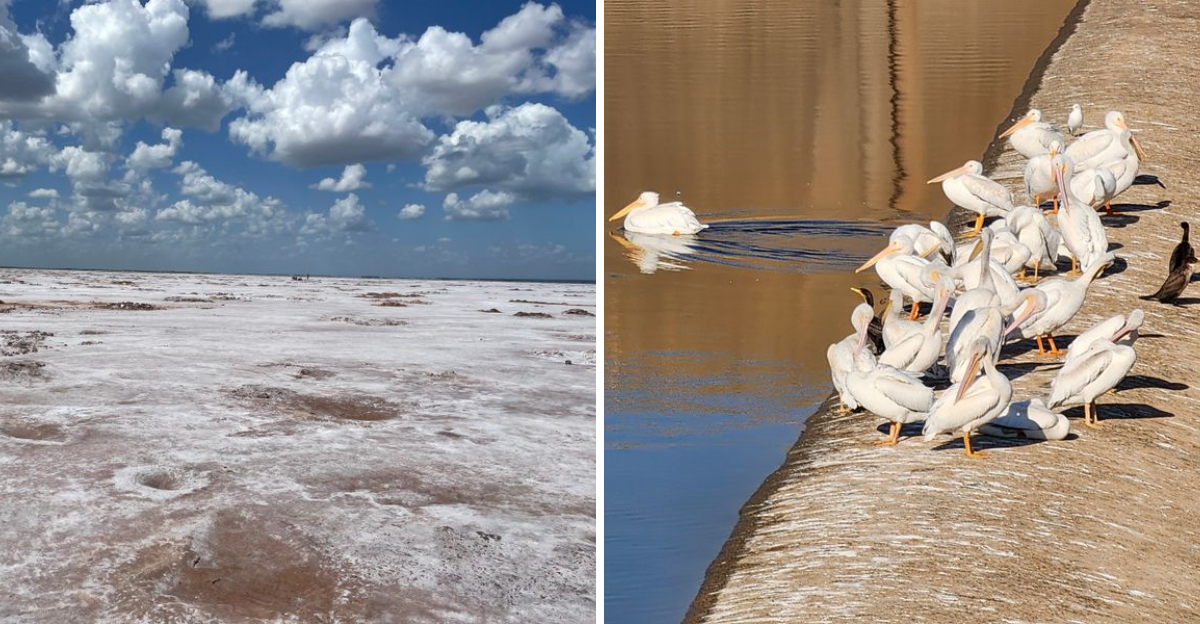
Northwestern Oklahoma holds a secret that seems too surreal to be true.
Great Salt Plains State Park sits in Alfalfa County like a piece of another planet, where blinding white salt flats stretch toward the horizon and selenite crystals hide beneath the crusty surface.
This landscape feels more like a desert mirage than a Midwestern state park, yet here it is, waiting to surprise anyone willing to make the journey.
The park surrounds the Great Salt Plains Lake, a reservoir fed by the Salt Fork of the Arkansas River.
But it is the vast expanse of gleaming salt that steals the show.
During certain months, visitors can dig for hourglass-shaped selenite crystals found nowhere else on Earth.
The experience feels like treasure hunting on another world, where the ground crunches underfoot and the sun reflects off brilliant white earth.
Beyond the salt flats, the area includes marshlands, hiking trails, campgrounds, and a wildlife refuge that draws thousands of migratory birds each season.
Pelicans glide over the water, and the spillway roars with energy after heavy rains.
Whether you come for the crystals, the scenery, or the sense of stepping into something completely unexpected, this Oklahoma gem delivers an experience that lingers long after you leave.
A Landscape That Defies Expectations
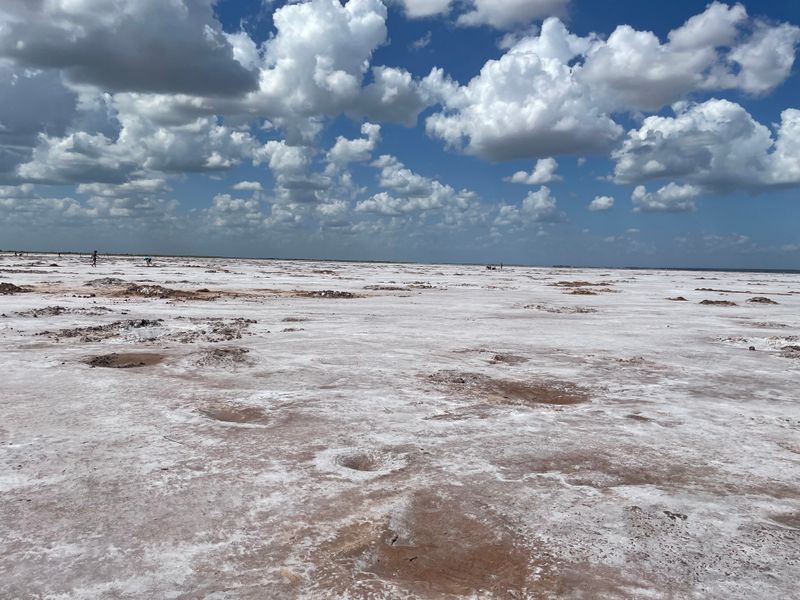
Great Salt Plains State Park feels like a geographic anomaly the moment you arrive.
The vast white expanse stretches out in every direction, shimmering under the Oklahoma sun like freshly fallen snow in the middle of summer.
This is not snow, though.
It is a thick crust of salt left behind by an ancient sea that once covered this region millions of years ago.
Walking across the flats is an otherworldly experience.
The ground crunches beneath your feet, and the glare can be blinding without sunglasses.
The landscape shifts depending on the season and weather.
After rain, shallow pools reflect the sky, creating mirror-like surfaces that blur the line between earth and heaven.
During dry spells, the salt hardens into a cracked, lunar-like terrain.
This surreal setting has attracted photographers, geology enthusiasts, and curious travelers for decades.
It is one of the few places in the United States where such a dramatic salt flat exists.
The contrast between the white ground and the blue sky creates a dreamlike atmosphere that feels almost meditative.
Visitors often report feeling like they have stepped onto a movie set or another planet entirely.
The silence out on the flats is profound, broken only by the wind and the occasional call of a bird.
It is a place where nature has created something so visually striking that it almost does not feel real.
Great Salt Plains State Park offers a rare chance to witness a landscape that challenges your sense of place and reminds you just how diverse Oklahoma truly is.
Digging for Selenite Crystals
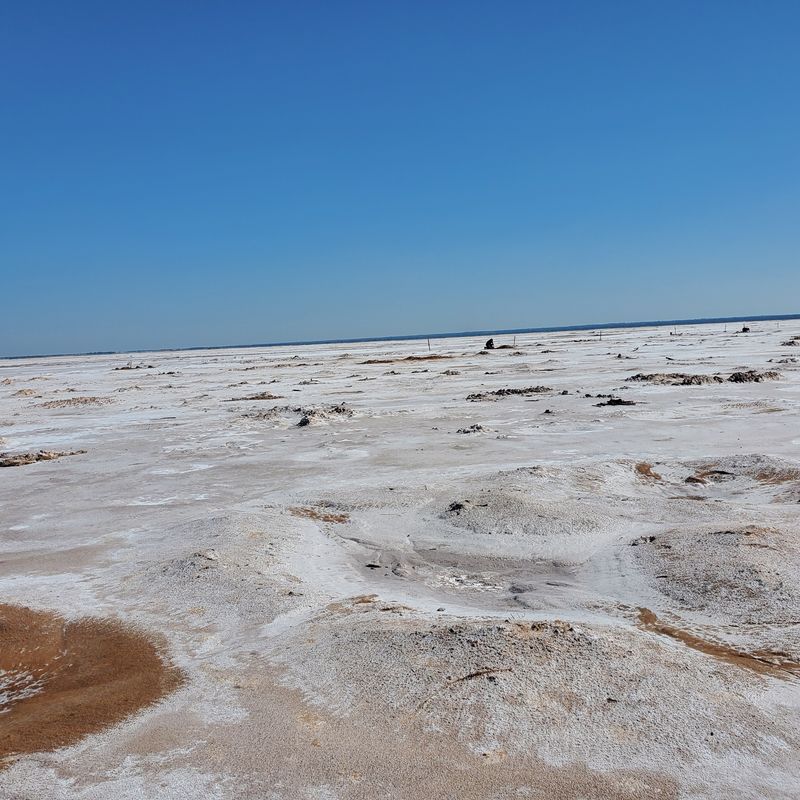
Few state parks in America let you dig for crystals, but Great Salt Plains offers exactly that.
Between April and mid-October, a designated area of the salt flats opens for crystal hunting.
Visitors bring shovels, buckets, and plenty of water to search for selenite crystals buried beneath the salty crust.
These crystals are unique because they form with hourglass-shaped inclusions of reddish sand, a feature found nowhere else on the planet.
The digging area is located on the far side of the lake, accessed via a separate entrance from the main state park.
There is no fee to dig, and the experience is open to all ages.
Families with young children, seasoned rockhounds, and first-time visitors all share the flats, kneeling in the salt and sifting through the earth.
Digging requires patience and a bit of effort.
Crystals can be found anywhere from a few inches to two feet below the surface.
The deeper you dig, the better your chances of finding larger, more intact specimens.
Some visitors bring garden trowels, while others haul full-sized shovels.
A wagon or cart helps transport gear across the expansive flats.
The thrill of discovery is what keeps people coming back.
Pulling a clear, perfectly formed crystal from the ground feels like unearthing a hidden treasure.
Each crystal is different, with varying shapes, sizes, and inclusions.
You are allowed to keep what you find, making it a memorable souvenir from your visit.
Bring plenty of drinking water, sunscreen, and something to kneel on.
The sun is intense, and shade is nonexistent out on the flats.
Many visitors also bring towels and extra water to rinse their hands and crystals before heading home.
Wildlife Refuge and Migratory Birds
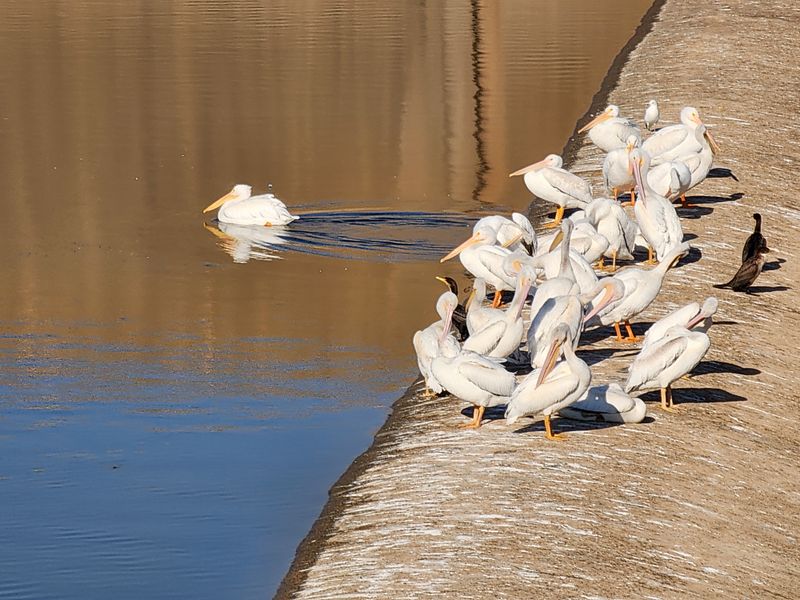
Adjacent to the state park lies the Salt Plains National Wildlife Refuge, a critical stopover for migratory birds traveling along the Central Flyway.
Thousands of birds pass through this area each year, including American white pelicans, sandhill cranes, avocets, and plovers.
The refuge protects over 32,000 acres of salt flats, marshes, and open water, creating a sanctuary for species that rely on these wetlands.
Birdwatching here is exceptional, especially during spring and fall migration.
Pelicans are a common sight, gliding gracefully over the water or resting in large groups along the shoreline.
Their wingspan and bright white feathers make them easy to spot against the backdrop of the salt flats.
Sandhill cranes arrive in impressive numbers during migration, filling the air with their distinctive calls.
The refuge includes several trails and observation points where visitors can watch wildlife without disturbing their habitat.
The Sandpiper Overlook Trail offers elevated views of the marshlands and is a favorite among photographers.
Early morning and late afternoon provide the best lighting and the most active wildlife viewing.
The marshlands also support a variety of shorebirds, waterfowl, and wading birds.
During certain times of the year, the refuge closes portions of the flats to protect nesting areas, particularly for the endangered interior least tern and the threatened snowy plover.
This careful management ensures that the refuge remains a vital habitat for generations to come.
Even if you are not an avid birder, the sheer number and diversity of species here is impressive.
The refuge adds another layer of natural wonder to an already remarkable destination.
The Spillway and Dam
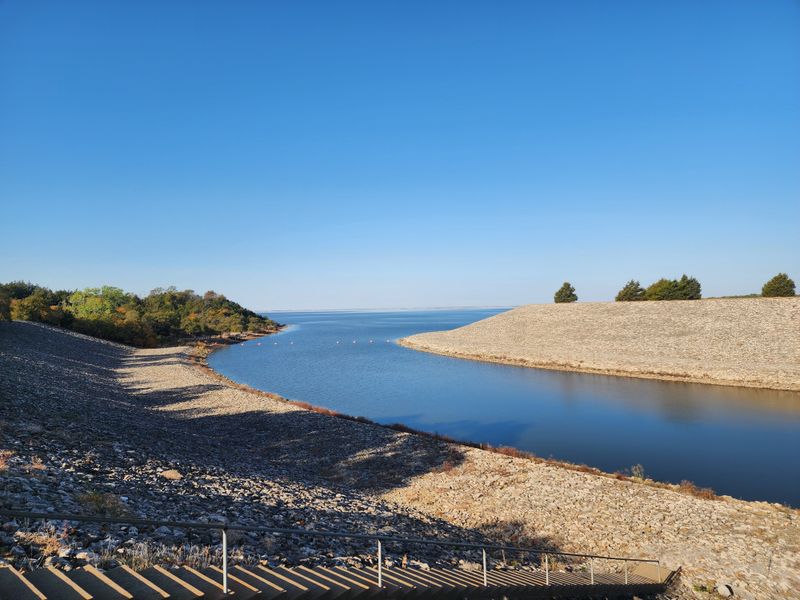
Great Salt Plains Lake was created in 1941 with the construction of a dam on the Salt Fork of the Arkansas River.
The spillway, located on the eastern side of the lake, is one of the most dramatic features of the park.
When water levels are high, the spillway releases a powerful flow that crashes down the concrete structure, creating a roar that can be heard from a distance.
Watching the spillway in action is mesmerizing.
Water rushes over the edge in thick sheets, churning white as it tumbles downward.
The energy and force of the water create a stark contrast to the quiet stillness of the salt flats just a few miles away.
Many visitors stop here to take photos, feel the mist, and simply watch the water move.
The area around the spillway includes paved paths and viewing areas, making it accessible for all visitors.
It is a popular spot for a quick stop, especially for those driving through the park.
The sound and sight of the water add a dynamic element to the park’s otherwise serene atmosphere.
During dry seasons, the spillway may be reduced to a trickle or even dry completely.
But after heavy rains or during spring runoff, it comes alive with impressive power.
The variability of the spillway reflects the natural rhythms of the region and the importance of water in shaping this landscape.
The dam and spillway also play a crucial role in managing water levels for the lake and the surrounding wetlands.
This infrastructure supports both recreation and conservation, balancing human use with the needs of wildlife and natural systems.
Camping Under Wide Open Skies
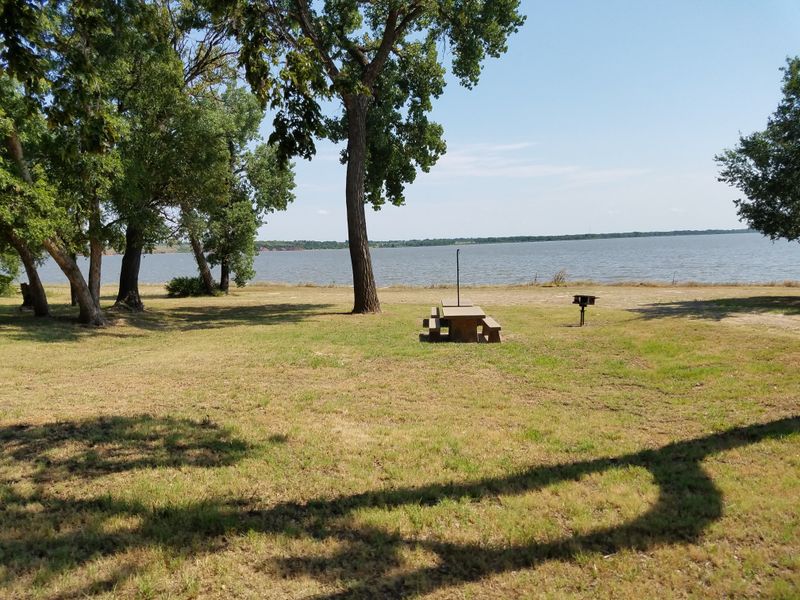
Great Salt Plains State Park offers several campground options, each with its own character.
The River Road sites and South Spillway area provide spaces for RVs, trailers, and tents.
Sites are generally spacious, flat, and well-maintained, with easy access to the lake and park amenities.
Some sites include water and electric hookups, while others are more primitive.
Camping here means falling asleep to the sounds of nature and waking up to sunrises that paint the sky in shades of pink and orange.
The openness of the landscape creates a sense of solitude, even when other campers are nearby.
At night, the lack of light pollution makes stargazing spectacular.
The Milky Way stretches across the sky, and shooting stars are a common sight.
The campground facilities include restrooms with showers, which are clean and air-conditioned.
These comfort stations are a welcome amenity, especially after a day spent digging in the salt or hiking in the heat.
Some areas offer vault toilets only, so it is worth checking the specific site details before booking.
Campers often gather around fires in the evening, sharing stories and enjoying the peaceful surroundings.
The park staff are known for being friendly and helpful, offering advice on where to dig for crystals, which trails to explore, and what wildlife to watch for.
This welcoming atmosphere adds to the overall experience.
Whether you prefer a fully equipped RV site or a simple tent spot, camping at Great Salt Plains allows you to immerse yourself in this unusual landscape and experience Oklahoma in a way that few other places offer.
Hiking Trails Through Diverse Terrain
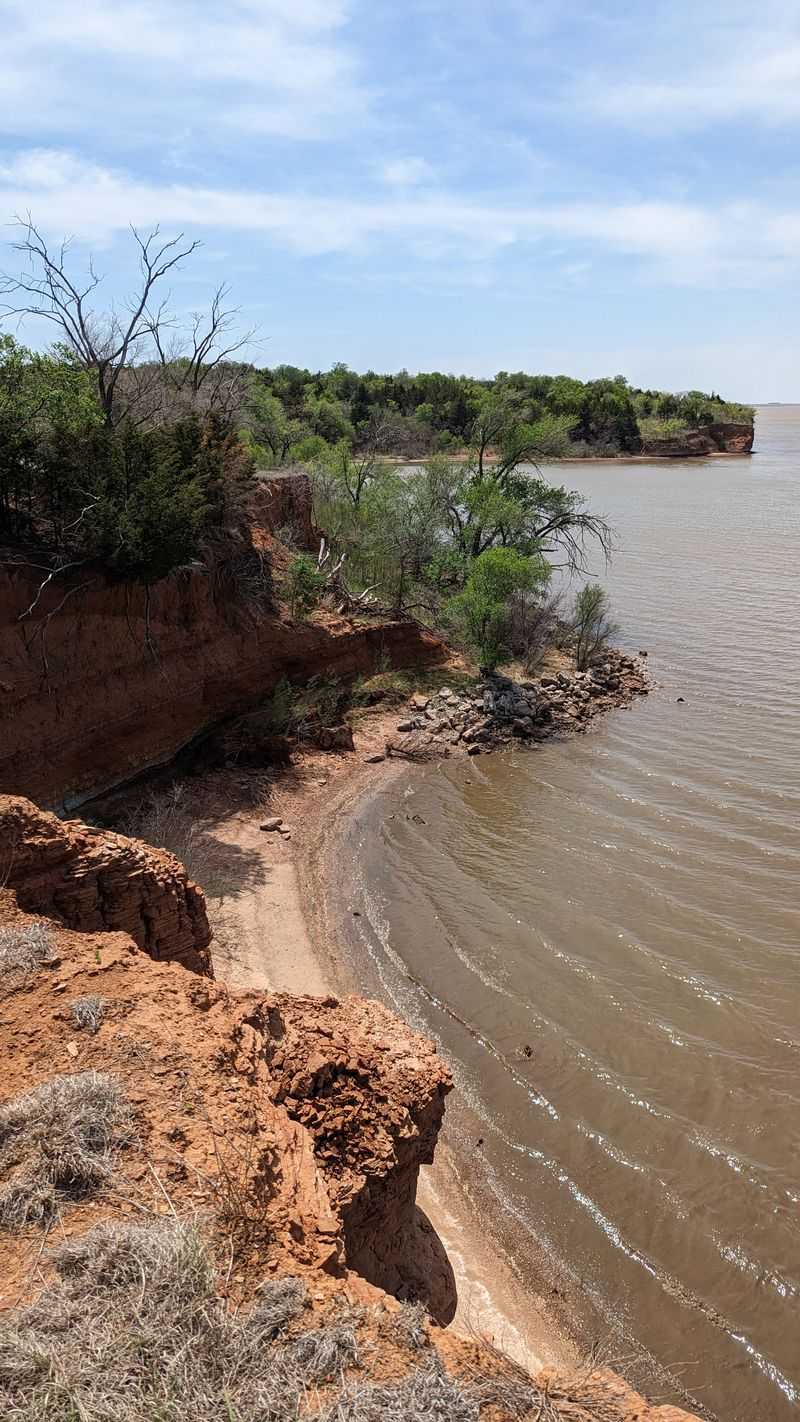
While the salt flats dominate the visual landscape, Great Salt Plains State Park also includes forested areas and marshlands with trails that showcase different ecosystems.
These trails provide a welcome contrast to the stark openness of the flats, offering shade, greenery, and opportunities to spot wildlife up close.
The Sandpiper Overlook Trail is a favorite among hikers.
This path winds through wooded areas and opens up to elevated views of the marshlands and refuge.
The trail is relatively easy, making it accessible for families and casual hikers.
Along the way, interpretive signs provide information about the plants, animals, and geology of the area.
Other trails meander along the lake shore and through grasslands.
These paths offer chances to see a variety of bird species, as well as deer, rabbits, and other small mammals.
The diversity of habitats within the park supports a surprising range of wildlife, making each hike feel like a small adventure.
Hiking here requires some preparation.
The sun can be intense, and shade is limited on some trails.
Bringing water, wearing a hat, and applying sunscreen are essential.
Insect repellent is also a good idea, especially near the water and during warmer months when bugs are more active.
The trails are well-marked and maintained, with clear signage at trailheads.
Whether you are looking for a short stroll or a longer trek, the park offers routes that suit different fitness levels and interests.
Exploring these trails adds depth to your visit, revealing layers of natural beauty beyond the famous salt flats.
Fishing and Lake Recreation
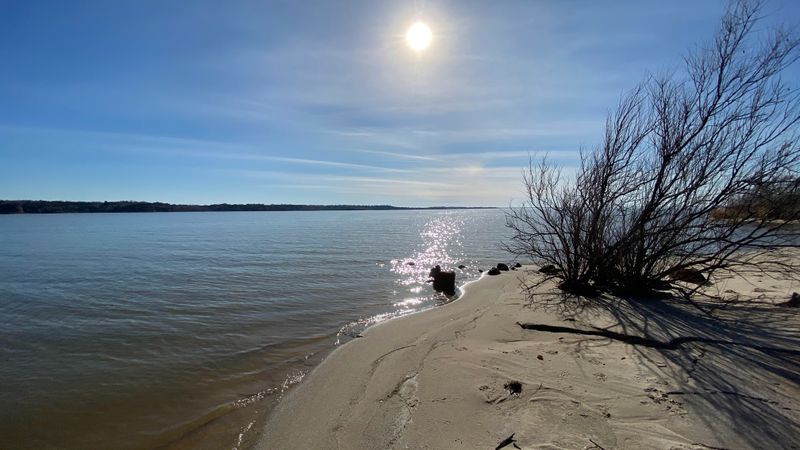
Great Salt Plains Lake spans over 9,000 acres, providing ample opportunities for fishing, boating, and other water-based activities.
The lake is stocked with a variety of fish species, including bass, catfish, and crappie.
Anglers cast lines from the shore, fishing piers, or boats, enjoying the peaceful setting and the chance to reel in a good catch.
The lake’s sandy beach area is popular during warmer months.
Families spread out blankets, wade into the water, and cool off under the Oklahoma sun.
The beach is clean and well-maintained, with easy access to restrooms and picnic areas.
It is a great spot for a leisurely afternoon, especially after spending the morning digging for crystals.
Boating is allowed on the lake, and a boat ramp provides convenient access.
Kayakers and canoeists also enjoy exploring the quieter coves and inlets.
Paddling across the calm water offers a different perspective on the park, with views of the salt flats from the water and chances to see birds and other wildlife along the shoreline.
Fishing regulations are posted at the park office and online, so it is important to check current rules and obtain any necessary licenses before casting a line.
The park staff are happy to offer tips on the best fishing spots and what bait works well in the lake.
Water levels can fluctuate depending on the season and rainfall, so conditions vary throughout the year.
Even when the lake is low, the surrounding landscape remains striking, and the recreational opportunities are still plentiful.
Whether you are an experienced angler or just looking to enjoy some time on the water, the lake adds another dimension to the park experience.
The Geology Behind the Salt
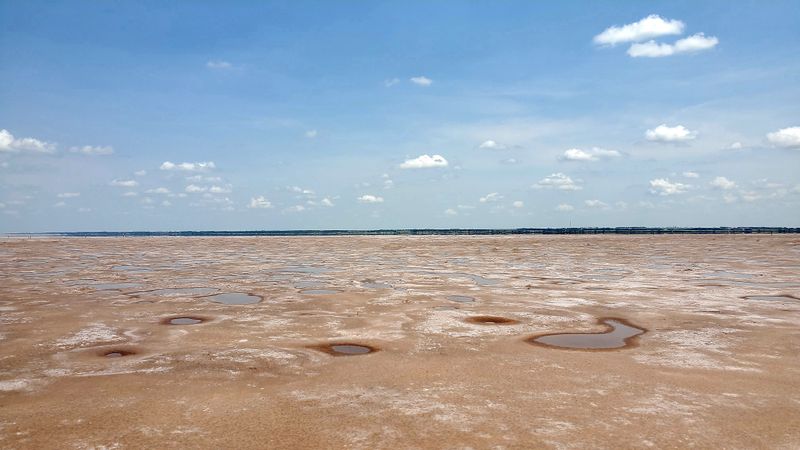
Understanding the geology of Great Salt Plains adds depth to the visual spectacle.
Millions of years ago, this region was covered by a shallow sea.
As the water evaporated over time, it left behind thick deposits of salt.
Today, these deposits lie beneath the surface, and natural springs bring the salt to the top, creating the brilliant white flats.
The salt concentration is so high that very little vegetation can survive on the flats.
This creates the barren, otherworldly appearance that makes the area so unique.
The salt continues to rise through the soil, replenishing the surface and maintaining the flats despite wind and rain.
Selenite crystals form in this salty environment through a process involving groundwater, gypsum, and sand.
As water percolates through the gypsum-rich soil, it dissolves the mineral and redeposits it in crystal form.
The hourglass inclusions occur when sand grains get trapped during the crystal’s growth.
This specific combination of conditions only exists here, making the crystals a true geological treasure.
The park provides educational materials and interpretive signs that explain the geology in accessible terms.
Learning about the ancient seas, the evaporation process, and the crystal formation adds a layer of appreciation for what you are witnessing.
It transforms a simple walk across the flats into a journey through deep time.
Geologists and earth science enthusiasts visit from around the country to study this unique environment.
But you do not need a science degree to be fascinated by the story written in the salt and stone.
The landscape itself tells the tale, one that spans millions of years and continues to unfold today.
Seasonal Changes and Best Times to Visit
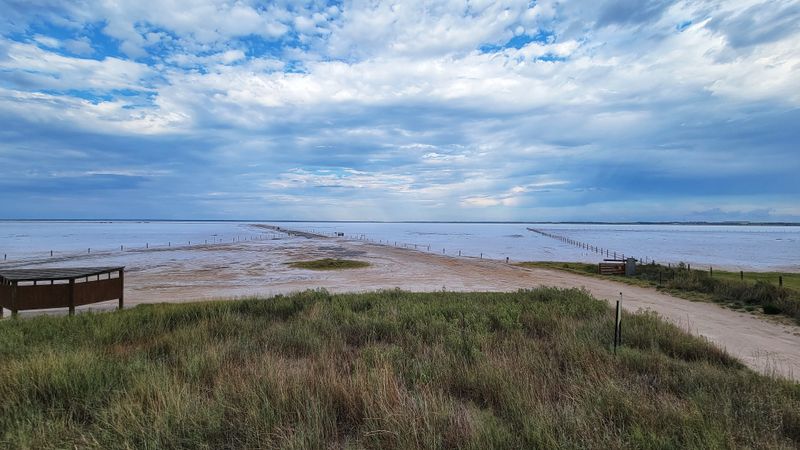
Great Salt Plains State Park transforms with the seasons, each offering a different experience.
Spring brings migratory birds in massive numbers, filling the refuge with life and sound.
The weather is mild, and wildflowers begin to bloom around the edges of the flats.
This is one of the best times to visit for birdwatching and photography.
Summer is peak season for crystal digging, as the designated area is open and families flock to the park.
The heat can be intense, so early morning or late afternoon visits are more comfortable.
The lake provides a refreshing escape, and the long daylight hours allow for extended exploration.
Fall migration brings another wave of birds, and the temperatures cool down, making outdoor activities more pleasant.
The changing foliage in the wooded areas adds splashes of color to the landscape.
This is a quieter time to visit, with fewer crowds and a more peaceful atmosphere.
Winter at Great Salt Plains is stark and beautiful.
The salt flats take on a different character under gray skies, and the cold wind sweeps across the open expanse.
While the crystal digging area is closed, the park remains open for camping, hiking, and wildlife observation.
Hardy visitors enjoy the solitude and the dramatic winter scenery.
Each season highlights different aspects of the park, so the best time to visit depends on what you want to experience.
Checking the park’s website or calling ahead can provide information on current conditions, bird activity, and any seasonal closures.
No matter when you come, Great Salt Plains offers something memorable.
Practical Tips for Your Visit
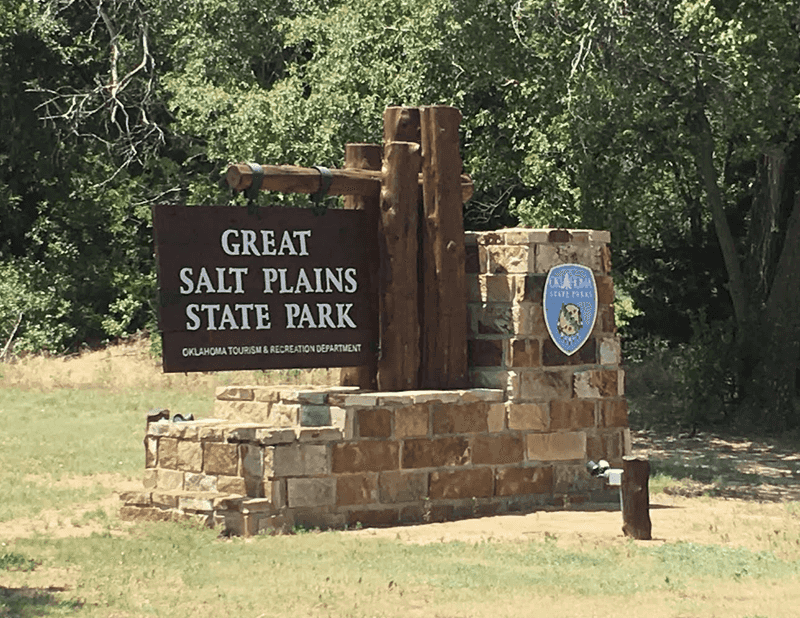
Planning ahead makes your visit to Great Salt Plains State Park smoother and more enjoyable.
The park office is located at 23280 S Spillway Dr, Jet, Oklahoma, and is open daily from 8 AM to 4 PM.
Stopping here first is a good idea, as the staff provide maps, current conditions, and helpful advice.
They can point you toward the best crystal digging spots, recommend trails, and answer any questions.
Bring plenty of water, more than you think you will need.
The sun is intense, especially on the salt flats, and dehydration happens quickly.
Sunscreen, hats, and sunglasses are essential.
If you plan to dig for crystals, pack a shovel, bucket, gloves, and something to kneel on.
A wagon or cart helps transport gear across the expansive flats.
Wear clothes and shoes you do not mind getting dirty.
The salt and mud can be tough on fabrics, and rinsing off may not be possible until you return to the campground or leave the park.
Many visitors bring towels and extra water specifically for cleaning up.
Cell phone service can be spotty in the park, so download maps or directions before you arrive.
The park is remote, and the nearest larger towns are about 30 minutes away.
Bringing snacks or a packed lunch is a good idea, as there are no restaurants or stores within the park itself.
Check the park’s website or call ahead to confirm that the crystal digging area is open, as it closes during certain months to protect nesting birds.
Respecting these closures ensures the refuge remains healthy for wildlife.
Dear Reader: This page may contain affiliate links which may earn a commission if you click through and make a purchase. Our independent journalism is not influenced by any advertiser or commercial initiative unless it is clearly marked as sponsored content. As travel products change, please be sure to reconfirm all details and stay up to date with current events to ensure a safe and successful trip.
