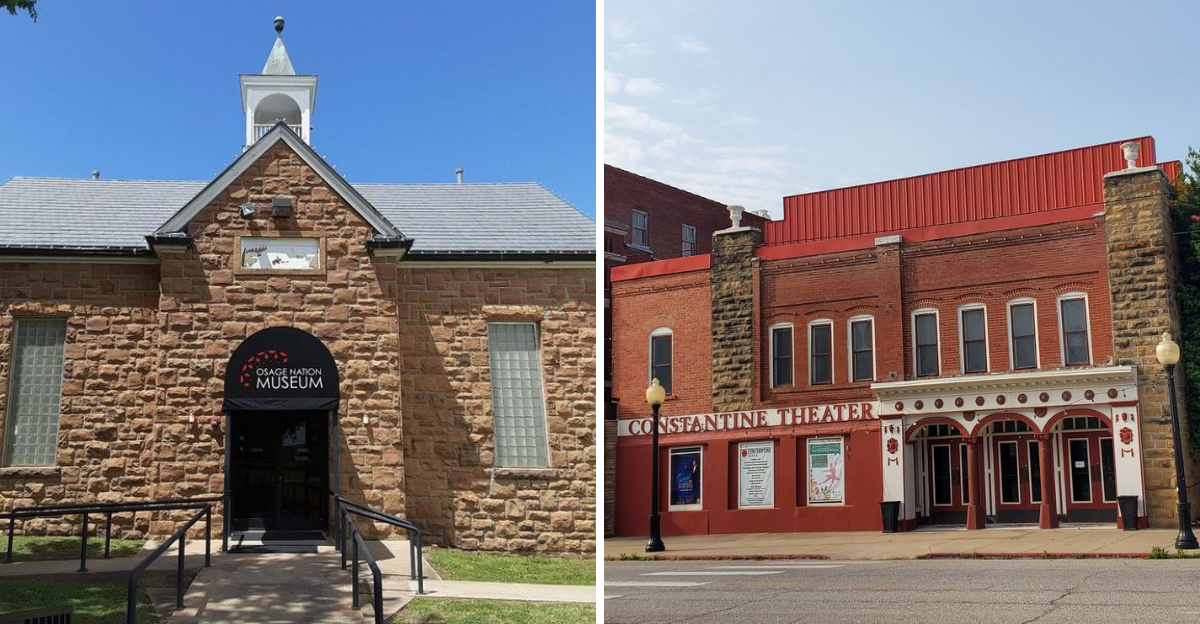
Pawhuska sits in the rolling hills of northern Oklahoma, where time seems to move at a different pace.
The streets here tell stories of Native American heritage, pioneer spirit, and a community that has held onto its roots while welcoming visitors with open arms.
This small town of fewer than 4,000 residents has become a destination for travelers seeking authenticity in an age of manufactured experiences.
What makes Pawhuska special is not just its well-preserved downtown or its connection to Osage Nation history, but the way it invites you to slow down and notice details you might otherwise miss.
Walking through the historic district feels like stepping into a living museum, where century-old buildings house thriving businesses and local gathering spots.
The town has gained attention in recent years, yet it has managed to maintain its character without surrendering to the pressures of rapid change.
Beyond the main streets, the surrounding landscape of tallgrass prairie and wooded creeks offers a glimpse of what this region looked like before settlement.
Pawhuska represents a rare combination of cultural significance, natural beauty, and small-town charm that appeals to history enthusiasts, nature lovers, and anyone looking to escape the rush of modern life.
Whether you come for the museums, the scenery, or simply the chance to experience a place where neighbors still know each other by name, this Oklahoma town offers something increasingly hard to find.
Osage Nation Museum
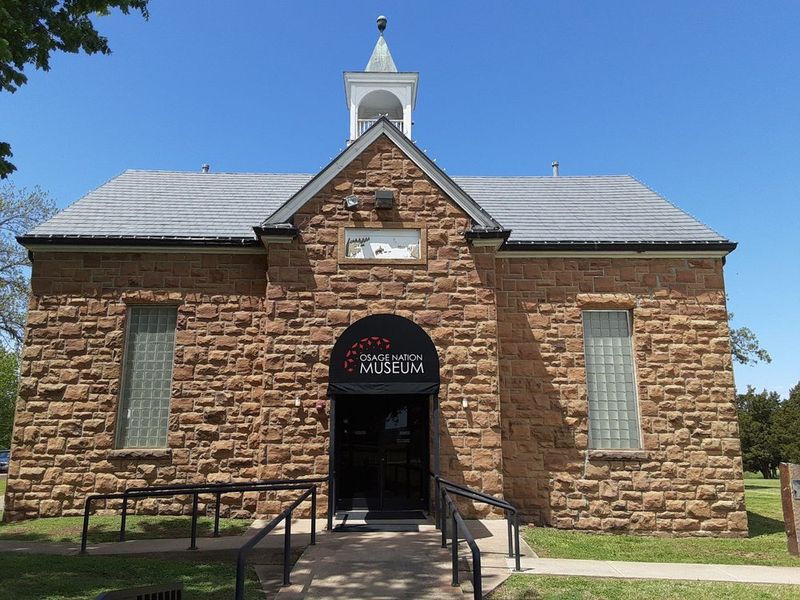
Founded in 1938, this institution holds the distinction of being the oldest tribally owned museum in the United States.
Its collection preserves the story of the Osage people through photographs, ceremonial objects, traditional clothing, and artwork that spans generations.
Visitors walk through galleries that chronicle the tribe’s journey from the Ohio River Valley to their eventual settlement in Oklahoma.
The exhibits include intricate beadwork, historical documents, and personal items that bring the past into vivid focus.
Each display offers context about Osage culture, including their sophisticated political systems and their role in shaping the region’s history.
The museum building itself, located in a historic structure downtown, adds to the experience of stepping back in time.
Staff members provide insights that go beyond the labels, sharing stories passed down through families and communities.
One particularly moving section documents the oil boom era and its profound impact on the Osage Nation.
Photographs from the early 20th century show both the prosperity and the challenges that came with sudden wealth.
The museum does not shy away from difficult chapters, including the Reign of Terror murders that targeted Osage members for their headrights.
Temporary exhibitions rotate throughout the year, ensuring that return visits offer fresh perspectives.
The gift shop features work by contemporary Osage artists, connecting traditional techniques with modern expression.
For anyone seeking to understand Pawhuska’s identity, this museum provides essential context.
Address: 819 Grandview Avenue, Pawhuska, Oklahoma
Historic Downtown District
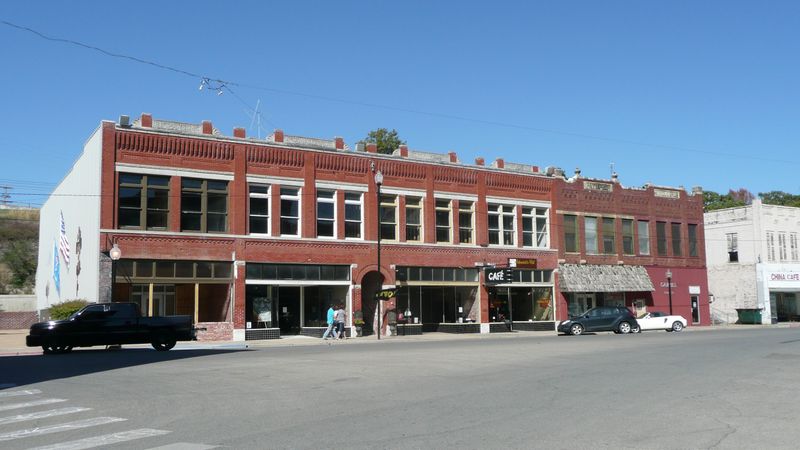
Brick facades line the streets in shades of red and tan, their upper stories featuring ornate cornices and arched windows from the late 1800s.
Many buildings retain their original storefronts with large display windows designed to showcase merchandise to passing pedestrians and horse-drawn traffic.
The architectural styles reflect the prosperity that came during the oil boom, when Pawhuska served as the epicenter of Osage County’s petroleum wealth.
Today these structures house restaurants, antique shops, boutiques, and professional offices that keep the district vibrant.
Walking the sidewalks reveals details like cast-iron columns, decorative tilework, and hand-painted vintage signs that have been carefully preserved.
The scale of the buildings creates an intimate streetscape where conversations carry across the road and shop owners recognize regular visitors.
Several blocks have been designated as historic preservation areas, ensuring that renovations respect the original character.
Benches placed along the sidewalks invite people to sit and watch the unhurried flow of daily life.
The district comes alive during community events when locals gather for festivals, parades, and seasonal celebrations.
Even on quiet weekdays, the downtown maintains a sense of purpose, with people running errands and meeting friends for coffee.
Parking remains free and plentiful, a small detail that removes the stress common in more tourist-heavy destinations.
The district represents more than preserved buildings; it functions as the social and commercial heart of the community.
Exploring these streets offers insight into how Oklahoma towns thrived before interstate highways redirected commerce elsewhere.
Swinging Bridge Over Bird Creek
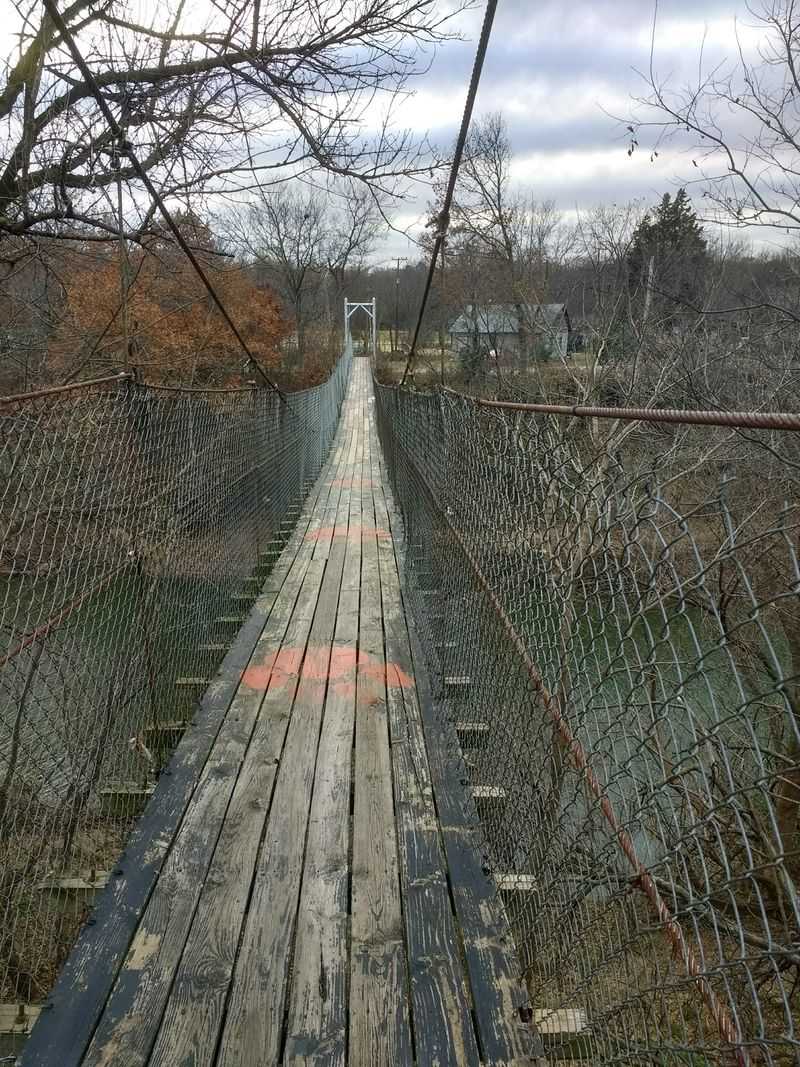
Built in 1926, this pedestrian suspension bridge sways gently with each step, creating a playful experience that delights visitors of all ages.
The wooden planks underfoot show wear from nearly a century of use, yet regular maintenance keeps the structure safe and accessible.
From the middle of the span, you can look down at Bird Creek as it winds through the landscape, its banks lined with cottonwoods and sycamores.
The bridge originally served as a practical crossing for residents living on opposite sides of the creek before modern roads made it less essential.
Now it functions primarily as a charming landmark and a peaceful spot to pause during a walk.
Children often race across, testing their balance as the bridge responds to their movements.
Adults tend to move more cautiously, gripping the wire-rope handrails while taking in the surrounding scenery.
The surrounding area has been developed into a small park with picnic tables and walking paths that follow the creek.
During spring, wildflowers bloom along the banks, adding splashes of color to the green landscape.
In autumn, the trees put on a show of gold and amber that reflects in the water below.
The bridge appears in countless family photographs, serving as a backdrop for engagement pictures, reunion gatherings, and casual snapshots.
Its simple construction and enduring presence symbolize the town’s connection to practical engineering and community gathering spaces.
Visiting the Swinging Bridge requires only a short walk from nearby parking, making it accessible for most visitors.
Address: Near 1400 Lynn Avenue, Pawhuska, Oklahoma
Tallgrass Prairie Preserve
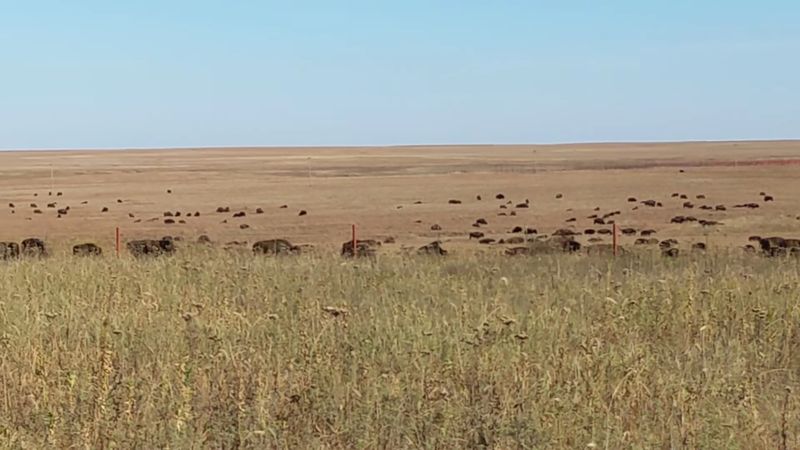
Stretching across nearly 40,000 acres north of Pawhuska, this preserve protects one of the last remaining tallgrass prairie ecosystems in North America.
Before European settlement, these grasslands covered 170 million acres across the continent; now less than four percent remains.
The Nature Conservancy manages the preserve, maintaining the landscape through controlled burns and bison grazing that mimics historical conditions.
A herd of approximately 2,500 bison roams freely across the property, often visible from the main road that cuts through the preserve.
Seeing these massive animals moving across the prairie creates a powerful connection to the region’s past.
The grasses themselves grow tall enough to brush against car windows during peak season, creating a sea of green that ripples in the wind.
More than 750 plant species thrive here, including wildflowers that bloom in waves throughout spring and summer.
Birdwatchers flock to the preserve to spot species like greater prairie chickens, scissor-tailed flycatchers, and grasshopper sparrows.
Several hiking trails wind through different sections, offering intimate views of the ecosystem that are impossible to appreciate from a vehicle.
The preserve’s visitor center provides educational displays about prairie ecology and the cultural history of the Osage people who stewarded these lands.
Rangers lead periodic tours that explain the complex relationships between fire, grazing, and plant diversity.
The preserve changes dramatically with the seasons, from the fresh green of spring to the golden amber of autumn.
Visiting requires respect for the environment and awareness that this is a working conservation area rather than a manicured park.
Bluestem Lake and Falls
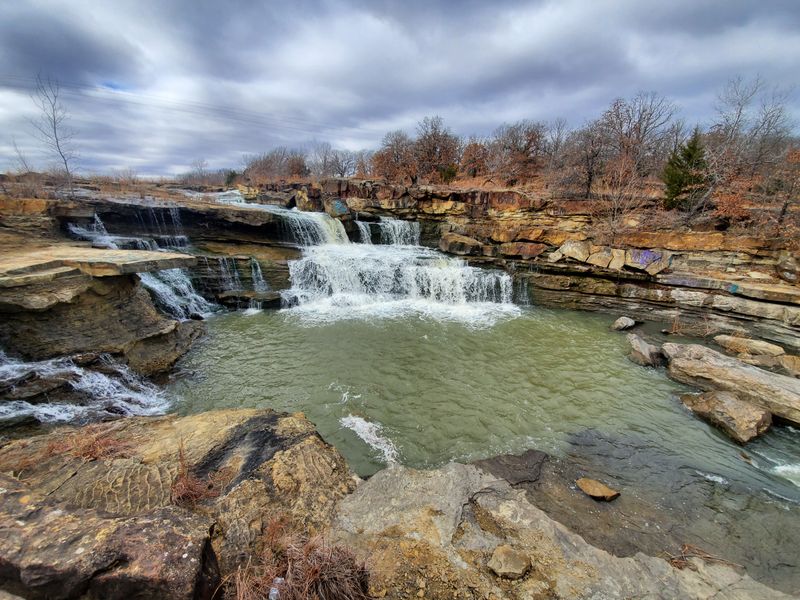
This scenic recreation area combines a fishing lake with a waterfall accessed by a gentle walking trail through wooded terrain.
Bluestem Lake covers approximately 60 acres, its calm waters stocked with bass, catfish, and crappie that attract anglers year-round.
The shoreline features several fishing piers and a boat ramp for those who want to explore beyond the banks.
Families often spread blankets near the water’s edge for picnics while children wade in the shallow areas.
The trail to Bluestem Falls begins near the lake and winds through oak and hickory forest, offering shade even on hot Oklahoma summer days.
The falls themselves cascade over limestone ledges in a series of small drops rather than one dramatic plunge.
During spring when rainfall is abundant, the falls flow vigorously, creating a soothing soundtrack of rushing water.
By late summer, the flow often reduces to a trickle, revealing the rock formations more clearly.
The surrounding area supports diverse wildlife including deer, wild turkeys, and numerous songbird species.
Photographers appreciate the changing light that filters through the tree canopy at different times of day.
The trail requires only moderate effort, making it suitable for most fitness levels, though the path can become muddy after rain.
Local residents use this area regularly, treating it as their backyard retreat rather than a tourist attraction.
The combination of water activities and hiking opportunities makes Bluestem a versatile destination for outdoor recreation.
Facilities remain basic, with simple restrooms and parking areas that keep the focus on natural surroundings rather than developed amenities.
Osage County Courthouse
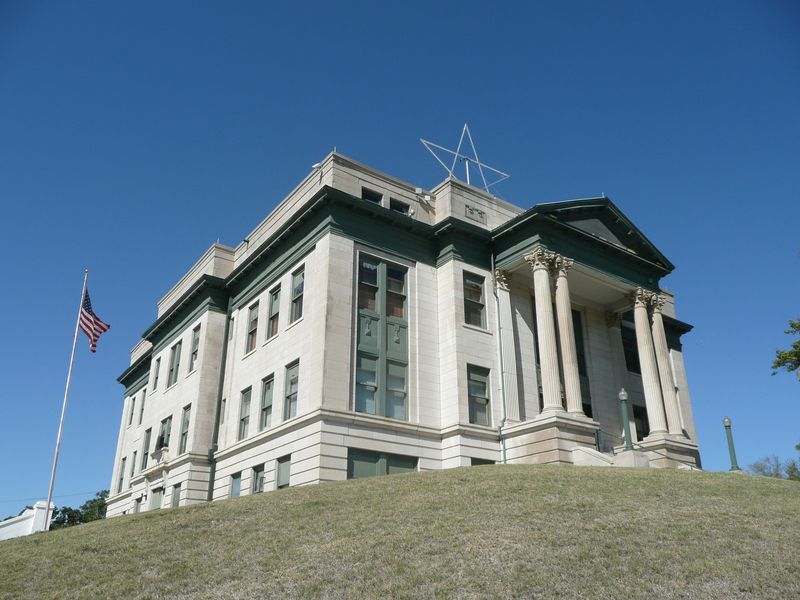
Constructed in 1914, this impressive structure dominates the town square with its classical revival architecture and prominent dome.
The building’s limestone facade and grand proportions reflect the confidence and wealth of the oil boom era when it was built.
Four columned entrances mark the cardinal directions, each approached by wide stone staircases that emphasize the building’s civic importance.
Inside, marble floors and ornate woodwork demonstrate the craftsmanship standards of early 20th-century public buildings.
The courthouse continues to serve its original function, housing county offices and courtrooms where local government business unfolds daily.
Visitors can enter during business hours to admire the interior architecture, though photography restrictions may apply in certain areas.
The building appears in historical photographs showing Pawhuska during its most prosperous decades, when oil money transformed the community.
Its presence anchors the downtown district, providing a focal point that other buildings relate to in terms of scale and positioning.
The surrounding courthouse square once bustled with market activity and public gatherings, traditions that continue during special events.
Restoration work over the decades has maintained the structure’s integrity while updating systems for modern use.
The dome rises high enough to be visible from many points around town, serving as a landmark for navigation and a symbol of civic identity.
Architectural historians consider it one of the finest examples of its type in Oklahoma, representing a period of regional prosperity and optimism.
Standing before this building, you can sense the aspirations of the community that commissioned it and the continuity of institutions that have served the area for over a century.
Address: 600 Grandview Avenue, Pawhuska, Oklahoma
Local Dining and Shops
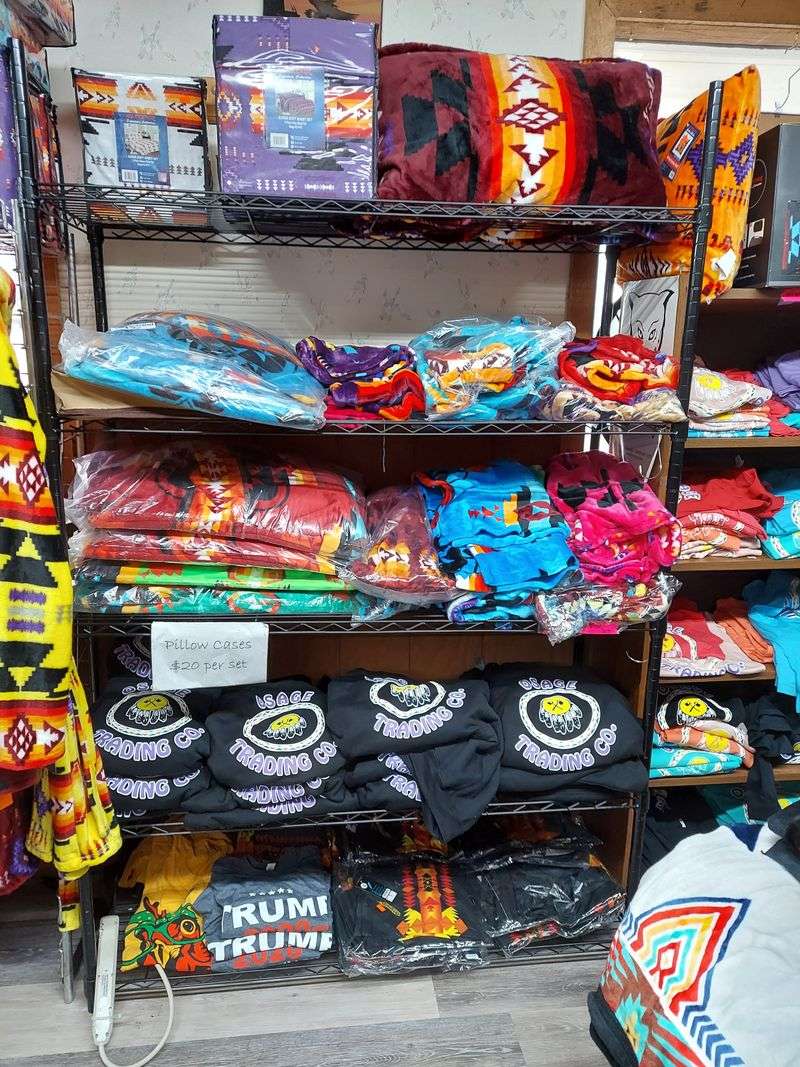
Pawhuska’s food scene reflects both its Oklahoma heritage and the influences of visitors who have discovered the town in recent years.
Several restaurants occupy restored historic buildings, where exposed brick walls and vintage details create atmosphere that complements the menus.
You can find everything from hearty comfort food to more contemporary offerings, with many establishments sourcing ingredients from regional producers.
The town has become known for its pie, with multiple spots serving fresh-baked varieties that draw devoted fans.
Coffee shops provide gathering spaces where locals and visitors mix, sharing recommendations and stories over morning beverages.
Antique stores line several blocks of the downtown area, their inventories reflecting the accumulated history of surrounding farms and estates.
Browsing these shops reveals everything from Depression-era glassware to vintage cowboy gear and mid-century furniture.
Several boutiques specialize in Western wear and Native American-inspired jewelry, much of it created by regional artisans.
A mercantile store stocks goods ranging from locally made food products to home decor items with rustic appeal.
The shopping experience here differs markedly from chain retail, with owners often present to discuss the origins and stories behind their merchandise.
Prices generally remain reasonable compared to tourist destinations in other states, making it possible to bring home meaningful souvenirs without overspending.
The businesses support each other, with shop owners directing customers to neighboring establishments based on their interests.
This collaborative spirit creates a welcoming environment where commerce feels personal rather than transactional.
Dining and shopping in Pawhuska becomes part of the overall experience of connecting with a place where people take pride in what they offer.
Constantine Theater
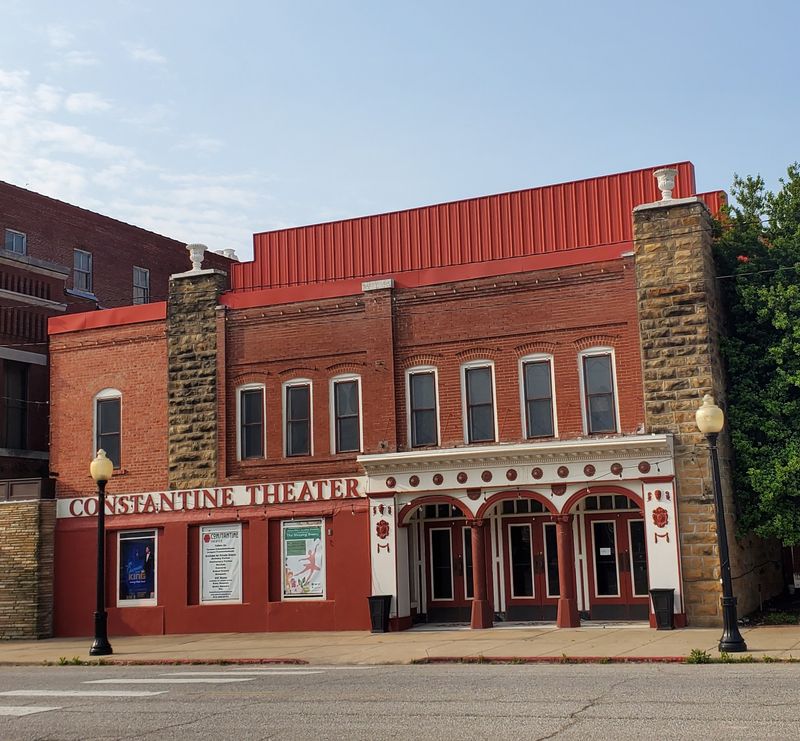
This 1914 vaudeville house represents an era when even small Oklahoma towns supported elegant entertainment venues.
The theater’s facade features decorative brickwork and a vertical sign that lights up the street after dark.
Inside, the original stage, balcony seating, and architectural details have been preserved through careful restoration efforts.
The building served various purposes over the decades, including time as a movie theater before falling into disrepair.
Recent renovations have returned it to active use as a performance space and event venue.
The theater now hosts concerts, plays, film screenings, and community gatherings that bring people together in a historic setting.
Sitting in the restored seats, you can imagine audiences from generations past enjoying traveling shows and early motion pictures.
The acoustics, designed for live performance before electronic amplification, still serve musicians well.
Decorative plasterwork adorns the ceiling and walls, featuring motifs popular in early 20th-century theater design.
The balcony offers views not only of the stage but of the entire interior space, allowing appreciation of the building’s proportions.
Local performing arts groups use the theater for productions, keeping live entertainment traditions alive in the community.
The building also functions as a rental space for weddings and private events, its character providing a memorable backdrop.
Volunteers and preservationists continue working to maintain and improve the facility, treating it as a community treasure.
The theater’s survival and revival demonstrate Pawhuska’s commitment to preserving cultural institutions that connect past and present.
Address: 115 West Main Street, Pawhuska, Oklahoma
Dear Reader: This page may contain affiliate links which may earn a commission if you click through and make a purchase. Our independent journalism is not influenced by any advertiser or commercial initiative unless it is clearly marked as sponsored content. As travel products change, please be sure to reconfirm all details and stay up to date with current events to ensure a safe and successful trip.
