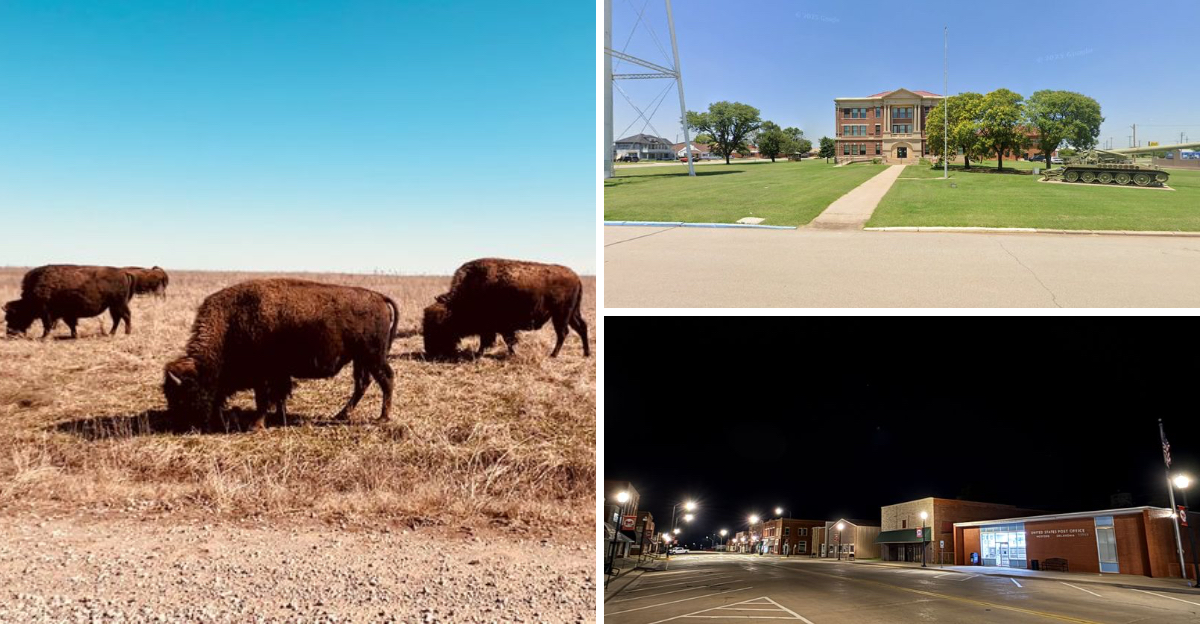
Tucked into the rolling plains of northern Oklahoma, Medford sits quietly at the crossroads of Grant County, a place where time seems to move at its own unhurried pace.
Life here follows rhythms that feel borrowed from another era, when neighbors greeted each other by name and the most important events revolved around harvest seasons, Friday night lights, and Sunday suppers.
With a population just under a thousand, this small town county seat offers something increasingly rare in modern America: a chance to slow down, breathe deeply, and experience a community still rooted in tradition and genuine connection.
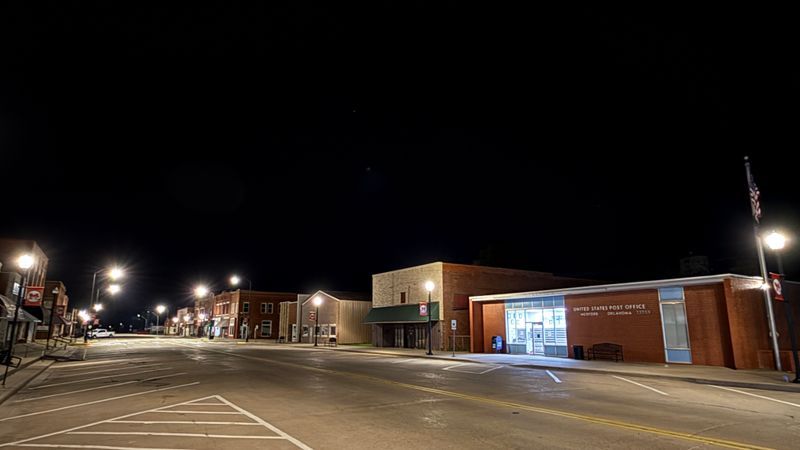
The landscape surrounding Medford stretches wide and open, marked by wheat fields that ripple like golden oceans under expansive skies. Historic brick buildings line the town square, their facades weathered by decades of prairie winds and summer storms.
Main Street storefronts stand as quiet reminders of small-town commerce from generations past, while grain elevators rise like sentinels on the horizon, visible for miles across the flat terrain.
What draws visitors to this corner of Oklahoma is not spectacle or fanfare, but authenticity. Medford represents a living snapshot of rural American life, where handshakes still mean something and community ties run deeper than convenience.
Whether you arrive seeking heritage, tranquility, or simply a break from the relentless pace of modern living, this town offers a window into a world that refuses to be hurried.
Grant County Courthouse Square
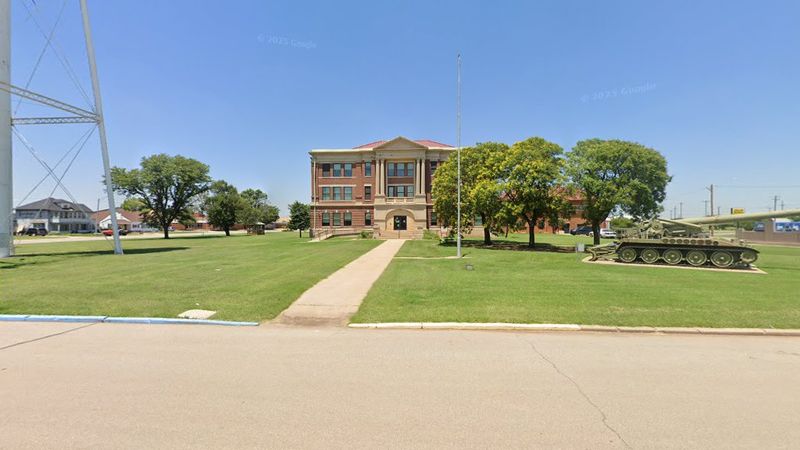
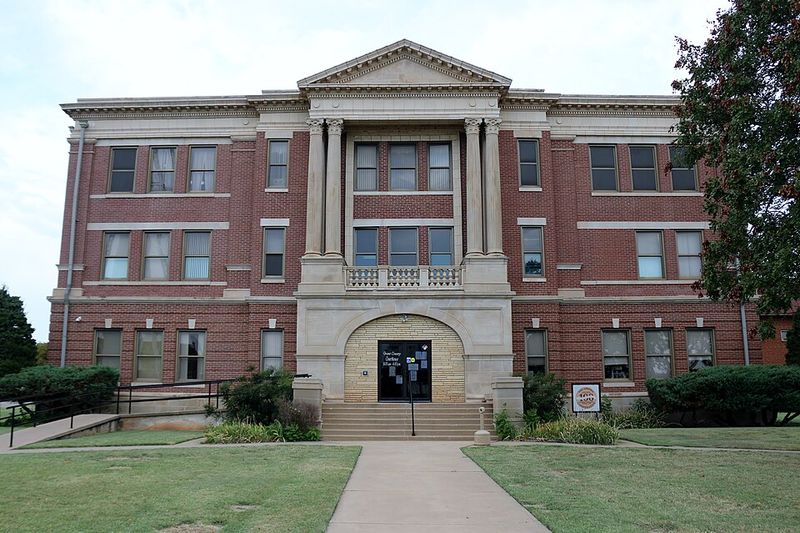
At the heart of Medford stands the Grant County Courthouse, an architectural anchor that has witnessed generations of legal proceedings, elections, and civic gatherings.
Built with red brick and classic design elements typical of early twentieth-century county seats, the courthouse projects an air of permanence and dignity that reflects the values of the community it serves.
The surrounding square features mature trees that provide shade during scorching summer months, creating a natural gathering place where residents pause to chat and catch up on local news.
Walking around the courthouse square offers a glimpse into small-town Oklahoma life as it has existed for decades. Benches positioned beneath the trees invite visitors to sit and watch the unhurried rhythm of daily activity.
Pickup trucks park at angles along the street, their drivers often stopping mid-stride to exchange greetings with passersby. The square serves as both a functional government center and a symbolic heart of the community, embodying the civic pride that keeps small towns like Medford alive.
Seasonal decorations transform the courthouse square throughout the year, from patriotic bunting during summer celebrations to autumn displays featuring pumpkins and hay bales. The building itself, with its prominent clock tower and stately proportions, photographs beautifully against the wide Oklahoma sky.
For visitors seeking to understand what makes Medford tick at its own pace, the courthouse square provides the perfect starting point.
The square remains a testament to an era when county seats served as social hubs, not just administrative centers. Today it continues that tradition, hosting occasional events and serving as a backdrop for community life that feels refreshingly unhurried and genuinely connected to place and history.
Main Street Historic District
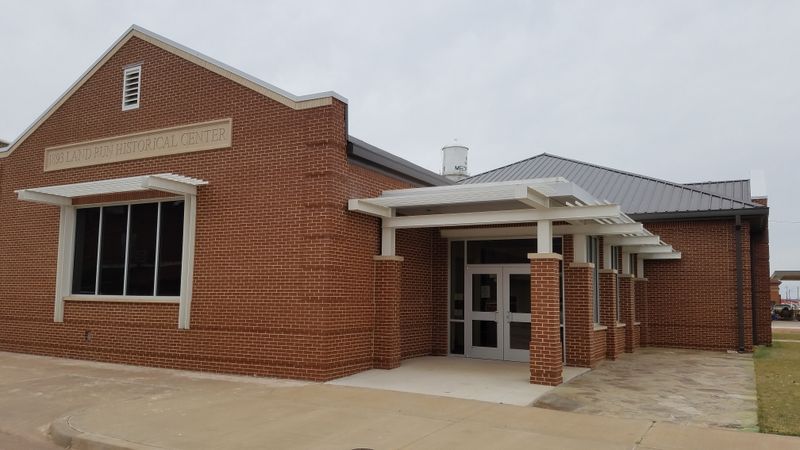
Medford’s Main Street tells the story of small-town commerce across multiple generations, with buildings that have housed everything from general stores to pharmacies to farm equipment dealers.
The architectural details preserved on these structures reflect the optimism of early twentieth-century frontier towns, when communities like Medford represented prosperity and promise on the Oklahoma plains.
Brick facades, large display windows, and decorative cornices speak to a time when Main Street businesses formed the economic backbone of rural America.
Today, walking along this historic corridor feels like stepping through a portal into a slower, simpler time. Some storefronts remain active, serving local needs with goods and services tailored to agricultural life.
Others stand empty or repurposed, their original signage faded but still visible beneath layers of paint and weather. The sidewalks, though cracked and uneven in places, still carry foot traffic from residents who prefer face-to-face transactions over online ordering.
What makes Main Street particularly compelling is its authenticity. Unlike tourist-focused historic districts that have been sanitized and commercialized, Medford’s downtown remains a working part of the community.
Locals stop by to pay utility bills, pick up mail, or grab lunch at small cafes where everyone knows your name. The pace here is deliberate, conversations unhurried, and the sense of community palpable.
Photographers and history enthusiasts find endless subjects along Main Street, from vintage signage to architectural details that have survived decades of prairie weather. The street embodies the resilience of small-town Oklahoma, adapting to changing times while maintaining connections to its agricultural roots and frontier heritage.
Prairie Landscape Surroundings
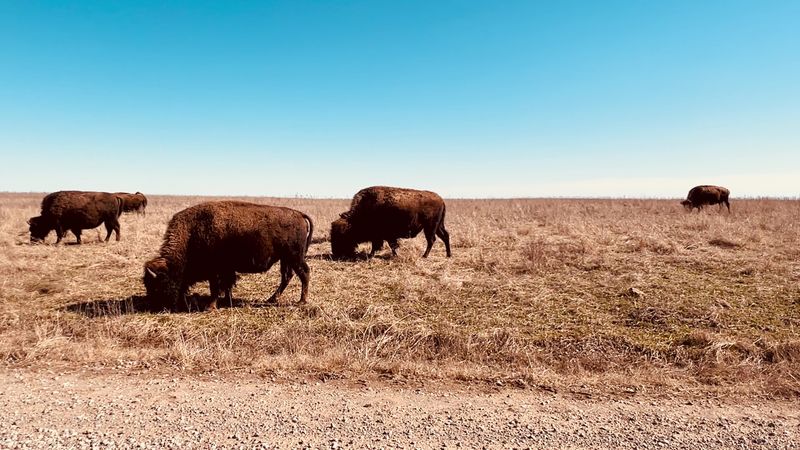
Beyond the town limits, the landscape opens into vast stretches of prairie grassland and cultivated fields that define Grant County’s agricultural character. Wheat fields dominate the scenery during growing seasons, their progress from green shoots to golden stalks marking time more reliably than any calendar.
The horizon stretches endlessly in all directions, interrupted only by occasional windbreaks of cottonwood trees, distant farmhouses, and the vertical lines of grain elevators that serve as landmarks across the flat terrain.
Driving the rural roads surrounding Medford provides an education in the rhythms of agricultural life. Spring brings planting activity, with tractors working fields from dawn until dusk.
Summer transforms the landscape into a patchwork of ripening crops beneath skies that seem impossibly large and blue. Autumn harvest seasons fill the air with dust and diesel fumes as combines work around the clock to bring in wheat and other grains before weather threatens the crop.
The prairie surrounding Medford also offers unexpected beauty for those willing to slow down and observe. Sunrises paint the eastern sky in shades of pink and orange that reflect off morning dew.
Thunderstorms build dramatically on summer afternoons, their towering clouds visible for hours before arrival. Winter blankets the fields in snow, creating a stark minimalist landscape that emphasizes the isolation and self-reliance required of prairie life.
This agricultural setting shapes everything about Medford’s character and pace. The town exists to serve the farming communities scattered across the surrounding countryside, and its rhythms follow planting and harvest cycles rather than corporate quarterly reports or urban rush hours.
Local Community Gatherings
Social life in Medford revolves around community events that bring residents together across generations and backgrounds. High school sports, particularly football and basketball, draw crowds that fill bleachers with hometown pride regardless of win-loss records.
Friday nights during football season transform the town, with businesses closing early so everyone can attend games that serve as much as social gatherings as athletic competitions.
The stands buzz with conversation, children play beneath the bleachers, and the concession stand does brisk business feeding families who treat game nights as essential community rituals.
Church services on Sunday mornings represent another cornerstone of Medford’s social fabric. Multiple denominations maintain active congregations, their modest buildings scattered throughout town serving as centers not just for worship but for potlucks, fellowship, and mutual support during difficult times.
The connections formed through these faith communities create support networks that help small towns weather economic hardships and personal tragedies that might overwhelm individuals in more isolated urban settings.
Seasonal celebrations punctuate the calendar with opportunities for community-wide participation. Fourth of July festivities might include parades down Main Street, fireworks displays, and family picnics that draw former residents back to reconnect with their roots.
Harvest festivals acknowledge the agricultural heritage that sustains the region, while Christmas events transform the courthouse square into a winter wonderland complete with lights and decorations installed by volunteer committees.
These gatherings reinforce the sense that everyone belongs to something larger than themselves. In Medford, you are not anonymous.
Your presence matters, your absence is noticed, and your participation contributes to the collective life of a community that still values connection over convenience.
Quiet Streets and Residential Character
Medford’s residential neighborhoods spread outward from the downtown core in a grid pattern typical of planned frontier towns. Tree-lined streets feature modest single-family homes built across multiple decades, from early twentieth-century bungalows to mid-century ranch styles to occasional newer construction.
Yards tend toward practical rather than ornamental, with gardens, clotheslines, and pickup trucks parked in driveways reflecting the working-class agricultural character of the community. Chain-link fences separate properties without creating barriers to neighborly interaction.
Walking these quiet streets reveals the unhurried pace that defines daily life in Medford. Children ride bicycles without helmets or parental supervision, a freedom increasingly rare in more urban or suburban settings.
Neighbors wave from porches or pause yard work to chat across property lines about weather, local news, or upcoming community events. Dogs roam freely, barking announcements of any unfamiliar presence but rarely posing actual threats to pedestrians who know how to read canine body language.
The residential areas lack the manicured uniformity of suburban developments, instead displaying the organic character that accumulates when families occupy homes across generations. Some properties show meticulous care with fresh paint and tidy landscaping.
Others reveal the wear of limited resources or elderly owners no longer physically able to maintain standards from earlier years. This variety creates visual interest and authenticity missing from planned communities where homeowner associations enforce conformity.
Evening hours transform residential Medford into an especially peaceful environment. Streetlights illuminate empty sidewalks, porch lights glow warmly, and the sounds of television or conversation drift through open windows during pleasant weather.
The absence of traffic noise, sirens, or urban commotion creates a silence that can feel almost profound to visitors accustomed to constant background noise.
Dear Reader: This page may contain affiliate links which may earn a commission if you click through and make a purchase. Our independent journalism is not influenced by any advertiser or commercial initiative unless it is clearly marked as sponsored content. As travel products change, please be sure to reconfirm all details and stay up to date with current events to ensure a safe and successful trip.
