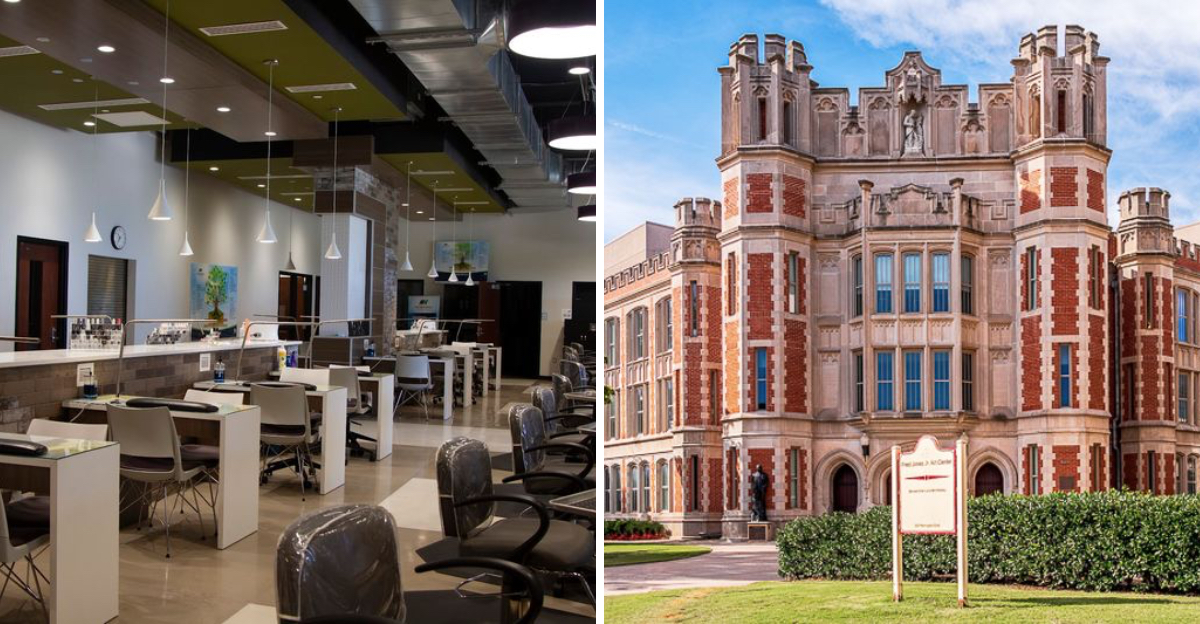
This city in Oklahoma is on the move, and not just because of its Big 12 football games and university energy.
Right now, the broader Oklahoma region is watching a technological transformation unfold in real time, as data centers multiply across the state and pull enormous amounts of water and electricity along with them.
Towns and cities throughout Oklahoma are feeling the squeeze, and the conversation about sustainable resource management has never been louder. If you want to understand what this shift really looks like on the ground, keep reading, because the details are genuinely fascinating.
Norman Sits at the Center of Oklahoma’s Tech Expansion Story

Few cities in Oklahoma carry as much symbolic weight as Norman, home to the University of Oklahoma and a growing population that now tops 120,000 residents.
As data center development spreads across the state, Norman is part of the broader statewide conversations about infrastructure, sustainability, and what rapid technological growth actually costs a community.
The city has long been associated with education and research, but the current wave of industrial expansion is pushing Norman into new territory.
Local planners and utility managers are watching neighboring regions closely, knowing that the pressures building elsewhere in Oklahoma could arrive at their doorstep sooner than expected.
Data centers require massive, continuous power supplies and significant water resources for cooling systems, and those needs do not shrink over time.
Norman’s position within the Oklahoma City metro area makes it a logical candidate for future development, and that reality is shaping policy discussions at city hall right now.
The question is not whether growth is coming, but whether the city can prepare its infrastructure to absorb it without straining residents who depend on the same water and electricity every single day.
Water Resources Are Being Stretched Across the State
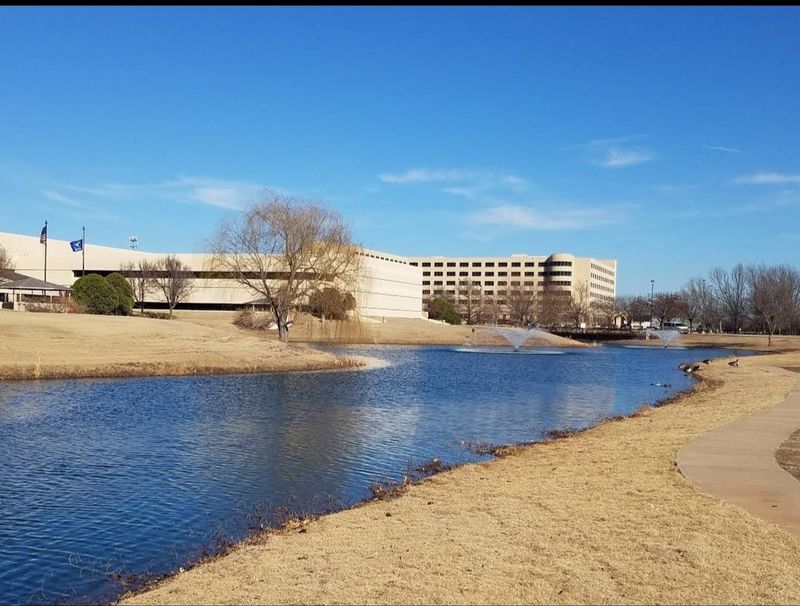
Water is not something most people think about until it starts running short, and Oklahoma is getting a sharp lesson in just how fast large-scale industrial users can reshape local supply.
Google’s data center in Pryor pulled over 1.1 billion gallons of water in a single year, drawing from the Neosho River through the MidAmerica Industrial Park’s permitted infrastructure.
That number is staggering when you put it in everyday terms.
The Oklahoma Water Resources Board has already projected that by 2075, surface water supply in regions including Oklahoma City and Tulsa may not meet total demand, with data centers listed as a contributing factor alongside population growth and urban spread.
Norman draws its water from a combination of Lake Thunderbird and other regional sources, and the city’s water system is designed for a growing but primarily residential and commercial base. Adding industrial-scale cooling operations to that equation changes the math significantly.
City engineers and environmental advocates in Norman are paying close attention to how communities like Muskogee and Coweta are handling their own water challenges, treating those situations as a preview of what thoughtful planning now might prevent later.
Electricity Demand Is Hitting Record Levels Throughout Oklahoma
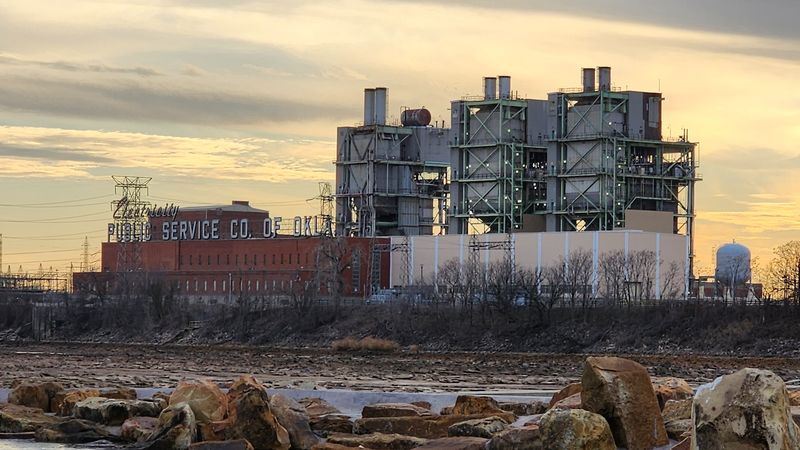
Power grids across Oklahoma are working harder than they ever have before. Public Service Company of Oklahoma, known as PSO, has reported record electricity demand influenced in part by data centers and broader growth.
That kind of rate increase might seem modest at first glance, but it lands differently for families already managing tight household budgets. Norman residents, many of whom are students, university employees, and working families, are part of the same regional grid that feeds these industrial operations.
The tension between economic development and affordable utility costs is real, and it does not resolve itself automatically.
Oklahoma’s energy mix includes significant natural gas and a growing renewable sector, but scaling up generation fast enough to meet surging industrial demand without burdening existing customers requires careful coordination between regulators, utilities, and city governments.
Norman’s local leaders are aware that staying ahead of this issue means engaging with state-level policy decisions now, rather than reacting to rate increases after they have already been approved and passed on to consumers.
Community Responses Across Oklahoma Are Shaping Policy
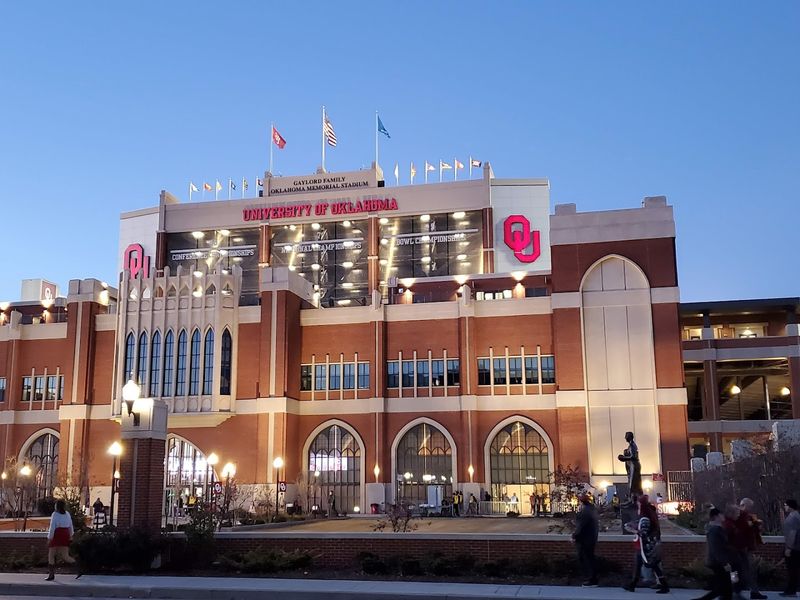
Towns across Oklahoma are not sitting quietly while data center developers make plans around them.
In Coweta, a developer behind the proposed Project Atlas data center offered to fund construction of a new wastewater treatment plant as part of its proposal, a sign that communities are now negotiating infrastructure improvements as part of the deal-making process.
Muskogee took a different path, raising water and utility rates to fund a new treatment facility in anticipation of data center development.
Both approaches reflect a growing awareness that the old model of simply approving permits and hoping infrastructure catches up is no longer acceptable to residents who bear the cost of getting it wrong.
Norman has a tradition of civic engagement, shaped in part by its large university community and an electorate that tends to ask detailed questions about growth proposals.
That culture positions the city well to demand transparency and infrastructure commitments from any large-scale tech developer that expresses interest.
The lessons coming out of Coweta and Muskogee are already part of the local conversation, and Norman’s planning department is watching those case studies with the focused attention of a student who knows the exam is coming.
The University of Oklahoma Adds a Unique Dimension to the Debate
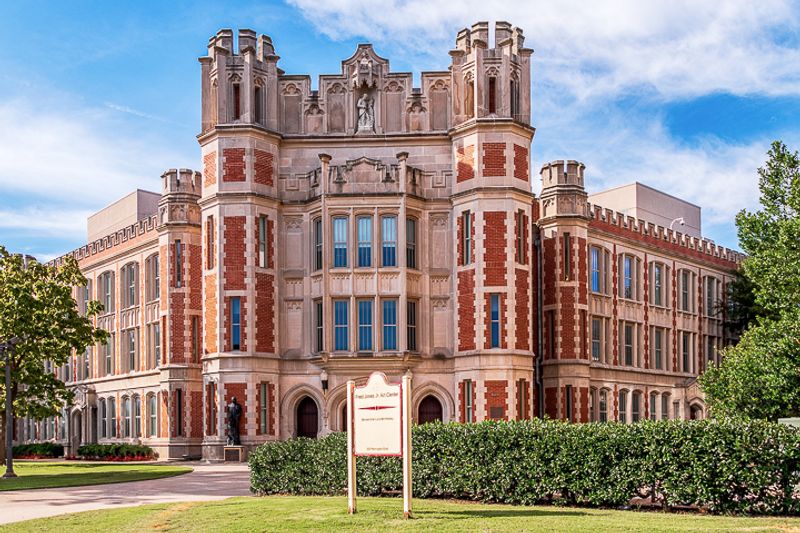
Having a major research university at the center of a city changes how that city processes complex problems, and Norman is no exception.
The University of Oklahoma brings environmental scientists, urban planners, engineers, and policy researchers together in a single community, creating an unusually deep pool of expertise for tackling questions about resource sustainability and industrial growth.
Faculty and graduate students at OU have been engaged in water resource research for decades, and the current surge in data center development across Oklahoma has given that work fresh urgency.
The university’s connection to state government and industry also means that research findings can move more quickly into actual policy conversations than they might in a city without that institutional presence.
Norman residents benefit from this proximity in practical ways, including public lectures, community forums, and locally published research that helps ordinary people understand what is happening to their water and power supplies. It is a genuine advantage that not every Oklahoma city can claim.
As the state works through the challenge of balancing technological investment with resource protection, having a world-class research institution embedded in the community gives Norman a head start on finding answers that actually work.
Infrastructure Investment Will Define Norman’s Next Chapter

Cities that thrive through periods of rapid technological change are almost always the ones that invested in infrastructure before the demand arrived, not after.
Norman is at a decision point right now, and the choices made over the next several years about water treatment capacity, grid upgrades, and zoning for industrial development will echo for decades.
The city has already been expanding its water system to accommodate population growth, with Lake Thunderbird serving as a central resource and ongoing projects to improve distribution and treatment capacity.
Adding data center-scale demand to that system without parallel investment would create pressure points that could affect service quality for everyone in Norman.
Local officials have the advantage of watching other Oklahoma communities navigate these challenges in real time. The mistakes made in towns that approved large developments without securing infrastructure commitments are visible and well-documented.
Norman’s planning culture, shaped by a well-informed and vocal citizenry, creates accountability that can push decision-makers toward the harder but smarter path.
Getting the infrastructure right is not just a technical challenge; it is a civic one, and Norman has the community engagement to make sure it happens on terms that protect existing residents while still welcoming responsible growth.
Sustainability Goals Are Being Tested by Industrial Appetite
Oklahoma has made meaningful progress on renewable energy over the past decade, with wind power in particular becoming a significant part of the state’s generation mix.
That progress looks impressive on paper, but the surge in data center development is stress-testing whether the state’s clean energy ambitions can keep pace with its industrial growth ambitions at the same time.
Data centers run around the clock and require uninterrupted power, which means they depend on reliable baseload generation in addition to intermittent renewable sources.
Meeting that need without significantly increasing carbon output requires careful planning and investment in storage and grid management technology that Oklahoma is still building out.
Norman’s own sustainability commitments, including goals around reducing municipal emissions and improving energy efficiency in city operations, exist within this larger state context.
A city can set ambitious local targets, but if the regional grid powering that city is straining under industrial demand, the gap between intention and reality grows.
Norman’s residents and leaders are increasingly aware that local sustainability goals and state-level energy policy are not separate conversations; they are the same conversation, and showing up to both tables is the only way to shape outcomes that reflect the community’s values.
Economic Opportunity and Resource Protection Must Balance Each Other
The economic case for data centers is not hard to make. They bring construction activity, permanent jobs, and tax revenue that can fund schools, roads, and public services.
For a city like Norman, which has a diverse economy anchored by the university but always looking for ways to broaden its base, that kind of investment is genuinely attractive.
The challenge is that the economic benefits and the resource costs do not always land in the same places.
The jobs and tax revenue go to the city and its residents, but the strain on water supplies and power grids is shared across the region, sometimes falling most heavily on communities that are not seeing the same economic returns.
Norman’s approach to this tension will say a lot about the kind of city it wants to be as Oklahoma continues to grow as a tech destination.
Demanding infrastructure guarantees, pushing for transparent reporting on resource consumption, and insisting on community benefit agreements are all tools that other Oklahoma cities are starting to use.
Norman has the civic infrastructure, the institutional knowledge, and the engaged population to use those tools effectively, and doing so could make it a model for how mid-size Oklahoma cities manage the data center era with both ambition and responsibility.
What Comes Next for Norman and the Broader Oklahoma Region
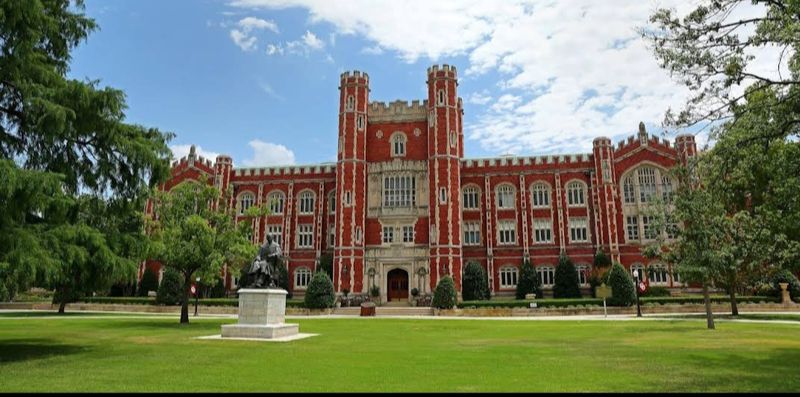
The data center boom in Oklahoma is not slowing down, and Norman’s story is still being written.
The city’s location, talent base, and institutional strength make it a serious candidate for future tech investment, and the decisions made now about how to manage that interest will shape life in Norman for generations of residents to come.
State-level coordination between the Oklahoma Water Resources Board, utility regulators, and municipal governments is becoming more important with every new facility that comes online.
Norman’s voice in those conversations matters, and the city has the credibility and expertise to contribute meaningfully to statewide policy rather than simply reacting to it.
The broader lesson emerging from Oklahoma’s data center surge is that technological growth and community well-being are not automatically aligned; they require deliberate effort, honest accounting, and genuine collaboration between developers, governments, and the people who actually live in the places being transformed.
Norman is well positioned to be part of that solution, bringing the same spirit of inquiry and civic engagement that defines its university culture to one of the most consequential infrastructure challenges Oklahoma has faced in modern times.
The path forward is demanding, but the city has exactly the kind of community that tends to rise to meet it.
Dear Reader: This page may contain affiliate links which may earn a commission if you click through and make a purchase. Our independent journalism is not influenced by any advertiser or commercial initiative unless it is clearly marked as sponsored content. As travel products change, please be sure to reconfirm all details and stay up to date with current events to ensure a safe and successful trip.
