I have been to towns where the history feels staged. The buildings look old, the streets look charming, but the energy underneath feels a little forced.
Then every once in a while I land somewhere that gets it right. You walk down a street lined with old brick buildings that look like they belong in a 19th century photograph.
The place feels quiet at first, almost frozen in time. Then you step through a door and the whole mood shifts.
Suddenly there is a kitchen turning out food that is creative, bold, and full of life. The kind of meal that makes you stop mid bite just to appreciate what is happening.
Those are the towns I love the most. The ones that reward you for slowing down, looking a little closer, and eating your way through the story they are still writing.
A Town Built on Big Ambitions
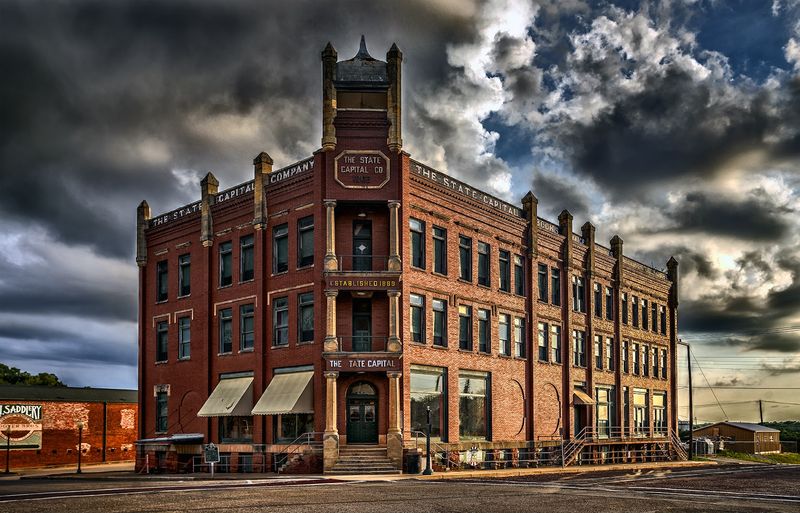
Nobody builds a city center like this by accident. Guthrie, Oklahoma, was designed with the confidence of a place that fully expected to matter, and matter it did, serving as Oklahoma’s very first state capital when the territory officially became a state in 1907.
Walking down the main streets here feels genuinely disorienting in the best way possible. The architecture is Victorian, ornate, and proud, with carved stonework above doorways and tall windows that catch the afternoon light in a way that makes everything glow amber.
What makes it even more striking is the scale. Guthrie holds the largest contiguous urban historic district in the entire United States, with over 400 buildings listed on the National Register of Historic Places.
That is not a small footnote. That is a jaw-dropping achievement for a city with just over 10,000 residents.
The town grew fast after the Land Run of 1889, when thousands of settlers rushed in and staked their claims in a single chaotic afternoon. That frenetic energy translated into ambitious construction, and somehow, much of it survived.
Walking here is less like visiting a museum and more like stepping into a living neighborhood where history just happens to be the wallpaper.
Stables Cafe and the Art of Comfort Food Done Right
Comfort food gets a bad reputation sometimes, like it is somehow less serious than the fancy stuff. Stables Cafe in Guthrie, Oklahoma, is here to respectfully disagree with that idea, one plate of chicken-fried steak at a time.
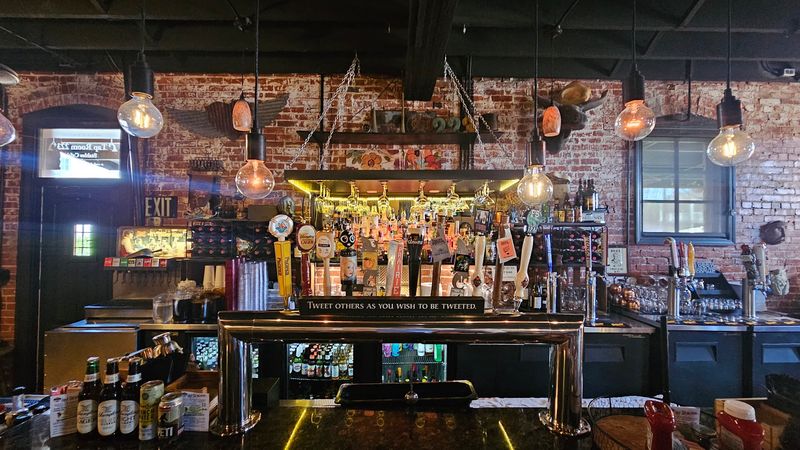
The building itself was once an actual stable, and the restoration work kept enough of the original character to make the space feel warm and rooted rather than artificially rustic.
Exposed beams, worn wood, and a general sense that this place has seen a lot of life all come together in a dining room that feels earned.
The menu leans hard into Oklahoma classics, the kind of food that fills you up and makes you slow down. Homemade pies rotate through the menu, and the kind of care that goes into each slice is obvious from the first forkful.
It is the sort of place where the food tastes like someone’s grandmother perfected the recipe over decades.
What separates Stables from a generic diner is the balance it strikes between rustic setting and attentive cooking. The ingredients are treated with respect, the portions are honest, and the whole experience carries a warmth that you do not find in places just going through the motions.
Guthrie’s food story starts here.
Katie’s Diner Keeps the Classic Alive
There is a specific kind of hunger that only a diner can satisfy. Not a trendy brunch spot, not a farm-to-table concept, but a real, no-frills diner where the coffee is hot, the portions are enormous, and the menu has not changed much because it does not need to.
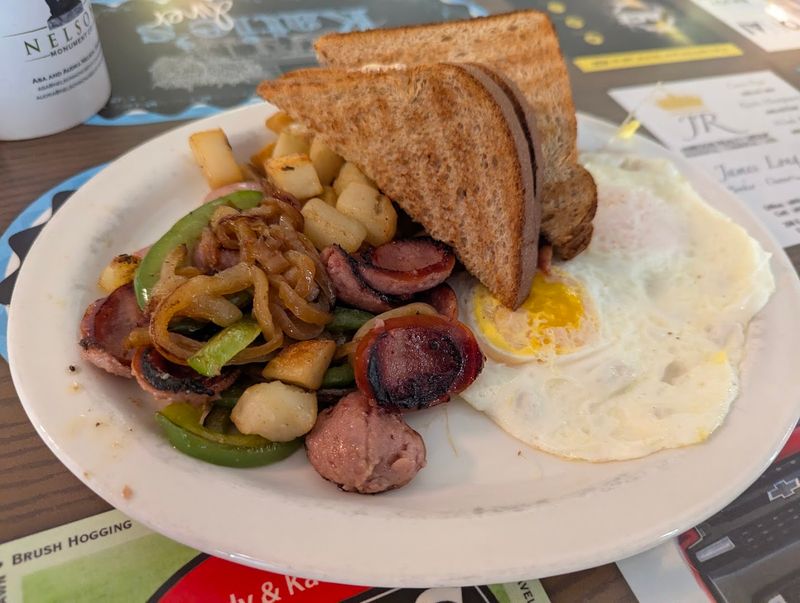
Katie’s Diner in Guthrie, Oklahoma, fills that role with enthusiasm. It is a local favorite for breakfast and lunch, the kind of place where regulars have their usual order and the staff knows it before they sit down.
Newcomers are welcomed with the same easy friendliness that the regulars enjoy.
The food is classic American fare, eggs cooked the way you want them, stacks of pancakes that mean business, sandwiches built with generous hands. Nothing here is trying to reinvent the wheel, and that is entirely the point.
Some meals are just meant to be straightforward and satisfying.
What Katie’s offers beyond the food is a sense of community. Diners like this one function as informal town squares, where people catch up, share news, and simply exist alongside each other in an unhurried way.
In a world of curated dining experiences, there is something refreshing about a place where the only agenda is feeding people well and sending them off happy.
Granny Had One and the Serious Business of Pie

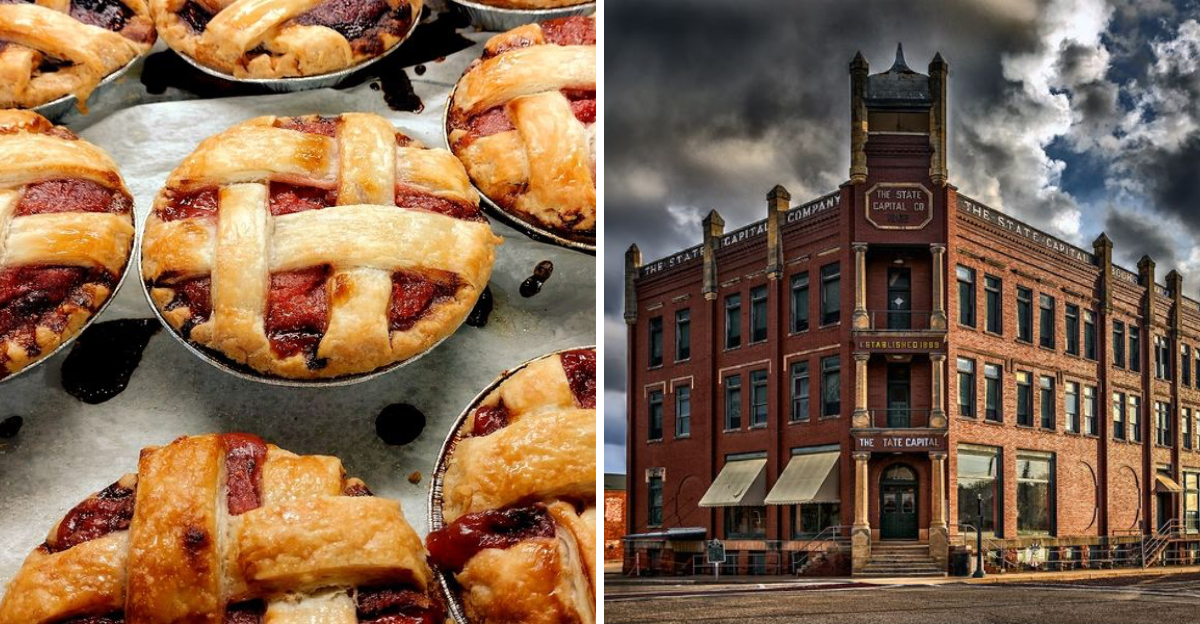
Pie is one of those foods that sounds simple until you have a truly great one, and then you understand why some bakers dedicate their entire careers to perfecting it. Granny Had One in Guthrie, Oklahoma, is a bakery built around that kind of dedication.
The name alone earns points for personality. It conjures exactly the right image, a grandmother’s kitchen, the smell of butter and sugar, a pie cooling on the windowsill.
The bakery lives up to that promise in a very real way, turning out pies and desserts with the kind of consistency that only comes from genuine skill and care.
Locals have made it a destination, and visitors quickly understand why. The crusts are flaky in the way that matters, the fillings are balanced rather than overwhelmingly sweet, and the variety on offer keeps things interesting no matter how many times you return.
Sweets this good also say something about a food community. A bakery like Granny Had One does not thrive in a town that does not appreciate quality.
Its success reflects a local palate that knows the difference between a good pie and a great one. For anyone exploring Guthrie’s culinary landscape, skipping this stop would be a real loss.
Arrive early, because the best selections tend to disappear fast.
The Wander Inn Brings Seasonal Thinking to a Historic Town
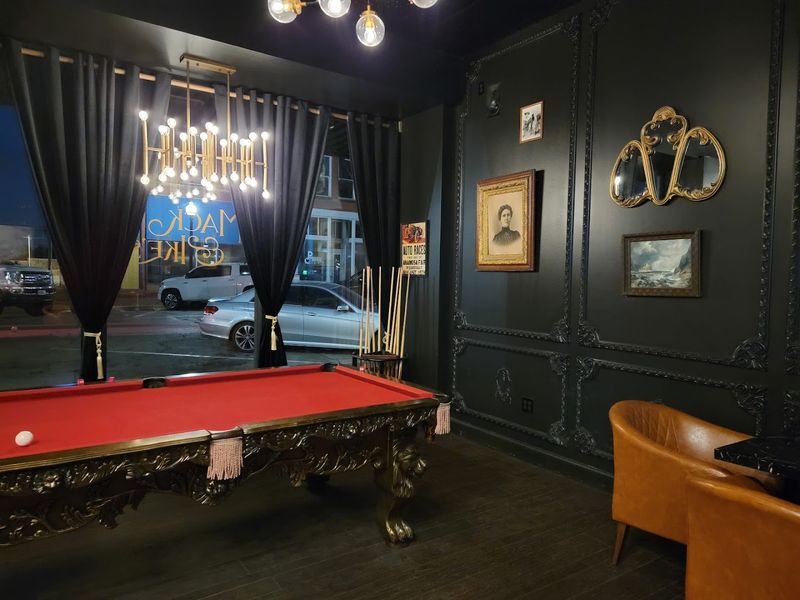
Seasonal menus sound like a buzzword until you actually eat from one and realize how different food tastes when the ingredients are at their peak. The Wander Inn in Guthrie, Oklahoma, operates with this philosophy at its core, and the results speak for themselves.
The menu shifts with the seasons, drawing on local ingredients to shape dishes that feel current and considered rather than frozen in time. It is a contemporary approach that might seem at odds with Guthrie’s Victorian aesthetic, but the contrast is part of what makes this town so interesting.
The atmosphere inside feels intentional without being pretentious. The kind of place where you can linger over a meal without feeling rushed, where the lighting is warm and the space invites conversation.
It strikes a balance between cozy and polished that is harder to achieve than it looks.
For food travelers who want something beyond the familiar, The Wander Inn offers a compelling reason to visit. It represents the newer layer of Guthrie’s food identity, the one that says this town is not just preserving the past but actively building something fresh.
Dishes change, inspirations shift, and every visit has the potential to offer something you have not tasted before. That kind of culinary curiosity is contagious.
Historic Architecture as a Full Sensory Experience
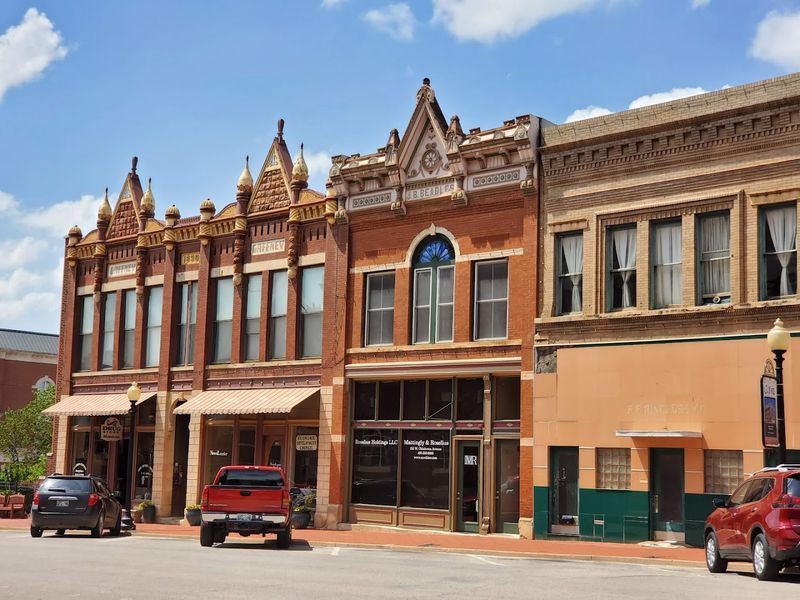
Most people know to look up in old cities, but Guthrie, Oklahoma, rewards looking at every angle. The facades along the main commercial streets are layered with detail, carved cornices, arched windows, decorative brickwork, and ironwork that speaks to a time when buildings were meant to impress.
The sheer density of preserved architecture here creates an immersive environment that photographs cannot fully capture. You have to walk it slowly, ideally more than once, to start noticing the smaller things.
A date carved into a keystone. A painted ghost sign faded into brick.
A roofline that tells you exactly how ambitious the original owner was.
What makes this especially remarkable is the cohesion. Because so much of the historic district survived intact, there is no jarring shift between old and new every half block.
The experience is sustained, which is rare. Most American towns have fragments of history scattered between modern interruptions.
Guthrie offers something closer to continuity.
The architecture also sets a mood that influences how the food tastes and how the whole visit feels. Eating inside a building from 1890 while the kitchen serves something seasonal and modern creates a kind of time-overlap that is hard to manufacture and impossible to fake.
Guthrie pulls it off without even trying too hard.
The Pollard Theatre and Culture at the Dinner Table
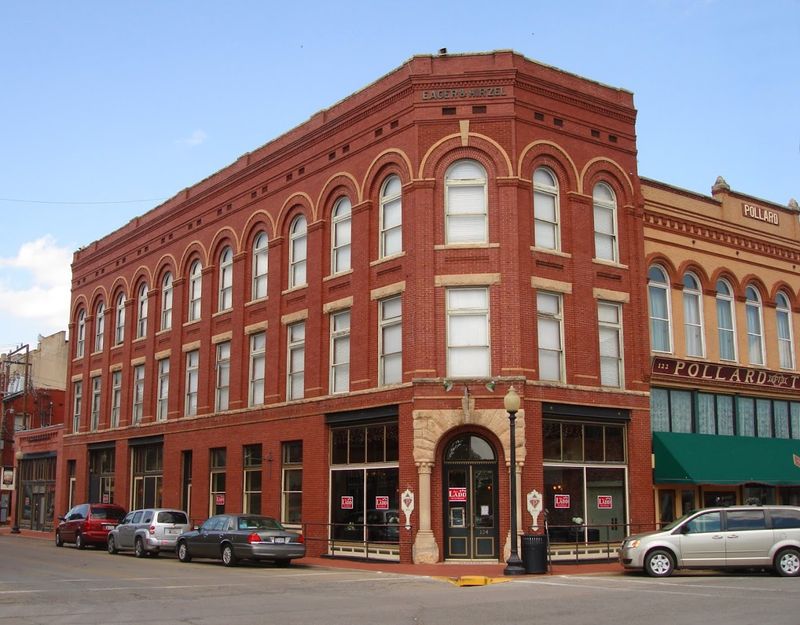
Food and culture have always fed each other, and in Guthrie, Oklahoma, The Pollard Theatre makes that connection literal. This historic venue hosts events that weave local culinary experiences into the broader cultural fabric of the town, turning a night out into something more layered than a single activity.
The theatre itself is a piece of Guthrie’s living history, a venue that has been part of the community’s creative life for decades. Its presence in the historic district feels right, like a building that was always meant to host stories, both on stage and around a table.
When the theatre incorporates food into its programming, it creates an experience where the flavors of the region become part of the evening’s narrative. Local cuisine shows up not as an afterthought but as a genuine expression of place and identity.
It is the kind of cultural programming that treats food with the same seriousness as art.
For visitors, this offers a way to connect with Guthrie on a deeper level than sightseeing alone allows. Sharing a meal in a historic space while engaging with local creative work produces a specific kind of memory, one that is harder to forget than a standard tourist stop.
The Pollard Theatre is proof that a town’s culture and its cuisine are always in conversation with each other.
The Land Run Legacy and Why It Still Flavors Everything
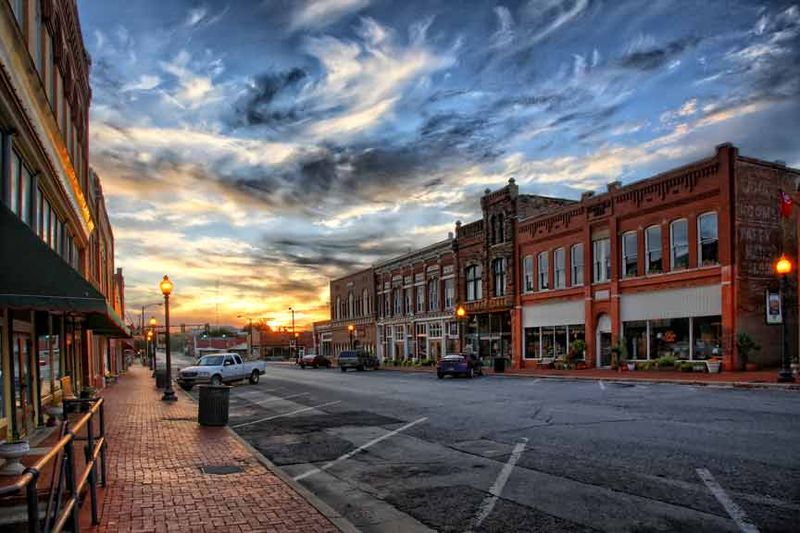
Every city has an origin story, but few are as dramatic and immediate as Guthrie’s. On April 22, 1889, the Land Run of 1889 transformed an empty stretch of Oklahoma Territory into a city of thousands in a single afternoon.
By nightfall, Guthrie had a population and an identity, both built at a speed that still seems almost impossible.
That founding energy shaped everything, including the food culture. Communities formed quickly here, drawn from different regions and backgrounds, each group bringing culinary traditions that eventually blended into something distinctly Oklahoman.
The comfort food heritage that defines so many Guthrie kitchens today has roots in that rapid, diverse settlement.
Understanding the Land Run helps you appreciate why Guthrie feels like it has something to prove, in the best possible sense. It was built fast and built with ambition, and that spirit never fully left.
The modern food scene carries traces of it in the willingness to experiment alongside the commitment to honoring what came before.
Walking the historic district with this context in mind changes how the whole place feels. The buildings are not just old, they are evidence of a remarkable human moment.
And the food served inside them is not just sustenance, it is a continuation of a story that started over a century ago on this exact piece of Oklahoma ground.
Why Guthrie Deserves a Spot on Your Oklahoma Road Trip
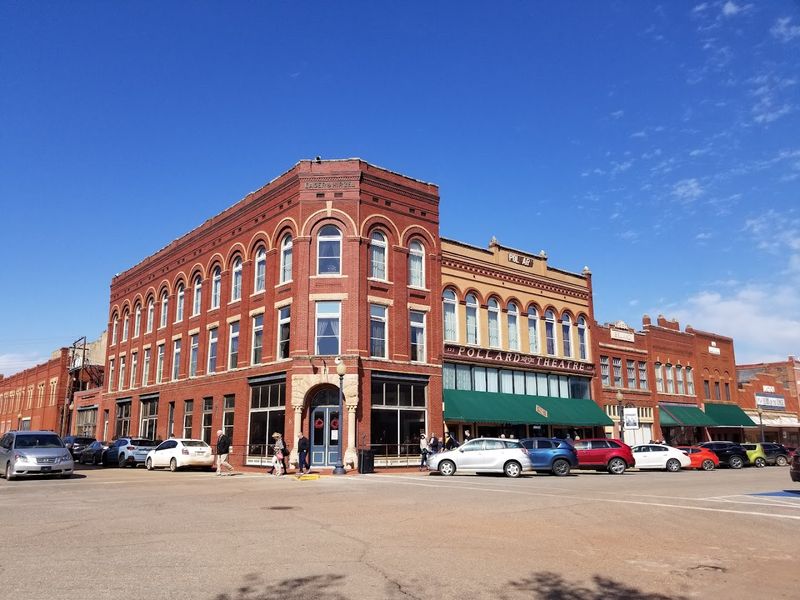
Road trips through Oklahoma have a way of surprising you, and Guthrie, Oklahoma, is one of the state’s most rewarding surprises. Located in Logan County, roughly 30 miles north of Oklahoma City as part of the Oklahoma City Metroplex, it is close enough for a day trip but rich enough to justify staying longer.
The combination of preserved architecture and an evolving food scene creates a destination that works on multiple levels. History enthusiasts get one of the most intact Victorian commercial districts in the country.
Food lovers get a lineup of restaurants and bakeries that range from soul-warming classics to seasonally driven modern cooking. And anyone who just wants to walk a beautiful street and feel somewhere real gets that too.
Guthrie sits at a cultural crossroads that feels increasingly rare. It has not been over-developed, over-branded, or turned into a theme park version of itself.
The town still functions as a real community where people live, work, and eat, and visitors are welcome to participate in that rather than just observe it.
The city of Guthrie is located at approximately 35.88 degrees north latitude in Logan County, Oklahoma, United States, and the city’s official resource is available at cityofguthrie.com. Come for the buildings, stay for the pie, and leave wondering why it took you so long to find this place.
Dear Reader: This page may contain affiliate links which may earn a commission if you click through and make a purchase. Our independent journalism is not influenced by any advertiser or commercial initiative unless it is clearly marked as sponsored content. As travel products change, please be sure to reconfirm all details and stay up to date with current events to ensure a safe and successful trip.
