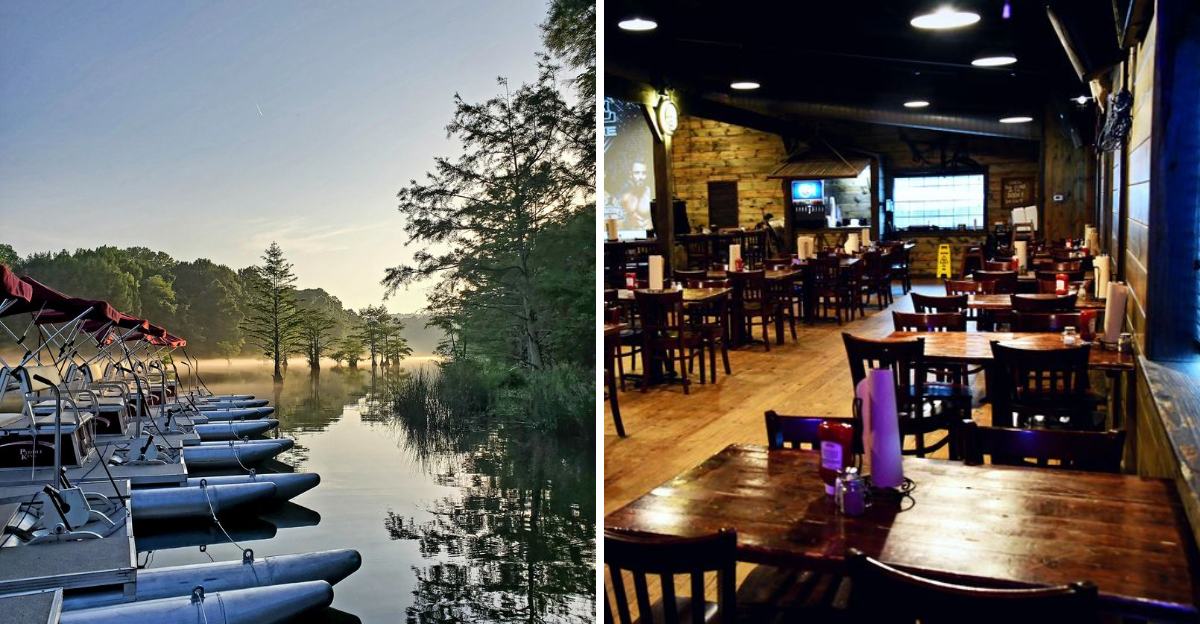
I never expected to find myself standing in a tiny Oklahoma town, surrounded by mountains and wondering how I’d stumbled into what felt like a culinary fever dream. Hochatown, tucked into the southeastern corner of Oklahoma in McCurtain County, was supposed to be a quiet lakeside retreat.
Instead, I found a place where barbecue joints sit next to gourmet pizza spots, where food trucks serve everything from Thai fusion to upscale burgers, and where the whole transformation happened almost by accident.
The town flooded decades ago when Broken Bow Lake was created, and when it rebuilt itself, nobody planned for it to become the unexpected restaurant capital of rural Oklahoma. Yet here we are, with visitors driving hours just to eat their way through this accidental foodie paradise.
A Town That Rose From the Waters
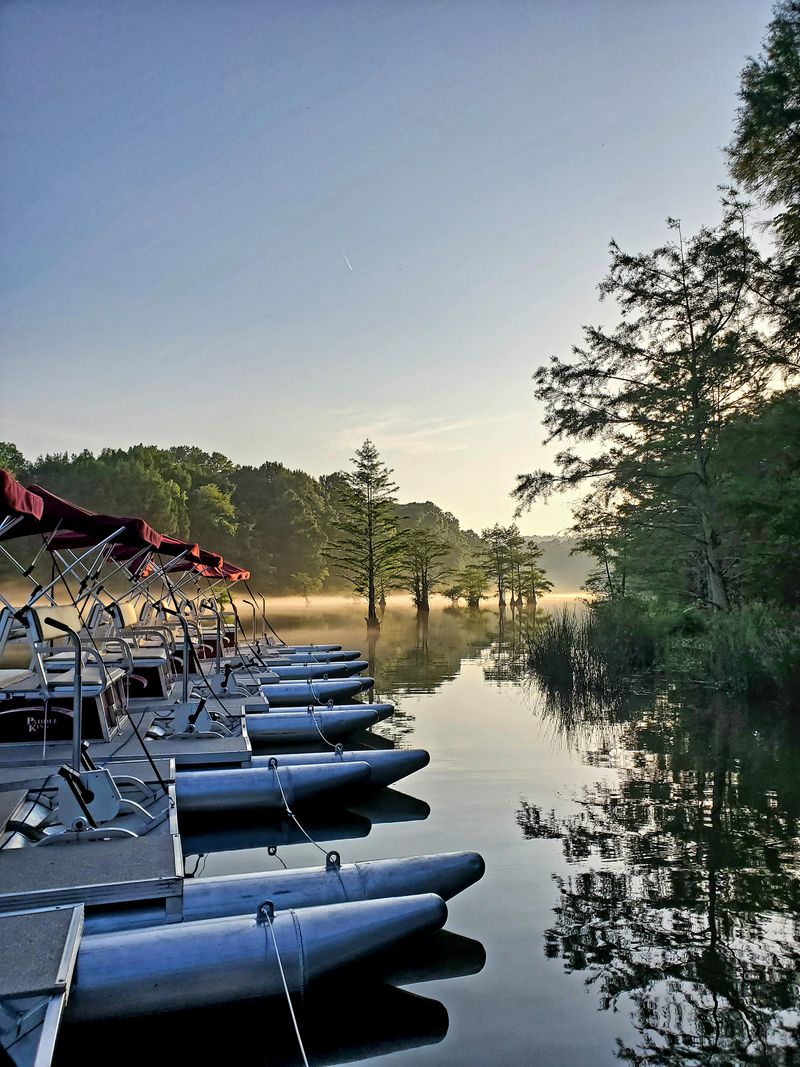
Hochatown sits at 34.1523291, -94.7527181, coordinates that place it firmly in the heart of southeastern Oklahoma’s most beautiful terrain.
The original town disappeared beneath the waters after the Mountain Fork River was dammed, with Broken Bow Lake beginning impoundment in 1968 and reaching its conservation pool in 1970.
Hochatown formally incorporated as a municipality in 2022, a move that reflected just how far the once-sleepy lake community had grown.
When the second Hochatown emerged, it started as a handful of fishing cabins and modest lakeside retreats. Nobody imagined it would become anything more than a quiet weekend getaway for folks looking to catch bass or enjoy the pine-covered mountains.
I walked along the lake’s edge during my visit, trying to picture the old town beneath those clear waters. The irony isn’t lost on anyone here that the very disaster that erased the first Hochatown created the natural beauty that would eventually draw thousands of visitors.
Today’s Hochatown stretches along Highway 259, a ribbon of development that serves the lake community. The town’s rebirth set the stage for everything that followed, though nobody could have predicted the culinary revolution brewing.
Understanding this history helps explain why Hochatown feels different from typical tourist towns. It wasn’t designed or planned, it simply grew organically around what people needed and wanted.
The Cabin Boom That Changed Everything
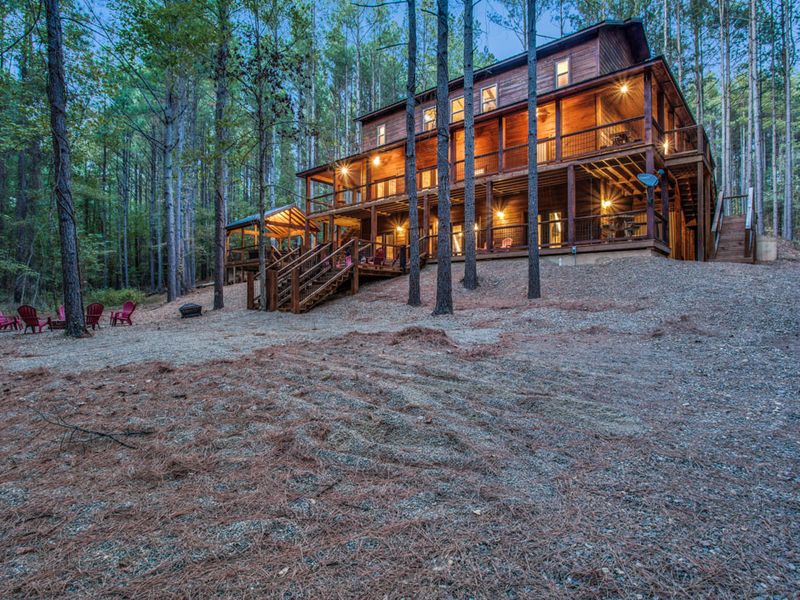
Around 2010, something unexpected started happening in the forests around Hochatown. Investors and entrepreneurs began building luxury cabins, transforming what had been a budget-friendly fishing destination into something entirely different.
These weren’t your grandfather’s rustic retreats. I’m talking about multi-million dollar properties with hot tubs, game rooms, chef’s kitchens, and floor-to-ceiling windows overlooking the Ouachita Mountains.
The cabin boom created a new kind of visitor to southeastern Oklahoma. Suddenly, families from Dallas, Little Rock, and Oklahoma City were booking weekend getaways in homes that slept twelve people and cost more per night than a nice hotel.
Here’s where the food story begins: these visitors had money to spend and expectations to match. They wanted experiences, not just a lake view and a fishing pole.
The old Hochatown restaurants, mostly serving fried catfish and burgers, couldn’t meet the demand.
I stayed in one of these cabins during my visit, a three-story marvel with a pizza oven and a view that made me understand the appeal. When you’re paying premium prices for accommodation, you want premium dining options too.
The cabin industry created the customer base that would support Hochatown’s restaurant revolution.
Barbecue Joints That Started the Trend
Grateful Head Pizza opened in 2016, but before that, a few ambitious barbecue spots started testing whether Hochatown could support serious restaurants.
I visited on a Saturday afternoon and found a two-hour wait for a table. In a town with a permanent population of just a few hundred people, that shouldn’t be possible, yet there I stood with dozens of other hungry visitors.
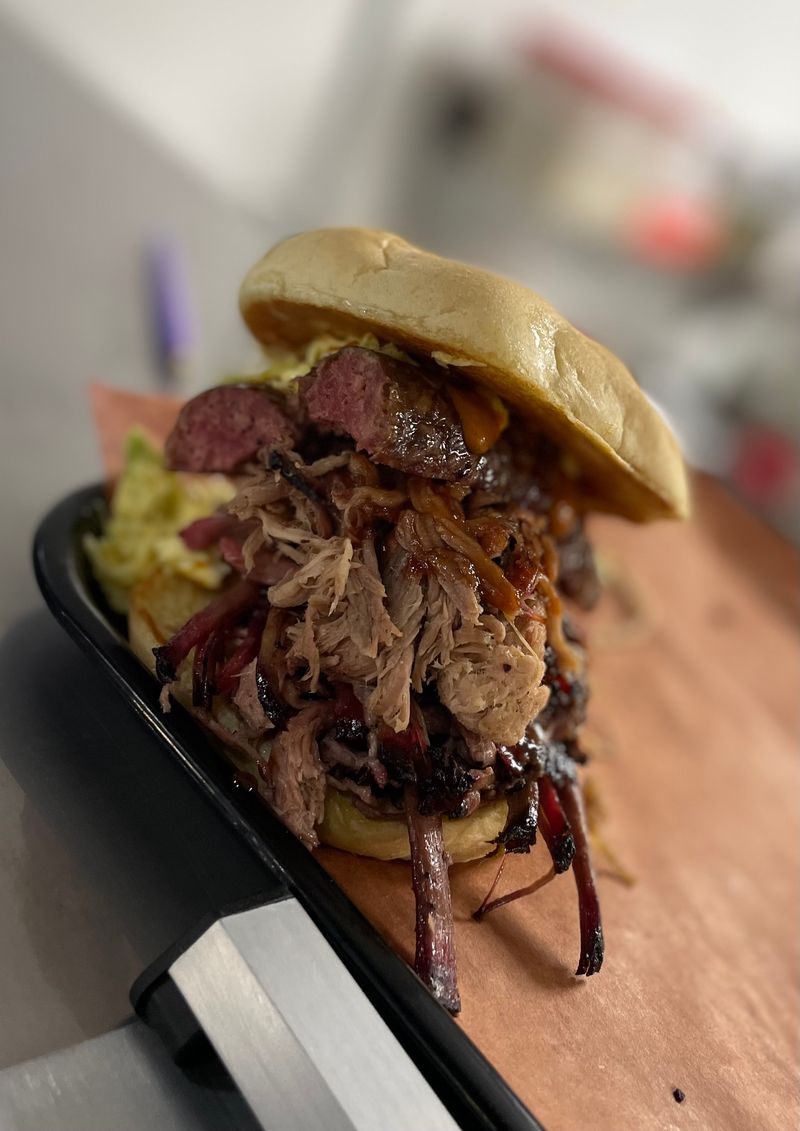
The barbecue scene in Hochatown benefits from Oklahoma’s broader love affair with smoked meats. Pitmasters here take their craft seriously, smoking brisket for twelve hours and perfecting rib rubs that locals guard like state secrets.
What surprised me most was the quality. I’ve eaten barbecue across Texas and Kansas City, and Hochatown’s offerings hold their own.
The meat was tender, the smoke rings were perfect, and the sides showed actual care and creativity.
These early restaurants proved that visitors would pay good money for excellent food in Hochatown. They showed other entrepreneurs that the market existed, that you could build a successful restaurant in what seemed like the middle of nowhere.
The barbecue pioneers paved the way for the diverse culinary landscape that followed.
The Pizza Revolution Nobody Saw Coming
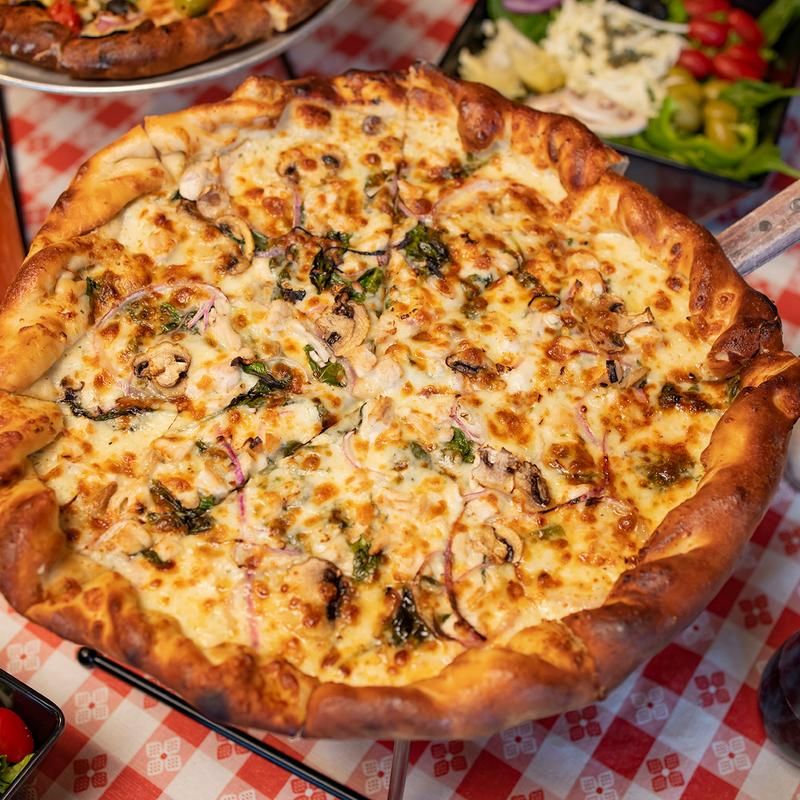
Grateful Head Pizza changed the game completely. When it opened, skeptics wondered who would drive to rural Oklahoma for pizza.
Turns out, thousands of people would.
I waited forty-five minutes for a table on a Wednesday night, surrounded by families who’d clearly made this pizza pilgrimage before. The wood-fired pies that emerged from the kitchen weren’t just good for a small town, they were legitimately excellent by any standard.
The success of Grateful Head inspired imitators and innovators. Suddenly Hochatown had multiple pizza options, each trying to carve out their own niche with unique toppings and styles.
What makes the pizza scene work here is the same thing that makes the whole food scene work: captive audiences with disposable income. When you’re staying in a cabin for the weekend, you’re eating out for every meal.
You want variety and quality.
I talked to the owner of one pizza spot who told me they never planned to be in Hochatown. They were looking at Broken Bow, the larger nearby town, but couldn’t find the right location.
Hochatown was a backup plan that turned into their most successful venture. Sometimes the best business decisions are the accidental ones.
Food Trucks Found Their Paradise
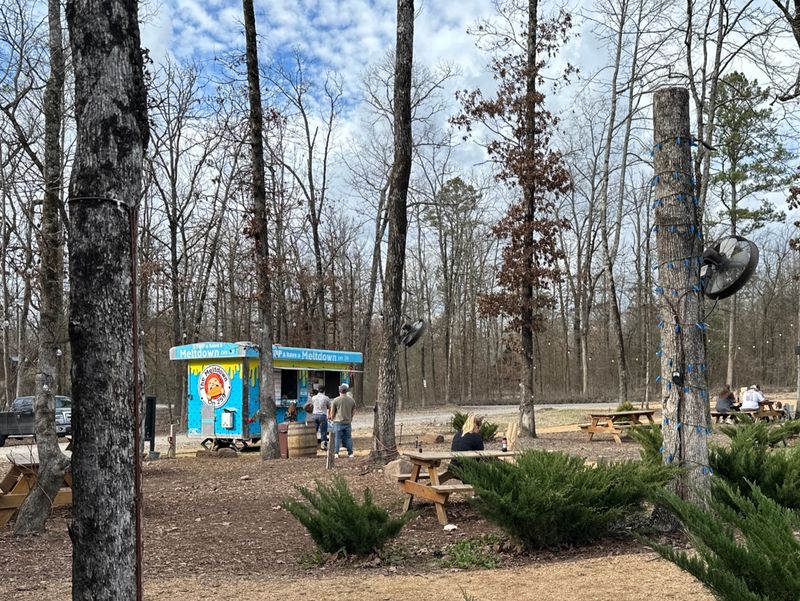
The food truck phenomenon in Hochatown reflects the town’s improvisational spirit. Without enough brick-and-mortar restaurants to serve the growing crowds, mobile kitchens filled the gap.
I counted at least eight different food trucks during my weekend visit, serving everything from Thai curry to gourmet tacos. They set up in parking lots, on empty land, wherever they could find space and customers.
One truck I visited, specializing in fusion cuisine, told me they make more money in Hochatown on a single weekend than they do all week in Oklahoma City. The weekend crowds are that consistent and that hungry.
Food trucks work perfectly in Hochatown’s casual, outdoor-oriented culture. After a day on the lake or hiking in Beavers Bend State Park, grabbing dinner from a truck and eating at a picnic table feels right.
The mobility of food trucks also means the culinary options keep changing. New trucks rotate through, testing concepts and menus. What works stays, what doesn’t moves on.
I tried Korean barbecue tacos from one truck that would hold their own in any major city. The chef had worked in fine dining in Dallas before deciding the food truck life in Hochatown offered better quality of life and comparable income.
Upscale Dining in the Pines
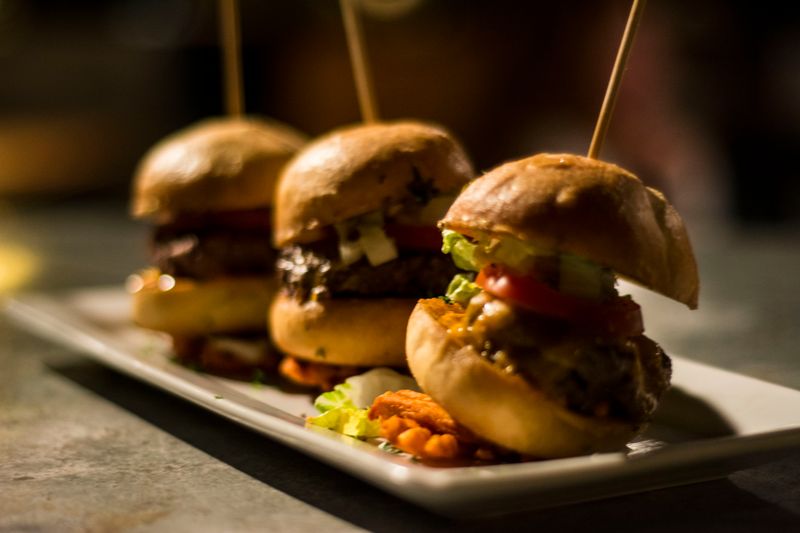
Several reservation-only upscale restaurants now represent Hochatown’s evolution into a legitimate dining destination. These aren’t casual spots, they’re date-night restaurants with dress codes.
I made a reservation three weeks in advance for a Friday dinner, and even then, I got the last available table. The dining room was packed with couples celebrating anniversaries, families marking special occasions, and food enthusiasts who’d driven from Tulsa specifically for the meal.
The menu featured locally sourced ingredients when possible, wild-caught fish, and preparations that wouldn’t be out of place in much larger cities. My elk tenderloin was perfectly cooked, served with seasonal vegetables and a reduction that showed real technique.
What strikes me about upscale dining in Hochatown is the confidence. These restaurants aren’t apologizing for their remote location or trying to be something they’re not.
They’re simply cooking excellent food and trusting that customers will find them.
The servers I talked to mentioned that many diners are repeat visitors who plan their Hochatown trips around restaurant reservations. The food has become as much of an attraction as the lake.
Hochatown proved that fine dining can thrive anywhere if the quality is there and the market exists.
The Breakfast Wars Heat Up
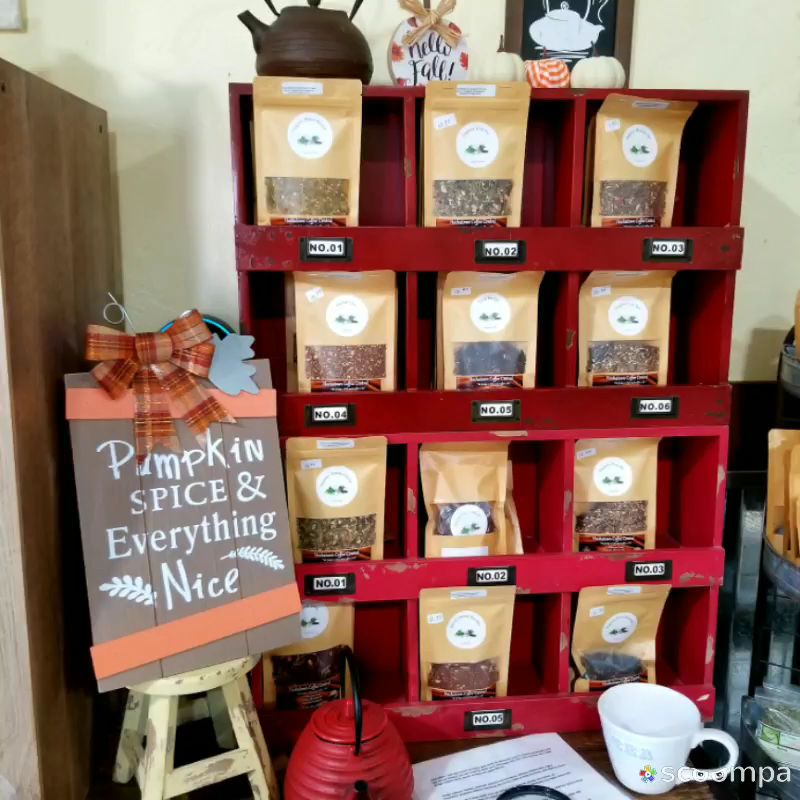
Breakfast in Hochatown has become unexpectedly competitive. Multiple restaurants now vie for the morning crowd, each offering their own take on the most important meal of the day.
I visited three different breakfast spots during my stay, and each had a line out the door by 8 AM. Families in vacation mode, apparently, wake up hungry and ready to eat.
The breakfast scene ranges from classic diners serving massive plates of eggs and bacon to more contemporary spots offering avocado toast and artisan coffee. This variety reflects Hochatown’s diverse visitor base.
One restaurant I tried, specializing in oversized cinnamon rolls and creative pancake flavors, told me they serve over 500 people on busy Saturday mornings. In a town this small, those numbers are staggering.
What I appreciated most was the quality across the board. Even the most traditional diner-style breakfast was made with care, fresh ingredients, and attention to detail.
Nobody’s coasting on being the only option in town.
The breakfast competition benefits everyone. Restaurants push each other to improve, and visitors enjoy constantly evolving menus and creative new dishes.
I had chicken and waffles that rivaled anything I’ve eaten in major cities.
How Social Media Fueled the Fire
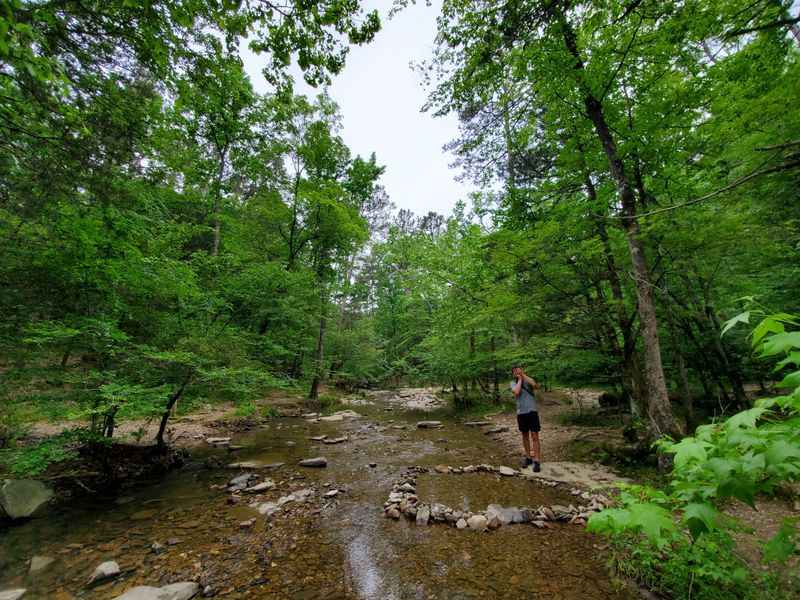
Instagram and Facebook transformed Hochatown’s accidental food scene into a phenomenon. Visitors started posting photos of their meals, tagging restaurants, and creating organic marketing that money couldn’t buy.
I watched diners at nearly every restaurant I visited carefully photographing their food before taking a bite. Those photos would reach hundreds or thousands of followers, many of whom would add Hochatown to their travel lists.
Restaurant owners I spoke with said social media changed everything. They didn’t need to advertise in traditional ways because customers were doing it for them.
A single viral post about a particular dish could lead to weeks of people ordering that item.
The photogenic nature of Hochatown’s food helps. Restaurants learned to plate dishes with Instagram in mind, creating visual appeal that matched the taste.
It’s marketing and culinary art combined.
Food bloggers and influencers started making dedicated trips to Hochatown, producing content that reached audiences far beyond Oklahoma. Suddenly people in Chicago and Denver were talking about restaurants in a tiny town they’d never heard of.
The social media effect created a feedback loop: better food attracted more visitors, more visitors meant more posts, more posts attracted even more visitors. Hochatown’s culinary reputation spread faster than any traditional advertising campaign could have achieved.
The Challenge of Keeping Up With Demand
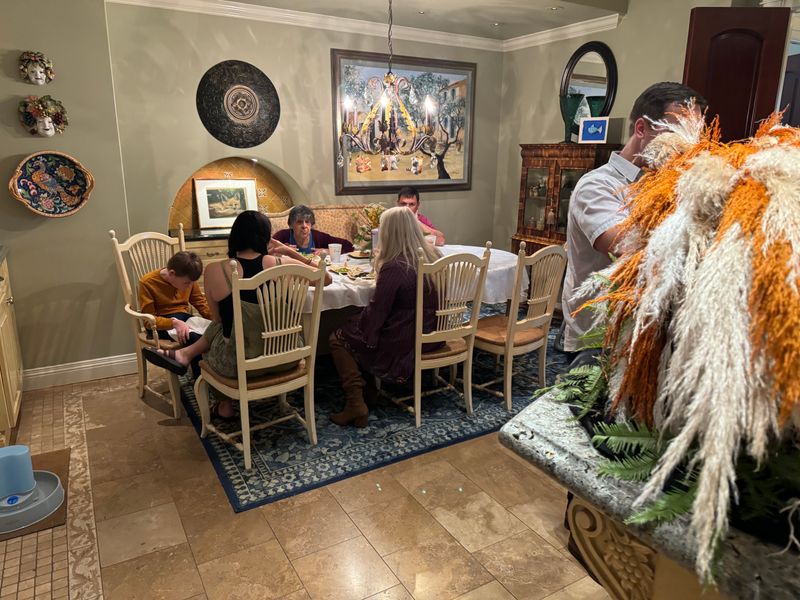
Success brought challenges that Hochatown’s restaurants still grapple with. The sheer volume of visitors on peak weekends strains even the most prepared establishments.
I talked to a restaurant manager who described summer weekends as controlled chaos. They’re serving triple their normal capacity, running out of ingredients despite ordering extra, and dealing with wait times that test customer patience.
Staffing presents a major hurdle. Hochatown doesn’t have a large local population to draw from, and housing for workers is limited and expensive.
Restaurants compete for the same small pool of employees.
Some establishments have gotten creative, offering housing to staff or running shuttle services from nearby towns. Others simply close on slow weekdays to give their teams rest before the weekend rush.
The infrastructure challenges extend beyond individual restaurants. The town itself struggles to handle the traffic and parking demands that the food scene creates.
On busy nights, finding parking near popular restaurants can take twenty minutes.
Despite these growing pains, restaurant owners remain optimistic. They’re expanding when possible, streamlining operations, and working together more than competing.
The rising tide is lifting all boats, even if that tide sometimes feels overwhelming.
Local Ingredients and Regional Flavors
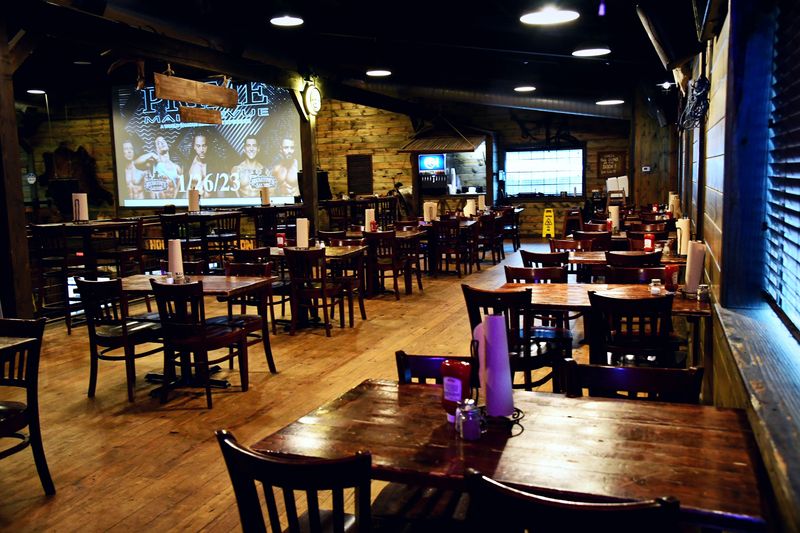
Hochatown’s best restaurants embrace Oklahoma’s agricultural bounty and regional culinary traditions. They’re not trying to be New York or Los Angeles, they’re celebrating where they are.
I tasted catfish caught from local waters, beef from Oklahoma ranches, and produce from farms in the surrounding counties. The farm-to-table movement found fertile ground in Hochatown, where proximity to sources makes freshness easy.
Several restaurants maintain relationships with specific farmers and ranchers, building menus around what’s available seasonally. This approach creates variety throughout the year and supports the local economy beyond tourism.
The regional flavor profile tends toward bold and hearty, reflecting Oklahoma’s position at the crossroads of Southern, Southwestern, and Midwestern cuisines. I found influences from Texas, Louisiana, and Arkansas all represented.
One chef told me that using local ingredients wasn’t just about freshness or supporting neighbors. It was about creating a sense of place, giving diners something they couldn’t get anywhere else.
That elk I mentioned earlier was harvested in Oklahoma, processed locally, and prepared with techniques that honored the ingredient.
This commitment to regional authenticity helps Hochatown’s restaurants stand out in an era when many dining experiences feel interchangeable regardless of location.
The Future Keeps Expanding
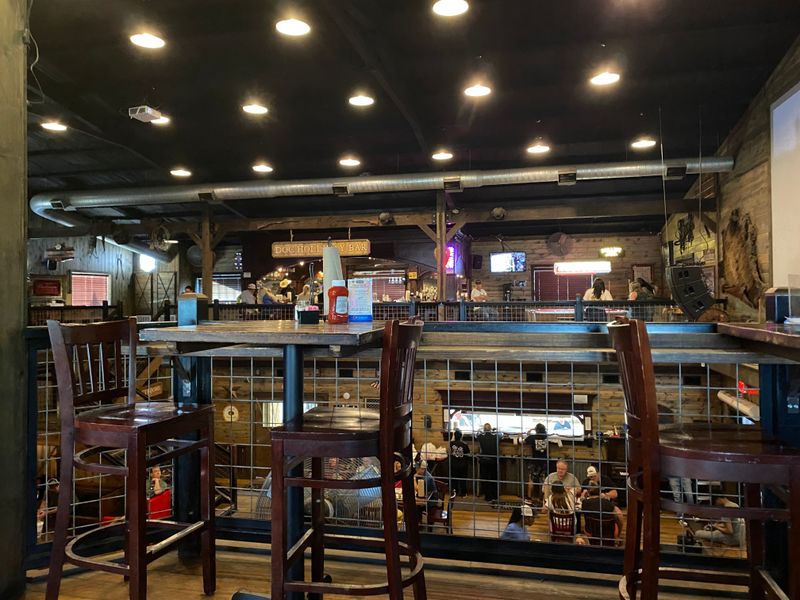
New restaurants continue opening in Hochatown at a pace that seems unsustainable yet somehow keeps working. During my visit, I counted three establishments under construction and heard rumors of several more in planning stages.
The diversity of concepts keeps expanding too. I heard about a seafood restaurant opening soon, a steakhouse with dry-aged beef, and even whispers of a sushi spot.
Each new restaurant pushes the boundaries of what people expect from a small Oklahoma town.
Real estate prices reflect the food-driven boom. Restaurant spaces that would have sat empty a decade ago now command premium rents.
Property owners are building new commercial spaces specifically designed for dining establishments.
Some worry about oversaturation, about too many restaurants chasing the same customers. But the visitor numbers keep growing, and the season keeps extending beyond just summer weekends.
Hochatown is becoming a year-round destination.
The accidental nature of Hochatown’s transformation into a foodie hotspot makes its future hard to predict. Nobody planned this, nobody could have anticipated it.
Yet here we are, with a tiny town in southeastern Oklahoma punching way above its weight in the culinary world, and showing no signs of slowing down anytime soon.
Dear Reader: This page may contain affiliate links which may earn a commission if you click through and make a purchase. Our independent journalism is not influenced by any advertiser or commercial initiative unless it is clearly marked as sponsored content. As travel products change, please be sure to reconfirm all details and stay up to date with current events to ensure a safe and successful trip.
