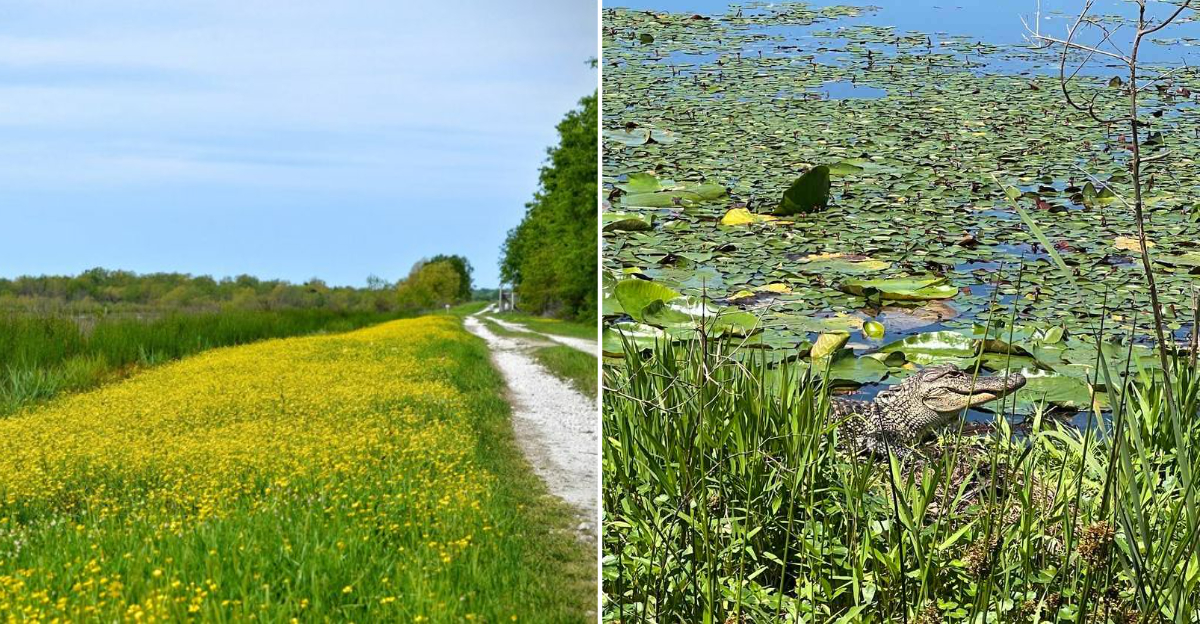
Stepping onto the first viewing platform, the world seems to open up. A vast maze of marshes, ponds, and bayous stretches ahead, a landscape that feels more Louisiana than Oklahoma.
Nine observation decks are strategically placed throughout the wetlands, offering a front-row seat to one of the state’s most surprising wildlife spectacles. The water is still, and the cattails rustle in the breeze.
Then, a ripple breaks the surface. A pair of eyes and a snout glide silently across a pond.
Wild alligators have made this corner of the state their home, a tiny population that has survived and thrived in this unique habitat. The platforms make it possible to explore the marsh without disturbing the fragile ecosystem.
It is a rare chance to see these ancient reptiles in their natural environment, a hidden world that feels a thousand miles from the nearest city.
The Wetland That Feels Like The Gulf Coast Wandered North
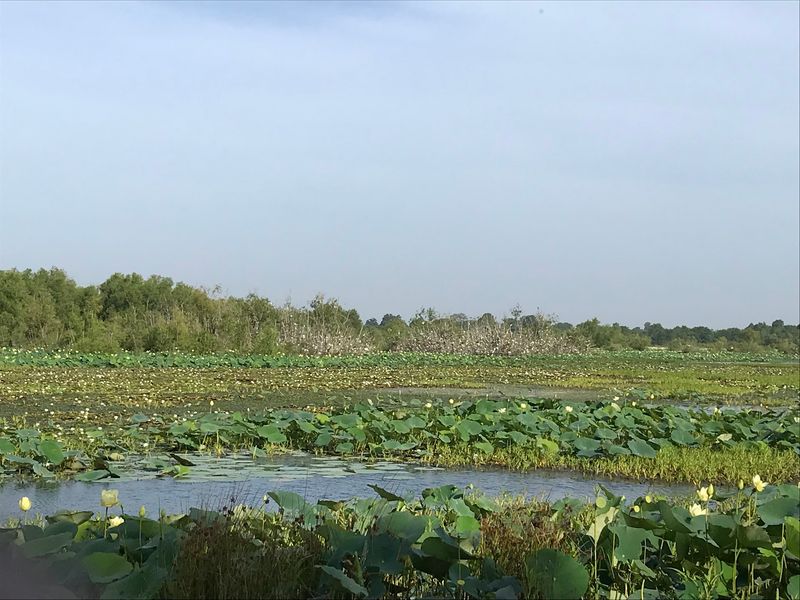
Here is the thing that surprises almost everyone about Red Slough: biologists describe it as the northernmost reach of the tropical Gulf of Mexico environment, which is a wild sentence to read about a place in Oklahoma. That single detail explains almost everything you will see out there, from the plant life to the birds to the reptiles sunning themselves.
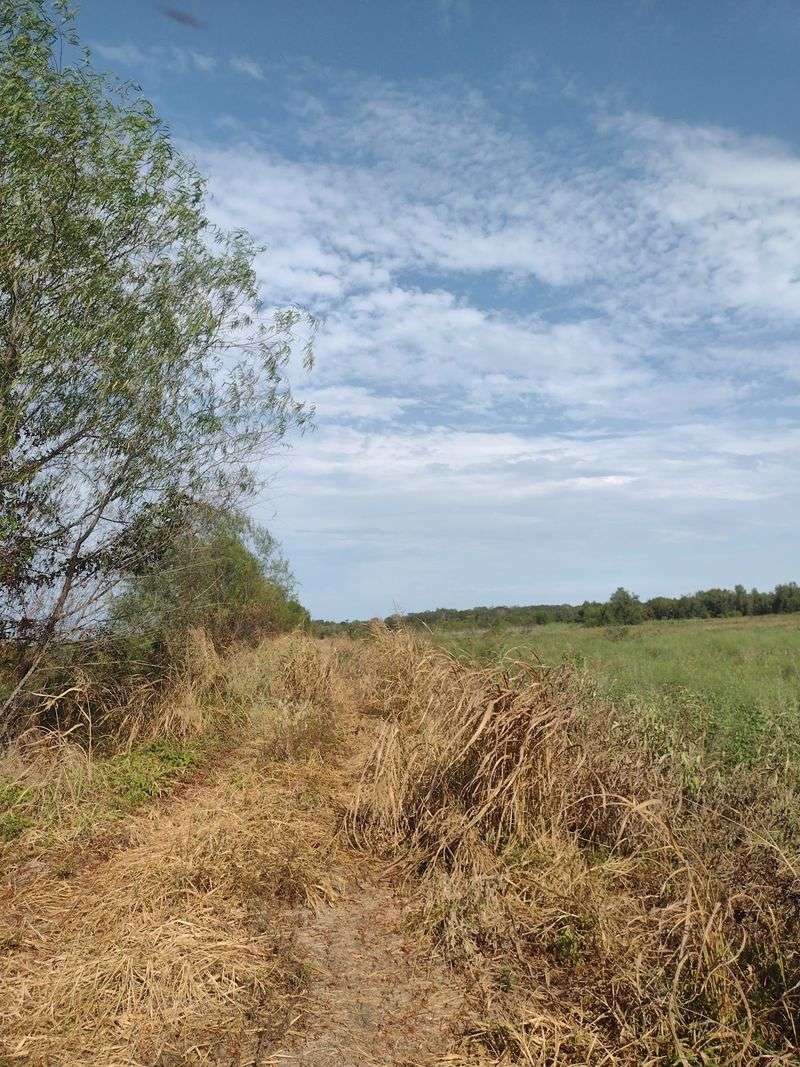
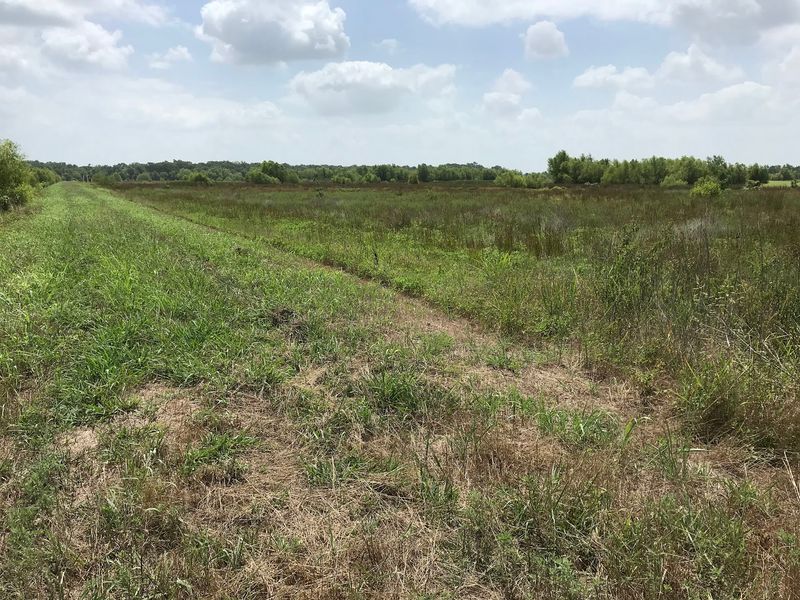
The property sprawls across thousands of acres, and it is not one single type of landscape either. You get marshland, bottomland hardwood forest, shrubby thickets, patches of open prairie, and reservoirs all pressed up against each other, which is exactly why so many different creatures manage to make a living here.
Because the habitats sit so close together, walking a short distance can feel like changing states entirely. One minute you are looking across shallow water covered in floating vegetation, and a few steps later you are under tall trees with completely different sounds coming from the canopy.
I think what makes it special is that nothing about the place has been polished up for tourists. It is managed for wildlife first, and visitors just happen to be welcome, which gives the whole experience a raw and genuinely wild feeling you rarely get anymore.
How To Actually Find The Place
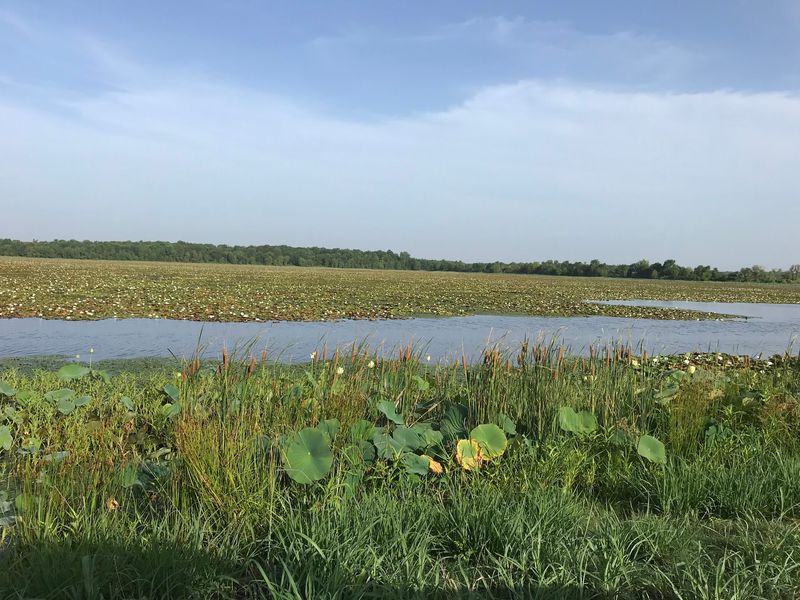
Let me save you some guesswork, because this is not the kind of spot with a big welcome center and a paved parking garage. You will want to aim for Red Slough Road, Haworth, OK 74740, which puts you right in the neighborhood of the management area boundaries.
The property sits roughly six miles south of the town of Haworth in McCurtain County, tucked into that far southeastern pocket of Oklahoma where the state brushes up against Arkansas and Texas. Once you are in the region, the driving is straightforward and the roads are easy to follow.
My advice is to download your maps before you leave whatever town you are staying in, since rural cell service can get thin out there and you do not want to be squinting at a spinning loading circle. A paper map or a screenshot works beautifully as backup.
Give yourself more time than you think you need for the drive, partly because the last stretch involves slower country roads and partly because you will probably want to stop and look at things along the way. Rushing to a wetland kind of defeats the whole purpose, right?
Nine Observation Decks Standing Over The Marsh
Nine decks might not sound like a headline until you are actually standing on one of them. Elevation changes everything in a wetland, because from ground level you mostly see a wall of reeds, while from a platform you suddenly see channels, open pockets of water, and whatever is moving through them.
The platforms are spread out across different parts of the property rather than clustered together, so each one gives you a slightly different slice of the ecosystem. One might look out over shallow marsh, another across a broader stretch of open water where waterfowl gather.
What I love about the setup is how much it protects the animals. You are up and back, not crashing through their habitat, which means birds settle down faster and behave normally instead of flushing the moment you appear.
Plan to linger on each deck longer than feels natural at first. Wetlands reward patience in a way almost nothing else does, and the first ten minutes of standing still are usually quiet while the second ten minutes suddenly get busy.
Bring something comfortable to lean on and just let the marsh forget you are there.
Yes, There Are Genuinely Wild Alligators Here
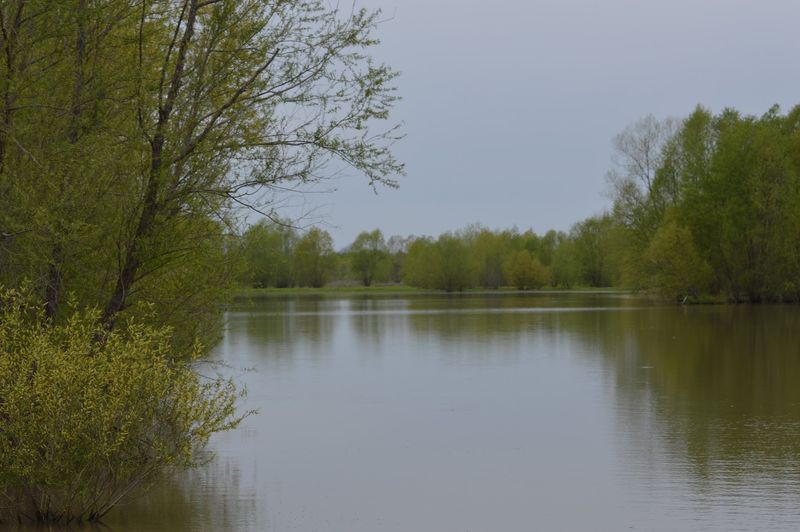
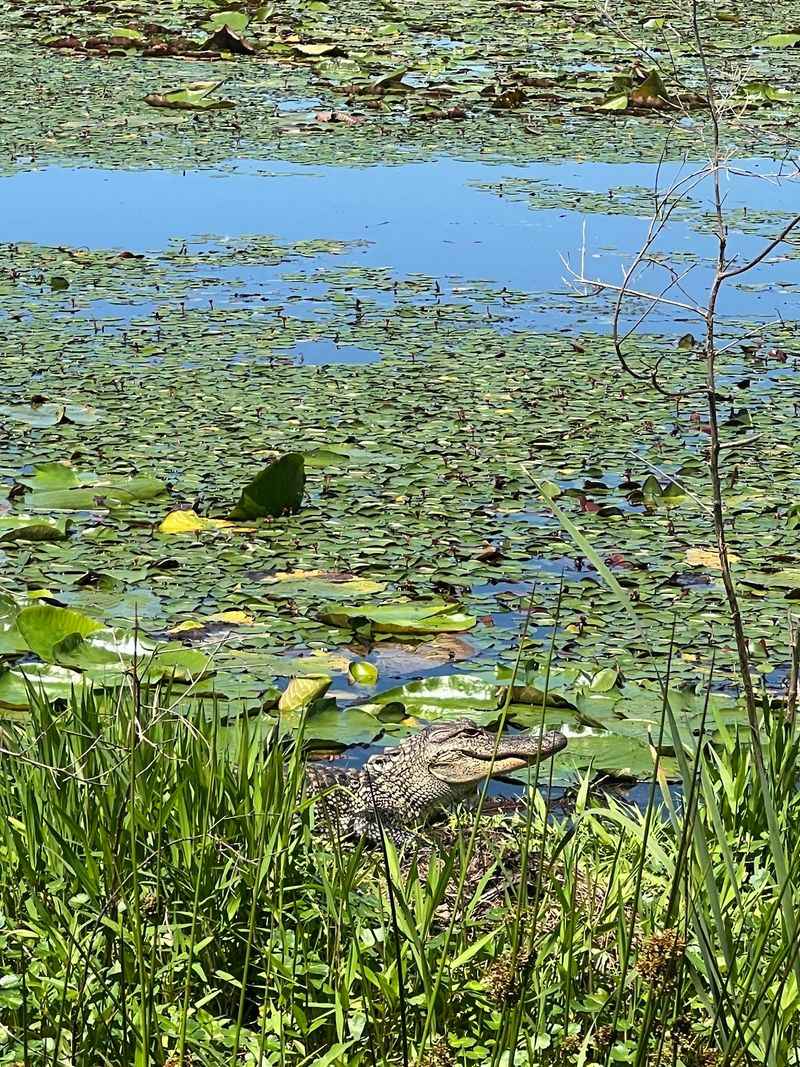
Wild American alligators in Oklahoma. I had to read that a few times too, but Red Slough supports a breeding population, and wildlife staff document numerous nests across the area each year, which means these are not strays that wandered up from Louisiana.
Warm months are your window if seeing one is the goal. The stretch from roughly early spring through the fall is when alligators are most active and most likely to be visible, basking along banks or floating with just their eyes and snout breaking the surface.
Spotting them takes a little practice because they look remarkably like floating logs until something moves. Scan the edges where vegetation meets open water, and look for shapes that seem just a bit too straight and a bit too still.
Common sense applies here more than anywhere else on the property. Keep your distance, stay on the decks and paths, never toss food toward the water, and keep any kids close and calm around the shoreline.
Honestly, even catching a distant glimpse feels like a story worth telling, because how many people can say they watched a wild alligator in Oklahoma?
Birders Treat This Spot Like A Pilgrimage
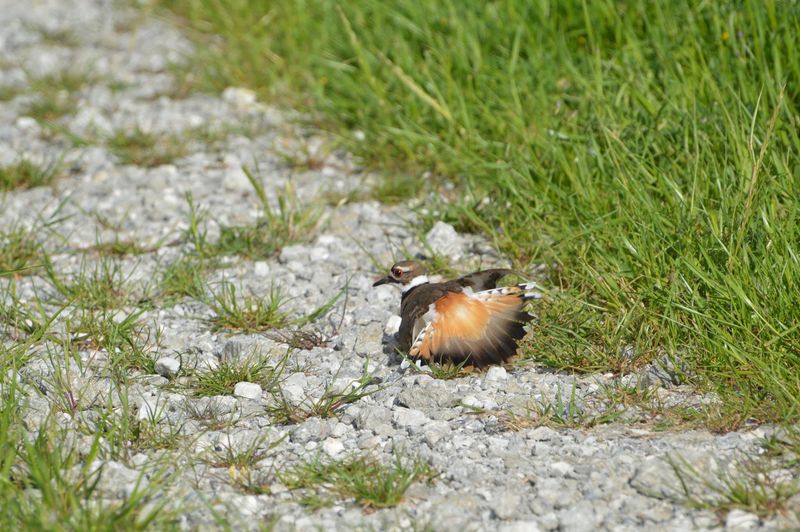
Over three hundred and twenty bird species have been documented at Red Slough, which is the sort of number that makes serious birders rearrange their travel plans. That variety comes straight from all those overlapping habitats sitting side by side.
Some of the standouts are genuinely surprising for this part of the country. Roseate spoonbills with their odd flattened bills, wood storks, and black-bellied whistling ducks have all turned up here, along with herons, egrets, and waterfowl in numbers that shift with the seasons.
If you have never really birded before, a wetland is honestly the easiest place to start, because the birds are big, they stand out in the open, and they move slowly enough that you can actually study them. No need to crane your neck into a tree canopy hoping for a flash of color.
Bring binoculars even if you think you will not use them, and consider a bird app on your phone for quick identification. Early morning tends to be the liveliest stretch, with a second burst of activity as the light softens later in the day.
Keep a mental list, because you will lose count fast.
Alligators Aside, Plenty Else Lives Out There
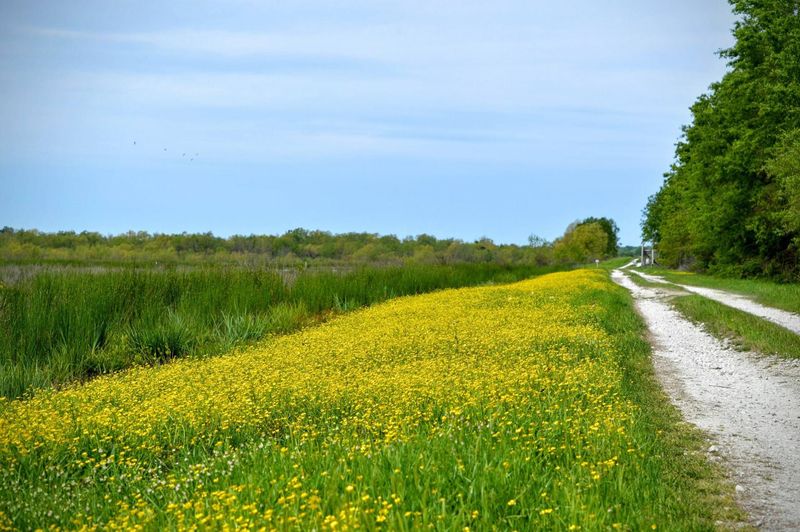
The reptiles and birds get all the attention, but the mammal list at Red Slough is nothing to shrug at either. White-tailed deer move through the timber edges, eastern turkeys work the open ground, and black bears use the area too, which is another thing people do not expect from this state.
River otters are the ones I would most want to see, honestly. They are playful, quick, and usually give themselves away with ripples and splashing before you ever spot the animal itself.
Raccoons and a whole assortment of smaller mammals round things out, along with frogs, turtles, snakes, and enough insects to keep the food chain humming. A wetland this productive supports layers of life you barely notice at first glance.
Because bears do use the property, it is smart to make a little noise as you walk, keep your food sealed up, and not leave snacks sitting on a deck railing. Nothing dramatic, just basic awareness.
Tracks in soft mud along the trails tell you an enormous amount about who passed through overnight, so look down now and then instead of only out across the water.
A Patchwork Of Habitats Packed Into One Property
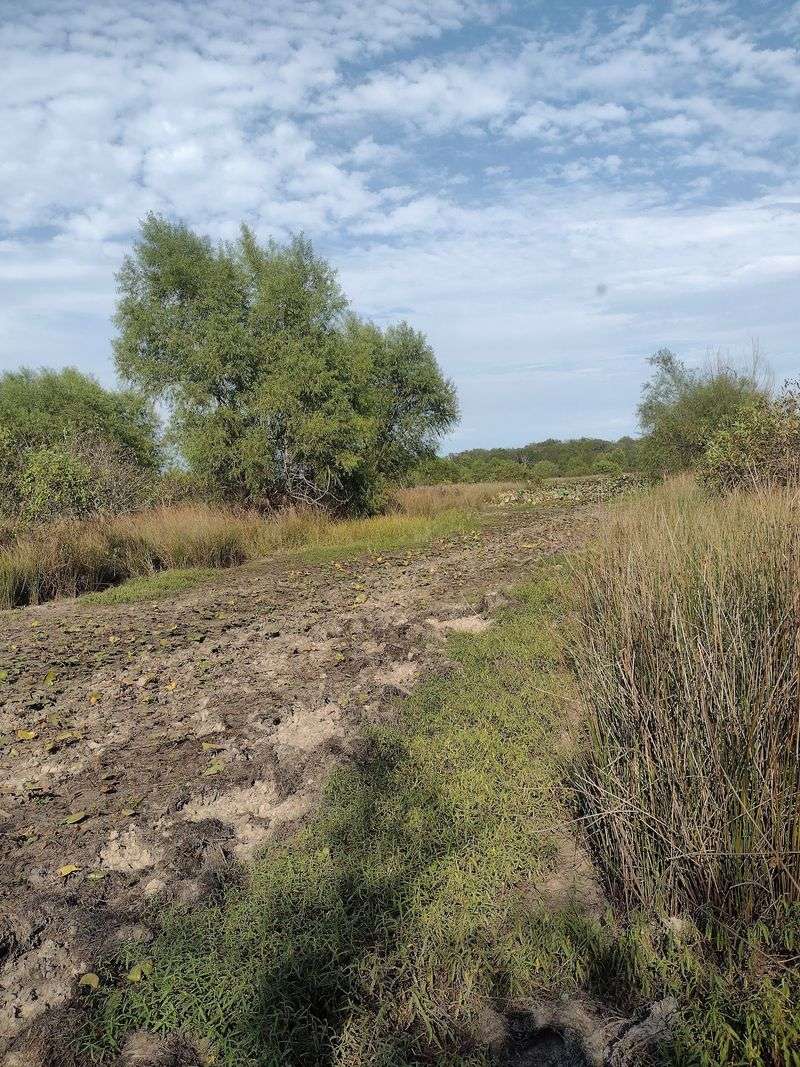
Roughly twenty four hundred acres of the property is wetland alone, and that is only one piece of the puzzle. Bottomland hardwood forest, shrub and scrub thickets, and reservoirs fill out the rest, creating a landscape that changes character every few hundred yards.
Water levels here are not static either. Management shifts them through the year to benefit different species, which means the marsh you see in spring may look genuinely different by autumn, with different birds using it.
That constant change is exactly why regulars keep coming back. Two visits in the same calendar year can feel like two entirely separate places, and something new is almost always happening somewhere on the property.
For anyone curious about how conservation actually works, walking this area is a pretty great lesson. You can literally see how holding water in the right spots at the right time turns into food and shelter for migrating flocks.
Take a minute on each deck to notice what type of habitat you are looking at, because once you start recognizing the differences, you get much better at guessing what you might see next. It turns looking into actual understanding.
What Should Go In Your Bag
Packing for Red Slough is not complicated, but forgetting one or two things can really change your day. Binoculars sit at the top of the list, since most of what you want to see will be farther away than your eyes can handle comfortably.
A camera with some reach is worth bringing if photography is your thing, because cropping a phone photo of a distant alligator rarely ends well. Even a modest zoom lens will pull in birds you would otherwise only describe from memory.
Water matters more than people expect out there. Wetlands feel humid and heavy in warm weather, and there is no shop waiting at the end of the trail, so carry more than you think you need.
Round it out with a hat, sunscreen, insect repellent, comfortable broken-in shoes, and a light snack. A small trash bag for your own wrappers keeps the place as clean as you found it.
One more thing that costs nothing: patience. Wildlife in Oklahoma does not run on a schedule, and the visitors who stand still the longest almost always go home with the better stories.
Making A Whole Day Of It In McCurtain County
Since you are already driving into the far corner of the state, it makes sense to build the trip out a little rather than treating the slough as a quick stop. McCurtain County is heavily forested country, and the surrounding area has plenty of quiet roads worth wandering.
Broken Bow and the Beavers Bend region sit to the north and give you lodging options, cabins, and places to grab a meal after a long morning of walking. Plenty of people use that area as a base and drive south for the wetland.
Timing wise, aim for early morning arrival if wildlife is the priority, then let the middle of the day go slow and easy. Heat pushes animals into cover, so that is a fine window for driving around or resting.
Tell someone your plan before you head out, since parts of the property are remote and service can be unreliable. Simple precaution, big peace of mind.
Whatever you do, do not treat this as a checklist stop. Oklahoma quietly hides one of the strangest and richest wetlands in the region here, and it rewards people who give it a full unhurried day.
