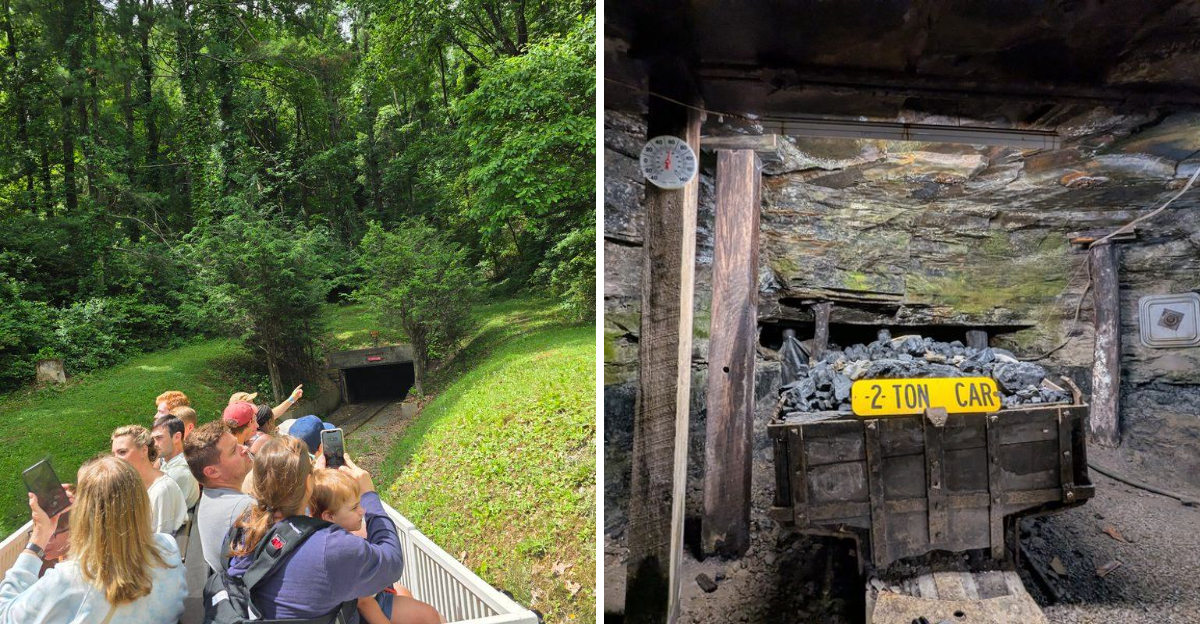
You have to be tough to go down into a mine, but you only have to be curious to take this tour. The cart rattles as it carries you deep into the hillside.
The temperature drops. The darkness is absolute.
A retired miner is your guide. They know every corner of this place, from the low seams where you can barely stand to the tools and stories of the men who worked there.
It is a drift mine that operated for decades. Now it is a chance to feel the weight of history firsthand.
If you have ever wondered what life is like deep underground, you will find your answer here. This West Virginia tour is not just a walk through a tunnel.
It is a walk through someone’s life.
Rolling Into the Mountain on a Narrow Railcar
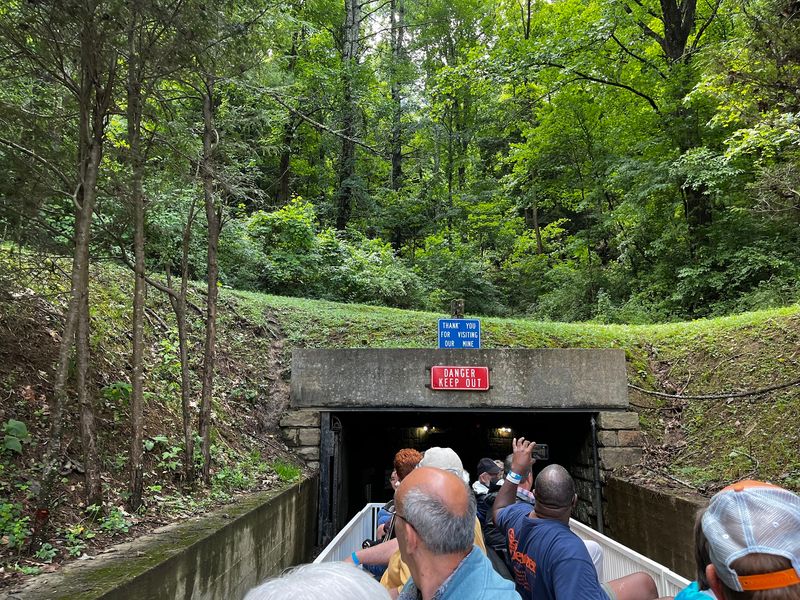
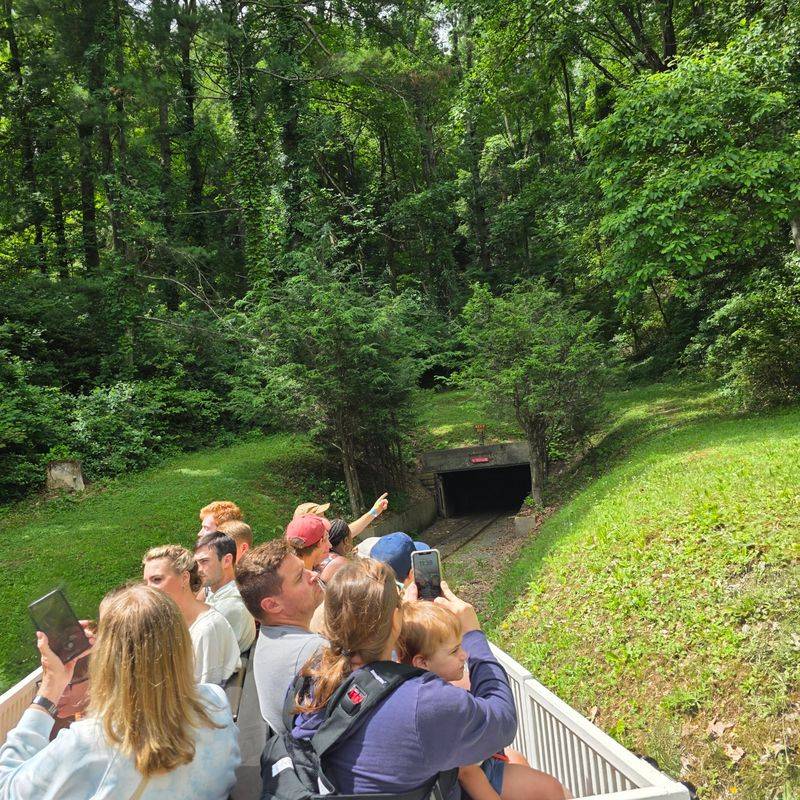
The ride begins before you have time to overthink it. You settle into a low open railcar, knees tucked in, and the whole thing lurches forward with a rattle that echoes off the rock walls.
Daylight shrinks behind you fast. Within seconds the temperature drops, the sound changes, and the tunnel swallows the noise of the world outside.
These cars are modeled on the kind that once carried working miners into the seams, so the fit is snug rather than comfortable, and that is entirely the point. Riders with knee trouble may find the narrow seating a little tight, though most manage it fine with a hand from a companion.
The underground portion runs roughly 45 minutes, with stops along the way rather than one continuous ride. Between stops, the clatter of wheels on track becomes oddly soothing.
My advice? Sit toward the middle if you want the best view of the tunnel opening up ahead of you as the lights flicker past the rib walls.
Guides Who Actually Worked the Seams
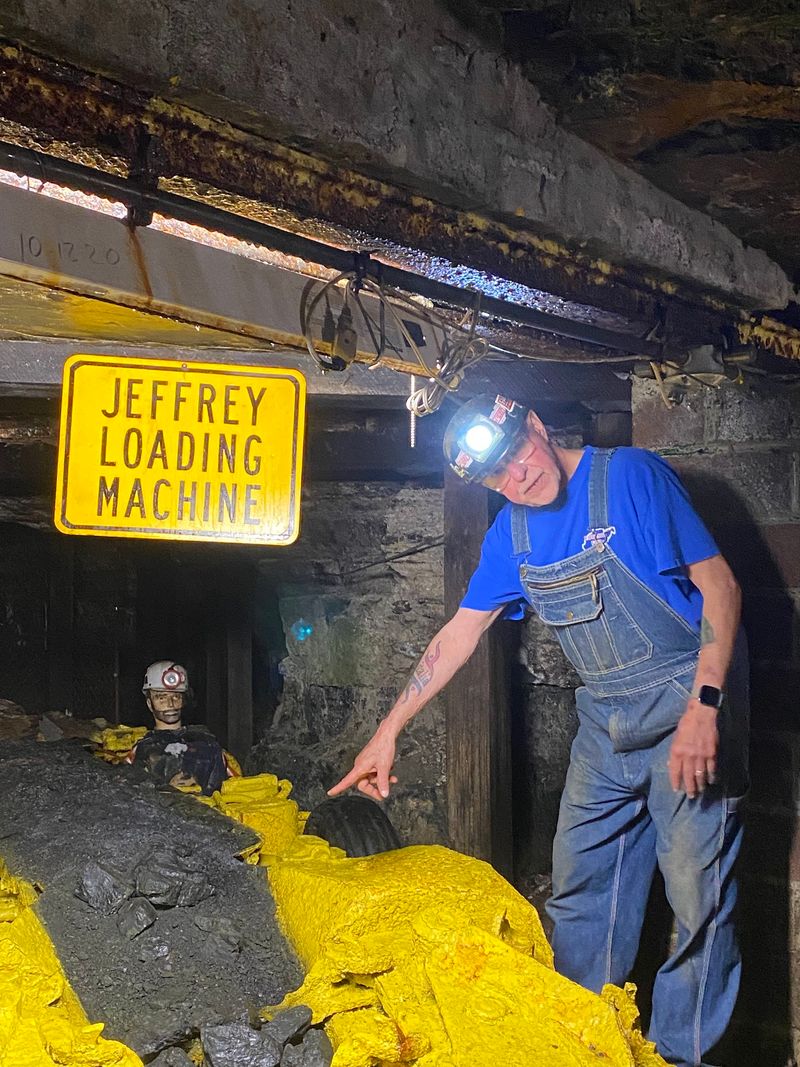
Here is what sets the whole experience apart. The people leading these tours are retired coal miners, men who spent years underground before they ever put on a guide’s hard hat.
Some are second or third generation miners. A few worked as inspectors after their time on the face, which means they can explain both the labor and the rules that grew up around it.
They do not read from a script. Questions get answered on the spot, jokes land naturally, and the pacing shifts depending on whether the group is full of curious kids or quiet adults.
That firsthand knowledge shows up in small details. A guide might point at a spot on the rib and explain exactly why a crew would have stopped digging there.
Visitors often mention leaving with a lump in their throat, and it is not hard to understand why. Hearing someone describe a workday from memory hits differently than reading a plaque.
Fifty-Eight Degrees, No Matter the Season
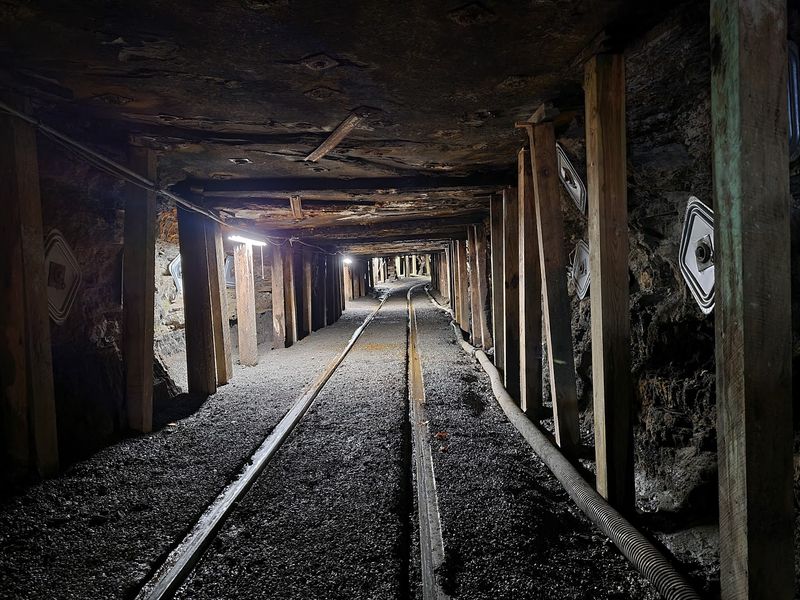
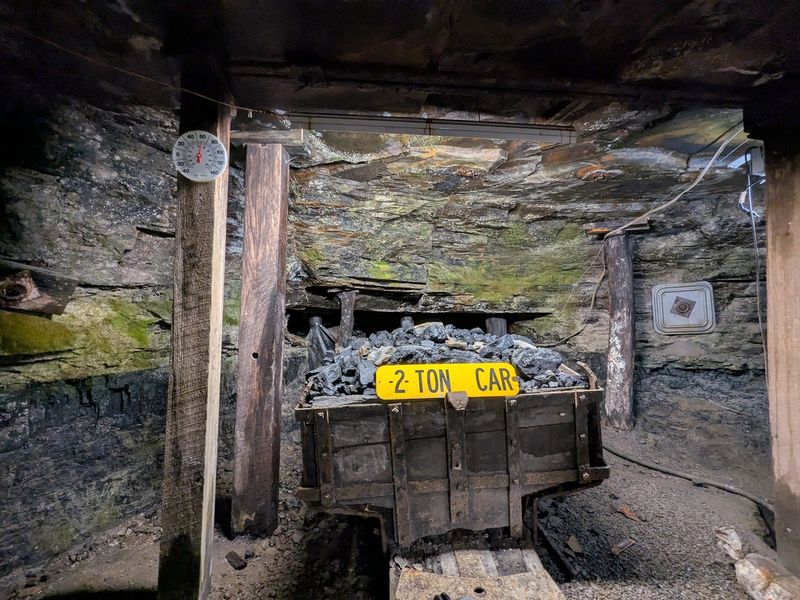
Bring a jacket. Seriously, even in the thick of a humid Appalachian July, the mine holds steady at around 58 degrees Fahrenheit year round.
On a scorching afternoon that feels like a gift. Families who arrive sweating tend to sigh with relief about thirty seconds into the ride.
The ceiling drips in places, which is completely normal for an underground space cut into rock. A hat with a brim solves the problem neatly and keeps cold water off the back of your neck.
Kids usually handle the chill better than adults expect, so do not stress if a light jacket gets left in the car. The tour is not long enough for anyone to get truly cold.
That constant coolness also tells its own story. Miners worked full shifts in this temperature, damp and dim, day after day, and standing in it for even half an hour makes that reality land in a way words cannot.
Seeing How Coal Was Pulled Out by Hand
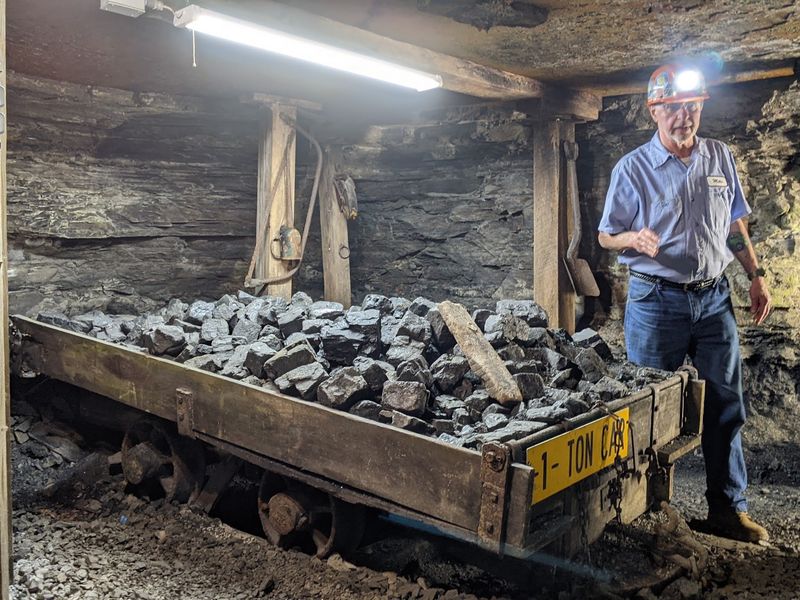
Low ceilings do most of the explaining. At certain stops the passage narrows enough that you understand, immediately, why miners spent shifts crouched, kneeling, or lying on their sides.
Guides point out where coal was once loaded by hand into cars, shovel by shovel, with nothing mechanical to speed the work along.
Picks swung against the seam. Wooden posts held up the roof.
Everything depended on muscle, timing, and a decent read of the rock overhead.
Explanations of early blasting methods and roof support systems make the danger feel concrete rather than abstract. You start noticing how much thought went into keeping a tunnel from coming down.
What struck me was the ingenuity buried inside all that hardship. These were problem solvers working with limited tools and enormous consequences.
For younger visitors, the visual of the cramped work space usually does more than any statistic. It is the kind of detail children repeat to their friends back home.
Old Tools Beside Modern Machines
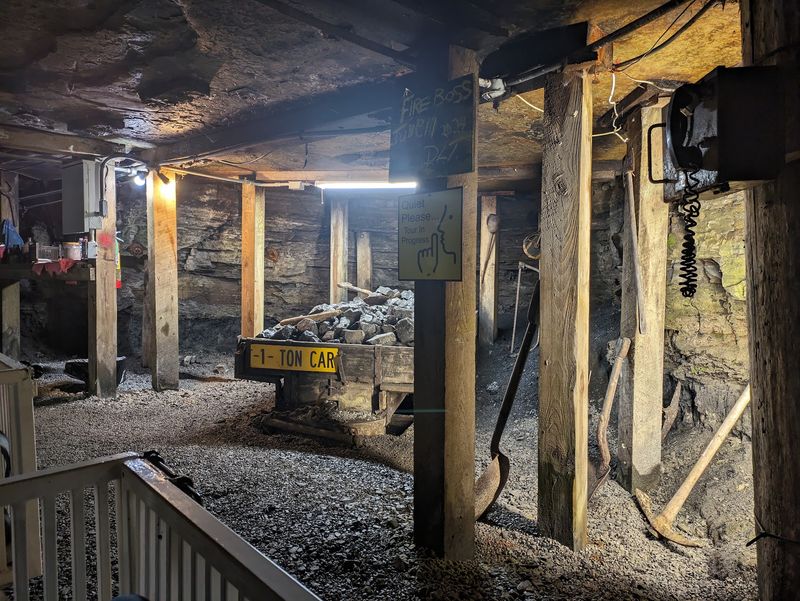
Few things show change better than putting a pick next to a machine that eats through rock. The tour lays out that progression stop by stop, and guides run demonstrations along the way.
You see the shift from purely manual labor toward mechanized cutting and loading. Each piece of equipment marks a moment when the job got faster, and usually safer too.
Guides tend to enjoy this section. Several are happy to fire up a demonstration and explain what the noise would have sounded like with a full crew working nearby.
Kids gravitate toward the bigger machines, naturally. Adults often linger over the smaller, older tools, the ones that fit in a hand and did decades of work.
What I appreciated was the honesty about why the changes happened. Innovation here was not about novelty, it came from necessity, from injuries, and from the constant pressure to move more coal without losing more people.
Everyday Life Beneath the Surface
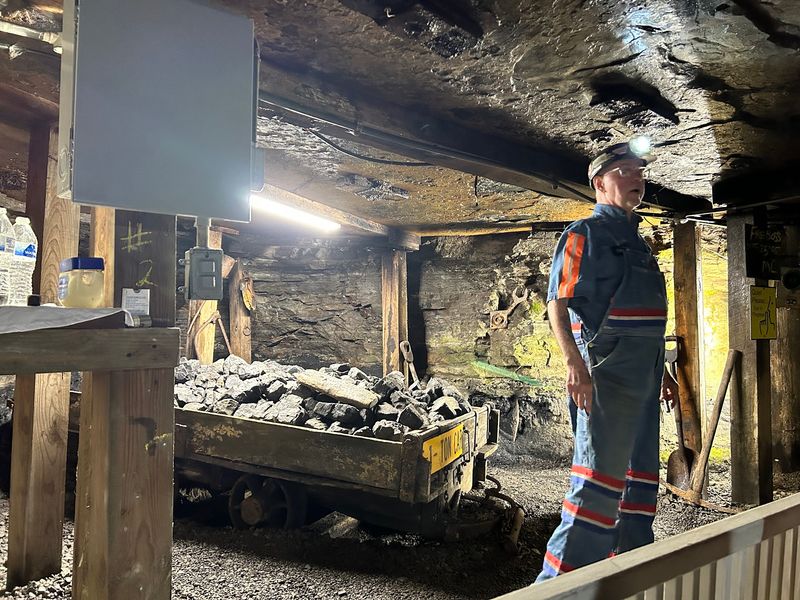
Technical talk only goes so far. What lingers are the small human details the guides share about what a shift actually felt like.
Long hours in the dark. Dust that settled into everything.
A constant, low level awareness that the roof above you needed watching.
Crews depended on each other completely, and that dependence built friendships that lasted well beyond retirement. Guides describe the humor that grew in those tunnels, the nicknames, the way people looked out for the newest man on the crew.
One guide is known for singing, which sounds surprising until you consider how sound carries underground.
Hearing about lunch pails, shift changes, and the walk back out gives the space a pulse it would not otherwise have. History stops being a topic and becomes a workday.
Families with children often find this the most memorable stretch, because it turns an unfamiliar industry into something a kid can picture clearly.
How Air and Safety Kept Crews Alive
Air is the quiet hero of any mine, and the guides make sure you understand that. Ventilation systems moved fresh air through the tunnels and pushed hazardous gases out.
Without that flow, nothing else mattered. No amount of skill or equipment could compensate for bad air.
Guides walk through how those systems evolved, from basic early setups to more deliberate, engineered approaches. Rules tightened as understanding grew, often after hard lessons.
Lighting gets covered too, along with the reasons certain practices were abandoned entirely.
Listening to a former inspector explain safety protocol carries a weight that a display case never could. These are procedures he personally enforced.
It reframes the whole tour. The mine stops looking like a tunnel and starts looking like a system, one where every decision had a consequence attached.
Visitors frequently say this part changed how they think about the industry, and I would agree. It is sobering without ever feeling heavy handed.
The Restored Coal Camp Above Ground
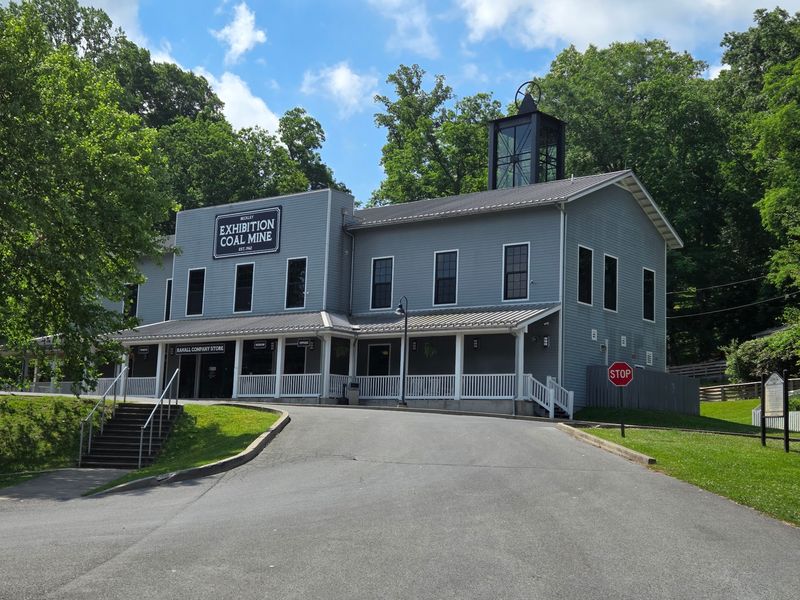
Blinking back into daylight, the visit is far from over. A restored coal camp sits on the grounds, and wandering through it fills in everything the tunnel could not.
There is a preserved coal camp house furnished with period pieces, plus a miner’s shanty that shows how modest some living quarters really were.
A small church and a one room school anchor the little community. Both make it obvious how tightly work and home life were braided together in these towns.
The superintendent’s home stands apart from the rest, and the contrast in size tells you plenty about how the camps were organized.
Original furniture in several buildings is a nice touch. Kids can peek into rooms and immediately grasp what daily life looked like without anyone lecturing them.
Give yourself unhurried time here. Many visitors rush through and later wish they had wandered longer among the buildings and the well kept grounds.
Museums, Gift Shop and the Mountain Homestead
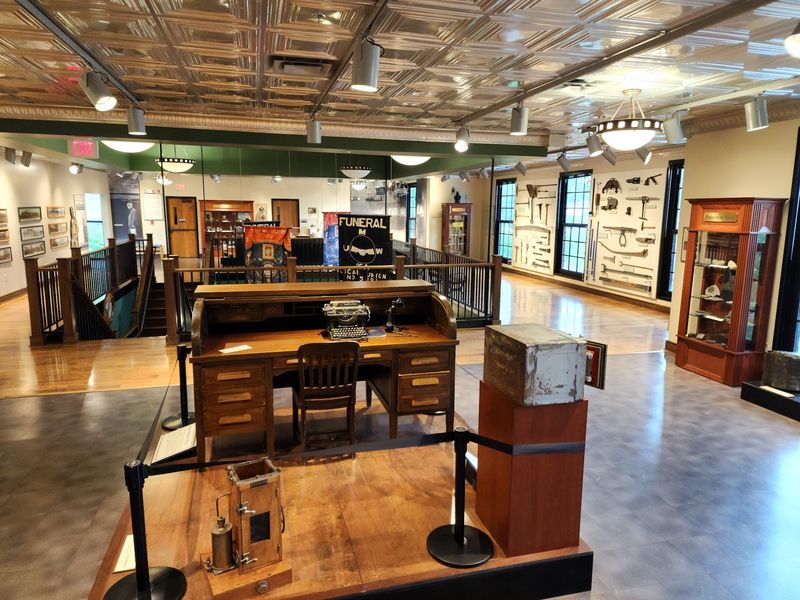
Plenty of people arrive for the mine and stay for everything else. A museum on site digs deeper into the coal industry across the region, with artifacts and exhibits that complement what the guides describe underground.
The Youth Museum sits nearby and is built with younger visitors in mind. Hands on displays keep restless kids engaged after they have used up their patience for tunnels.
There is also a Mountain Homestead featuring historic Appalachian structures, which broadens the story beyond coal alone.
The gift shop is worth a stop for small souvenirs tied to the region.
Doors open at 10 AM daily and close at 5 PM, with tours beginning on the hour, so timing your arrival matters more than you might expect.
Most visitors need two to two and a half hours to see everything without rushing. Arrive earlier in the day if you are bringing children.
Why This One Sticks With You
Coming back up into the sun feels strange in the best way. The light seems brighter, the air warmer, and the ordinary parking lot suddenly looks like a luxury.
What stays with you is not the tunnel itself but the voices inside it. Retired miners telling their own history, in their own words, with humor and honesty threaded through.
Adults who assumed the place was aimed at schoolchildren usually leave surprised. It holds up completely for grown visitors.
Sitting close to New River Gorge, it makes an easy addition to a southern West Virginia trip, and it pairs nicely with a day spent outdoors.
Bring a jacket, wear a brimmed hat, allow a few hours, and go in ready to listen.
Few places manage to make heavy history feel this personal, and fewer still let you ride a railcar into the middle of it.
Address: Beckley Exhibition Coal Mine, 513 Ewart Ave, Beckley, WV 25801
