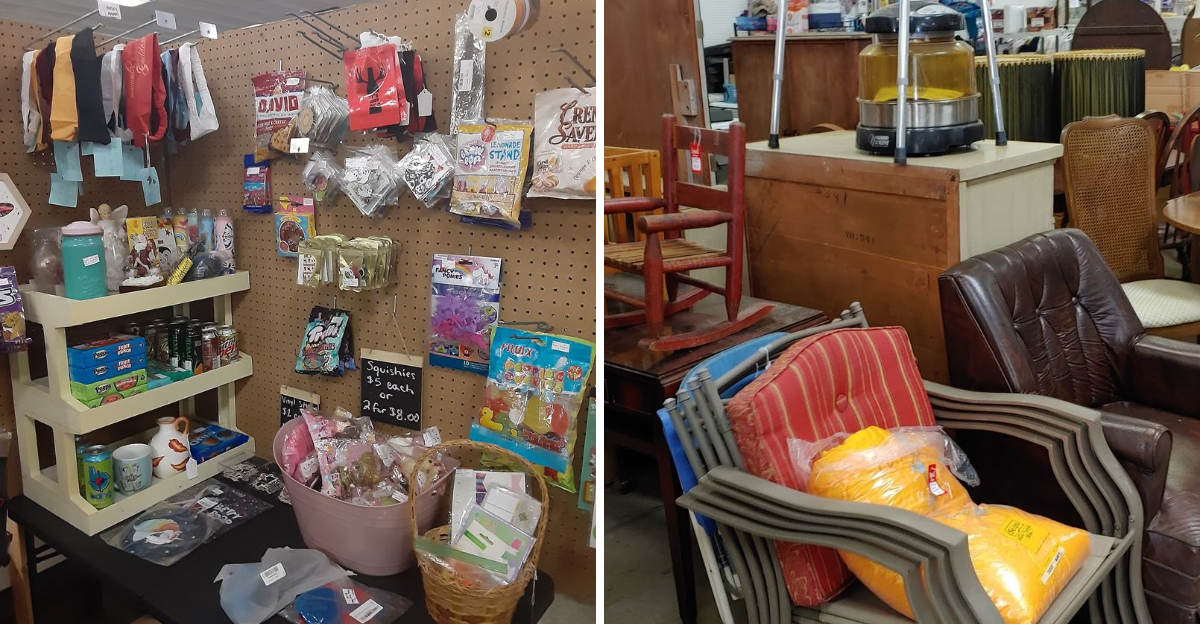
My friend found a lamp. I found a box of baseball cards.
Neither of us came looking for either one. That is the problem with this place.
You can start in one aisle and somehow end up three sections away arguing with yourself about whether an old game console counts as a necessary purchase.
More than 200 vendors have filled the indoor marketplace with vintage clothing, jewelry, tools, collectibles, furniture, and all sorts of wonderfully random finds.
The building is large enough to keep the search going long after your feet suggest otherwise. An afternoon in Indiana can disappear surprisingly fast when every corner gives you another reason to stop.
Over 200 Booths That Each Feel Like Their Own Little Shop
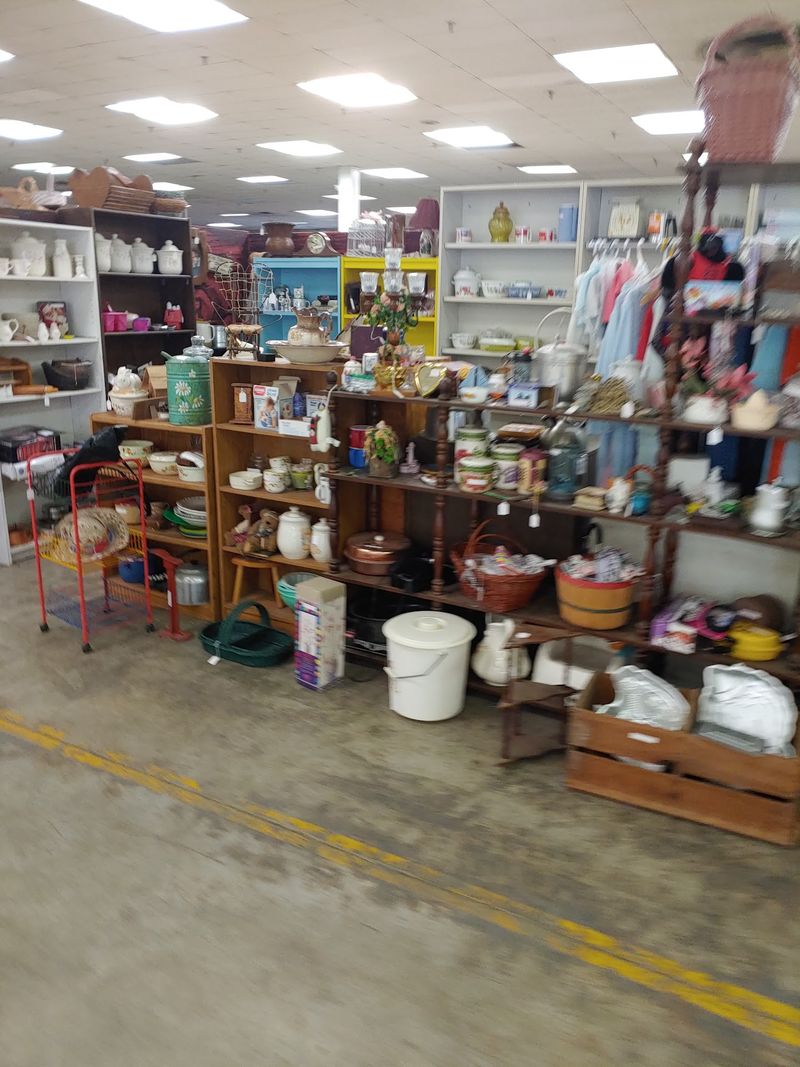
Counting booths here is a losing game. Somewhere past the two hundred mark, the aisles start blending together, and the only reliable landmark becomes whatever odd item catches the eye first.
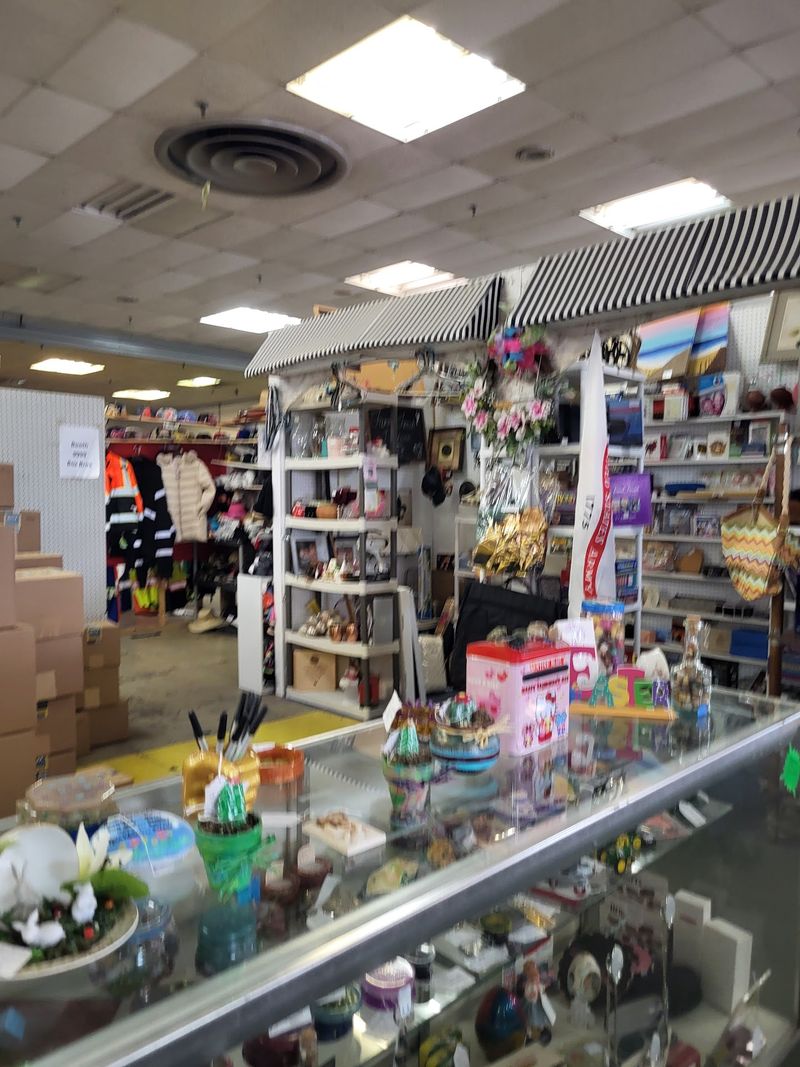
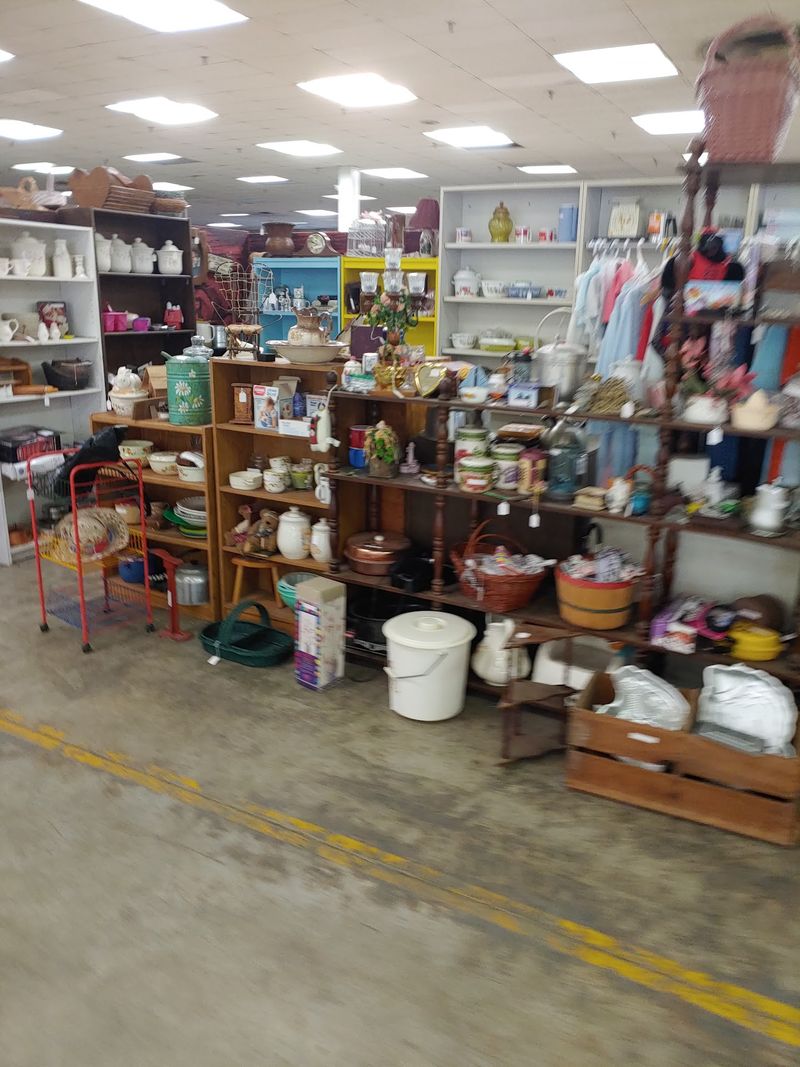
Every space belongs to a different vendor, which means every space has its own personality. One booth might be neatly arranged rows of glassware with handwritten labels.
The next could be a joyful pile of action figures, cables, and mismatched kitchen gadgets waiting for someone patient enough to sort through it.
That variety is the whole point. Shoppers browsing at Trader Buck’s Flea Market move through antiques, military surplus, home decor, handcrafted goods, and electronics without ever leaving the building.
The layout stays walkable despite the volume. Wide main aisles branch into smaller rows, so it is possible to cover the whole floor without backtracking constantly, though most people end up doing exactly that anyway.
A smart approach is to walk the entire perimeter first before stopping anywhere. Get a feel for the scale, note the booths worth revisiting, then circle back with a plan.
Comfortable shoes help more than anyone expects. The floor is flat and easy, but the distance adds up quickly when curiosity keeps pulling attention sideways.
Bring a tote bag. Hands fill fast in a place this size.
Weather Never Cancels A Shopping Trip Here
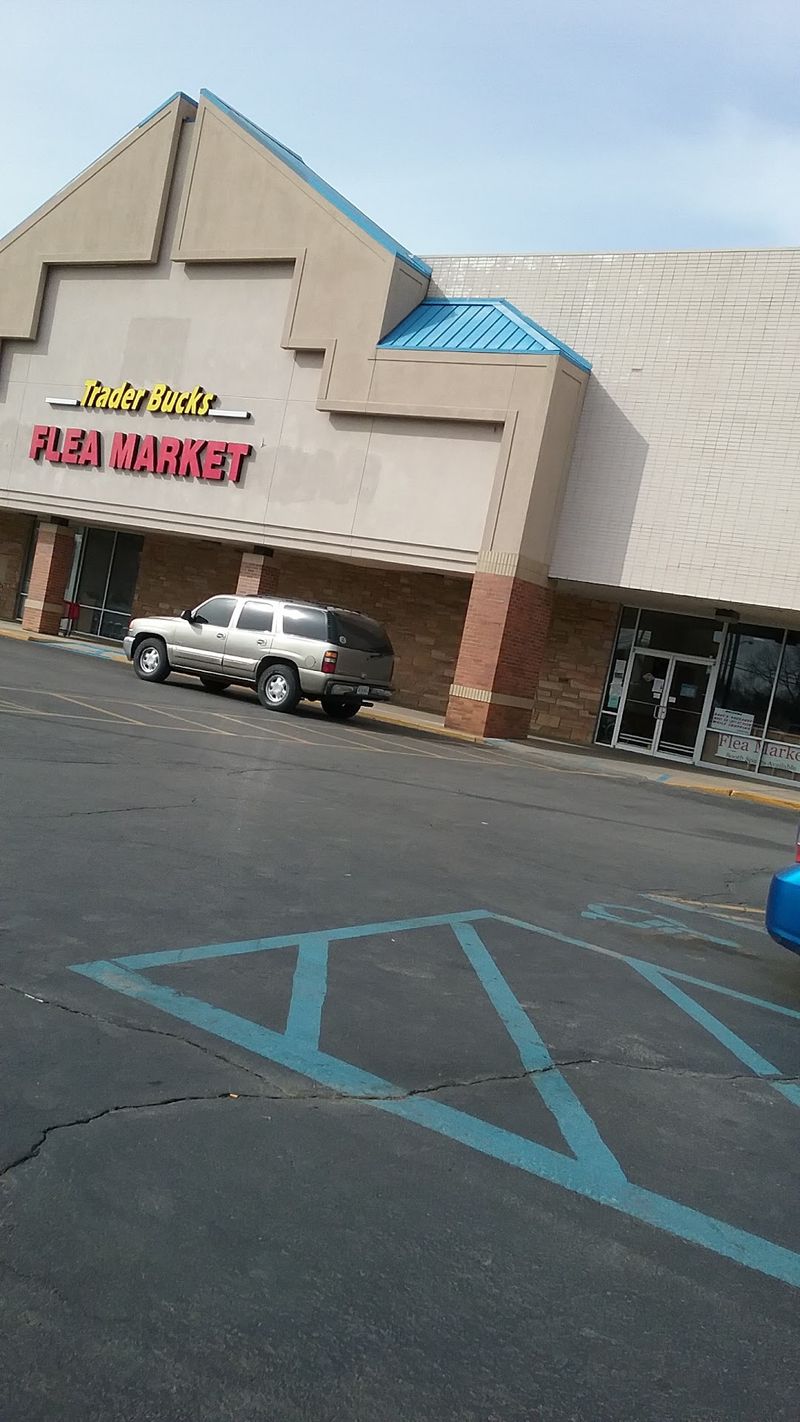
Outdoor markets in the Midwest come with a built-in gamble. Rain shows up, wind knocks over displays, and half the vendors pack early.
None of that applies inside this building.
The entire operation sits under a roof, which changes how a visit feels. January sleet, August humidity, and a surprise April downpour all become irrelevant once the doors close.
That consistency matters for planning. A road trip through western Indiana can include a stop here without checking the forecast first, and families with restless kids get an indoor activity that lasts as long as their patience holds.
Doors open at 11 AM every single day of the week and stay open until 7 PM. Seven days, no seasonal shutdown, no waiting for a weekend-only market schedule.
Late afternoon tends to be quieter than midday on weekends, so anyone hoping to browse without weaving around other shoppers should aim for the last couple of hours.
Parking sits right outside in the shopping center lot, which makes hauling out larger purchases far easier than carrying a chair across a muddy field.
Snow days turn out to be surprisingly good treasure hunting days. Fewer people, more elbow room, and the same enormous inventory waiting inside.
Comfort changes everything about browsing.
New, Used, And Vintage All Mixed Together
Most antique malls draw a hard line. Old items only, nothing modern, everything curated toward one era.
Trader Buck’s throws that rulebook out entirely.
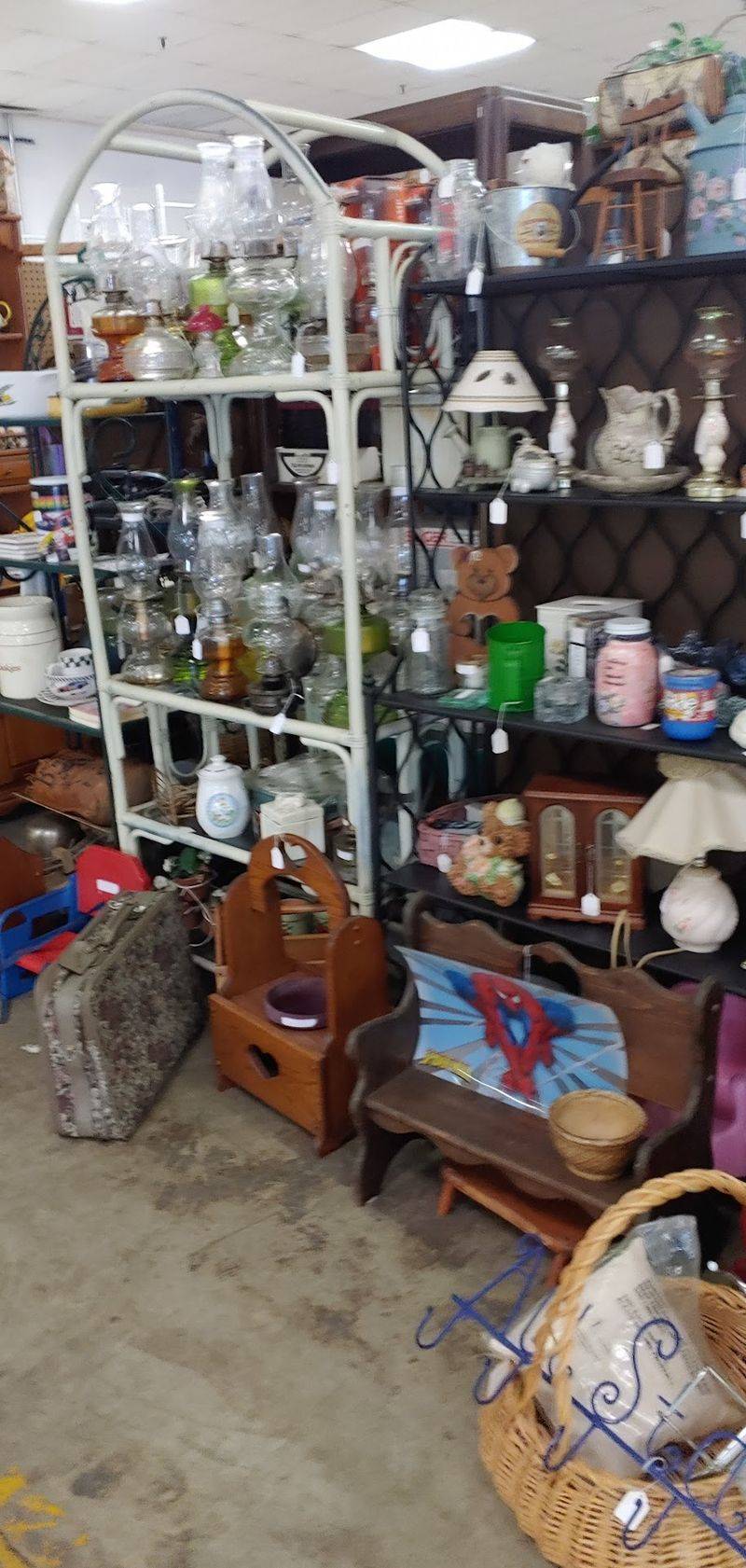
Brand new merchandise sits a few feet from genuine vintage pieces. A booth selling fresh wax melts might share a wall with one stocked full of mid-century kitchenware and worn leather cases.
The mix creates a different kind of hunt. Instead of scanning for one category, shoppers end up evaluating everything, because the good stuff hides in unexpected places.
Practical shoppers benefit from this setup more than collectors might expect. Appliances, mattresses, and furniture share the floor with collectible cards and costume jewelry, so a single trip can cover both a household need and a fun impulse find.
Inventory shifts constantly since vendors restock on their own schedules. What sat on a shelf last month may be long gone, replaced by something completely unrelated.
Return visits reward regulars for that reason. People who stop in monthly report finding entirely different merchandise each time.
Vintage clothing racks deserve a slow look. Denim, jackets, and older graphic pieces tend to hide between more ordinary items.
Toys show up in almost every section. Sometimes boxed, sometimes loose in bins.
Patience pays off here in a way rushing never will.
The Back Of The Store Hides The Best Stuff
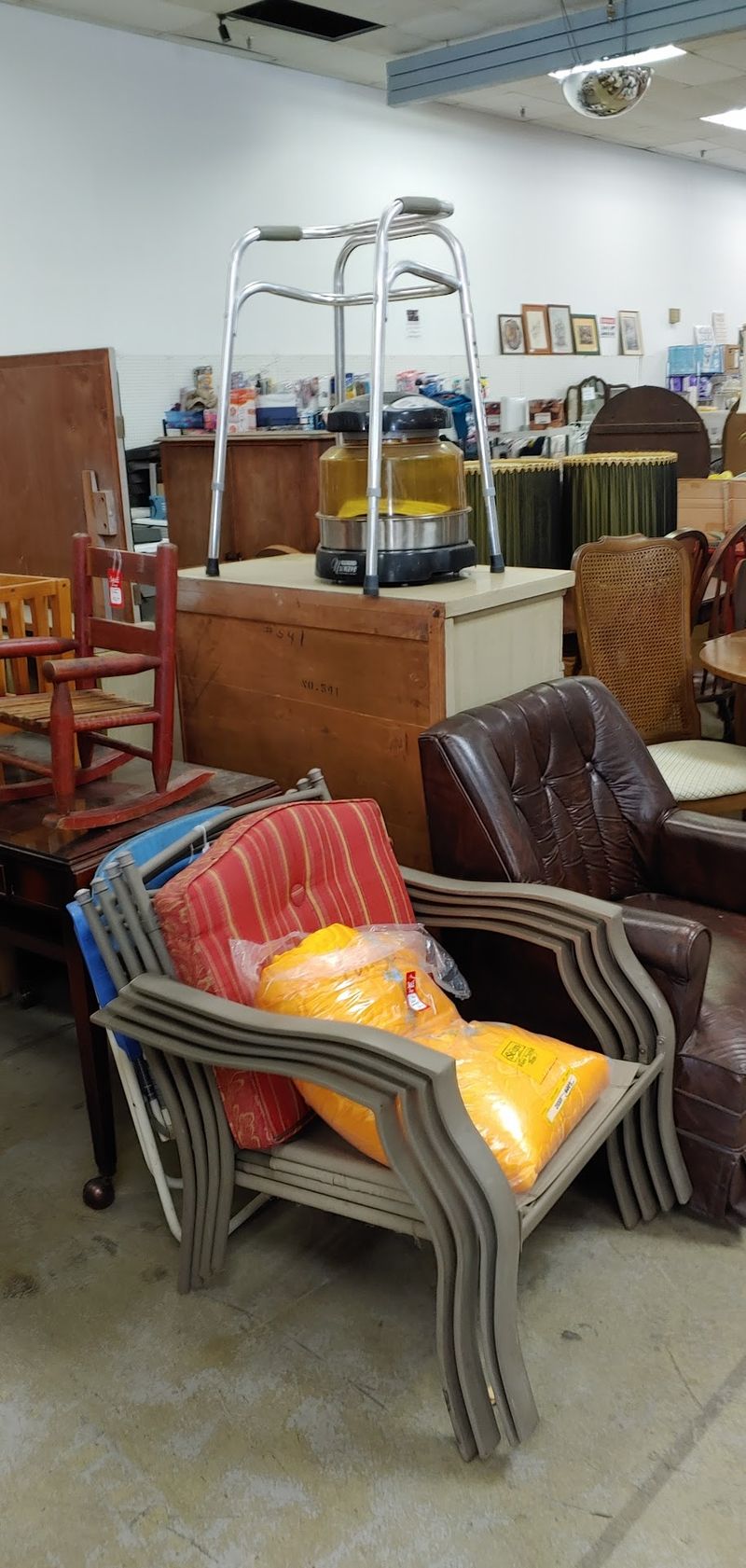
Plenty of shoppers wander in, browse the first few aisles, and head back out. That habit leaves the rear of the building noticeably less picked over.
Deeper sections tend to hold the heavier, stranger, and older merchandise. Furniture pieces waiting for a refinishing project, tool collections, boxes of hardware, and odd one-off items that never made it to a front display.
Regulars specifically recommend walking the whole floor to the very back wall before deciding a visit is finished. The payoff usually justifies the extra ten minutes.
Lighting varies from section to section, so bringing a phone flashlight is a genuinely useful move when checking maker’s marks, stamps, or the condition of something tucked on a low shelf.
A guitar booth has earned its own reputation among visitors, which speaks to how specialized some corners of the market get.
Furniture hunters should measure their space at home first. Nothing stings quite like hauling a dresser out to the car and discovering it will not fit through a doorway.
Larger items sometimes need a second trip or a friend with a truck. Worth planning ahead for.
Curiosity works better than a shopping list back here. The whole appeal comes from not knowing what sits around the next corner.
Explore thoroughly. That is the trick.
Vendors And Staff Who Actually Talk To People
Big box retail runs on silence. Scan, bag, leave.
Flea markets work the opposite way, and this one leans into that fully.
Vendors here often know the backstory of what they are selling. Ask about a piece of pottery or an old tool, and the answer tends to come with details a price tag never carries.
Staff at the front counter handle sales for the whole building, which means vendors are free to focus on stocking and arranging their spaces rather than standing behind a register all day.
Shoppers frequently mention how helpful the crew is when it comes to locating a specific type of item across all those booths. Asking saves considerable walking.
The atmosphere stays relaxed. Nobody hovers, nobody pushes, and browsing at a slow pace is completely normal here.
Questions about furniture, mattresses, or appliances get real answers rather than a shrug toward an aisle number.
That personal touch shapes the whole experience. Conversations happen naturally between people who share an interest in old records, collectible cards, or a particular brand of vintage kitchenware.
Anyone new to flea market shopping will find it an easy place to start. No insider knowledge required, just a willingness to ask.
Friendly beats fancy every time.
A Launchpad For Small Local Sellers
Opening a storefront takes capital most people simply do not have. Renting a booth is a different story, and that gap is exactly where this market does something useful.
Low-cost booth rentals let residents of the Wabash Valley test an idea without signing a lease or hiring staff. Someone making candles, refinishing furniture, or reselling collectibles gets shelf space and foot traffic immediately.
Since the market handles transactions at a central counter, vendors only need to keep their booth stocked and looking sharp. No scheduling shifts, no register duty.
Shopping here directly supports those small operations. Money spent on a handmade item or a carefully sourced antique goes to a neighbor rather than a distant corporate account.
The name itself carries local roots. Buck was a childhood nickname belonging to a founder’s late father, and the business kept it as a tribute.
That family thread runs through the atmosphere. It reads less like a chain operation and more like something built by people who live nearby.
Handcrafted goods pop up throughout the aisles, often in smaller booths that are easy to walk past. Slowing down reveals them.
Chatting with a maker about their process adds something a receipt never could.
Community shows up in the details here.
Mystery Boxes, Seasonal Deals, And Events Worth Timing A Trip Around
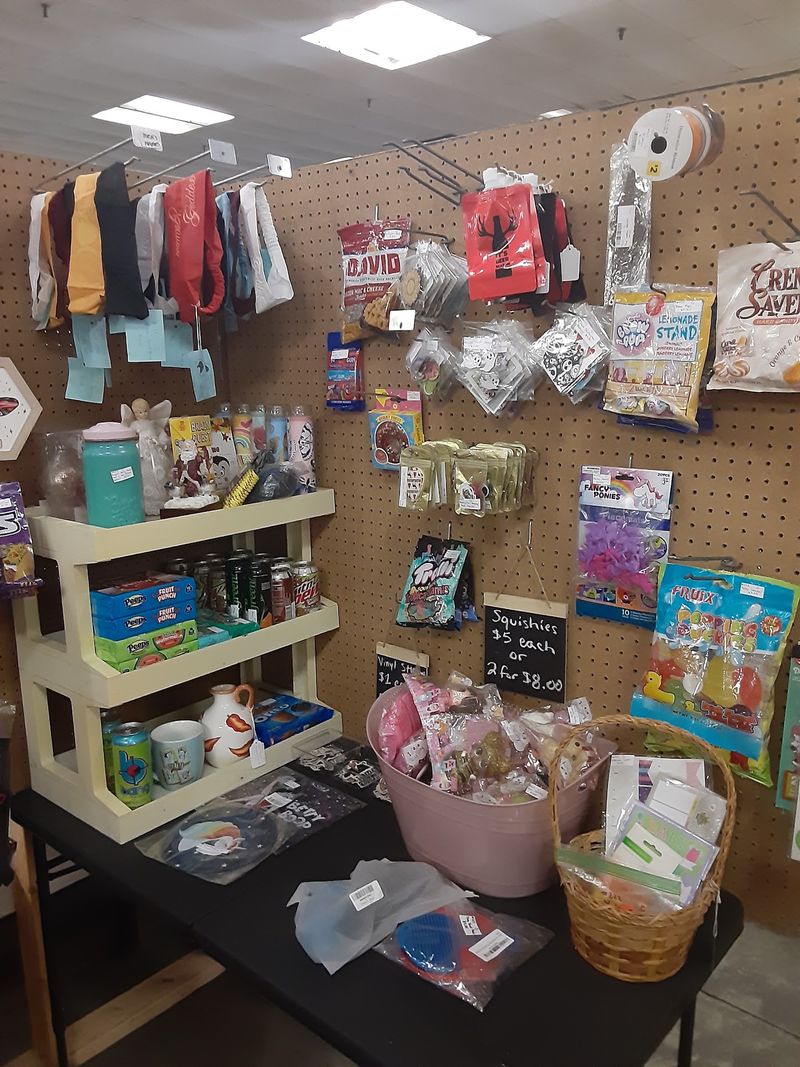
Some visits get a little extra. Mystery boxes have become a small tradition among repeat shoppers, offering a sealed grab bag of items and absolutely no guarantee of what is inside.
Half the fun is opening one in the car. The other half is figuring out what to do with whatever turned up.
Seasonal deals rotate through the building as holidays approach, and the merchandise shifts along with them. Fall brings decor and costume-adjacent finds, winter leans toward gifts and collectibles.
Special events add another reason to check the calendar before heading over. Halloween trunk-or-treat gatherings have been held here, turning the parking lot into a family-friendly stop rather than just a shopping errand.
Gift shopping works surprisingly well in a place like this. Instead of the same items everyone else is buying, shoppers walk out with something genuinely one of a kind.
Collectors hunting cards, gaming consoles, or older electronics should build in extra time. Those booths reward careful digging.
Calling ahead is worth doing for event details, since schedules shift throughout the year.
Doors open daily at 11 AM and close at 7 PM, giving plenty of window to plan around.
Address: 1800 Fort Harrison Rd, Terre Haute, Indiana
