Who wakes up one morning and decides to collect 1,000 tiny Statues of Liberty? Apparently, someone in Indiana did.
That is only the beginning. Elsewhere, antique fans fill rooms by the hundreds.
Circus wagons have their own museum. Preserved brains sit behind glass.
Civil War-era dollhouses have survived long enough to become exhibits. None of these collections sounds particularly normal, which is exactly why they are worth the detour.
These museums were built around obsessions that somehow lasted for decades, sometimes generations. A road trip gets considerably more interesting when the roadside attraction is not another scenic overlook but a building dedicated to something nobody else thought was worth saving.
1. Preserved Brains and Old Laboratories at the Indiana Medical History Museum
Few buildings in the Midwest feel this frozen in place. The Old Pathology Building went up in 1896 on the grounds of what was then Central State Hospital, and it stands today as the oldest surviving pathology facility in the country.
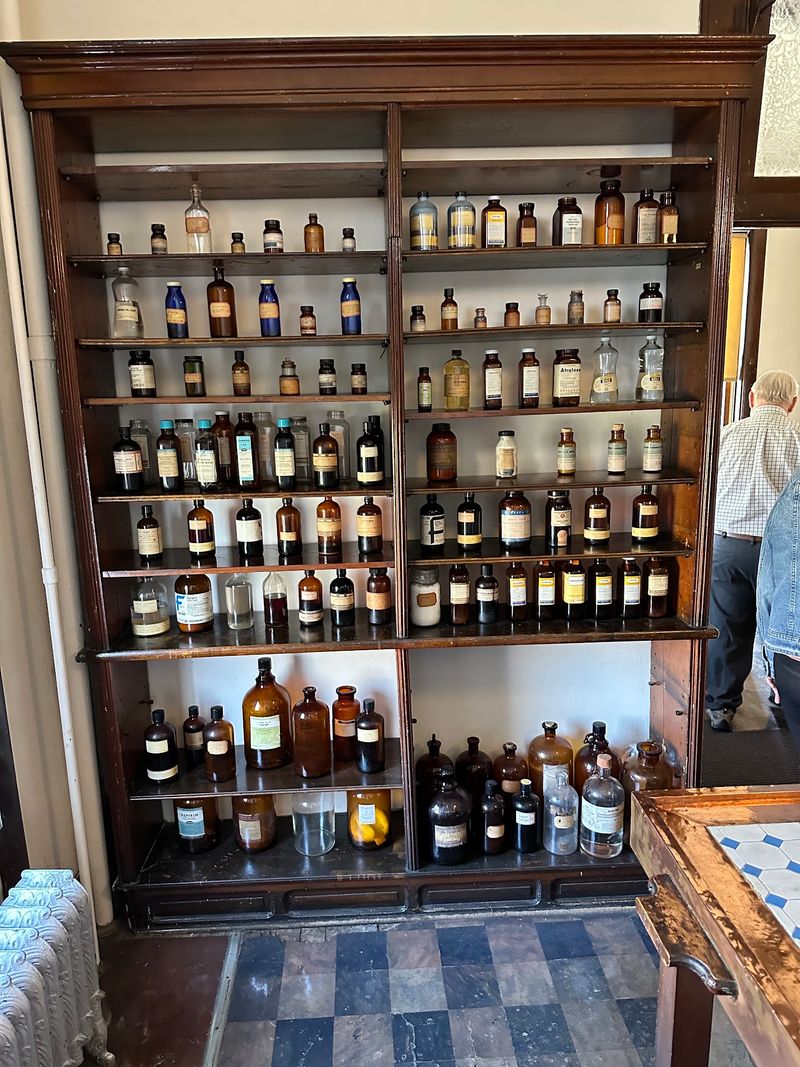
Original laboratories fill the ground floor, with rooms once devoted to bacteriology, histology, and clinical chemistry. Glass cabinets still hold the tools.
Shelves still hold the specimen jars.
Upstairs sits a teaching amphitheater where medical students once leaned forward on curved wooden benches to watch demonstrations below. An antique autopsy room connects to it, tiled and plain, built for work rather than comfort.
The collection of preserved human brains draws the most attention, and some of those specimens are more than a century old. They were kept because doctors of that era believed mental illness would eventually show itself in physical tissue.
Guides explain how early psychiatric medicine actually operated, including the guesswork and the genuine breakthroughs. Visitors often describe the mood as fascinating and slightly eerie at the same time.
Both reactions feel fair.
Anyone squeamish about anatomy should know what waits inside, though the tone stays respectful rather than sensational. Older kids with an interest in science tend to leave full of questions.
Allow at least an hour, and wear comfortable shoes since the tour covers stairs and hard floors.
Address: 3270 Kirkbride Way, Indianapolis, IN 46222
2. Tiny Rooms and Big Detail at the Museum of Miniature Houses
Squinting becomes part of the fun here. More than eighty dollhouses and miniature scenes crowd the display cases, each one built at a scale where a dinner plate is the size of a fingernail.
Craftsmanship is the real subject. Chair legs are turned on tiny lathes, book spines carry readable titles, and kitchen shelves hold jars small enough to lose in a coat pocket.
The oldest dollhouse on display was assembled back in 1861, during the Civil War, and it carries the wear of generations of small hands. Standing beside it feels like reading someone’s diary.
Collections branch out beyond houses too. Glass slippers, miniature Lego builds, carvings in natural materials by Canadian Inuit artists, and traditional Hopi kachina dolls all share the space.
Carmel’s walkable downtown makes the visit easy to pair with a stroll, and the museum sits close enough to shops and cafes that nobody needs to move the car. That convenience matters on a long museum-hopping day.
Children usually latch onto the fully furnished rooms, while adults tend to linger over the tools and techniques explained in the labels. Both groups end up moving slowly.
Photography rules vary by exhibit, so ask at the front desk before pulling out a camera. Bring reading glasses if the small print is a struggle.
Address: 111 E Main Street, Carmel, IN 46032
3. Circus Wagons and Winter Quarters at the International Circus Hall of Fame
Peru once carried the nickname Circus Capital of the World, and it held that title for roughly sixty years.
The grounds here served as the winter quarters for the Wallace Circus and later the American Circus Corporation, meaning performers, animals, and wagons all settled in on this land between seasons.
Several original buildings from the late 1800s and early 1900s still stand, designated as National Historic Landmarks. Weathered wood, wide doorways, and high ceilings hint at how much equipment moved through them.
Inside the museum, the artifacts pile up in the best way. Sequined costumes, hand-painted posters, vintage photographs, historical films, route cards, and route books all document a business that ran on precision and pure spectacle.
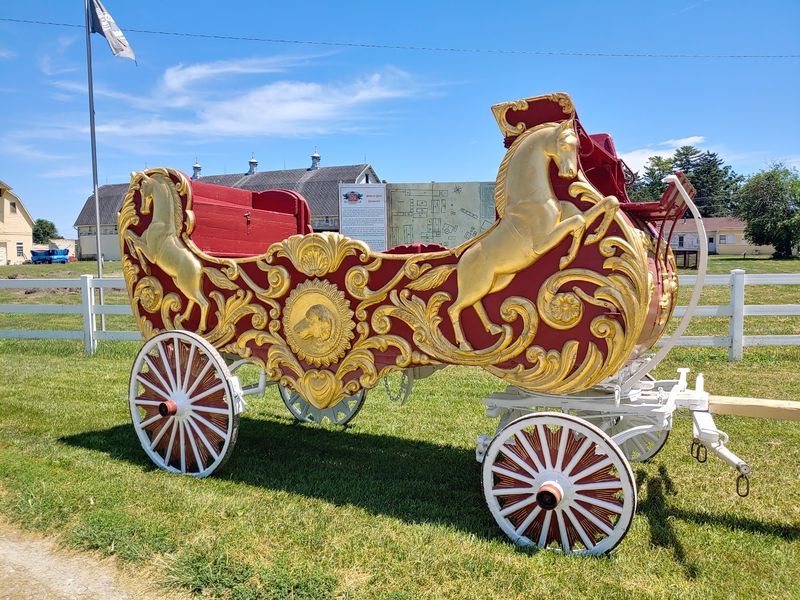
Parade wagons are the showstoppers. Carved figures, gold leaf, and deep painted colors turned these vehicles into rolling advertisements, and the restored examples still gleam under the lights.
The Circus Model Builder’s Museum and Hall of Fame shares the property, filled with miniature big tops and tiny wagon trains built by hobbyists with serious patience. Detail nerds will lose track of time.
Summer brings live performances to the grounds, so checking the season’s schedule before driving out is worth the effort. The location sits a bit outside town on a quiet road.
Address: 3076 East Circus Lane, Peru, IN 46970
4. Two Thousand Whirring Blades at the Antique Fan Museum
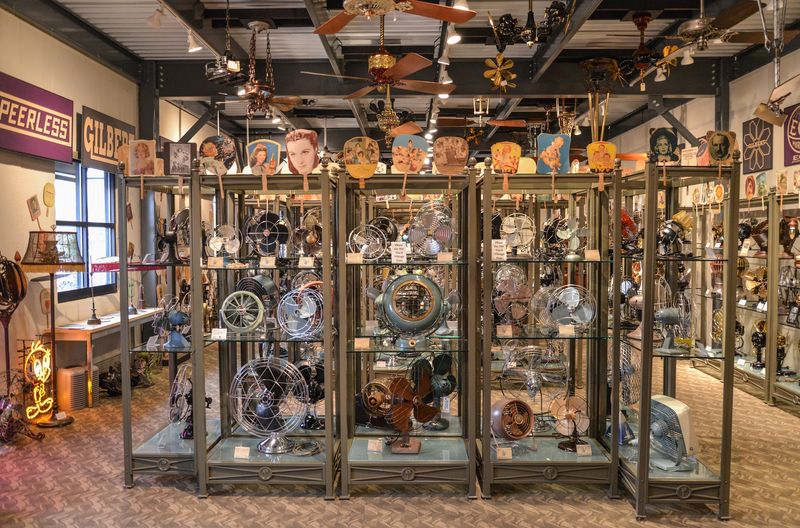
Nowhere else on earth offers this, which sounds like an exaggeration until the numbers land. Over two thousand antique ceiling and desk fans fill the space, making it the only public museum in the world devoted purely to machines that push air around.
Models stretch back to the 1880s, when moving air indoors was still a novelty worth showing off. Early examples ran on water power and steam, driven by belt and pulley systems that snaked across ceilings.
Some of the earliest battery-operated fans ever built sit in the collection too. Their cases look more like laboratory equipment than household goods.
Then things get delightfully odd. Illuminated glass spheres with blades mounted on top, contraptions that would make a cartoonist proud, and tropical designs dressed in palm leaves, wicker, and bamboo all share shelf space.
Every single fan has been restored to original condition, which means polished brass, correct paint, and working parts. That level of care turns a strange collection into a genuine design history lesson.
Following the displays in order shows how quickly engineering evolved once electricity spread into ordinary homes. The change happened within a single generation.
Opening times can be limited, so confirming hours in advance saves a wasted drive out to the north side of the metro area.
Address: 10983 Bennett Pkwy, Zionsville, IN 46077
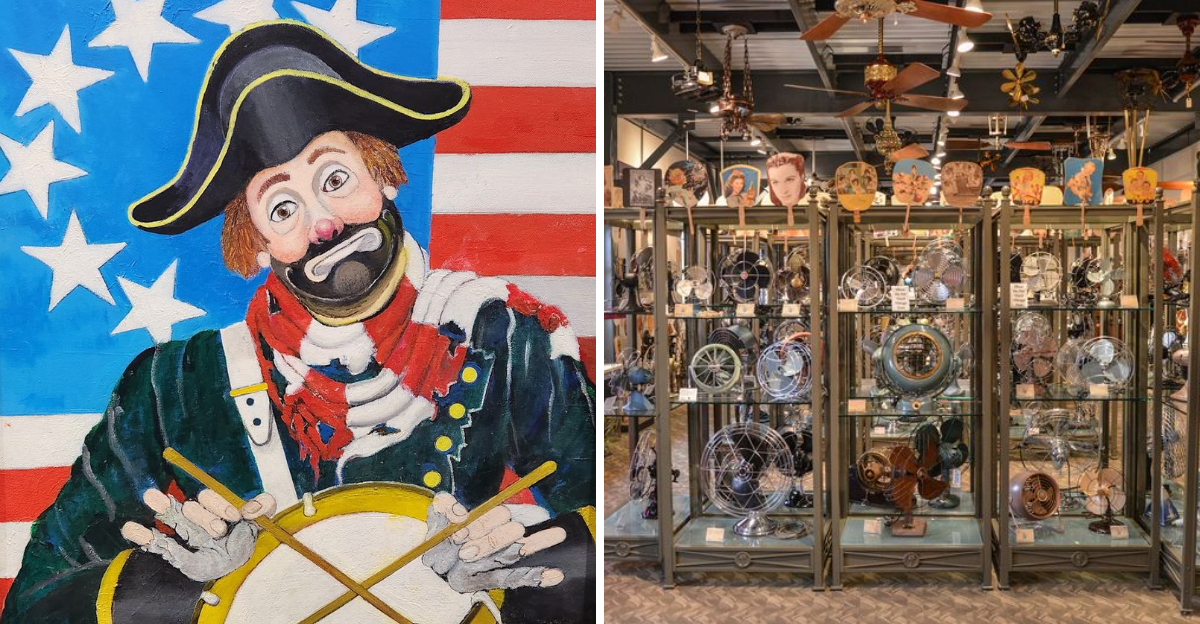
5. Clown Paint and Radio Sound Effects at the Red Skelton Museum of American Comedy
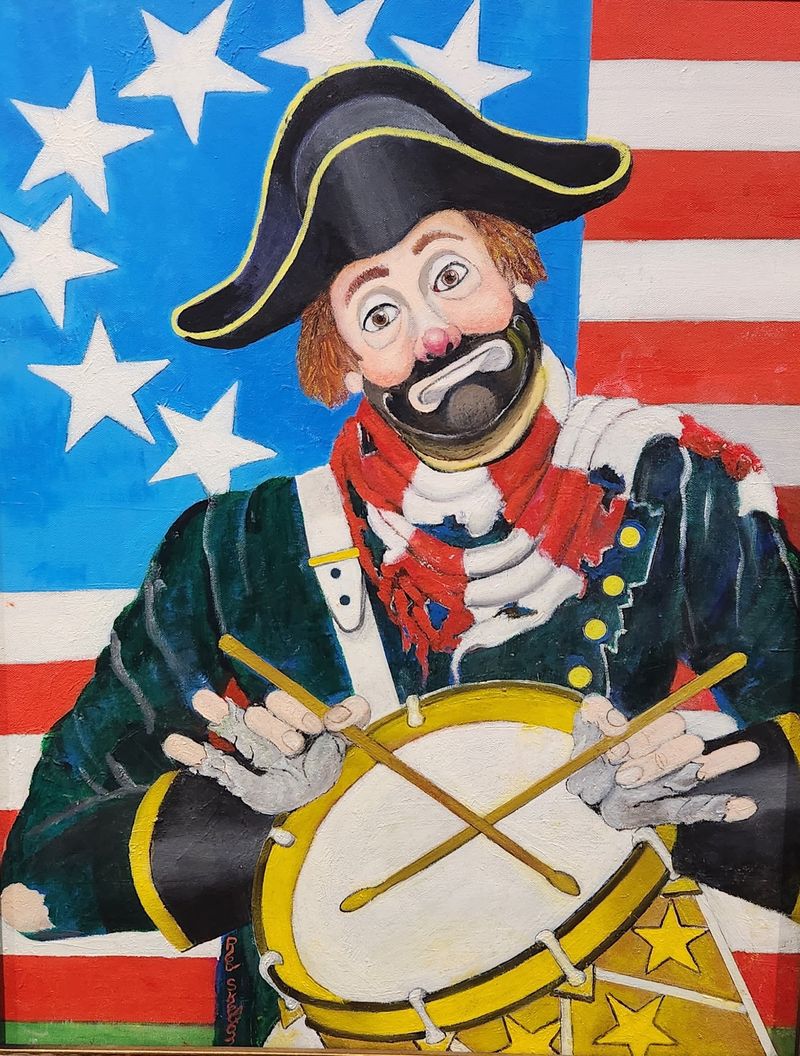
Comedy gets a serious home in Vincennes. Richard Bernard Skelton, known to nearly everyone as Red, grew up here before building a career that lasted around seventy years across vaudeville, radio, film, and television.
The museum covers roughly 3,500 square feet and leans hard into hands-on exhibits. Guests can add sound effects to clips from his old radio programs, which is trickier and funnier than it sounds.
A green screen station lets visitors perform beside him in recreated sketches. Kids usually demand a second turn.
The Clown’s Dressing Room brings digital make-up into the mix, letting anyone try on a virtual painted face and see the transformation happen on screen. Silly, yes, but it explains why costume and character mattered so much to his act.
Skelton’s talents ran wider than most people realize. He composed more than eight thousand songs and painted hundreds of pictures, mostly clowns, and a dedicated extension displays many of those canvases.
Seeing the paintings after the comedy exhibits changes the mood entirely. The brushwork feels tender, almost private.
Vincennes itself is Indiana’s oldest town, so the surrounding streets and riverfront history reward a walk afterward. Plan a couple of hours if the interactive stations get busy.
Address: 20 Red Skelton Blvd, Vincennes, IN 47591
6. A Church Full of Vice Presidents at the Quayle Vice Presidential Learning Center
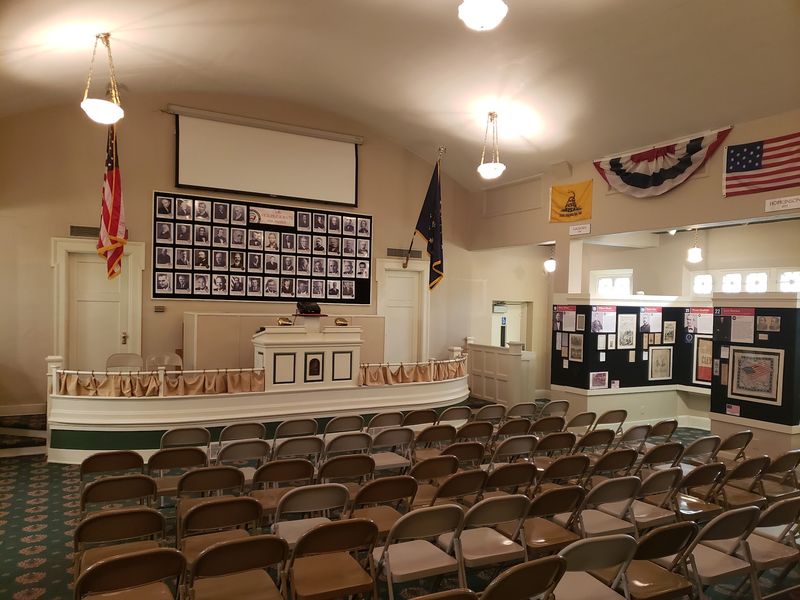
Second place rarely gets a museum, which makes this one genuinely rare. Housed inside a renovated church, the center studies the American vice presidency from every angle, an office plenty of people struggle to describe.
Huntington was where Dan Quayle attended high school, and the museum is often called the Dan Quayle Museum for that reason. His story anchors the collection without swallowing it.
Ground-floor exhibits run through the full history of every vice president, tracing what the role actually involved and how it shifted over two centuries. Some held enormous influence.
Others waited quietly for something to happen.
Upstairs holds memorabilia connected to the office along with a small theater for films and presentations. The stained glass and arched windows still frame the space, which gives the whole visit an unexpected hush.
Indiana’s connection gets special billing, since six men from the state have served as vice president. That number surprises most visitors, including lifelong residents.
Staff know the material well and enjoy the odd trivia, so asking questions pays off here more than at bigger institutions. Conversations tend to wander into good territory.
The building sits in a walkable stretch of downtown, easy to fold into a northeast Indiana driving loop. Budget forty-five minutes, longer for history buffs.
Address: 815 Warren Street, Huntington, IN 46750
7. Furry Chaos and Confetti Cannons at the Mascot Hall of Fame
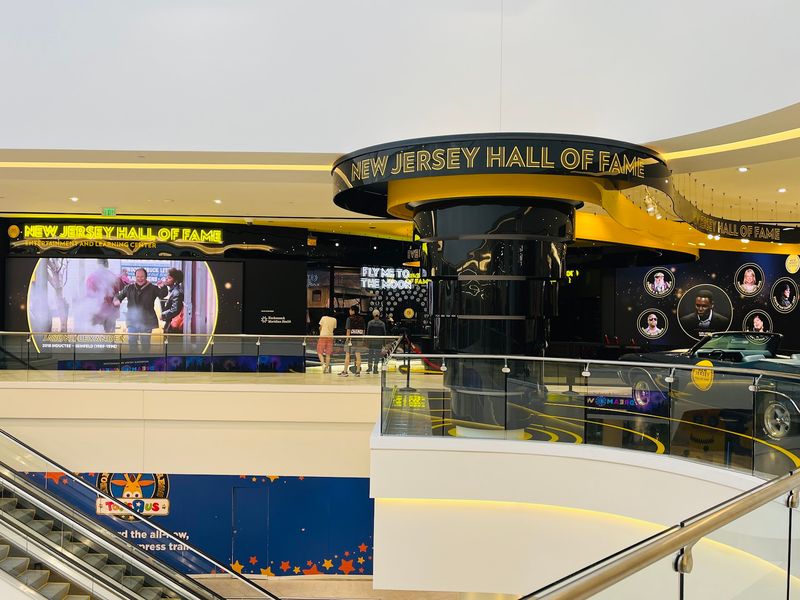
Noise is part of the design here, and nobody apologizes for it. Spread across 25,000 square feet, the building celebrates the costumed characters who fire up crowds at professional and college sporting events.
Exhibit names alone set the mood. The Department of Furry Arts, the Science of Silliness Lab, and the Phuzzical Education Department sound like a joke until visitors realize each one teaches something real.
Guests can design a mascot, then physically build the thing. Auditions are part of the deal too, complete with the awkward first attempt at big gestures inside a bulky costume.
Stunt zones let people fire t-shirt and confetti cannons, which explains the shrieking heard from across the lobby. Adults line up right alongside the kids.
Underneath the goofiness sits a S.T.E.A.M. framework covering science, technology, engineering, art, and math. Learning about airflow, materials, and physics goes down easier when a giant fuzzy creature is involved.
Whiting sits on the Lake Michigan shoreline near the state’s northwest corner, which makes this an easy addition to a Chicago-area itinerary. The lake breeze afterward feels earned.
Families with young children should plan for two hours minimum, since nothing moves quickly once the interactive stations get going. Socks or comfortable shoes help.
Address: 1851 Front Street, Whiting, IN 46394
8. One Thousand Lady Liberties Inside Indy’s Teeny Statue of Liberty Museum
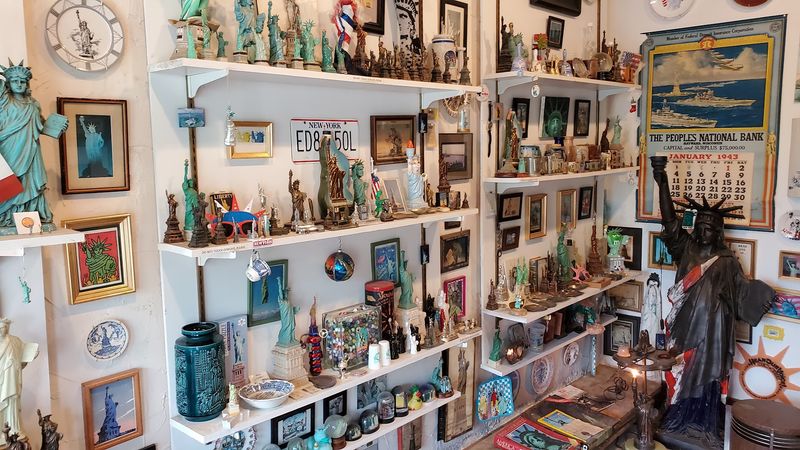
Roughly two hundred square feet. That is the entire footprint, and yet more than a thousand objects depicting Lady Liberty are packed inside.
Tim J. Harmon and Julie Crow gathered the collection across three decades, and the range of items is the whole joke and the whole charm.
Avon bottles, toothbrush holders, lawn sprinklers, decorative bottles, lighters, pencil sharpeners, books, stamps, Barbie dolls, and Lego builds all wear the same crown and torch.
A scaled-down replica stands outside with a torch that stays lit, which is how most people spot the place. The contrast between that small beacon and the famous harbor original is part of the appeal.
Everything sits close together, so browsing means slowing down and scanning shelf by shelf. New details keep appearing on a second pass.
The museum has moved into the Factory Arts District along Mass Ave in Indianapolis, surrounded by studios and creative spaces worth wandering through afterward. The neighborhood suits it perfectly.
Beyond the sheer volume, the mission focuses on what the statue actually stands for, especially for younger visitors thinking about welcome, freedom, and arrival. Simple idea, delivered through souvenir kitsch.
Hours can be irregular given the small scale, so checking ahead is smart. Visits are short, memorable, and easy to combine with other stops.
Address: Factory Arts District on Mass Ave, Indianapolis, Indiana
9. Eleven Rooms of Pop Culture History at Who North America
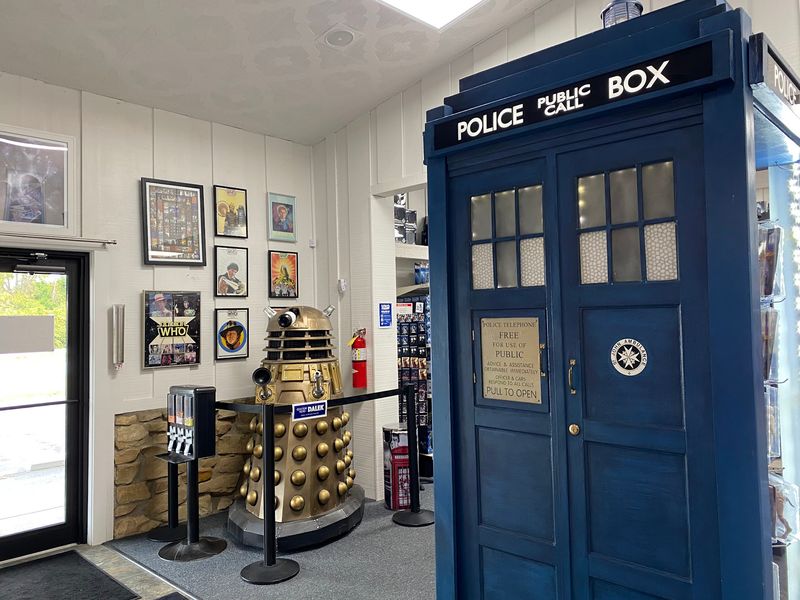
Stepping inside this building feels less like entering a rural museum and more like walking straight through a science fiction wormhole. Tucked away on the outskirts of Hendricks County, this unique destination houses one of the largest public collections of Doctor Who memorabilia on earth.
The facility covers thousands of square feet, combining an extensive retail storefront with an expansive, dedicated museum showcase. Over ten thousand individual artifacts pack the custom glass display cases, tracking more than sixty years of British television history.
Visitors can get up close to screen-accurate replicas of Daleks, life-sized Cybermen, vintage costume pieces, and rare retro action figures. What makes browsing here incredibly distinct is the sheer variety of international collectibles.
The shelves hold everything from rare 1960s comic annuals to modern limited-edition prop replicas, proving how deep the show’s cultural footprint runs.
A dedicated gaming area and video screening space allow fans to sit down, relax, and swap obscure trivia stories with the remarkably knowledgeable staff.
Whether you are a lifelong fan of the series or just a casual traveler looking for a delightfully unusual detour, the sheer scale of this singular passion project is genuinely impressive.
Address: 8901 S State Road 67, Camby, IN 46113
