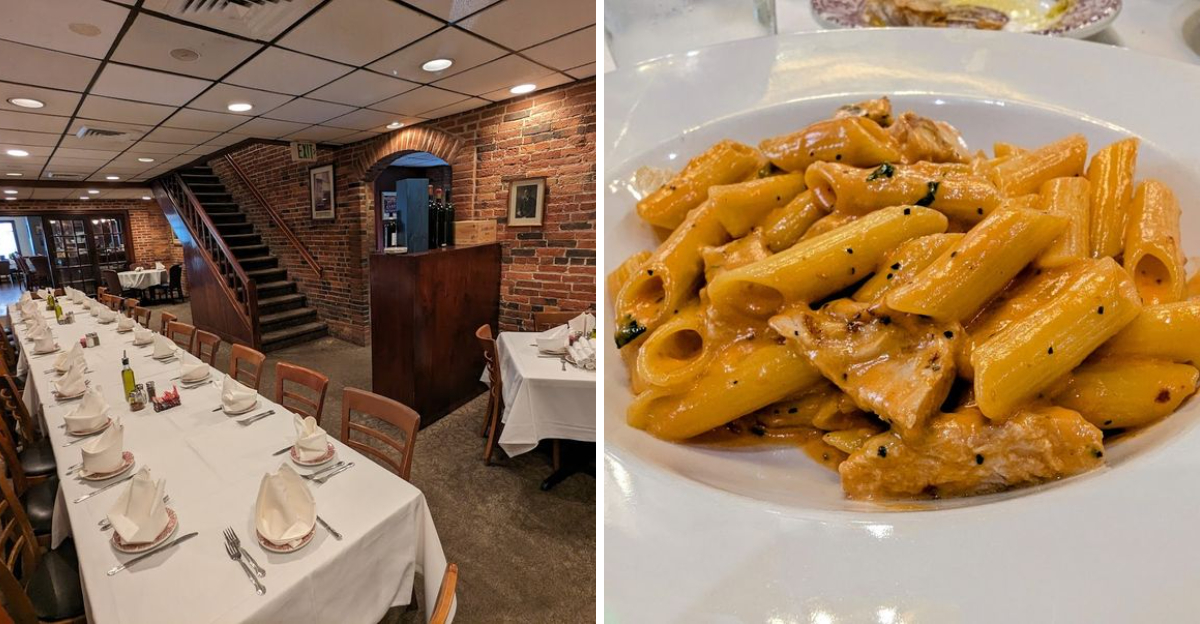
ome restaurants feel like they have been there longer than the sidewalks. This is one of them.
The red sauce recipe has not changed since before your parents were born and nobody is complaining. You walk in and the tables still have checkered cloths like a movie set from the 1950s.
The waitstaff has seen every first date, anniversary, and birthday meltdown you can imagine. Portions come out huge and the bread basket will ruin your appetite before the main event.
Locals keep coming back because it tastes exactly like it always did. Some things should never be updated.
A Legacy That Started With One Immigrant’s Dream
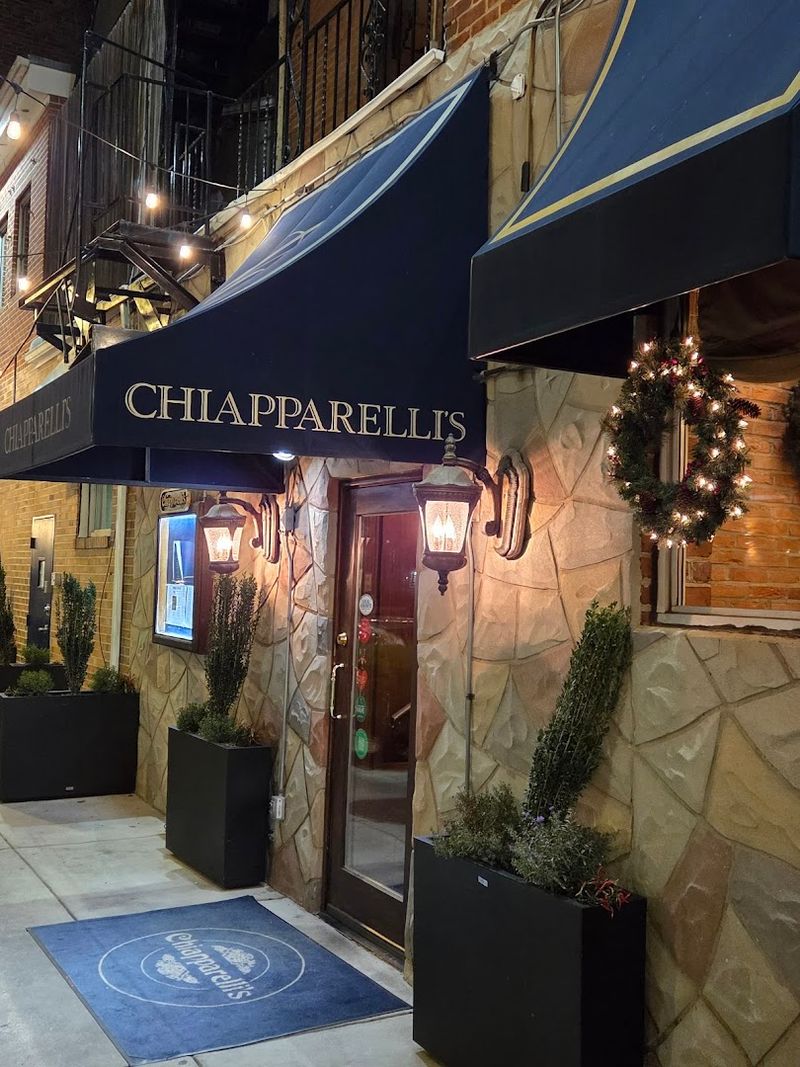
Pasquale Chiapparelli left Naples in 1925 with little more than ambition and a love for food. He arrived in Baltimore and eventually opened a small pizza place alongside his brother, planting a seed that would grow into something extraordinary.
That humble beginning became Chiapparelli’s Restaurant, now recognized as the oldest continuously operating restaurant in Baltimore’s Little Italy.
What makes this origin story so compelling is how deeply personal it remains. The restaurant wasn’t built by investors or a corporate team.
It was built by a family who cooked because they loved it. Pasquale’s wife, Anna Mary, known affectionately as Miss Nellie, made fresh ravioli by hand every single day for the restaurant.
That kind of dedication is rare. It’s the sort of detail that makes you appreciate every bite a little more.
Knowing that the foundation of this place was laid with real hands, real passion, and real sacrifice gives every meal a meaning that goes beyond the plate. Baltimore has changed enormously since the 1940s, but Chiapparelli’s has remained a constant, quietly anchoring the neighborhood through every decade.
Little Italy as a Setting You Actually Feel
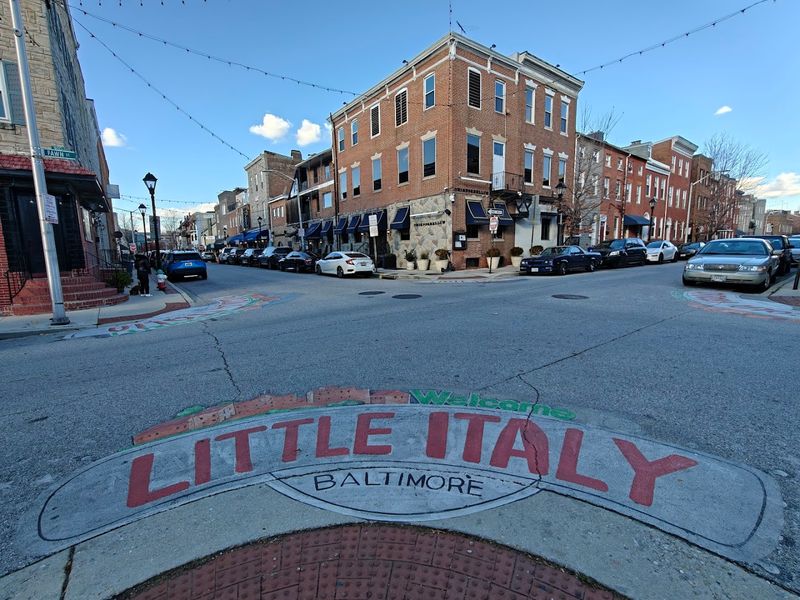
Baltimore’s Little Italy isn’t just a name on a map. It’s a real, living neighborhood with character baked into every block.
Narrow streets, painted row houses, and the occasional scent of garlic drifting from open kitchen windows make it feel like a pocket of another world hidden inside a busy American city.
Chiapparelli’s sits right at the heart of it, and the location feels intentional. You’re not just visiting a restaurant.
You’re visiting a place with roots, a place that grew alongside the community around it. The neighborhood itself becomes part of the dining experience before you even open the menu.
There’s something grounding about eating somewhere that has genuine geographic identity. The restaurant doesn’t need to manufacture atmosphere because the atmosphere already exists outside its doors.
Locals who grew up nearby have a different kind of connection to this place than a tourist might, and yet both leave feeling like they got something real. That accessibility, the ability to welcome everyone while still belonging to one specific place, is part of what makes Little Italy and Chiapparelli’s so enduringly special.
Three Generations of Family Still Running the Show
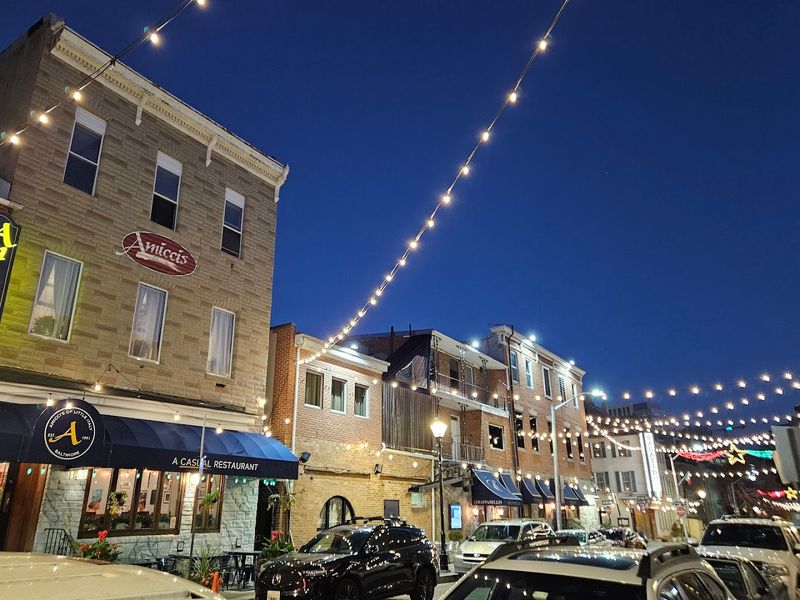
Running a restaurant for over eight decades is no small thing. Keeping it in the family for that long is even rarer.
Chiapparelli’s is currently operated by Kit Chiapparelli, Pasquale’s daughter-in-law, and Brian, his grandson, which means the people cooking and serving your food share a name and a bloodline with the man who started it all.
That kind of continuity shows up in the food, in the service, and in the way the staff interacts with regulars. It’s not a performance of family values.
It actually is a family, and you feel it. There’s a warmth in the way tables are managed, a genuine interest in whether you enjoyed your meal.
Family-run restaurants often talk about tradition, but few actually live it the way Chiapparelli’s does. Recipes have been passed down, not handed off to a corporate test kitchen.
The same dishes that earned loyal customers in the 1960s are still on the menu today, made with the same care. When Brian greets a table, he’s not just a manager doing his job.
He’s continuing something that his grandfather started almost a century ago, and that weight is something you can genuinely sense.
The Atmosphere That Keeps People Coming Back
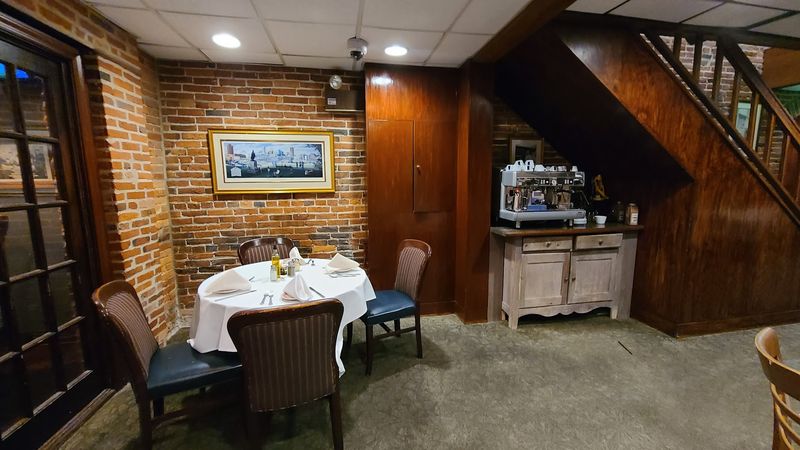
Good food can bring someone in once. The atmosphere is what brings them back.
At Chiapparelli’s, the interior manages to feel both rustic and comfortable, the kind of space where you naturally relax your shoulders and settle in for a long meal. It’s not trying to be trendy or minimalist.
It’s warm, lived-in, and genuinely inviting.
The decor leans into the restaurant’s history without being a museum about it. There’s a sense that the space has evolved alongside the family, picking up layers of character over the decades.
Regulars who have been coming since the 1960s probably feel a familiar comfort walking in, while first-timers quickly understand why people return year after year.
Part of what makes the atmosphere work so well is how the staff fits into it. The team has a natural ease that matches the room.
You don’t feel rushed, and you don’t feel ignored. It’s that balance, attentive without being hovering, relaxed without being careless, that’s surprisingly hard to get right.
Chiapparelli’s has clearly figured it out over eighty-plus years of practice, and the result is a dining room that feels less like a restaurant and more like a gathering place.
Signature Dishes That Have Earned Their Reputation
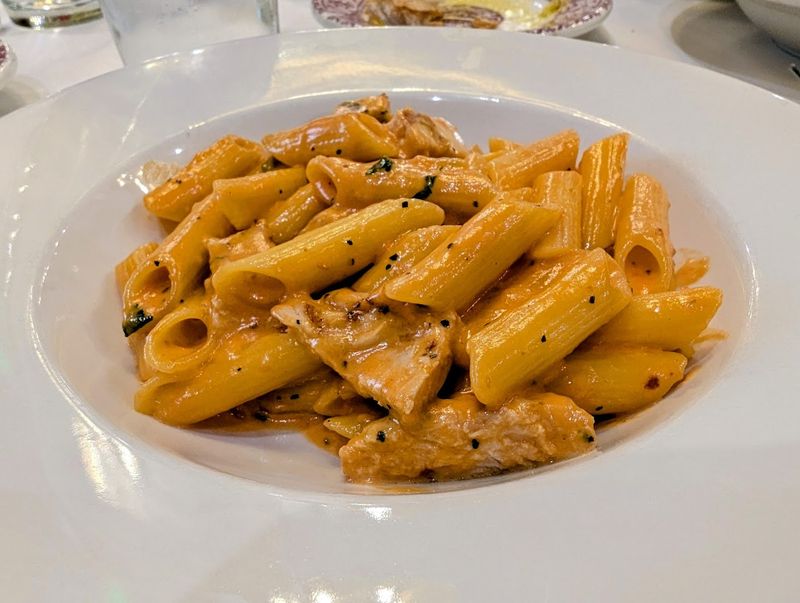
Every great restaurant has a dish that becomes its calling card. At Chiapparelli’s, there are several.
The famous house salad is one of those things people mention almost immediately when talking about the place. It sounds simple, but it delivers in a way that makes you wonder why salads anywhere else taste different.
Then there’s the Gnocchi Bolognese, which regulars have nicknamed the drooling gnocchi. That nickname alone tells you everything you need to know.
The Tour of Chiapparelli’s is another standout, essentially a sampler that lets you experience the range of the kitchen in one sitting. Chicken Louie, named after Uncle Louie, and Salmon Caroline, named after Aunt Caroline, are the kind of dishes that carry family stories in their names.
The bread deserves its own mention. Generous portions arrive at the table, and the quality is the kind that makes you pace yourself so you don’t fill up before the main course arrives.
Eggplant Parmesan and Fettuccine round out a menu that balances Southern and Northern Italian traditions without leaning too hard in either direction. Every dish feels considered, not assembled.
Why Locals Have Been Loyal for Decades
Loyalty like this doesn’t happen by accident. Some Chiapparelli’s regulars have been dining there since 1966, which means they’ve been coming back for nearly sixty years.
That kind of repeat business isn’t built on novelty or marketing. It’s built on consistency, care, and the feeling that a place genuinely values your presence.
Part of the appeal is that the restaurant never chased trends at the expense of what made it great. While other spots reinvented themselves every few years, Chiapparelli’s stayed focused on doing what it always did, just doing it well.
Locals trust that. There’s comfort in knowing exactly what you’re going to get, especially when what you’re getting is this good.
The mix of regulars and first-time visitors in the dining room on any given night says a lot. Tourists come because the reputation precedes it.
Locals come because they remember what it meant to them years ago, and they want to feel that again. Both groups leave satisfied, which is the truest measure of a restaurant that has genuinely figured something out.
Chiapparelli’s hasn’t stayed relevant for over eighty years by luck. It’s earned every single return visit.
The Role of Tradition in Every Single Plate
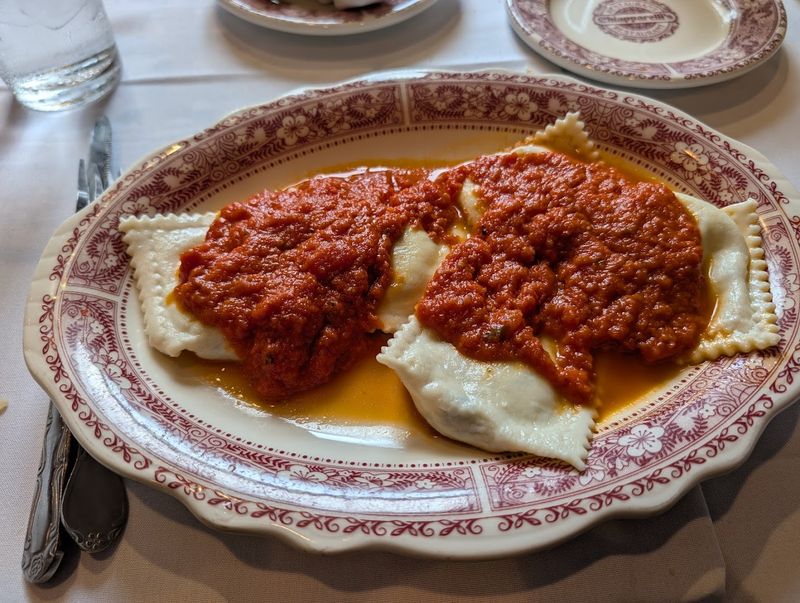
Miss Nellie made fresh ravioli by hand every day. That detail has stuck with me since learning about it, because it represents a philosophy that still runs through the kitchen today.
Tradition at Chiapparelli’s isn’t a marketing angle. It’s a daily practice, a commitment to doing things properly even when shortcuts exist.
Authentic Italian cuisine blends Southern and Northern Italian influences, and Chiapparelli’s menu reflects that range without feeling scattered. The dishes don’t try to be something they’re not.
They taste like food made by people who understand the source material, not food assembled to approximate an idea of Italian cooking.
That grounding in real culinary tradition is increasingly rare. Many restaurants describe themselves as authentic while quietly modernizing their recipes to reduce labor or cost.
Chiapparelli’s resists that. The portion sizes are generous, the ingredients feel honest, and the flavors land with the kind of depth that only comes from recipes that have been refined over time rather than invented last season.
Eating here is a reminder of what Italian-American cooking can be when it’s taken seriously by people who actually care about getting it right.
Baltimore’s Little Italy and What Makes It Worth the Trip
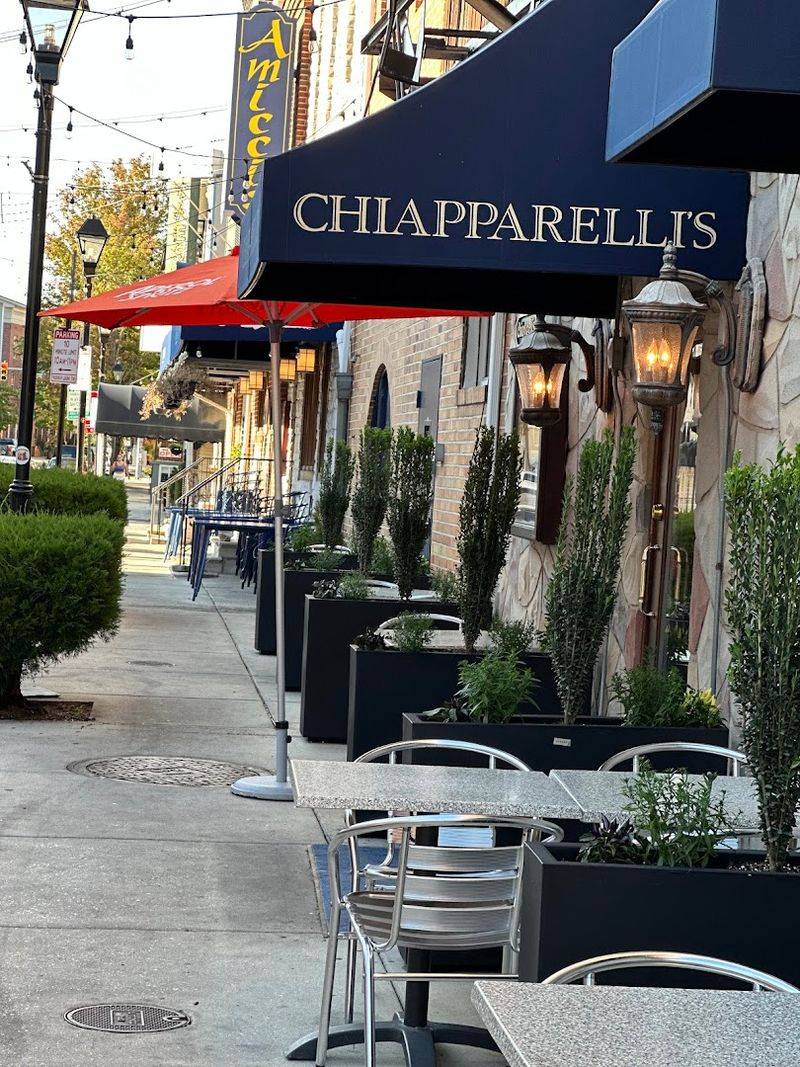
If you’re visiting Baltimore and skipping Little Italy, you’re missing a genuinely distinct slice of the city. The neighborhood sits close to the Inner Harbor, making it easy to include in a day of exploring, but it has a completely different energy from the waterfront tourist zone.
It feels residential, personal, and proud of its roots.
Chiapparelli’s gives you a reason to linger in that neighborhood longer than a quick pass-through. A meal here anchors the visit in a way that a rushed walk through a market never could.
You end up sitting for an hour or two, and by the time you leave, you feel like you actually experienced something rather than just checked a box.
The surrounding streets are worth exploring before or after your meal. Small shops, painted murals, and the general rhythm of a tight-knit community give the area a texture that’s hard to find in more polished parts of the city.
Baltimore has a reputation for being gritty and real, and Little Italy embodies that in the best possible way. Coming here for the food means you also get the neighborhood, and that combination is well worth the trip.
What an Evening at Chiapparelli’s Actually Feels Like
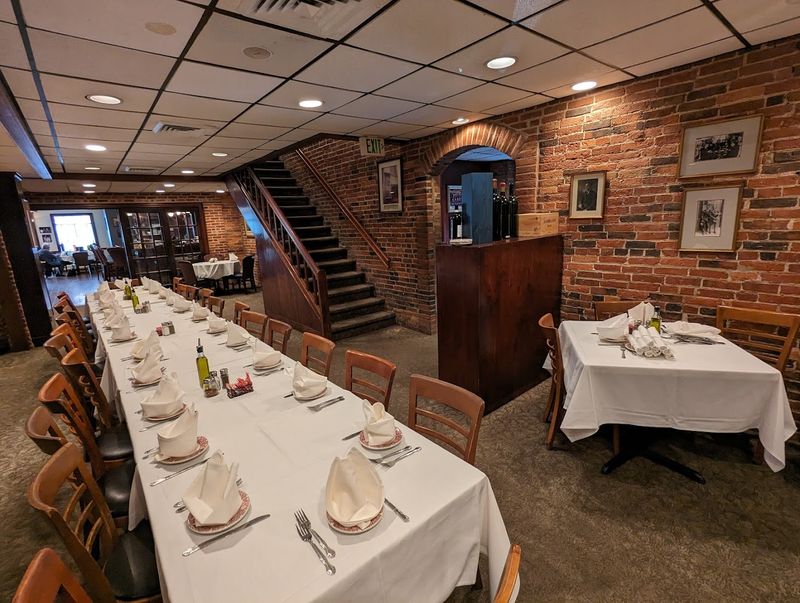
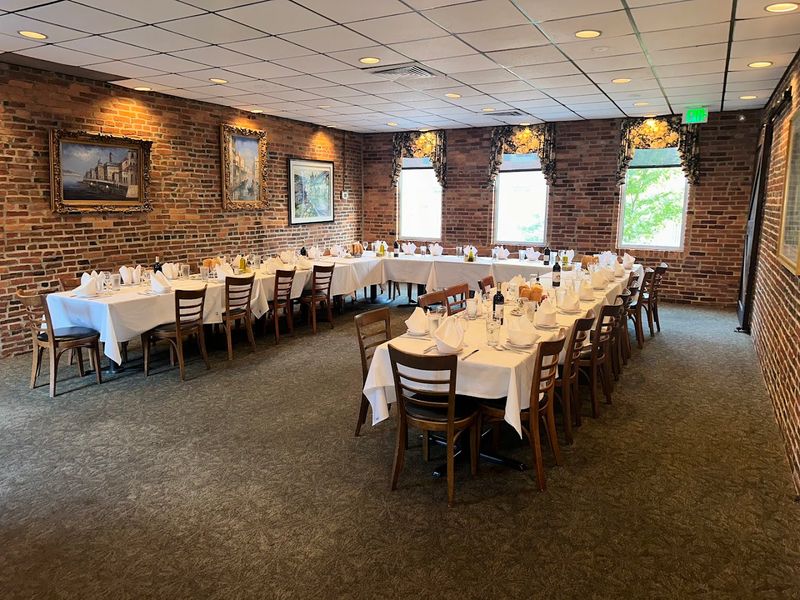
An evening here moves at its own pace, and that’s a good thing. You settle in, the bread arrives, and the conversation naturally slows down from whatever rushed energy you brought in from outside.
The room has a way of recalibrating you, and by the time your main course lands, the rest of the day feels far away.
The service has that particular quality where staff seem genuinely pleased that you’re there. Recommendations are offered like suggestions from someone who actually eats the food, not recitations from a training manual.
That ease makes the whole experience feel less transactional and more like a shared meal.
By the end of the night, the thing you remember most isn’t any single dish, though the gnocchi really does earn its nickname. What stays with you is the overall feeling of having been somewhere that takes hospitality seriously without making it feel stiff or formal.
It’s the kind of place you start planning to return to before you’ve even finished your dessert. Baltimore has plenty of good restaurants, but very few that feel this complete, this consistent, and this genuinely rooted in something real.
Address: 237 S High St, Baltimore, MD 21202
