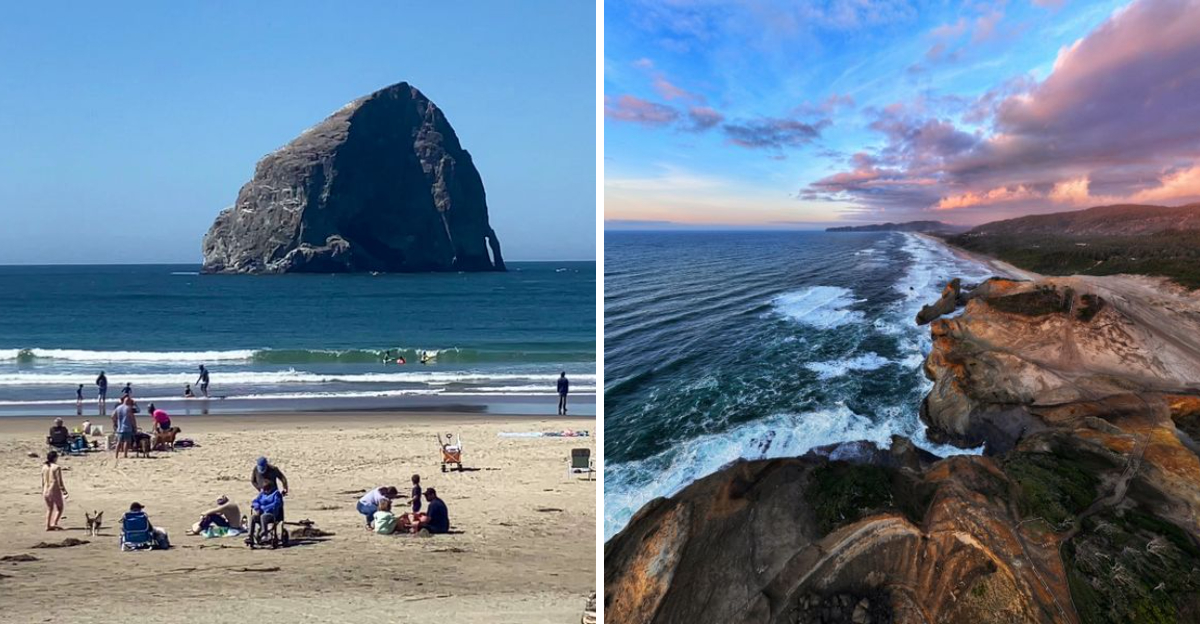
It’s hard to believe that just a decade ago, Pacific City felt like a secret only locals were allowed to keep. Mornings were quiet enough to hear the surf crash against the cliffs, and the only footprints in the sand were your own.
Today, the scene is completely different. Lines of cars snake along Highway 101, Instagrammers flock to every viewpoint, and the dunes at Cape Kiwanda are packed with sunbathers and selfie sticks.
Even the ocean feels busier, with surfers jockeying for waves that once offered complete solitude. Long-time residents are torn between welcoming visitors and mourning the Pacific City they once knew.
The charm, the quiet, the small-town rhythm – it’s all under pressure, transforming this coastal paradise into something both thrilling and overwhelming. What used to feel like a personal escape is now a full-blown Oregon hotspot, and the question on everyone’s mind is: can Pacific City survive its own popularity?
Cape Kiwanda’s Sand Dune Faces Constant Crowds
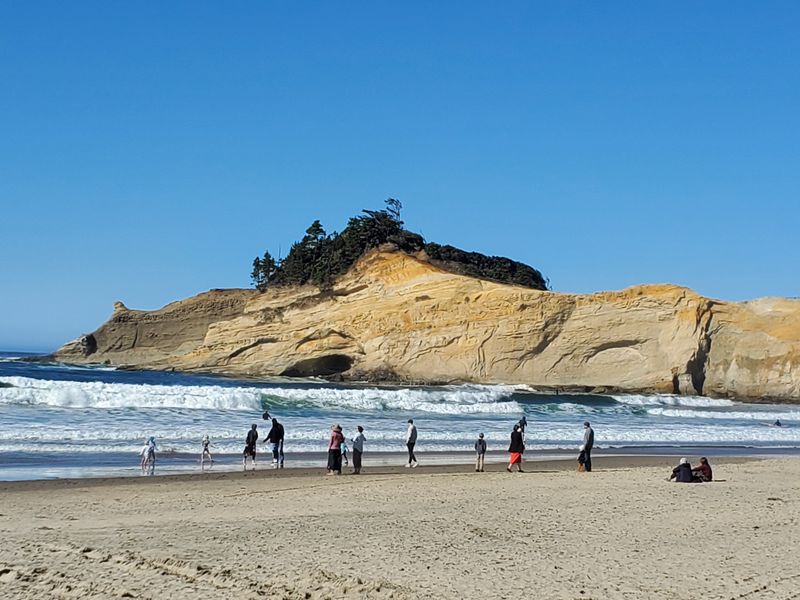
Walking up to Cape Kiwanda now feels more like navigating a theme park than exploring a natural wonder. The massive sand dune that rises above the beach has become Instagram’s favorite backdrop, which means hundreds of people climb it every single day during peak season.
I watched families, couples, and solo adventurers trudge up the steep slope, many stopping halfway to catch their breath and snap photos. The problem goes beyond just crowding.
All those feet create serious erosion, with visible paths carved deep into the sand where vegetation used to hold everything together.
Park rangers have tried installing signs asking people to stay on designated trails, but enforcement remains nearly impossible when you’re dealing with such volume. The dune itself keeps shifting and changing shape faster than it naturally would, and scientists worry about long-term stability.
What used to be a peaceful climb with ocean views has become a congested scramble. Early morning visits offer your best chance at experiencing Cape Kiwanda the way locals remember it, before the tour buses arrive and the parking lot fills to capacity.
Tourism Numbers Have Exploded Beyond Recognition
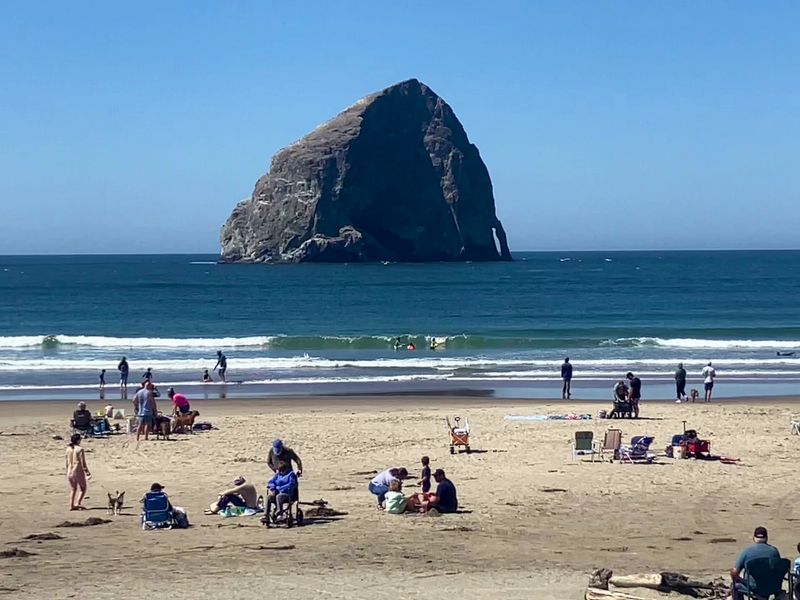
Pacific City recorded fewer than 50,000 annual visitors two decades ago. Recent estimates put that number closer to half a million, and some summer weekends see more tourists than the town has residents by a factor of several hundred.
The surge started gradually around 2010, then accelerated dramatically once social media turned Cape Kiwanda into a must-see destination. Travel blogs, Instagram influencers, and viral sunset photos created a feedback loop that keeps bringing more people every year.
Local business owners have mixed feelings about the boom. More customers means more revenue, but the infrastructure simply cannot handle current demand.
Restaurants run out of food, bathrooms overflow, and trash bins fill up by noon.
I spoke with residents who remember when you could park anywhere and walk straight onto an empty beach. Now they avoid their own town during summer weekends, which feels deeply wrong to people who have lived here their entire lives.
The character of Pacific City has fundamentally changed, and reversing course seems impossible at this point.
Parking Has Become an Absolute Nightmare
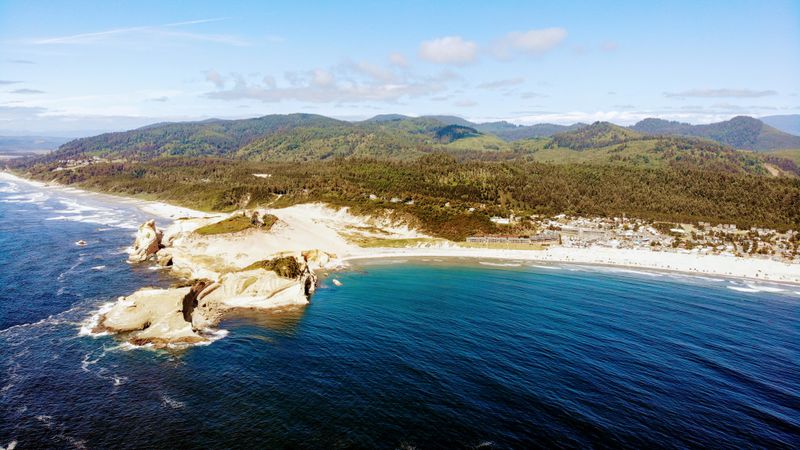
Arriving at Pacific City after 9 a.m. on a summer Saturday basically guarantees you will not find legal parking anywhere near the beach. The main lot at Cape Kiwanda State Natural Area fills completely, and overflow parking disappeared years ago as development ate up available space.
Desperate visitors start cruising through residential neighborhoods, parking on lawns, blocking driveways, and creating traffic jams on streets designed for local access only. Homeowners have installed no-parking signs, but enforcement remains spotty.
I watched one family circle the same three blocks for twenty minutes before giving up and heading to a different beach entirely. Others park illegally and risk tickets, which has created tension between frustrated tourists and overwhelmed local law enforcement.
The Oregon Parks and Recreation Department has discussed shuttle systems and reservation requirements, but implementation keeps getting delayed. Meanwhile, the parking crisis worsens every season as more people discover Pacific City through online searches and travel recommendations.
Some locals suggest the only solution involves limiting daily visitor numbers, which would require major policy changes at the state level.
Vacation Rentals Have Displaced Permanent Residents
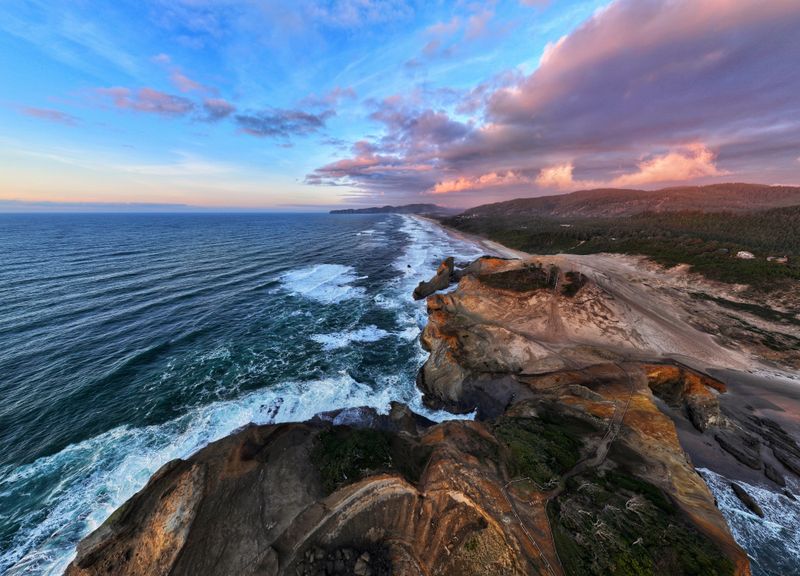
Property owners discovered they could earn more money renting their homes to tourists for three summer months than to year-round tenants for twelve. That economic reality has transformed Pacific City’s housing stock, with estimates suggesting over forty percent of homes now operate as short-term vacation rentals.
The impact on community fabric runs deep. Teachers, restaurant workers, and service employees who once lived in town now commute from Tillamook or even farther because they cannot afford or find available housing.
Schools have seen enrollment drop as families move away.
I walked through neighborhoods where lights stay dark most of the year, then suddenly every house fills with rotating groups of vacationers during peak season. The sense of community that defined small-town Oregon coast life has evaporated in many areas.
Local government has tried implementing rental caps and permit systems, but enforcement proves difficult and property rights arguments complicate regulation. Some residents argue vacation rentals provide necessary income for retirees on fixed budgets, while others see them as destroying the town’s character and making it impossible for working families to stay.
Three Capes Scenic Drive Suffers Constant Traffic Jams
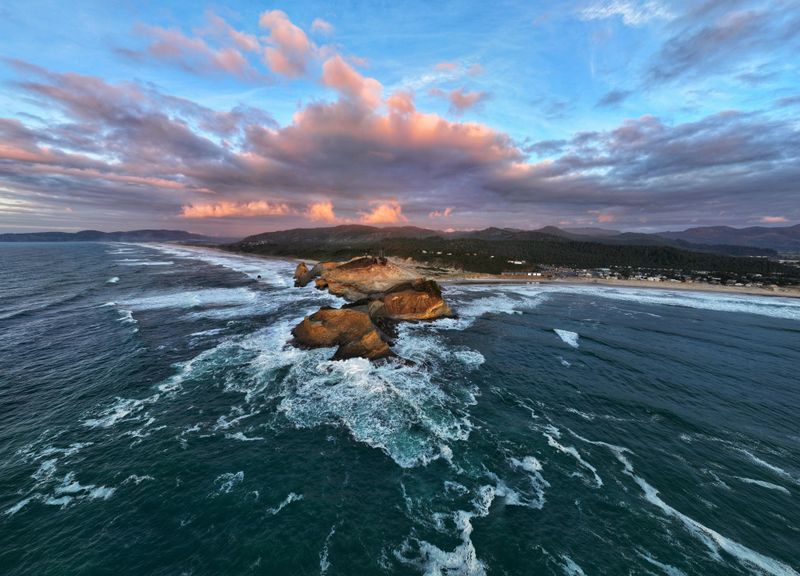
The scenic byway connecting Cape Kiwanda, Cape Lookout, and Cape Meares was designed for leisurely exploration, not bumper-to-bumper crawling. Yet that describes the typical summer weekend experience now, with traffic backing up for miles as visitors try reaching Pacific City from Highway 101.
The two-lane road winds through beautiful coastal forest and farmland, but enjoying those views becomes impossible when you’re stuck behind an RV going fifteen miles per hour with thirty cars trailing behind. Passing opportunities remain limited, and pullouts fill quickly.
I spent forty-five minutes covering a distance that should take fifteen, watching frustrated drivers make dangerous passing attempts and tourists stopping randomly to take photos without pulling completely off the road. The backup creates safety hazards and tests everyone’s patience.
Oregon Department of Transportation has studied widening options, but environmental concerns and astronomical costs make major improvements unlikely. Meanwhile, GPS apps route even more traffic onto the scenic drive as people try avoiding Highway 101 congestion.
Locals now know exactly which times to avoid the route entirely, which means they cannot easily access their own coastline during peak hours.
Environmental Damage Spreads Across Sensitive Habitats
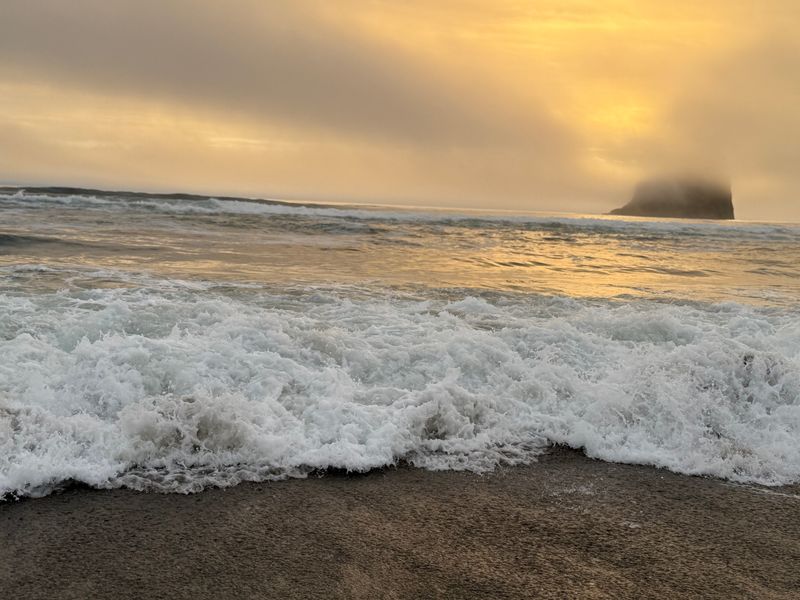
Coastal dune ecosystems rank among Oregon’s most fragile environments, requiring decades to establish the vegetation that holds sand in place and provides habitat for specialized species. Heavy foot traffic destroys that vegetation in a single season, and Cape Kiwanda shows the consequences clearly.
I observed people walking off designated trails, climbing on fragile dune grass, and creating new paths that channel erosion. Beach strawberry, European beachgrass, and native lupine that once covered the area have disappeared from high-traffic zones.
Without root systems holding sand, wind carries it away faster than natural processes can replace it.
Litter presents another serious problem. Despite trash bins and volunteer cleanup efforts, plastic bottles, food wrappers, and other debris accumulate faster than anyone can collect it.
Marine debris washes up naturally, but tourist trash adds significantly to the problem.
Wildlife disturbance has increased as well, with nesting shorebirds abandoning traditional sites due to constant human presence. The Oregon coast depends on healthy ecosystems for both ecological function and the scenic beauty that attracts visitors, creating an ironic situation where tourism damages the very resources people come to experience.
Small-Town Character Has Been Lost to Commercialization
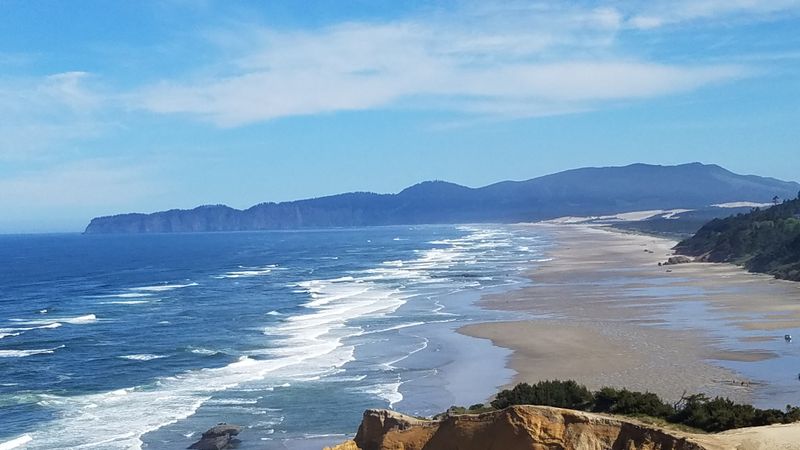
Old-timers remember when Pacific City had one small grocery store, a couple of restaurants, and businesses that primarily served local fishermen and residents. That intimate, everyone-knows-everyone atmosphere has been replaced by tourist-focused commercial development catering to visitors who stay for a weekend then disappear.
New businesses open specifically targeting tourists, offering souvenir shops, vacation rental management services, and restaurants with prices locals cannot afford regularly. The mom-and-pop establishments that gave Pacific City its character have either closed or adapted to serve a completely different customer base.
I talked with residents who described feeling like strangers in their own town, where familiar faces have been replaced by a constant rotation of tourists. Community events that once brought neighbors together now draw crowds of outsiders, changing the entire dynamic.
The loss goes beyond nostalgia. When a town’s economy shifts from serving residents to serving tourists, priorities change in ways that often disadvantage long-time community members.
Housing becomes unaffordable, traffic makes daily life difficult, and the sense of belonging that defines small-town life gradually disappears.
Many locals wonder whether Pacific City can ever reclaim what made it special.
Dory Boats Now Compete for Beach Space
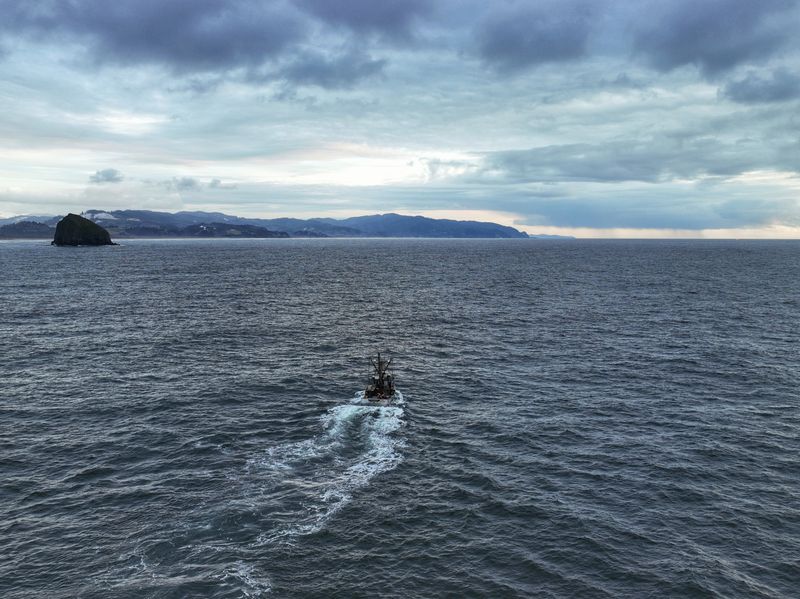
Pacific City’s iconic dory boat fleet represents one of the last remaining examples of this traditional fishing method on the Oregon coast. Fishermen launch flat-bottomed boats directly from the beach through the surf, a technique requiring skill, timing, and plenty of space.
Tourist crowds have made that increasingly difficult.
I watched dory operators trying to launch while navigating around surfers, swimmers, and beachgoers who seem unaware they’re standing in an active work zone. What was once a coordinated dance between experienced fishermen has become a stressful obstacle course through unpredictable tourists.
Surfers particularly create conflicts, as they occupy the same nearshore zone where dory boats must launch and land. Neither group wants to yield, and close calls happen regularly.
Some fishermen have stopped operating during peak tourist hours, which means missing the best fishing times.
The cultural heritage aspect matters too. Dory fishing defines Pacific City’s identity and history, but younger generations see their tradition being pushed aside by recreational users.
Designated launch zones have been proposed, but beach access remains legally open to everyone, making enforcement complicated.
The tension symbolizes broader conflicts between traditional coastal livelihoods and modern tourism economies.
Restaurants and Businesses Struggle Under Pressure
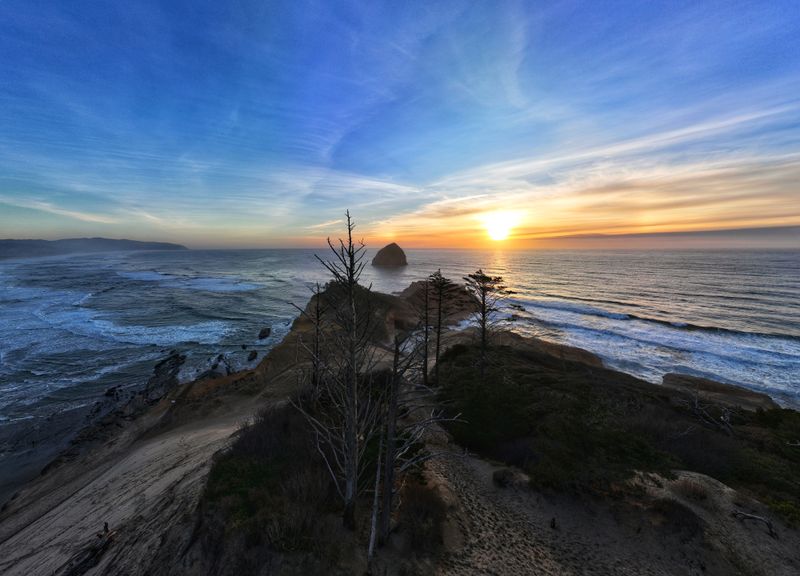
Pelican Brewing Company has become Pacific City’s most famous destination, which sounds great for business until you consider the operational reality. Wait times regularly exceed two hours during summer weekends, staff turnover runs high due to stress and limited housing options, and maintaining quality becomes nearly impossible under such volume.
I spoke with hospitality workers describing brutal shifts serving hundreds of customers daily, many of whom arrive frustrated after long drives and parking struggles. Tips might be good, but the physical and emotional toll drives people away from these jobs quickly.
Finding replacement staff proves difficult when affordable housing has disappeared.
Other restaurants face similar pressures, with reservation systems booked weeks in advance and walk-in customers turned away repeatedly. Some establishments have reduced hours or closed during peak season simply because they cannot find enough workers or handle the stress.
The boom-and-bust cycle creates problems too. Businesses must staff up for three intense summer months, then scale back dramatically when tourist season ends.
That instability makes it hard to retain experienced employees.
Many restaurant owners privately admit they preferred the slower pace when they served locals and could focus on quality rather than just surviving the tourist onslaught.
Dear Reader: This page may contain affiliate links which may earn a commission if you click through and make a purchase. Our independent journalism is not influenced by any advertiser or commercial initiative unless it is clearly marked as sponsored content. As travel products change, please be sure to reconfirm all details and stay up to date with current events to ensure a safe and successful trip.
