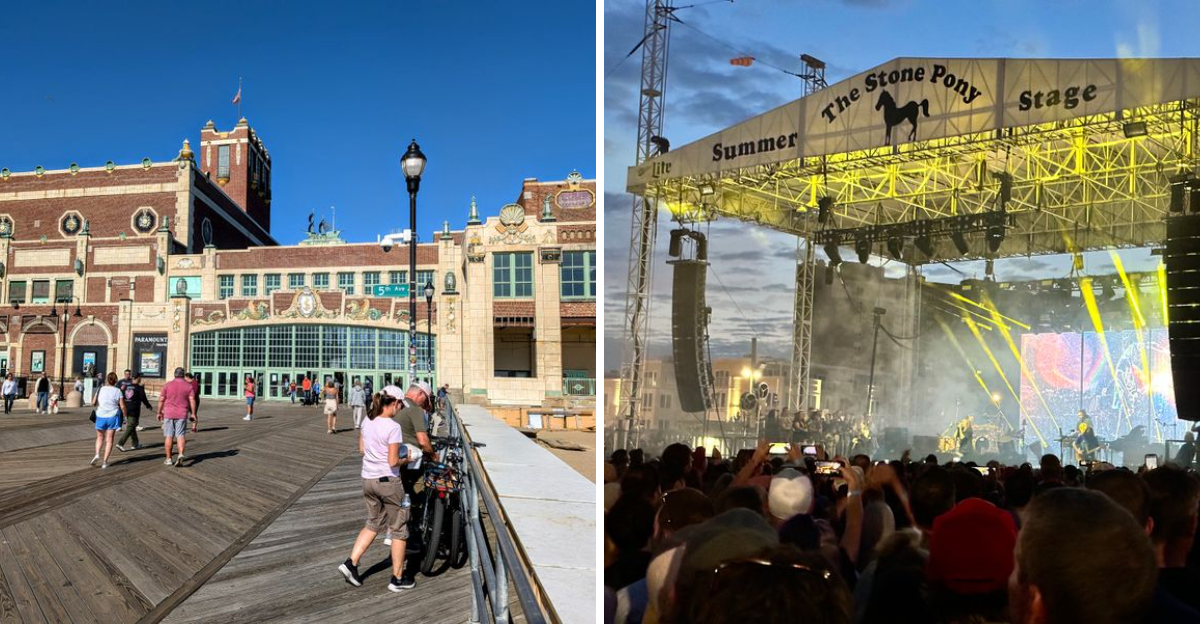
I remember when Asbury Park felt like a peaceful seaside escape. Back then, I could stroll the boardwalk without weaving through crowds or waiting forever for a slice of pizza.
Families actually knew their neighbors on the beach, and finding a parking spot didn’t mean circling for an hour. The city’s musical roots and Victorian charm gave it this quiet authenticity that felt more small-town than tourist trap.
But over the past decade, things changed. Word got out about this New Jersey gem, and suddenly the secret wasn’t a secret anymore.
Tour buses roll in every weekend, luxury condos tower over historic buildings, and influencers claim every photogenic corner from sunrise to sunset.
What used to be an affordable getaway for working families has morphed into a trendy hotspot with sky?high prices and packed restaurants.
Long-time residents shake their heads, and honestly, I get it – their hometown feels almost unrecognizable.
So what happened? Why are locals so frustrated?
Spoiler: it’s not just about the crowds.
Stick with me, because the real story of Asbury Park’s transformation from hidden treasure to tourist magnet might surprise you.
The Boardwalk Lost Its Local Charm
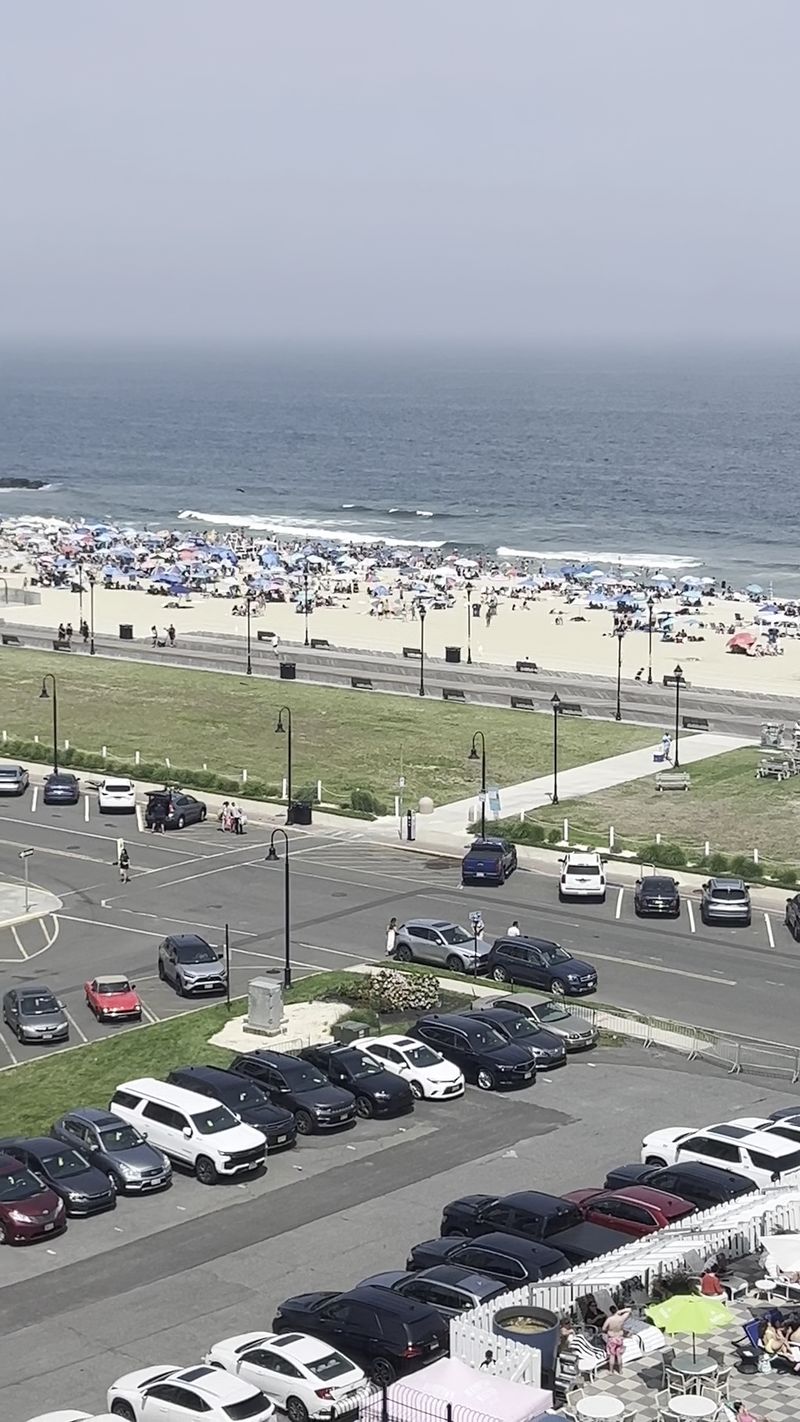
Walking the Asbury Park boardwalk used to feel like stepping back in time, where salt-worn benches held generations of stories and family-owned shops welcomed you by name. Now that same stretch of weathered planks groans under the weight of selfie-stick-wielding tourists who barely glance at the ocean they came to see.
The mom-and-pop arcades and ice cream parlors that survived decades of economic ups and downs have been replaced by boutique coffee bars charging eight dollars for a latte and trendy clothing stores selling hundred-dollar beach cover-ups.
Local kids who once spent summer afternoons playing skee-ball and collecting tickets now find themselves priced out of their own neighborhood hangouts. The benches where grandparents used to watch the waves are constantly occupied by visitors checking their phones and planning their next Instagram post.
Even the simple act of getting a hot dog has become an ordeal, with lines snaking around buildings and wait times stretching past reasonable limits.
Residents remember when you could actually hear the sound of crashing waves instead of the constant chatter of tour groups and street performers competing for attention. The boardwalk’s authentic character, built over more than a century of New Jersey shore history, has been sanded down and polished into something that could exist anywhere.
What made this place special wasn’t just the ocean view but the sense of community that welcomed everyone without demanding they spend a fortune. That welcoming spirit has been trampled by the rush of tourism dollars and the developers who chase them, leaving longtime locals feeling like strangers in their own backyard.
Parking Became an Expensive Nightmare
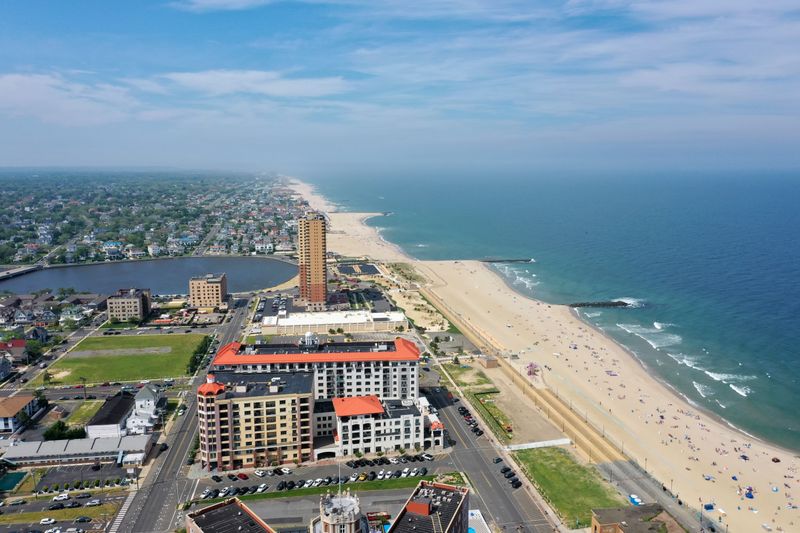
Anyone who visited Asbury Park before 2015 remembers finding a parking spot within minutes and paying maybe a few dollars for the whole day. Fast forward to now, and you’ll circle the same blocks repeatedly while watching your gas gauge drop and your blood pressure rise.
Parking rates have skyrocketed to match those of major metropolitan areas, with some lots charging thirty dollars or more during peak summer weekends. Meters that once accepted quarters now demand credit cards and still run out of time faster than you can finish a beach lunch.
Local residents who need to run errands downtown or grab groceries find themselves competing with thousands of day-trippers for every available space. The city installed more meters and raised rates to capitalize on the tourist boom, but the infrastructure hasn’t expanded nearly enough to handle the flood of vehicles.
What used to be a quick trip to the post office or pharmacy now requires planning, patience, and a willingness to walk half a mile from wherever you finally squeeze your car.
Neighborhoods that never needed parking permits suddenly require them, and even those don’t guarantee a spot when tourists decide to park on residential streets to avoid lot fees. Long-time homeowners watch visitors block their driveways or take up spaces they’ve used for decades.
The parking situation has become such a sore point that some locals avoid downtown Asbury Park entirely during summer months, effectively being pushed out of their own community spaces. The city profits from the parking revenue, but residents pay the price in frustration and inconvenience every single day.
Housing Prices Pushed Families Out
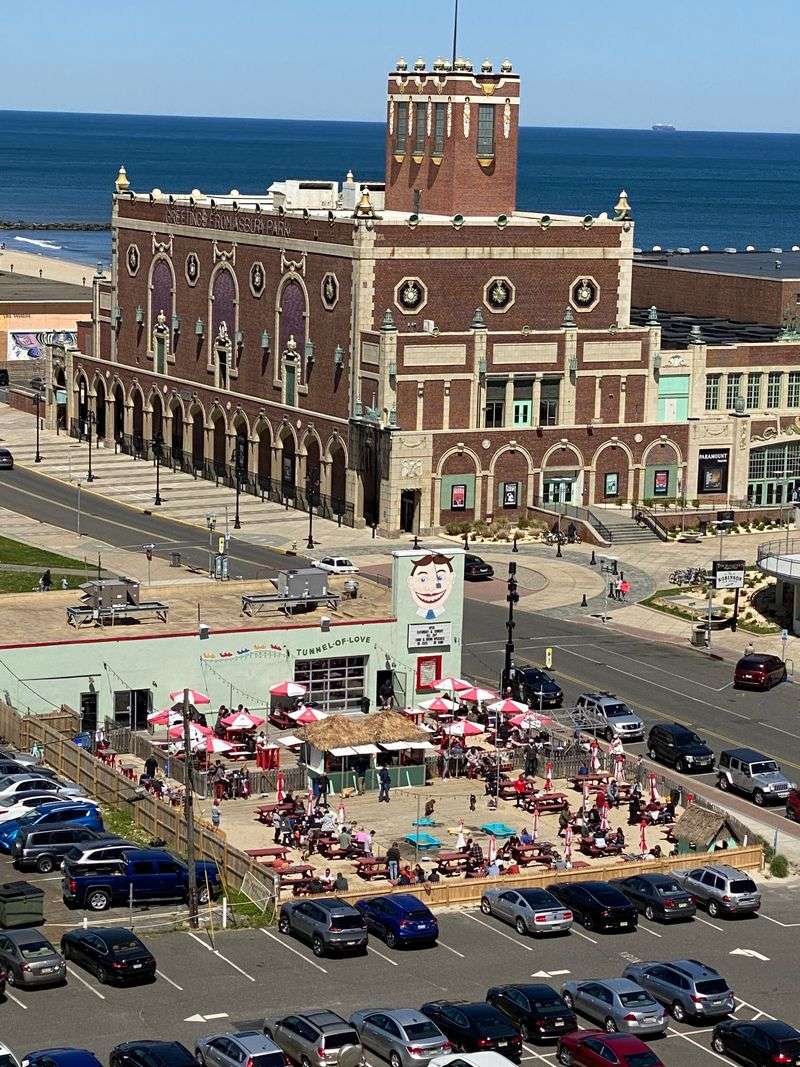
Asbury Park was once a place where teachers, firefighters, and service workers could afford to buy homes and raise families within walking distance of the ocean. Property values stayed reasonable for decades, allowing generations to build roots and create the tight-knit community that defined the city’s character.
Then developers discovered the waterfront potential, and everything changed faster than anyone could have imagined. Luxury condos sprouted like weeds, each one marketed to wealthy outsiders looking for a weekend beach retreat or investment property.
Home prices doubled, then tripled, leaving long-time residents watching their property taxes climb beyond what their fixed incomes could handle. Young families who grew up here found themselves priced out of the neighborhoods where they learned to ride bikes and attended local schools.
Landlords who once rented affordable apartments to year-round tenants realized they could make more money with short-term vacation rentals, displacing even more residents. The rental market transformed into a bidding war that favors tourists over the people who actually work and contribute to the community.
Elderly residents on Social Security face impossible choices between paying skyrocketing property taxes or selling homes filled with lifetime memories. The teachers who educate Asbury Park’s children can’t afford to live in the district where they work, creating hour-long commutes that drain energy and enthusiasm.
Local businesses struggle to find employees because workers can’t afford housing anywhere near their jobs. The vibrant, diverse community that made Asbury Park special has been systematically dismantled by real estate speculation and tourism-driven development that values profit over people and authentic neighborhoods over temporary visitors.
Restaurants Cater Only to Tourist Wallets
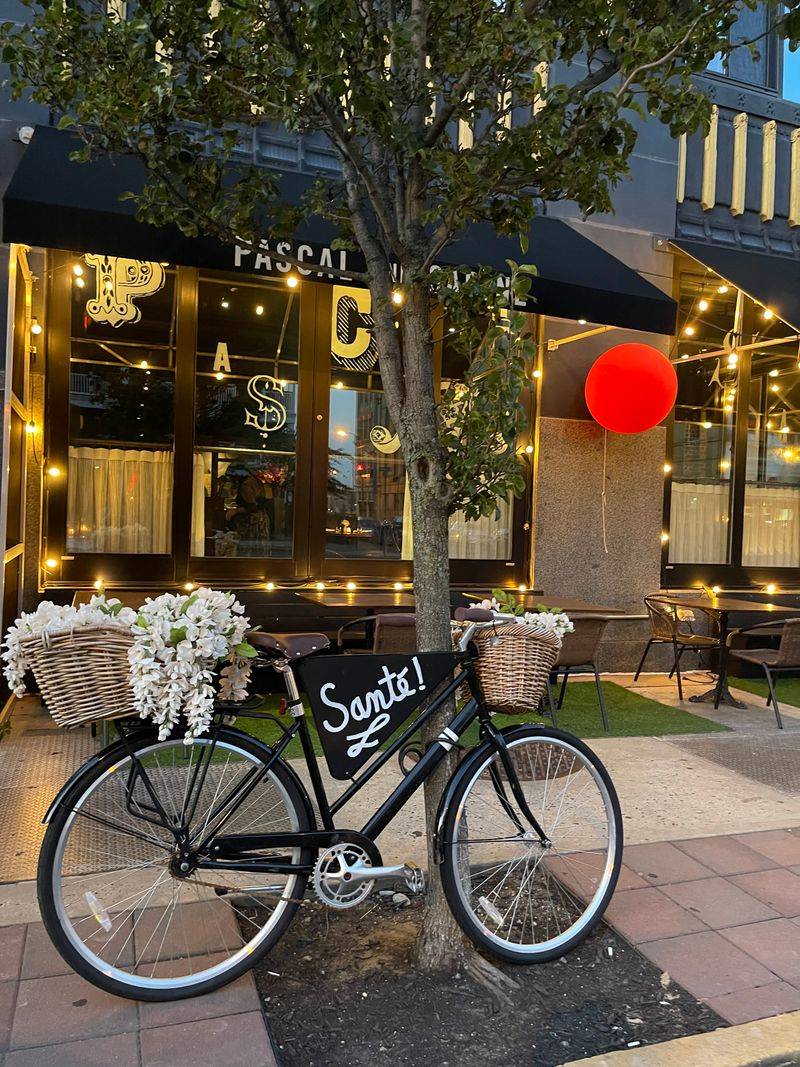
There was a time when Asbury Park restaurants served hearty portions at prices that made sense for families eating out on a Friday night. Diners could enjoy fresh seafood without taking out a loan, and pizza shops offered slices big enough to satisfy hungry teenagers for a couple of bucks.
Those days have vanished along with the affordability that once defined this New Jersey shore town. Now the restaurant scene caters almost exclusively to tourists willing to pay Manhattan prices for meals that often don’t justify the cost.
A simple burger and fries can easily run twenty-five dollars before tip, and seafood dinners start at forty and climb rapidly from there. The menus feature trendy ingredients and fusion concepts designed to impress visitors looking for Instagram-worthy plates rather than satisfying food.
Local families who used to celebrate birthdays and anniversaries at their favorite spots now drive to neighboring towns where eating out doesn’t require a second mortgage.
Long-standing restaurants that served the community for generations either closed their doors or completely changed their concepts to chase tourist dollars. The corner deli where construction workers grabbed breakfast sandwiches became a farm-to-table brunch spot with a two-hour wait and eighteen-dollar avocado toast.
Pizza places that fed Little League teams after games now offer artisanal pies with exotic toppings at prices that would shock anyone who remembers the old days. Even coffee shops have adopted the boutique model, replacing regular drip coffee with elaborate espresso drinks that cost more than some people’s lunch budgets.
The transformation has left residents feeling unwelcome in their own downtown, watching their dining options disappear in favor of establishments that view locals as less valuable than the steady stream of weekend visitors with open wallets.
The Stone Pony Became Too Crowded to Enjoy
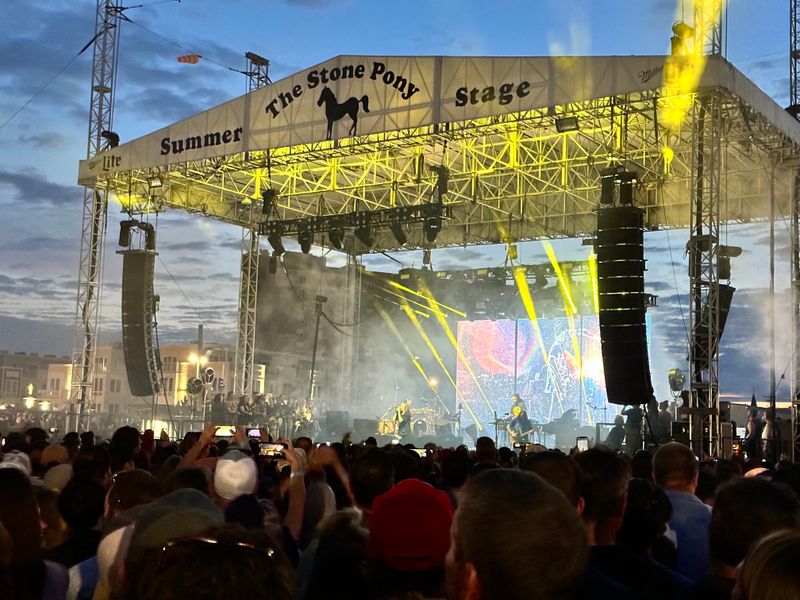
Music lovers across New Jersey once considered The Stone Pony at 913 Ocean Avenue, Asbury Park, NJ 07712 their sacred ground, where legendary performers played intimate shows and you could actually see the stage without standing on someone’s shoulders. Bruce Springsteen himself made this venue famous, and for decades it remained an accessible spot where locals could catch incredible live music without fighting through massive crowds.
The atmosphere felt authentic and welcoming, with a mix of regulars who genuinely appreciated the artists and the venue’s rich musical history.
Success and fame have transformed The Stone Pony into a victim of its own reputation, with tourists packing every show regardless of who’s performing. Getting tickets has become a competitive sport, and even when you manage to score them, the experience feels more like surviving a sardine can than enjoying live music.
The intimate vibe that made this place special has been crushed under the weight of tour groups and visitors who treat the venue like a museum stop rather than a living, breathing music hall.
Long-time fans who supported The Stone Pony through lean years now find themselves elbowed out by crowds more interested in checking off a bucket list item than actually listening to the music. The sound quality suffers when venues pack in bodies beyond reasonable capacity, and the sense of community that once defined the experience has evaporated.
Local musicians who dreamed of playing this legendary stage now wonder if it’s worth dealing with the chaos and commercialization. The Stone Pony’s transformation from beloved local music venue to overcrowded tourist attraction represents everything residents mourn about Asbury Park’s lost authenticity and the community spaces that no longer feel like theirs.
Beach Access Got Complicated and Costly
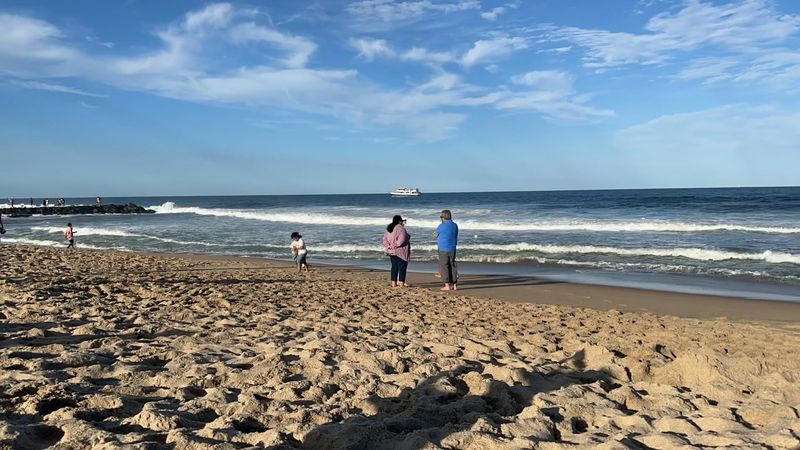
Generations of Asbury Park residents grew up running straight from their houses to the sand without thinking twice about fees, permits, or complicated access rules. The beach belonged to everyone, and summer meant spontaneous afternoon swims and evening walks along the shoreline whenever the mood struck.
Kids could grab their boogie boards after breakfast and spend the entire day riding waves without their parents worrying about expensive daily passes or restricted entry points.
Now accessing that same stretch of sand requires navigating a maze of regulations, purchasing seasonal badges that cost more each year, and dealing with crowded entry points where staff check credentials like airport security. Daily beach fees have climbed to levels that make a simple family beach day a significant expense, especially for larger families who need multiple badges.
The spontaneity and freedom that defined beach life in Asbury Park have been regulated and monetized to maximize revenue from the tourist influx.
Residents who live blocks from the ocean find themselves treated the same as day-trippers, forced to pay fees that feel like punishment for living in a suddenly desirable location. The beach that their grandparents enjoyed freely has become a commodity priced for maximum profit rather than community access.
Some entry points close or become restricted during peak hours, forcing everyone through narrow checkpoints that create bottlenecks and frustration.
Locals remember when lifeguards knew the neighborhood kids by name and the biggest concern was remembering to reapply sunscreen. Today’s beach experience involves planning, budgeting, and accepting that the peaceful shore their families enjoyed for generations has transformed into a managed attraction designed to extract money from visitors.
The ocean itself remains free, but everything around it has been turned into a revenue stream that prices out the very people who built this community.
Traffic Turned Every Weekend into Gridlock
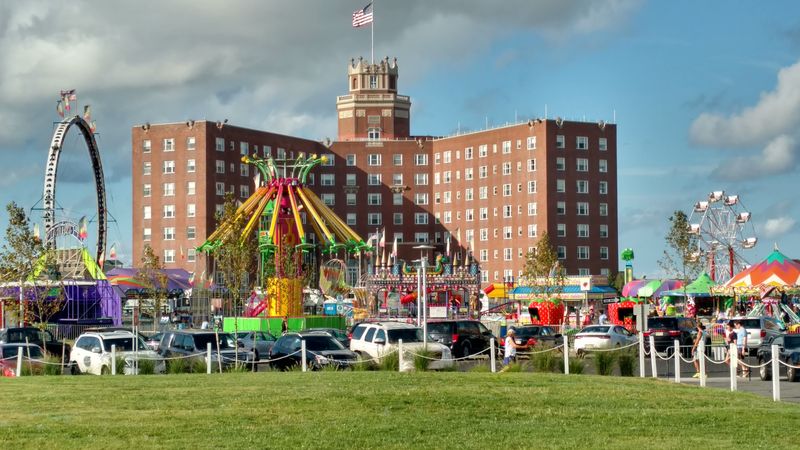
Asbury Park’s streets were designed in an era when horse-drawn carriages and a fraction of today’s population moved through town at a leisurely pace. The infrastructure that served the community perfectly well for over a century suddenly became hopelessly inadequate when tourism exploded and thousands of vehicles started flooding in every weekend.
What used to be a five-minute drive to the grocery store now takes thirty minutes on a Saturday afternoon, with frustrated drivers honking and jockeying for position through intersections never meant to handle such volume.
Residents who need to get to work, medical appointments, or family obligations find themselves trapped in their own neighborhoods by traffic that barely moves. Main arteries become parking lots from Friday evening through Sunday night during summer months, and even shoulder seasons now bring congestion that would have seemed impossible a decade ago.
Emergency vehicles struggle to navigate the gridlock, raising serious safety concerns that city planners seem unable or unwilling to address.
The constant stream of GPS-guided tourists has turned quiet residential streets into cut-through routes, with speeding visitors trying to bypass main road backups. Children can’t play safely in neighborhoods where cars now race through at all hours, ignoring stop signs and speed limits in their rush to reach the beach or their rental properties.
Long-time residents feel imprisoned in their own homes during peak tourist season, knowing that any attempt to leave will result in sitting in traffic for an unreasonable amount of time.
City officials talk about traffic studies and long-term solutions, but nothing changes except the volume keeps increasing. Public transportation remains inadequate, and parking shortages mean even more circling vehicles clogging already overwhelmed streets.
The quality of life that attracted people to Asbury Park in the first place has been sacrificed on the altar of tourism revenue, with residents bearing the daily burden of congestion while visitors come and go.
Historic Buildings Demolished for Modern Development
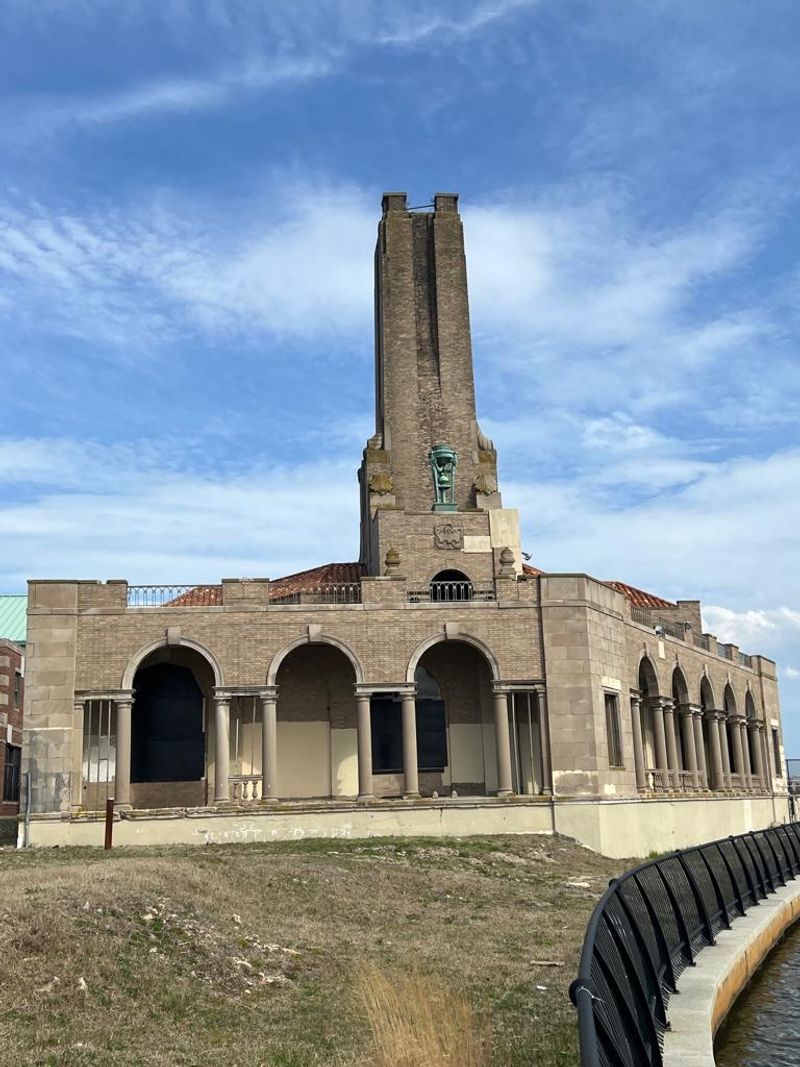
Victorian mansions, Art Deco theaters, and century-old commercial buildings once gave Asbury Park a distinctive architectural character that told the story of its rich history. Each structure represented a different era of the city’s evolution, from its founding as a Methodist resort community through its golden age as a premier shore destination.
Preservationists and residents fought to protect these irreplaceable buildings, understanding that once demolished, the history and character they represented could never be recovered.
Developers saw only obstacles to maximizing profit, and city officials too often sided with money over heritage. One by one, historic structures fell to wrecking balls, replaced by generic modern buildings that could exist in any beach town anywhere in the country.
The unique sense of place that made Asbury Park worth visiting in the first place has been systematically erased in favor of cookie-cutter luxury developments that prioritize square footage over soul.
Residents watched helplessly as buildings where their grandparents danced, shopped, and built memories were reduced to rubble in a matter of days. The architectural diversity that gave different neighborhoods their distinct personalities has been flattened into a homogeneous landscape of glass, steel, and expensive mediocrity.
Historic preservation boards proved toothless against developers with deep pockets and political connections, and zoning laws were rewritten to accommodate projects that would have been unthinkable just years earlier.
Photographs and memories are all that remain of structures that survived wars, economic depressions, and natural disasters, only to fall victim to the tourism boom and the greed it unleashed. The city’s visual history has been rewritten by developers who see buildings as nothing more than potential profit centers.
Future generations will never understand what made Asbury Park special because the physical evidence has been deliberately destroyed and replaced with forgettable modern construction that serves tourists but erases the community’s authentic story.
Local Events Got Commercialized Beyond Recognition
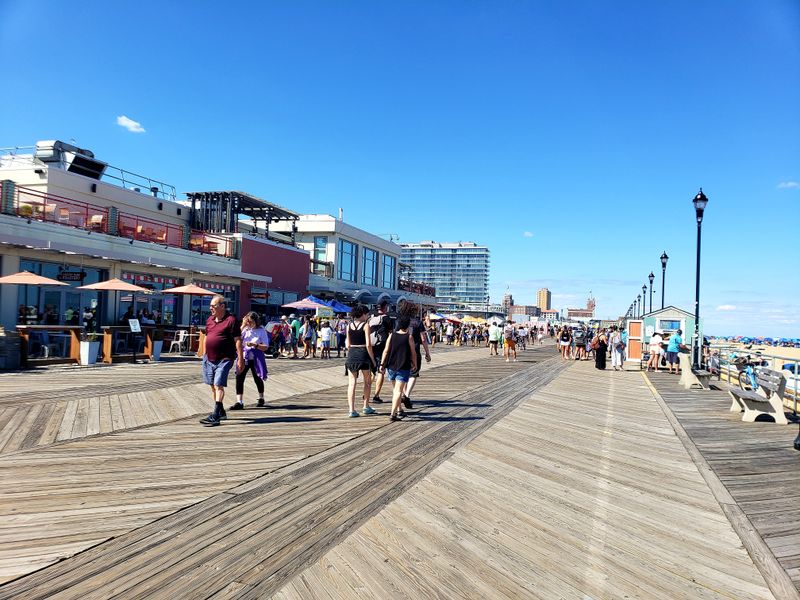
Community festivals and local events used to bring Asbury Park residents together for genuine celebrations that reflected the city’s culture and values. The summer concert series featured local bands, art shows highlighted neighborhood artists, and holiday parades felt like family gatherings where everyone knew everyone else.
These events cost little or nothing to attend, and the focus remained on community connection rather than commercial profit. Volunteers organized activities, local businesses sponsored without demanding prominent placement, and the atmosphere felt authentically homegrown.
Tourism’s explosive growth transformed these beloved traditions into massive commercial enterprises designed to extract maximum revenue from visitors. Corporate sponsors plaster their logos everywhere, admission fees price out local families, and the programming caters to tourist expectations rather than community preferences.
What began as intimate gatherings of a few hundred neighbors now attract tens of thousands of visitors who have no connection to Asbury Park beyond a weekend trip.
Long-time residents avoid events they once looked forward to all year because the crowds, noise, and commercialization have destroyed the experiences they cherished. Street festivals that used to showcase local food vendors now feature generic carnival fare and national chain restaurants paying premium prices for booth space.
The music that once reflected Asbury Park’s diverse cultural heritage has been replaced by acts chosen for their tourist appeal rather than community significance.
Even holiday celebrations have been repackaged and marketed to visitors, with locals feeling like props in someone else’s vacation photos. The sense of ownership and pride that came from community-organized events has been stripped away by professional event planners focused on profit margins and sponsor satisfaction.
Volunteers who dedicated countless hours to making these traditions special have stepped back, unwilling to contribute to what they see as soulless commercial ventures. The calendar still lists events with familiar names, but the heart and authenticity that made them meaningful have been traded for tourism dollars and corporate partnerships that benefit everyone except the people who actually live here.
The Sense of Community Disappeared Completely
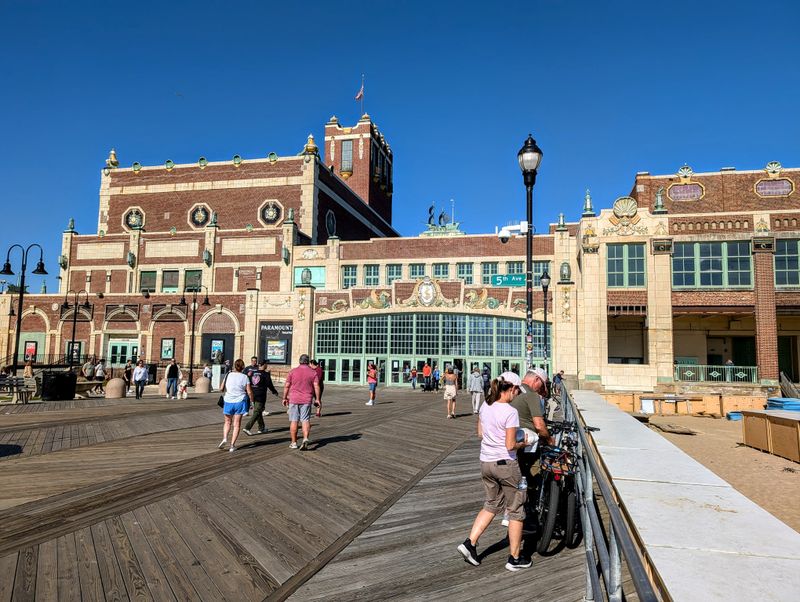
Asbury Park used to pulse with the energy of neighbors who genuinely cared about each other and the place they called home. Shopkeepers knew your name and asked about your kids, elderly residents sat on porches and watched out for the neighborhood, and summer evenings meant impromptu gatherings where families shared food and stories.
The bonds that held the community together were built over generations of shared experiences, mutual support during hard times, and collective pride in their unique shore town.
Tourism’s takeover has shattered those connections as thoroughly as a wrecking ball through stained glass. Long-time residents have been scattered by rising costs, replaced by wealthy newcomers who view Asbury Park as an investment or weekend retreat rather than a living community.
The new arrivals have no shared history, no investment in neighborhood relationships, and no interest in the traditions that once defined this place. Streets that hummed with the sound of kids playing and neighbors chatting now sit quiet except when tourist crowds pass through on their way to commercial attractions.
Local businesses that served as community gathering spots have closed or transformed into establishments that cater exclusively to visitors. The pharmacy where three generations filled prescriptions became a boutique selling overpriced beach accessories.
The diner where city council members and construction workers sat at the same counter became a trendy brunch spot with a two-hour wait and a menu nobody local can pronounce. Every transformation chips away at the social infrastructure that held the community together.
Residents who remain feel isolated in a place that no longer recognizes or values them, surrounded by strangers who will disappear after the weekend. The intangible sense of belonging that made Asbury Park home has been sacrificed for tourism revenue that enriches developers and business owners while leaving longtime residents feeling displaced in their own city.
Community isn’t something that can be rebuilt once destroyed, and Asbury Park’s has been demolished as thoroughly as its historic buildings.
Dear Reader: This page may contain affiliate links which may earn a commission if you click through and make a purchase. Our independent journalism is not influenced by any advertiser or commercial initiative unless it is clearly marked as sponsored content. As travel products change, please be sure to reconfirm all details and stay up to date with current events to ensure a safe and successful trip.
