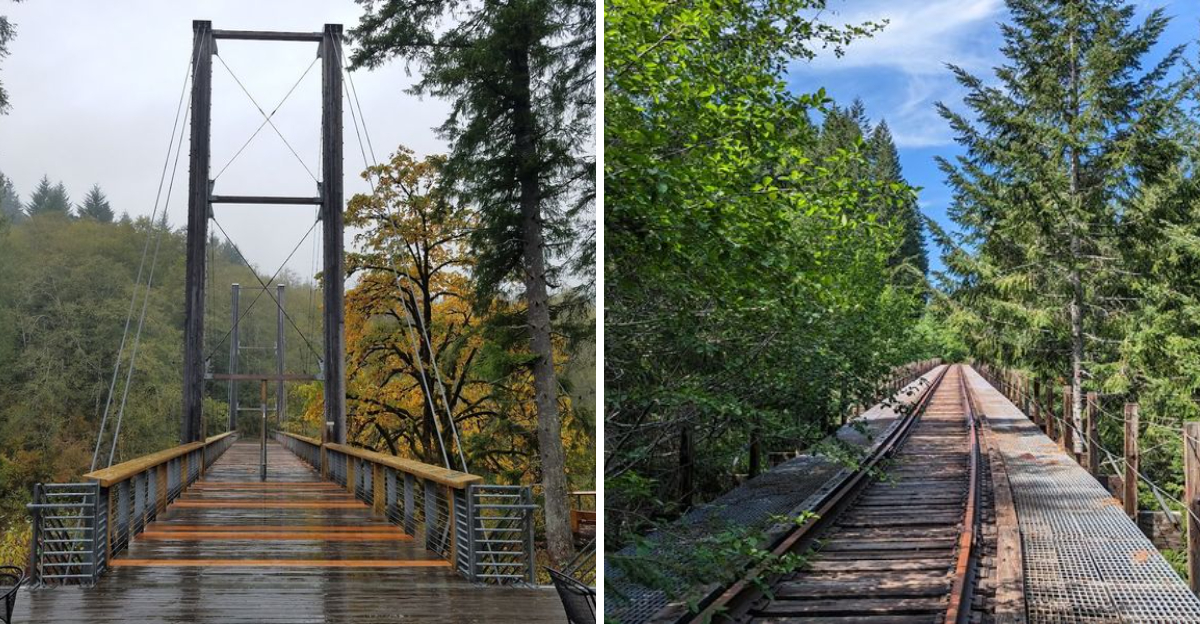
Strap in, because this Oregon adventure area is basically a hidden thrill factory in the hills. I hit the trails and instantly understood why off-road enthusiasts keep whispering about this place like it’s a secret.
Mud, rocks, steep climbs, and winding paths make every turn feel like a mini victory. Locals glide through like pros, while I bounced, laughed, and tried not to get completely stuck.
Every corner hides a new challenge or a jaw-dropping view that makes you pause mid-ride. Even a short detour turns into a full-on adrenaline rush you’ll remember for days.
By the time I reluctantly called it a day, I was already dreaming of my next muddy, high-octane adventure.
Browns Camp OHV Staging Area: The Beating Heart of the Trails
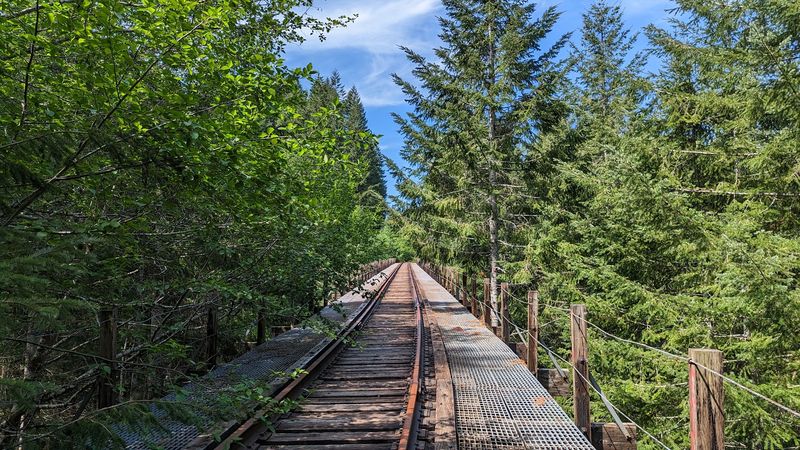
Pull into Browns Camp and you immediately feel the energy shift. Engines hum, riders gear up, and trail maps flutter on wooden boards near the parking area.
This is the main hub for OHV activity in Tillamook State Forest, and it earns that title every weekend.
Browns Camp sits at the center of a trail network covering roughly 100 miles of designated routes. There are loops for beginners and technical lines that will push experienced riders hard.
The staging area has enough space for rigs of all sizes.
Portable restrooms are available on site. Camping is permitted nearby, which means you can wake up and be on the trail before most people finish breakfast.
The surrounding trees block the wind, keeping the area surprisingly sheltered even on blustery days. Bring a printed map as a backup.
Cell service is unreliable in many parts of the forest, so old-school navigation still matters here. Start early to claim a good spot near the trailhead.
Trail Variety That Keeps Every Rider Guessing
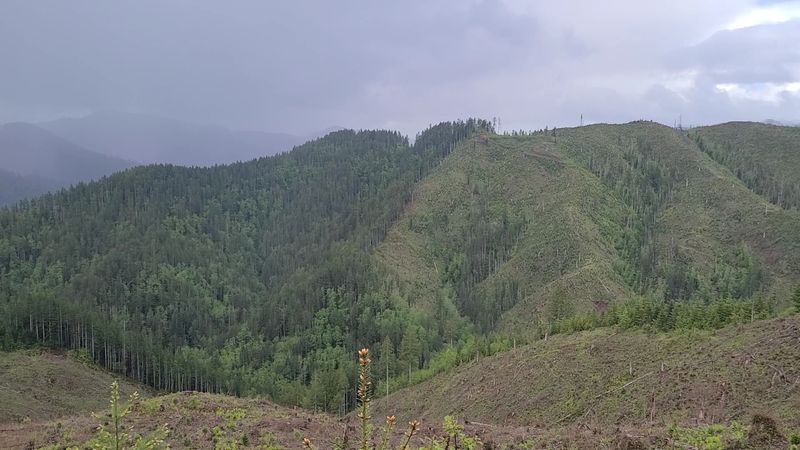
One of the first things you notice riding here is how quickly the trail character changes. A smooth gravel road gives way to a rocky climb.
That climb flattens into a mossy, root-covered forest path. Nothing stays predictable for long.
The OHV network in Tillamook State Forest includes trails rated for all skill levels. Beginners can stick to wider, well-graded roads without feeling left out.
More advanced riders will find tight switchbacks, steep descents, and sections that demand real throttle control.
Dirt bikes, ATVs, and side-by-sides all have designated areas, so traffic stays manageable. Seasonal conditions play a big role in difficulty.
Winter rains turn certain trails into genuine mud challenges. Summer dries things out and opens up better sight lines through the trees.
Checking current trail conditions before your visit is always a smart move. The Oregon Department of Forestry website posts updates regularly, which saves riders from unpleasant surprises on the trail.
Rock Crawling and Technical Terrain for the Serious Adventurer
Rock crawling here is the kind of thing that makes your palms sweat in the best possible way. Certain sections of the forest feature exposed basalt, loose shale, and angled ledges that test both driver skill and vehicle capability.
These technical zones are not for the faint-hearted or the unprepared. Proper recovery gear, a spotter, and a solid understanding of your vehicle’s limits are all essential before tackling the harder lines.
Watching someone else navigate a gnarly section first is always a good strategy.
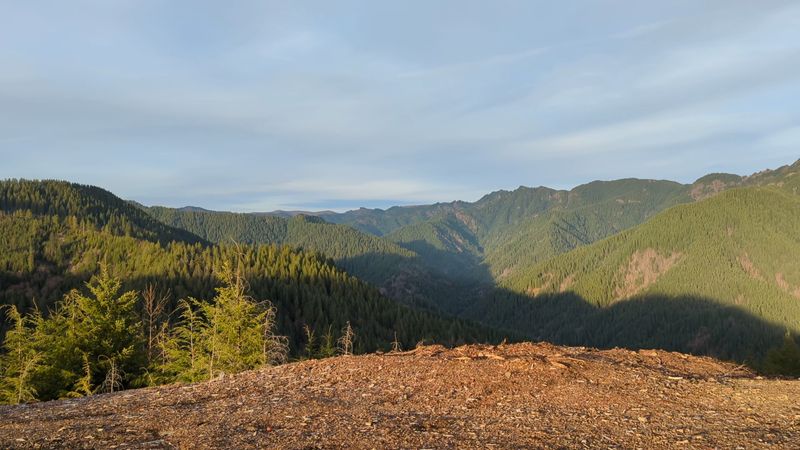
The reward for pushing through is real. Views open up on ridgelines that most casual visitors never reach.
The sense of accomplishment after a clean run on a tough obstacle is hard to beat. Groups tend to form naturally around these spots, with riders cheering each other on and sharing tips.
That communal spirit is one of the best unspoken traditions of the OHV community at Tillamook State Forest.
Camping Right at the Edge of the Action
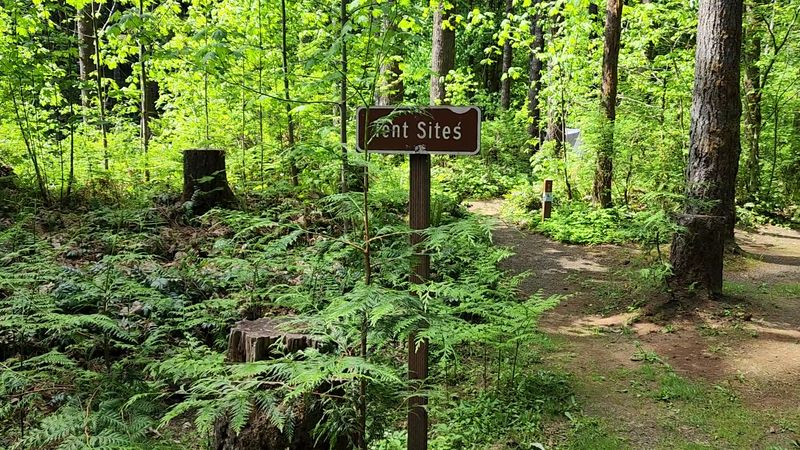
Camping inside the forest means zero commute to the trails. You wake up, pour your coffee, and the trailhead is right there waiting.
That kind of convenience is hard to overstate when you are planning a full weekend of riding.
Several campgrounds operate near the OHV areas, with Gales Creek Campground being a popular choice among families and groups. Sites are set among mature fir trees, giving each spot a natural buffer of shade and privacy.
Nights here get genuinely quiet once the engines stop.
Campfire rings are available at many sites, and the sound of a nearby creek is a constant backdrop. Some visitors have stumbled onto natural springs close to their campsites, which adds a fun element of discovery to the experience.
Reservations are recommended during summer weekends, as the sites fill up fast. Arriving on a Thursday gives you a better shot at securing a good spot before the weekend crowd rolls in.
Navigating the Forest: Maps, GPS, and Getting Un-Lost
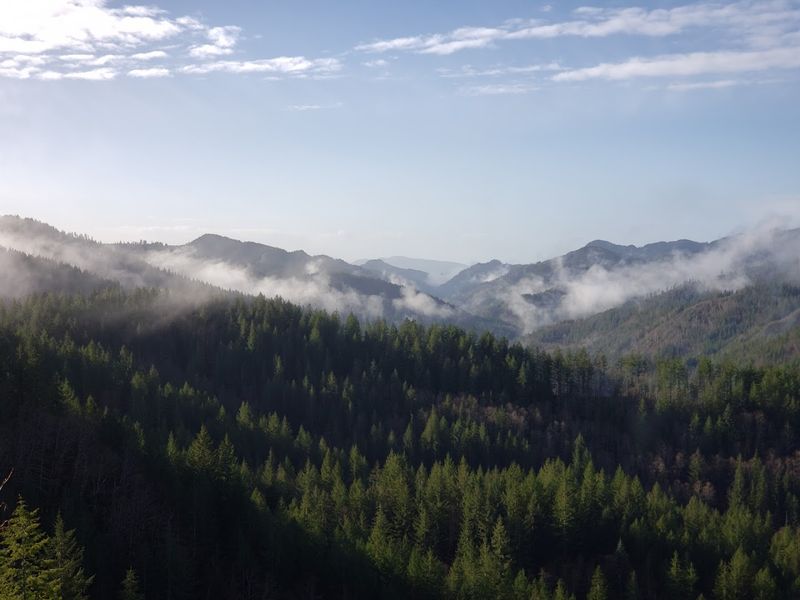
Getting turned around in Tillamook State Forest is easier than it sounds. The trail network is massive, and some routes are better marked than others.
More than a few riders have spent extra time backtracking because they trusted their phone signal too much.
Map kiosks are posted at key intersections throughout the OHV area. They are genuinely helpful, but relying on them alone is risky when you stray onto lesser-used trails.
Downloading an offline map before leaving home is one of the smartest preparations you can make.
A dedicated GPS unit built for off-road use is even better. Handheld units designed for trail riding hold up well in rain and rough conditions.
The Oregon Department of Forestry also provides downloadable trail maps on their official website. Taking ten minutes to study the layout before your first ride saves real time and stress later.
The forest rewards explorers, but it respects those who come prepared with a solid navigation plan.
Seasonal Riding: What Changes and When to Go
Riding conditions at Tillamook State Forest shift dramatically with the seasons. The Pacific Northwest climate means heavy rainfall from late fall through early spring, turning many trails into thick mud.
That mud is part of the adventure for some riders.
Summer brings drier conditions and firmer trail surfaces. Visibility through the trees improves, and the higher elevation routes become more accessible.
July and August are peak months for OHV activity, drawing riders from across the region.
Fall is genuinely underrated here. The forest takes on warm amber tones, crowds thin out, and the air carries that sharp, clean smell of cooling earth.
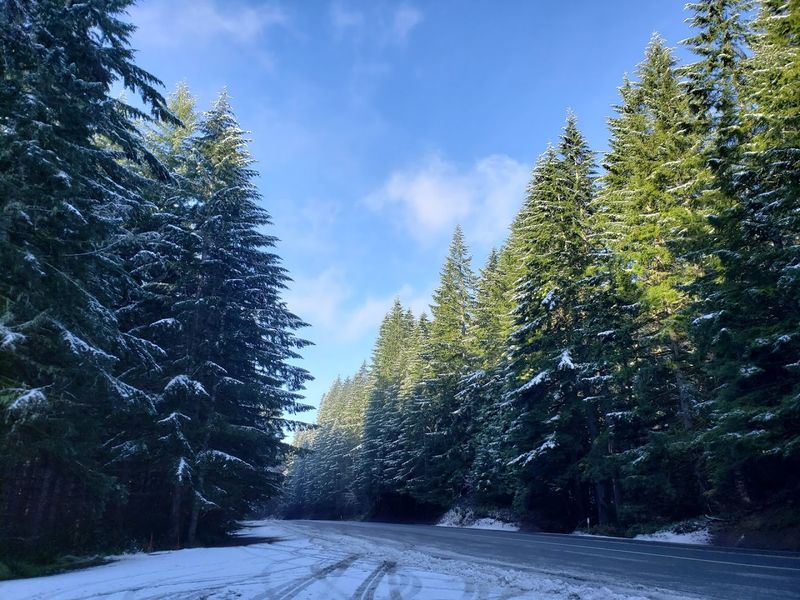
Frost can appear on roads by January, as some riders have noted, making traction a real concern. Studded tires and careful throttle control become essential in those conditions.
Spring riding is muddy and unpredictable, but the forest is lush and alive in a way that feels almost electric. Each season offers something genuinely different out on the trails.
Wildlife and Scenery Along the Ridgelines
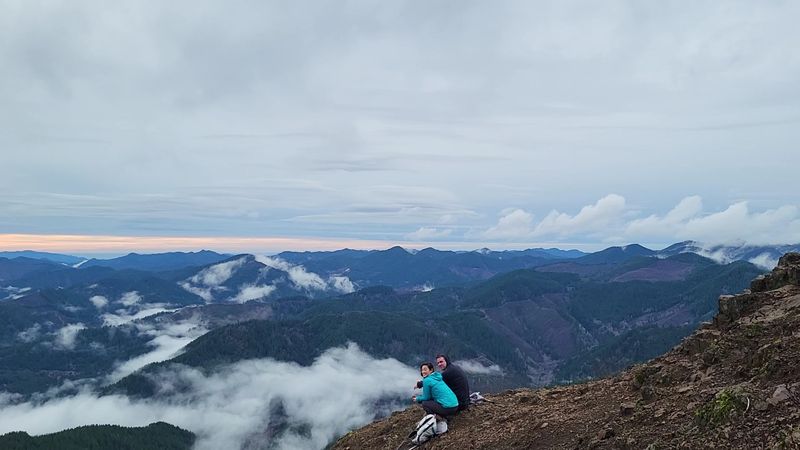
Not every moment in Tillamook State Forest is about speed and throttle. Some of the best parts happen when you cut the engine and just look around.
The ridgeline views on certain trails stretch across layer after layer of green, fog-draped hills.
Wildlife is genuinely present here. Black-tailed deer appear regularly near forest edges, especially in the early morning.
Elk herds move through the area seasonally, and spotting one on a quiet trail is the kind of moment that sticks with you.
Birds of prey ride the thermals above the open ridges. Smaller creatures like salamanders and tree frogs show up near creek crossings.
The forest ecosystem is rich and active, which adds a layer of natural wonder to any ride. Slowing down between trail sections pays off in unexpected ways.
Some riders report finding small waterfalls tucked off the main routes, hidden just far enough that casual visitors never notice them. Tillamook rewards the observant just as much as the fast.
Hiking and Non-Motorized Trails for the Whole Group
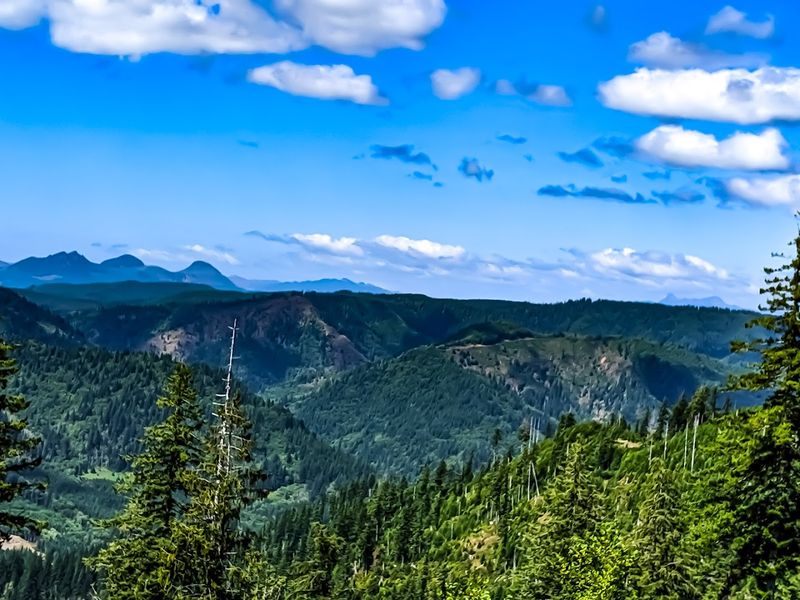
Not everyone in your group may be an OHV rider, and Tillamook State Forest has thought about that. The forest maintains a solid network of non-motorized trails alongside its OHV routes, giving hikers and walkers their own space to explore.
The trail to a lighthouse lookout has become a favorite among day hikers. At a moderate pace, the round trip takes roughly two hours and delivers sweeping views of the surrounding forest.
The elevation gain is manageable for most fitness levels.
King Mountain Trail is a different story entirely. At nearly 11.5 miles with rope climbs involved, it is a genuine challenge that demands preparation, solid footwear, and a full day.
Hikers who have completed it consistently describe it as brutal but deeply rewarding. Creek-side trails offer gentler alternatives with natural swimming holes along the way.
The water runs clear and cold, especially in early summer. Having trail options for every ability level makes Tillamook a genuinely inclusive destination for mixed groups.
Fishing, Creeks, and the Water That Runs Through It All
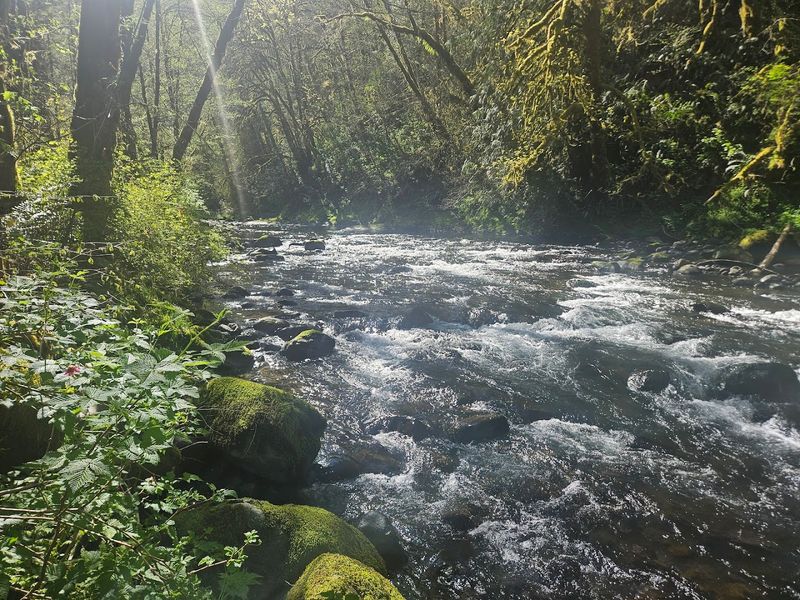
Water is everywhere in Tillamook State Forest. Creeks cut through nearly every valley, rivers run cold and clear through the lowlands, and the sound of moving water follows you down most trails.
For anglers, that is very good news.
Several streams within the forest support native trout populations, making fishing a natural companion activity to a riding trip. Early mornings are best, before trail traffic picks up and the water settles back into its quiet rhythm.
Natural swimming holes appear along various creek corridors. The water is cold enough to shock you awake even in late summer, but that is precisely the appeal after a long, dusty ride.
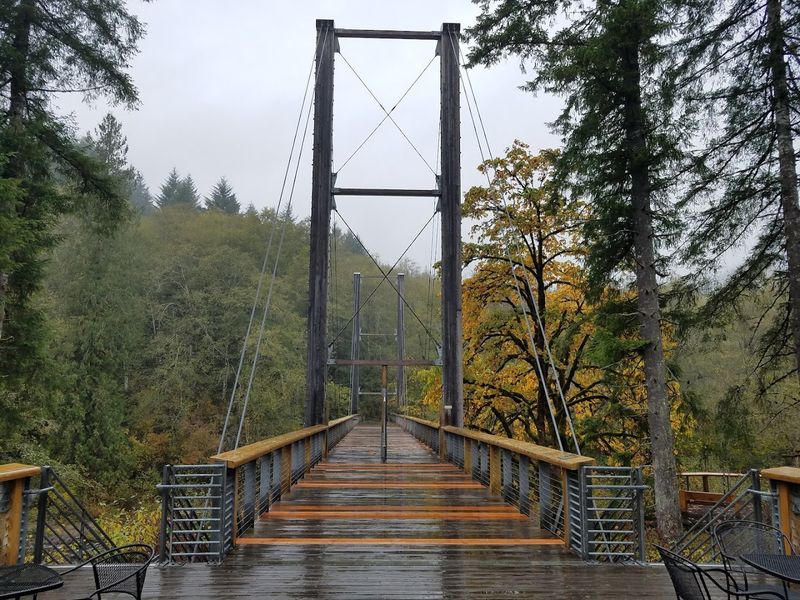
Small wooden bridges connect some river islands to the roadside, letting you pull over and explore without any real commitment. Those little detours are genuinely charming.
The rivers here have a personality, rushing through narrow channels in spring and calming into glassy pools by late summer. Tillamook is as much a water adventure as an off-road one.
Planning Your Visit: Practical Tips for First-Timers
First visits to Tillamook State Forest OHV Area go smoother with a little groundwork done in advance. The forest is open 24 hours a day, every day of the year, which gives you serious flexibility on timing.
That said, arriving during off-peak hours makes a noticeable difference in trail crowding.
Oregon requires OHV registration for all motorized vehicles using designated trails. Make sure your registration is current before you arrive.
Rangers do check, and the process for getting sorted on-site is far less fun than handling it beforehand.
Pack layers regardless of the season. The coastal hills trap moisture and temperatures can drop quickly once the sun dips behind the ridgeline.
Bring more water than you think you need. A basic tool kit and a tow strap round out the essentials for any serious ride day.
The Tillamook Forest Center at the forest entrance is a great first stop for orientation, maps, and local information. It sets the tone perfectly for everything that follows on the trails.
Dear Reader: This page may contain affiliate links which may earn a commission if you click through and make a purchase. Our independent journalism is not influenced by any advertiser or commercial initiative unless it is clearly marked as sponsored content. As travel products change, please be sure to reconfirm all details and stay up to date with current events to ensure a safe and successful trip.
