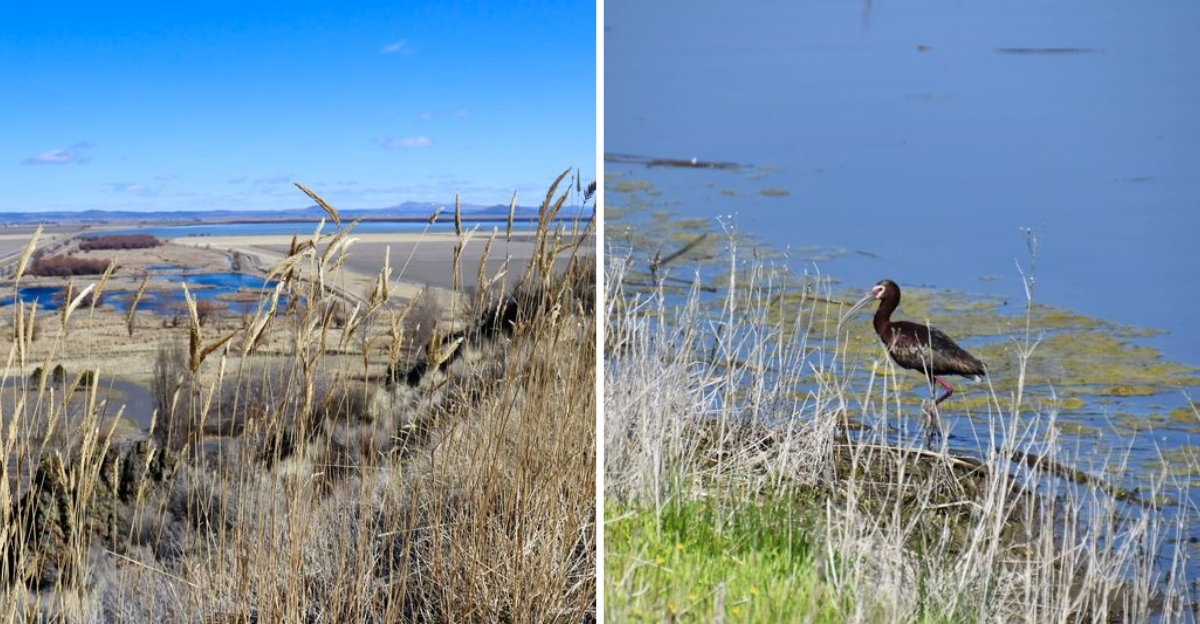
The fog sits low over the water, muffling every sound except the occasional splash of something moving through the reeds. You walk slowly, trying not to startle anyone.
That is the secret to this Oregon trail. Show up early, move quiet, and watch. The boardwalk is short, easy enough for anyone to manage, but the bird life is anything but ordinary.
Herons stand frozen like statues. Egrets step through the shallows with ridiculous patience.
Ducks paddle in circles, ignoring you completely. I stopped counting at a certain point because I lost track. The locals who come here at dawn do not even bother with binoculars anymore.
They just walk and watch, the same way they have been doing for years. Oregon has plenty of scenic trails.
This one is for the early risers.
Why Dawn Is the Golden Hour at Klamath Marsh
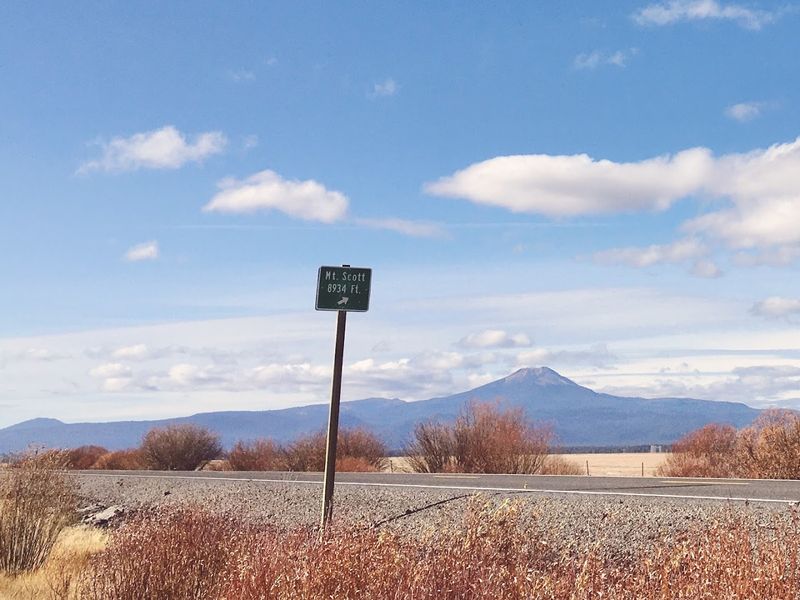
The marsh has a completely different personality at dawn compared to any other time of day. By the time the sun clears the ponderosa pines to the east, the birds are already mid-conversation.
Rails are calling from the reeds, ducks are moving across the open water, and the whole place hums with activity that simply does not happen at noon.
Early morning light also makes spotting birds dramatically easier. The low angle of the sun creates contrast along the water’s edge, and birds that would otherwise blend into the cattails suddenly become visible.
Experienced birders know this trick, and on a good spring morning at Klamath Marsh, the payoff is enormous.
Temperature plays a role too. Cool morning air keeps insects active near the surface of the water, which draws swallows, terns, and flycatchers into open feeding frenzies you can watch from the roadside.
Black Terns are especially spectacular during these moments, dipping and darting just above the waterline.
Getting here before sunrise means driving Silver Lake Road in near-darkness, but that is part of the experience. Pull over, roll down the window, and just listen.
The Yellow Rail, one of North America’s most secretive birds, has been recorded here during breeding season and is almost exclusively heard rather than seen. That clicking call in the dark is something you genuinely do not forget.
Plan for at least two hours at dawn to give yourself enough time to cover the main viewing areas without rushing.
Silver Lake Road: The Refuge’s Best Birding Corridor
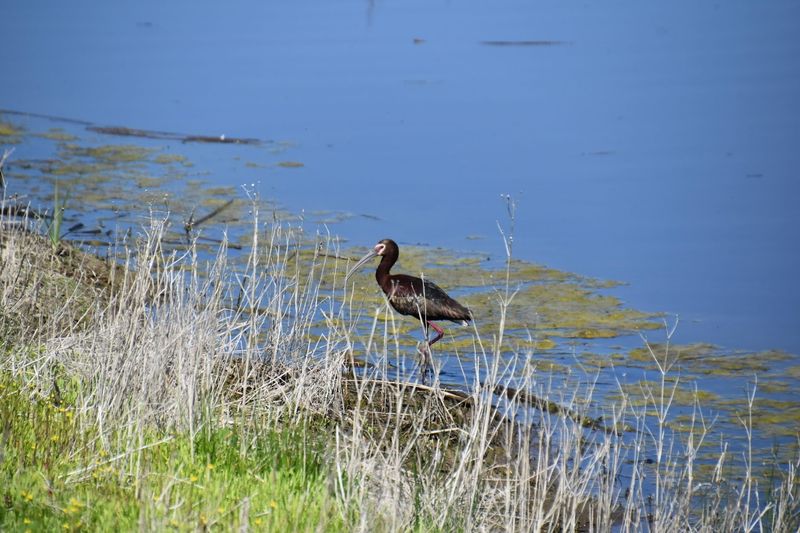
Silver Lake Road is the backbone of any visit to Klamath Marsh National Wildlife Refuge. The paved road crosses four miles of open marsh, putting you right in the middle of the action without requiring a single hiking boot.
It sounds almost too easy, and honestly, it kind of is.
From the car, you can glass the water for Bufflehead, Ruddy Ducks, Ring-necked Ducks, and Cinnamon Teal without disturbing them. Waterfowl here are remarkably unbothered by slow-moving vehicles, which makes roadside birding surprisingly productive.
I have spent entire mornings barely moving fifty yards, just watching the same patch of open water fill up with different species as the light improved.
Maps are posted at several points along the road, which is helpful for first-time visitors trying to orient themselves across such a large refuge. The marsh transitions from open water to wet meadow to riparian corridor as you travel, and each habitat shift brings a new set of species.
Keep your binoculars ready at every transition zone.
Rough-legged Hawks and Bald Eagles are frequently spotted perched in the snags along the road’s edges, especially during late fall and winter. The refuge hosts nesting Bald Eagles, so seeing one here is not a rare stroke of luck but rather a reasonable expectation on most visits.
Pull over safely, give yourself time, and let the birds come to you rather than chasing them across the marsh.
The Marsh Birds You Came Here to Find
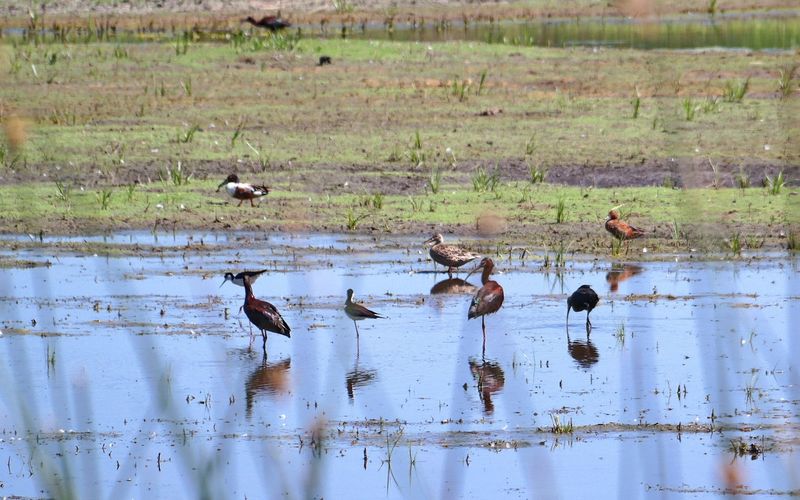
Klamath Marsh is genuinely one of the best places in Oregon to encounter secretive marsh birds, the kind that make serious birders drive hours out of their way. Sora and Virginia Rail both breed here, and while they spend most of their time hidden deep in the vegetation, dawn is when they are most vocal and occasionally visible along open edges.
Sandhill Cranes nest at the refuge, which is a remarkable thing to witness. Hearing their rattling, prehistoric call echo across the marsh in the early morning is one of those sounds that sticks with you long after the trip ends.
They are large enough to spot from a distance, making them one of the more accessible highlights for visitors of all experience levels.
American Bittern and Least Bittern have both been recorded here during breeding season surveys. The American Bittern’s booming call is unforgettable, a deep, hollow sound that seems to come from everywhere and nowhere at once.
Spotting one requires patience and a good scan of the reed edges, but the effort is worth it.
Pied-billed Grebes are common on the open water, diving and surfacing in unpredictable patterns that make them oddly entertaining to watch. The diversity of marsh birds at Klamath is tied directly to the mosaic of habitat types the refuge protects.
Wet meadows, open water channels, and dense cattail stands each support different species, which is a big part of why the bird list here climbs so high so quickly on a focused morning visit.
Raptors, Eagles, and the Winter Spectacle
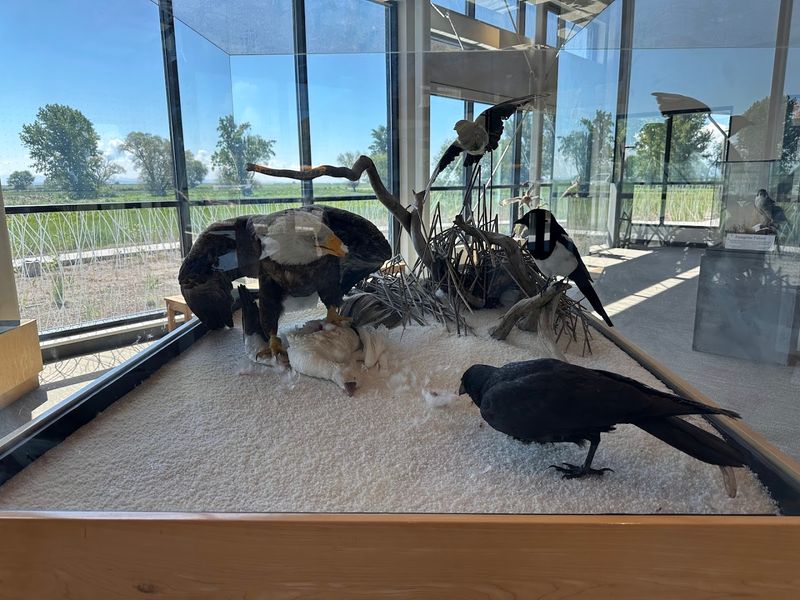
Few places in the continental United States offer the kind of raptor watching that the Klamath Basin delivers in winter. Klamath Marsh NWR sits within a basin that hosts the largest wintering concentration of Bald Eagles in the lower 48 states, with numbers peaking around mid-February.
That is not a small claim, and the refuge absolutely delivers on it.
Driving Silver Lake Road on a cold February morning, you might count a dozen Bald Eagles before you have finished your first cup of coffee. They gather near open water and roost in the tall ponderosa pines along the eastern edge of the refuge.
It is one of those wildlife moments that feels almost surreal the first time you see it.
Rough-legged Hawks arrive from their Arctic breeding grounds and can be seen hovering over the wet meadows, hunting for voles in the grass below. Their buoyant, kite-like flight style makes them easy to distinguish from the heavier Red-tailed Hawks that are also present throughout the year.
Both species add texture to any winter visit.
The refuge also participates in Owl Prowl field trips conducted after dark, specifically targeting the rare Great Gray Owl, which inhabits the ponderosa pine forests bordering the marsh. Great Gray Owls are among the most sought-after birds in Oregon, and Klamath Marsh is one of the more reliable places to find them.
Check with the refuge headquarters for scheduled events before planning a winter trip, as these outings fill up fast.
Spring and Fall Migration: When the Numbers Explode
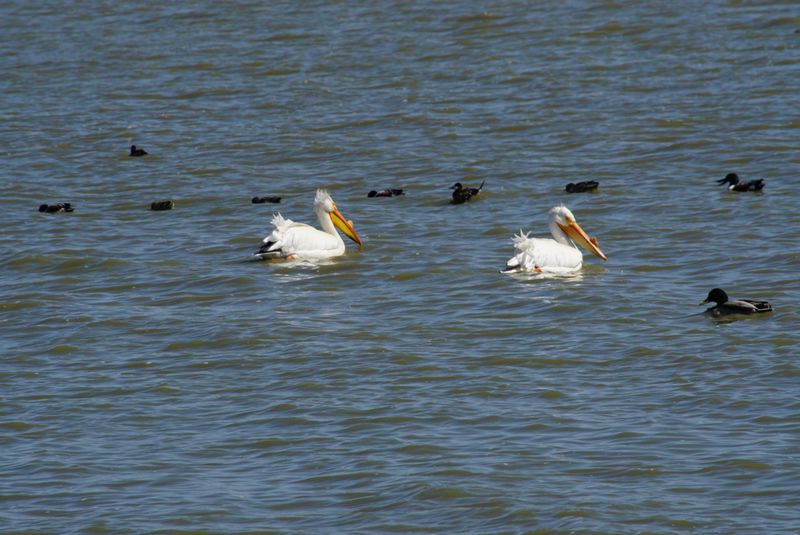
The Klamath Basin sits directly on the Pacific Flyway, one of North America’s four major migratory bird routes, and Klamath Marsh is one of the key stopover points along it. During peak spring migration, from mid-March through mid-April, the numbers of waterfowl moving through the area can reach into the millions across the broader basin.
It is one of those natural events that genuinely has to be seen to be understood.
At Klamath Marsh specifically, the spring arrival of Cinnamon Teal is a reliable highlight. Their rich chestnut plumage catches the morning light beautifully, and they tend to gather in the shallower portions of the marsh where aquatic vegetation is accessible.
Mixed flocks of dabbling ducks during this period can include a dozen species visible from a single roadside stop.
Fall migration, peaking from mid-October through late November, brings a different energy. The marsh feels quieter than spring, but the light is extraordinary and the bird diversity remains high.
Shorebirds move through on their way south, and the first wintering raptors begin to appear as the waterfowl numbers build again.
Breeding bird activity runs from late April through early July, filling the gap between spring migration and fall departure. During this window, the marsh is at its most alive with resident species raising young.
Nesting Sandhill Cranes, breeding Black Terns, and active marsh birds make this one of the most rewarding periods to visit. Early morning is still the best strategy regardless of season.
Planning Your Visit: What to Know Before You Go
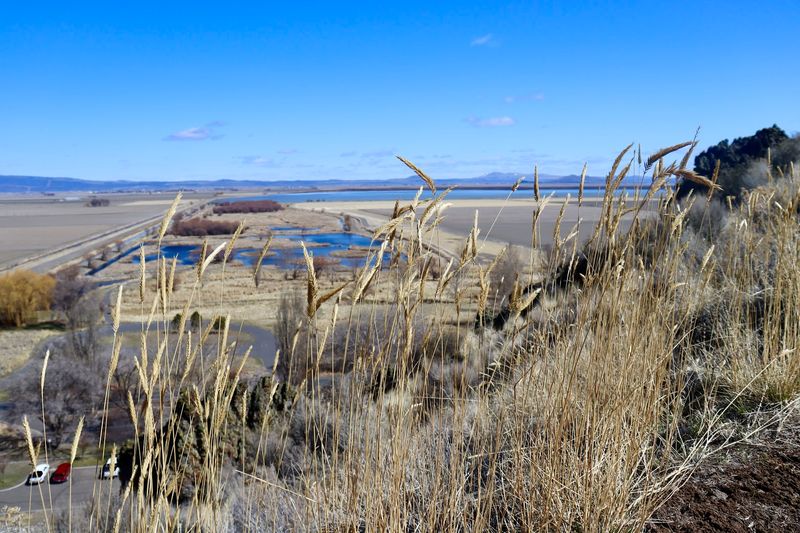
Klamath Marsh National Wildlife Refuge is located about 45 to 50 miles north of Klamath Falls, Oregon, six miles east of Highway 97 on Silver Lake Road near Chiloquin. The drive in is straightforward, and the paved Silver Lake Road makes the main marsh accessible to standard passenger vehicles.
Forest Service Road 690 along the west edge of Wocus Bay offers additional birding opportunities but requires high-clearance vehicles due to rough road conditions.
The refuge headquarters has a small visitor center, though staffing can be limited, especially on weekends. Calling ahead at +1 541-783-3380 is a smart move if you want to confirm hours or ask about current bird activity.
The staff are knowledgeable and genuinely helpful when available.
Bring binoculars, a spotting scope if you have one, and layers of clothing. Morning temperatures at the marsh can be surprisingly cold even in late spring, and the wind off the open water has a bite to it.
Waterproof footwear is useful if you plan to walk along any of the road edges near the marsh.
The refuge does not have a dedicated fee for entry, which makes it an accessible destination for families and solo travelers alike. Cell service is limited in the area, so downloading an offline map before you leave is a practical step.
A field guide to Pacific Northwest birds will also dramatically improve your experience, especially for identifying the shorebirds and rails that can be tricky without reference. Address: Chiloquin, OR 97624.
