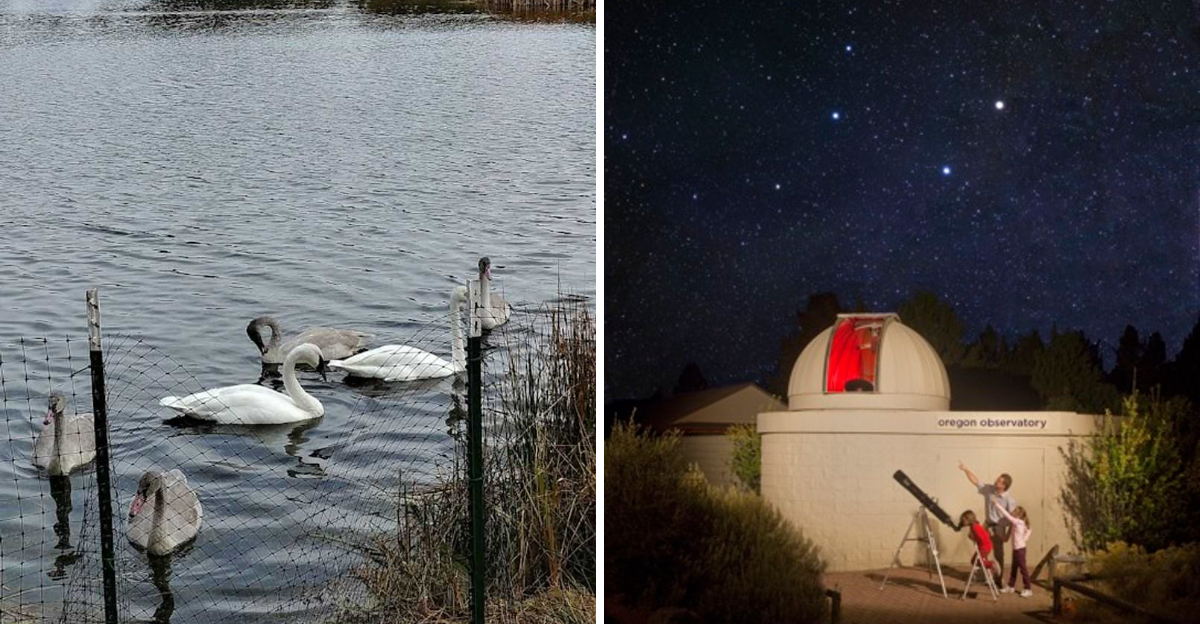
Animals during the day and planets at night on the same eight acre campus. That is the unusual promise of this Oregon destination, which transforms completely once the sun goes down.
You can spend your afternoon watching rescued birds of prey stretch their wings, touching fossils in the discovery room, and walking trails past native plants and quiet ponds. The wildlife exhibits focus on local species, so you learn about the creatures that actually live in this part of the state.
Then evening arrives and everything changes. The lights dim, the telescopes come out, and suddenly you are looking at Jupiter’s moons or the rings of Saturn.
The observatory claims the title of the nation’s largest public observatory, with multiple telescopes and knowledgeable volunteers who answer every question without making you feel silly. You might see a shooting star or just stare at the Milky Way stretching across the sky.
Oregon has plenty of nature centers and plenty of stargazing spots, but few combine both so seamlessly on the same piece of land.
An 8-Acre Campus That Pulls Double Duty Like No Other
Most nature centers stick to one thing. Sunriver Nature Center and Observatory decided that was not nearly enough.
Spread across 8 lush acres in Sunriver, Oregon, this campus is part wildlife sanctuary, part botanical garden, and part world-class astronomy facility.
Walking the grounds for the first time feels a little surreal. The paths wind through native plant exhibits, past animal enclosures, and alongside a peaceful pond where swans glide quietly.
It is calm and unhurried in the best possible way.
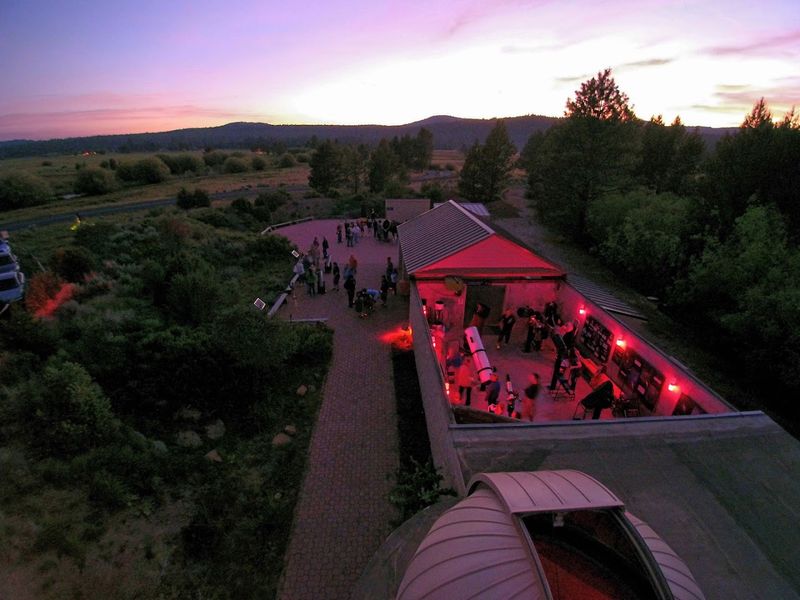
Then night falls, and the whole energy of the place shifts. Telescopes emerge, volunteers gather, and the campus transforms into one of the most active public observatories in the United States.
The layout is thoughtful and accessible. Families with young kids, solo travelers, and curious retirees all seem equally at home here.
Few places manage to serve such a wide range of visitors without feeling scattered or unfocused, but this one pulls it off beautifully.
Wildlife Exhibits That Make You Stop and Actually Look
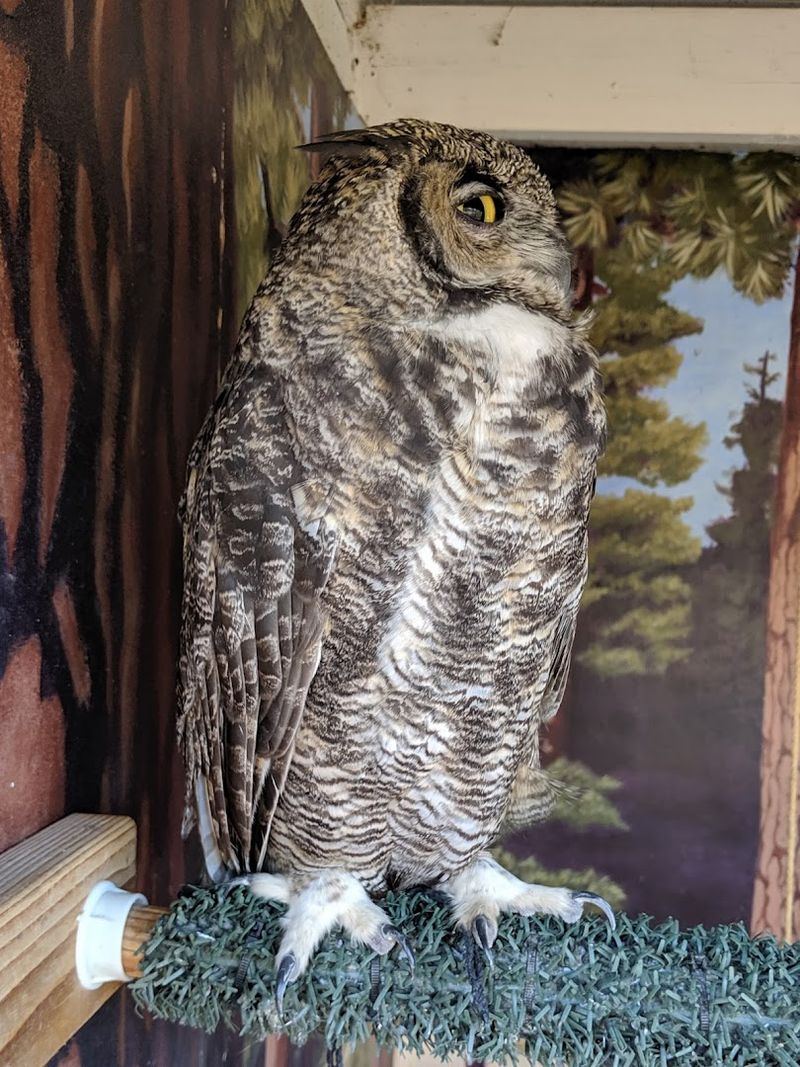
There is something about seeing a live raptor up close that immediately grabs your attention in a way no photograph can replicate. The wildlife exhibits at Sunriver Nature Center bring visitors face to face with animals native to Central Oregon, including birds of prey, reptiles, and other regional species.
Many of the animals here are rescues that cannot survive in the wild. Knowing that adds a layer of meaning to each encounter.
The enclosures are designed to be educational without feeling like a zoo.
Informational signage explains each animal’s habitat, behavior, and role in the local ecosystem. Kids tend to linger here for a long time, asking questions and pressing their noses against the barriers.
Adults do the same, honestly. The staff and volunteers are knowledgeable and genuinely enthusiastic about sharing what they know.
It never feels like a rehearsed presentation. Visiting the wildlife exhibits in the morning, before the afternoon crowds arrive, gives you a quieter and more personal experience with the animals.
Botanical Gardens Full of High Desert Surprises
High desert plants do not always get the appreciation they deserve. The botanical gardens at Sunriver Nature Center are quietly working to change that.
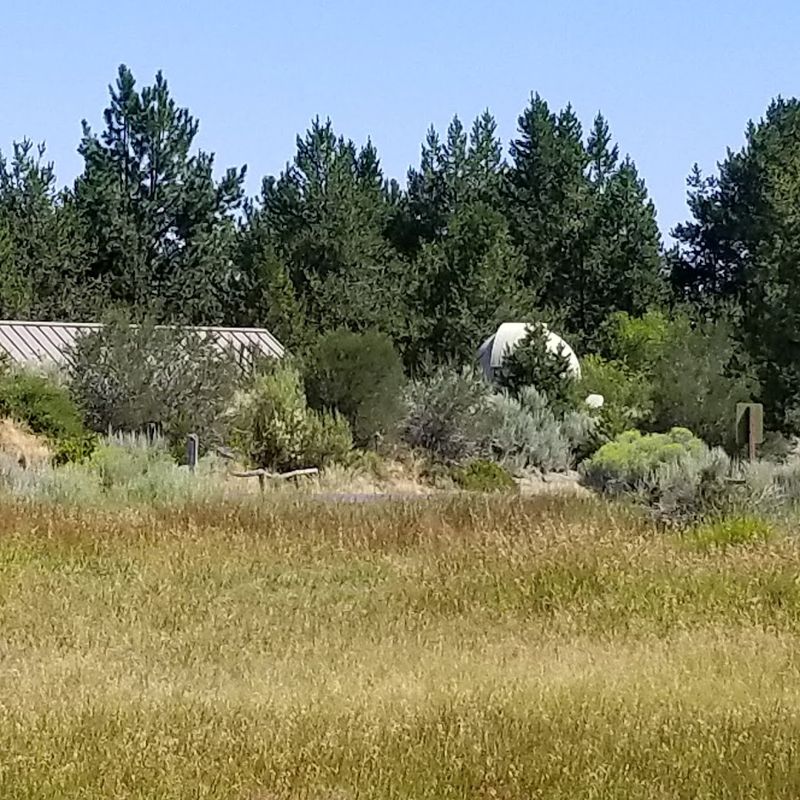
Native species are arranged thoughtfully throughout the campus, showing visitors just how alive and varied Central Oregon’s plant life actually is.
I wandered through the garden on a sunny afternoon and kept stopping to read the labels on plants I had walked past in the wild a hundred times without ever knowing their names. That kind of small discovery is genuinely satisfying.
The garden is not flashy or overwhelming.
It has a calm, grounded quality that feels right for the landscape it represents. Pollinators are everywhere during warmer months, which adds a lively, buzzing energy to the paths.
The botanical section connects naturally with the rest of the campus, so you flow from plants to animals to geology exhibits without any abrupt transitions. It is a well-designed space that rewards slow, attentive walking rather than rushing through.
The Oregon Observatory: Largest Public Observatory in the Nation
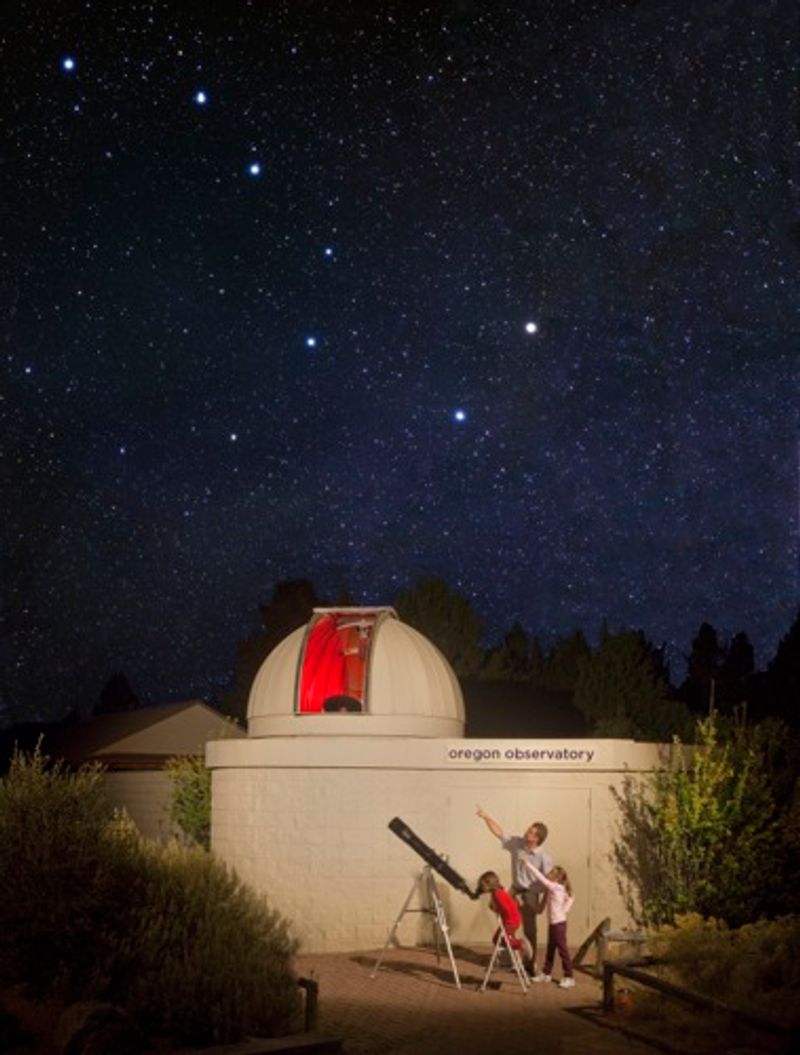
Holding the title of the largest public observatory in the United States is not a small claim. The Oregon Observatory at Sunriver earns it.
The facility houses an impressive collection of telescopes, ranging from smaller instruments up to massive 30-inch reflectors that reveal details most people have never seen with their own eyes.
Visiting on a clear night is a genuinely memorable experience. Each telescope is aimed at something different, so moving from one to the next feels like flipping through chapters of the universe.
Saturn’s rings, distant nebulae, star clusters, and the craters of the moon all become real and tangible in a way that changes how you think about the night sky.
The observatory runs regular public viewing programs led by passionate volunteers. Their enthusiasm is contagious and their explanations are clear enough for kids while still being interesting for adults.
Checking the schedule ahead of time and arriving early is strongly recommended, as programs can fill up quickly during peak season.
Night Sky Viewing Programs Worth Staying Up For
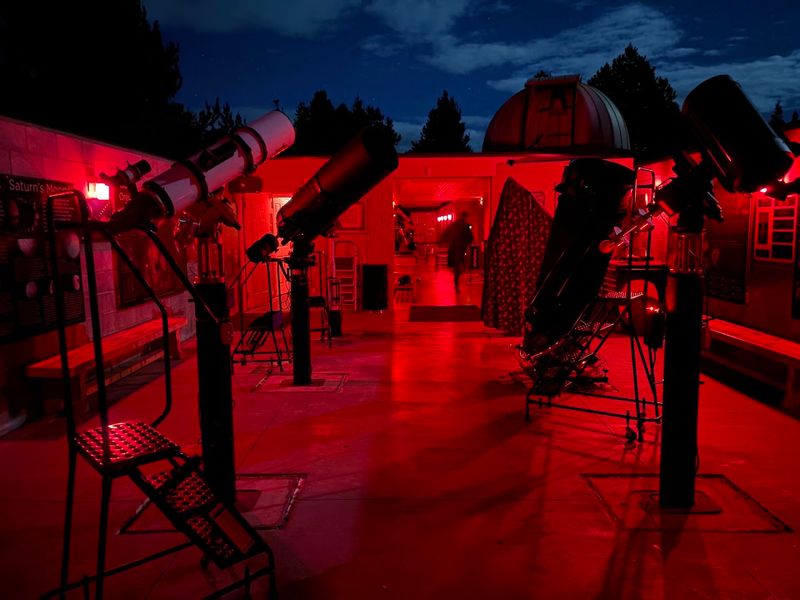
Staying up past midnight to look at stars sounds like something you might do as a kid on a camping trip. At Sunriver, it feels just as exciting as an adult.
The night sky viewing programs here are structured, engaging, and paced well enough that even younger visitors stay focused and curious throughout.
Programs typically begin with a short presentation covering the night’s key celestial objects. Then visitors move outside to the telescope field, where multiple instruments are set up and aimed at different targets.
The wait times are reasonable because there are so many telescopes available.
Volunteers rotate through the crowd, answering questions and occasionally repointing telescopes as the sky shifts. One visitor mentioned that even on a night that was supposed to be cloudy, they still saw an extraordinary number of stars.
Dressing warmly is essential, as Central Oregon nights get cold quickly even in summer. Bringing a hat and an extra layer makes the whole experience significantly more comfortable and enjoyable.
Passionate Volunteers Who Make the Stars Feel Personal
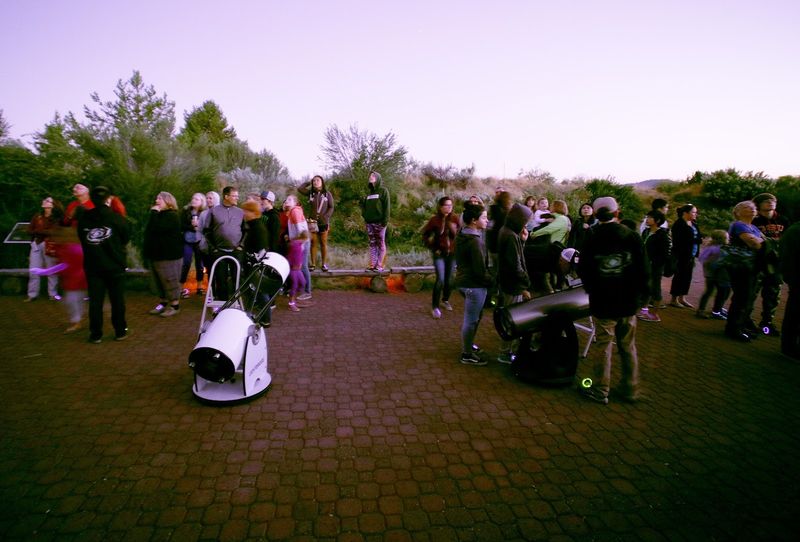
Not every science facility manages to make complex topics feel accessible and fun. The volunteers at Sunriver Observatory seem to have cracked that code completely.
Many of them are amateur astronomers who bring their own personal telescopes to supplement the observatory’s equipment, which gives the whole experience a community-driven, grassroots energy.
What stands out most is how much they genuinely enjoy sharing what they know. Conversations start naturally, questions are welcomed, and nobody makes you feel rushed or out of place.
A volunteer once spent a solid ten minutes explaining the mythology behind a constellation to a group of kids who had never heard any of it before.
That kind of patient, enthusiastic teaching is rare and worth seeking out. The staff complement the volunteers well, keeping programs organized while maintaining a relaxed atmosphere.
Multiple visitors highlight the staff and volunteers as one of the top reasons people return. When the people running a place love what they do, visitors feel it immediately and deeply.
Daytime Sun Viewing Through Solar Telescopes
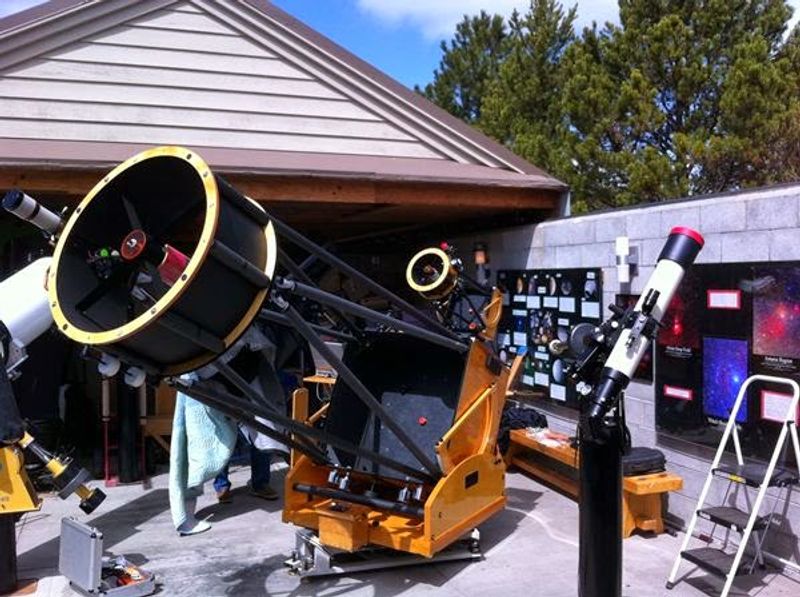
Most people associate observatories with nighttime, so discovering that Sunriver also offers daytime solar viewing feels like a bonus you did not know you were getting. Solar telescopes allow visitors to observe the sun safely, including its surface features like sunspots and solar activity that change from day to day.
One visitor mentioned being able to watch sunspots through the observatory during a daytime visit, and that experience is genuinely fascinating. The sun looks completely different through a proper solar filter than it does in any photograph.
It has texture and movement that feels almost alive.
Daytime hours at the nature center run Wednesday through Saturday from 10 AM to 3 PM, making it easy to combine a solar viewing session with a walk through the wildlife exhibits and botanical gardens. The daytime programs tend to be a bit quieter than the evening events, which makes them ideal for visitors who prefer a slower pace or have younger children in tow.
It is a surprisingly rich part of the overall experience.
Trails Through Lava Flows and Natural Landscapes

Central Oregon’s volcanic history is written right into the ground beneath your feet. The trails near the Sunriver Nature Center wind through lava flows that tell a dramatic geological story spanning thousands of years.
Walking these paths gives you a physical sense of how powerful and transformative the region’s past has been.
The terrain is rugged in places but accessible enough for most visitors. Views from elevated points along the trails open up across the surrounding landscape, offering a perspective on Central Oregon’s wide, open beauty that is hard to get from a car window.
One visitor noted the beautiful view from a nearby butte as a highlight of their visit.
Combining a trail walk with the nature center’s indoor exhibits creates a satisfying full-day experience. You move between the human-curated and the entirely wild, and the contrast is part of what makes this place so engaging.
Early morning walks are particularly rewarding when the air is cool and the light is soft across the lava rock. Sturdy shoes are a smart choice.
A Campus Pond With Resident Swans and Quiet Beauty
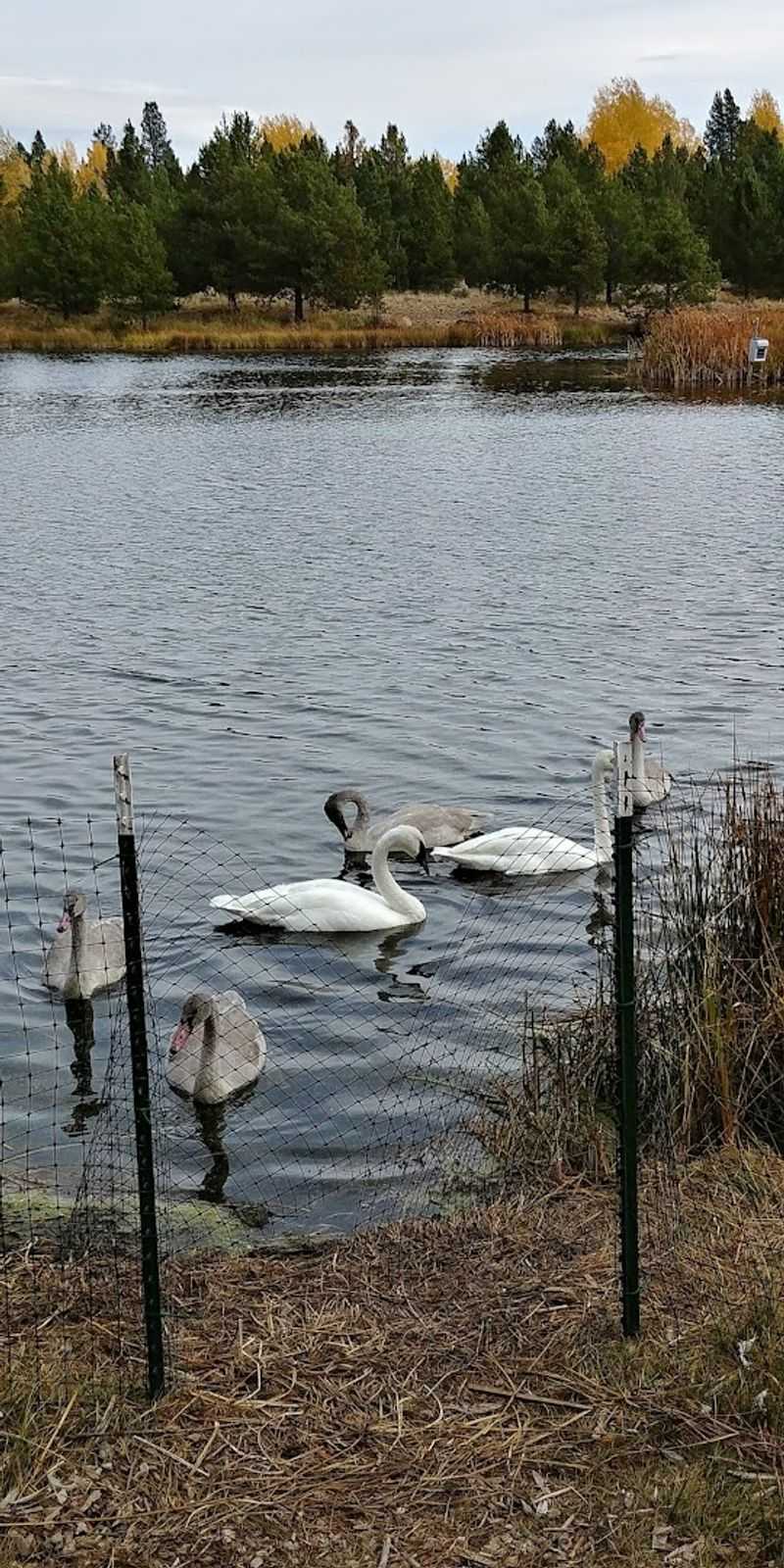
Sometimes the most memorable part of a visit is the detail you almost walked past. At Sunriver Nature Center, that detail is the pond.
Sitting quietly near the entrance area, it is home to resident swans that move across the water with an unhurried grace that feels almost meditative to watch.
At dusk, the pond takes on a particularly magical quality. The light softens, the swans drift slowly, and the sounds of the campus settle into a calm that feels very far from everyday life.
It is a small corner of the grounds, but it carries a lot of emotional weight.
Visitors arriving early for an evening observatory program often spend time here before the night viewing begins. It is a natural gathering spot, a place to slow down and transition from the busyness of the day into the quieter rhythms of the evening.
The pond also attracts local birds throughout the day, giving birdwatchers an unexpected reason to linger. Bring a camera because the light here is consistently beautiful.
Planning Your Visit to Sunriver Nature Center and Observatory
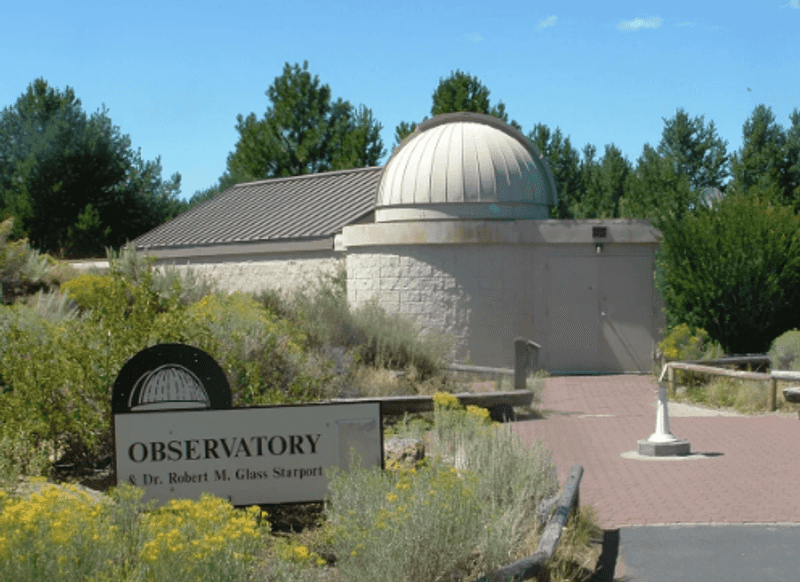
Getting the most out of a visit here takes just a little bit of planning. The nature center is open Wednesday through Saturday from 10 AM to 3 PM for daytime activities.
Evening observatory programs run on select nights and require checking the official schedule at snco.org before you go.
Booking in advance is a smart move, especially during summer when Sunriver fills with visitors from across the Pacific Northwest and beyond. The campus is family-friendly and accessible, though wearing comfortable shoes for the trails and grounds is a good idea.
Evening visitors should always bring warm layers.
The observatory is located at 57245 River Rd in Sunriver, and it is easy to find. Parking is available on-site.
The staff can be reached by phone at (541) 593-4394 for any questions about programs or accessibility.
