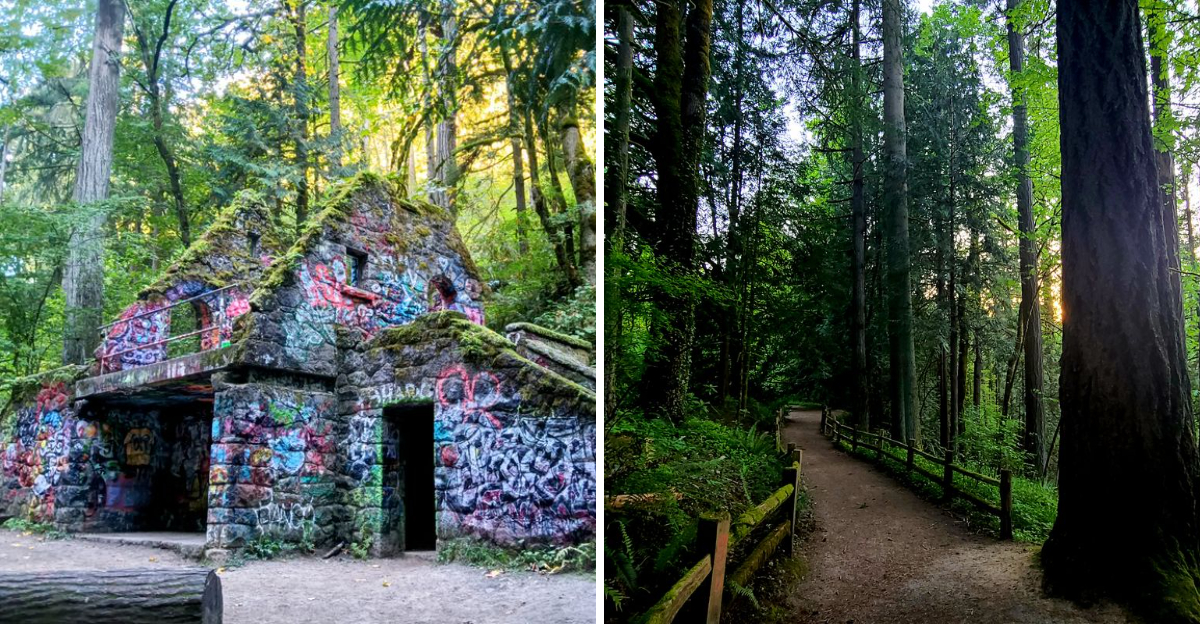
I’ve wandered through my fair share of supposedly haunted spots in Oregon, but one moss-covered ruin in Forest Park genuinely caught me off guard.
Tucked along the Lower Macleay Trail, this crumbling stone structure looks like something pulled from a dark fairytale.
It isn’t a real castle, and no witches ever called it home, yet the heavy atmosphere surrounding it is hard to ignore. The deeper I looked into the history, the stranger it became.
What keeps people coming isn’t just the graffiti, the damp stone walls, or the way the forest seems to close in around it. It’s the violent 1850s feud tied to this land, a story tangled up in jealousy, bloodshed, and what became Oregon’s first legal execution.
Some locals insist the past never fully left, that certain presences still drift quietly between the trees. Whether you believe that or not, standing there feels different.
The ruin may not be a castle, but it has earned its reputation as one of Portland’s most intriguing legends, known simply as the Witch’s Castle.
The Tragic Murder That Started It All
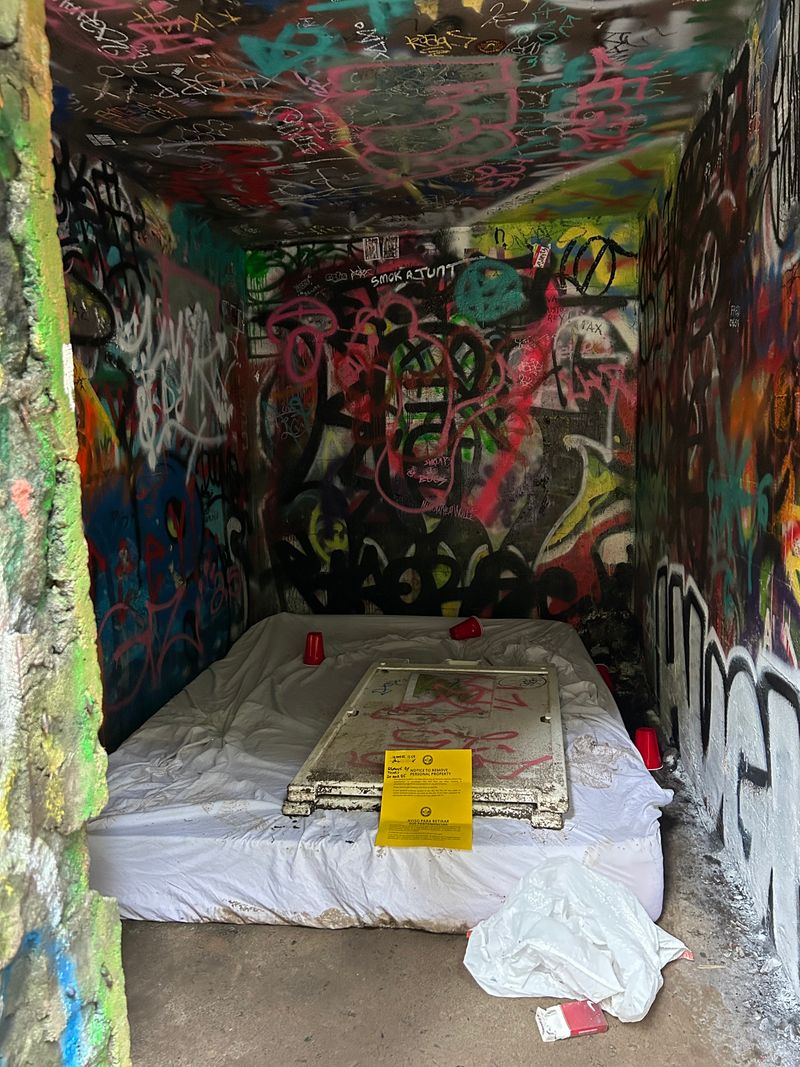
Back in the 1850s, this peaceful stretch of Forest Park became the scene of a violent tragedy that would echo through Portland’s history. Danford Balch, a settler who owned land in the area, found himself in a bitter dispute with his son-in-law, Mortimer Stump, who had eloped with Balch’s teenage daughter Anna.
The family feud escalated beyond anyone’s expectations. Balch tracked down the young couple and, in a rage fueled by what he saw as betrayal and dishonor, shot Mortimer Stump on October 18, 1858.
The murder shocked the young Oregon Territory community and set in motion events that would make this location infamous.
What makes this story particularly haunting is the desperation behind it. Balch believed he was defending his family’s honor, but instead, he destroyed multiple lives in one violent moment.
The land where the current stone structure stands is believed to be near where this confrontation took place, which is why locals think the spirits remain restless.
This wasn’t just a random act of violence but a family torn apart by conflicting loyalties and frontier justice gone terribly wrong.
Oregon’s First Legal Execution
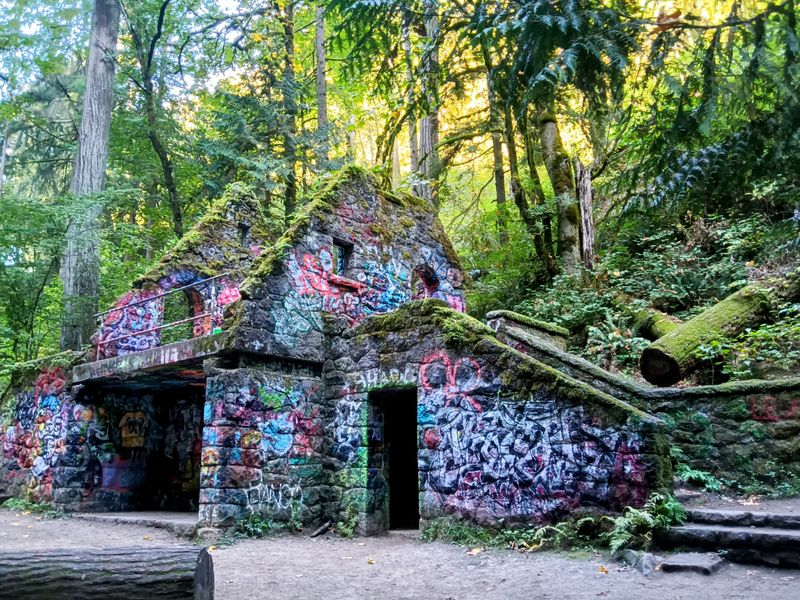
Danford Balch’s crime made him an unwilling participant in Oregon history for reasons beyond the murder itself. After being captured, tried, and convicted, Balch became the first person legally executed in Oregon Territory on October 17, 1859.
He was hanged in Portland, just one year after he killed his son-in-law.
The execution drew massive crowds, as public hangings did in that era. People traveled from surrounding areas to witness what they saw as justice being served.
For Balch, the gallows represented the ultimate price for his violent act, but for Oregon, it marked a turning point in establishing law and order in what was still a rough frontier territory.
Many paranormal investigators believe that violent ends often create restless spirits, and Balch’s execution certainly qualifies as traumatic. Some visitors to the Witch’s Castle report feeling an overwhelming sense of injustice or anger in the area, which they attribute to Balch’s lingering presence.
Whether he haunts the spot where he committed murder or simply left an emotional imprint on the land, his story remains central to why this location feels so charged with dark energy even today.
The Real Origin Story of the Structure
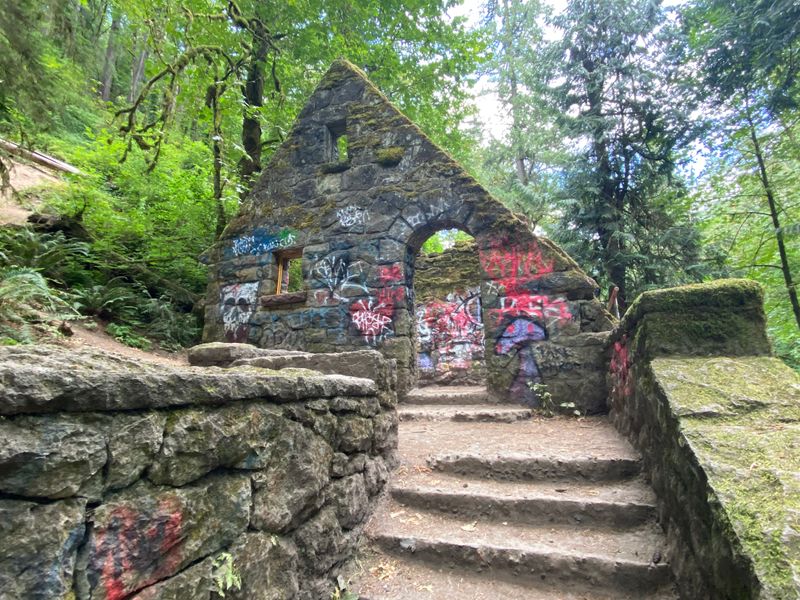
Here’s where the story takes an interesting turn that surprises most first-time visitors. The stone structure you see today wasn’t built in the 1850s and has nothing to do with the Balch murder directly.
The building was actually constructed in the 1930s by the Works Progress Administration as part of their Depression-era public works projects.
The WPA built this structure to serve as a ranger station and public restrooms for Forest Park visitors. The solid stone construction was meant to last for generations and blend naturally with the surrounding forest environment.
For about 30 years, it served its intended purpose without any supernatural reputation whatsoever.
What’s fascinating is how a relatively modern building became so thoroughly associated with events that happened decades before it was built. The structure sits on or near land connected to the Balch tragedy, which is likely why the haunting legends attached themselves to this particular building.
When I first learned this, I found it oddly fitting that something built for practical public service would eventually become Portland’s most famous haunted landmark, proving that sometimes the stories we tell about places matter more than their actual construction dates.
The Columbus Day Storm That Changed Everything
The building’s transformation from functional ranger station to abandoned ruin happened suddenly and dramatically. On October 12, 1962, the Columbus Day Storm, one of the most powerful windstorms ever recorded in the Pacific Northwest, tore through Oregon with winds exceeding 100 miles per hour in some areas.
The stone structure in Forest Park took severe damage during this historic weather event. The roof was destroyed, walls were compromised, and the building was deemed unsafe for continued use.
Rather than invest in expensive repairs for a relatively remote facility, park officials decided to abandon it entirely.
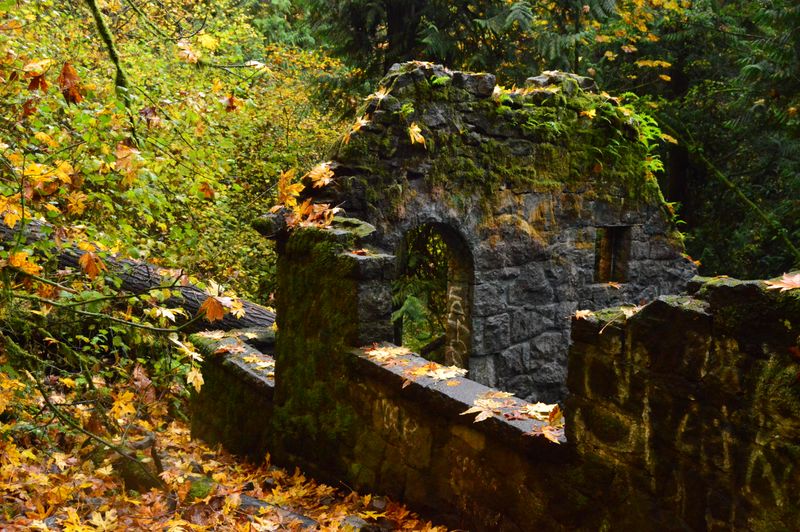
This abandonment proved crucial to the building’s evolution into the Witch’s Castle. Left to the elements, moss and vegetation began reclaiming the stones, giving the structure an ancient, mysterious appearance that belied its actual age.
The missing roof exposed the interior to rain and decay, creating the atmospheric ruin that draws visitors today.
Nature worked faster than anyone expected, and within just a few years, the building looked like it could have been standing there for centuries rather than decades, perfectly setting the stage for ghost stories to take root.
The Spirits Locals Swear Still Linger
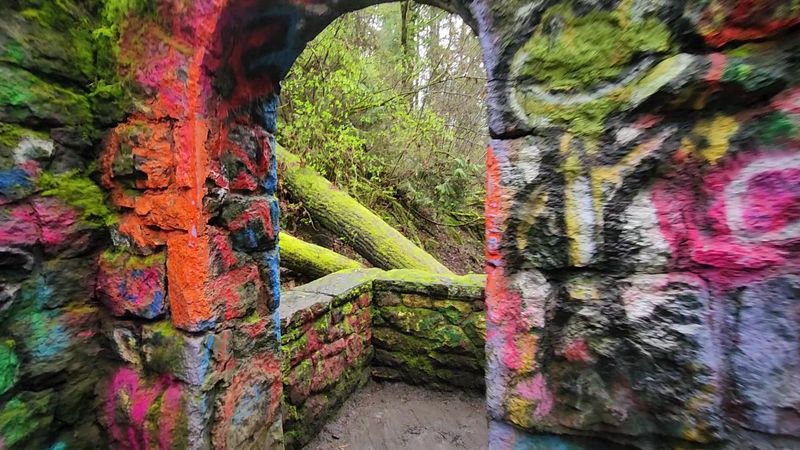
Portland residents who’ve spent time near the Witch’s Castle often speak with conviction about the paranormal activity they’ve experienced. The most commonly reported spirits are Danford Balch himself, his wife, and Mortimer Stump, locked in an eternal triangle of anger, grief, and unfinished business.
According to local ghost hunters and sensitive visitors, Balch’s presence feels angry and defensive, as if he’s still trying to justify what he did. Some people report feeling suddenly furious or irrationally protective when standing in certain spots around the ruins.
Others sense a younger male presence, possibly Stump, that feels confused and frightened, as if he’s still processing his sudden violent end.
Mrs. Balch’s spirit is described differently by those who claim to sense her. She reportedly manifests as overwhelming sadness and grief, caught between loyalty to her husband and love for her daughter.
Several visitors have mentioned feeling inexplicably tearful near the structure without understanding why.
Whether these sensations represent genuine hauntings or the power of suggestion combined with the location’s tragic history, the consistency of reports across different visitors makes the phenomenon worth noting for anyone interested in Oregon’s paranormal hotspots.
How Teenagers Named It the Witch’s Castle
The name “Witch’s Castle” didn’t come from any historical witch trials or occult activity. Instead, it emerged from Portland’s youth culture in the 1980s when local teenagers discovered this abandoned, atmospheric ruin and decided it was the perfect party spot.
Groups of teens would hike to the structure after dark, bringing flashlights, music, and their friends for late-night gatherings. The building’s eerie appearance, especially at night with only flashlight beams cutting through the darkness, inspired someone to dub it the Witch’s Castle.
The name stuck and spread through word of mouth long before social media existed.
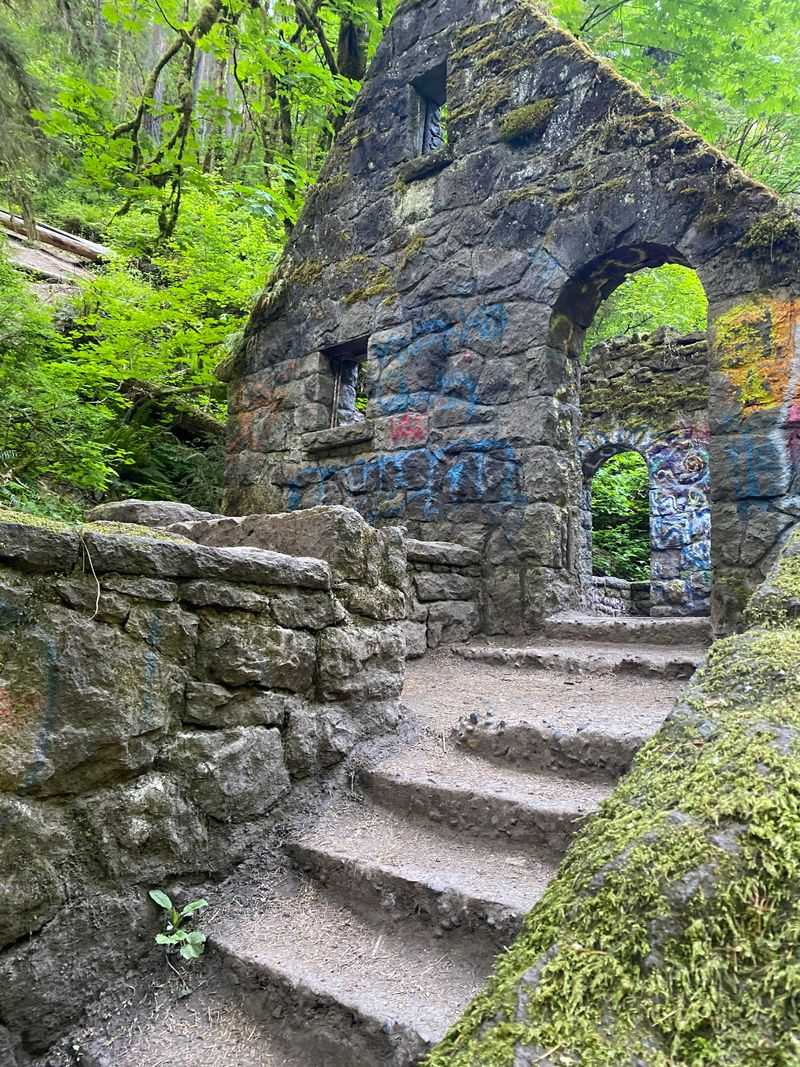
This teenage baptism actually makes perfect sense when you see the place. The moss-covered stones, the forest pressing in from all sides, the roofless walls open to the sky, it all looks like something from a fairy tale or horror movie.
Those 1980s kids weren’t wrong about the vibe.
The name they gave it captured something essential about how the place feels, and it proved so evocative that it completely replaced the building’s mundane origin story in popular imagination, turning a former restroom facility into one of Portland’s most intriguing landmarks.
The Paranormal Experiences Visitors Report
Walking through the reports from visitors who’ve experienced something unusual at the Witch’s Castle reveals consistent patterns. Cold spots rank among the most frequent phenomena, with people describing sudden temperature drops of 10 to 15 degrees in specific areas around the ruins, even on warm summer days.
Photography enthusiasts have captured numerous images featuring unexplained orbs, light anomalies, and occasional mist formations that weren’t visible to the naked eye when the photos were taken. While skeptics attribute these to camera lens artifacts or environmental factors, the sheer volume of similar images from different cameras and photographers keeps the debate alive.
Perhaps most unsettling are the reports of being watched. Visitors consistently describe an intense feeling of invisible eyes following their movements, particularly when they’re alone or in small groups.
Some hear whispers or footsteps on the trail when no one else is around. A few have reported their dogs refusing to approach certain areas or acting anxious and wanting to leave quickly.
During my own visit, I definitely felt something odd, though whether it was genuine paranormal activity or just my imagination working overtime in a genuinely creepy environment remains an open question.
Getting There: An Accessible Urban Hike
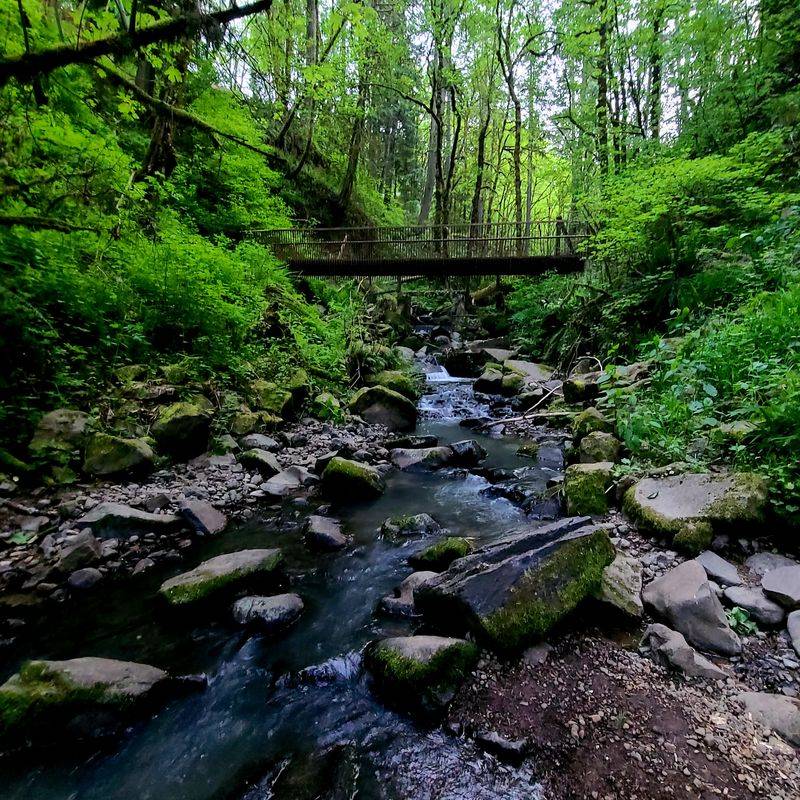
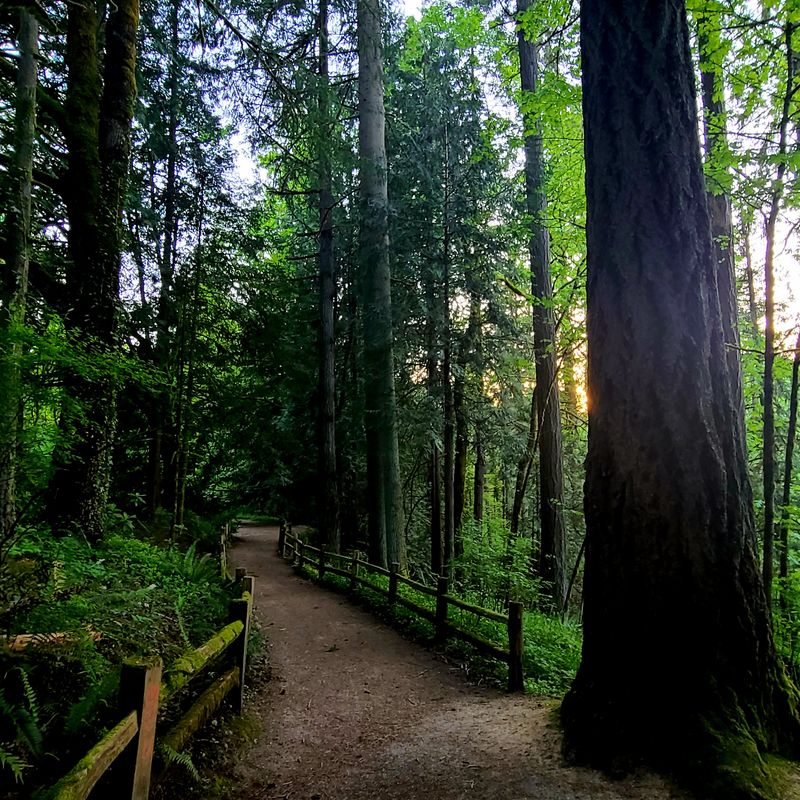
One reason the Witch’s Castle has become such a Portland institution is how easy it is to reach. Located in Forest Park off the Wildwood Trail at Lower Macleay Trail, the site sits just minutes from downtown Portland, making it accessible even for visitors without cars.
The hike from the Upper Macleay parking lot covers only about half a mile each way, with a moderate descent going in and a corresponding climb coming back out. The trail follows Balch Creek through beautiful old-growth forest, offering scenic views even before you reach the ruins.
Most visitors complete the round trip in under an hour, including time to explore and photograph the structure.
The trail’s accessibility means you’ll encounter families with young children, dog walkers, and elderly hikers alongside the ghost hunters and curious tourists. Multiple parking areas serve the trail system, though they fill up quickly on weekends.
The path can get muddy and slippery, especially after Oregon’s frequent rain, so proper footwear matters more than fitness level.
This combination of urban convenience and forest atmosphere makes the Witch’s Castle a perfect introduction to both Portland’s extensive park system and its haunted history.
Why It Remains Portland’s Most Haunted Spot
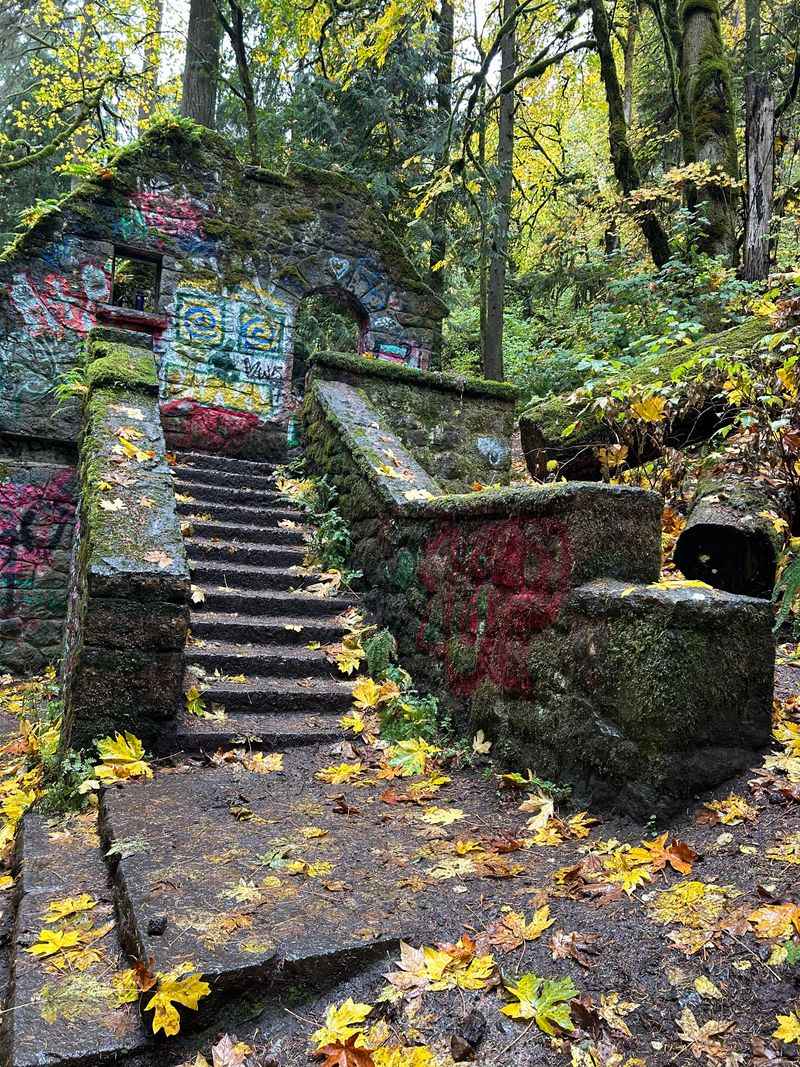
After visiting dozens of supposedly haunted locations across Oregon, I understand why the Witch’s Castle maintains its reputation as Portland’s premier paranormal destination. The combination of genuine historical tragedy, atmospheric setting, accessibility, and consistent visitor experiences creates something genuinely compelling.
Unlike many haunted locations that rely solely on old stories, the Witch’s Castle benefits from its urban forest setting that feels isolated despite being close to the city. The moss, the creek sounds, the towering trees, and the crumbling stones work together to create an environment where believing in ghosts feels natural rather than forced.
The fact that new visitors continue reporting similar experiences without necessarily knowing the full history suggests something beyond simple suggestion might be at work. Whether that something is genuine paranormal activity, environmental factors that affect human perception, or the powerful psychological impact of place and story, the Witch’s Castle delivers an experience that stays with you.
Most visitors advise against going after dark, not because of any official restrictions, but because the atmosphere becomes genuinely unsettling once the sun sets and the forest shadows deepen around those haunted stones.
Dear Reader: This page may contain affiliate links which may earn a commission if you click through and make a purchase. Our independent journalism is not influenced by any advertiser or commercial initiative unless it is clearly marked as sponsored content. As travel products change, please be sure to reconfirm all details and stay up to date with current events to ensure a safe and successful trip.
