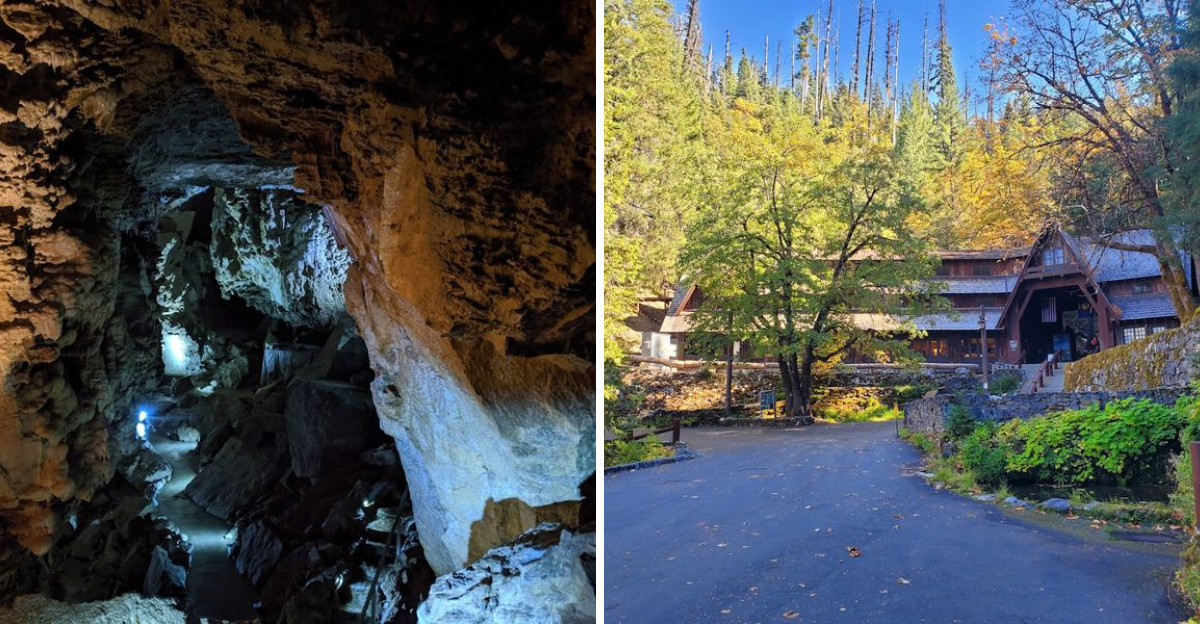
Tucked into the Siskiyou Mountains of southern Oregon, the Oregon Caves National Monument feels like a secret the earth has been keeping for millions of years. The moment you step through the cave entrance, the temperature drops, the light shifts, and you realize you are standing inside something genuinely ancient.
I remember thinking the marble walls looked almost alive, rippling with color and texture that no photograph could fully capture. The winding road up to Cave Junction sets the mood perfectly, all towering trees and sharp curves that make the destination feel earned.
Guided tours led by National Park Service rangers take small groups through over a mile of underground passages, past formations that took thousands of years to build.
Whether you are a geology nerd, a family looking for something unforgettable, or just someone who wants to see something truly rare, this place delivers in every possible way.
What Makes Oregon Caves National Monument So Unique
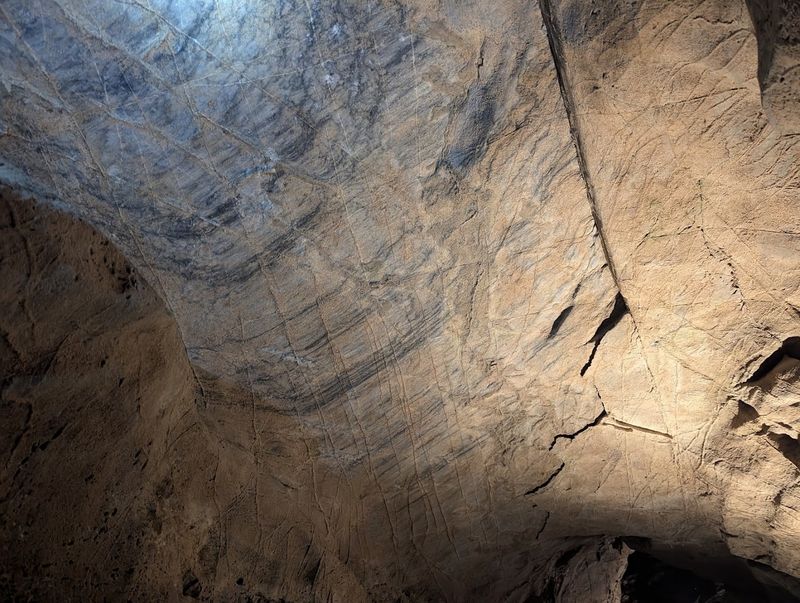
Most caves form in limestone, but Oregon Caves carved itself through marble, which makes it one of the rarest cave systems in the entire country. That distinction is not just a geology trivia fact.
It shapes everything about how the cave looks, from the swirling gray and white walls to the way light catches the crystal formations at certain angles.
The cave stretches through the Siskiyou Mountains, sitting at an elevation that keeps the interior naturally cool year-round, hovering around 44 degrees Fahrenheit. Bring a layer even on the hottest summer day because the contrast from outside temperatures is sharp.
Managed by the National Park Service, the monument covers over 4,000 acres of old-growth forest and rugged terrain above ground. Underground, the passages wind through chambers that feel both massive and intimate depending on where you stand.
The combination of rare geology, federal preservation, and sheer visual drama is what sets this place apart from any other cave tour in the Pacific Northwest.
Getting to Cave Junction and the Drive Up
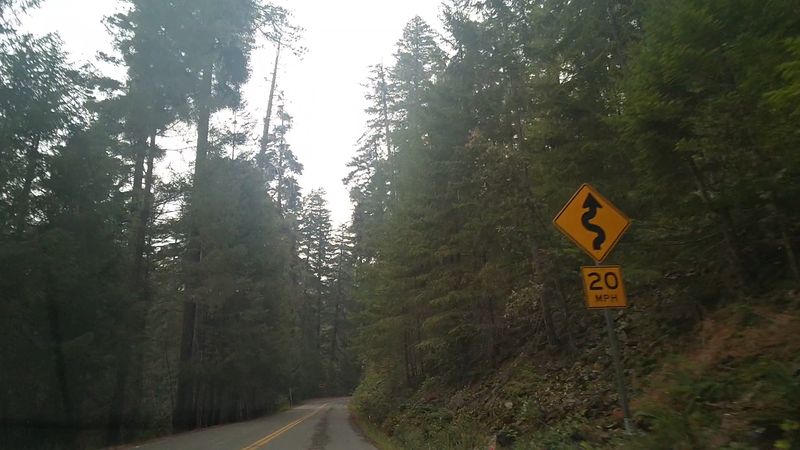
The drive to Oregon Caves is part of the experience, and nobody should underestimate that. From Cave Junction, you follow Highway 46 for about 20 miles up into the Siskiyou Mountains, and the road gets progressively narrower, steeper, and more spectacular with every mile.
Sharp switchbacks and overhanging trees give the whole journey a storybook quality. I kept slowing down just to look at the ridgelines cutting through the morning fog.
Trailers and large RVs are not permitted past a certain point, so plan accordingly if you are traveling in a bigger vehicle.
The drive takes roughly 30 to 40 minutes from town, and there is no rushing it. That unhurried pace actually works in your favor because by the time you arrive at the trailhead and visitor area, you are already in the right mindset for something extraordinary.
Arriving early also gives you time to walk the surrounding trails before your scheduled tour, which is a genuinely great way to spend the morning.
Booking Your Tour and What to Expect at Arrival
Reserving your tour spot in advance is strongly recommended, and most visitors who show up without a reservation end up disappointed. The NPS does hold a limited number of walk-in spots each day, but during peak summer months those fill up fast, sometimes before 9 in the morning.
Booking online through the official NPS website is straightforward. Tours are capped at 15 people, which keeps the experience personal and manageable.
Once you arrive, the visitor center is a good place to browse exhibits about cave geology and the history of the monument while you wait for your group to be called.
The staff at the visitor center are knowledgeable and genuinely enthusiastic about the site. They can answer questions, help with trail recommendations, and point out what to look for underground.
Getting there 15 to 20 minutes before your tour time gives you breathing room and a chance to use the facilities before heading into the cave, where restroom access is not available mid-tour.
Inside the Cave: The 90-Minute Guided Tour Experience
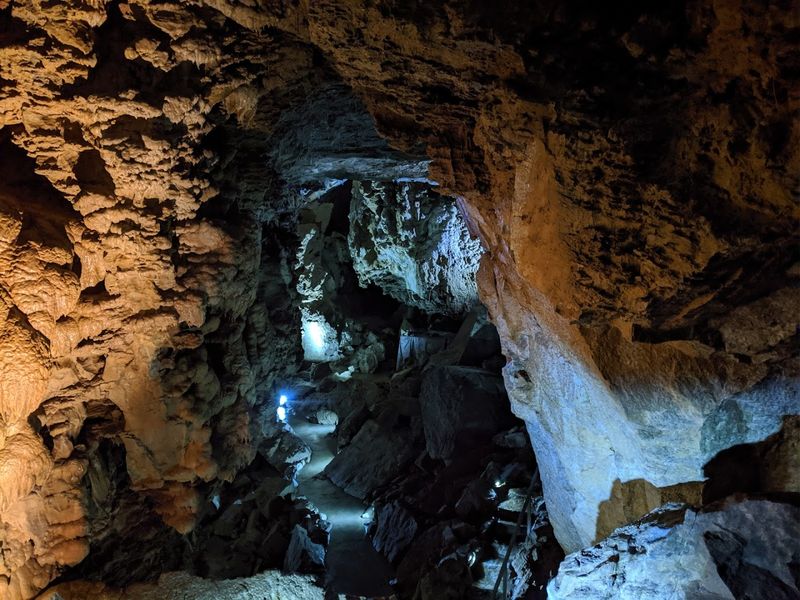
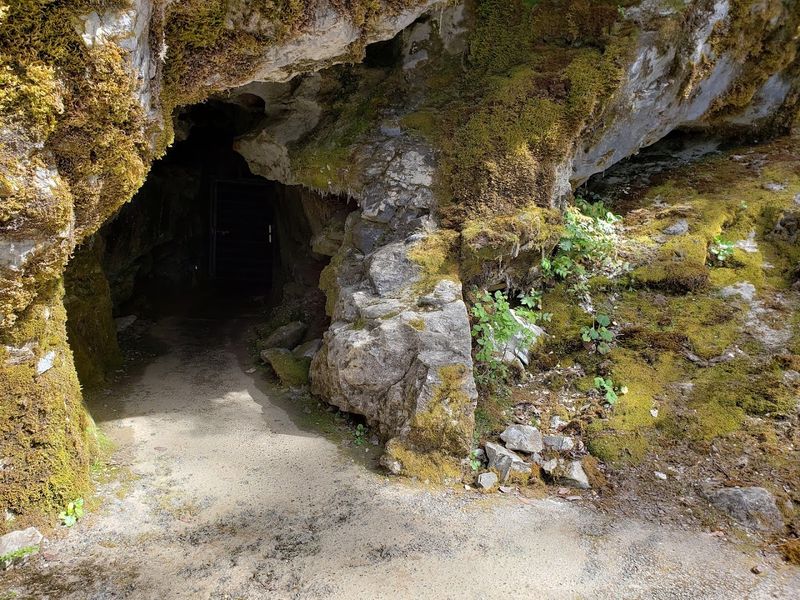
Stepping into the cave entrance feels like crossing a threshold into another world entirely. The air is noticeably colder, the sounds from outside fade away, and the walls around you shift from ordinary rock into something that looks sculpted by an artist with infinite patience.
Rangers lead groups through roughly a mile of passages, pointing out formations with names like Ghost Room and Paradise Lost. The storytelling is one of the best parts.
Good guides weave together geology, history, and the occasional cave joke that somehow lands perfectly in the dark.
The tour covers uneven terrain, steep staircases, and a few tight squeezes that require ducking or angling sideways. Comfortable, closed-toe shoes with grip are essential.
An early exit option exists about halfway through for anyone who needs it, which is a thoughtful touch by the NPS. The full tour runs about 90 minutes, though groups with curious kids or lots of questions sometimes stretch it closer to two hours.
Every minute feels worthwhile.
The Marble Formations You Will Not Forget
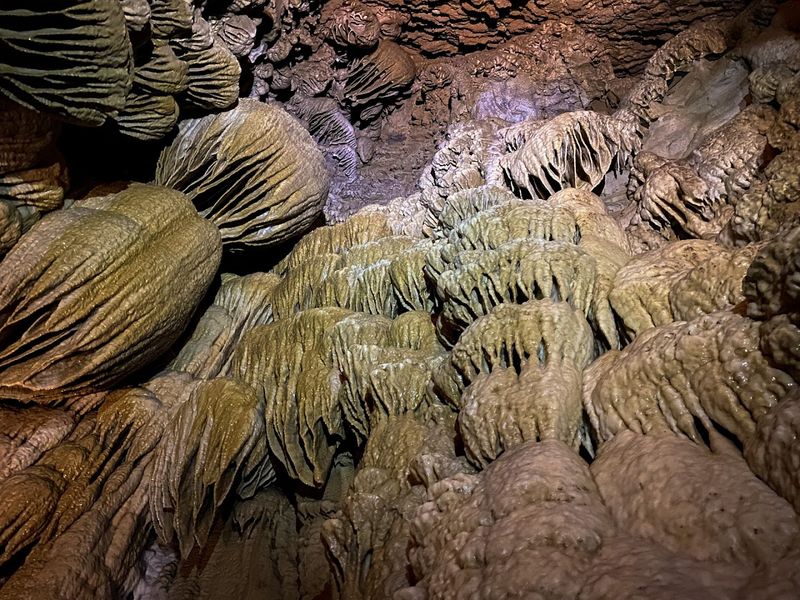
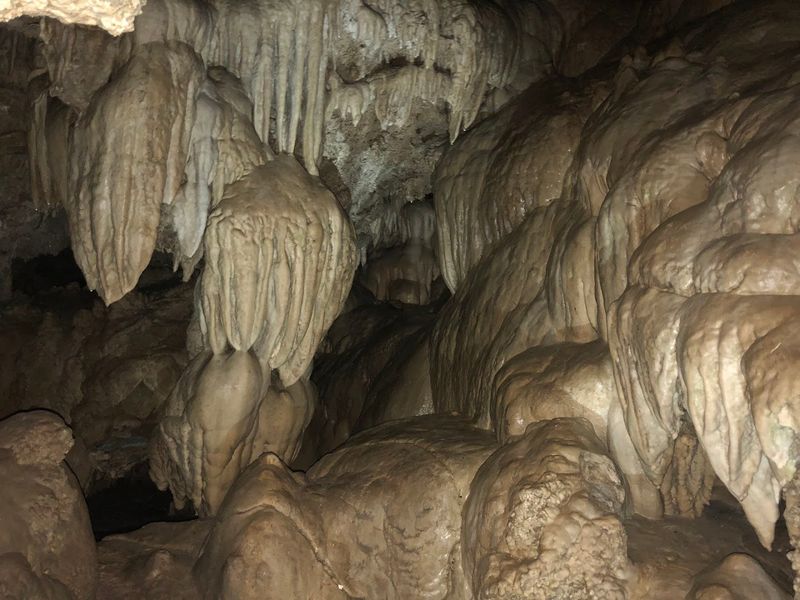
Marble caves develop formations differently than limestone caves, and the results are visually striking in ways that are hard to describe without sounding like you are exaggerating. The walls ripple with banded patterns.
Some sections look almost like frozen waterfalls, others like curtains of pale stone draped from the ceiling.
Stalactites hang in clusters above narrow passages, and flowstone coats sections of the floor in smooth, layered sheets. Certain chambers open up unexpectedly after a tight squeeze, creating that gasp-worthy contrast between constriction and sudden space.
The NPS uses a careful mix of LED and incandescent lighting to highlight features without damaging the ecosystem.
Bats are another surprise. Rangers occasionally use monitoring equipment to track bat activity through the cave, and spotting one clinging to the ceiling is a genuine thrill.
The formations themselves are protected, and visitors are reminded not to touch the walls because even the oils from a single handprint can disrupt thousands of years of mineral growth. That context makes you look with even more care.
Physical Preparation: What the Tour Actually Demands
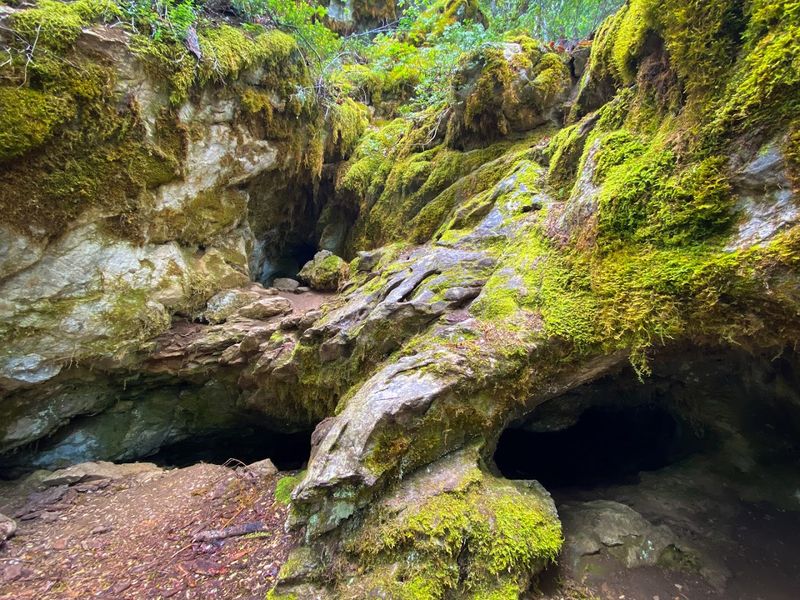
The Oregon Caves tour is not a casual stroll, and knowing that ahead of time makes the whole experience more enjoyable. There are plenty of stairs, some steep, some uneven, and a handful of passages where you genuinely need to crouch or turn sideways to move through.
That said, the pace is relaxed and rangers are attentive to the group.
Visitors with significant mobility limitations may find the full tour challenging, and the NPS is transparent about that. The early exit option provides a dignified alternative for those who want to experience the cave without committing to the entire route.
Children who can handle active hiking generally do well on the tour, though very young toddlers or infants are not recommended.
Wearing layers is non-negotiable. The cave stays around 44 degrees regardless of outside weather, and standing still in a cold chamber while listening to a ranger explain geology will make you very grateful for that extra sweater.
Good grip shoes, a small backpack, and a willingness to move slowly all make a real difference in how much you enjoy the experience.
Above-Ground Trails Worth Exploring Before or After
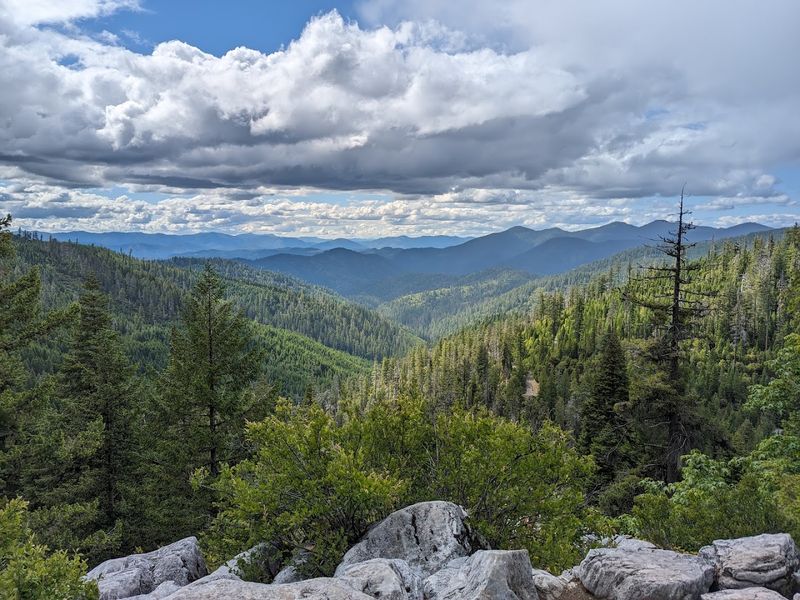
Many visitors focus entirely on the cave and miss some genuinely spectacular hiking right outside the entrance. The Big Tree Trail loops through old-growth forest and leads to a massive Douglas fir that has been growing for centuries.
Standing next to it recalibrates your sense of scale in the best possible way.
The Cliff Nature Trail offers sweeping views of the Siskiyou ridgeline and passes through sections of forest that feel genuinely remote despite being a short walk from the parking area. Both trails are hikeable in the morning before a cave tour, which makes for an incredibly full and satisfying half-day.
Trail conditions are generally good, though occasional blowdowns can create minor obstacles after storms. The solitude on these trails is real.
Most visitors head straight for the cave, so the forest paths stay quiet even on busy days. Bring water, wear sturdy footwear, and give yourself at least 90 minutes for the Big Tree loop if you want to move at a relaxed pace and actually absorb the scenery around you.
The Historic Chateau and the Lodge Under Restoration
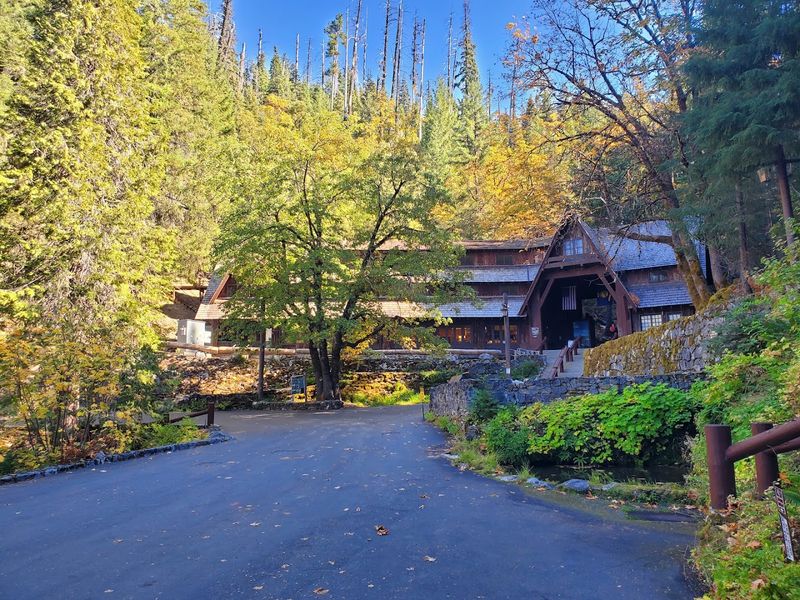
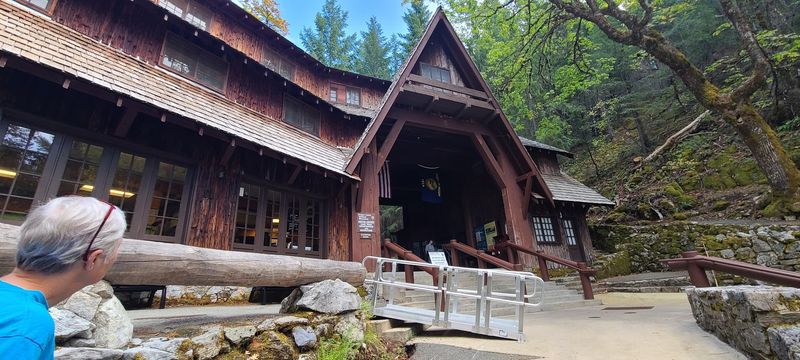
The Oregon Caves Chateau is one of those buildings that makes you wish you could stay the night, and with ongoing restoration work, that possibility may return sooner than expected. The six-story structure was built directly into the mountainside in the 1930s, and its blend of rustic craftsmanship and dramatic setting is genuinely rare in the national park system.
Currently under renovation by the NPS, the chateau is a striking sight even from the outside. The stone foundation, the timber framing, and the way the building hugs the hillside give it a personality that modern architecture rarely achieves.
Several visitors mentioned hoping to see it fully restored for overnight stays in the future.
Even without interior access, the building adds a layer of historical texture to the visit. Seeing it alongside the cave entrance and the surrounding old-growth forest makes the whole site feel like a place with a long story still being written.
Checking the NPS website before your visit is the best way to get current information on the chateau’s restoration timeline and any updated access details.
Wildlife, Bats, and the Living Cave Ecosystem
Oregon Caves is not just a geological wonder. It is a functioning ecosystem, and the wildlife inside and around it is part of what makes a visit feel genuinely alive.
Bats are the most famous cave residents, and rangers sometimes use acoustic monitoring devices to detect their movements through the passages in real time.
Spotting a bat tucked into a ceiling crevice is one of those small moments that tends to stick with people long after the tour ends. Outside the cave, the surrounding forest supports a range of birds, insects, and mammals that thrive in the old-growth habitat.
The diversity of life in a place this compact is quietly impressive.
The NPS works hard to protect the cave ecosystem from human disturbance, which is why group sizes are limited and touching the walls is strictly off-limits. White-nose syndrome, a fungal disease devastating bat populations across North America, is an ongoing concern, and visitor protocols are designed in part to prevent its spread.
Understanding that context adds a layer of meaning to every rule rangers enforce during the tour.
Practical Tips for Planning Your Oregon Caves Visit
A few practical details can turn a good visit into a great one. Book your tour online well in advance, especially for summer weekends, because spots fill faster than most people expect.
Arriving early lets you explore the trails and visitor center without feeling rushed before your scheduled time underground.
Pack a genuine layer for the cave, not just a light jacket. The 44-degree interior temperature is consistent and cold enough to be uncomfortable if you are underprepared.
Closed-toe shoes with solid grip are a must since the cave floor is uneven and occasionally slick in certain sections.
There is no food service currently operating on site, so bringing snacks and water for the day is a smart move. The drive up is beautiful but takes time, so factor that into your schedule.
Cell service is limited in the area, which honestly adds to the off-grid charm of the whole experience. Oregon Caves is located at 19000 Caves Hwy, Cave Junction, OR 97523, and the NPS website at nps.gov/orca has the most current tour schedules and reservation information available.
Address: 19000 Caves Hwy, Cave Junction, Oregon
Dear Reader: This page may contain affiliate links which may earn a commission if you click through and make a purchase. Our independent journalism is not influenced by any advertiser or commercial initiative unless it is clearly marked as sponsored content. As travel products change, please be sure to reconfirm all details and stay up to date with current events to ensure a safe and successful trip.
