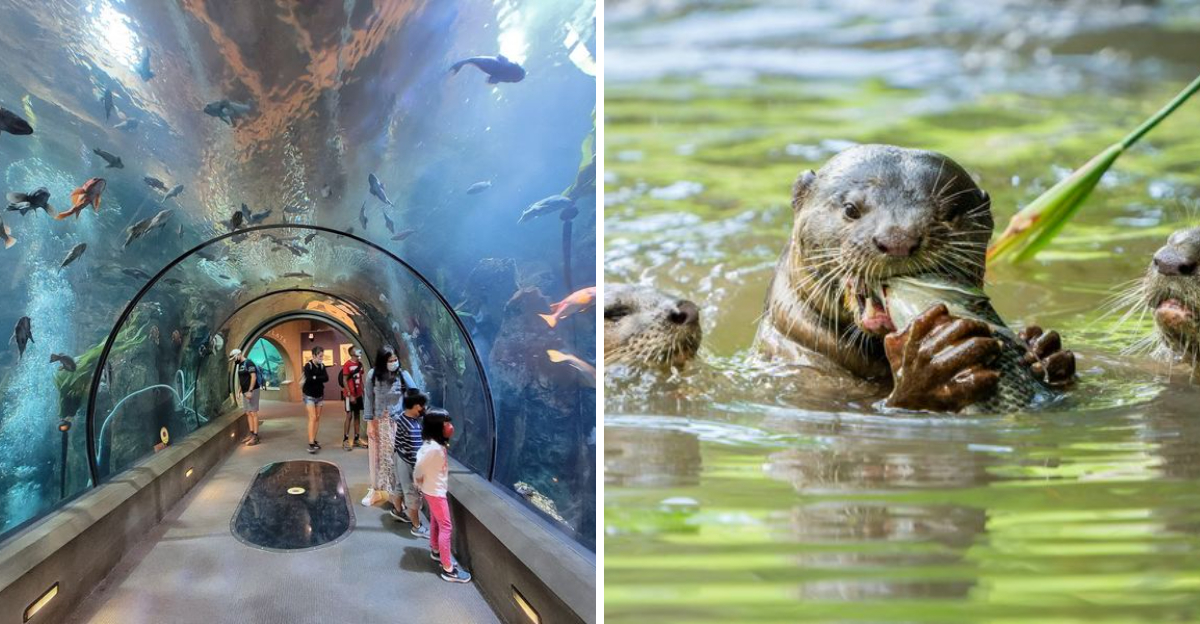
An Oregon coast aquarium like this doesn’t need a big introduction. I walk in and immediately hear the energy shift the moment the sea otters come into view.
They steal the whole show. Floating, spinning, and casually being the cutest thing in the building while everyone crowds the glass.
Locals act like it’s just another visit, while I’m still stuck watching every tiny movement.
The rest of the aquarium fades into the background fast. It’s all about those otters – playful, chaotic, and way more entertaining than I expected.
And somehow, you leave smiling for no logical reason other than “sea otters did that.”
The Sea Otters That Steal Every Heart
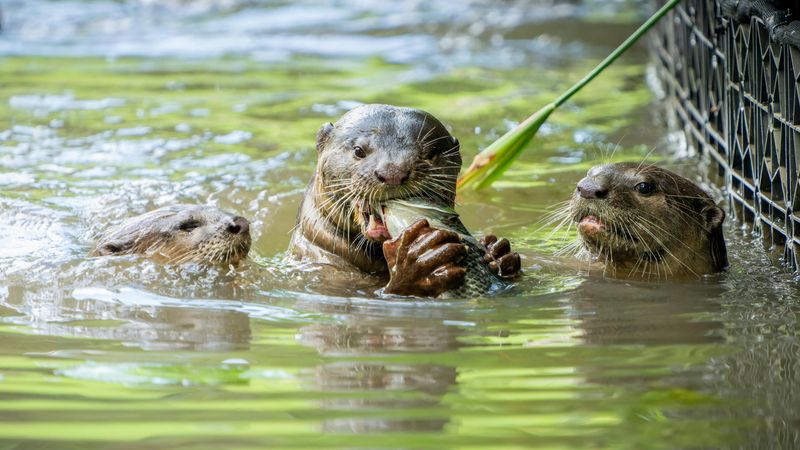
Nothing quite prepares you for the moment a sea otter locks eyes with you through the glass. These fuzzy, whiskered creatures have a way of making every visitor feel like the visit was planned just for them.
Watching them roll, groom, and float is genuinely calming.
The Oregon Coast Aquarium’s sea otter habitat is one of the most talked-about spots in the entire facility. Staff present engaging feeding sessions that explain how sea otters came to live here.
The presentations are informative without feeling like a lecture.
Sea otters are actually a conservation success story. They were nearly wiped out along the Pacific Coast, and learning that context makes watching them feel more meaningful.
You leave the exhibit with a real appreciation for marine wildlife protection.
Plan to spend extra time here. Families with young kids tend to linger the longest, and honestly, so do adults without kids.
The otter area is the kind of spot that turns a quick stop into a full morning.
Passages of the Deep Shark Tunnel
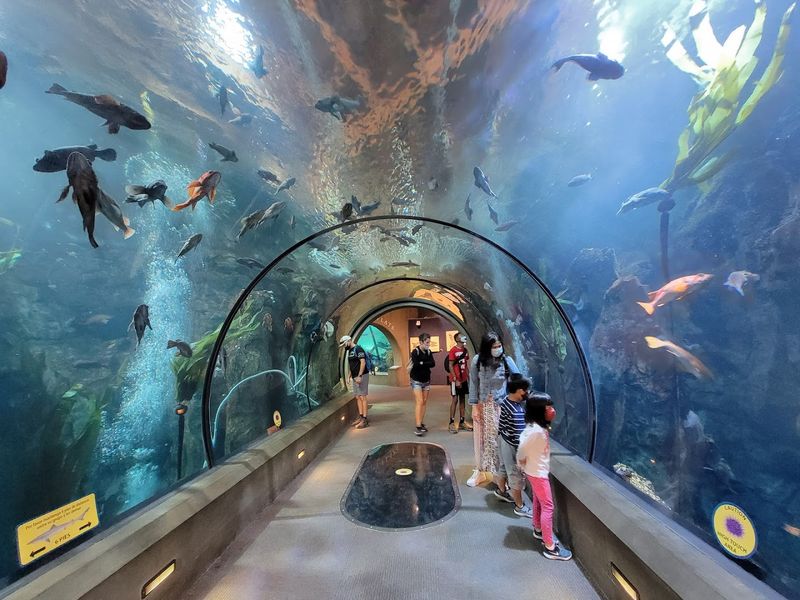
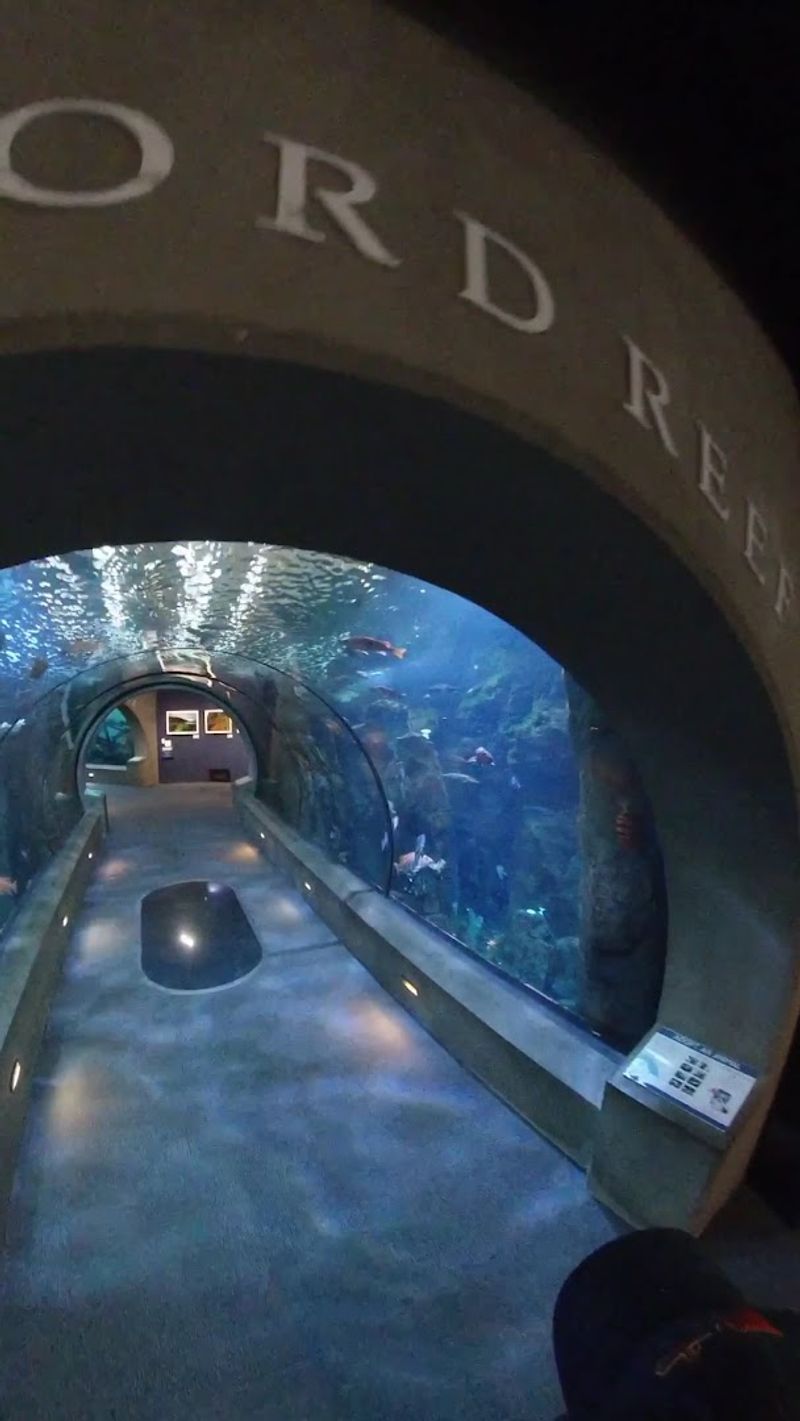
Walking into the Passages of the Deep exhibit feels like stepping into another world entirely. The tunnel curves around you, and suddenly there are sharks gliding just inches above your head.
It is one of those moments that makes you hold your breath without realizing it.
Bat rays drift past in slow, graceful arcs. Eels coil through rocky crevices in the walls.
The variety of creatures sharing this space creates a surprisingly natural-feeling ecosystem, even inside a man-made structure.
Kids tend to press their noses against the acrylic walls and refuse to move. That reaction is completely understandable.
The tunnel gives you a fish-eye view of the ocean floor that most people never get to experience in real life.
It works for every age group, from wide-eyed toddlers to adults who thought they already knew what aquariums looked like. The sheer scale of it makes a lasting impression long after you leave.
The Tide Pool Touch Tank Experience
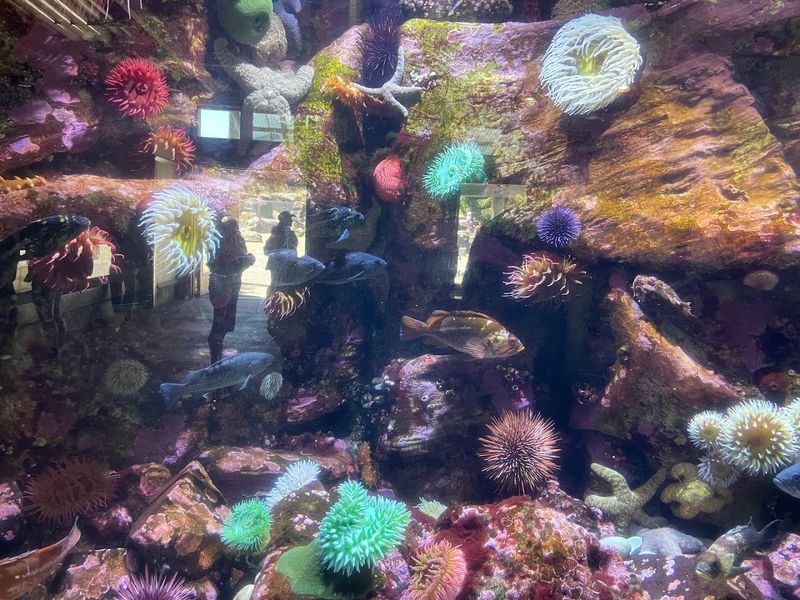
Touching a starfish for the first time is one of those experiences that sticks with a person. The touch tank at Oregon Coast Aquarium gives visitors that chance in a hands-on, supervised setting.
It is messier than you expect and more memorable because of it.
Knowledgeable volunteers stand nearby, ready to answer questions and guide curious hands toward the right spots. They explain what each creature is, how it survives, and why it matters in the larger ocean ecosystem.
The conversations feel natural, never rehearsed.
Sea urchins, anemones, and small rays are among the creatures you might encounter here. Each one has a different texture and way of reacting to touch.
It turns a passive museum visit into something genuinely interactive and a little bit surprising.
Younger visitors especially respond to this exhibit with pure, unfiltered joy. A three-year-old touching a starfish for the first time is a sight that makes everyone around smile.
The touch tank is simple in concept but powerful in effect.
Seals and Sea Lions in Their Outdoor Pools
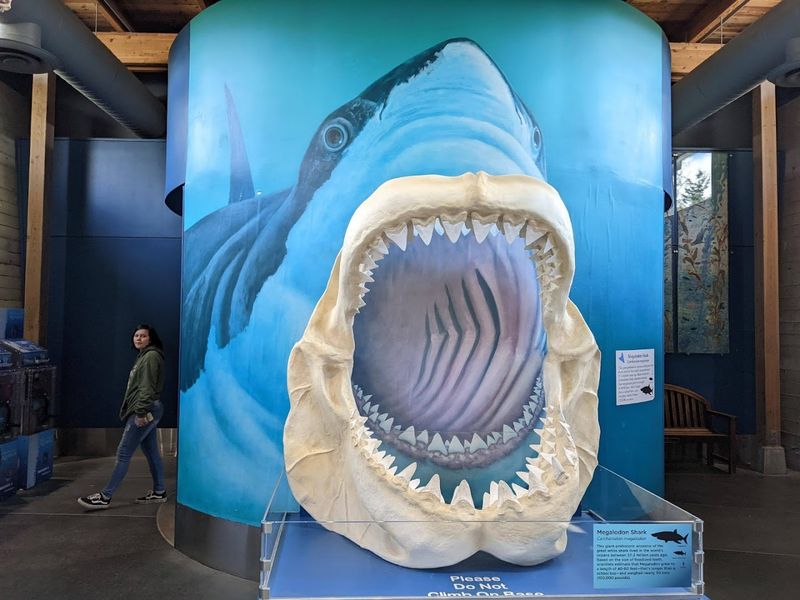
The outdoor pinniped area has a completely different energy from the indoor exhibits. Sea lions bark, splash, and haul themselves onto rocky ledges with impressive speed.
Seals bob near the surface and watch visitors with calm, curious eyes.
Feeding presentations happen throughout the day and draw a crowd fast. Staff members explain the difference between seals and sea lions, which turns out to be more interesting than most people expect.
Watching the animals respond to their trainers reveals just how intelligent these creatures are.
The outdoor setting adds to the experience in a meaningful way. You can feel the coastal breeze, hear the distant waves, and watch the animals against a backdrop that actually resembles their natural habitat.
It feels less like a zoo and more like a window into the real Oregon coast.
One tip worth knowing: the glass viewing panels can get foggy or dirty depending on the weather. Arriving early in the day tends to give you cleaner views and a smaller crowd around the enclosure.
The Coastal Birds Aviary
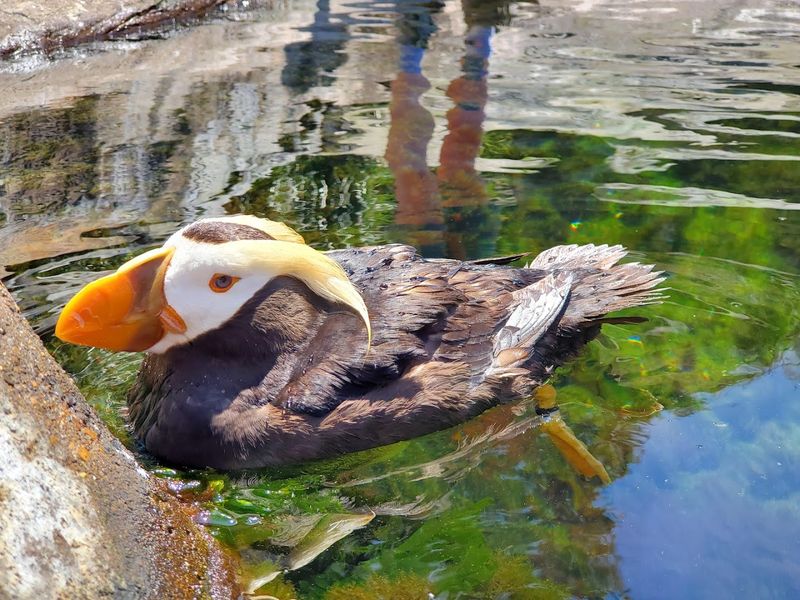
Stepping into the aviary feels like wandering into a different corner of the Oregon coast altogether. Puffins flap their stubby wings and dive into the water with surprising enthusiasm.
Watching them move between air and water is genuinely funny and a little bit endearing.
The aviary uses double-entry doors to keep the birds safely inside, which adds a small moment of anticipation before you enter. Once inside, the birds move freely around you.
It creates an immersive feeling that most exhibits simply cannot replicate.
Several visitors mention spending a long time in the aviary without meaning to. The birds have distinct personalities and behaviors that keep drawing your attention from one corner to another.
There is always something happening if you stand still long enough to notice.
For bird lovers, this is genuinely one of the most rewarding parts of the entire visit. For everyone else, it tends to be a pleasant surprise.
The aviary consistently earns appreciation from visitors who did not expect to enjoy it as much as they did.
Ocean Plastic Art Installations
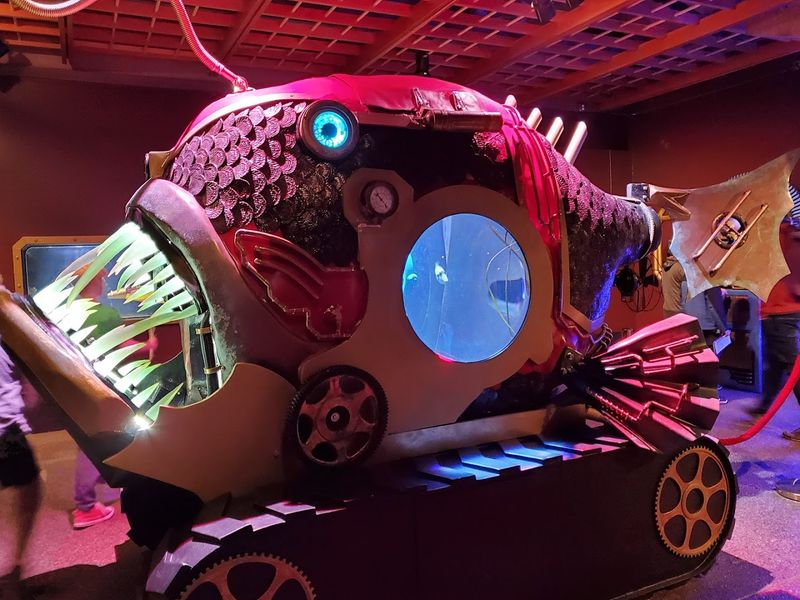
Art made from ocean trash sounds grim, but the installations here are genuinely striking. Colorful, intricate, and visually arresting, these pieces carry a message that hits harder because of how beautiful they look.
The contrast between the art and its origins is the whole point.
The exhibit raises awareness about what discarded plastic is doing to marine environments. It does so without being preachy or overwhelming.
The approach feels thoughtful, giving visitors space to draw their own conclusions.
One visitor described it as amazing but also a sad reminder of what our trash is doing to the oceans. That tension is exactly what makes the installation effective.
You walk away thinking about it long after you have left the building.
Kids engage with it differently than adults, often asking practical questions about where the plastic came from and how it got into the ocean. Those conversations are worth having.
The exhibit sparks curiosity and a sense of responsibility in a way that feels organic and unforced.
Jellyfish Tanks That Feel Like Living Art
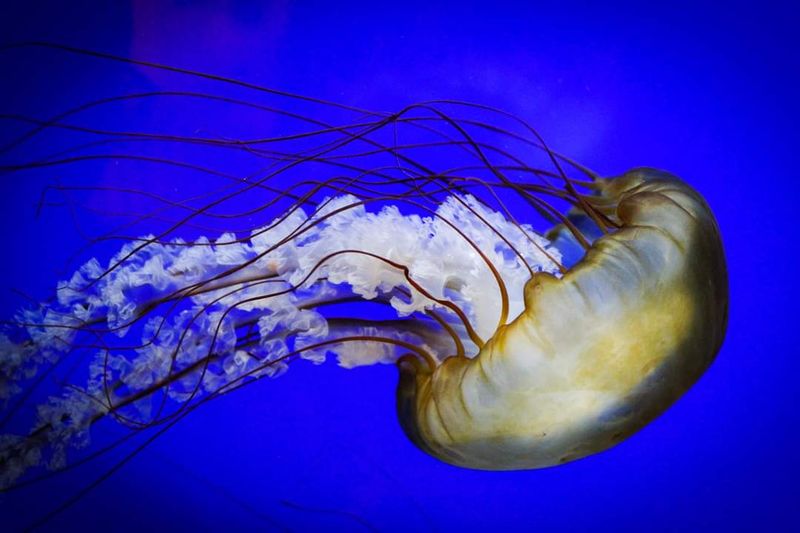
There is something hypnotic about watching jellyfish drift through a tank. The Oregon Coast Aquarium has one of the most varied jellyfish collections many visitors report having seen.
The tanks are lit in ways that make the creatures look otherworldly and almost luminous.
Multiple species are on display, each with a different shape, movement, and coloring. Some look like floating umbrellas.
Others trail long, delicate tendrils that catch the light in unexpected ways. It is hard to look away once you start watching.
The jellyfish section tends to be quieter than other parts of the aquarium. That calm atmosphere makes it a nice place to slow down and simply observe.
Adults who visit without children often linger here longer than anywhere else.
Several visitors have specifically called the jellyfish their favorite part of the entire aquarium. That is saying something, given the competition from sharks and sea otters.
The tanks are beautifully designed and clearly well-maintained, which makes a real difference in how the animals look and behave.
Jr. Aquarist Program for Young Explorers
The Jr. Aquarist program turns a regular aquarium visit into a proper adventure for kids. Children move through the facility completing activities, answering questions, and earning a badge at the end.
It gives the whole visit a sense of purpose and direction.
Parents appreciate how the program keeps kids focused and engaged throughout. Instead of rushing from one exhibit to the next, children slow down and actually observe what they are looking at.
The badge at the end feels like a real reward for real effort.
Volunteers throughout the aquarium are ready to help with the activities and answer questions that come up along the way. Their enthusiasm is genuine and contagious.
Watching a child light up after learning something new about a sea creature is one of those small, memorable travel moments.
The program works best for kids roughly between five and ten years old. Younger children can still participate with help from a parent or guardian.
It is a smart, well-designed feature that sets this aquarium apart from many similar facilities.
The Cafe, Gift Shop, and Picnic Area
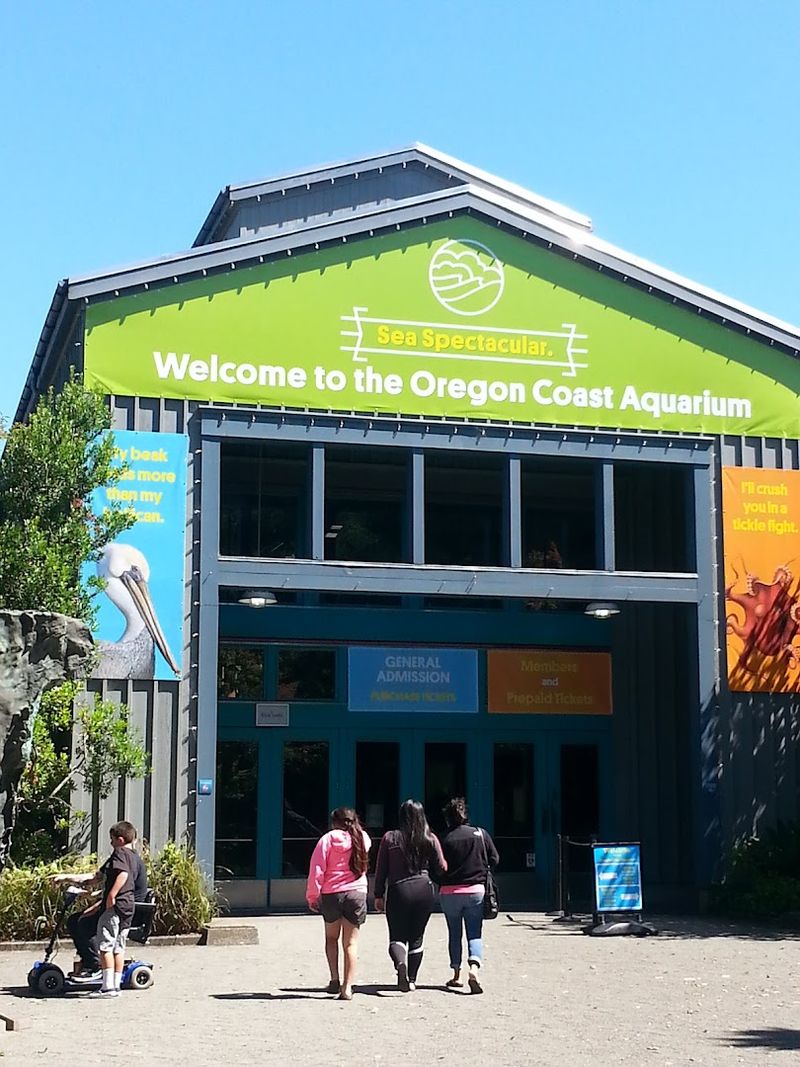
After a morning of exploring, hunger tends to sneak up on you fast. The aquarium has a food court on site, which makes it easy to refuel without leaving the property.
A covered picnic area near the parking lot is a relaxed spot for families to spread out and eat at their own pace.
The gift shop sits near the exit, and it is hard to walk through without picking something up. Plush sea otters, ocean-themed jewelry, and educational books for kids fill the shelves.
The selection leans toward items that actually connect to what you just saw inside.
A coffee bar is available for visitors who need a warm drink on a cool coastal morning. Newport weather can be unpredictable, and a hot coffee between exhibits makes a real difference.
The staff at both the cafe and shop are consistently described as friendly and helpful.
The whole setup makes it easy to spend a full half-day here. Arriving at opening and staying through lunch is a completely reasonable and satisfying plan for most visitors.
Planning Your Visit to Oregon Coast Aquarium
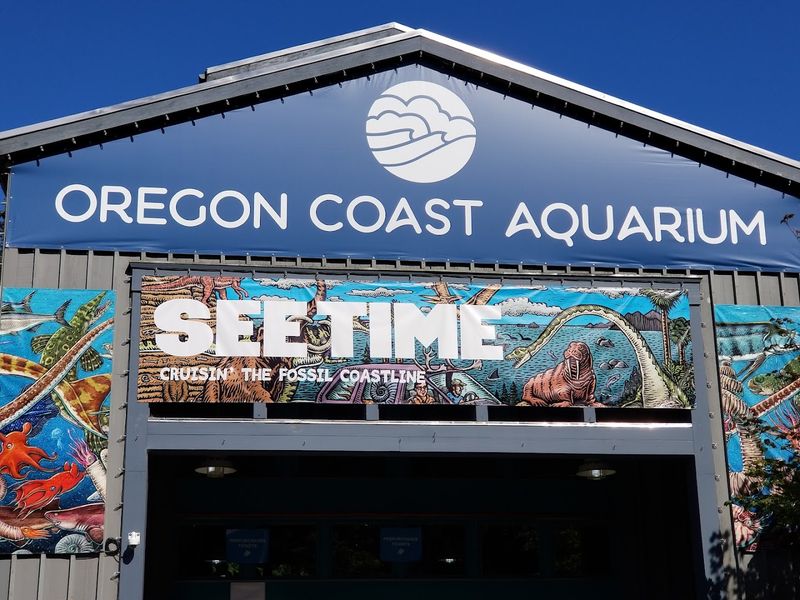
The aquarium is open daily from 10 AM to 5 PM, which gives you a comfortable window to plan around. Arriving right at opening is a smart move, especially if you want to catch feeding presentations without waiting in a crowd.
The otter feeding and pinniped shows are timed events worth planning around.
Weekday visits tend to be quieter than weekends. A Thursday afternoon visit, for example, gives you more room to move between exhibits and linger at the ones that interest you most.
The experience changes noticeably depending on how busy the facility is.
Membership options are available and make sense for families planning to visit more than once. One five-year-old reportedly insisted on returning twice during a single three-night trip.
That kind of repeat enthusiasm says a lot about what the aquarium delivers.
Ample parking is available on site, and the entry process is straightforward. Staff and volunteers are spread throughout the grounds and are genuinely helpful.
Address: 2820 SE Ferry Slip Rd, Newport, OR 97365
Dear Reader: This page may contain affiliate links which may earn a commission if you click through and make a purchase. Our independent journalism is not influenced by any advertiser or commercial initiative unless it is clearly marked as sponsored content. As travel products change, please be sure to reconfirm all details and stay up to date with current events to ensure a safe and successful trip.
