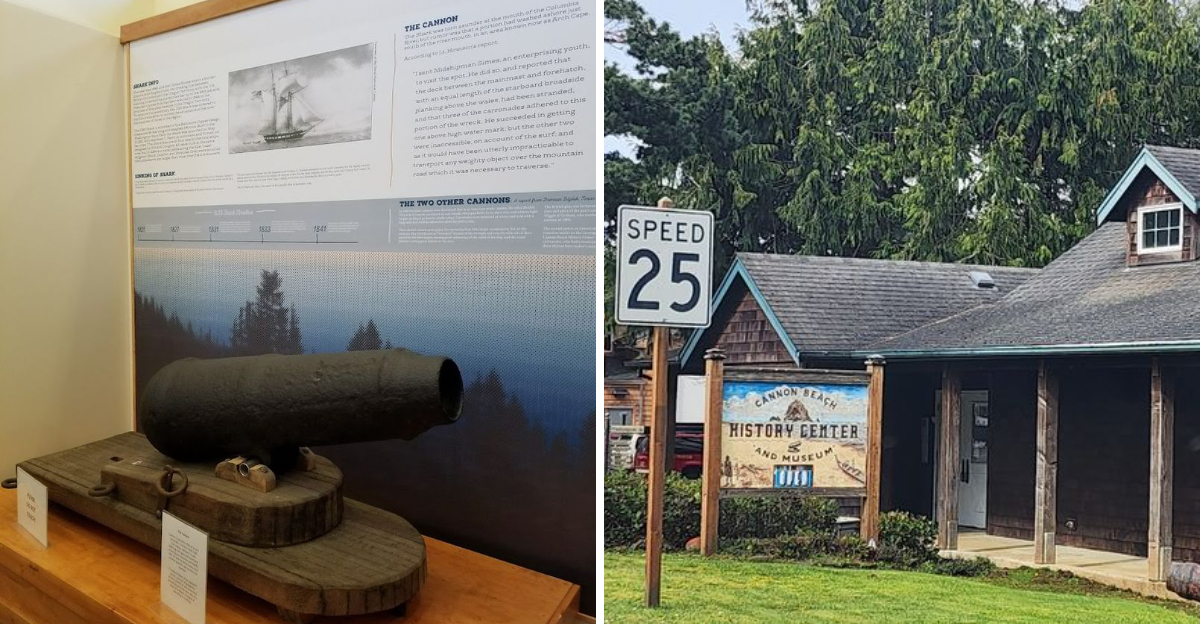
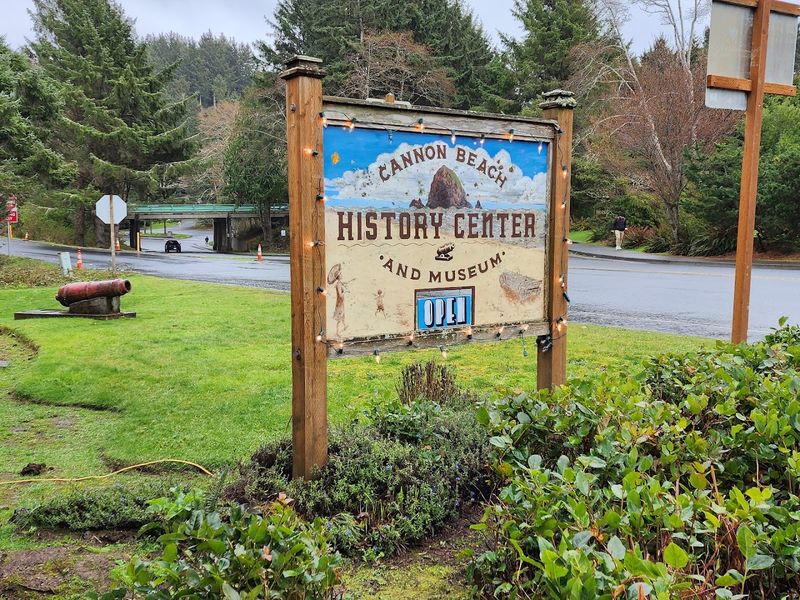
A whole town named after a single cannon. That sounds made up, but it is completely true.
This small museum holds the very cannon that started it all, and the story behind it is wilder than you expect. A shipwreck, a lost military mission, and a cannon that sat buried in the sand for over fifty years.
Locals finally dug it up and decided the town needed a new name. The museum itself is small and easy to miss, which is exactly why you should not miss it.
Old photographs line the walls showing how the coast looked before tourists and coffee shops. Kids love the touchable artifacts and the shipwreck tales.
Adults love that you can see everything in under an hour. You will walk out knowing exactly why a rusty old cannon deserves a whole town named after it.
The Original Cannon That Named a Town
Not every town can point to a single object and say, that is why we exist. Cannon Beach can.
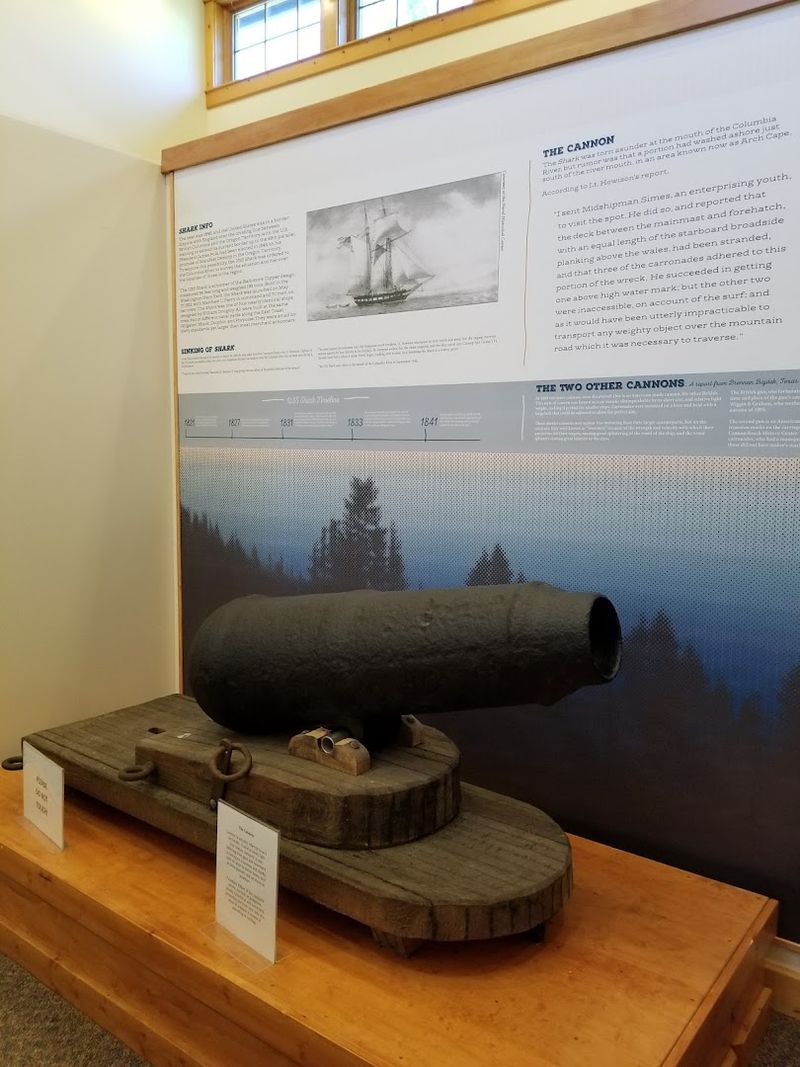
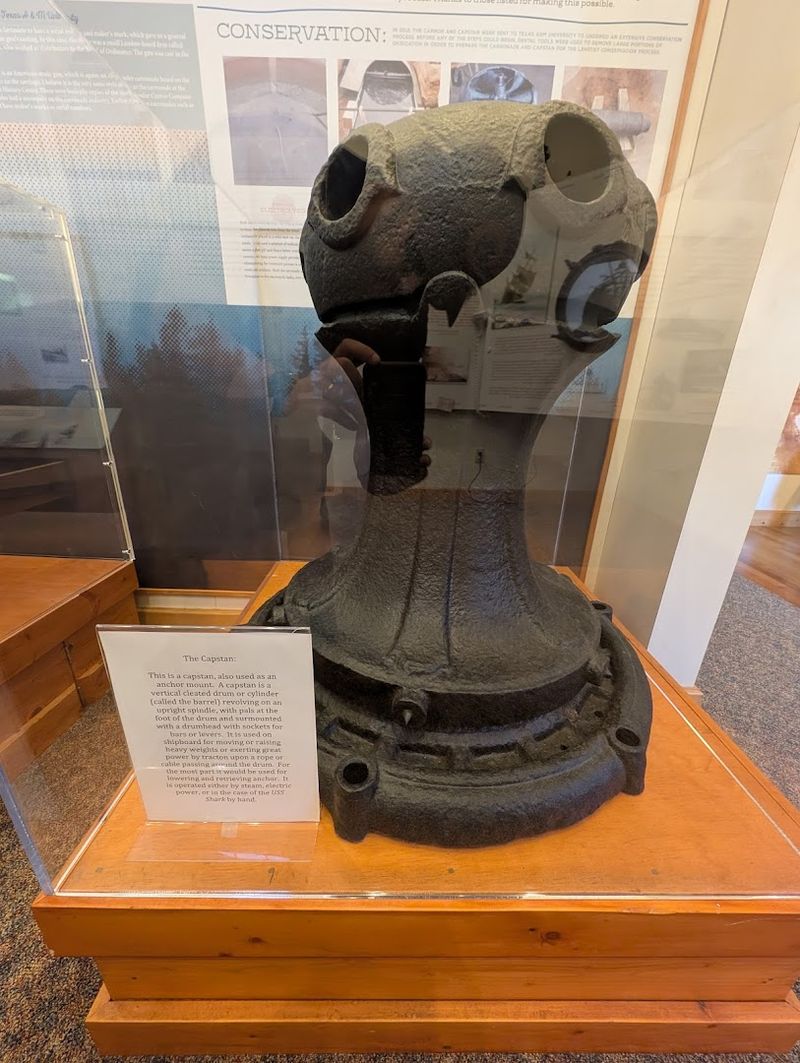
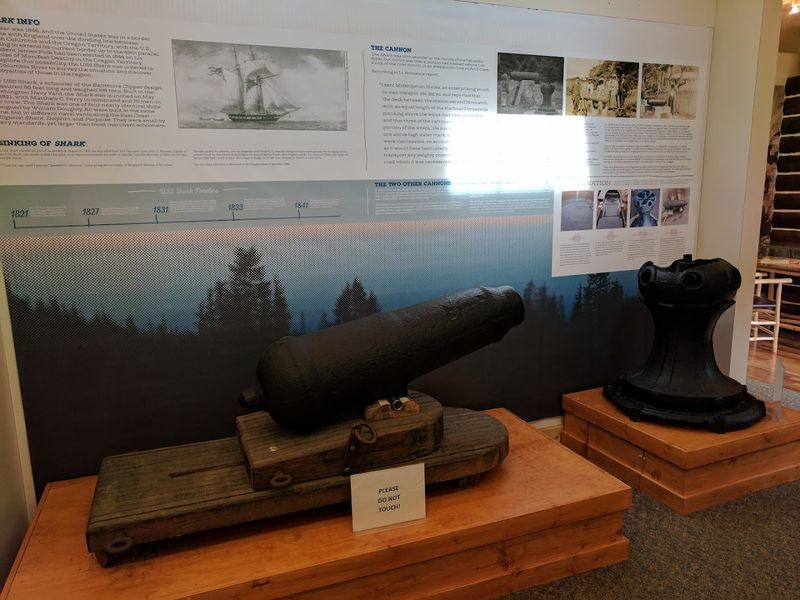
The centerpiece of this museum is the actual cannon recovered from the wreck of the USS Shark, a U.S. Navy schooner that ran aground off the Oregon coast in 1846.
When the ship broke apart, its cannons washed ashore. Local settlers found them on the beach.
That discovery gave the town its name, and one of those cannons now rests right here, behind glass, waiting for you to come see it.
Standing next to it feels oddly emotional. It is heavy, dark, and weathered.
You can almost feel the salt and years baked into the metal. The cannon is not just an artifact.
It is the reason an entire community exists, named and shaped by one dramatic moment of shipwreck on the Pacific shore.
A Timeline That Connects the Town to the World
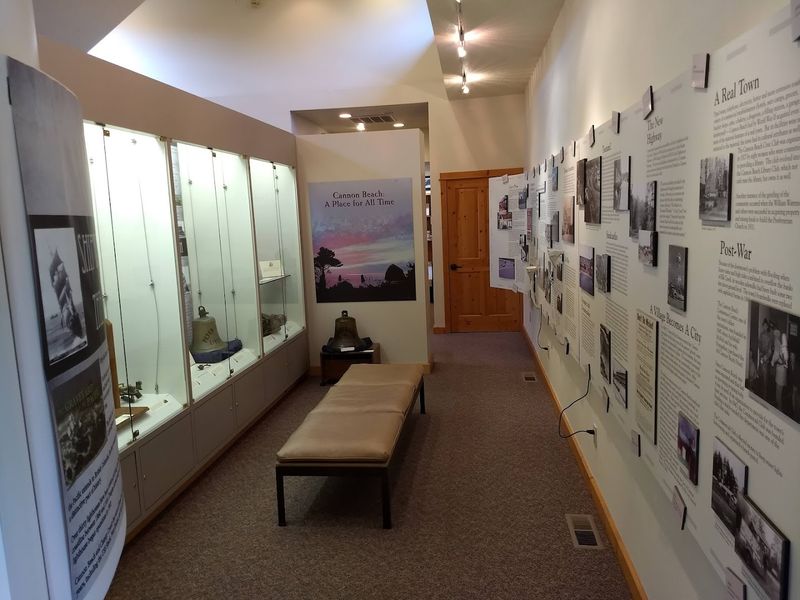
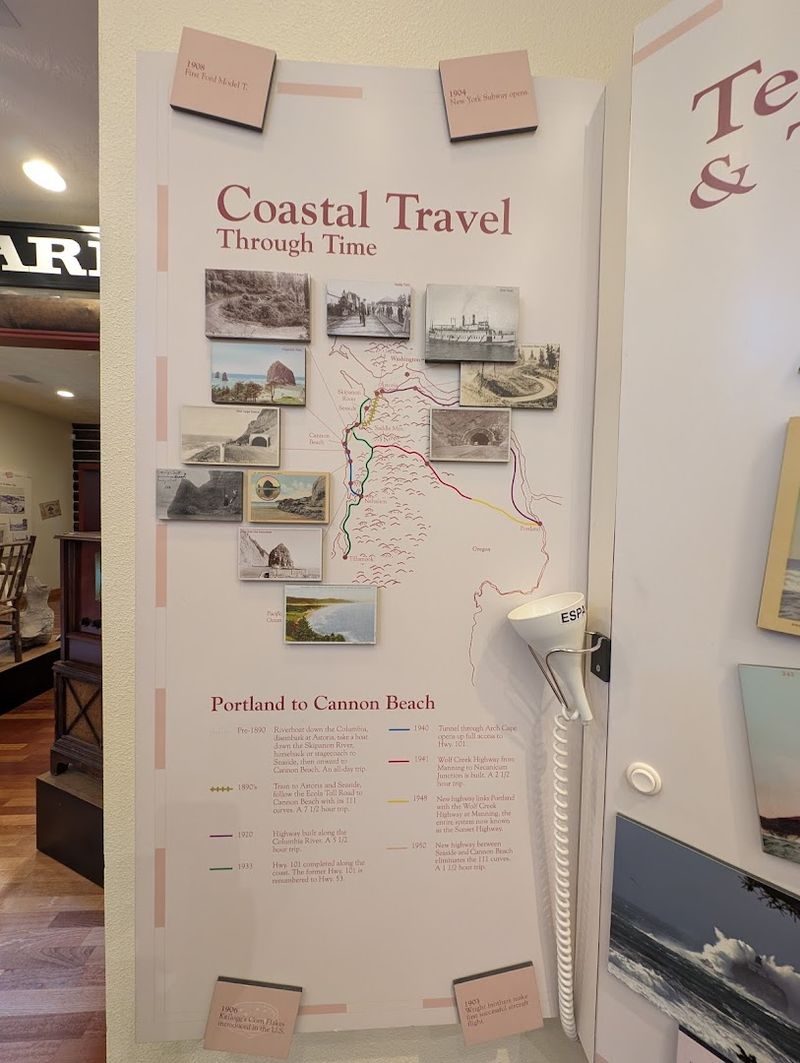
One of the most creative features inside the museum is its historical timeline. It wraps around the inside of the building, showing what was happening in Cannon Beach alongside major world events at the same moment in history.
So when you read about early settlers arriving on the Oregon coast, you also see what else was unfolding globally. It puts a tiny coastal village into a surprisingly big context.
The layout makes history feel connected rather than isolated.
Old photographs from the 1920s line parts of the display. Seeing vintage cars parked near Haystack Rock, in what looks like a completely different era, is genuinely jarring in the best way.
The images are crisp and full of personality. This timeline is not a dusty list of dates.
It is a living, visual story that rewards slow, careful reading and keeps pulling you further along the wall.
The Haunting Story of Tillamook Rock Lighthouse
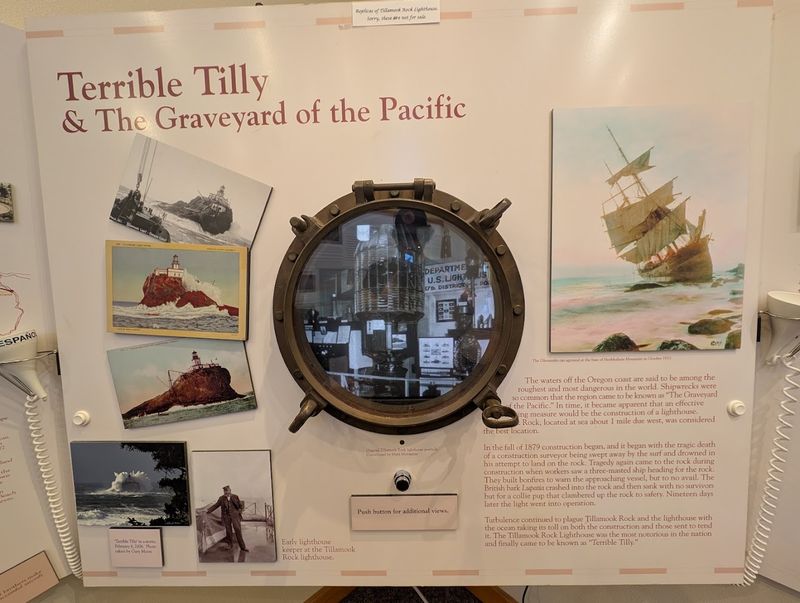
Ask any regular visitor about their favorite exhibit here, and the Tillamook Rock Lighthouse section comes up again and again. Known locally as Terrible Tilly, this offshore lighthouse was one of the most isolated and dangerous postings on the entire Pacific coast.
The museum does a remarkable job telling its story. Photographs, artifacts, and written accounts capture the brutal conditions keepers endured.
Waves sometimes crashed over the top of the structure. Supply deliveries were nearly impossible in rough weather.
There is something deeply haunting about the lighthouse. It still stands offshore, decommissioned and silent, visible from the beach on clear days.
Seeing it through the museum lens first adds a whole new layer to the experience of spotting it from the shore. The exhibit is thorough without being overwhelming.
It is the kind of history that stays with you long after you leave the building and walk back out into the salt air.
Shipwrecks, Beeswax, and Buried Mysteries
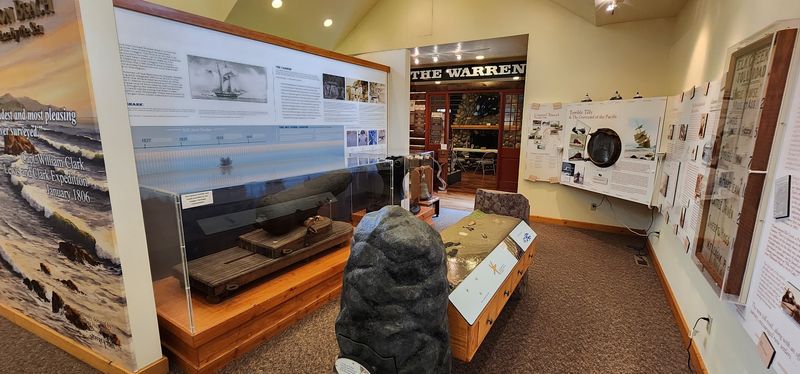
Long before American settlers arrived, a ship believed to be a Spanish or Manila galleon wrecked off this stretch of coastline. The clue it left behind was unusual.
Large chunks of beeswax kept washing ashore for centuries, puzzling historians and beachcombers alike.
The museum dedicates real space to this mystery. The beeswax shipwreck exhibit is one of those stories that sounds almost too strange to be real.
Beeswax was a valuable trade commodity, and the sheer volume found here suggests a significant cargo.
Artifacts and explanations are presented clearly, even for younger visitors. The exhibit raises more questions than it answers, which is part of what makes it so compelling.
Standing there, thinking about an unknown ship going down in these waters hundreds of years ago, makes the Oregon coast feel ancient and layered in ways that a beach walk alone never could. It is quiet, curious history at its most absorbing.
Indigenous Roots and the First People of This Coast
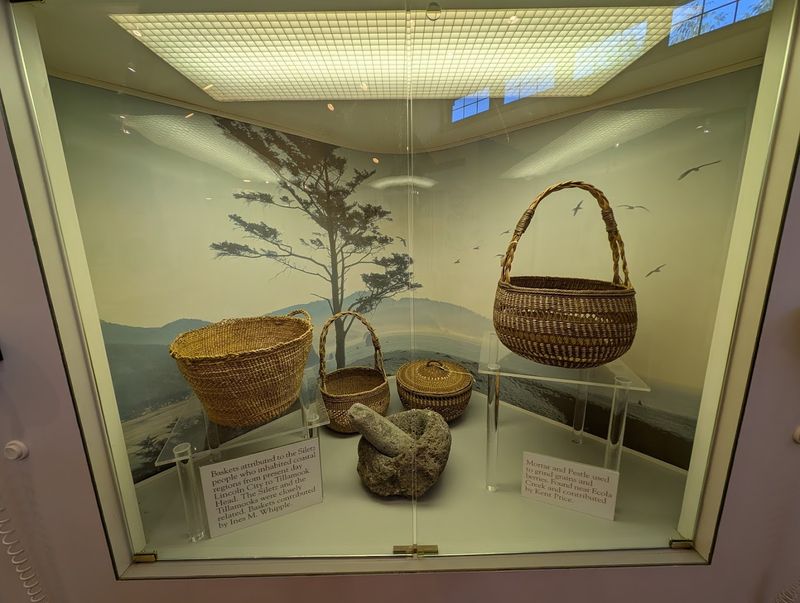
The museum takes care to honor the people who called this coastline home long before any town existed here. Exhibits acknowledge the indigenous tribes of the region, giving their history proper space and respect within the broader story of Cannon Beach.
This is not a footnote. It is woven into the overall narrative of how this place came to be.
Visitors who pay attention will leave with a much fuller picture of the land they are standing on. That context matters, especially in a town that draws so many tourists each year.
One recent visitor specifically appreciated the inclusion of tribal history alongside the Friends of Haystack Rock program, noting how the museum connects environmental stewardship to cultural roots. That combination feels intentional and thoughtful.
History museums can sometimes skip the harder, older chapters. This one makes a genuine effort not to, and that honesty makes the whole experience more grounded and real.
The Annual Parade and Sandcastle Days Celebration
Cannon Beach has a personality all its own, and part of that personality lives inside a dedicated room in this museum. The exhibit covers the town’s beloved annual parade and the famous Sandcastle Days event, a tradition that has drawn artists and spectators for decades.
Photographs of past sandcastle competitions are genuinely impressive. The level of artistry people bring to a temporary medium built entirely from sand is hard to fully appreciate until you see it documented this carefully.
Massive sculptures, intricate details, all of it gone with the tide.
There is something bittersweet and beautiful about celebrating art that disappears. The museum captures that spirit well.
Seeing how the community has gathered year after year around these shared rituals gives Cannon Beach a warmth that goes beyond its obvious natural beauty. The town has built real traditions, and this room is where those traditions are honored and kept alive for future visitors to discover.
Friendly Volunteers Who Actually Know Their Stuff
The people inside this museum might be its best feature. Volunteer docents here are not just standing by the door handing out maps.
They are genuinely enthusiastic about the history of this place, and that energy is contagious.
One visitor raved about a docent named Fish, describing the visit as a great time full of learning. That kind of personal connection is rare in a small museum.
It transforms a self-guided walk through exhibits into something closer to a real conversation about place and time.
The volunteers clearly know the material deeply. They can answer off-script questions, point out details you might miss, and share context that is not on any display panel.
Stopping to chat with them adds a whole layer to the visit. If you tend to rush through museums, this is one place where slowing down and asking questions will reward you in ways you did not expect going in.
A Gift Shop With a One-of-a-Kind Souvenir
Not many museum gift shops can claim to sell something you truly cannot find anywhere else nearby. This one can.
The Cannon Beach History Center gift shop is reportedly the only place in the area where you can buy a Goonies doubloon, the same kind of coin featured in the beloved 1985 film.
The Goonies was partly filmed at Ecola State Park, just outside of town. Picking up a doubloon here and then using it at the park feels like a small, joyful way to connect with that cultural history.
It is playful and specific to this exact stretch of coastline.
Beyond the doubloon, the shop carries local history books, postcards, and other thoughtful keepsakes. Everything feels curated rather than generic.
Even if you visit on a tight schedule, browsing the shop for a few minutes is worth it. The items here tell their own small stories about Cannon Beach and the community that keeps this museum running.
Free Admission With a Donation-Based Model
Walking into a museum without paying an entry fee feels almost suspicious at first. But the Cannon Beach History Center truly runs on donations and community support alone.
There is no ticket window, no required purchase. Just walk in, look around, and give what you can.
The museum operates as a private nonprofit. Grants, memberships, and visitor donations keep the lights on and the exhibits updated.
Knowing that makes the suggested donation feel less like a transaction and more like a genuine contribution to something worth preserving.
Several visitors mention leaving a few dollars and feeling good about it. Some pick up a small item from the gift shop as their way of giving back.
Either way, the model works because the experience genuinely earns your goodwill. It is one of those rare places that trusts visitors to do the right thing.
Rotating Exhibits That Reward Return Visits
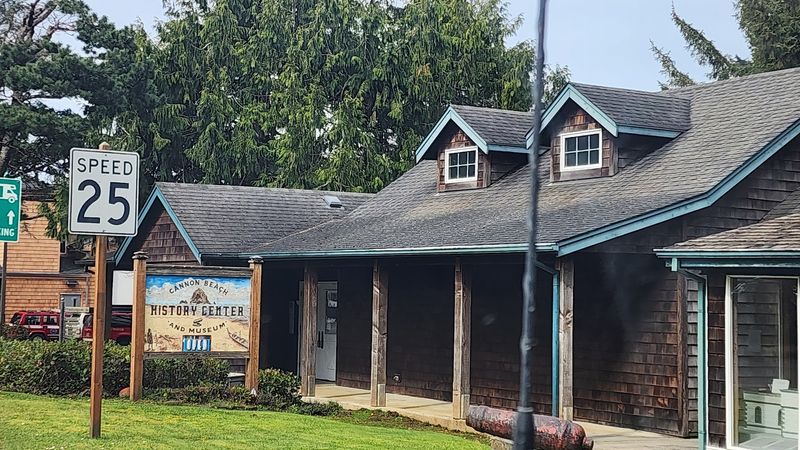
One visit here might not be enough, and that is entirely intentional. The museum rotates its exhibits on a regular basis, meaning the experience genuinely changes between trips.
Long-time Cannon Beach visitors who finally stopped in for the first time have already started planning return visits.
Rotating exhibits keep the museum feeling alive rather than static. You might learn about shipwrecks on one trip and find a completely different local story featured the next time.
That kind of programming takes real effort for a small nonprofit to sustain.
The permanent exhibit is also being updated as funding allows. The museum has been transparent about this process, sharing that a full redesign is underway.
That honesty builds trust. A place that acknowledges its limitations while actively working to improve them is worth rooting for.
If you visited years ago and thought it felt dated, now is a good time to check back in. Something new is always in the works here.
