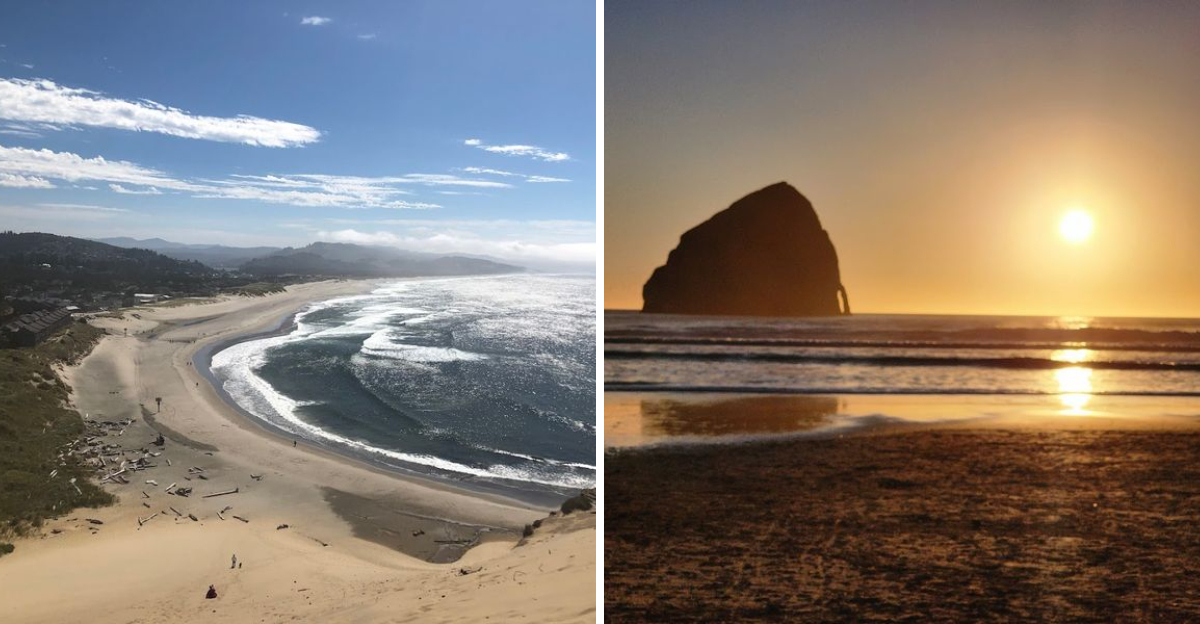
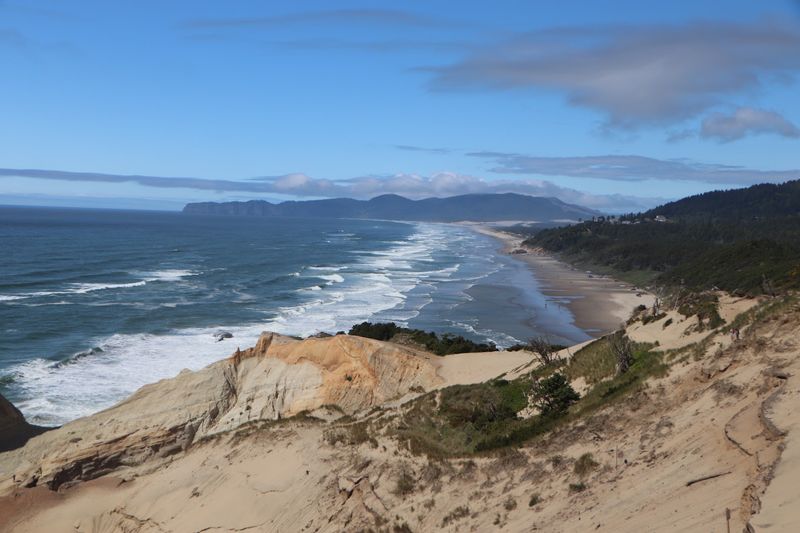
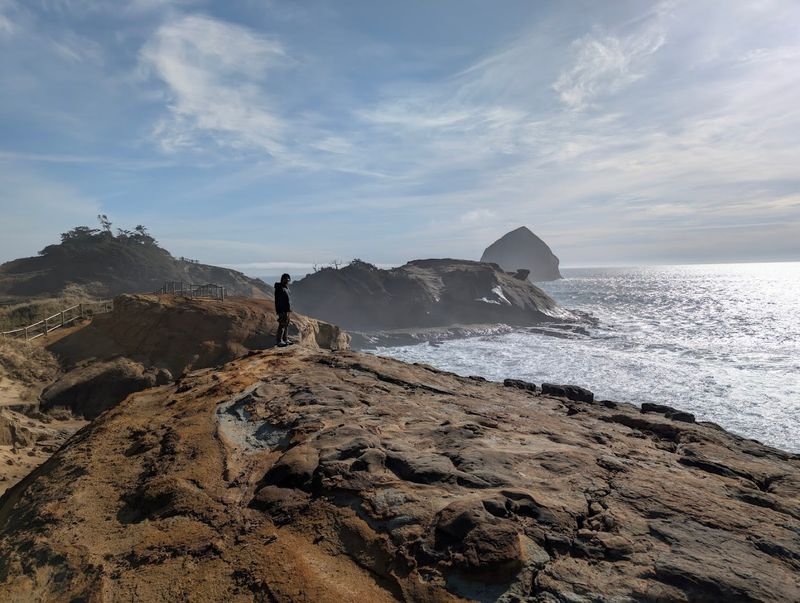
Golden sandstone cliffs rise from the water like a sculpture carved by the sea itself. This stretch of the Oregon coast is all about texture, with layers of rock telling stories that stretch back millions of years.
The views stretch endlessly, with the Pacific crashing against the base of the cliffs in a show of pure power. You can walk along the beach and feel the soft sand shift beneath your feet, or climb the dunes for a different perspective.
The wind is always present, carrying the scent of salt and seaweed that makes the whole experience feel alive. Photographers love this place, because the light changes constantly and every angle offers something new.
Families picnic on the beach, kids chase waves, and couples wander hand in hand along the shoreline. The sunsets here are legendary, painting the sky and the cliffs in shades of orange, pink, and purple.
It is a place that stays with you long after you have brushed the sand from your shoes. And honestly, Oregon does not get much better than this, raw, beautiful, and wonderfully wild.
The Golden Sandstone Cliffs That Make Cape Kiwanda Iconic
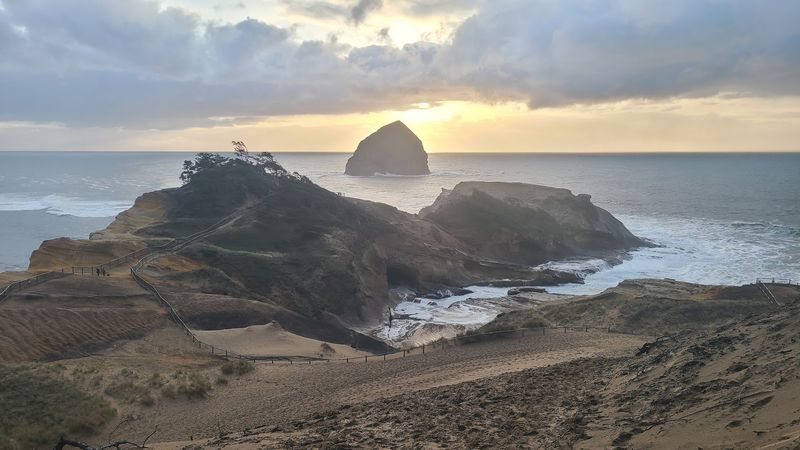
The cliffs at Cape Kiwanda are the first thing that stops you cold. They glow with a warm amber color that shifts depending on the light.
Early morning sun turns them almost orange, while late afternoon softens them to a deep gold.
These cliffs are made of soft sandstone, shaped over thousands of years by wind and sea. You can see layers carved into the rock face like pages in a book.
Each layer tells a small story about the land’s slow transformation over time.
Walking along the base of the cliffs feels surprisingly intimate. The rock walls block the wind in certain spots, giving you a sheltered pocket to stop and breathe.
Visitors often pause here to take photos, run their hands along the textured surface, or simply look up in quiet admiration.
The cliffs frame the beach in a way that feels almost theatrical. Nowhere else on the Oregon Coast looks quite like this, and that distinct character is exactly why Cape Kiwanda draws visitors back again and again.
Climbing the Massive Sand Dune Above the Cape
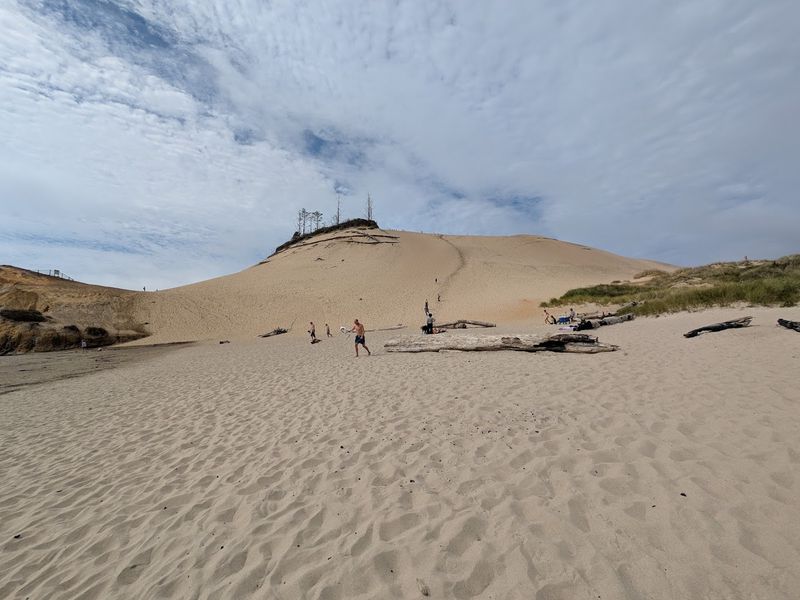
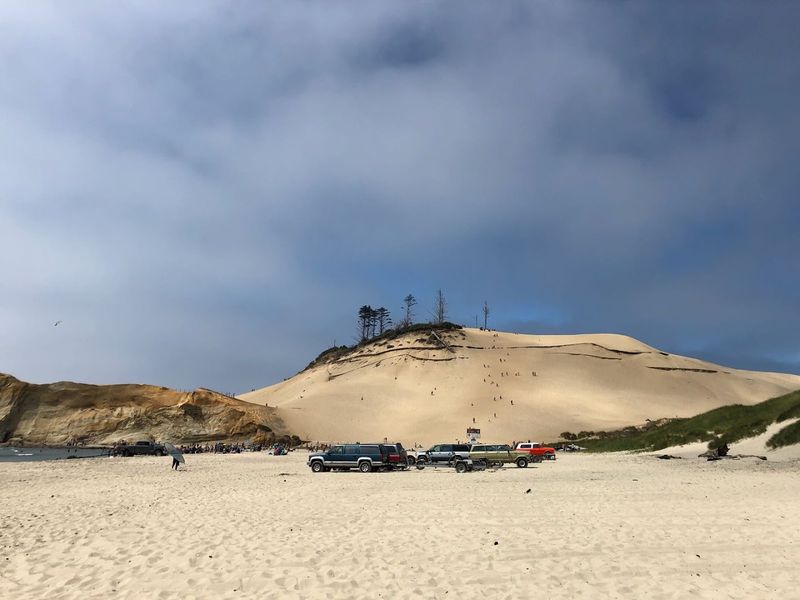
There is a massive sand dune sitting right above Cape Kiwanda, and climbing it is one of those experiences you will not forget quickly. Your legs sink into the soft sand with every step.
Progress feels slow, but the view waiting at the top makes every stumble worth it.
The dune rises sharply and the angle gets steeper near the summit. Most people stop halfway just to catch their breath and look back at the beach below.
The ocean stretches out in every direction from that height, looking impossibly wide and blue.
Coming down is a completely different adventure. Some visitors run straight down the steep face, laughing as their feet sink deep into the sand with every stride.
Others pick a slower path along the gentler ridge side back toward the parking area.
Wind can be strong up there, so tucking your chin and wearing sunglasses makes a real difference. Bring a hoodie and keep your camera secure, because gusts come fast and without much warning at the top.
Pacific Ocean Views That Stretch to the Horizon
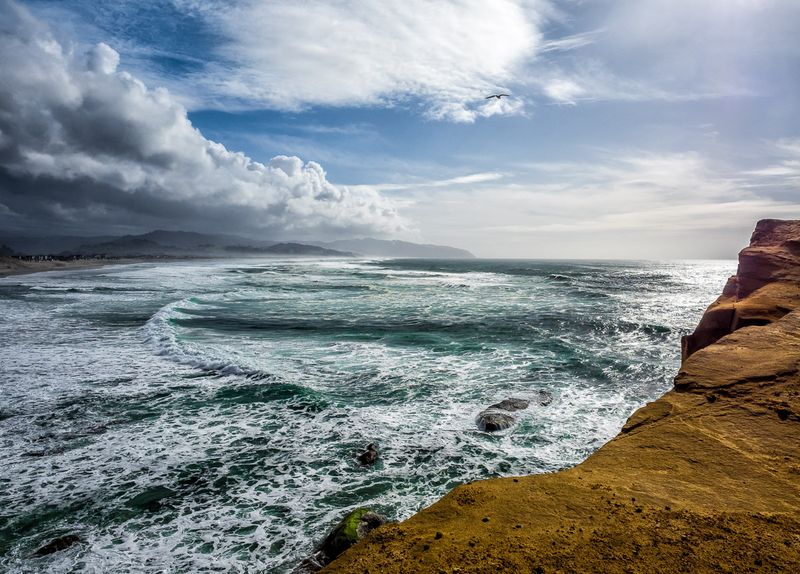
Standing at the top of the cape, the Pacific Ocean fills your entire field of vision. There is no land visible on the horizon, just water rolling endlessly toward the sky.
That kind of view does something to your sense of scale in a very good way.
The ocean here is not calm or glassy. Swells roll in from far offshore and build into powerful, crashing waves near the rocks.
Watching them move is almost hypnotic, especially when a large set arrives and erupts against the base of the cliffs.
On clear days, the color of the water changes from deep navy far out to turquoise near the shore. The contrast between that vivid water and the warm sandstone cliffs creates a scene that looks almost too beautiful to be real.
Photographers spend hours here chasing the right light. Sunset turns the whole scene into shades of pink, orange, and purple that reflect off the wet sand below.
Even a short visit during golden hour leaves a lasting impression that is genuinely hard to shake.
Watching the Dory Boats Launch Through the Surf
One of the most unique sights at Cape Kiwanda is the dory boat launch. Flat-bottomed fishing boats are pushed directly into the surf from the beach, which is a method used here for generations.
Watching it happen for the first time is genuinely thrilling.
The boats hit the incoming waves head-on, bouncing up and crashing down with tremendous force. Somehow they keep moving forward, punching through each wave until they clear the break and reach calmer water.
It takes real skill and timing to pull it off cleanly.
In the afternoon, the boats return by riding a wave straight onto the beach. The crew jumps out quickly and hauls the boat up the sand before the next wave arrives.
It is fast, coordinated, and completely fascinating to observe from the shoreline.
This tradition makes Pacific City one of the only places on the Oregon Coast where boats launch directly from the beach. It gives the area a working, lived-in character that feels very different from more polished coastal destinations nearby.
Exploring the Rock Formations and Tide Pools Below
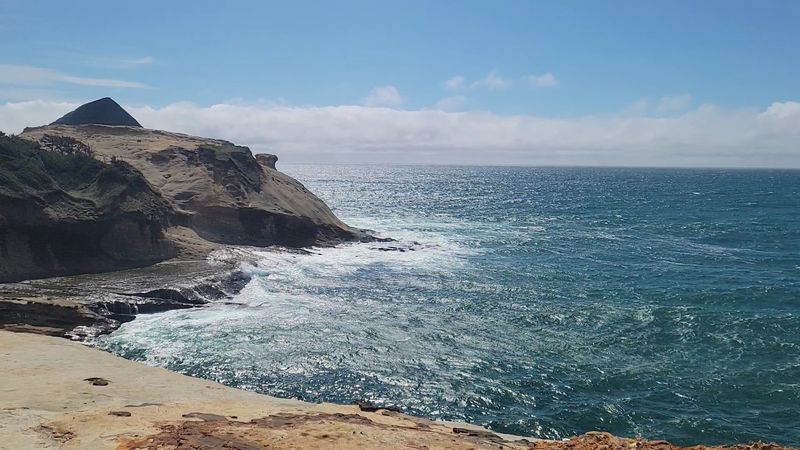
Below the cliffs, a series of rocky outcroppings jut into the water and create natural tide pools. Low tide reveals a hidden world of sea anemones, small crabs, barnacles, and occasionally a sea star clinging to the rock.
It is slow, careful exploration at its best.
Moving across the rocks requires attention and sturdy footwear. Wet rock covered in algae is genuinely slippery, and the footing can shift quickly near the water’s edge.
Rubber-soled shoes or hiking boots make a big difference when navigating this terrain comfortably.
The pools themselves are surprisingly varied. Some are shallow and warm from the sun, filled with tiny creatures going about their quiet lives.
Others are deeper and cooler, connected to the open ocean by narrow channels that flush with each wave.
Signs around the area remind visitors to look but not disturb. Touching the animals or removing shells disrupts a fragile ecosystem that takes years to recover.
Respecting those boundaries keeps the tide pools rich and interesting for every visitor who comes after you.
Catching a Sunset at Cape Kiwanda That Stays With You
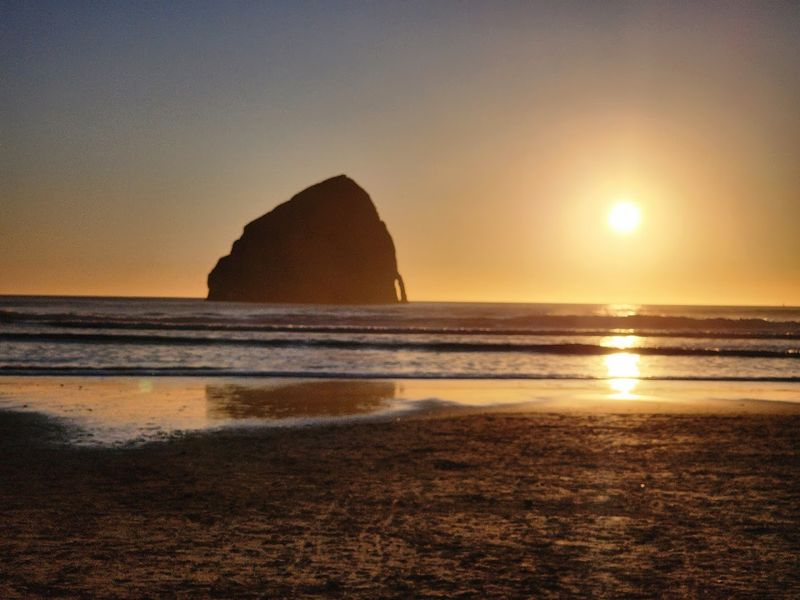
Sunsets at Cape Kiwanda operate on a completely different level than most coastal spots. The sandstone cliffs catch the last light and glow like embers, while the ocean below shifts through shades of copper and rose.
I stood there once not wanting to move until it was fully dark.
Timing matters here. Arriving about forty-five minutes before sunset gives you time to find a good spot on the beach or partway up the dune.
The light changes quickly once it starts, and the best colors often last only a few minutes before deepening into purple.
Clear evenings in late summer and early fall tend to produce the most dramatic skies. Clouds on the horizon can actually improve the scene, catching color and spreading it across a wider portion of the sky.
A partly cloudy evening often beats a perfectly clear one.
Families, couples, and solo travelers all gather here for the nightly show without any announcement or fanfare. Everyone just faces west together, watching something extraordinary happen for free above the Pacific.
The Wide Sandy Beach That Invites Long Walks
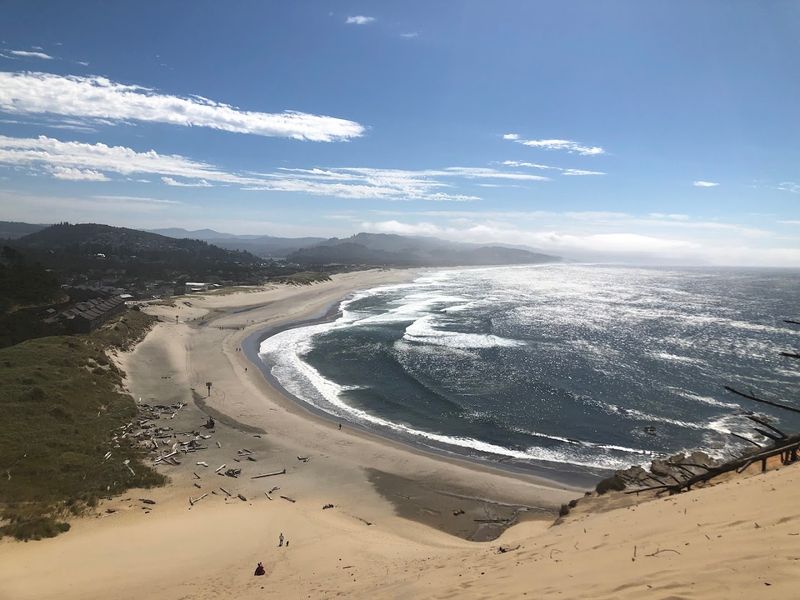
The beach at Cape Kiwanda is wide and generous, the kind of place where you can walk for a long stretch without feeling crowded. Sand stretches in both directions from the base of the cape, giving visitors plenty of room to spread out.
Even on busier days, the space absorbs the crowds well.
Walking south along the beach takes you past the dory boat launch area and into a quieter stretch of shoreline. The sound of the surf is consistent and calming, and the wet sand near the water is packed firm enough for comfortable walking.
Bare feet work perfectly here on a warm afternoon.
Beachcombers find interesting things along this stretch regularly. Agates, shells, and pieces of driftwood wash up after storms, making a slow walk feel like a small treasure hunt.
Early mornings after high tide are the best time to look.
Dogs are welcome on the beach and you will often see them bounding through the surf with obvious joy. The whole atmosphere is relaxed and unhurried, which makes Cape Kiwanda feel like a genuine escape from a busy schedule.
What to Pack and Wear for a Day at Cape Kiwanda
The Oregon Coast has its own weather rules, and Cape Kiwanda follows them firmly. Wind is almost always present, and it picks up quickly near the top of the dune or at the edge of the cliffs.
A windproof layer is not optional on this beach, even in July.
Sand gets into everything here, especially when the wind is blowing. Wearing sunglasses protects your eyes during the dune climb, and pulling a hood or buff over your nose and ears makes the experience much more comfortable.
Small details like these make a real difference on a gusty day.
Layers are the smartest approach to dressing for a visit. Mornings can be cool and foggy while afternoons warm up considerably, only to cool again near sunset.
Packing a hoodie, a light jacket, and a base layer gives you the flexibility to adjust throughout the day.
Sturdy footwear matters if you plan to explore the rocks or climb the dune. Flip flops work on the flat beach, but they quickly become a problem on the sandy slope or uneven rocky surfaces near the tide pools.
Getting There and Making the Most of Your Visit
Cape Kiwanda sits just outside Pacific City, Oregon, making it easy to reach from Portland in roughly two hours by car. The drive along Highway 101 and then inland through the Coast Range is scenic and enjoyable on its own.
Arriving on a weekday helps you avoid the heaviest weekend crowds.
Parking is available near the beach at a fee, so bringing cash or a card is useful. The main lot fills up fast on summer weekends, especially mid-morning.
Arriving early gives you the best choice of parking spots and cooler temperatures for the dune climb.
Restrooms are available near the parking area, which makes planning a full day visit much easier. Bringing your own food and water is a smart move since the beach itself has no vendors.
A small cooler packed with snacks and drinks keeps you comfortable for hours.
Spending a full day here is completely realistic and never boring. Morning tide pools, a midday dune climb, an afternoon beach walk, and an evening sunset create a natural and deeply satisfying rhythm for any visit.
