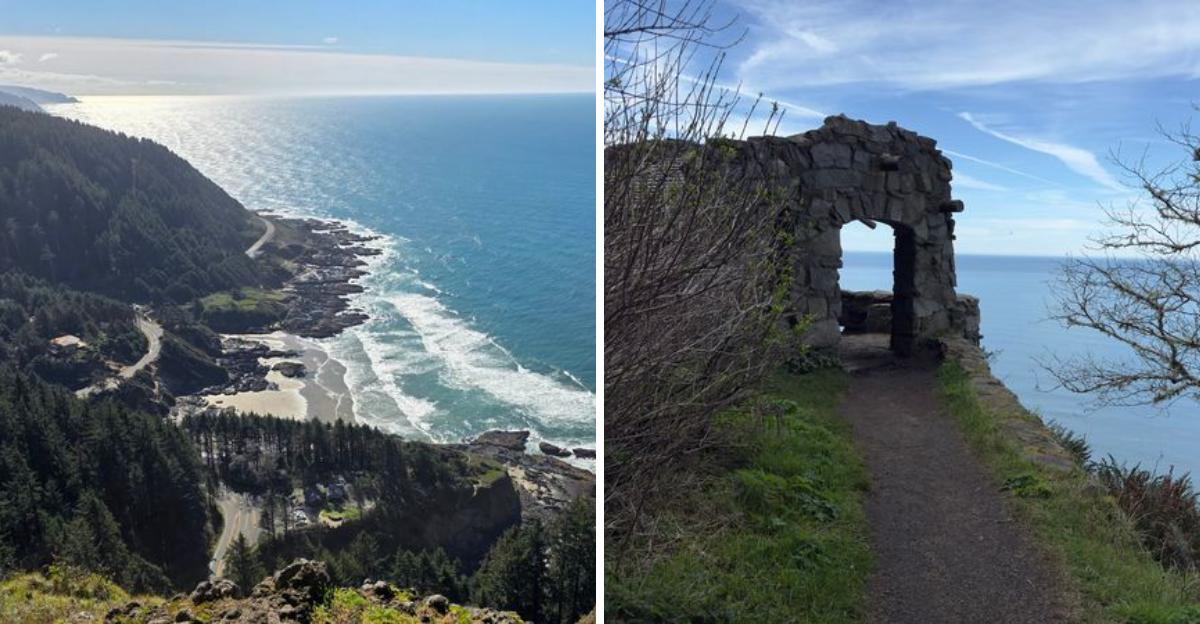
This Oregon coast stop doesn’t give you one highlight – it stacks four natural wonders into a single visit. I arrive expecting a simple viewpoint and immediately realize I’ll be stopping a lot more than planned.
Sea stacks rise dramatically out of the ocean, shaped by time and constant waves. Nearby cliffs drop into powerful surf, where the coastline feels raw and ever-changing.
A tucked-away beach opens up in contrast, quieter and softer, like a hidden pause between the drama. Then forested edges wrap everything together, adding a green frame to the coastline.
Each spot feels different, but they’re all connected within a short walk. The landscape keeps shifting, so every few minutes feels like a new location without ever leaving the area.
It’s the kind of place that makes you slow down just to keep up with how much is happening in one stop.
Thor’s Well: The Draining Hole of the Pacific
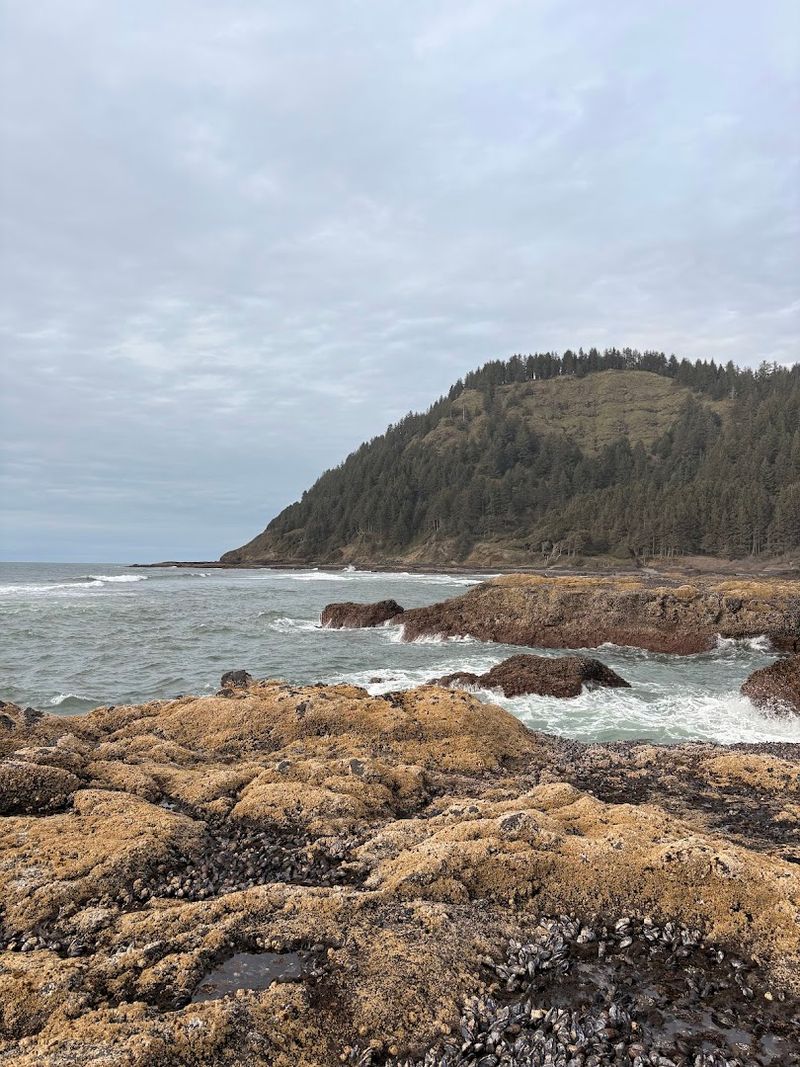
Standing at the edge of Thor’s Well feels like watching the ocean breathe. This natural rock formation sits along the rocky shoreline at Cape Perpetua, and it looks like a giant drain built into the basalt.
Waves rush in, fill the hole, then seem to vanish straight into the earth.
Nobody fully understands why it pulls visitors in so completely. The well is actually a collapsed sea cave, roughly 20 feet deep.
During high tide or stormy weather, the effect is absolutely wild. Water surges up, spills over the rim, then gets sucked back down in a churning rush.
The best time to visit is about an hour before high tide. Bring waterproof shoes because the surrounding rocks get soaked fast.
Stay behind safe boundaries, since sneaker waves here are real and unpredictable. The Cook’s Chasm trail leads directly to the spot from the parking area near the visitor center.
It is a short, easy walk with a massive payoff. Few natural features anywhere on the coast match this kind of raw, theatrical power.
Spouting Horn: Nature’s Own Geyser
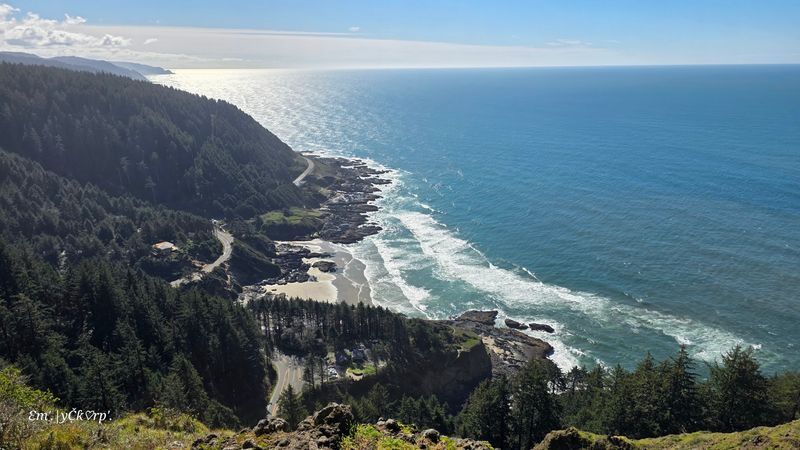
A few steps from Thor’s Well, something entirely different catches your eye. Spouting Horn is a narrow crack in the basalt where pressurized seawater blasts upward like a geyser.
When a big wave hits just right, the spray can shoot 30 feet into the air.
The sound alone is worth the stop. There is a deep, hollow boom that echoes across the rocks before the water even appears.
It hits you in the chest more than the ears, almost like a bass drum buried underground. First-timers always jump a little, which makes it even more fun to watch.
High tide brings the most dramatic shows, but even at lower water levels the horn still performs. The same Cook’s Chasm trail that leads to Thor’s Well passes right by Spouting Horn, so you can catch both in one short walk.
Wear layers because the sea spray travels farther than you expect. This spot proves that the Oregon coast does not need a tourist attraction when it already has geology doing the heavy lifting.
Cape Perpetua Overlook: 800 Feet Above the Sea
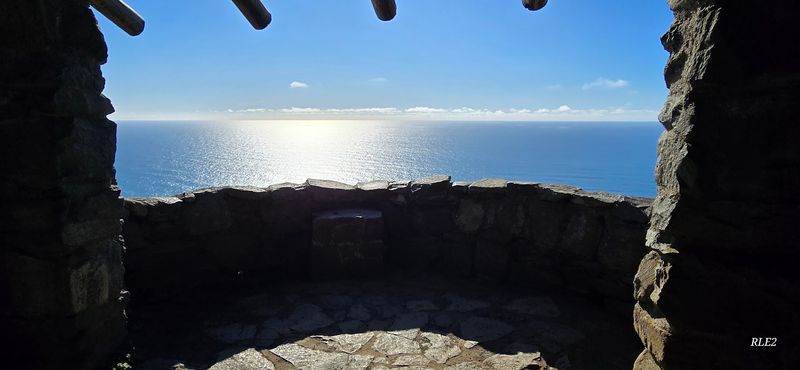
The old stone shelter at the top of Cape Perpetua has been standing since the 1930s, built by the Civilian Conservation Corps. Reaching it feels like stepping into a postcard.
The Pacific stretches endlessly in both directions, and on a clear day the view runs for miles up and down the coast.
You can drive the winding road almost to the summit, which is honestly a great option. For those who prefer hiking, the St. Perpetua Trail climbs about 650 feet over roughly one mile through a lush Sitka spruce forest.
The trees keep the view hidden until the very last stretch, which makes the reveal feel earned.
Looking down from the shelter, you can actually spot Thor’s Well below. The contrast between the peaceful hilltop and the churning coastline beneath is striking.
Fog rolling in from the ocean adds a moody, cinematic layer that no filter could replicate. Keep kids close near the trail edges since drop-offs are steep and close to the path.
A small picnic table near the top invites you to linger longer than planned.
Address: Cape Perpetua Lookout, Yachats, OR 97498
Ancient Spruce Forest: A Living Cathedral of Trees
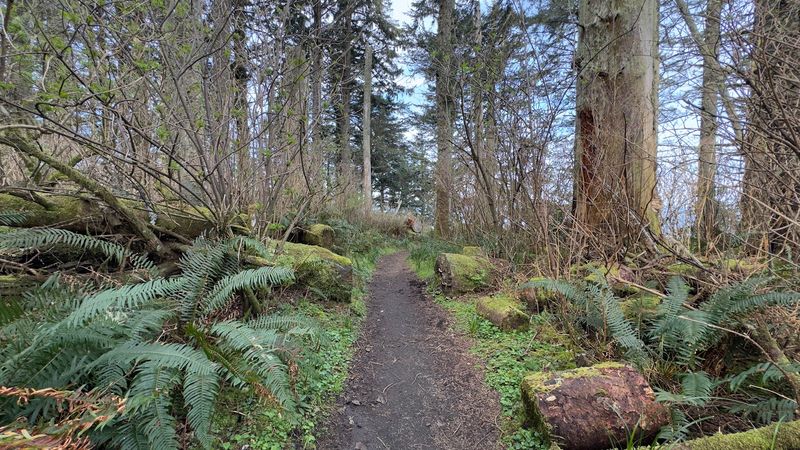
Before the ocean views hit, the forest grabs your attention first. Cape Perpetua is home to some of the oldest Sitka spruce trees on the Oregon coast, with some estimated to be over 500 years old.
Walking among them feels genuinely humbling in a way that is hard to put into words.
The Giant Spruce Trail is a flat, easy half-mile walk that leads to a massive spruce tree near a small creek. The trail is well-maintained and winds through thick undergrowth covered in ferns and moss.
Even on a rainy day, the dense canopy keeps things manageable and adds an almost mystical atmosphere.
Birdsong fills the air here in a way that feels completely separate from the roaring coastline just minutes away. The creek babbles alongside the path, and the ground smells rich and earthy after rain.
This forest trail suits all ages and fitness levels comfortably. It is the kind of place that slows your pace naturally, without any effort on your part.
Spend time here before or after the coastal features for a full, layered experience of what Cape Perpetua truly offers.
Cook’s Chasm: The Rocky Gorge That Swallows the Sea
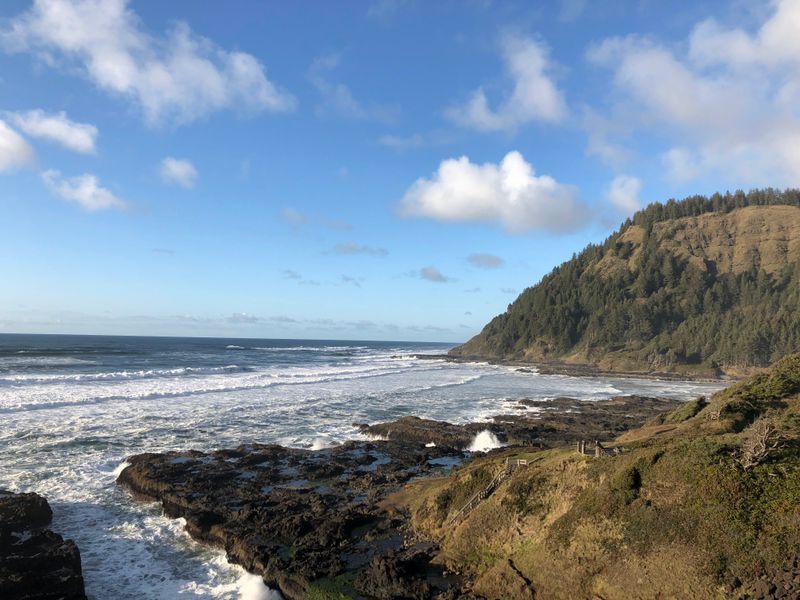
Few places on the Oregon Coast make you feel as small as Cook’s Chasm does. This narrow basalt gorge cuts deep into the rocky shoreline, and when waves push through it, the water surges and roars in a way that’s almost hard to believe.
It’s raw, powerful, and completely unforgettable.
Cook’s Chasm sits right next to Thor’s Well, making it easy to visit both in one short walk. The same basalt shelf that holds Thor’s Well channels waves directly into this jagged crack in the earth.
On high-surf days, the chasm practically explodes with white water.
A paved path leads right to the viewing area, so it’s accessible for most visitors. Stay behind the barriers and always watch for sneaker waves.
Tide Pools of Cape Perpetua: A Hidden Underwater Neighborhood
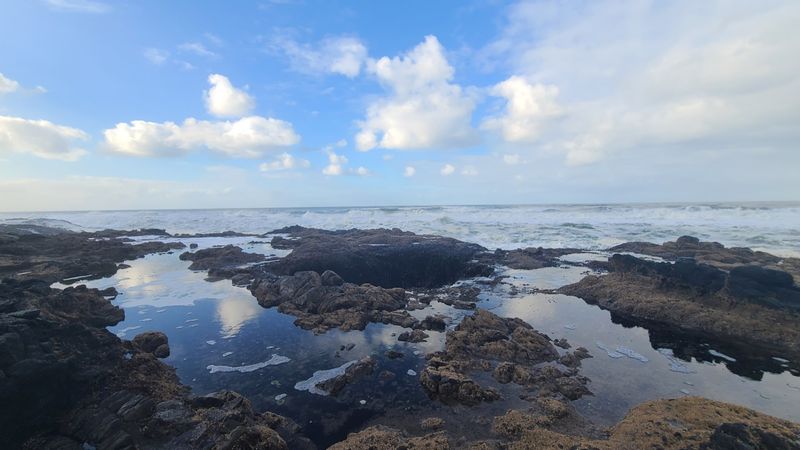
Every low tide at Cape Perpetua reveals a secret world hiding in the rocks. The tide pools here are some of the richest on the entire Pacific Coast, teeming with sea stars, anemones, hermit crabs, and tiny fish darting between crevices.
It feels like peering into a living aquarium.
The best time to explore is during a minus tide, when water pulls back far enough to expose the deepest pools. Bring waterproof shoes because the rocks are slippery, and always step carefully to avoid crushing the creatures living there.
Kids absolutely love poking around these pools. Just remind them to look but not touch, keeping this fragile ecosystem healthy for every visitor who comes after.
Captain Cook Trail: Walking Through Coastal History
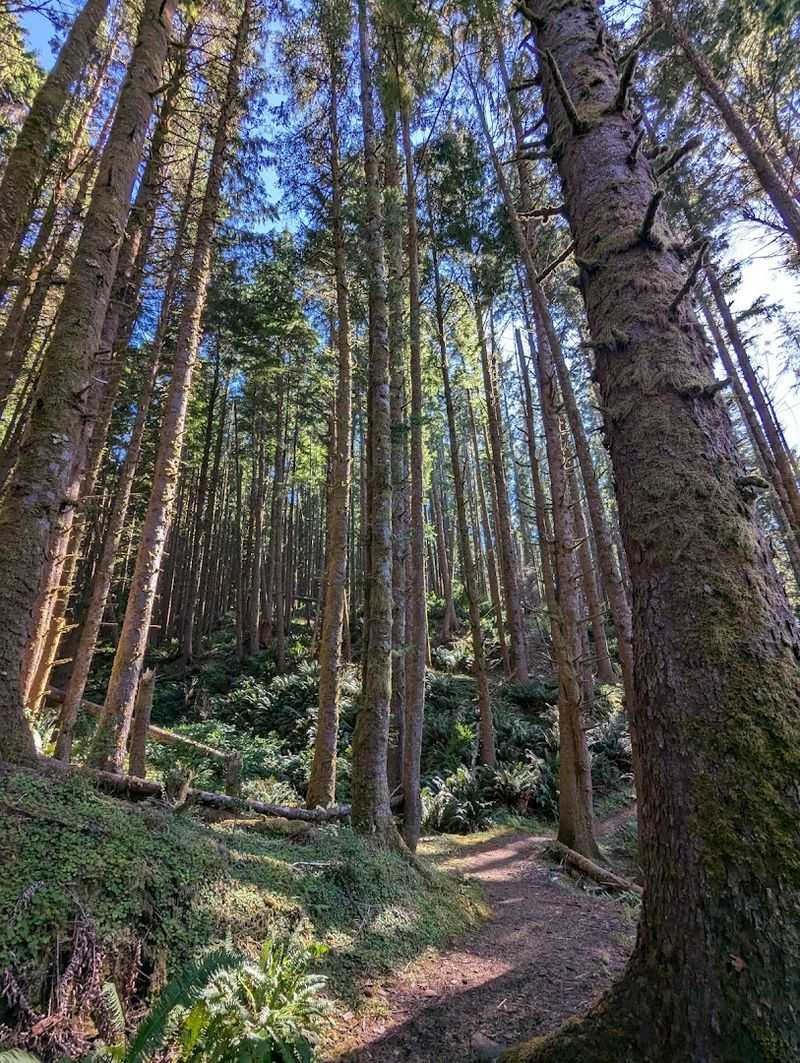
The Captain Cook Trail at Cape Perpetua is short, but it packs in a remarkable amount of scenery. Stretching about two miles round-trip, the trail winds through dense Sitka spruce forest before dropping down to the rocky shoreline where Thor’s Well and Cook’s Chasm await.
It’s genuinely one of the most satisfying easy hikes on the Oregon Coast.
The trail is named after the famous British explorer who sailed these waters in the 1700s, adding a cool historical layer to an already beautiful walk. Informational signs along the path share details about the area’s natural and cultural history.
Most hikers finish in under an hour, making it a perfect warm-up before exploring the tide pools.
Cape Perpetua Visitor Center: Your Best First Stop
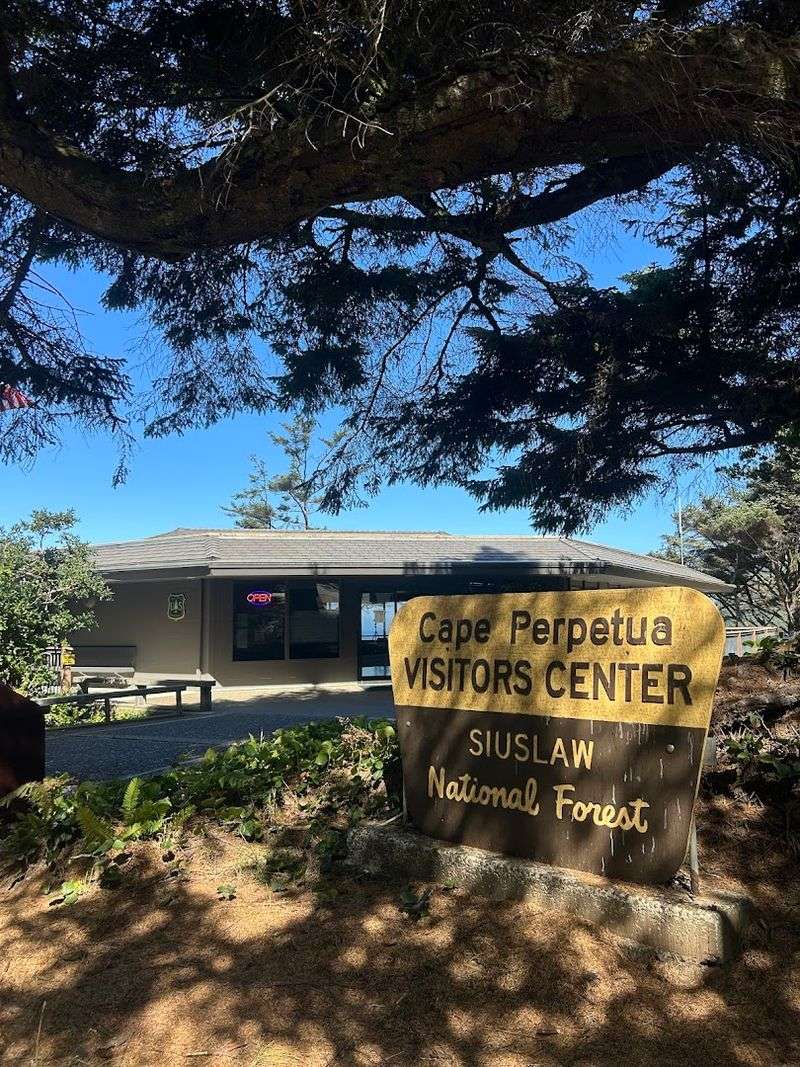
Before you wander off to explore, the Cape Perpetua Visitor Center deserves at least 20 minutes of your time. Run by the Siuslaw National Forest, this small but well-stocked center offers maps, exhibits about the area’s geology and wildlife, and staff who genuinely love answering questions.
It’s the kind of place that turns a good visit into a great one.
The exhibits walk you through how the basalt coastline formed millions of years ago, which makes features like Thor’s Well suddenly make a lot more sense. There’s also information about the area’s Native American history, particularly the Alsea people who lived here long before settlers arrived.
Parking is available right at the center, and it serves as the trailhead for several popular hikes.
St. Perpetua Trail: The Summit Hike Worth Every Step
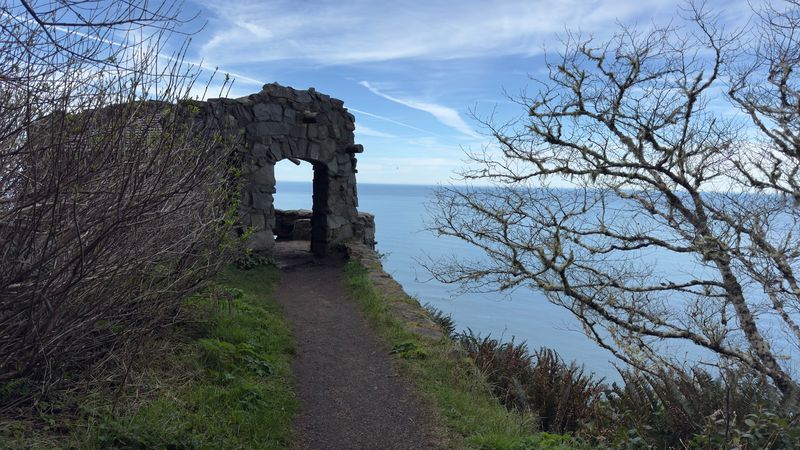
Want to earn those panoramic views instead of just driving to them? The St. Perpetua Trail climbs about 600 feet over roughly two miles, winding through old-growth forest before connecting to the overlook at the summit.
Every step upward rewards you with deeper forest and bigger glimpses of the ocean through the trees.
The trail starts near the visitor center and follows a steady, switchbacking route that’s challenging but manageable for most reasonably fit hikers. Wildflowers bloom along the edges in spring, and the forest stays cool and misty even on warmer days.
Reaching the top on foot feels completely different from driving up. The sense of accomplishment adds something real to that already jaw-dropping view.
Yachats Village: The Tiny Town That Completes the Trip
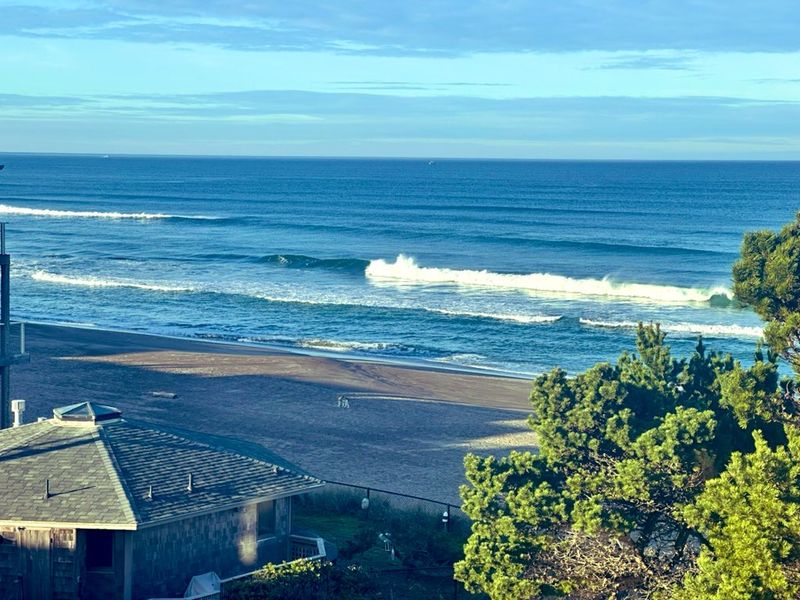
Just three miles north of Cape Perpetua sits Yachats, a tiny coastal town that locals affectionately call the Gem of the Oregon Coast. With a permanent population of fewer than 700 people, it punches well above its weight when it comes to restaurants, bakeries, and quirky little shops.
After a full morning of hiking and tide-pooling, it’s exactly the kind of place you want to land.
The town sits right where the Yachats River meets the Pacific, giving it a dramatic natural setting that draws artists and photographers year-round. Several excellent seafood spots serve fresh Dungeness crab and chowder that taste even better after a salty ocean walk.
Yachats also makes a smart base camp if you plan to spend more than one day exploring Cape Perpetua.
Dear Reader: This page may contain affiliate links which may earn a commission if you click through and make a purchase. Our independent journalism is not influenced by any advertiser or commercial initiative unless it is clearly marked as sponsored content. As travel products change, please be sure to reconfirm all details and stay up to date with current events to ensure a safe and successful trip.
