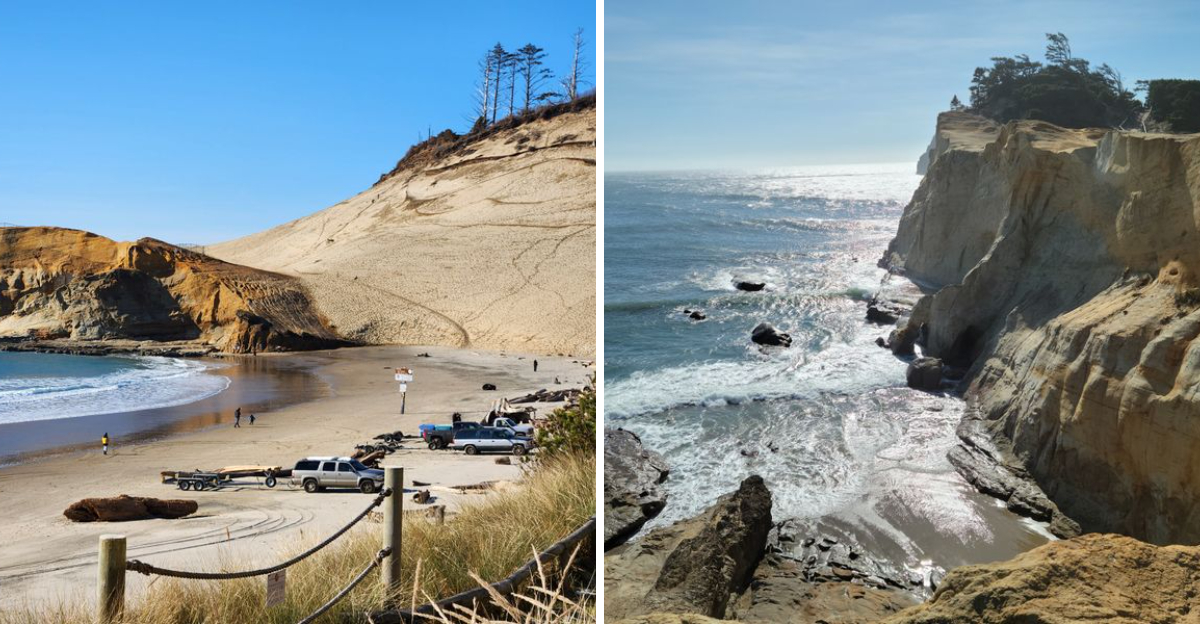
Cape Kiwanda was once my quiet refuge on the Oregon coast, one of those rare Oregon places where the world felt slower and the cliffs glowed honey-gold at sunset.
Back then, the soundtrack was crashing waves and dory boats sliding onto shore, not crowds shouting over each other.
These days, it barely feels like the same spot. Overflowing parking lots, packed dunes, and crumbling sandstone have replaced that peaceful magic.
Endless footsteps have worn down the cliffs, and reckless behavior has pushed many locals, myself included, to stay away during busy weekends. Summer now brings chaos instead of calm.
Watching a place this beautiful get loved to death hurts more than I expected. The dune that once felt like a secret playground now feels like a theme park ride with no off switch.
Cape Kiwanda is still stunning, but the soul of it feels painfully quieter.
Deadly Sandstone Cliffs Everyone Ignores
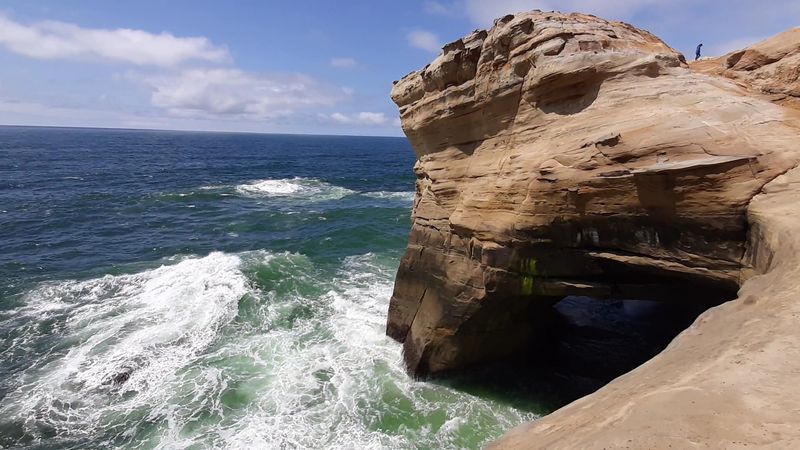
People treat these ancient sandstone cliffs like a jungle gym, and it makes me furious every time I visit. The warning signs are everywhere, the fences are clearly marked, yet tourists hop over them constantly to snap photos inches from the crumbling edge.
Since 2009, at least seven people have died here because they ignored basic safety rules.
The rock itself is incredibly fragile. Wind and water have been sculpting it for thousands of years, and every footstep accelerates the erosion.
I’ve watched chunks the size of refrigerators break off without warning.
What really gets me is how preventable these tragedies are. Locals know to keep a respectful distance and appreciate the cliffs from safe viewing areas.
But visitors seem to think the rules don’t apply to them, that their Instagram photo is worth risking their life. The result is a beautiful natural formation that’s literally being destroyed by the people who claim to love it most.
Rangers can’t be everywhere at once, and the disrespect continues daily across this stunning Oregon coastline.
Parking Lot Nightmare Driving Locals Away
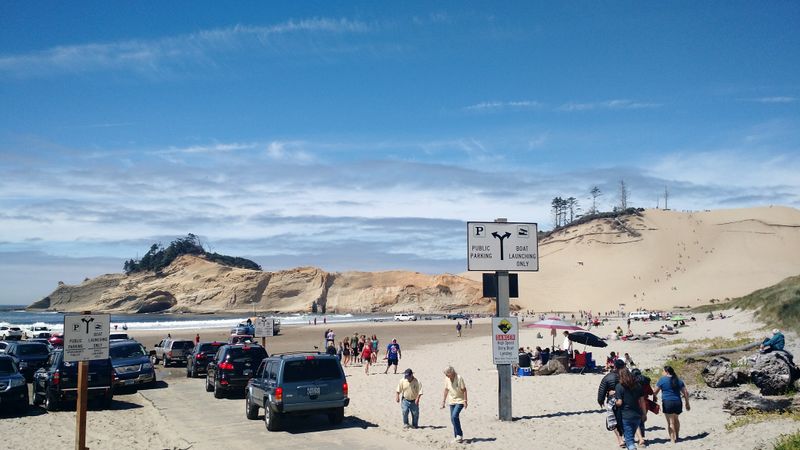
I remember when finding parking at Cape Kiwanda meant pulling into an almost empty lot and having my pick of spots. Those days are long gone.
Now the main parking area is a frustrating maze of circling vehicles, with people waiting aggressively for anyone showing signs of leaving. The $10 parking fee doesn’t help either, though I understand it goes toward maintenance.
During peak summer months and holiday weekends, the lot fills up by 9 a.m. I’ve seen cars parked illegally along the highway, blocking driveways, and creating dangerous situations.
The overflow has pushed into residential areas where Pacific City locals actually live, turning quiet streets into chaotic parking zones.
Most of us who grew up around here have simply stopped coming during tourist season. Why fight the crowds when Oregon has hundreds of other beautiful coastal spots?
The parking situation alone has transformed Cape Kiwanda from a relaxing destination into a stressful ordeal. I stick to early mornings on random Tuesdays now, the only time it remotely feels like the place I used to know and love.
Sandstone Formations Crumbling Under Foot Traffic
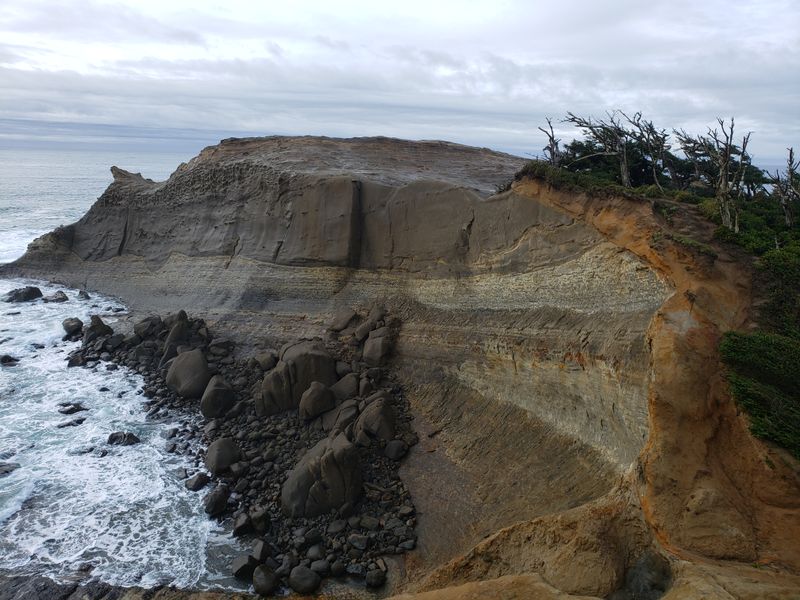
The geological formations here are absolutely stunning, layers of orange, tan, and rust-colored sandstone that tell millions of years of coastal history. Or at least they used to be stunning before thousands of feet started trampling across them daily.
I’ve watched favorite spots literally disappear over the past decade.
These aren’t granite boulders that can withstand heavy use. Sandstone is soft, porous, and incredibly vulnerable to erosion.
Every person who climbs on the formations, carves initials, or walks across delicate layers accelerates damage that nature would take centuries to create. Scientists have documented significant changes in the topography just from increased tourism.
What breaks my heart most is seeing parents let their kids jump on these ancient rocks like playground equipment. There’s no malice in it, just complete ignorance about what they’re destroying.
The unique honeycomb patterns, the wave-carved alcoves, the colorful striations are all vanishing. Oregon’s coast has lost irreplaceable natural features to thoughtless tourism, and Cape Kiwanda’s sandstone is next unless something changes dramatically and soon.
Sand Dune Turned Into Chaotic Attraction
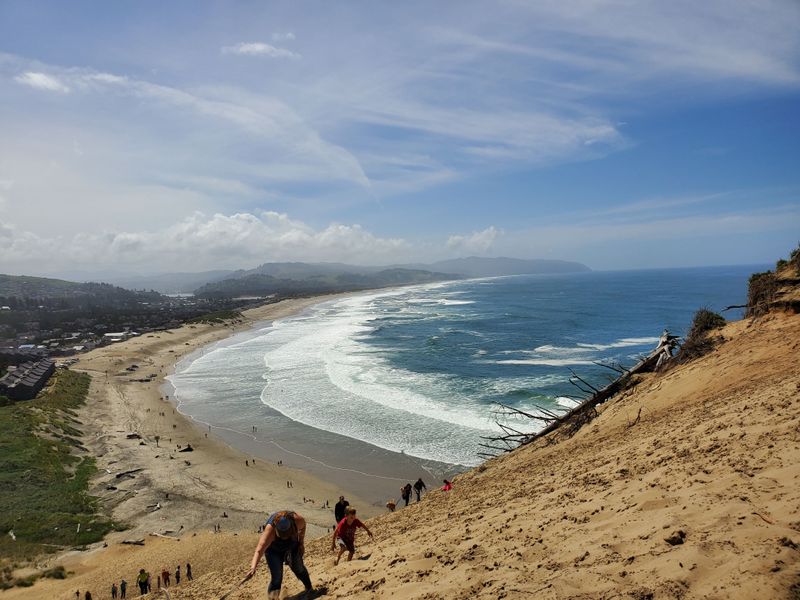
Climbing the massive sand dune used to be this peaceful, almost meditative experience where you’d encounter maybe a handful of other people. Now it looks like an anthill, with hundreds of tourists swarming up and down at all hours.
The experience has gone from serene to circus-like in just a few years.
The dune itself is struggling under the pressure. Erosion patterns have changed dramatically, and there was even a dangerous sinkhole that opened up from all the foot traffic.
Rangers had to close sections temporarily, which of course just made people angrier instead of more understanding about conservation.
I used to love reaching the top and feeling like I’d accomplished something special, with incredible views of the Oregon coastline stretching in both directions. Now I’m dodging screaming kids, stepping around people’s abandoned trash, and trying to avoid getting hit by someone’s out-of-control descent.
The wind still whips sand everywhere, but instead of feeling wild and natural, it just feels crowded and commercialized. The magic is completely gone from what was once my favorite coastal hike.
Beach Driving Destroying Habitat And Trapping Vehicles
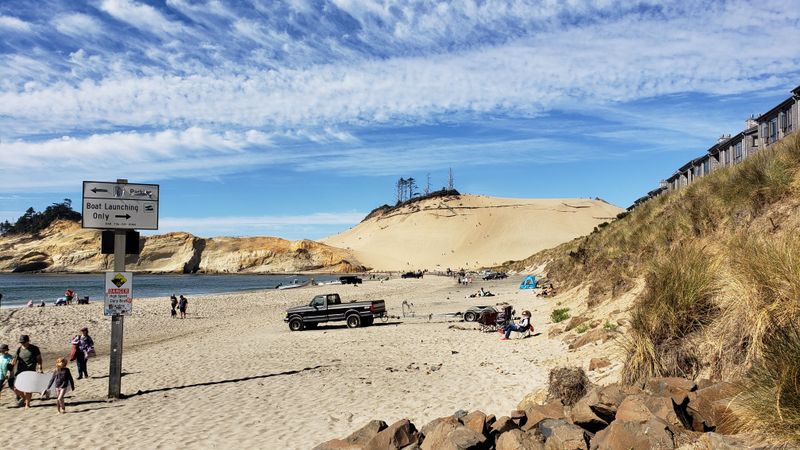
McPhillips Beach allows vehicle access, which sounds convenient until you see how badly tourists abuse the privilege. I’ve lost count of how many times I’ve watched overconfident drivers in rental SUVs barrel onto the sand, ignore the clearly marked prohibited zones, and end up axle-deep in soft sand within minutes.
Then they expect locals to drop everything and help dig them out.
The environmental damage is even worse than the inconvenience. Vehicles driving through sensitive habitat areas crush invertebrates, destroy bird nesting sites, and compact sand in ways that disrupt the entire ecosystem.
Scientists have documented significant wildlife impacts in areas with heavy vehicle traffic along the Oregon coast.
What really frustrates me is that there are designated driving areas that are perfectly safe and legal. But tourists see the beach as their personal playground and drive wherever they want, damaging fragile dunes and getting stuck in dangerous locations near the surf.
High tide has trapped more than a few vehicles, turning their beach joyride into an expensive, embarrassing disaster that could have been completely avoided with basic common sense and respect.
Dory Fleet Landing Area Blocked By Clueless Crowds
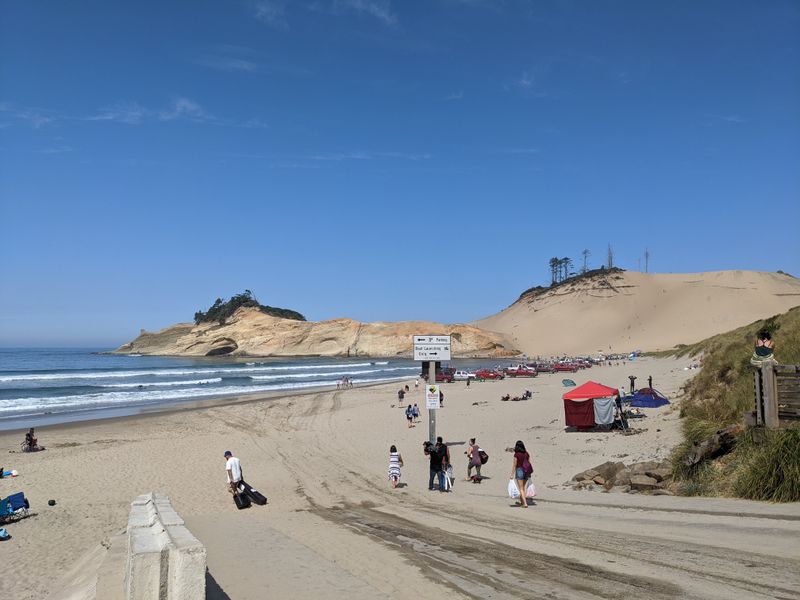
The dory fleet is one of the last remaining traditions of its kind on the entire West Coast. These flat-bottomed boats literally fly through the surf and land directly on the beach, a technique that’s been used here for generations.
Watching skilled fishermen navigate the waves is absolutely breathtaking when you actually understand what you’re seeing.
Tourists have turned the landing area into a photo opportunity zone, standing exactly where boats need to land and refusing to move even when captains are obviously coming in. I’ve seen near-misses that could have been deadly, all because someone wanted the perfect Instagram shot.
The disrespect is staggering.
Local fishermen have reported increased difficulty operating safely because they can’t count on the landing zone being clear. Some have started launching from different locations just to avoid the crowds, disrupting generations of tradition.
This is a working beach, not a theme park, but visitors treat it like entertainment provided for their amusement. The dory fleet represents Pacific City’s heritage and Oregon’s maritime history, yet it’s being pushed aside by people who care more about social media than preserving something truly special and irreplaceable.
Trash And Pollution Overwhelming The Beach
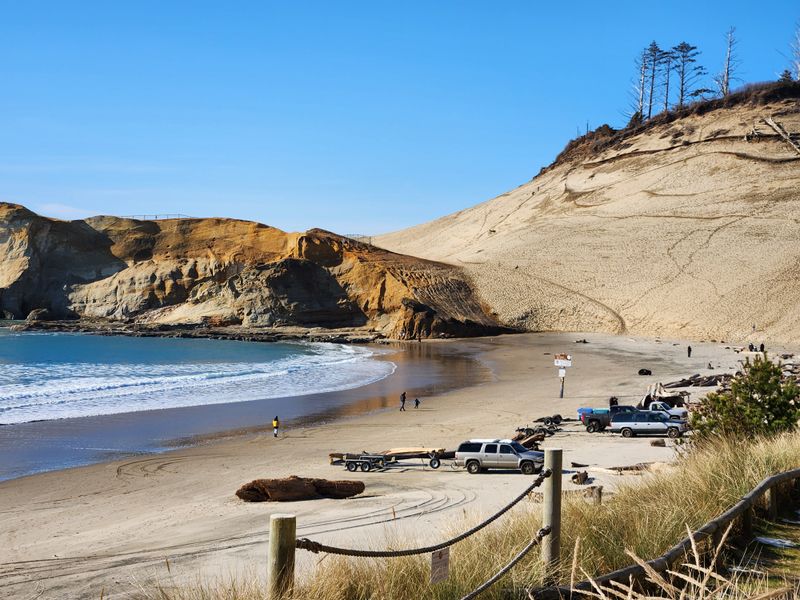
I’ve started bringing an extra bag on my walks just to pick up trash, and it fills up depressingly fast every single time. The sheer volume of garbage left behind by tourists is overwhelming.
Plastic water bottles, food wrappers, broken beach toys, and countless cigarette butts create a disgusting mess across what should be pristine Oregon coastline.
The worst part is watching people actively litter, like the beach is their personal dumping ground. I’ve confronted folks who just shrug and walk away, as if the sand magically cleans itself.
Storm drains carry much of this trash directly into the ocean, where it harms marine life and contributes to the massive Pacific garbage patches.
Locals organize regular beach cleanups, but we can’t keep up with the constant influx of new trash. The parking lot trash cans overflow by noon on busy days, and instead of taking garbage with them, people just pile it around the bins or abandon it wherever.
Cape Kiwanda used to be a place where you could walk barefoot without worrying about stepping on sharp objects or wading through debris. Now I wear shoes constantly and feel sad every time I visit this once-beautiful spot.
Surf Breaks Overcrowded With Inexperienced Tourists
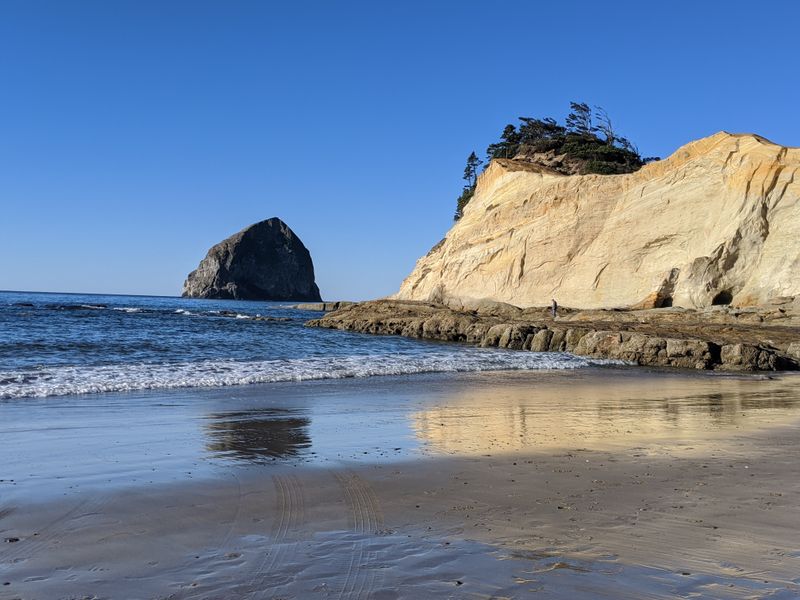
The waves near Haystack Rock used to be a local surf spot where you’d recognize every face in the lineup. Now it’s a chaotic mess of surf school groups, inexperienced tourists on rental boards, and people who have no business being in these conditions.
The vibe has gone from friendly and respectful to tense and sometimes dangerous.
Surf etiquette exists for safety reasons, but beginners often don’t know or don’t care about the rules. I’ve seen collisions, near-drownings, and aggressive confrontations over wave priority.
What used to be a relaxing session now requires constant vigilance just to avoid getting hit by someone’s out-of-control board.
Local surfers have largely abandoned the main breaks during tourist season, seeking out more remote spots along the Oregon coast where the crowds haven’t discovered yet. It’s frustrating to be pushed out of waves we’ve been riding for decades by people who’ll be gone in a week.
The ocean doesn’t care about your vacation schedule, and these conditions demand respect and skill that many visitors simply don’t have. Cape Kiwanda’s surf culture has been completely transformed, and not for the better.
Small Town Charm Replaced By Instagram Chaos
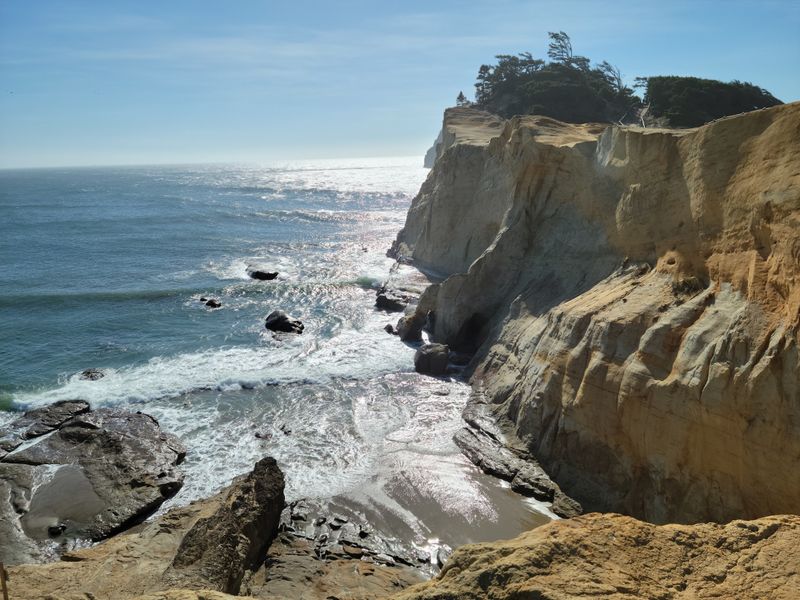
Pacific City used to be this sleepy little coastal village where everybody knew everybody, where you could grab coffee and chat with neighbors without fighting through crowds. That quiet, authentic small-town feel has been completely obliterated by year-round tourism that never seems to slow down anymore.
The character of the entire community has changed.
Social media turned Cape Kiwanda into a must-see destination, which sounds great for business until you realize it’s destroying the very qualities that made it special. Locals can’t afford housing anymore because of vacation rentals.
Traffic is constant. The genuine, laid-back Oregon coast vibe has been replaced by influencers staging photo shoots and tourists rushing from one attraction to the next.
I miss the days when visitors came to actually experience the place, not just collect proof they were here. The Instagram-chasing atmosphere feels hollow and performative.
Long-time residents are moving away because Pacific City doesn’t feel like home anymore. The community that welcomed visitors warmly for generations is exhausted, frustrated, and increasingly resentful.
Cape Kiwanda has become a victim of its own beauty, loved to death by people who never stop to consider the impact of their presence on those of us who actually live here.
Dear Reader: This page may contain affiliate links which may earn a commission if you click through and make a purchase. Our independent journalism is not influenced by any advertiser or commercial initiative unless it is clearly marked as sponsored content. As travel products change, please be sure to reconfirm all details and stay up to date with current events to ensure a safe and successful trip.
