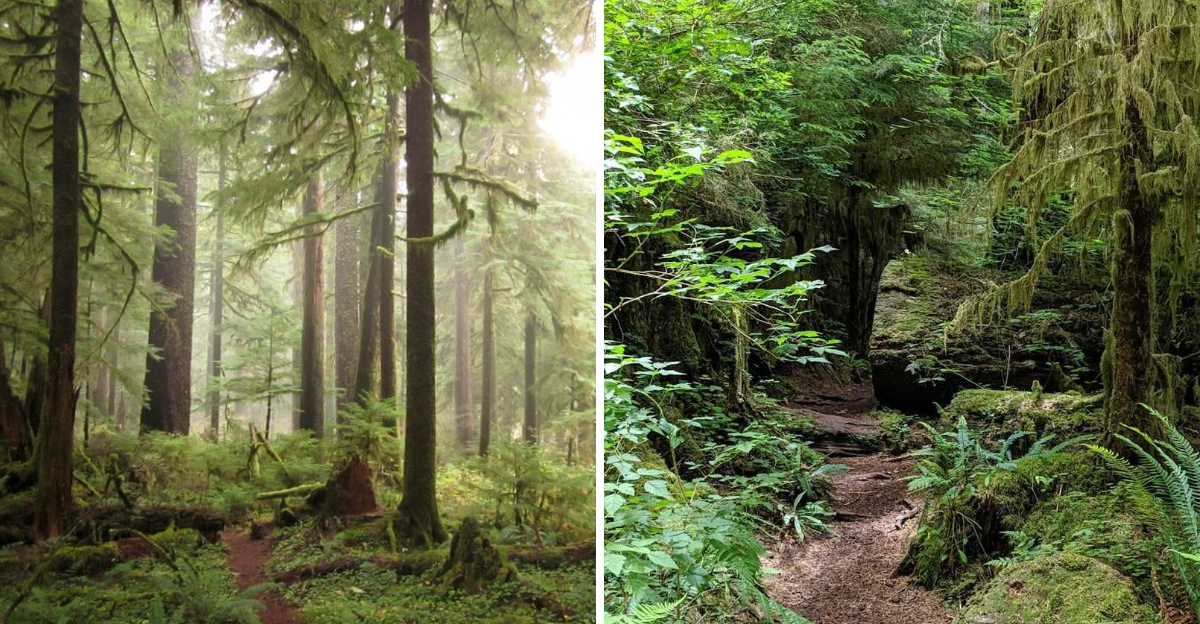
Hidden within a fortress of rocky cliffs, this remote valley shelters trees that were already ancient when the first explorers crossed the continent. At its heart stands one of the most remarkable old-growth Douglas-firs in Oregon, a massive giant that has witnessed over eight centuries of change.
The tree earned its royal nickname decades ago when conservationists needed a way to draw attention to this special place . Its trunk is so immense that standard methods cannot even count its rings, making its exact age a subject of ongoing wonder.
The surrounding valley is a time capsule of old-growth forest, with towering firs, cedars, and hemlocks forming a canopy that filters light into an emerald glow. A glacier carved this sanctuary thousands of years ago, and the ring of cliffs has protected the trees from fire and logging ever since.
Today, the valley is preserved as an Area of Critical Environmental Concern, a testament to the dedicated advocates who fought to save it. Oregon holds many natural treasures, but this secluded grove offers a profound connection to the deep past.
The King Tut Tree: An 800-Year-Old Living Legend
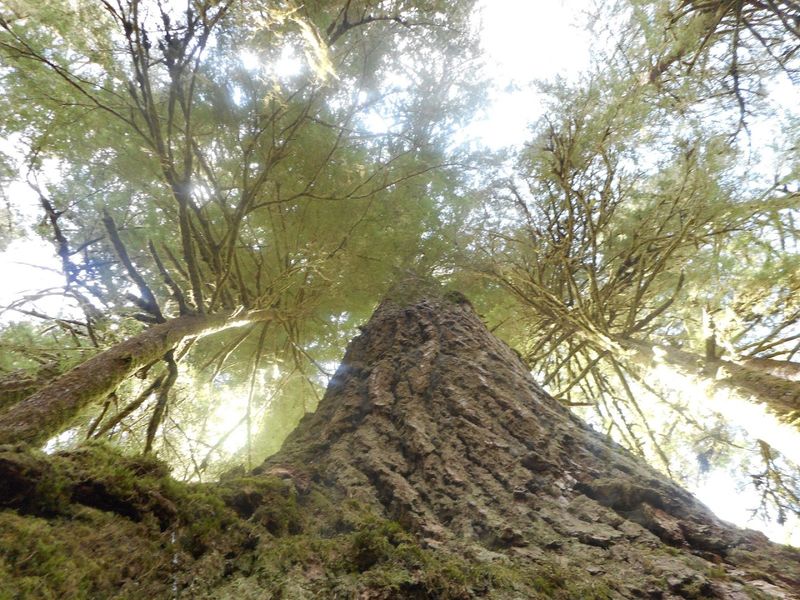
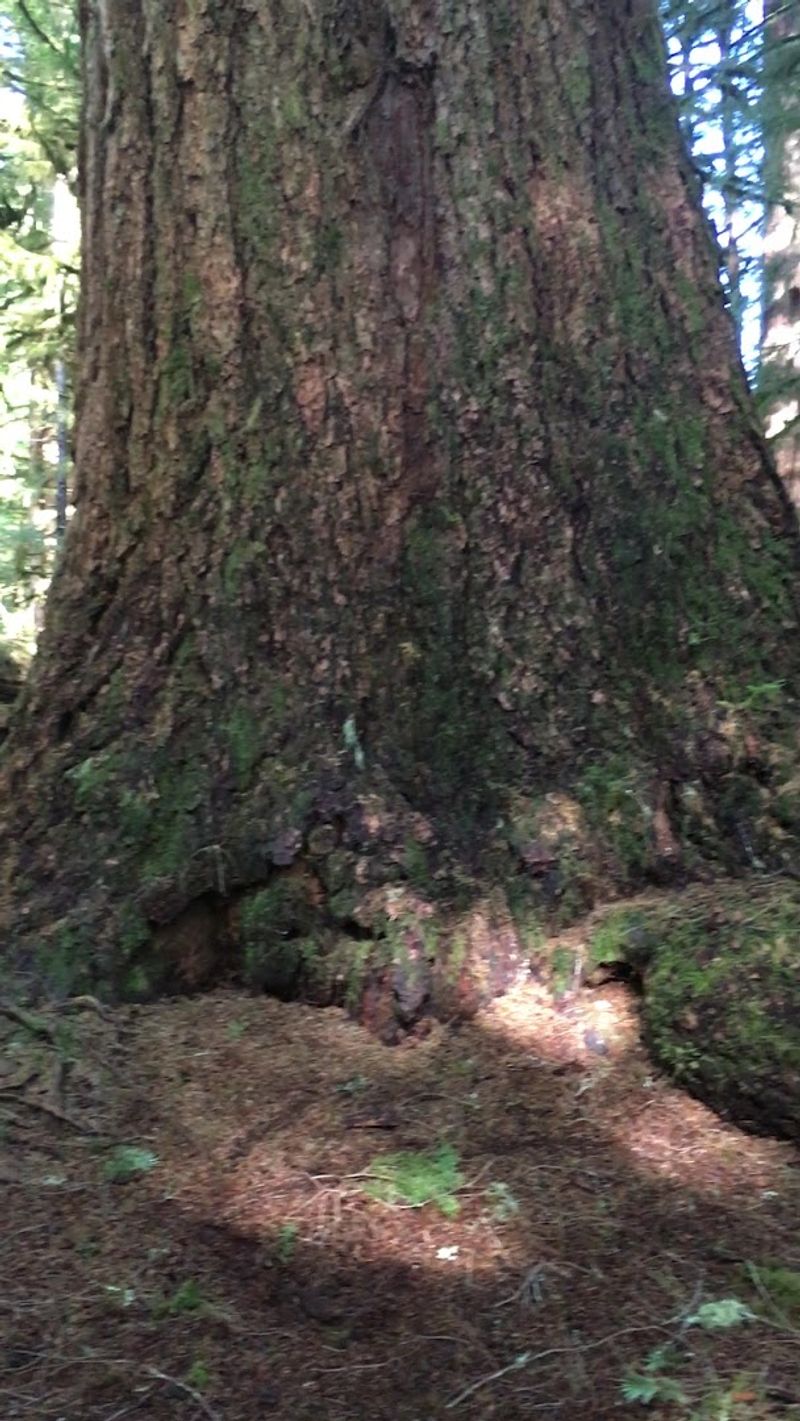
Standing at the base of the King Tut tree is one of those moments that stops you mid-breath. This ancient Douglas fir has been growing in Crabtree Valley since roughly the 1200s.
That means it was already a mature tree when medieval castles were being built across Europe.
The trunk is so wide and so deeply furrowed that it looks almost sculpted. Touching the bark feels like pressing your hand against living history.
The tree earned its royal nickname because of its commanding presence among the other giants nearby.
It rises dramatically above the forest canopy, catching light that most trees below never see. Hikers regularly make the trek specifically to stand beside this one tree.
The scale of it simply cannot be captured in a photograph.
Visiting the King Tut tree puts everyday life into sharp perspective. Eight hundred years of storms, droughts, and seasons have only made it stronger.
It stands as one of the most awe-inspiring natural landmarks in all of Oregon.
Old-Growth Douglas Firs That Redefine Scale
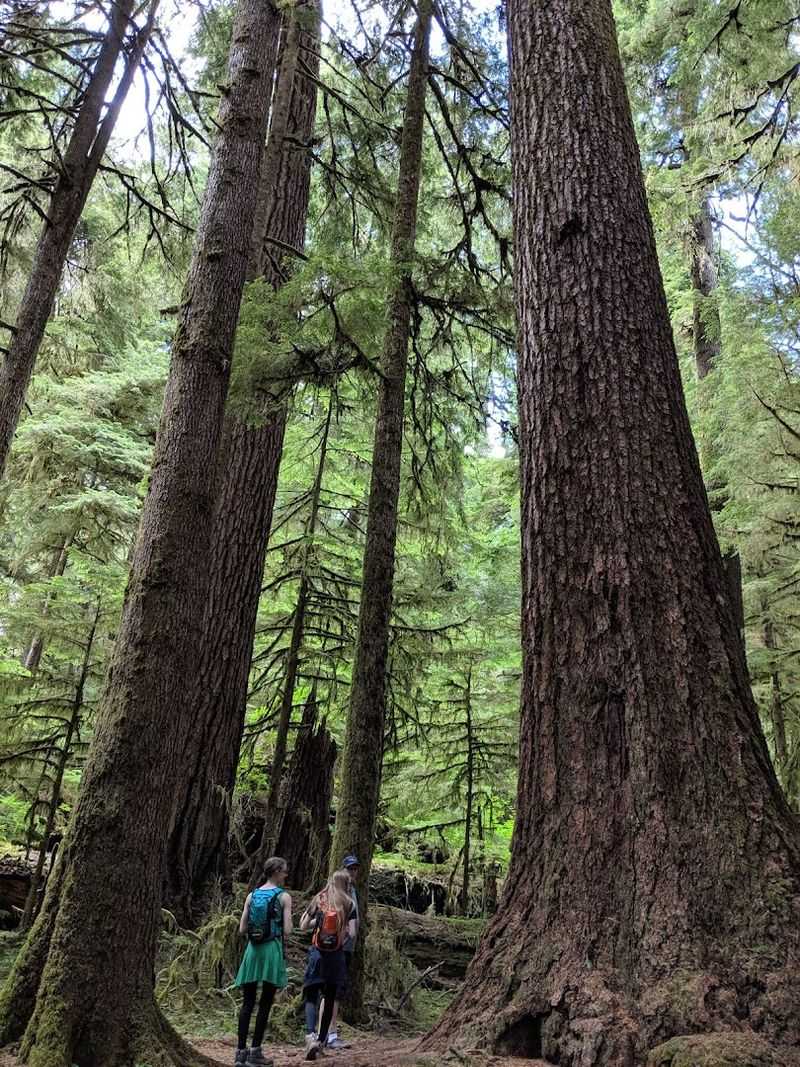
Nothing quite prepares you for your first look at an old-growth Douglas fir up close. These trees do not just grow tall.
They grow wide, gnarled, and deeply textured in ways that younger forests never achieve.
The Douglas firs in Crabtree Valley have had centuries to develop their full character. Some trunks are so broad that a group of five adults holding hands could not wrap around them.
The bark alone is several inches thick, ridged like a topographic map of some ancient mountain range.
Old-growth Douglas firs also support entire ecosystems on their branches. Mosses, lichens, and small plants colonize the bark and limbs high above the trail.
Birds nest in cavities that took decades to form naturally.
Walking among these trees feels less like hiking and more like visiting a cathedral. The light filters down in long golden shafts through the canopy.
Every step deeper into the grove makes the outside world feel further and further away.
Western Red Cedars With Roots Like Ancient Sculptures
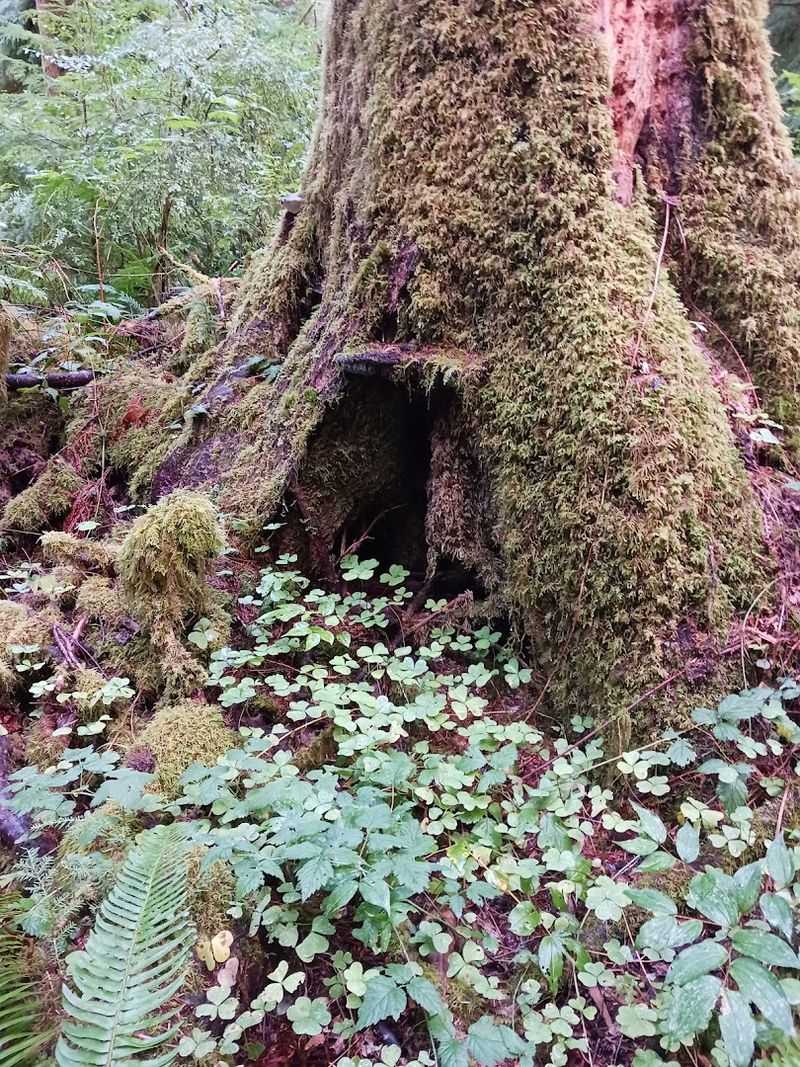
Western red cedars have a personality all their own, and Crabtree Valley has some truly spectacular ones. Their roots spread outward across the forest floor like the arms of something that has been reaching for centuries.
The fibrous, reddish-brown bark peels in long vertical strips that catch the light in a warm, coppery glow.
These trees tend to grow in the wetter, shadier corners of the forest where moisture collects year-round. That constant dampness encourages thick carpets of moss to grow across every surface nearby.
The combination of cedar, moss, and shadow creates a visual texture that feels almost dreamlike.
Cedar wood carries a distinctive, spicy-sweet scent that hangs in the cool forest air. On a quiet morning, breathing that smell in deeply feels genuinely restorative.
Indigenous communities across the Pacific Northwest have honored western red cedar for thousands of years.
The trees in Crabtree Valley carry that same weight of significance. They are not just big.
They are foundational to the entire ecosystem thriving around them.
The Forest Trail System Through Crabtree Valley
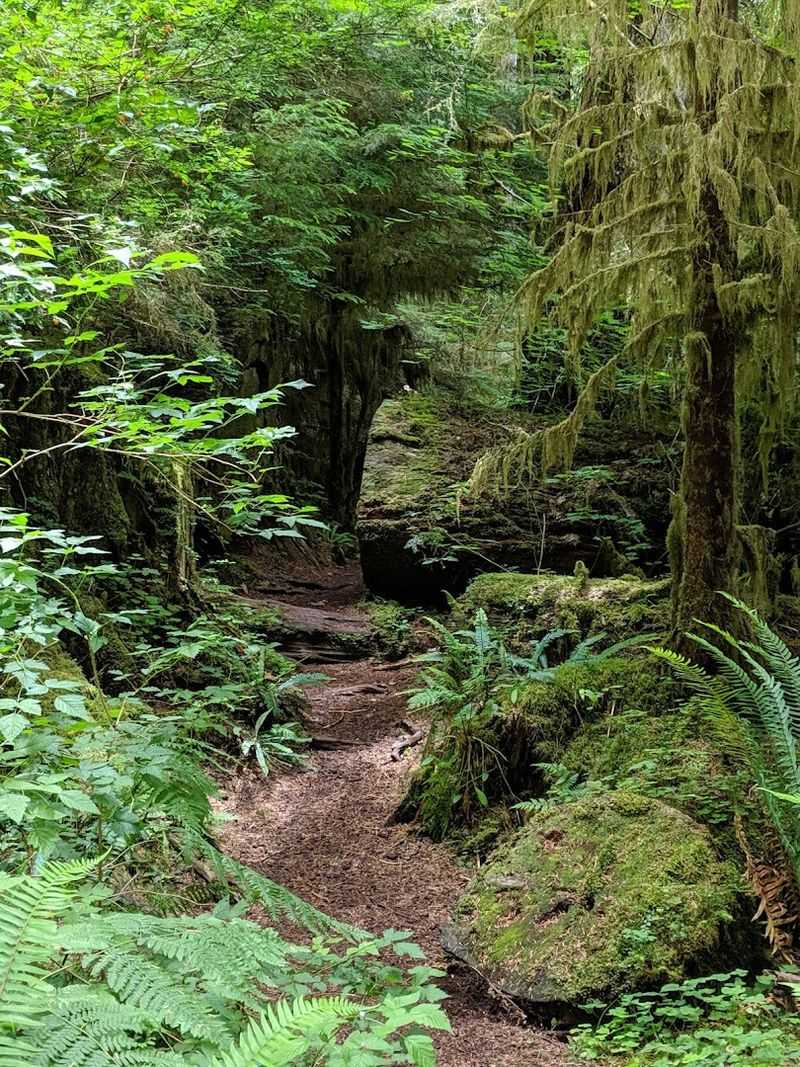
The trail through the Ancient Forest in Crabtree Valley is the kind of path that rewards slow walkers. There is no rush here because every few steps something new catches your eye.
A moss-covered log, a cluster of wild ferns, or a root system that looks like it belongs in a fantasy novel.
The trail winds through the grove in a way that feels intentional and respectful of the trees. It stays narrow enough to keep visitors close to the forest floor experience.
Wide boardwalk sections protect the most sensitive root zones near the oldest trees.
Elevation changes along the trail are gentle enough for most fitness levels. The footing can be uneven in places, so sturdy shoes are a smart choice.
Trekking poles help on steeper or muddier stretches after rainfall.
Signage along the route identifies key trees and offers brief natural history notes. Reading those small signs while standing beside the actual trees makes the information feel real.
The trail is short enough to complete in an afternoon but rich enough to deserve a full day.
Moss and Fern Carpets That Cover Everything
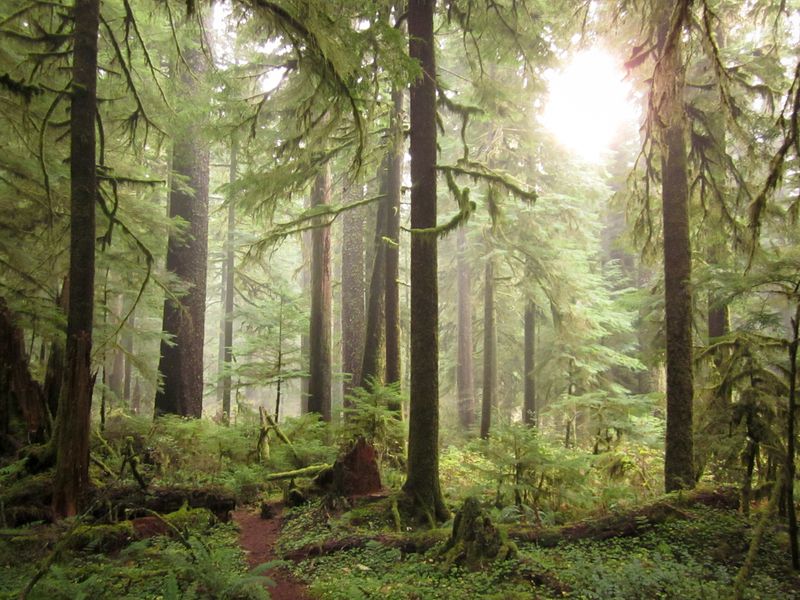
One of the first things that strikes you in Crabtree Valley is how green everything is. Not just the trees, but the ground, the logs, the rocks, and even the lower bark of the older trunks.
Moss covers nearly every surface in a thick, velvety layer that muffles sound and softens the whole landscape.
Sword ferns grow in dense clusters throughout the understory, their fronds arching gracefully outward. They thrive in the deep shade that the old-growth canopy creates overhead.
Together with the moss, they give the forest floor a prehistoric, layered look.
This kind of ground cover only develops in forests that have been left undisturbed for very long periods. It is a sign of ecological health and stability that took centuries to build.
Disturbing it, even accidentally, can take decades to repair.
Walking through the fern corridors feels like moving through a living painting. The colors shift from bright lime green in sunlit patches to deep emerald in the shade.
It is the kind of beauty that photographs struggle to fully capture.
Wildlife Encounters in a Rarely Disturbed Ecosystem
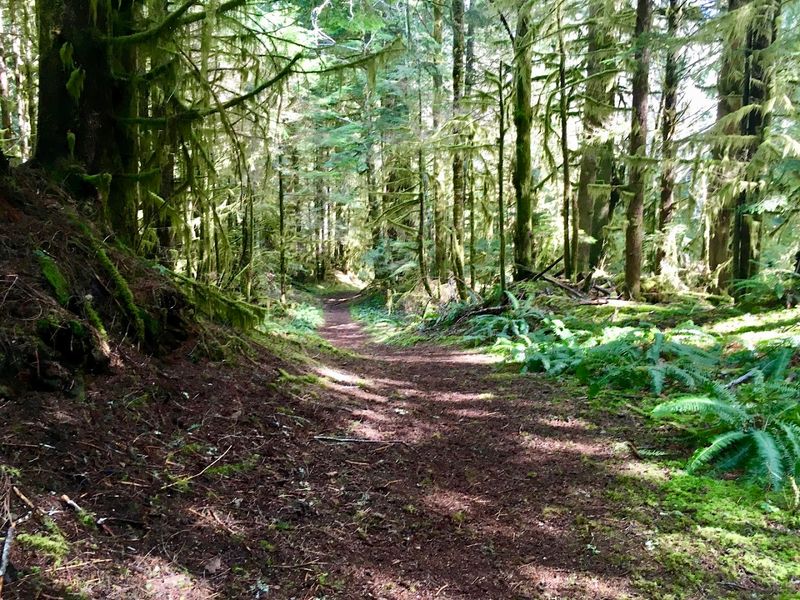
Crabtree Valley does not announce its wildlife. Animals appear quietly, briefly, and without any fanfare.
A black-tailed deer standing motionless between two massive firs. A pileated woodpecker hammering somewhere high above the trail.
These moments feel like small gifts.
The old-growth ecosystem here supports species that cannot survive in younger, managed forests. Spotted owls, marbled murrelets, and a wide range of amphibians depend on the complexity that only ancient forests provide.
Fallen nurse logs, snags, and deep leaf litter create habitat layers that newer forests simply lack.
Salamanders are surprisingly common in the damp corners of the forest. They are easy to miss but worth looking for near mossy rocks and rotting wood.
Stopping quietly for a few minutes in one spot dramatically increases the chances of a wildlife sighting.
The forest sounds are part of the experience too. Birdsong echoes differently under an old-growth canopy than it does in open spaces.
Everything feels closer, richer, and more layered the longer you stand still and simply listen.
The Role of Nurse Logs in the Ancient Forest
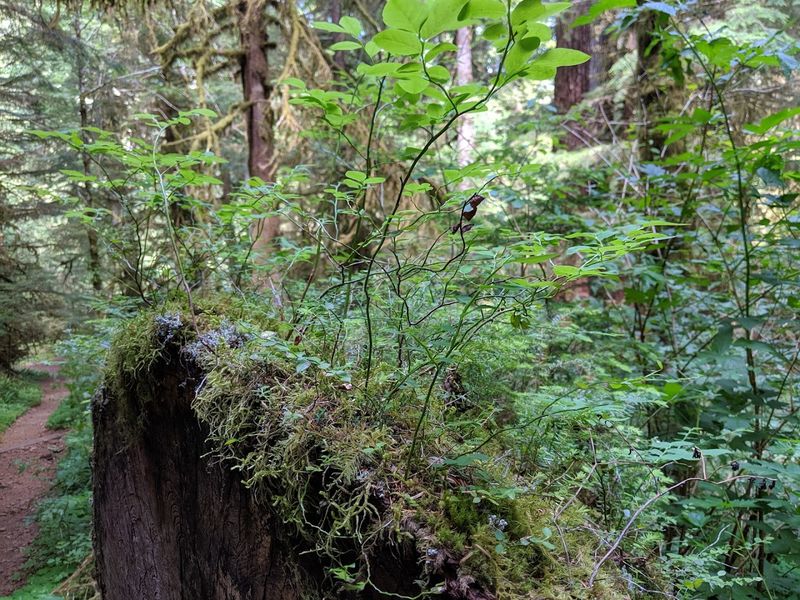
Nurse logs might be the most underappreciated feature of any old-growth forest. These are fallen trees, sometimes hundreds of feet long, that become entire ecosystems after they hit the ground.
In Crabtree Valley, some of the nurse logs are bigger than most living trees found in younger Oregon forests.
As a fallen log slowly decays, it holds moisture and nutrients that seedlings desperately need. Hemlocks, cedars, and ferns take root along the top of the log in a phenomenon sometimes called a colonnade.
Over decades, those seedlings grow into full trees with roots that straddle the log like legs.
Eventually the original log disappears entirely into the soil. What remains is a row of mature trees standing in a perfectly straight line with arched roots above the ground.
It is one of the clearest signs that a forest has been left to manage itself for a very long time.
Finding a fresh nurse log with tiny seedlings already sprouting feels like watching the forest plan its own future. The cycle is patient, quiet, and completely reliable.
Getting to the Ancient Forest: The Road Less Traveled
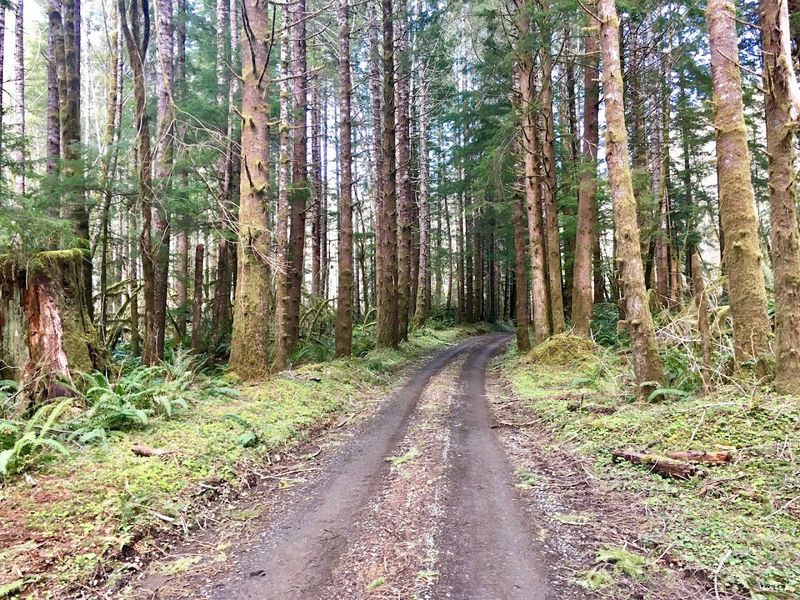
Reaching the Ancient Forest in Crabtree Valley is genuinely part of the adventure. The drive takes you deep into the Oregon Coast Range on roads that feel increasingly remote with every mile.
Cell service disappears early, which makes downloading an offline map before leaving home an absolute necessity.
The roads wind through a patchwork of private timber land and public BLM land. Logging trucks occasionally use these same roads, so driving cautiously and pulling over when needed is important.
A vehicle with decent ground clearance handles the rougher stretches much more comfortably.
Following directions from the Bureau of Land Management rather than relying on standard navigation apps is strongly recommended.
The drive itself rewards patience with stunning views of river valleys, forested ridges, and mossy canyon walls. Arriving at the trailhead after that journey makes the whole experience feel genuinely earned.
It sets the tone perfectly for what waits inside the trees.
Best Times to Visit and What to Bring Along
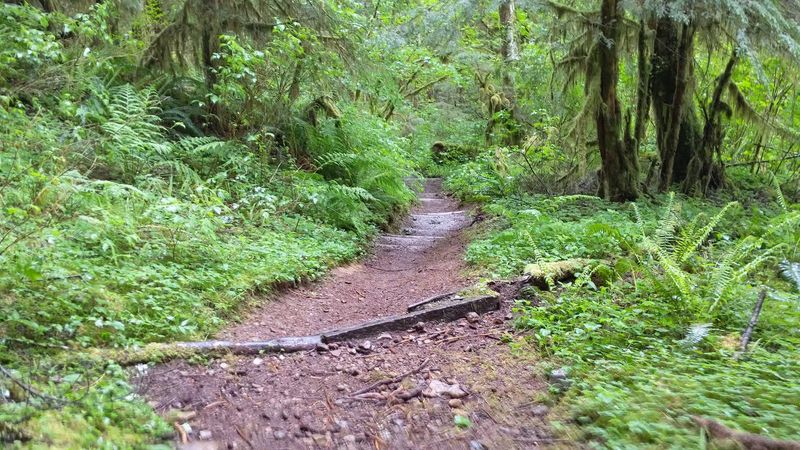
Crabtree Valley receives significant rainfall throughout the year, which is exactly what keeps the forest so lush and green. Late spring through early fall offers the most reliable trail conditions and the best light for photography.
That said, the forest has a particular magic on overcast days when the moisture brings out every shade of green imaginable.
Waterproof boots are worth their weight in gold on this trail. Even in summer, the ground stays damp and some sections can be slippery.
Layering clothing is smart because the temperature under the canopy feels noticeably cooler than open areas nearby.
Packing enough food and water for a full day is essential since there are no facilities at the trailhead. A paper map or downloaded offline route should be ready before leaving home.
Bringing a fully charged camera or phone battery pack pays off because photo opportunities appear constantly throughout the hike.
Starting the drive early in the morning allows plenty of time to navigate the remote access roads without feeling rushed.
Why the Ancient Forest in Crabtree Valley Deserves Protection
Old-growth forests like the one in Crabtree Valley are among the rarest ecosystems on Earth. Less than ten percent of the original old-growth forest in the Pacific Northwest still exists today.
What remains in places like Crabtree Valley represents centuries of uninterrupted ecological development that simply cannot be replicated.
These forests store enormous amounts of carbon in their massive trunks, roots, and soil. They regulate local water cycles, filter streams, and provide habitat for species that exist nowhere else.
The King Tut tree alone has been sequestering carbon since before European explorers ever reached the American continent.
Visitor awareness plays a real role in protecting these places. Staying on marked trails, avoiding trampling root zones, and packing out all waste helps preserve the experience for future generations.
Sharing accurate information about responsible access also reduces accidental damage caused by unprepared visitors.
