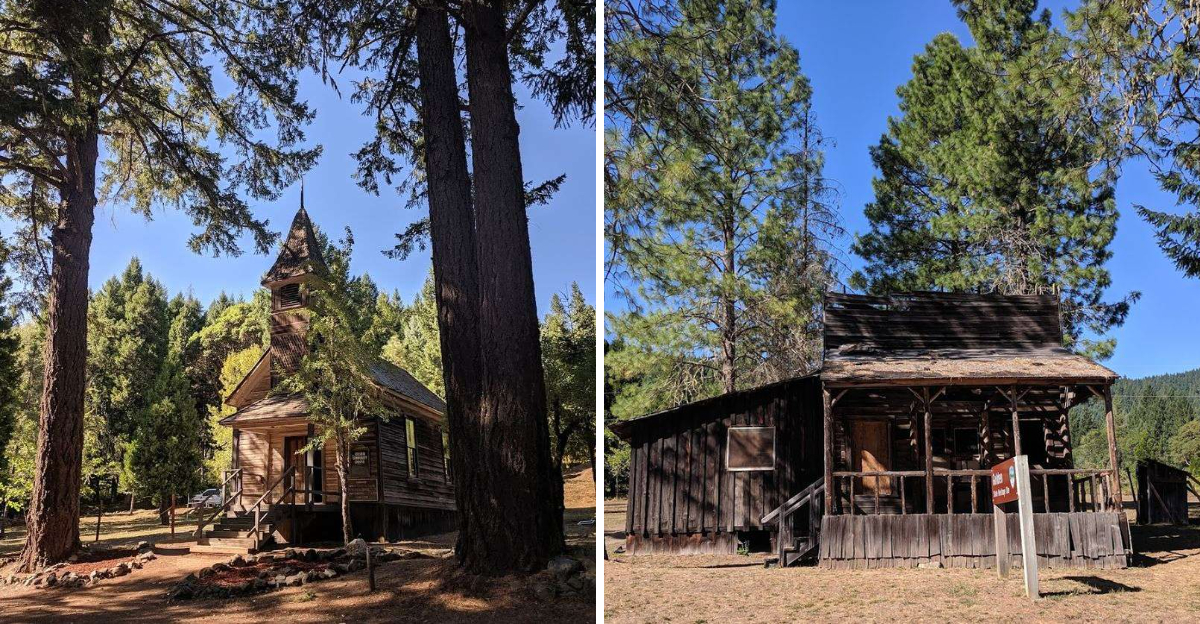
I’m still thinking about the moment I stepped into a little-known ghost town tucked away in Oregon. Here everything looks perfectly preserved from the Gold Rush days. The streets are lined with weathered wooden facades, and old lanterns still hang where they once guided nightly rides.
I could picture miners in dusty boots and women in long skirts, all frozen in a snapshot of the 1800s. The silence is comforting, broken only by the wind rustling through cracked windows.
I spent a while exploring the tiny general store, the abandoned bank, and the quiet cemetery, each corner whispering stories of ambition and hope. It felt like a gentle adventure back in time, and I can’t wait to share that feeling with anyone who loves a good historical wander.
The Story Behind Golden’s Gold Rush Roots
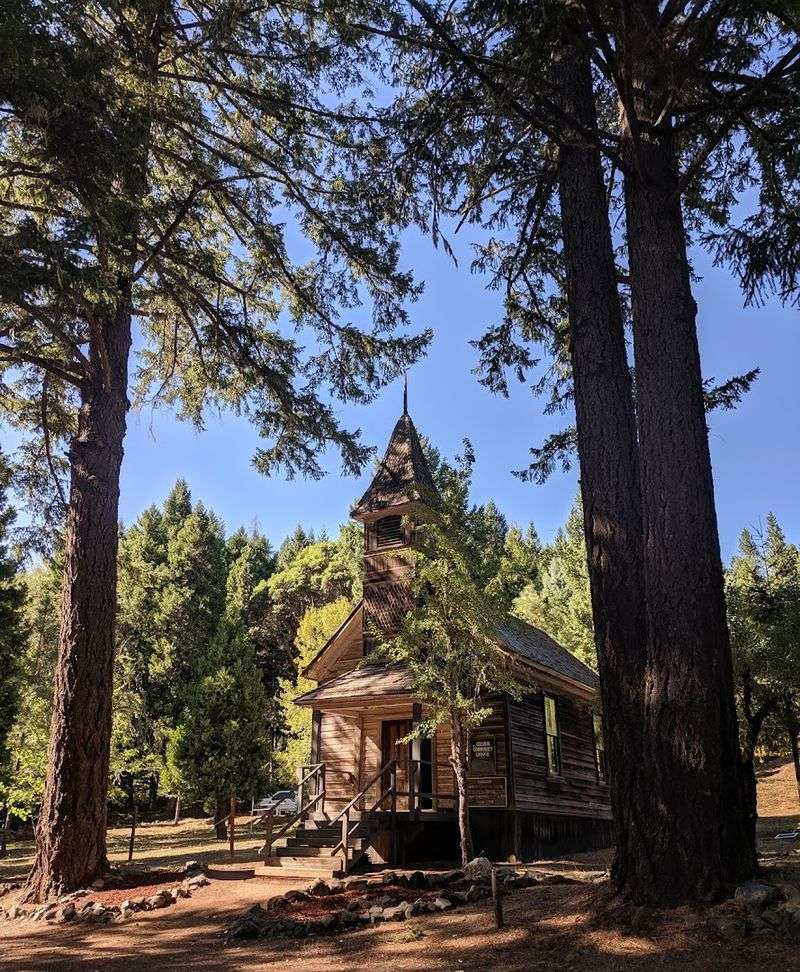
Golden didn’t just get its name by accident. The town sprang to life in the 1890s when gold was discovered along Coyote Creek. Almost overnight, hopeful miners flooded into this remote corner of Josephine County looking to strike it rich.
The settlement grew quickly, as these boom towns often did. A general store, a church, homes, and various outbuildings all appeared within a short stretch of land carved out of the dense Oregon wilderness.
Life here was rough, practical, and driven entirely by the promise of precious metal beneath the creek bed.
By the early 1900s, the gold had thinned out and people began to leave. The population drained away slowly, leaving behind structures that nobody bothered to tear down.
What remained was essentially a snapshot of a very specific moment in Oregon history, preserved almost by neglect. That accidental preservation is exactly what makes Golden so fascinating to visit today.
Getting There and What the Drive Looks Like
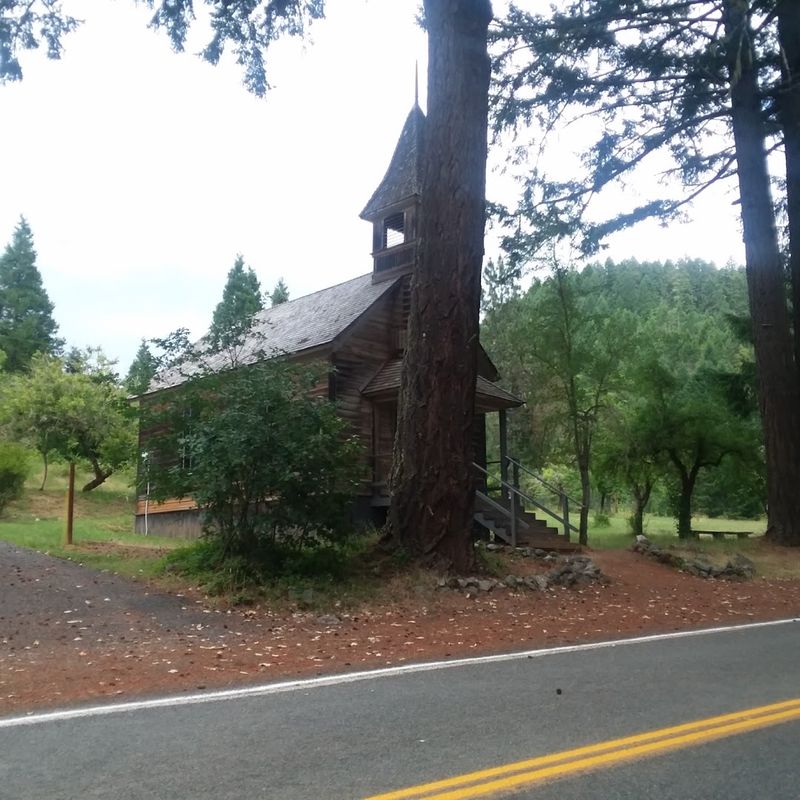
Reaching Golden requires a bit of commitment, and honestly, that’s part of the charm. The town sits in a quiet valley off Coyote Creek Road, southeast of the small community of Glendale in Douglas County near the Josephine County border.
The drive takes you through rolling hills covered in Douglas fir and pine. Roads narrow as you get closer, and the landscape starts to feel genuinely remote in a way that makes the destination feel earned.
I remember the moment the first building came into view through the trees. There’s something oddly thrilling about spotting a weathered wooden structure that clearly hasn’t changed in over a century.
No signs announce your arrival in any dramatic way. You simply round a bend and suddenly Golden is just there, quiet and unhurried.
Give yourself enough time to take the drive slowly and enjoy the scenery, because the journey itself sets the mood perfectly for what you’re about to explore.
Walking Through the Preserved Townsite
Stepping into Golden feels less like visiting a historical site and more like accidentally wandering onto an old film set. The buildings are genuinely old, and many of them are still standing in remarkable condition given how long they’ve been sitting out here without regular maintenance.
The Oregon Parks and Recreation Department manages the site, which helps explain why the structures have survived as well as they have. A handful of key buildings remain accessible, and you can walk the short path that winds through the townsite at a relaxed pace.
Each building tells a slightly different story. Some have open doorways that let you peer inside at bare wooden interiors.
Others are sealed but still visually striking from the outside, with sagging rooflines and hand-cut timber framing. The whole place covers a compact area, so nothing is far from anything else.
Plan on spending at least an hour here if you really want to soak in the details rather than just glancing around and leaving.
The Old Church That Still Stands Tall
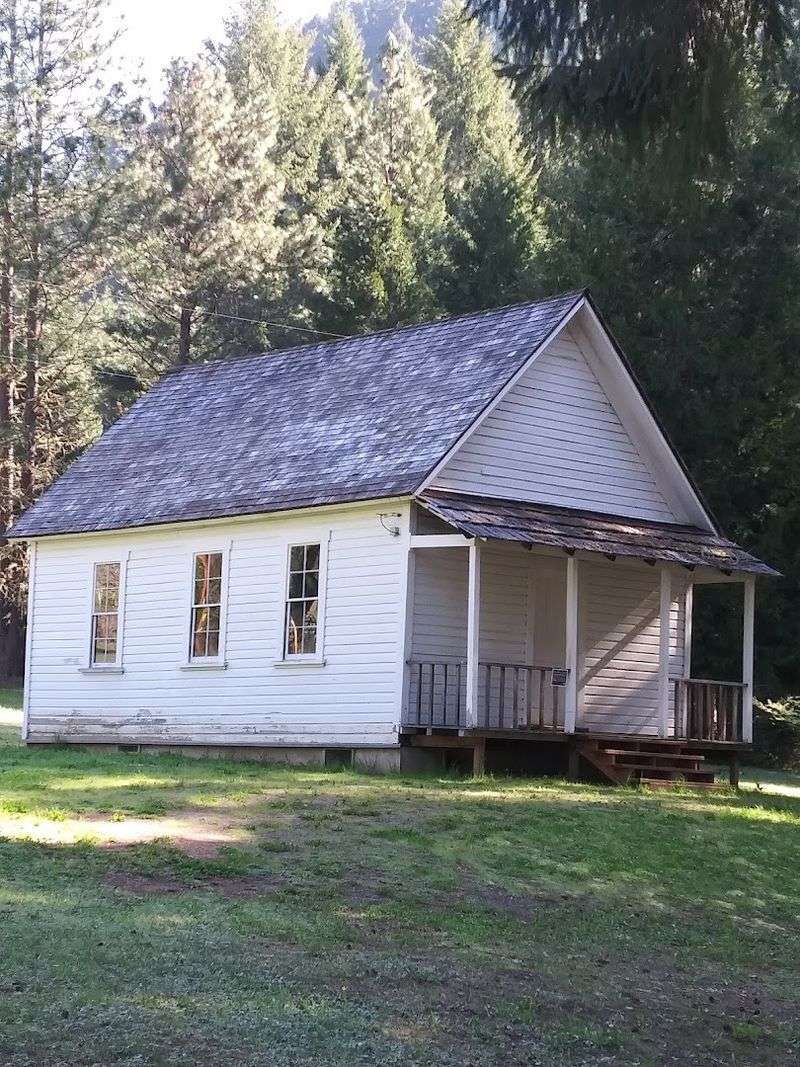
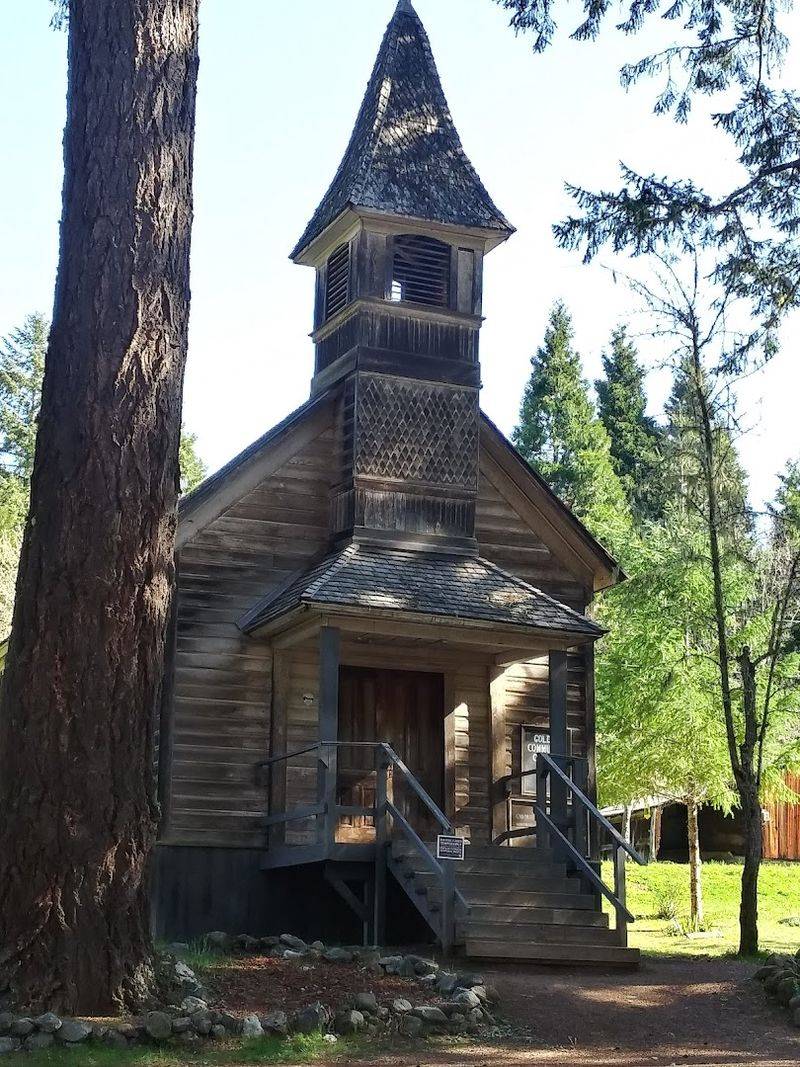
The church at Golden is probably the most photographed structure in the entire townsite, and it earns every photo taken of it. Simple, white, and remarkably upright for its age, the building carries a quiet dignity that feels almost out of place given how long it has been abandoned.
Community churches were the social center of small mining towns like this one. They hosted more than just Sunday services.
Weddings, funerals, town meetings, and celebrations all happened inside these four walls during Golden’s active years.
Standing in front of it now, you get this odd feeling of being both very far from the present and strangely close to the past. The structure is small by any modern standard, but its presence in the clearing feels significant.
Bring a camera, because the light in the late afternoon hits the white exterior in a way that makes even amateur photographers look talented. It’s the kind of building that makes you stop talking for a moment and just look.
Coyote Creek and the Natural Setting
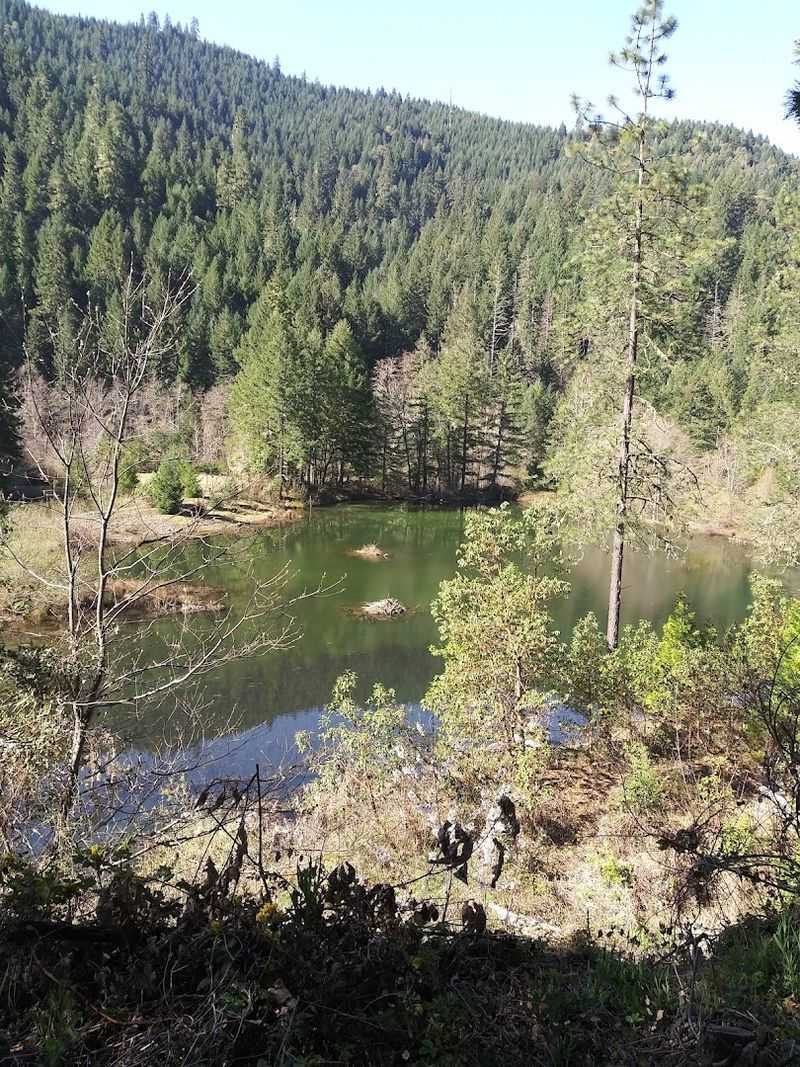
Coyote Creek runs right alongside the Golden townsite, and it’s impossible to spend time here without noticing how central the water was to everything that happened in this valley. The creek was the reason miners came.
It carried the gold flakes and small nuggets that sparked the settlement in the first place.
Today, the creek is calm and clear, moving quietly over smooth stones beneath a canopy of alders and conifers. In spring, the water runs fuller and faster.
By late summer, it slows to a gentle trickle that catches the light beautifully through the trees.
Taking a few minutes to sit near the bank and listen is genuinely worth it. The sound of moving water alongside the silence of the ghost town creates this layered atmosphere that’s hard to describe but easy to feel.
It’s peaceful in a way that feels earned rather than manufactured. The creek also adds great visual depth to any photos you take of the surrounding landscape and structures.
The General Store and Its Lasting Presence
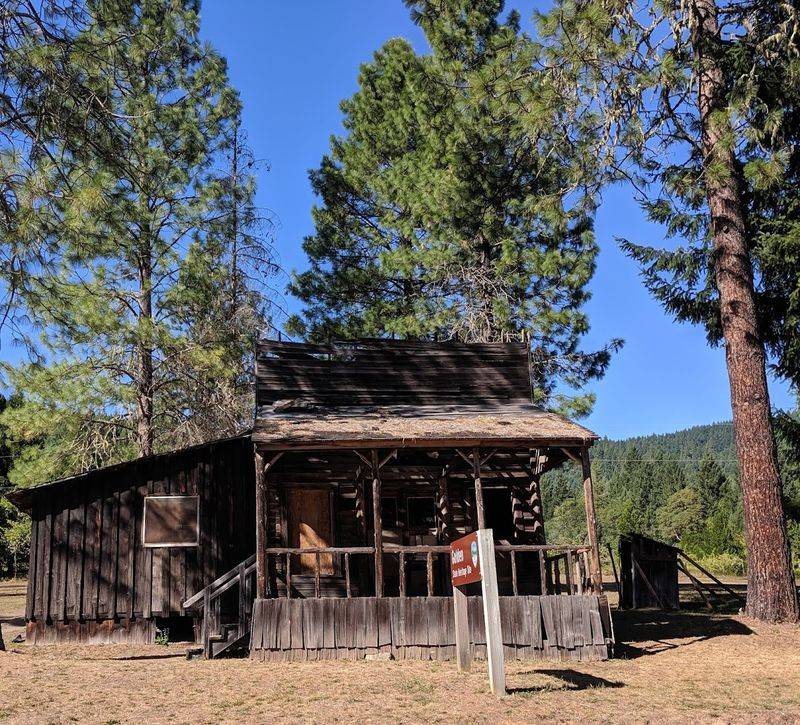
Every mining town needed a general store, and Golden’s version is one of the structures that still anchors the townsite visually. It’s a wide, practical building with the kind of no-nonsense construction that was meant to last long enough to be useful, not to impress anyone.
Back in Golden’s active days, this would have been the busiest spot in town. Miners picked up supplies, exchanged news, and spent a portion of their earnings here.
The store connected the community to the outside world in a very real, daily way.
Looking at it now, you can still make out the bones of how it functioned. The proportions of the building, the placement of doorways and windows, all of it reflects a working logic rather than any decorative ambition.
That practicality is part of what makes it interesting. There’s no pretense here.
It’s just an old building doing its best to keep standing, and somehow that feels more honest than any polished historical reconstruction ever could.
What Happened When the Gold Ran Out
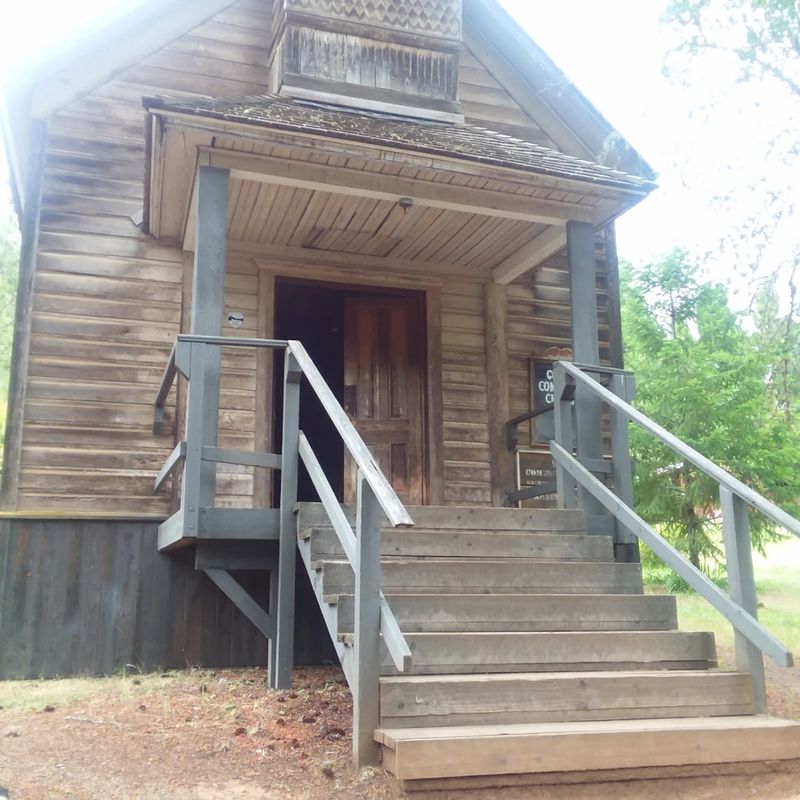
The decline of Golden followed a pattern familiar to almost every gold rush settlement across the American West. Once the easily accessible gold was gone, the economics of staying simply stopped making sense for most people.
Families packed what they could carry and moved on to the next opportunity, or returned to more established towns where steady work was available. The exodus wasn’t dramatic or sudden in most cases.
It happened gradually, over years, as one household after another quietly disappeared.
What’s striking about Golden is that nobody seems to have bothered stripping the buildings for materials when they left. Other ghost towns across Oregon were cannibalized over the decades, their lumber and metal reclaimed for use elsewhere.
Golden somehow avoided that fate. The isolation that made it hard to reach during its boom years probably also protected it from being picked apart afterward.
That benign neglect created the remarkably intact scene visitors find today, which is genuinely unusual for a site this old.
Photography Tips for Capturing Golden Right
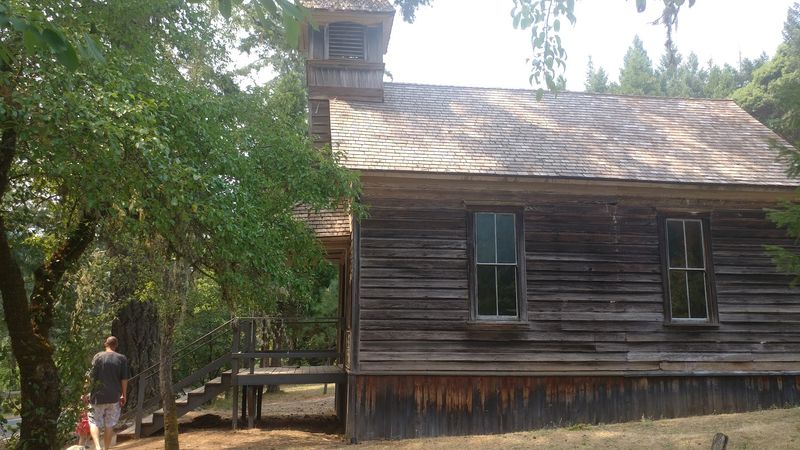
Golden is a photographer’s dream, but the light and conditions here reward a little planning. Overcast days actually work beautifully at this site because the soft, diffused light brings out the textures in the old wood without harsh shadows cutting across the structures.
Early morning visits have their own appeal. Mist sometimes sits low in the valley along Coyote Creek, creating a moody, atmospheric backdrop that makes the buildings look even more otherworldly than they already do.
Arriving before midday gives you the best chance of catching that kind of light.
Bring a wide-angle lens if you have one, because the relationship between the buildings and the surrounding trees is a big part of what makes the composition interesting. Don’t just focus on the structures in isolation.
The creek, the forest floor, the small details like rusted hardware or weathered grain in old timber, all of these elements add depth and story to your images. Good photographs here are about patience as much as technique.
Best Time of Year to Visit Golden
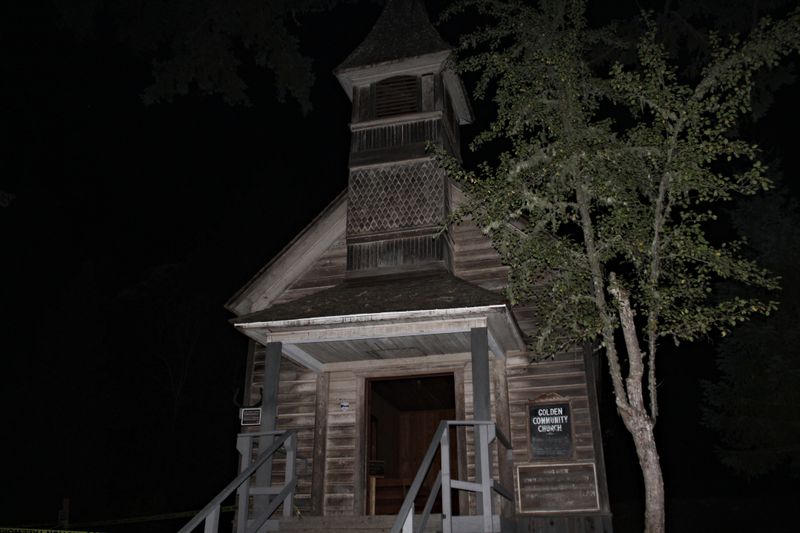
Timing your visit to Golden makes a real difference in what you experience. Late spring and early fall tend to offer the most comfortable conditions, with mild temperatures and manageable road conditions on the rural routes leading into the area.
Summer visits are popular but can get warm in the valley, and the access roads can be dusty and dry. That said, the long daylight hours in summer give you more time to explore and photograph without rushing.
Winter is a different story entirely.
Snow occasionally reaches this elevation, and the unpaved sections of road can become genuinely difficult or impassable in wet conditions. Calling ahead to check on road conditions in winter is a smart move before making the trip.
My personal favorite window is October, when the deciduous trees along Coyote Creek turn gold and amber. The color contrast against the dark timber buildings creates a visual combination that feels almost too perfect for a place literally called Golden.
The name takes on a whole new meaning in autumn.
Why Golden Deserves More Attention Than It Gets
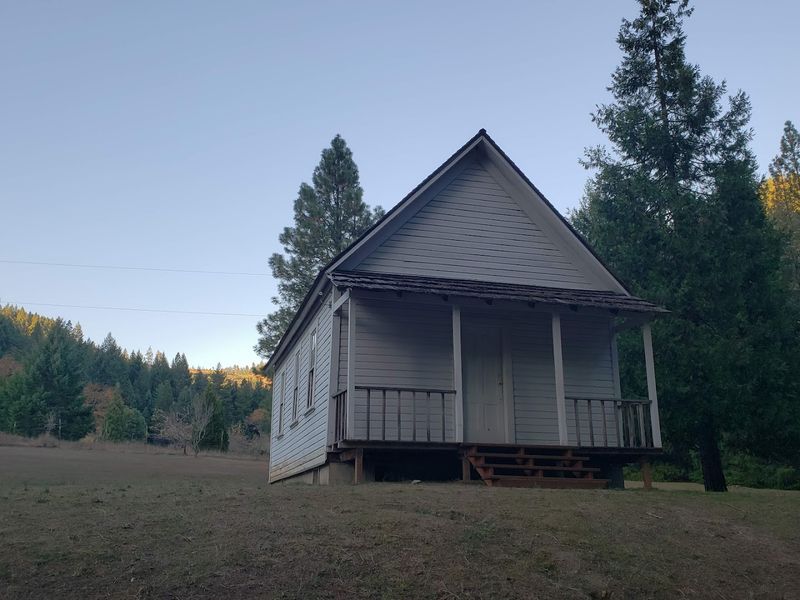
Golden doesn’t show up on many mainstream Oregon travel lists, and that’s honestly a shame. It offers something that’s increasingly rare in travel: a genuinely unmediated experience of history in a natural setting, without interpretive centers, entrance queues, or souvenir stands.
The site is managed respectfully and kept accessible, but it hasn’t been packaged or commercialized in ways that dilute the atmosphere. You arrive, you walk around, you think about the people who lived here, and then you leave with something that feels more like a real memory than a checked box.
For anyone exploring southern Oregon, combining Golden with a drive through the Rogue River-Siskiyou National Forest area makes for an exceptional day. The ghost town adds historical weight to what is already a stunningly beautiful region.
It’s the kind of place you tell people about when they ask for a recommendation that isn’t obvious. Golden rewards curiosity, and that’s the best thing you can say about any destination worth visiting.
Dear Reader: This page may contain affiliate links which may earn a commission if you click through and make a purchase. Our independent journalism is not influenced by any advertiser or commercial initiative unless it is clearly marked as sponsored content. As travel products change, please be sure to reconfirm all details and stay up to date with current events to ensure a safe and successful trip.
