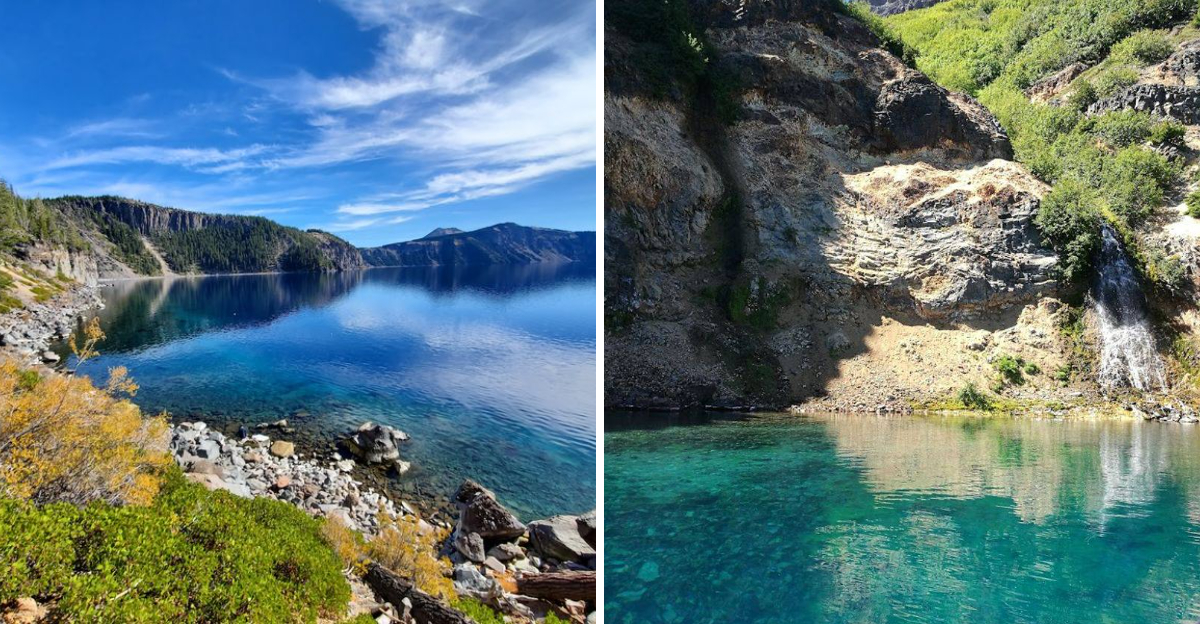
A lake that should not exist, by all logic, is quietly considered one of the world’s most remarkable natural features. With no rivers flowing in or out, this Oregon lake survives entirely on rainfall and snowfall.
The lake fills a massive caldera formed by the collapse of a volcanic peak over seven thousand years ago. Since then, it has collected water in near isolation, creating an ecosystem as strange as it is beautiful.
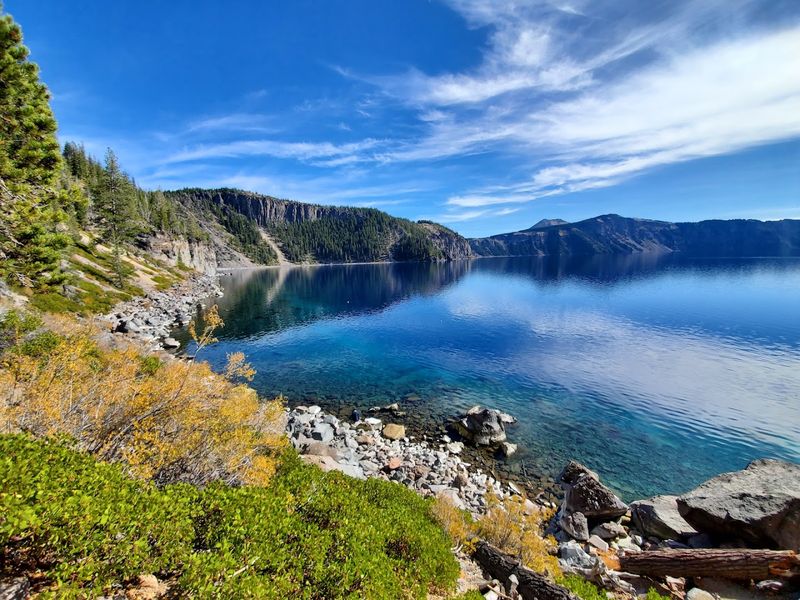
The water is so pure that visibility can exceed one hundred feet, and its color shifts from sapphire to deep blue as the sun moves across the sky.
Oregon hides some of nature’s greatest puzzles, and this place is a perfect example. It is a lake that seems to defy the rules, and that is exactly what makes it so unforgettable.
How Crater Lake Was Born From Fire and Collapse
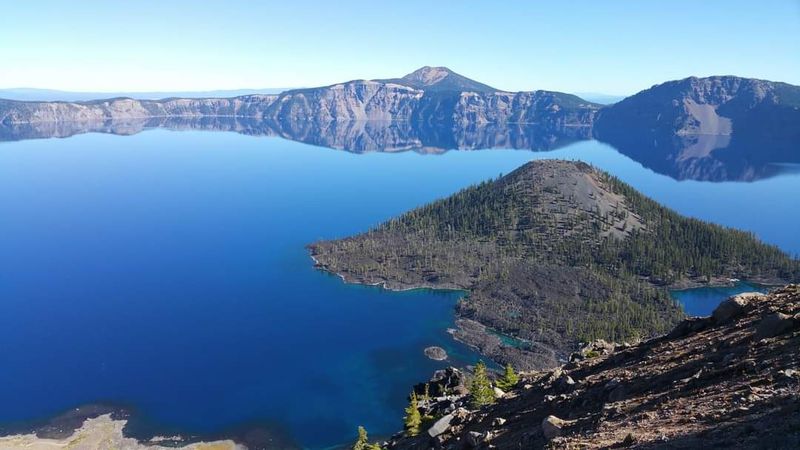
About 7,700 years ago, a massive volcanic eruption caused the entire peak of Mount Mazama to collapse inward, leaving behind a bowl-shaped depression called a caldera. That caldera is what we now know as Crater Lake.
It is one of the most dramatic geological stories written into any landscape in North America.
The eruption itself was enormous, roughly 42 times more powerful than the 1980 Mount St. Helens eruption. Ash from that ancient event has been found as far away as Canada. Indigenous peoples of the region, including the Klamath Tribe, witnessed it and passed the story down through generations.
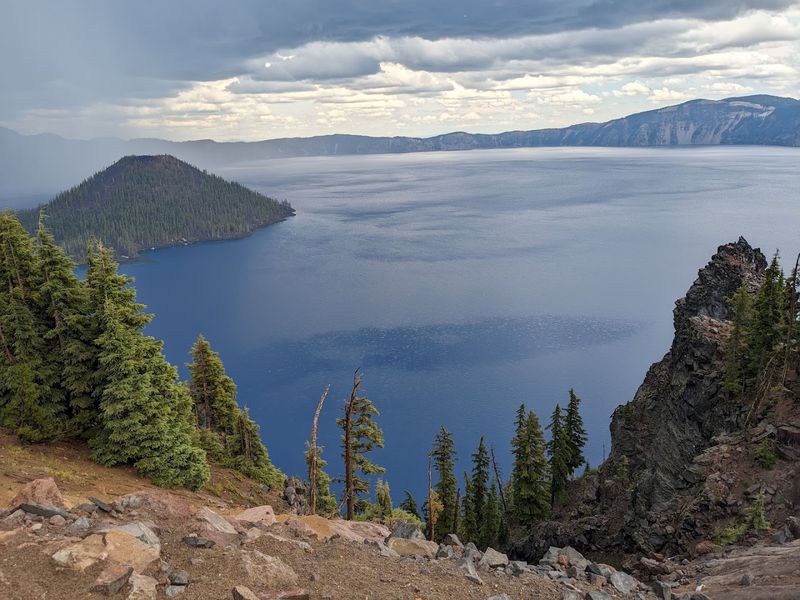
Wizard Island, the small cone you can spot rising from the water near the western shore, is actually a younger volcanic feature that formed after the caldera collapsed. It gives the lake an almost mythical quality.
Knowing that the ground beneath that stunning blue water is still geologically active adds a whole different layer of awe to the experience.
The Science Behind a Lake With No Rivers
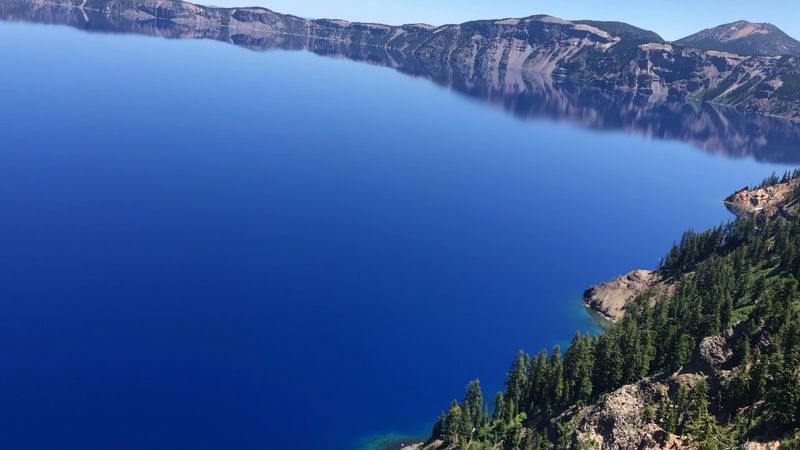
Most lakes survive because rivers constantly feed them fresh water and carry excess water away. Crater Lake does neither. There are no rivers flowing in, and no rivers flowing out. That fact alone makes it genuinely unusual among major lakes in the United States.
So how does it stay full? The answer is a surprisingly elegant balance. Precipitation, mainly snow and rain, adds water to the lake. Evaporation and seepage through the volcanic rock remove roughly the same amount each year.
The lake essentially breathes in and out through the atmosphere and the ground beneath it.
Because no rivers carry sediment or nutrients into the lake, the water stays remarkably clean and clear. Scientists have measured visibility in Crater Lake at depths exceeding 140 feet, which is extraordinary. That clarity is a big reason the water looks so intensely blue.
Pure water absorbs red wavelengths of sunlight and scatters blue ones back, and with almost nothing clouding the water, that blue effect becomes absolutely vivid.
That Blue Color Is Not a Filter or a Trick
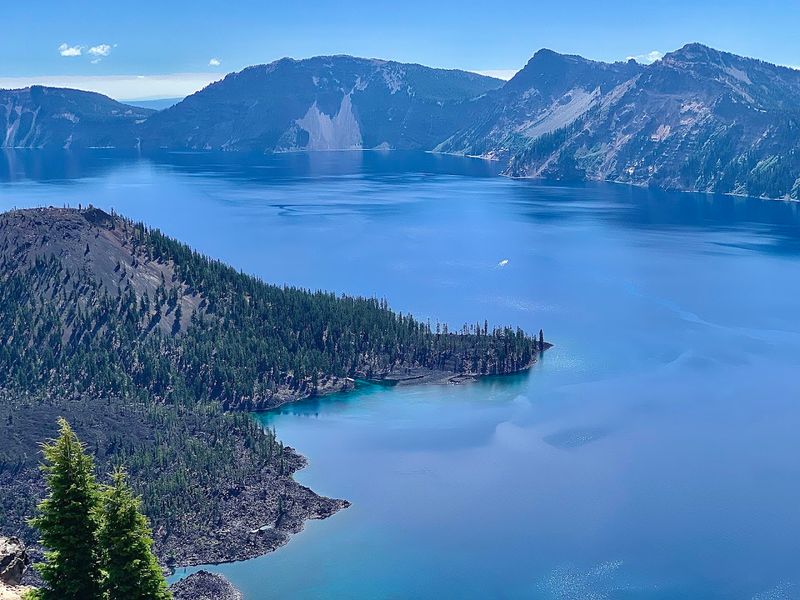
People see photos of Crater Lake and assume the color has been edited. I thought the same thing before visiting. Then I stood at the rim and realized the photos actually undersell it a little.
The blue is so saturated and so consistent across the entire surface that your brain keeps trying to find an explanation.
The color comes from physics, not magic. Sunlight contains all wavelengths of color, but water absorbs the warmer tones like red and yellow. Blue light scatters back toward the surface and your eyes. The deeper and purer the water, the more intense this effect becomes.
At nearly 1,943 feet deep, Crater Lake is the deepest lake in the United States. That extreme depth, combined with the near-total absence of sediment, algae, and runoff, creates a water column so optically pure that the blue literally has nowhere to hide.
Visitors on the trolley tour around Rim Drive often go quiet the first time the full lake comes into view. That silence says everything.
Rim Drive, the Road That Changes Everything
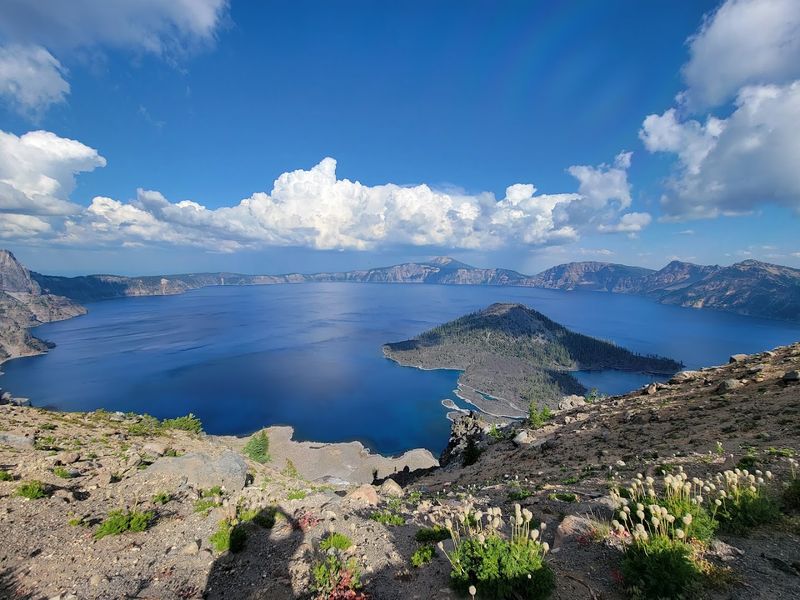
Rim Drive is a 33-mile loop that circles the entire lake, and it might be the most rewarding scenic drive I have ever done. There are pullouts and overlooks at almost every turn, and each one offers a slightly different angle on the water below.
You could stop at every single one and never feel like you wasted your time.
The road itself sits high on the caldera rim, so you are always looking down at the lake rather than across it. That elevation shift gives every viewpoint a dramatic, almost theatrical quality. Morning light hits the eastern cliffs in a way that makes the rock glow warm orange against the blue water.
Traffic does build up during peak summer months, particularly from July through September when the park is fully open and crowds are largest. Starting your drive early in the morning makes a real difference.
The west rim tends to be slightly less congested and arguably has some of the most varied and stunning viewpoints, so it is worth making sure you do not skip that section.
Wizard Island, the Volcano Inside the Volcano
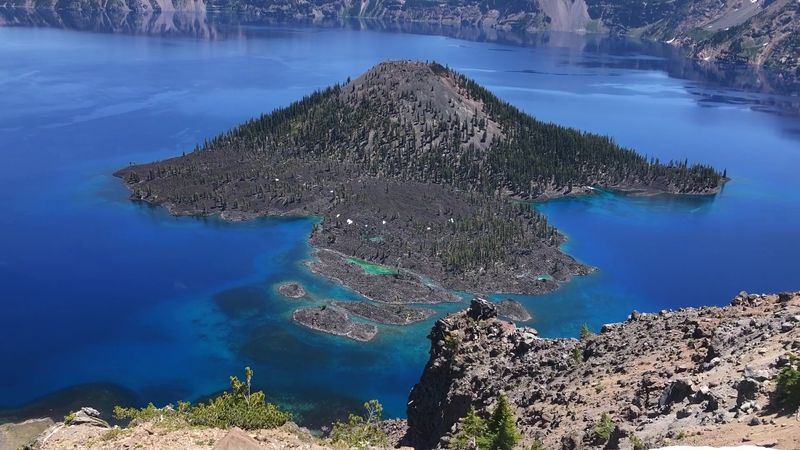
Wizard Island sits near the western edge of Crater Lake like something out of a fantasy novel. It is a cinder cone volcano, meaning it formed from accumulated volcanic debris after the original caldera collapse.
The island rises about 755 feet above the lake surface, and it has a small crater at its summit.
You can actually hike to the top of Wizard Island if you take the boat tour from Cleetwood Cove, which is the only place in the entire park where you can physically access the lake shore.
The hike up the island is steep but short, and the view from the top looking back across the water toward the rim is genuinely spectacular.
The boat tours also stop at a spot where passengers can swim in the lake if they are brave enough. The water is extremely cold even in midsummer because it is fed entirely by snowmelt and precipitation. A few people jump in enthusiastically.
Most people admire the view from the boat with great appreciation for their body temperature.
Cleetwood Cove Trail, the Only Way Down to the Water
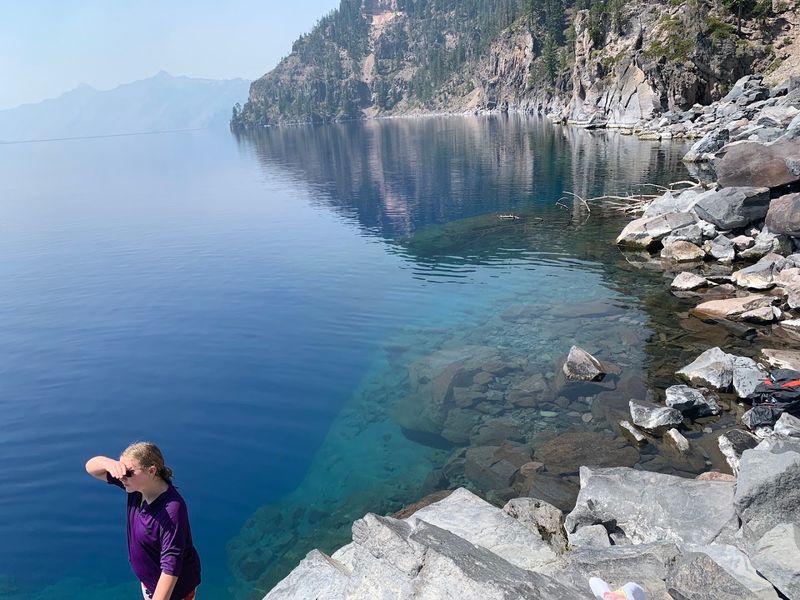
Getting down to the actual shoreline of Crater Lake requires effort, and that feels appropriate somehow. Cleetwood Cove Trail is the only path that descends from the rim to the water, dropping about 700 feet over roughly 1.1 miles.
It is steep enough that the park specifically warns people not to attempt it if they struggle with knee or joint issues.
The hike down is manageable for most reasonably active visitors, but the hike back up is where people start to feel it. Going at a steady pace and bringing plenty of water makes the return trip much more enjoyable. The reward at the bottom is worth every step.
At the cove, you can dip your hands in water so clear it almost looks like glass. Boat tours depart from a small dock here, and watching the lake from water level instead of the rim gives you a completely different sense of its scale.
The caldera walls tower above you, and the water stretches out in every direction in that impossible shade of blue. It reframes the whole experience.
Waterfalls Hidden Inside the Park
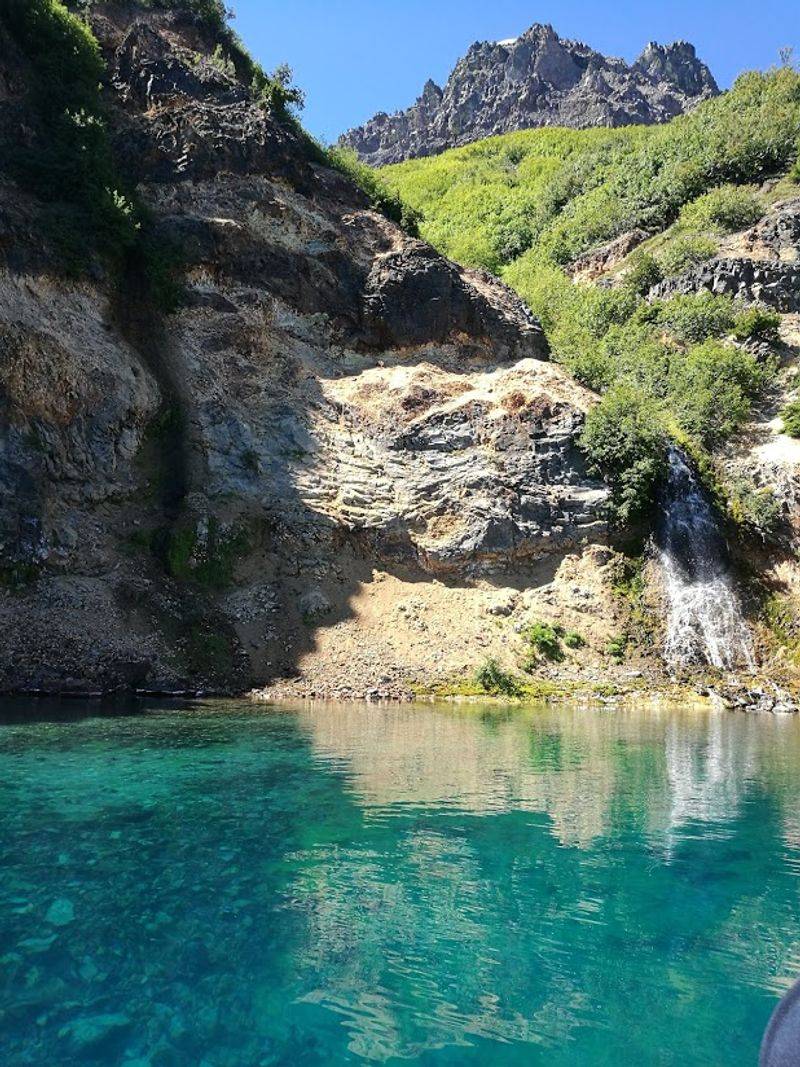
Most visitors come to Crater Lake for the lake itself, which makes complete sense. But the park holds several waterfalls that feel like hidden rewards for anyone willing to explore a little beyond the rim overlooks. Four named waterfalls exist within the park boundaries, each with its own character.
Vidae Falls is the most accessible, dropping about 100 feet right alongside the road, so you can see it without any significant hiking. Duwee Falls also reaches around 100 feet and has a dramatic plunge-style drop.
Annie Falls, at 53 feet tall, sits near the south end of the Rim Village Historic District along Annie Creek.
Plaikni Falls is the one that requires a bit more commitment, sitting at the end of an almost two-mile round-trip hike off Pinnacles Road. The trail is not difficult, but it takes about 45 minutes total.
The falls themselves are only about 20 feet tall, but the setting, tucked into a quiet forested canyon, makes them feel like a genuine discovery. Knowing these exist makes the park feel much larger than just one lake.
The Pinnacles, an Eerie Landscape Worth Seeking Out
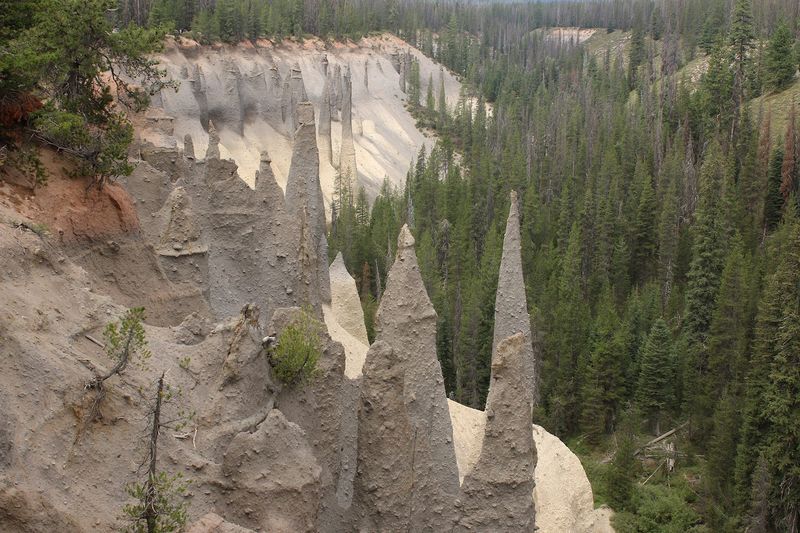
The Pinnacles are one of those places inside the park that most visitors never find, which is a genuine shame. Located east of the Rim Visitor Center along Wheeler Creek, they are reached by turning off Rim Drive onto Pinnacles Road and driving south to the end.
What you see there is genuinely strange. Dozens of tall, pale spires rise from the canyon floor like something from another planet. These formations are called fumarolic pinnacles, created when hot volcanic gases moving through ash deposits hardened the material around them into solid columns.
The softer surrounding ash eroded away over time, leaving the spires standing.
The whole scene feels almost prehistoric. There is very little noise out there, just wind and the occasional bird. The short hike takes about ten minutes at a relaxed pace, making it one of the easiest detours in the park with one of the highest payoffs.
If you have any time left after seeing the lake, this is where I would point you next.
When to Visit and What to Actually Expect
Crater Lake sits at high elevation, which means winter arrives early and stays late. The park is typically snowbound with very limited access from late fall through spring. Summer is when the park fully opens and all the major roads and trails become accessible.
Visiting in early July can still mean encountering snow on some trails. That is worth keeping in mind when planning. Weather at the rim can shift quickly, with fog common in the early morning even during summer.
September is a sweet spot that many experienced visitors recommend. Crowds thin out noticeably after mid-August, temperatures are still comfortable, and the light in early fall has a particular warmth that makes the lake look even more dramatic.
The trolley tour around Rim Drive is a smart option on busy summer days when traffic along the road makes stopping at multiple viewpoints frustratingly slow.
Staying, Exploring, and Making the Most of Your Time
Rim Village is the main hub for amenities inside the park, offering a visitor center, gift shop, and a restaurant. The staff at the visitor center are genuinely helpful, providing maps and detailed advice, whether that means short walks, longer hikes, or just finding the best photo spots.
Camping inside the park is available and, based on multiple visitors’ experiences, makes the whole trip feel more immersive. Watching the light change on the lake at different times of day is something you simply cannot do on a quick day trip.
Sunrise and late afternoon light hit the water in entirely different ways.
Entry to the park costs $30 per vehicle and covers seven days of access, which is a reasonable deal for everything the park offers. Parking at most overlooks along Rim Drive is manageable, particularly if you arrive early or visit on weekdays.
