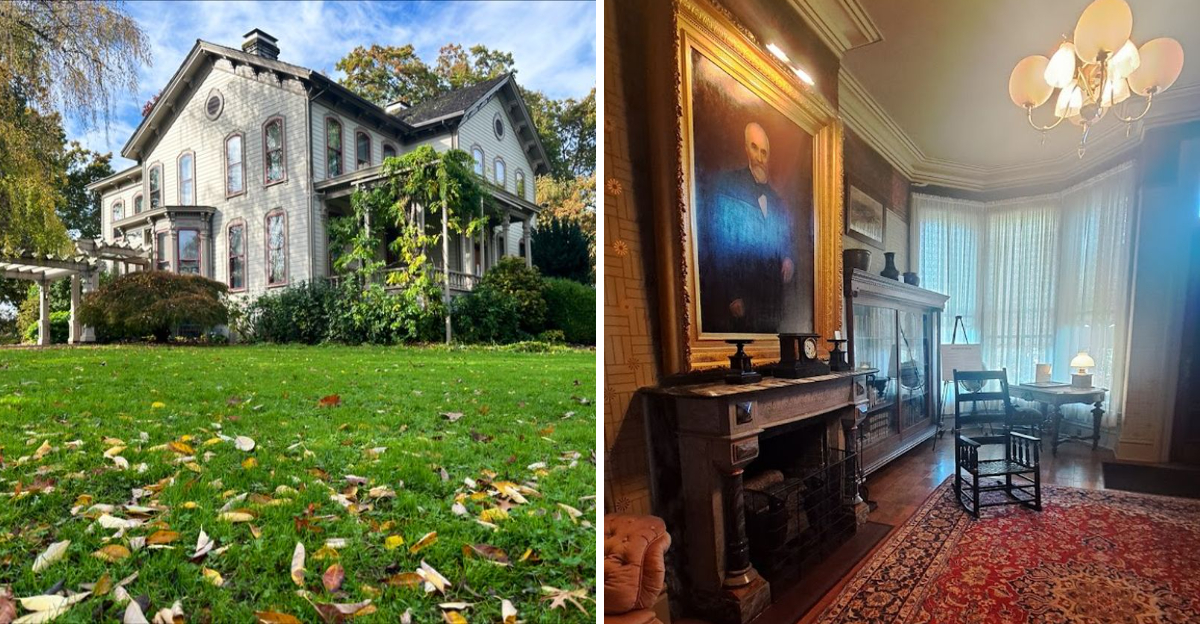
An 1878 Oregon mansion doesn’t just sit there. It pulls you straight into another century.
I walk up and immediately feel like I’ve stepped into a perfectly preserved 19th-century time capsule. Every detail still seems to remember its original story.
The woodwork feels rich and untouched. The rooms carry a quiet, old-world charm.
Even the creaks underfoot feel intentional. It’s like the house never really left its own era.
Locals treat it like a quiet piece of pride, while I move from room to room like I’m accidentally time traveling.
Nothing feels rushed here. Even the silence has a kind of elegance to it.
And by the time I leave, it doesn’t feel like I toured a mansion. It feels like I briefly lived in another century.
The Story Behind Asahel Bush and His 1878 Mansion
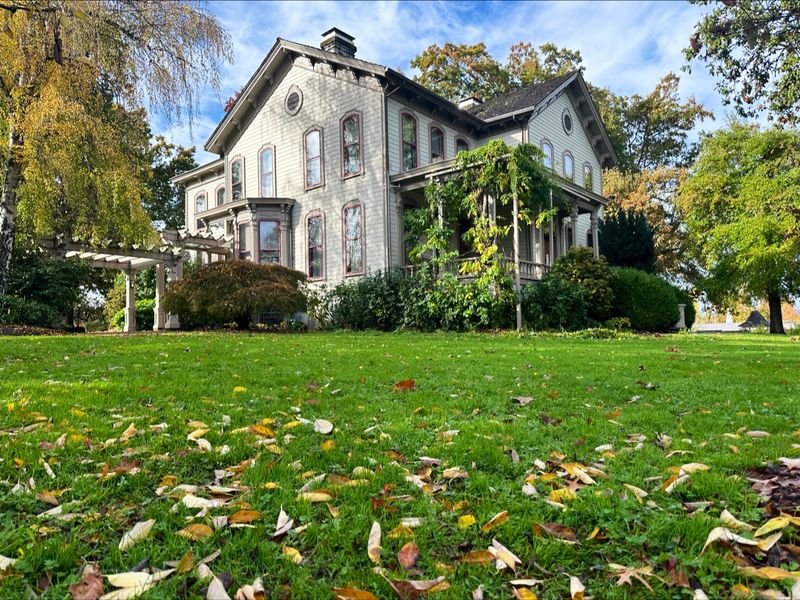
Some houses carry a personality that hits you before you even step inside. Bush House Museum is exactly that kind of place.
The home was built for Asahel Bush II, a powerful Oregon newspaper publisher and banker who shaped much of Salem’s early political landscape.
He was not a simple man, and his house reflects that. The Italianate-style mansion was constructed with serious craftsmanship and an eye for detail that was rare even for its time.
The building still stands as one of the most complete surviving examples of 19th-century domestic life in the Pacific Northwest.
What makes the story even more compelling is how little has changed. The Bush family lived here for decades.
Much of what you see today belonged to them personally. Walking through the rooms feels less like a museum visit and more like stepping into someone’s private world, one that just happens to be over 140 years old.
That feeling is hard to replicate anywhere else in Oregon.
Original Wallpaper That Has Survived Over a Century
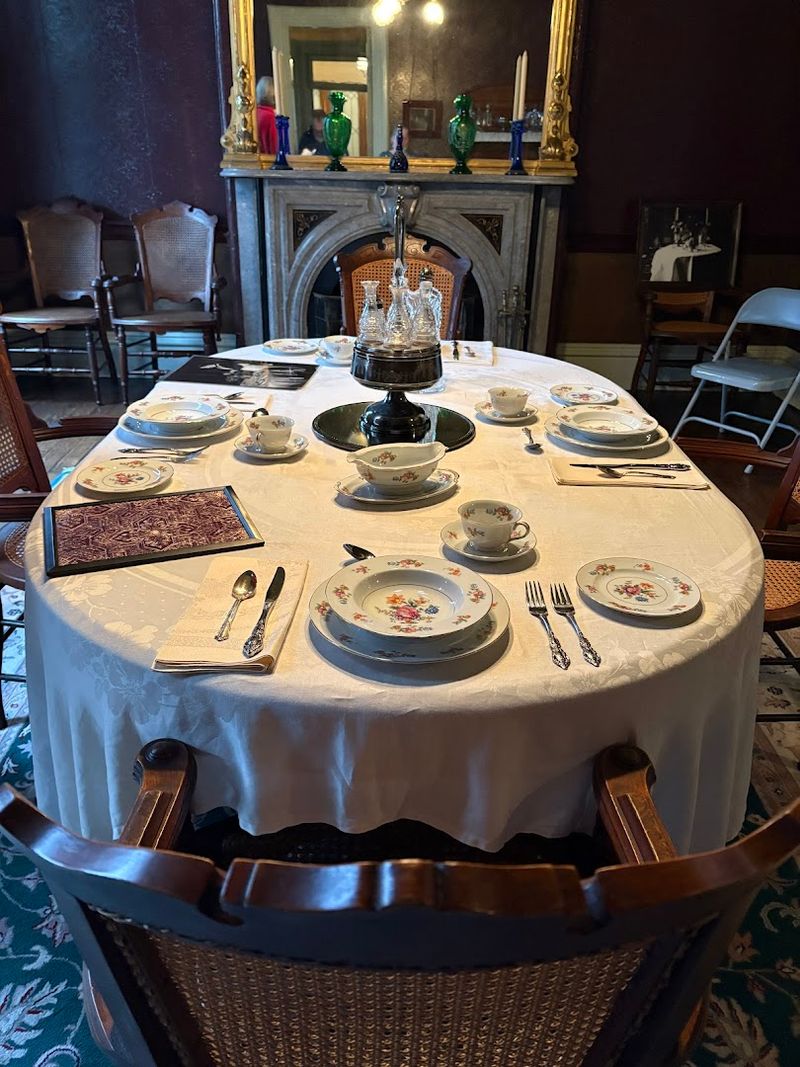
Most people do not expect to see original wallpaper still clinging to the walls of a home built in 1878. At Bush House Museum, that is exactly what you find.
The patterns are detailed, layered, and surprisingly vivid given their age.
Standing in front of them feels oddly personal. Someone chose these designs.
Someone hung them. And somehow, they survived more than a century of Oregon weather, changing hands, and the general wear of time.
That kind of survival is rare in historic preservation.
The wallpaper is one of those details that sneaks up on you during the tour. At first, you notice the furniture or the architecture.
Then your eyes drift to the walls, and you realize what you are actually looking at. It adds a layer of authenticity that no reproduction could match.
Guides are happy to point out specific sections and explain what different patterns meant stylistically during the Victorian era. It is one of the quieter highlights of the entire visit.
Furniture and Furnishings That Never Left the House
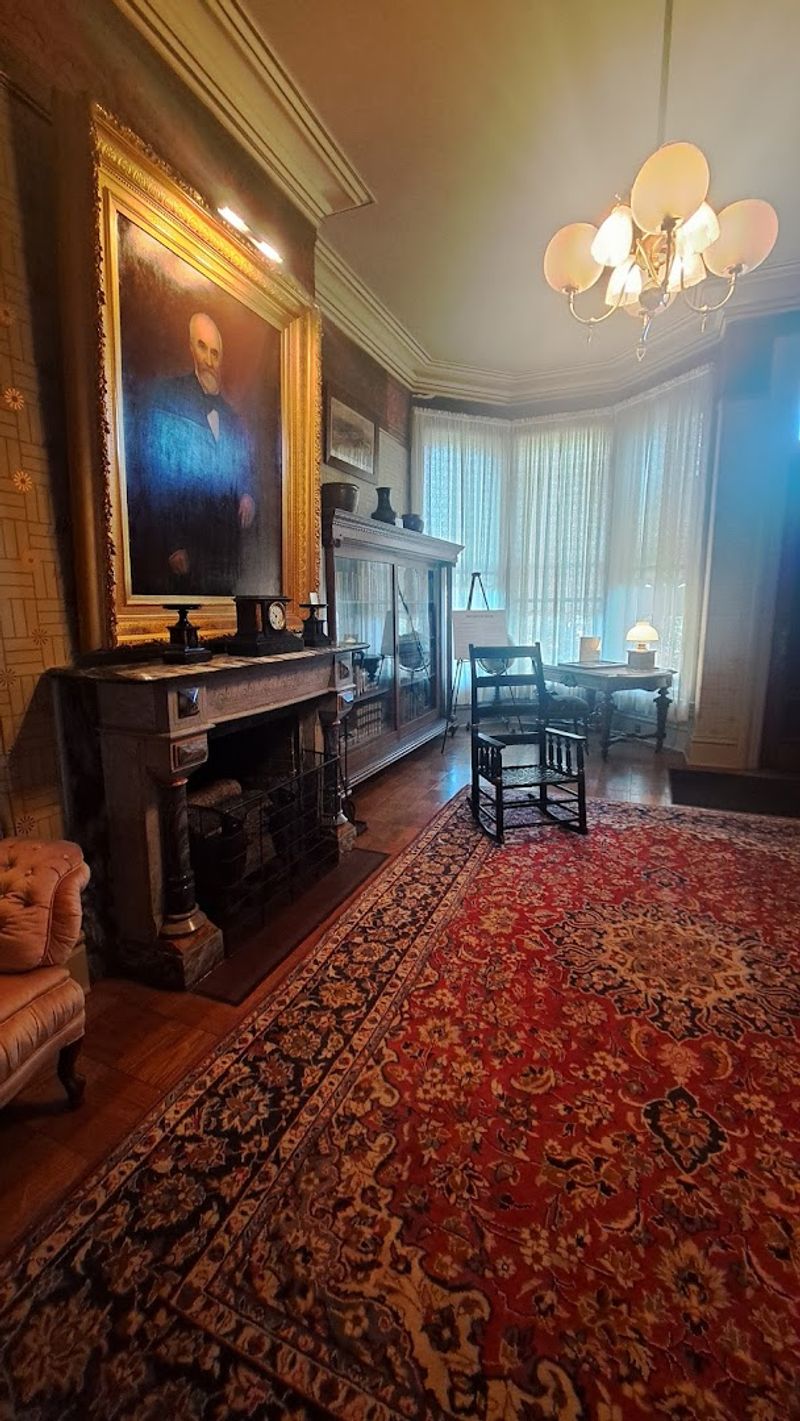
One of the first things a visitor notices is how furnished the rooms actually are. This is not a stripped-down shell of a historic home.
Bush House Museum holds an extraordinary collection of original furniture, most of which never left the property after the family moved in.
Chairs, tables, cabinets, and decorative objects all remain in the rooms where they were originally placed. That kind of continuity is almost unheard of in American historic preservation.
It gives the house a lived-in quality that feels warm rather than sterile.
Running your eyes across a room and knowing that what you see is genuinely original adds real weight to the experience. A rocking chair by the window is not a replica.
A writing desk in the corner was actually used. These small realizations stack up during the tour until the house starts to feel less like a museum and more like a home that simply stopped in time.
That distinction matters more than it might sound.
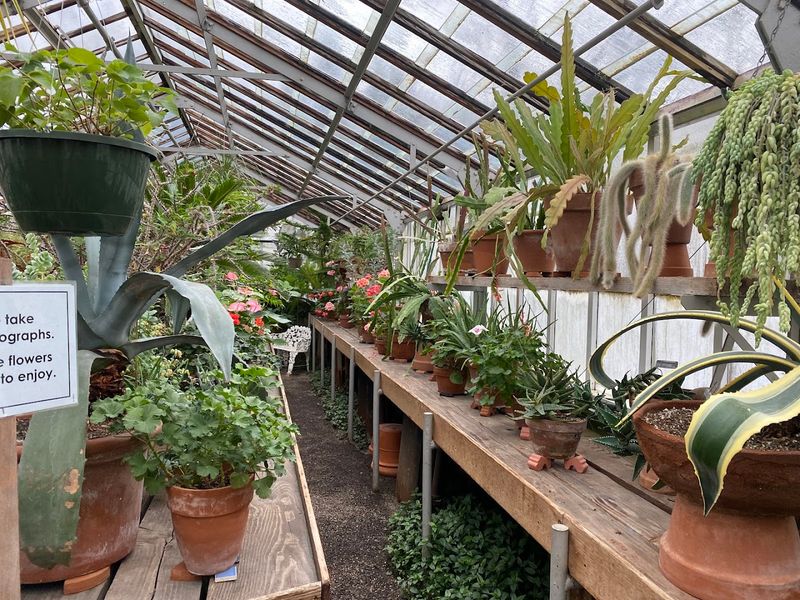
The Greenhouse That Steals the Show Outside
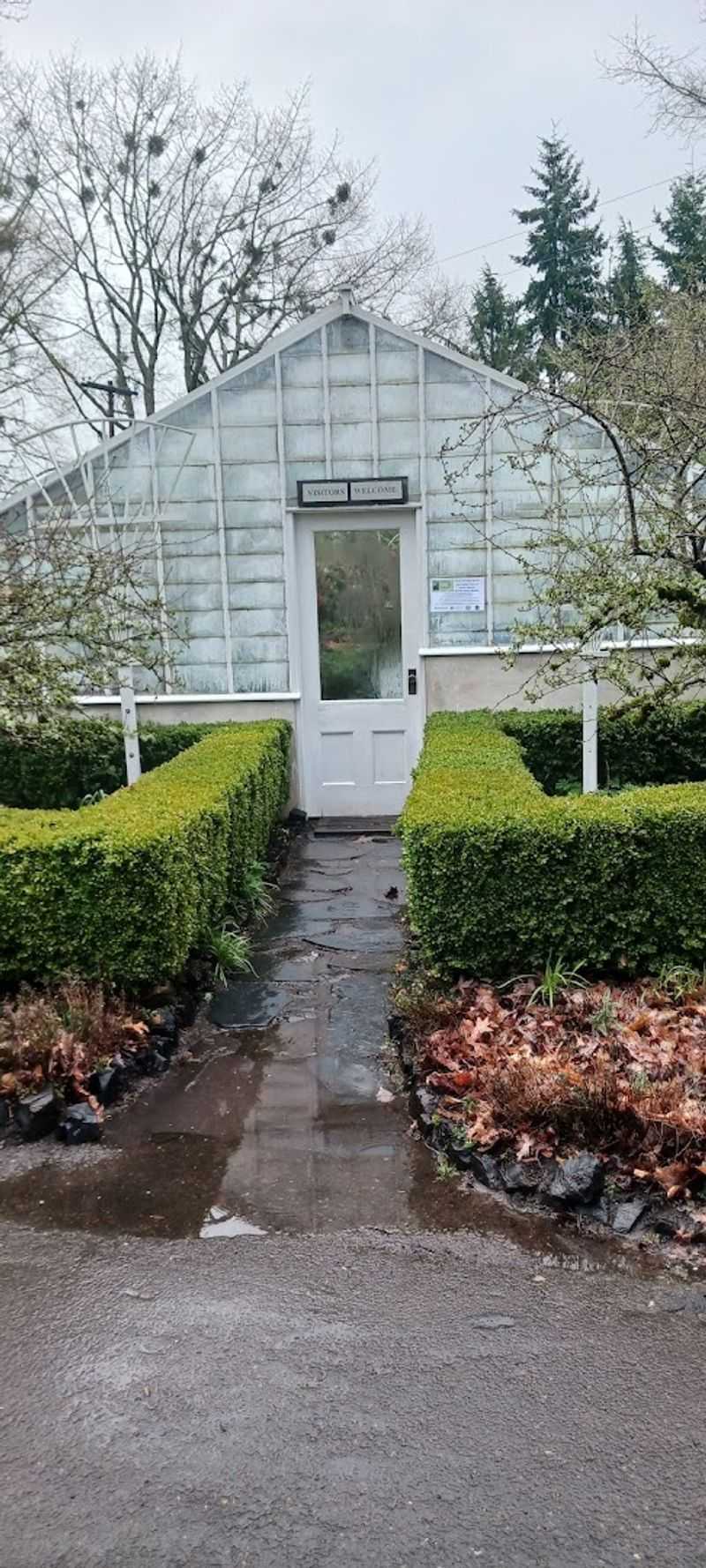
Before even entering the mansion, the greenhouse on the property has a way of stopping people mid-stride. It is a striking structure, vintage in design and surrounded by mature plantings that soften its edges beautifully.
Many visitors mention it as one of their favorite parts of the entire estate.
The greenhouse speaks to how the Bush family lived. They were not simply wealthy by Oregon standards.
They cultivated a lifestyle that included tended gardens, curated greenery, and a connection to the land around them. The greenhouse is a physical remnant of that sensibility.
Even on days when the museum itself is closed, visitors can still explore the grounds and admire the greenhouse from outside. The light hits the glass panels in a way that feels almost painterly in the late afternoon.
It is the kind of detail that makes you slow down and actually look. Photographers especially tend to linger here longer than they planned.
It rewards patience and a good eye for texture and light.
Bush’s Pasture Park: The Stunning Grounds Around the Mansion
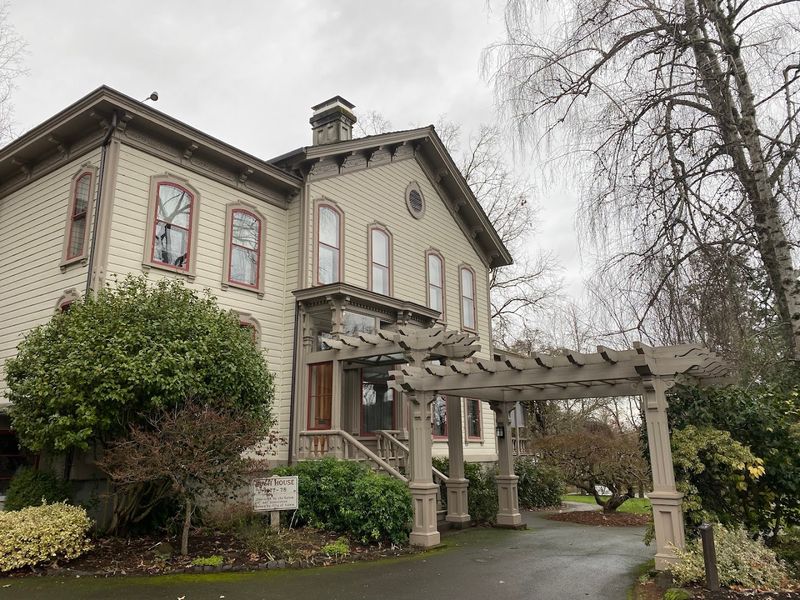
The house does not stand alone. It sits within Bush’s Pasture Park, a sprawling urban green space that wraps around the mansion and extends far beyond it.
The park is genuinely stunning, with mature trees, open lawns, and winding paths that invite long, unhurried walks.
Families come here regularly, not just for the museum but for the space itself. It is the kind of park that feels generous.
There is room to spread out, to sit under a tree, or to simply wander without a destination. The scale of it is unexpected for a city park.
Visiting the mansion and then stepping out into the park creates a satisfying contrast. The house pulls you inward, into detail and history.
The park does the opposite. It opens everything up.
Together, they make for a visit that covers both the intimate and the expansive. Many visitors end up spending far more time here than they originally planned, which is honestly the best possible outcome for an afternoon in Salem.
The Free Guided Tours and What to Expect
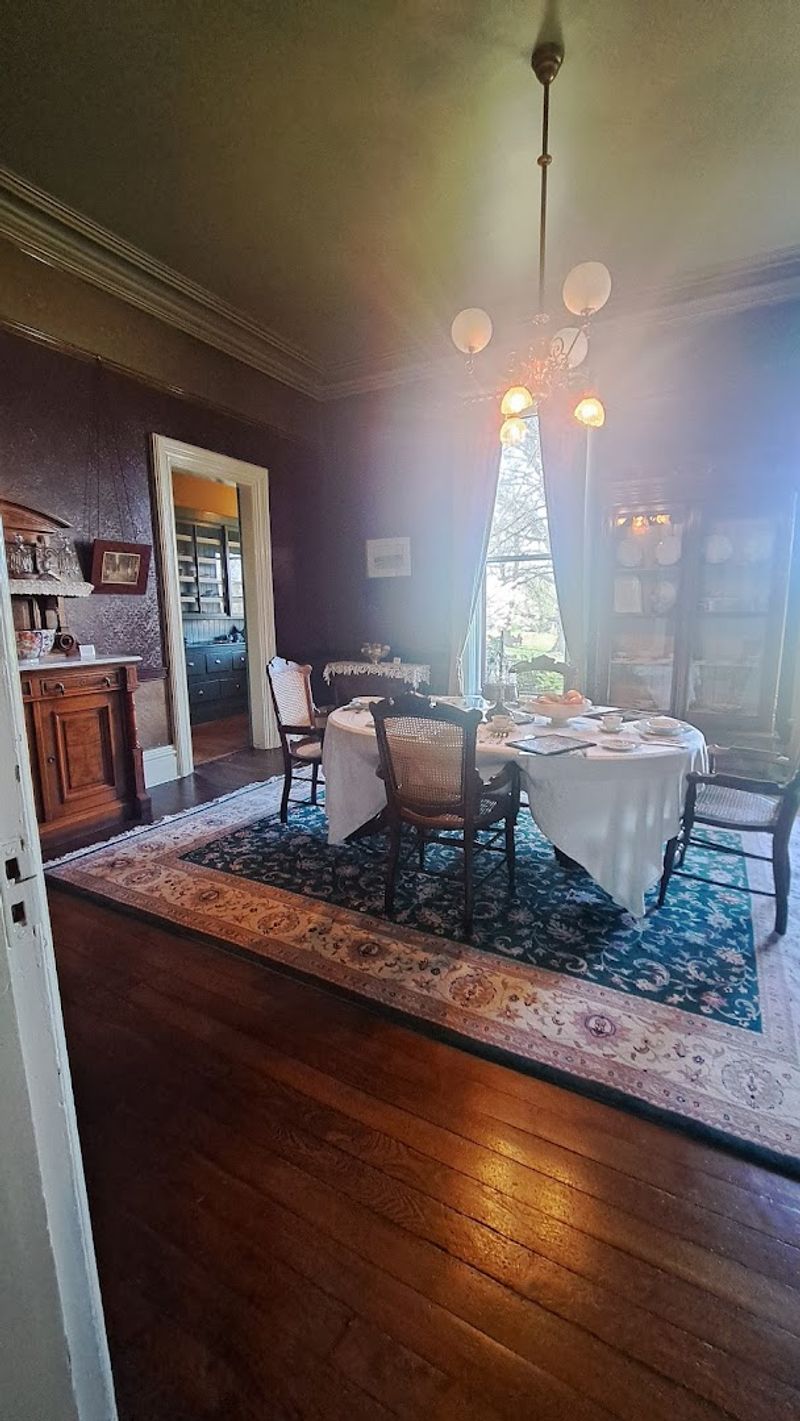
The guided tours at Bush House Museum are free, which feels almost too good to be true given the quality of the experience. Guides are knowledgeable and clearly passionate about the history they share.
The storytelling is specific, grounded in real detail rather than vague generalities.
Tours run Thursday through Saturday from noon to 4 PM. That schedule is worth noting before you make the trip, since the museum is closed the rest of the week.
Arriving early gives you a better chance of joining a tour without a long wait.
The format works well for curious adults and older kids who enjoy history. Guides move through the rooms at a comfortable pace, pointing out details that a solo visitor would likely miss entirely.
The wallpaper, the furniture placement, the architectural choices, all of it gets context during the tour. By the end, the house feels less like a collection of old objects and more like a coherent story about a real family and a real place in Oregon’s complicated past.
That shift in perspective is the whole point.
Oregon History Woven Into Every Room
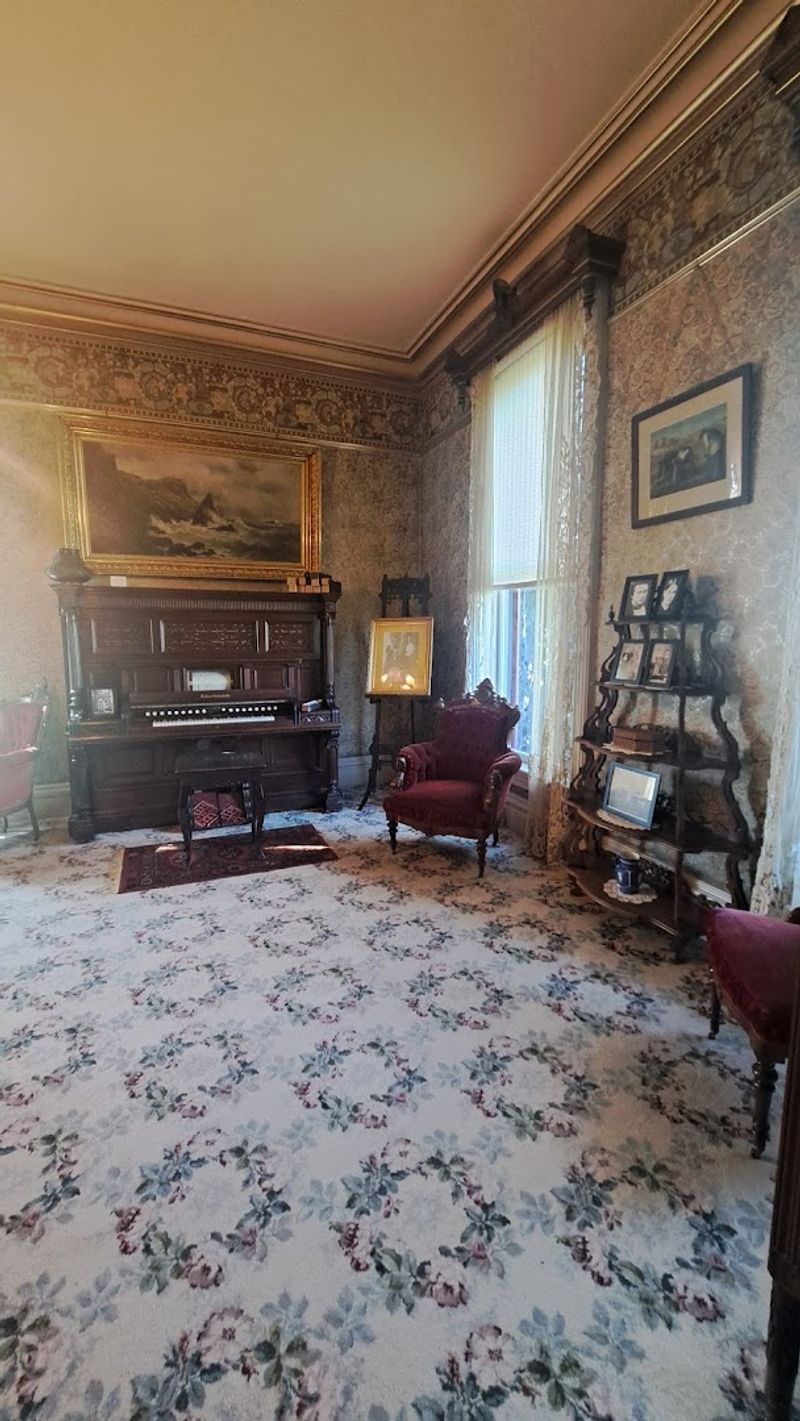
Bush House is not just a pretty old building. It is a direct window into Oregon’s formative years, and the tour does not shy away from the complicated parts of that history.
Asahel Bush II was a central figure in 19th-century Oregon politics, and his home reflects both the power he held and the era he lived in.
The house quietly holds layers of history that go beyond decorative wallpaper and antique chairs. Guides connect the objects in each room to broader events in Oregon’s development.
That context transforms the visit from a simple house tour into something more meaningful.
Oregon’s history is not always comfortable to examine, and Bush House does not pretend otherwise. The museum engages with that complexity honestly.
Visitors leave with a richer understanding of how Salem grew, who shaped it, and what that process actually looked like on the ground. That kind of honest, layered storytelling is what separates a great historic site from a merely attractive one.
Bush House earns that distinction without effort.
The Italianate Architecture That Sets It Apart
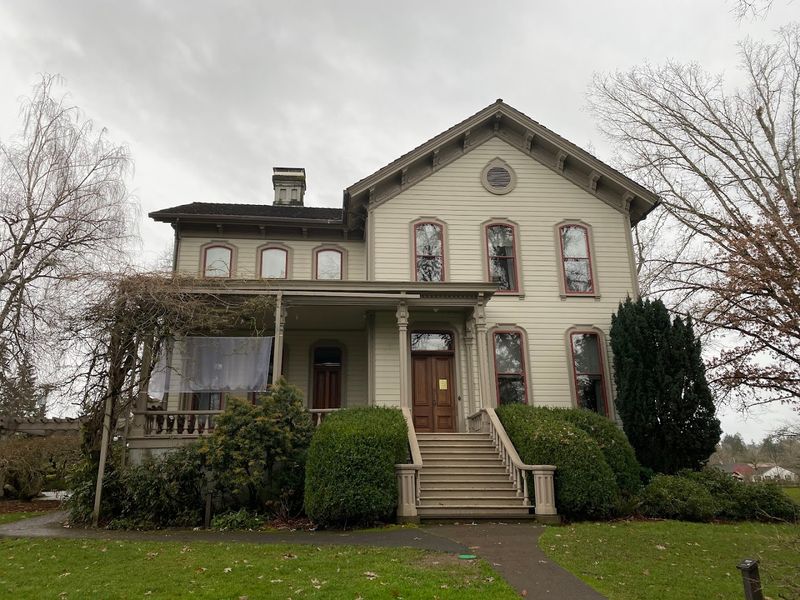
Not every old house is architecturally interesting. Bush House is.
The Italianate style it was built in was fashionable among wealthy Americans in the mid-to-late 1800s, but few examples survive this intact. The proportions are tall and deliberate.
The window hoods and decorative details feel bold even by today’s standards.
Standing outside and just looking at the facade is worth a few quiet minutes. The craftsmanship is visible even from a distance.
Up close, the details become even more specific, carved wood, layered trim, and a structural logic that feels confident rather than fussy.
Inside, the architecture continues to impress. Ceiling heights, room proportions, and the flow between spaces all reflect careful planning.
This was not a house built quickly or cheaply. It was designed to last and to communicate something about its owner’s place in the world.
Over 140 years later, it still does exactly that. For anyone interested in American architectural history, Bush House offers a rare and genuinely well-preserved example of Italianate design in the Pacific Northwest.
The Atmosphere Inside: Eerie, Warm, and Utterly Unforgettable
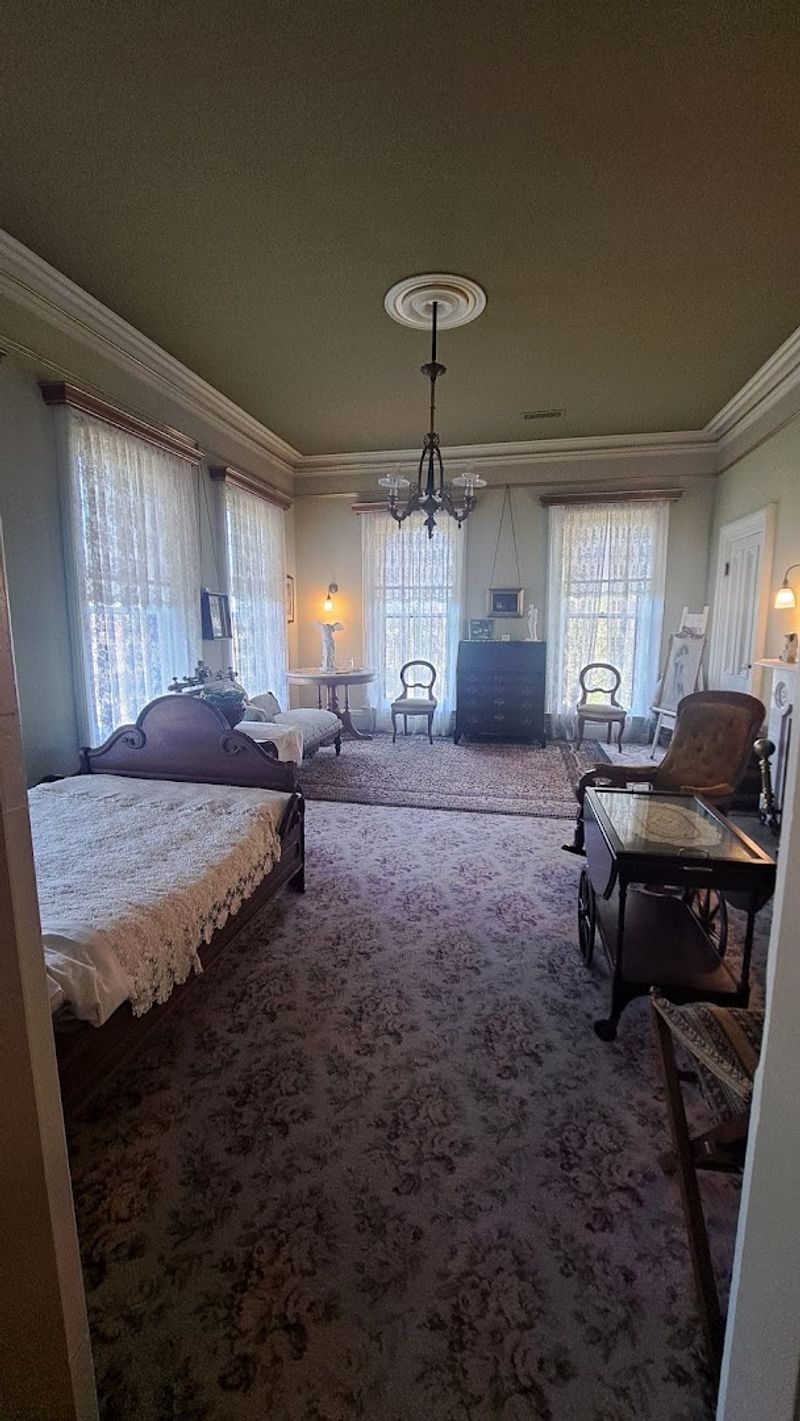
Several visitors describe the inside of Bush House as having a creepy vibe, and honestly, that is not wrong. The rooms are so intact, so full of original objects, that the line between museum and occupied home starts to blur.
That feeling is unsettling in a way that is hard to shake and impossible to forget.
It is not a horror-movie kind of atmosphere. It is quieter than that.
More like the feeling of walking into a room where someone just left. The objects are too personal, too specific, to feel like props.
A hairbrush on a dresser. A book left open.
Small things that carry real weight.
That atmosphere is actually one of the museum’s greatest strengths. It pulls you out of passive observation and into something more active.
You start noticing things you were not looking for. The tour guide’s voice fades a little as your own imagination fills in the gaps.
That kind of immersive, slightly unnerving quality is exactly what makes Bush House different from every other historic home in Oregon.
Planning Your Visit: Hours, Tips, and Getting the Most Out of It
Planning ahead makes a real difference at Bush House Museum. The museum is open Thursday through Saturday from noon to 4 PM only.
Sunday, Monday, Tuesday, and Wednesday are all closed. Arriving before 3 PM gives you the best shot at catching a full guided tour without feeling rushed.
The tours are free, but the experience is far from basic. Wear comfortable shoes since the tour moves through multiple rooms and occasionally uneven flooring.
Bringing a camera is a great idea. The light inside the house, especially in the afternoon, makes for genuinely beautiful photographs.
The surrounding park means you can easily extend the visit into a longer afternoon out. Pack a snack, walk the grounds after the tour, and let the whole experience breathe a little.
Bush House is not the kind of place that rewards rushing. It rewards the opposite.
Slow down, ask the guides questions, and let the details accumulate. By the time you leave, Salem will feel like a place with real depth and a history worth knowing.
Address: 600 Mission St SE, Salem, OR 97302
Dear Reader: This page may contain affiliate links which may earn a commission if you click through and make a purchase. Our independent journalism is not influenced by any advertiser or commercial initiative unless it is clearly marked as sponsored content. As travel products change, please be sure to reconfirm all details and stay up to date with current events to ensure a safe and successful trip.
