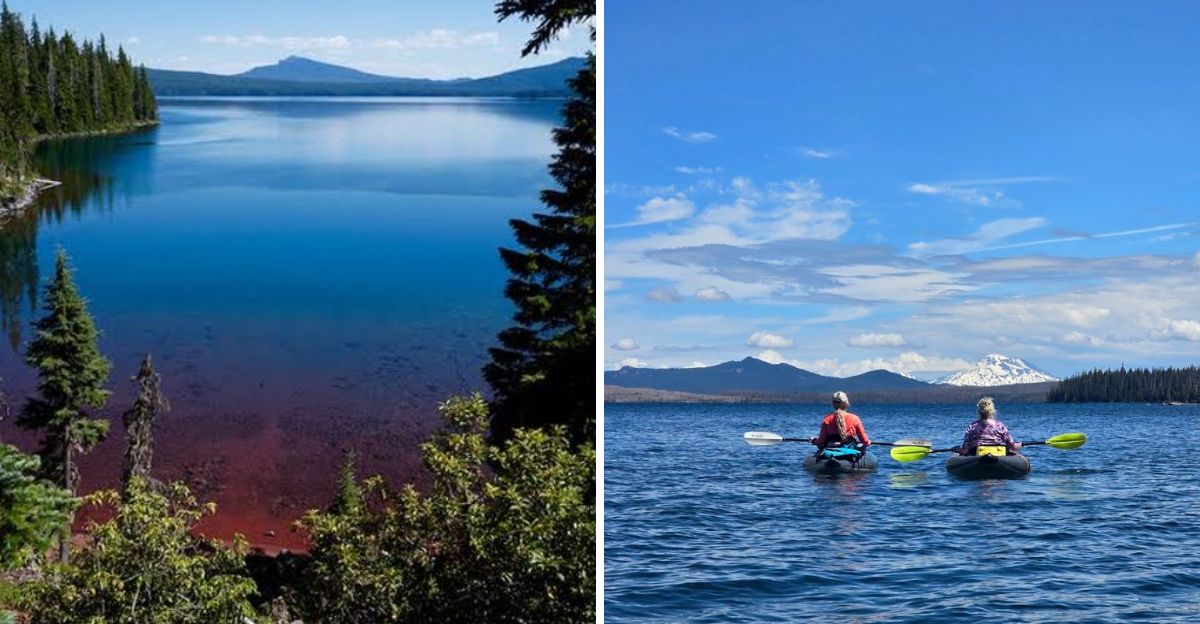
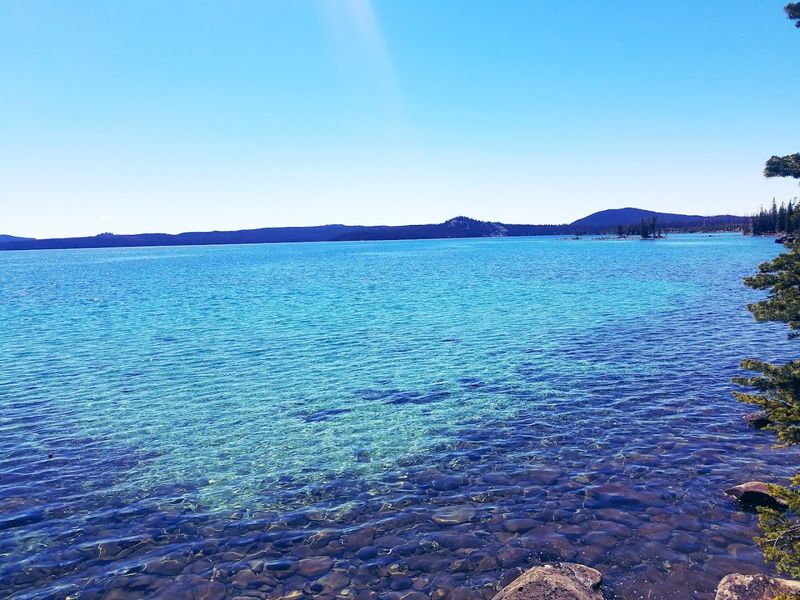
I still remember the first time I paddled out onto Waldo Lake’s glassy surface and looked straight down through what felt like liquid air. The water was so transparent that I could see the sandy bottom over 100 feet below my kayak, every pebble and submerged log rendered in perfect detail.
This extraordinary alpine lake, hidden high in Oregon’s Cascade Mountains within Willamette National Forest, remains one of the world’s purest bodies of water.
Most travelers rush past the turnoff on Highway 58, completely unaware of this natural wonder waiting just miles away. Late spring transforms Waldo Lake into something truly magical, when snowmelt fills the basin and the water reaches its peak clarity before summer algae blooms.
The lake sits at over 5,400 feet elevation, surrounded by thick forests of Douglas fir and Western Hemlock that somehow survived recent wildfires.
I’ve visited dozens of mountain lakes across the Pacific Northwest, but nothing compares to Waldo’s otherworldly blue depths and the peaceful silence that blankets its 10 square miles of surface area.
Water Clarity That Defies Belief
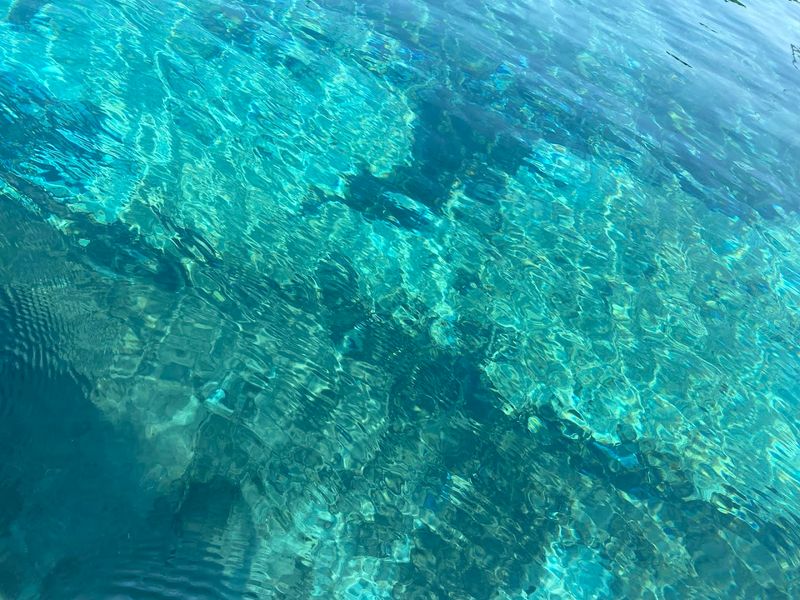
Standing at the shoreline, I couldn’t believe what I was seeing. The water was so clear that distance became meaningless, rocks 80 feet down appeared close enough to touch.
Waldo Lake’s visibility regularly exceeds 100 feet, placing it among the purest lakes on Earth alongside Crater Lake.
This extraordinary clarity results from the lake’s ultra-oligotrophic state, a scientific term meaning it contains almost no nutrients to support plant or algae growth. Without microscopic organisms clouding the water, sunlight penetrates to astonishing depths.
Late spring offers the best viewing conditions, when snowmelt replenishes the lake before any summer warming occurs.
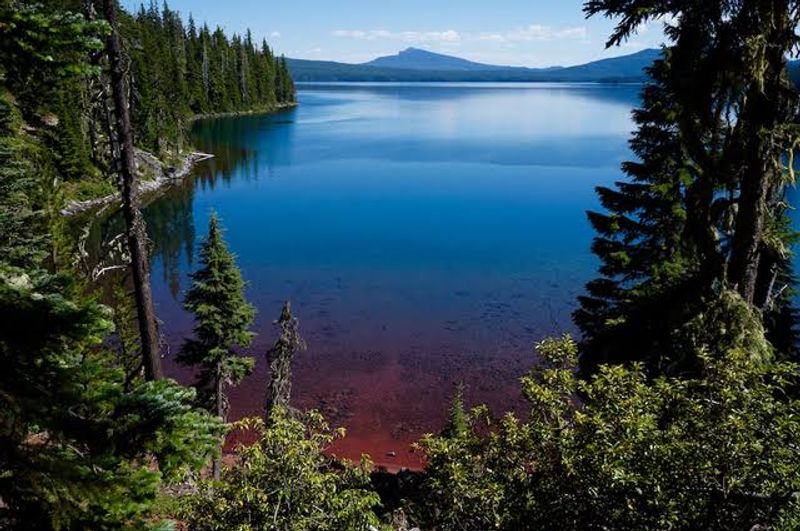
I spent hours just staring into the depths, mesmerized by the indigo blue that deepened toward the center. The sandy bottom creates a turquoise glow near shore that shifts to darker sapphire as the lake plunges to its maximum depth of 420 feet.
Every paddle stroke revealed new underwater landscapes, a privilege few lakes in Oregon or anywhere else can offer.
Bring polarized sunglasses to fully appreciate the transparency, and plan your visit for calm mornings when the surface mirrors the surrounding peaks perfectly.
No Rivers Feed This Alpine Wonder
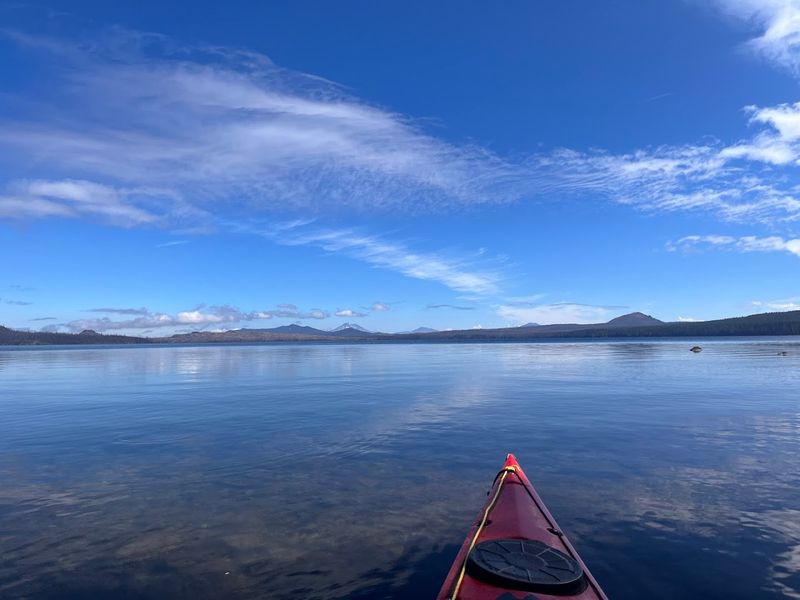
Here’s what makes Waldo Lake truly unique among mountain lakes: no permanent streams or rivers flow into it. I hiked the entire shoreline looking for inlets and found none.
Instead, the lake fills exclusively through underground springs and direct snowmelt seeping through the surrounding volcanic soil.
This absence of surface inlets explains everything about the water’s purity. Rivers and streams carry nutrients, sediments, and organic matter that feed algae and plankton.
Without these inputs, Waldo Lake remains essentially sterile, a vast basin of distilled snowmelt that accumulates year after year. The water chemistry resembles distilled water more than a typical lake.
During late spring, I watched snowbanks melt directly into the lake along the northern shore, each droplet contributing to the basin without bringing any nutrients along. The surrounding forests of Douglas fir shed minimal organic debris into the water compared to deciduous trees.
Even the volcanic bedrock contributes almost nothing in dissolved minerals.
This geological quirk creates a self-perpetuating cycle of purity that has lasted thousands of years since glaciers carved the basin approximately 10,000 years ago.
Late Spring Timing Is Everything
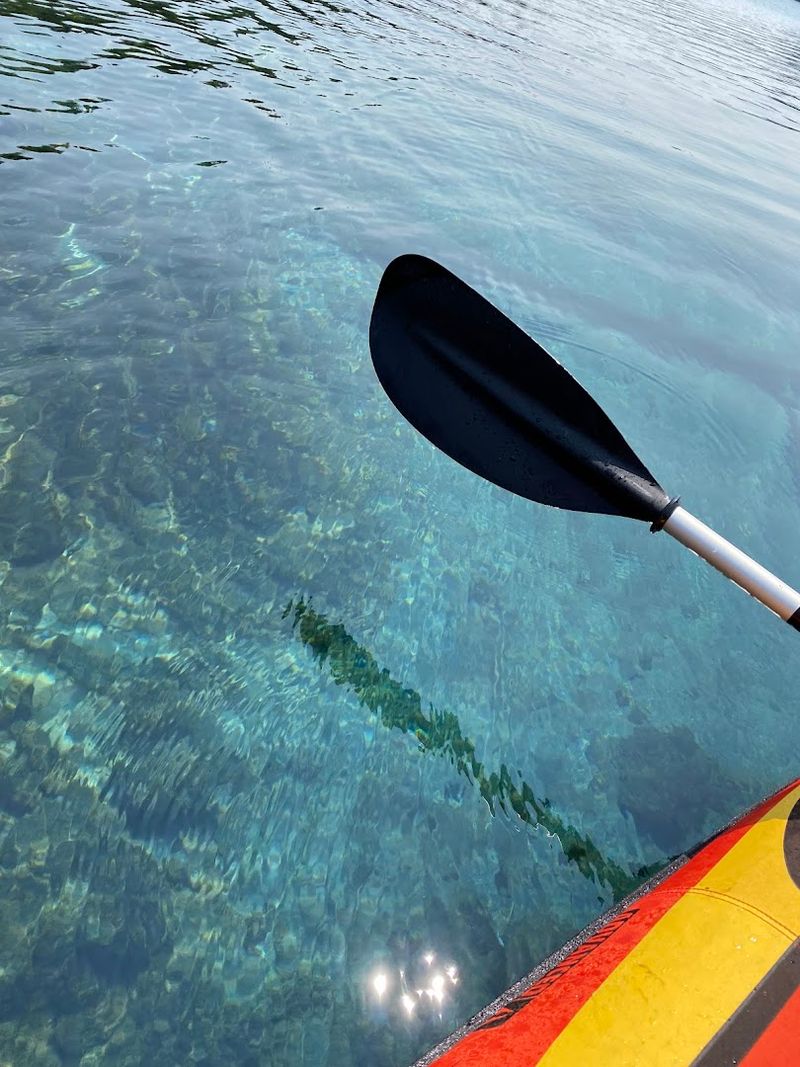
Timing your visit makes all the difference at Waldo Lake. I learned this the hard way after arriving in July to find hordes of mosquitoes and slightly cloudier water.
Late spring, typically late May through mid-June, offers the sweet spot when conditions align perfectly.
The lake reaches peak clarity during this window for several reasons. Snowmelt has filled the basin to capacity, but summer hasn’t warmed the water enough to trigger any algae growth.
The water temperature hovers between 50 and 55 degrees, cold enough to keep biological activity minimal. Plus, the notorious mosquito populations haven’t reached their summer peak yet, making outdoor activities far more enjoyable.
I returned in late May the following year and experienced a completely different lake. The water gleamed with that impossible clarity, and I could paddle for hours without constantly swatting insects.
Campgrounds had plenty of available sites, unlike the packed conditions of summer weekends. The surrounding peaks still wore caps of snow, creating stunning photo opportunities across the water.
Road access opens once snow clears from Forest Road 5897, usually by late May, though conditions vary yearly depending on snowpack levels in Oregon’s Cascades.
Second Largest Natural Lake in the Cascades
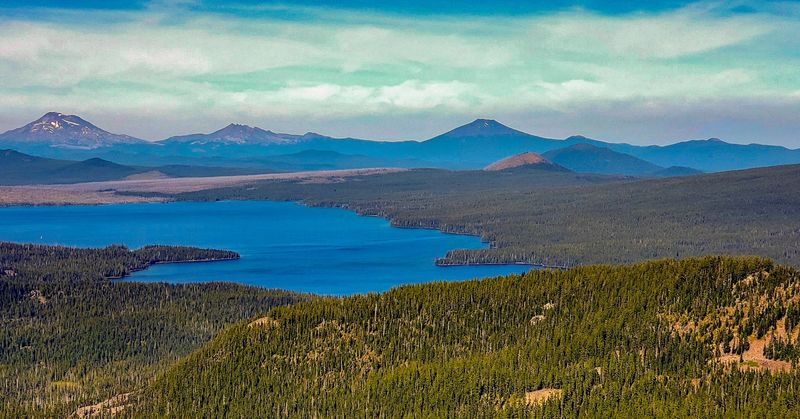
The sheer size of Waldo Lake surprised me. Covering just under 10 square miles of surface area, this massive body of water ranks as the second largest natural non-alkali lake in Oregon.
Only Crater Lake surpasses it among the state’s natural lakes, and Waldo Lake actually contains more accessible shoreline for recreation.
I spent three days kayaking and barely covered half the perimeter. The lake stretches roughly 5 miles long and 2 miles wide, with enough room that even on busy summer weekends, paddlers can find solitude along remote sections of shoreline.
That 420-foot maximum depth means the lake holds an enormous volume of water, all of it filtered through volcanic rock over centuries.
The scale becomes apparent from higher elevations along surrounding trails. Looking down, the lake appears as a massive blue gemstone set into the green carpet of forest.
Small islands dot the southern end, including one popular destination that requires a solid paddle to reach. The size also creates its own weather patterns, with winds that can kick up substantial waves by afternoon.
This combination of size and purity makes Waldo Lake irreplaceable in Oregon’s Cascade Range, a natural treasure that few people outside the region even know exists.
Electric Motors Only Protect the Water
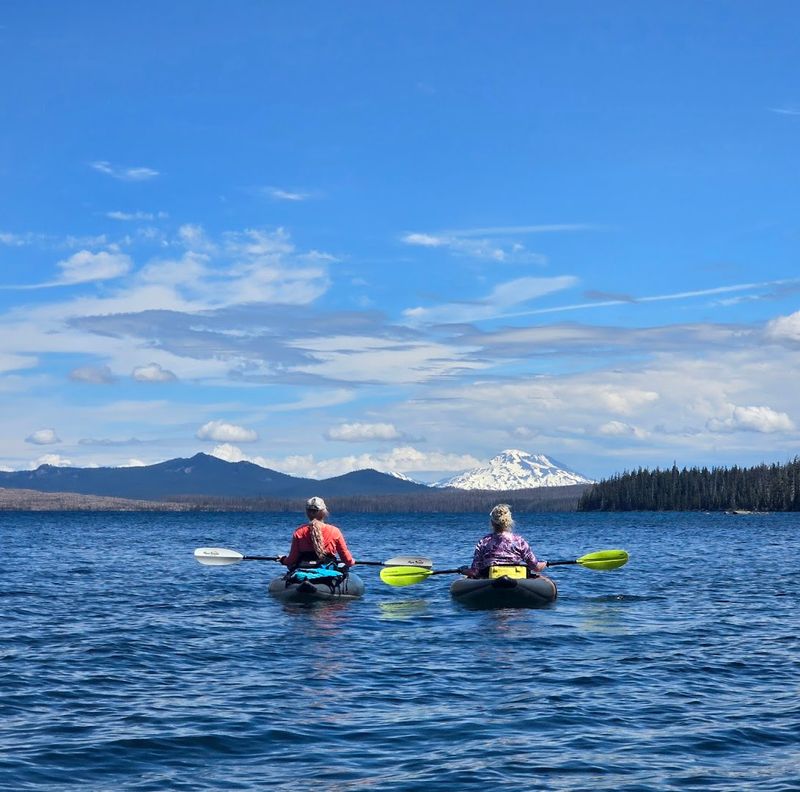
Silence defines the Waldo Lake experience in ways most modern lakes have forgotten. The Forest Service restricts motorboats to electric motors or small combustion engines of 10 horsepower or less, a policy that preserves both water quality and the peaceful atmosphere.
I paddled for hours hearing nothing but bird calls and the gentle lap of water against my kayak hull.
This restriction serves multiple purposes beyond just noise reduction. Gas-powered motors can leak fuel and oil into the water, introducing pollutants that would devastate Waldo Lake’s delicate chemistry.
Even small amounts of petroleum products could trigger algae growth or harm the lake’s ultra-pure state. Electric motors eliminate this risk entirely while still allowing access for those who need motorized assistance.
The policy also creates a self-selecting visitor base. People who come to Waldo Lake typically seek quiet recreation rather than high-speed thrills.
I encountered mostly kayakers, canoeists, and sailors who appreciated the tranquil environment. The few boats with small electric trolling motors moved slowly, their occupants often fishing in the clear depths.
This thoughtful management has kept Waldo Lake pristine for decades, proving that protection and recreation can coexist successfully when rules serve the resource first.
Three Campgrounds Offer Different Experiences
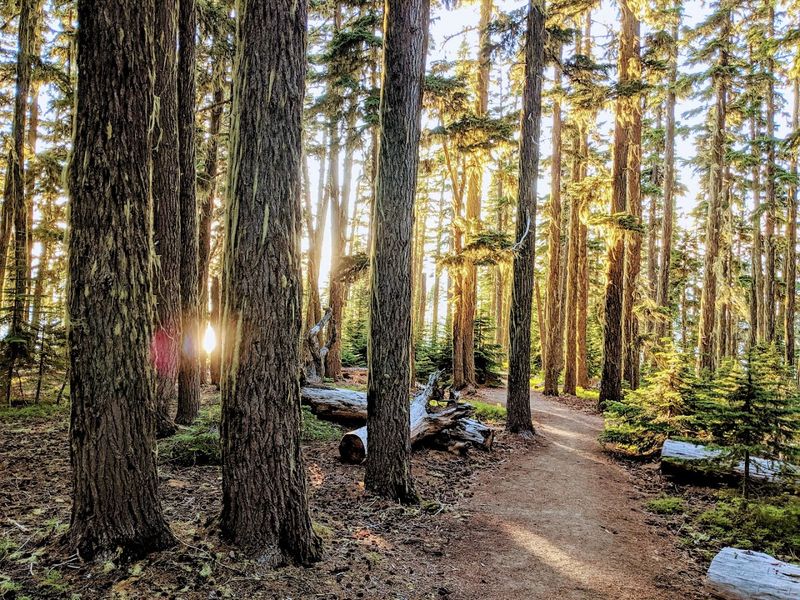
Camping at Waldo Lake means choosing between three distinct campgrounds, each offering unique advantages. Shadow Bay, North Waldo, and Islet campgrounds collectively provide nearly 200 sites, though many remain primitive and dispersed.
I’ve stayed at all three over multiple visits, and each left different impressions.
Shadow Bay sits on the lake’s east shore, offering the most developed facilities with vault toilets that reviewers consistently praise for cleanliness. The sites nestle among thick stands of Douglas fir and Western Hemlock, providing shade and privacy.
I appreciated the easy water access here, with several small beaches perfect for launching kayaks. The campground host maintains excellent standards, keeping everything organized despite heavy use during peak season.
North Waldo occupies the northern shore, where I found more seclusion but fewer amenities. Sites spread farther apart, and some require short hikes from parking areas.
Islet Campground offers the most adventurous option, with some sites accessible only by boat, creating a true backcountry experience despite being on a developed lake.
All three campgrounds operate seasonally, typically from late May through September depending on snow conditions. Reservations fill quickly for summer weekends, but late spring visits often find plenty of availability throughout the Oregon camping system.
Pacific Crest Trail Passes Through
Thru-hikers on the legendary Pacific Crest Trail pass within striking distance of Waldo Lake, and many take the side trip to experience its famous clarity. I met several PCT hikers during my May visit, their weathered gear and trail-worn boots marking them as serious long-distance trekkers making their way through Oregon toward Washington.
The PCT runs roughly 6 miles east of the lake, connected by spur trails that make Waldo Lake an attractive resupply and rest stop for hikers covering the 2,650-mile route from Mexico to Canada. Several maintained trails circle the lake and connect to the PCT, creating opportunities for day hikes or multi-day backpacking loops.
The 22-mile trail around Waldo Lake’s perimeter takes most hikers three days to complete, offering constantly changing perspectives on the water.
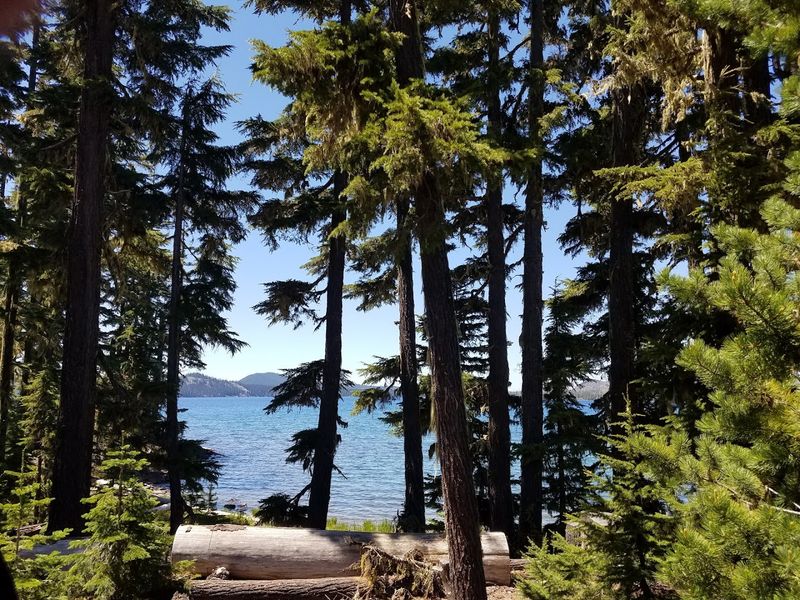
Mountain biking and horseback riding are also permitted on many trails in the area, though the immediate lakeside paths remain foot-traffic only in some sections. I spent an afternoon hiking the western shore trail, where openings in the forest provided stunning views across the water toward the Cascade peaks beyond.
The trail quality varies from well-maintained to primitive, requiring good footwear as multiple reviewers mentioned.
This connectivity makes Waldo Lake accessible to various recreation styles beyond just paddling and camping.
Mosquitoes Earn Their Reputation
Let me be direct: the mosquitoes at Waldo Lake are legendary, and every bit as bad as reviews suggest. Nearly every visitor mentions them, and for good reason.
I made the mistake of visiting in July without adequate preparation and spent two miserable days as a buffet for what felt like millions of hungry insects.
The mosquito problem stems from the lake’s high elevation and the extensive wetlands surrounding it. Snowmelt creates perfect breeding habitat in shallow pools and boggy areas that persist through summer.
The insects emerge in waves starting in June, reaching peak populations in July and August. They’re relentless, attacking any exposed skin despite liberal applications of repellent.
One reviewer mentioned bringing enough bug spray “to kill a cow,” and I understand the sentiment completely.
However, timing your visit strategically makes all the difference. Late spring arrivals, before the main hatch, encounter far fewer mosquitoes.
Similarly, visitors in September and October report much better conditions as populations die off.
Come prepared with head nets, long sleeves, and industrial-strength repellent if visiting during summer months, or simply plan your Oregon trip for shoulder seasons when conditions improve dramatically.
Glacial Origins Shape the Basin
Understanding Waldo Lake’s glacial origins helps explain its unusual characteristics. Massive glaciers carved this basin roughly 10,000 years ago during the last ice age, gouging deep into the volcanic bedrock of the Cascade Mountains.
I found it fascinating that this lake is relatively young in geological terms, essentially a teenager compared to ancient formations elsewhere.
The glaciers left behind a depression with no natural outlet, creating what hydrologists call a closed basin. Water enters through springs and snowmelt but exits only through evaporation and underground seepage, not via a surface stream.
This closed system contributes significantly to the water’s purity, as there’s no outflow to carry away accumulated nutrients. The volcanic rock surrounding the basin is relatively insoluble, contributing minimal minerals to the water chemistry.
The lake’s depth, reaching 420 feet at its deepest point, reflects the power of those ancient glaciers. The steep sides and relatively flat bottom are classic signatures of glacial scouring.
This glacial heritage makes Waldo Lake a living laboratory for studying ultra-pure water systems and their ecology, attracting researchers from across Oregon and beyond.
Dear Reader: This page may contain affiliate links which may earn a commission if you click through and make a purchase. Our independent journalism is not influenced by any advertiser or commercial initiative unless it is clearly marked as sponsored content. As travel products change, please be sure to reconfirm all details and stay up to date with current events to ensure a safe and successful trip.
