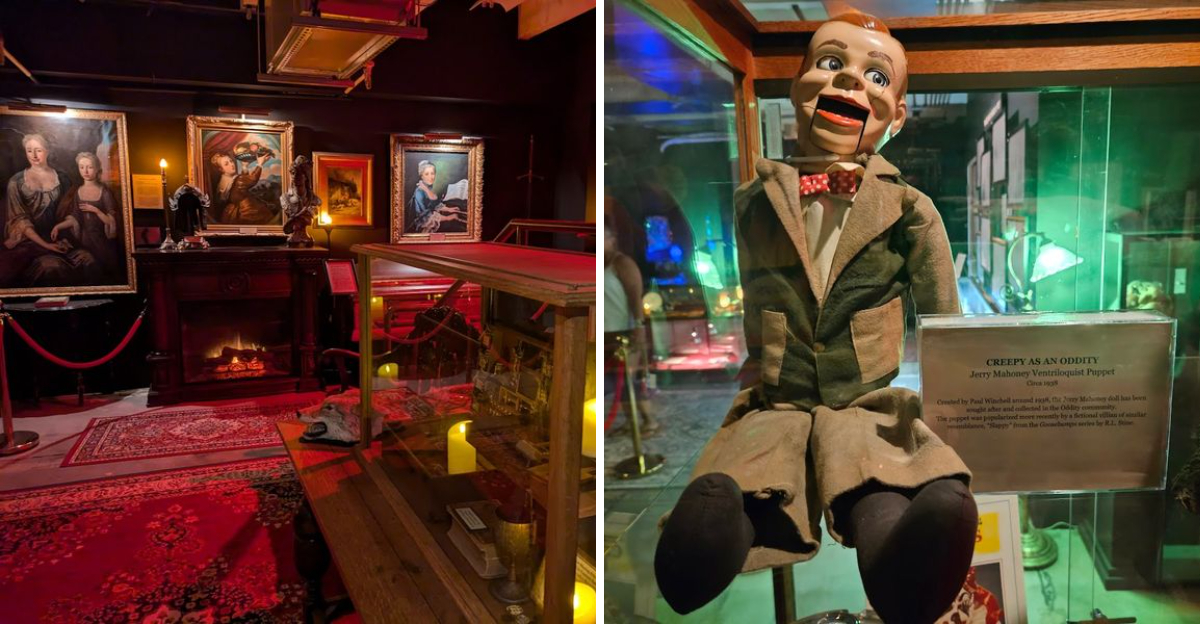
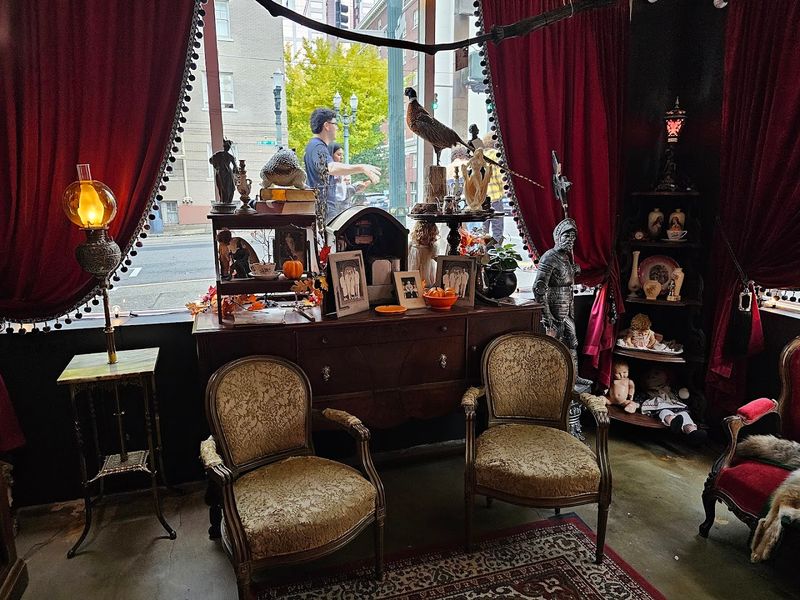
The door creaks open and suddenly you are standing in a Victorian fever dream filled with bones, bottles, and beautifully preserved oddities. This place is not your average museum, it is a full sensory plunge into the strange, the spooky, and the surprisingly gorgeous.
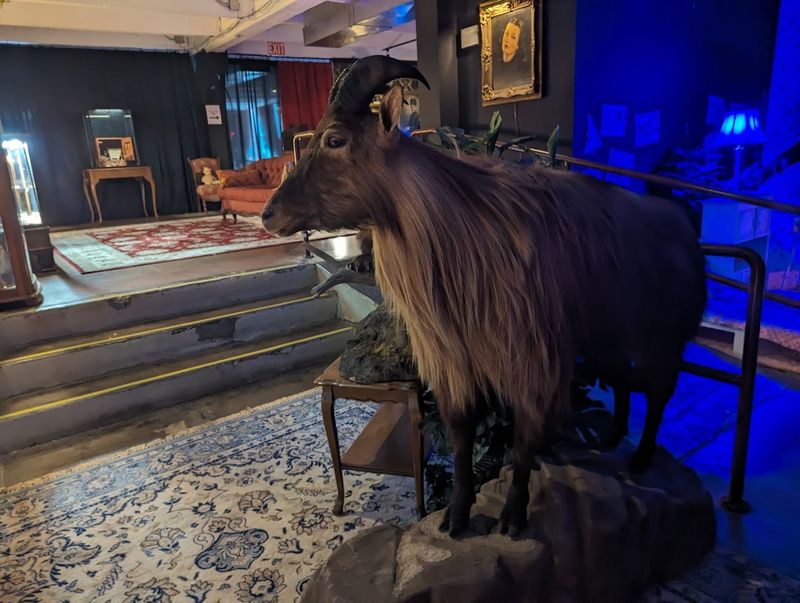
You can wander past cases of antique surgical tools, pickled specimens, and taxidermy that actually looks like it is about to blink. The lighting is moody, the music is haunting, and every corner holds something that makes you lean in closer.
You will find yourself staring at a two headed calf one moment and a jar of mysterious teeth the next. The staff is passionate and knowledgeable, happy to share the backstory behind each bizarre artifact.
It is the kind of place where you walk in curious and leave slightly obsessed. Oregon has a way of embracing the unusual, and this spot celebrates it with style and reverence.
It is a celebration of the weird, the wonderful, and the wonderfully weird.
The Museum Experience Inside the Odditorium
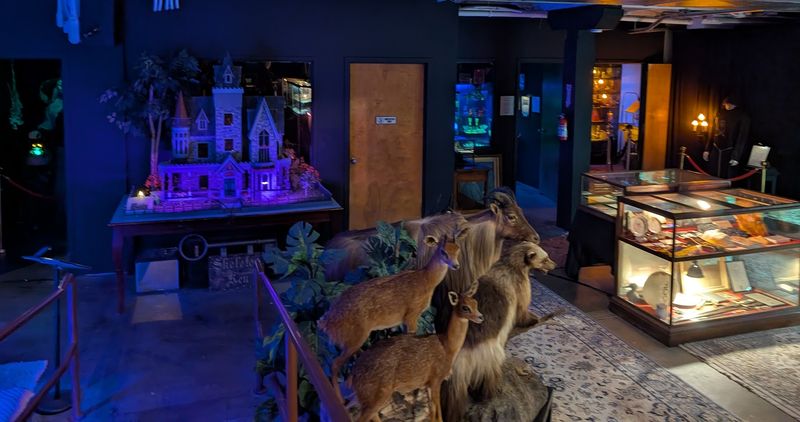
Stepping into the museum section of The Skeleton Key Odditorium feels like entering someone’s deeply personal obsession. Every display case holds something that stops you mid-step.
The collection is dense, thoughtful, and surprisingly well-organized for how much it packs in.
Visitors often describe moving through the space slowly, not wanting to miss a single corner. The lighting is intentionally moody, casting long shadows over preserved specimens and antique curiosities.
It creates an atmosphere that feels genuinely earned rather than manufactured for effect.
The museum portion covers a wide range of macabre history and lore. You will find Victorian-era medical instruments, wax sculptures, and items tied to folklore and the occult. Each piece feels chosen with care and displayed with real context.
Plan for at least an hour inside the museum alone. The guides are friendly and genuinely knowledgeable about the collection.
They answer questions with enthusiasm and never make you feel rushed through the experience.
Samantha the Haunted Baby Doll
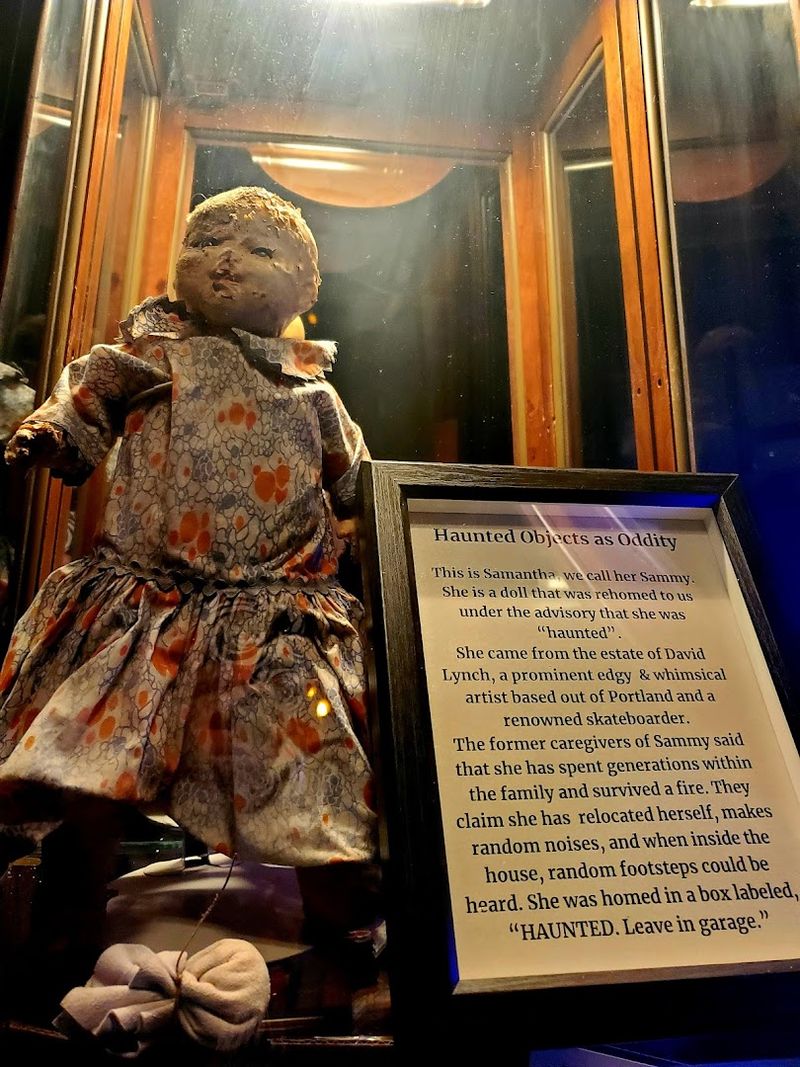
Samantha is not just a display piece sitting quietly on a shelf. She is arguably the most talked-about resident of The Skeleton Key Odditorium, and visitors take her presence seriously.
A small bell near her case has been known to ring at unexpectedly personal moments.
Multiple visitors have shared stories about hearing the bell chime when they were the only person left near her exhibit. One guest described saying goodbye to Samantha before leaving and hearing the bell ring in response.
These kinds of moments are part of what makes the odditorium feel genuinely alive.
Staff members hand out EMF readers to younger visitors, which adds an interactive layer to the experience. Watching kids tentatively hold those devices near Samantha’s case is both funny and surprisingly tense.
The energy in that corner of the museum is noticeably different from the rest.
Skeptic or believer, Samantha commands attention. She is a centerpiece that the odditorium treats with real respect and care.
The Victorian Funeral Parlor Vibes
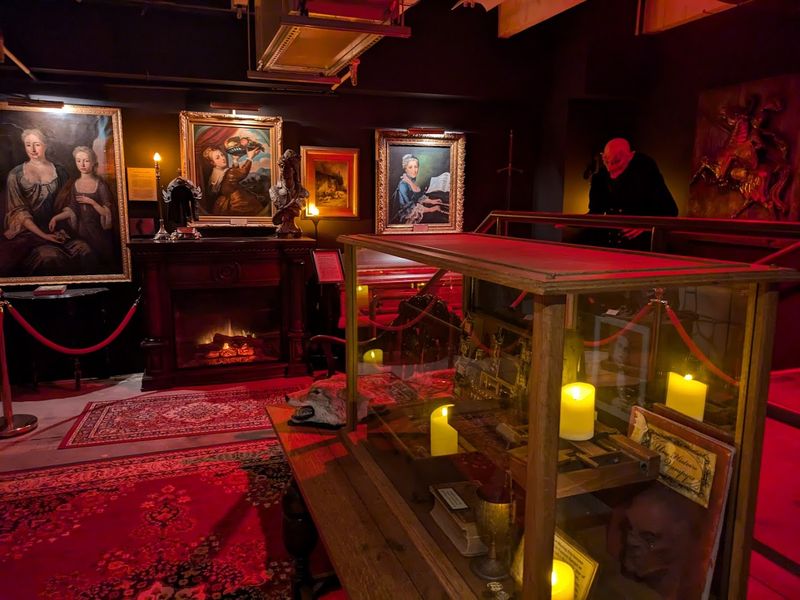
There is a particular section of the odditorium that carries the unmistakable weight of Victorian mourning culture. The aesthetic is heavy, deliberate, and surprisingly moving when you slow down enough to take it in.
Dark wood, preserved flowers, and antique objects tied to death rituals fill the space with quiet gravity.
Victorian-era attitudes toward death were far more ceremonial and openly emotional than modern customs tend to be. The odditorium captures that spirit without turning it into something cartoonish or cheap.
It feels respectful in a way that genuinely surprises you.
The funeral parlor section works especially well because of how the lighting and arrangement guide your eyes. Nothing feels cluttered or accidental here.
Each piece contributes to a mood that is somber without being depressing.
Visitors who appreciate history tend to linger in this area longer than anywhere else. It opens up real conversations about how different cultures process grief and mortality.
That kind of unexpected depth is exactly what sets this place apart from a typical novelty shop.
Uranium Glass and Rare Scientific Curiosities
One of the most visually striking exhibits in the odditorium involves uranium glass, and it genuinely stops people in their tracks. Under ultraviolet light, the pieces emit an eerie green glow that looks almost too beautiful to be real.
Uranium glass was popular in the 19th and early 20th centuries, used in everything from tableware to decorative objects. The fact that it contains trace amounts of uranium makes it feel delightfully dangerous in a very contained and safe way.
Seeing it glow inside the museum gives the collection a layer of scientific intrigue that balances the supernatural elements nearby.
The odditorium treats these pieces as genuine historical artifacts, not just visual tricks. They are displayed thoughtfully alongside other rare scientific and medical curiosities from the same era.
The combination creates a section of the museum that feels both educational and visually unforgettable.
Photography is encouraged throughout the space, and the uranium glass display makes for incredible photos. Bring your camera and take your time here.
Vlad the Impaler Wax Sculpture

Coming face to face with a wax sculpture of Vlad the Impaler is not something most people expect from a Saturday afternoon in Portland. The figure is detailed, unsettling in the best way, and placed with theatrical precision inside the museum.
It commands the kind of attention that makes you stop and stare for longer than feels comfortable.
Vlad III, the historical figure behind the Dracula legend, is one of the most fascinating and misunderstood rulers of the 15th century. Having him represented in the odditorium ties the collection to a much longer tradition of dark historical storytelling.
It gives the museum a sense of narrative depth beyond simple shock value.
The sculpture sits within a broader section dedicated to horror mythology and historical figures associated with death and the macabre. The surrounding context makes it feel like part of a real conversation about history, not just a prop.
That distinction matters enormously to the overall quality of the experience.
Kids and adults alike tend to react strongly to this figure.
The Gift Shop and Curiosity Store
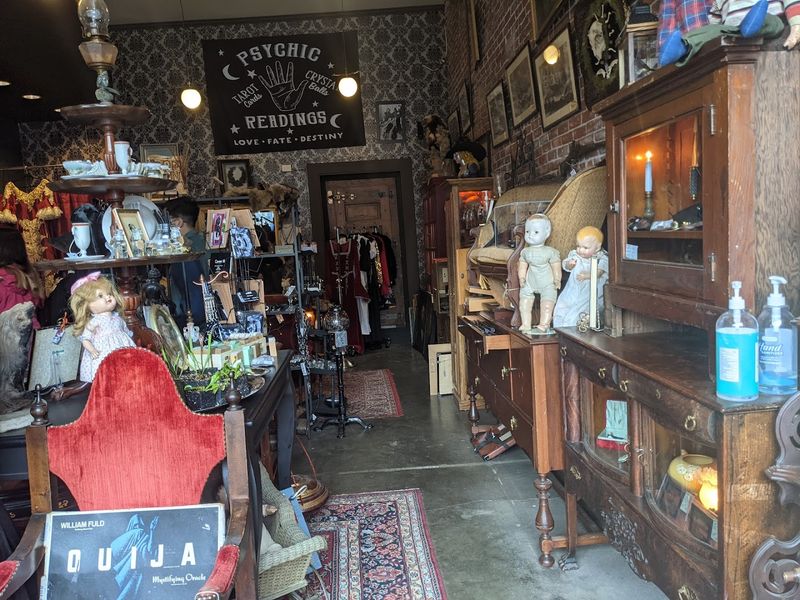
The gift shop at The Skeleton Key Odditorium is not an afterthought tacked onto the end of your visit. It is a fully realized space that feels like its own destination within the larger experience.
Jewelry, teas, art prints, and unusual keepsakes line the shelves with the same care as the museum pieces.
Local gothic artists are featured prominently throughout the shop, which gives the merchandise a distinctly Portland flavor. Buying something here feels like supporting a creative community rather than picking up a generic souvenir.
The selection changes over time, so returning visitors often discover new pieces they have not seen before. Staff members are genuinely enthusiastic about the products and happy to talk about the artists behind them.
Budget a solid ten to fifteen minutes for the shop after your museum visit. There is more to discover on those shelves than a quick glance suggests, and the temptation to browse is very real.
The Infinity Skull Art Installation
There is an art installation inside the odditorium involving skulls and infinity mirrors that visitors consistently mention as a highlight. The visual effect is hypnotic, pulling your gaze deeper into a seemingly endless reflection of macabre imagery.
It is the kind of piece that photographs beautifully but hits differently in person.
The installation manages to feel genuinely artistic rather than gimmicky, which is a harder balance to strike than it sounds. Placing it within a museum full of historical artifacts gives it a conceptual weight that a standalone gallery piece might not carry.
The contrast between ancient objects and contemporary art is one of the odditorium’s quiet strengths.
Visitors who appreciate fine art tend to respond to this piece as enthusiastically as those who come purely for the spooky factor. It bridges two audiences in a way that feels organic rather than calculated.
That crossover quality is part of what makes the odditorium so hard to categorize.
The EMF Readers and Paranormal Interactivity
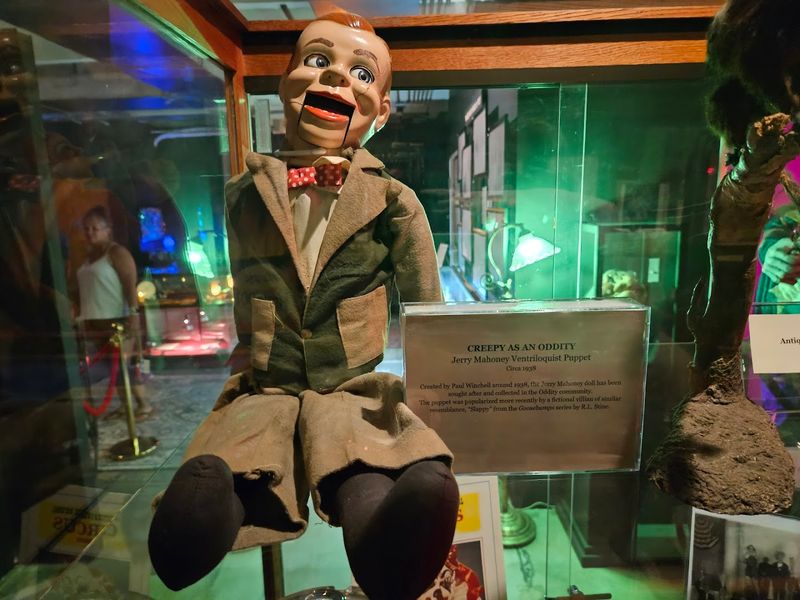
Handing EMF readers to visitors is one of the touches that elevates The Skeleton Key Odditorium beyond a passive museum experience. The staff offers these devices at the entrance, and younger visitors especially light up when they receive one.
It turns the entire visit into something participatory and genuinely thrilling.
EMF, or electromagnetic field, readers are tools used by paranormal investigators to detect unusual energy fluctuations. Whether you believe in their supernatural applications or not, carrying one through the museum changes how you move through the space.
Every exhibit suddenly becomes something you interact with rather than just observe.
The combination of the EMF readers with exhibits like Samantha the haunted doll creates moments that are hard to shake afterward. Several visitors have reported unexpected readings near specific displays, which the staff discusses openly and without exaggeration.
The approach is curious and honest rather than sensationalized.
Local Gothic Artists and Curated Artwork
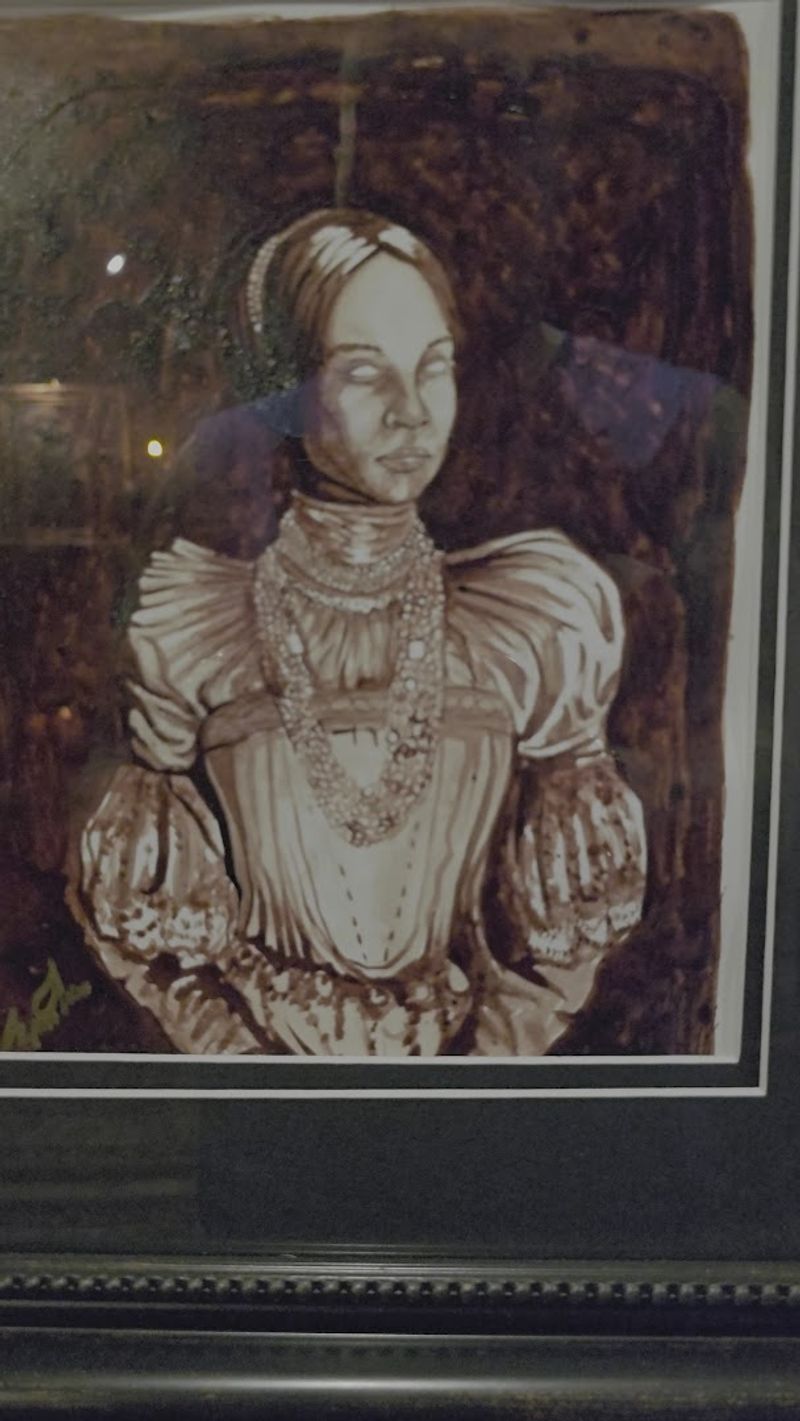
Art is woven into the fabric of The Skeleton Key Odditorium in a way that feels completely natural. Local Portland artists working in gothic, dark, and macabre styles are featured throughout both the museum and the shop.
Their work adds a living, contemporary pulse to a collection that is otherwise rooted in history.
The paintings and drawings displayed on the walls are not decorative filler. They are carefully selected pieces that hold their own alongside historical artifacts and preserved specimens.
Seeing a freshly created illustration hanging next to a century-old medical curiosity creates a fascinating visual conversation.
One visitor specifically mentioned that the artwork was a personal highlight of their visit, noting the quality and range of pieces on display. The odditorium clearly takes its role as a showcase for local talent seriously.
That commitment gives the space a community dimension that pure curiosity shops often lack.
Planning Your Visit to the Skeleton Key Odditorium
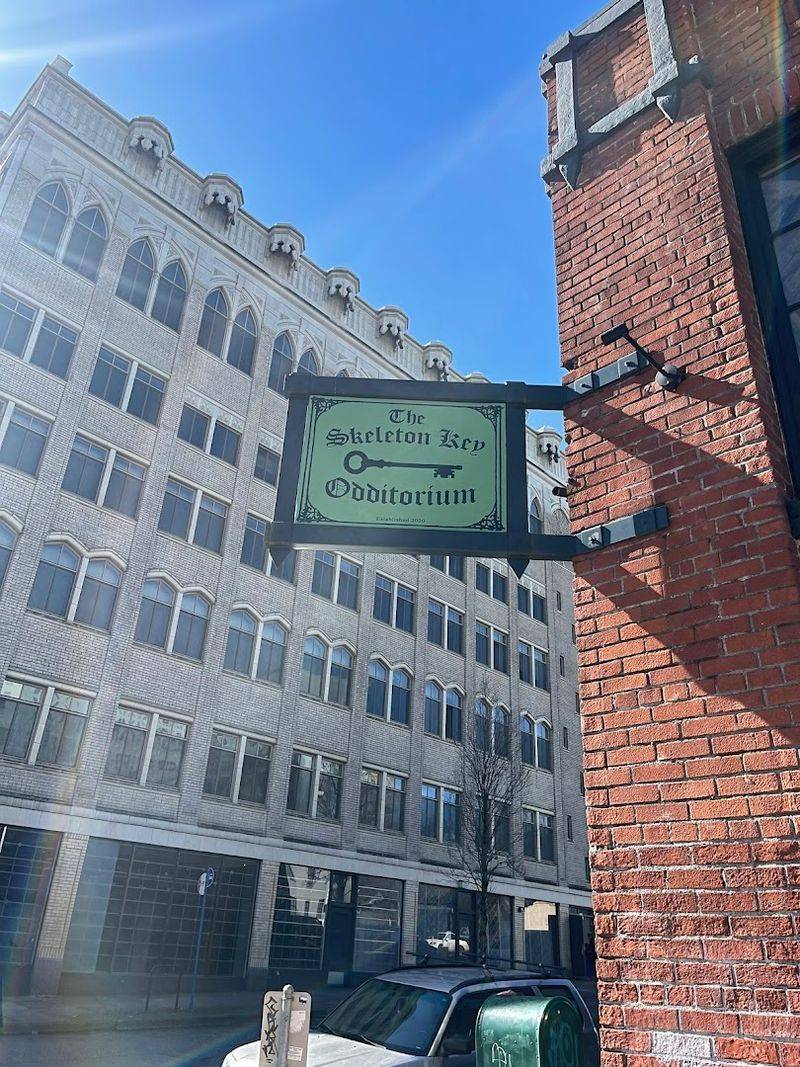
The Skeleton Key Odditorium is open Wednesday through Sunday, with varying hours depending on the day. Friday and Saturday offer the longest visiting windows, staying open until 7 PM.
Monday and Tuesday are closed, so planning ahead saves a wasted trip across town.
The space is not enormous, but it rewards slow, attentive visitors far more than quick walkers. Most people find that a genuine visit takes between forty-five minutes and a full hour, especially if you spend time in both the museum and the gift shop.
Rushing through would mean missing the small details that make the collection so rewarding.
The staff consistently earns praise for being welcoming, knowledgeable, and genuinely passionate about what they do. First-time visitors and regulars alike describe feeling immediately comfortable upon arrival.
That warmth makes a real difference in a space that could otherwise feel intimidating to newcomers.
Address: The Skeleton Key Odditorium, 939 SW 10th Ave, Portland, OR 97205
