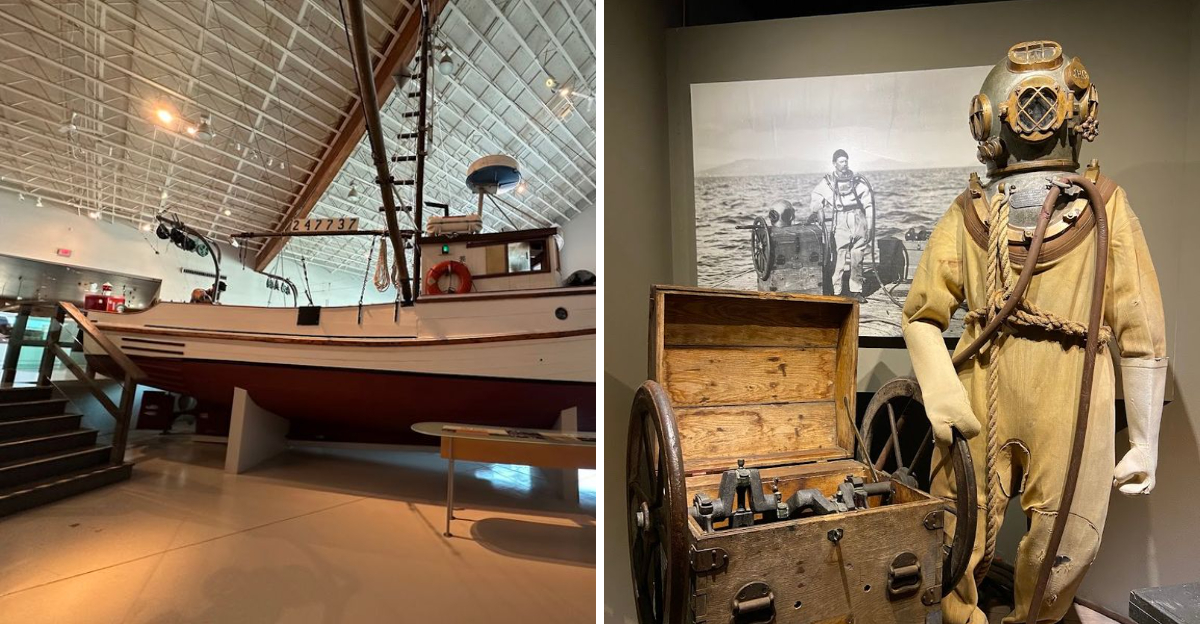
The Columbia River has witnessed shipwrecks, daring rescues, and countless voyages, and this museum holds the proof. With over thirty thousand objects in its collection, this place is a treasure trove of maritime history.
You can stand before massive ship models that capture the grandeur of vessels from centuries past. The exhibits are filled with navigational tools, fishing gear, and personal artifacts from sailors who braved these waters.
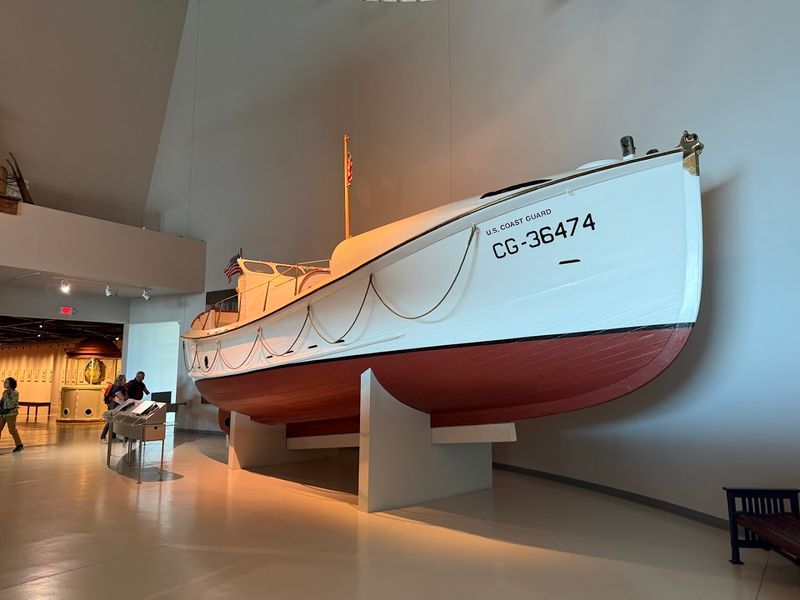
You can step inside a real Coast Guard rescue boat and imagine the terrifying conditions those crews faced. The lighthouse lens on display is enormous, a beautiful piece of engineering that once guided ships to safety.
Interactive displays let you try your hand at piloting a tugboat or tying maritime knots. The stories of shipwrecks and survival will leave you with a deep respect for the river’s power.
Oregon’s maritime history is rich and dramatic, and this museum captures it all beautifully. It is the kind of place where you walk in curious and leave completely fascinated.
A Collection That Took Decades to Build
Numbers can be impressive on paper, but standing inside the Columbia River Maritime Museum makes 30,000 objects feel truly staggering. Every corner holds something unexpected.
A weathered navigational instrument sits beside a hand-painted map from a century ago.
The collection spans fishing history, commercial shipping, military operations, and Native American maritime traditions. Each object was chosen with real intention.
Nothing here feels like filler or padding.
Curators clearly spent years building something cohesive and meaningful. The exhibits move from one era to the next without feeling rushed or choppy.
You get a sense of the full arc of Pacific Northwest maritime life.
What makes this collection stand out is how accessible it feels. Labels are written clearly, and context is always provided.
Even visitors with no background in maritime history leave feeling informed and genuinely moved by what they have seen.
The Harborfront Location Changes Everything
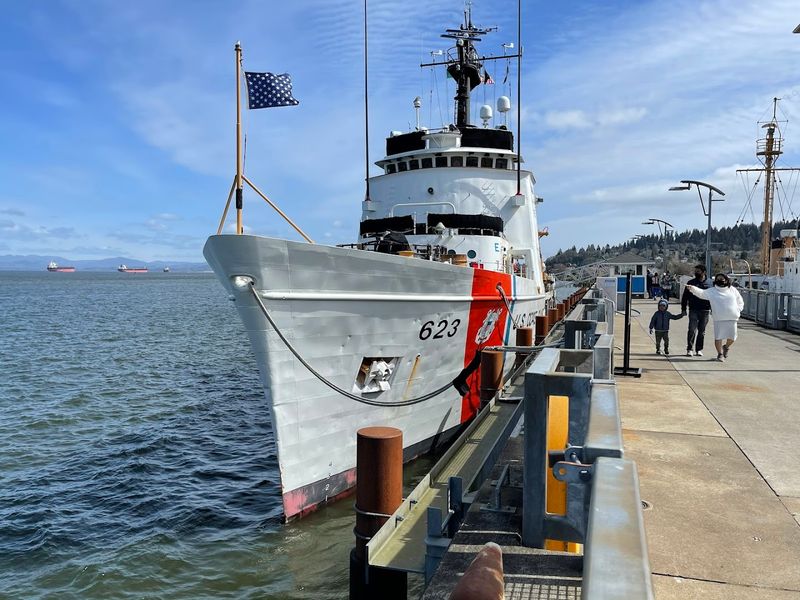
Location matters more than people realize, and the Columbia River Maritime Museum gets this completely right. Sitting directly on Marine Drive, the building faces the wide, powerful Columbia River head-on.
The view alone sets the mood before you even walk inside.
I noticed how the river felt like part of the exhibit itself. You look through the windows and see the same waters that shaped every story inside.
That connection between the displays and the living landscape outside is genuinely powerful.
The harborfront setting also means the museum can dock real vessels right outside. A lightship and a retired Coast Guard cutter are moored nearby, available for visitors to board.
That outdoor experience adds a physical, immersive layer that most museums simply cannot offer.
Arriving by car is easy, and parking is available near the building. The address is 1792 Marine Dr, Astoria, OR 97103, and the setting alone makes the trip worthwhile before you even step inside.
Fishing History Told Without Apology
The fishing exhibits at this museum carry a weight that sneaks up on you. Commercial fishing on the Columbia River was never a romantic adventure; it was hard, dangerous, and essential work.
The displays honor that reality without softening the edges.
Gillnetting, fish canneries, and the salmon industry all get serious attention here. Old photographs show men and women working in conditions that feel almost unimaginable today.
The scale of what was harvested from these waters is genuinely difficult to process.
I spent more time in this section than I expected. The tools on display are simple and worn, and that simplicity says everything.
There is a quiet dignity in how these artifacts are presented.
The exhibits also address the environmental shifts that changed the fishing industry over generations. Nothing is glossed over or oversimplified.
For anyone who has ever eaten Pacific salmon, this section offers a sobering and deeply respectful look at where that fish actually came from.
Coast Guard Rescues That Will Genuinely Shake You
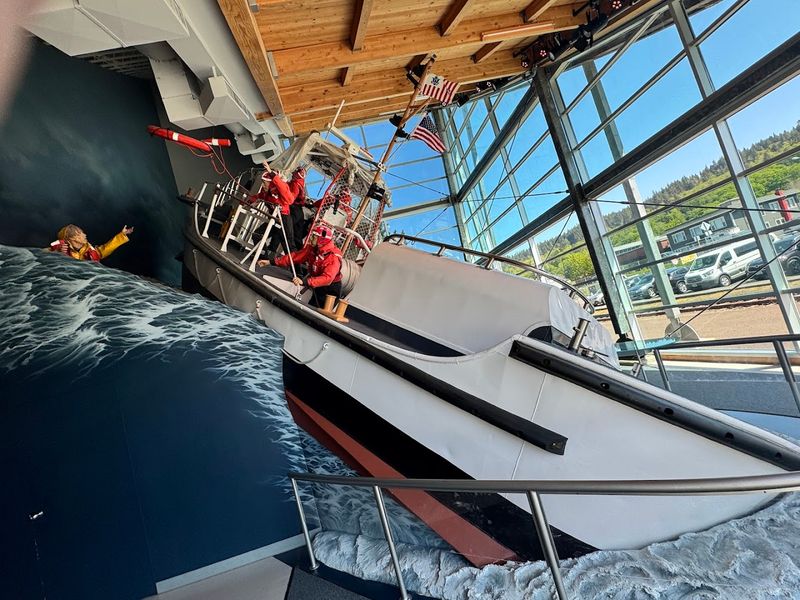
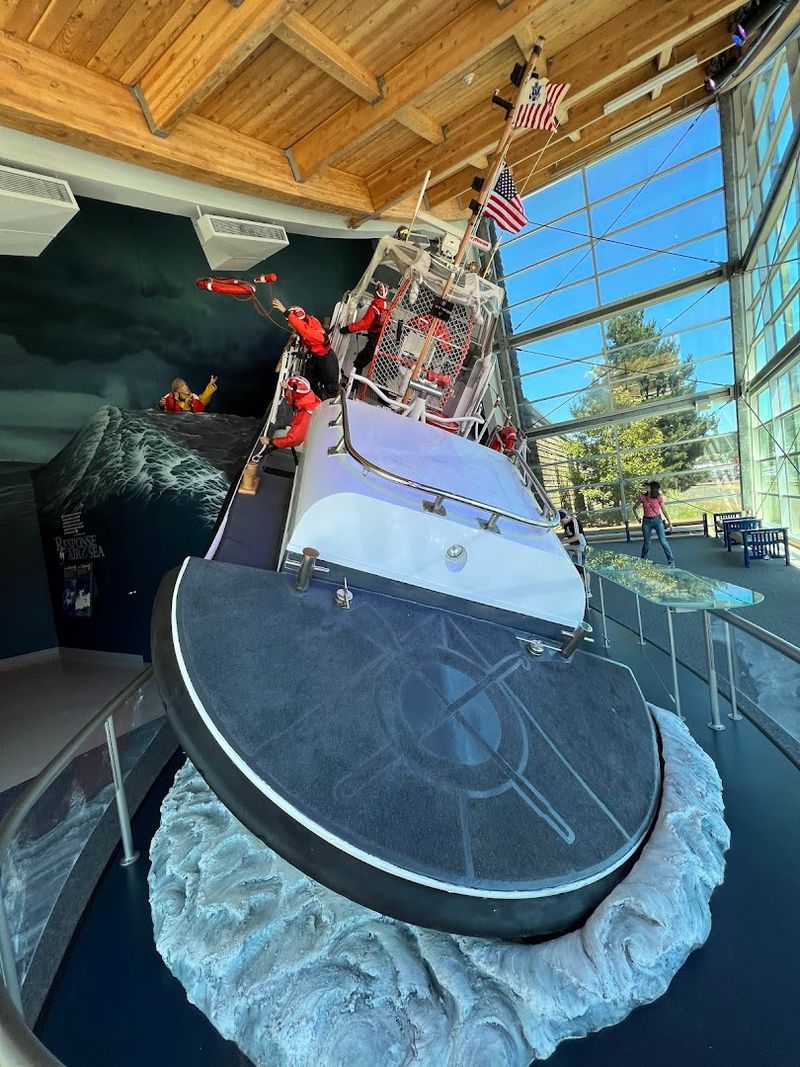
The Columbia River bar is one of the most dangerous stretches of water in the world. The museum does not let you forget that for a single moment.
The Coast Guard exhibit hits differently than anything else in the building.
Audio-visual displays recreate rescue scenarios with enough detail to make your stomach tighten. The equipment on display, from survival suits to rescue boats, tells a story of bravery that goes far beyond any documentary.
These were real people making impossible decisions in brutal conditions.
Children engage with this area differently than adults, asking sharp, honest questions about danger and courage. That curiosity feels like exactly the right response.
The Coast Guard exhibit earns its place as one of the most emotionally resonant spaces in the entire museum.
Real Boats Inside a Real Building
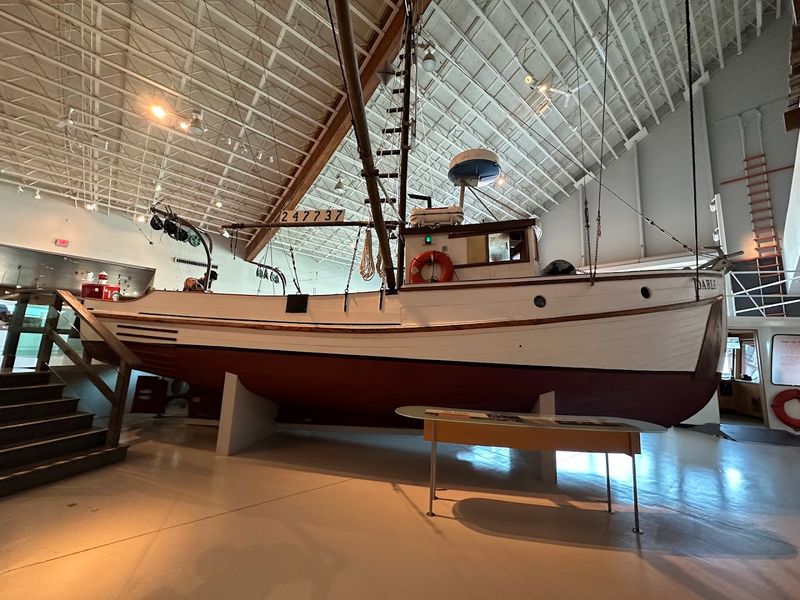
Somehow, the museum fits actual full-size boats inside the building, and the effect is immediately disorienting in the best possible way. You walk in expecting models and replicas, and then a real vessel appears in front of you.
The scale shift is jarring and wonderful.
Tugboats and fishing vessels share floor space with the exhibits surrounding them. You can walk around them, look up at their hulls, and get a physical sense of what these machines actually were.
No photograph or model can replicate that experience.
The boats are not cordoned off behind ropes in every case. Hands-on elements are woven throughout, which keeps younger visitors genuinely engaged.
Kids who might normally drift toward boredom in museums were running from one display to the next here.
Seeing a real working vessel up close changes how you read every exhibit around it. The fishing nets, the navigation charts, the rescue gear, all of it clicks into place once you have stood beside the real thing and felt its presence.
Boarding the Columbia Lightship
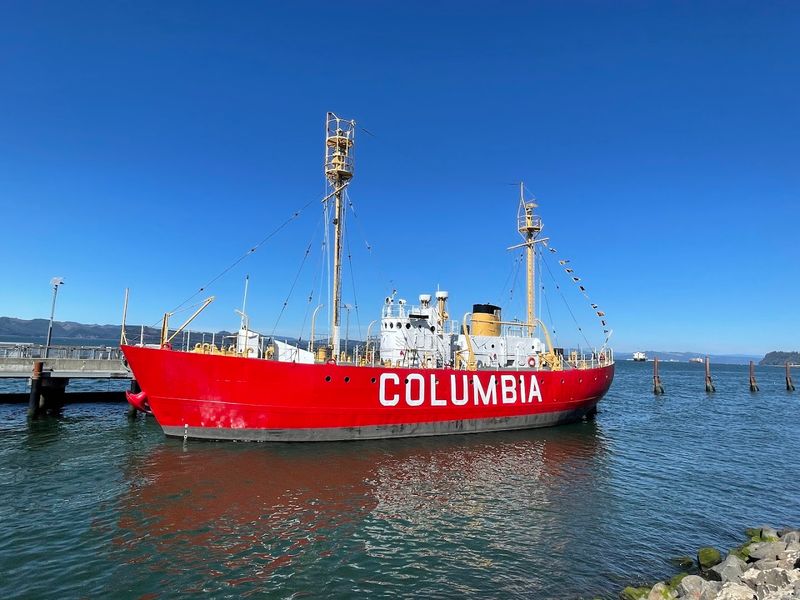
The Columbia lightship moored just outside the museum is one of those experiences that stays with you long after you leave. Walking the gangway onto a vessel that once served as a floating lighthouse feels genuinely surreal.
The Columbia guided ships safely across the dangerous river bar for decades.
Inside the lightship, the quarters are tight and functional. You see exactly how little personal space maritime workers had during long rotations at sea.
The engine room, the crew cabins, the navigation equipment, all of it is preserved with remarkable care.
Self-guided tours are available, and the lightship tour is included with general museum admission. Separate boarding times are available for visitors who prefer a more structured experience.
Either way, the access feels generous and unhurried.
Standing on the deck of the Columbia while the actual river moves past you is a moment that no exhibit inside can fully replicate. The wind, the water smell, and the gentle rocking underfoot make the history feel immediate and completely real.
Interactive Exhibits Built for Curious Minds
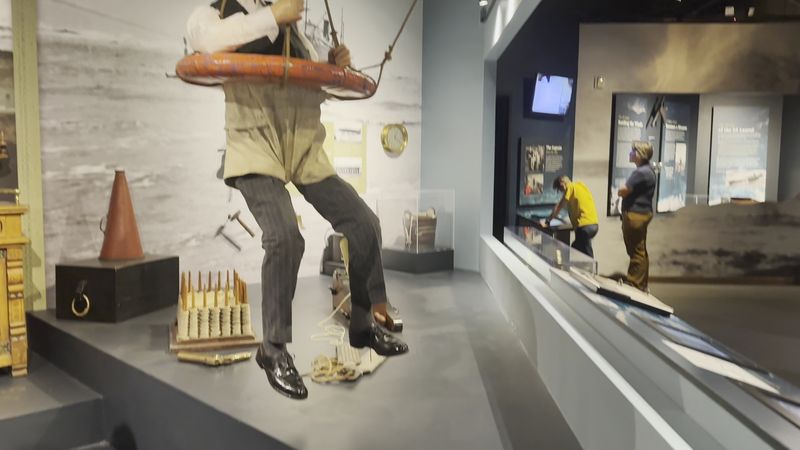
The museum clearly thought hard about how different kinds of visitors experience history. Hands-on displays appear throughout the building, not just in one designated kids corner.
That decision changes the entire atmosphere of the place.
A green screen weather broadcast station lets younger visitors record their own weather reports. The pilot house exhibit puts you behind the controls of a simulated vessel.
These moments of play are embedded naturally within the serious historical content.
Adults get just as much from the interactive elements as children do. Trying to understand navigation instruments firsthand is humbling in a way that simply reading about them is not.
The museum trusts its visitors to engage actively, and that trust pays off.
Multiple visitors have noted that even reluctant museum-goers, people who expected to be bored, left genuinely surprised. That reaction says everything about how thoughtfully the interactive elements are designed.
The museum never talks down to its audience, regardless of age or background knowledge.
Military History and the Pacific Northwest Connection
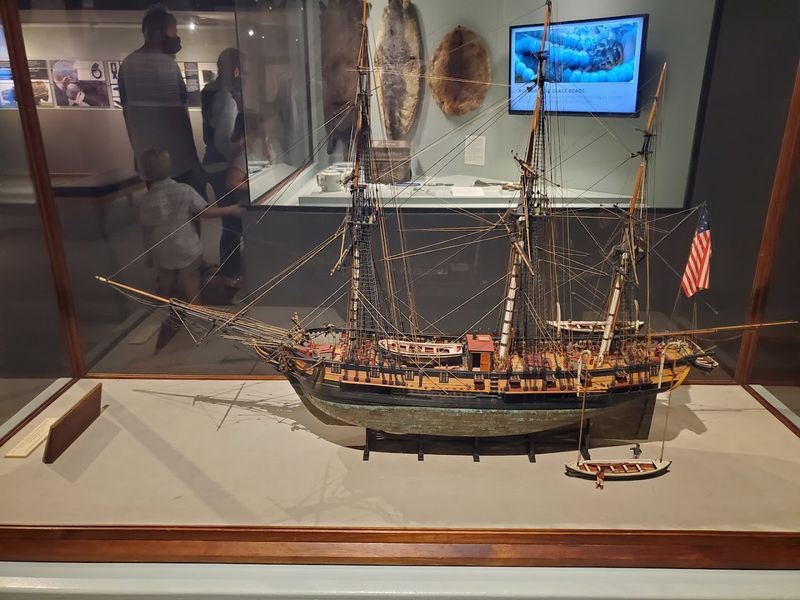
Military history occupies a significant and carefully handled section of the museum. The Pacific Northwest played a real strategic role during wartime, and the exhibits here make that contribution visible and understandable.
Scaled models of combat vessels are displayed with impressive detail.
The collection includes navigation equipment, uniforms, and documentation from various military periods. Each item is contextualized within the broader Pacific maritime story.
Nothing feels like it was included simply to fill space.
What struck me most was how the military exhibits connect to the civilian history surrounding them. Fishing families became wartime suppliers.
Commercial shipping routes shifted under military priorities. The museum shows how deeply those two worlds overlapped during critical historical moments.
Audiovisual materials add another layer to the military section. Short documentary-style films run throughout the museum, and the military segment benefits particularly from this format.
Watching archival footage while standing beside actual artifacts from the same era creates a layered experience that feels genuinely educational without ever feeling like a lecture.
Native American Maritime Traditions Given Real Space
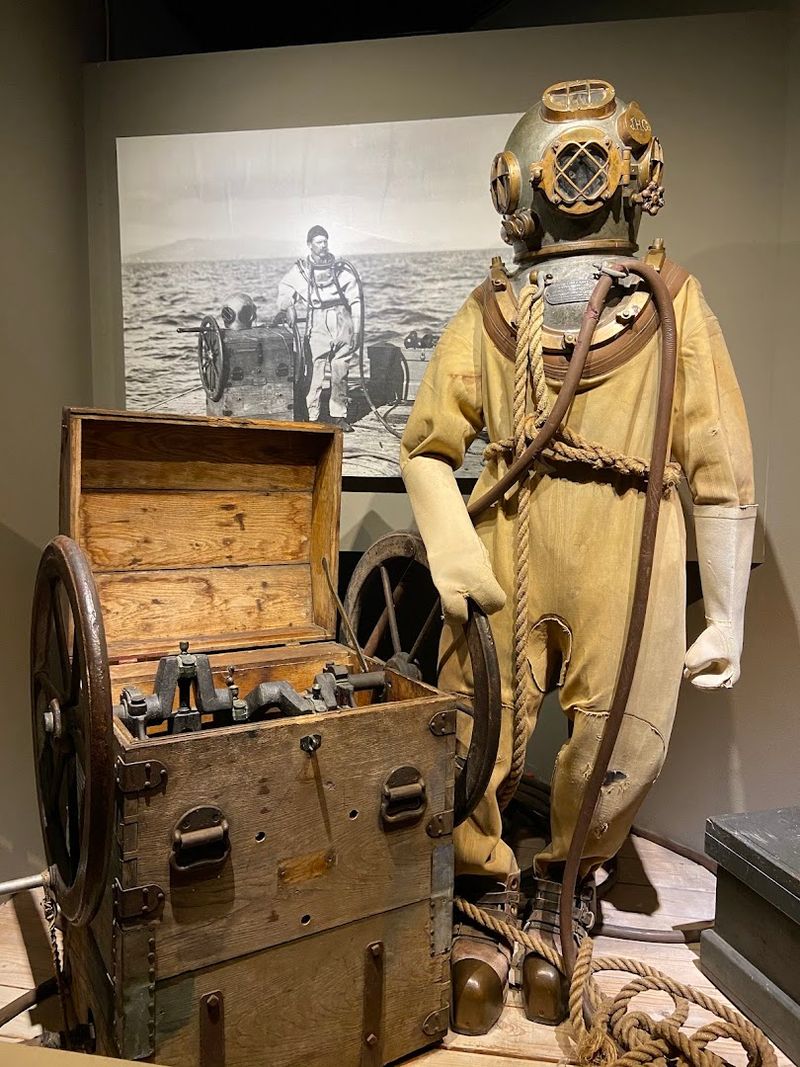
One of the most visually striking sections of the museum is dedicated to the Indigenous peoples who shaped maritime life on the Columbia River long before European contact. The exhibit is gorgeous in a way that feels earned rather than decorative.
Traditional canoes and fishing tools are displayed with genuine cultural respect.
The presentation acknowledges that Native communities were not simply part of the background of regional history. They built sophisticated relationships with the river, the ocean, and the species that sustained entire civilizations.
Multiple visitors have specifically called out this section as a highlight of the visit. The craftsmanship of the objects on display is immediately apparent, even to untrained eyes.
You do not need any prior knowledge to recognize the skill embedded in each piece.
Spending time in this exhibit recalibrates how you read everything else in the museum. The Columbia River’s history did not begin with commercial shipping or Coast Guard operations.
It began here, with these people, long before the first European ship ever crossed the bar.
Planning Your Visit to Make the Most of It
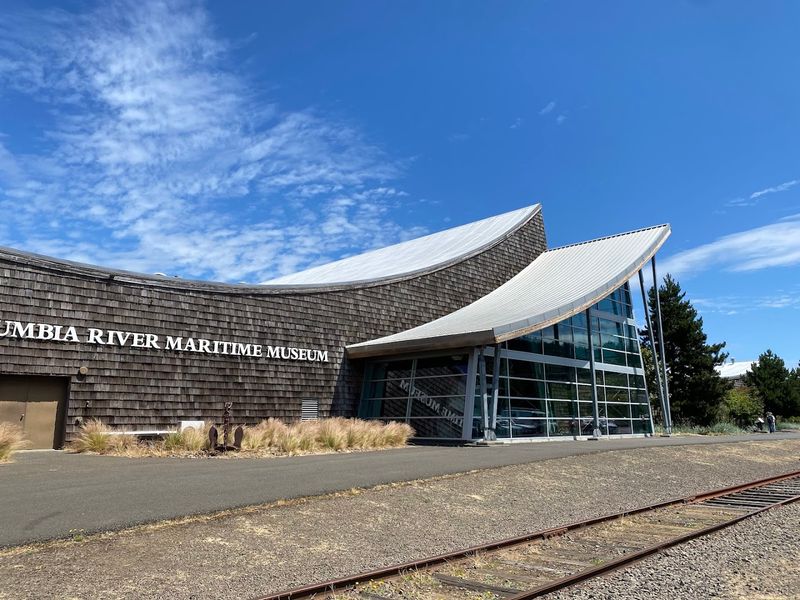
The museum opens at 9:30 AM every day of the week, which makes it an ideal first stop during a day in Astoria. Most visitors report spending between two and four hours inside, and that range feels accurate.
Rushing through would mean missing a great deal.
Arrive early if you want to catch a lightship tour, since boarding windows run from 11:00 AM to 3:00 PM. The 3D films shown inside the museum are also timed, so picking up a schedule at the ticket window on arrival makes sense.
Staff at the front desk are consistently described as friendly and helpful.
The gift shop is worth a slow browse at the end of your visit. It carries a solid selection of maritime-themed books, locally relevant items, and souvenirs that actually feel connected to what you just experienced.
Parking near the museum is available and generally manageable.
Address: Columbia River Maritime Museum, 1792 Marine Dr, Astoria, OR 97103.
