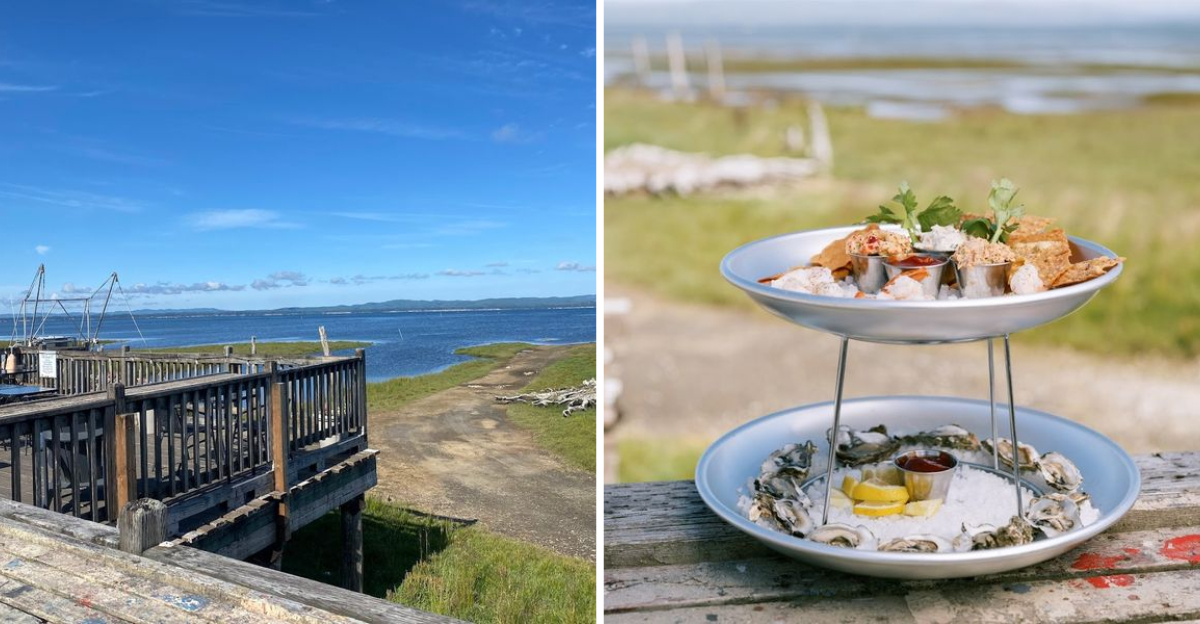
Washington’s northern coastline holds rare pockets where time seems to slip backward rather than forward.
A winding road along a quiet bay opens into a settlement of weathered wood, a small white church softened by salt air, and oyster boats drifting across still water with no sense of urgency. Salt and cedar linger in the breeze, mixing with light that stretches across the surface in long reflective bands.
Birds move louder than people, and silence feels built into the landscape itself. It is a setting where a remote coastal village in Washington State remains shaped more by tide and season than anything modern life tends to bring.
Watching Oyster Boats Work the Bay
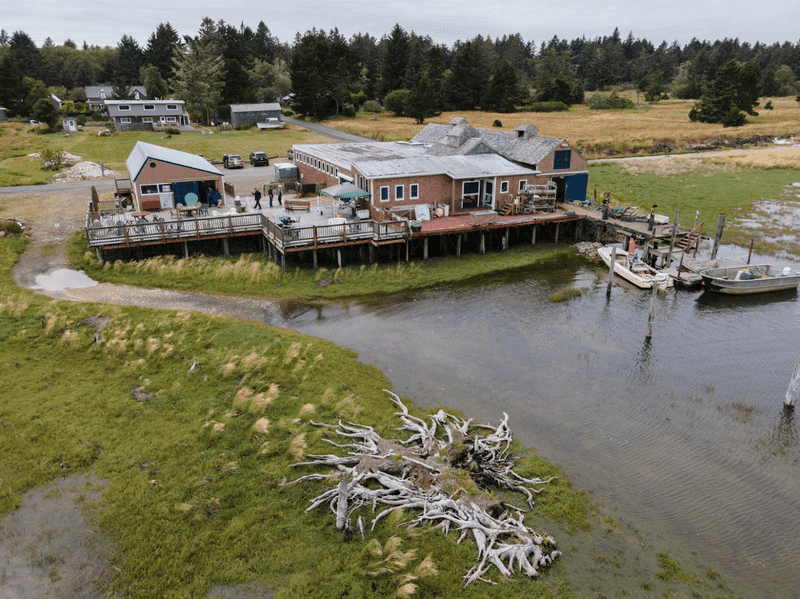
There is something quietly magnetic about watching a working boat do exactly what it was built to do. Out on Willapa Bay, oyster boats move with a kind of unhurried purpose that feels almost meditative to watch from the shore.
The water here is calm and wide, and on most mornings the bay sits so still that the boats leave long, clean wakes behind them.
Willapa Bay is recognized as one of the cleanest estuaries in the entire country. That reputation is not accidental.
The bay is largely undeveloped along its edges, which keeps the water quality high enough to support oyster farming at a serious commercial scale.
Oysters here are hand-harvested daily, and if you position yourself near the waterfront in the early morning hours, you can watch the whole process unfold at a relaxed pace. The boats come in loaded, the workers move efficiently, and the whole scene feels like a living postcard from another era.
It is not a performance for tourists. It is just a regular workday, and somehow that makes it even more worth watching.
Oysterville Sea Farms and the Story Behind the Shells
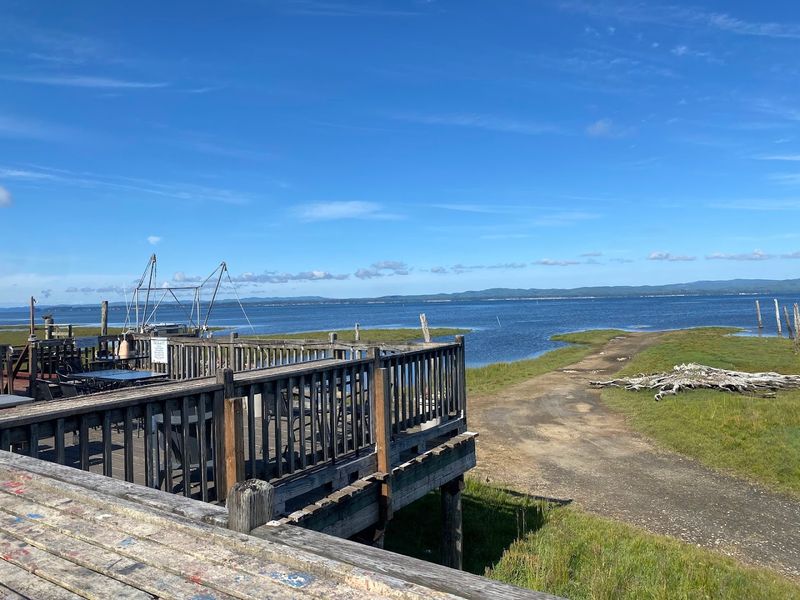
The building that houses Oysterville Sea Farms has been part of this shoreline for well over a century. It started as a cannery back when Oysterville was a booming trade hub, and today it holds the distinction of being listed on the National Register of Historic Places.
That history soaks into every plank of the old structure.
What makes a visit here genuinely memorable is that it is not a museum. It is a working farm, and you are welcome to be part of it.
Tours take you out onto the actual oyster beds, where you can learn how the farming process works from the people who do it every single day.
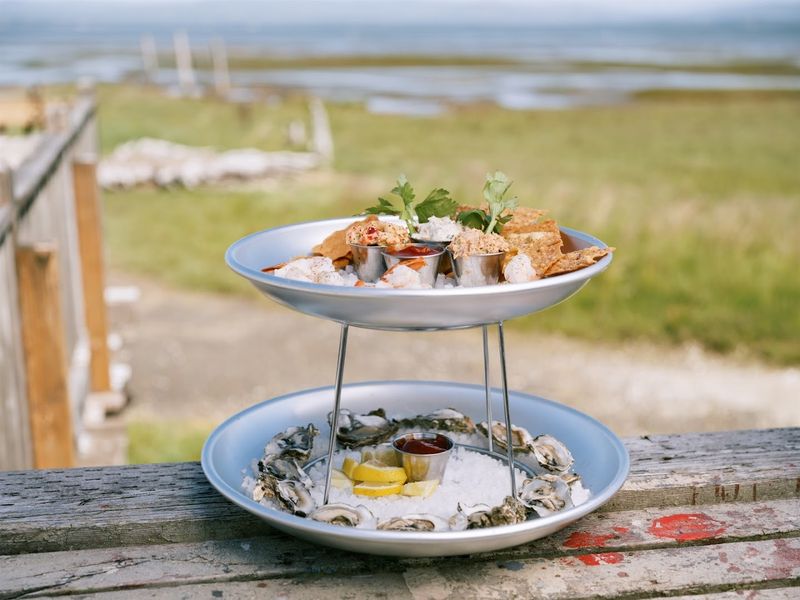
Fresh oysters, clam chowder, and other seafood are available with views straight across the bay. Shucking a freshly harvested oyster while standing on the dock where it was just brought in is a very specific kind of satisfaction that is hard to replicate anywhere else.
The staff are knowledgeable and easy to talk to, and the experience never feels rushed or scripted. It feels like a real place run by real people who genuinely love what they do.
A National Historic District With Only 20 Residents
Most National Historic Districts are anchored by museums, visitor centers, and gift shops. Oysterville is different.
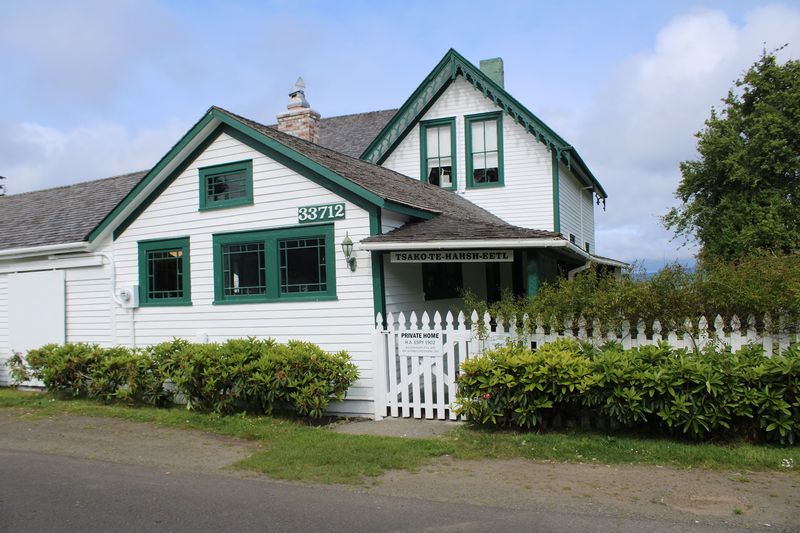
The entire town carries that designation, and yet it functions as a genuine residential community for the roughly 20 people who actually live there. That contrast is part of what makes it feel so unusual.
The homes along the main road date back to the mid-to-late 1800s, and many are remarkably well preserved. Victorian-era architecture lines up quietly behind old fences and mature trees, and the whole streetscape looks like something out of a regional history book come to life.
A self-guided walking tour lets you move through it at your own pace without any admission fee or scheduled time slot.
Because there is no commercial strip or tourist infrastructure to speak of, the town feels genuinely lived-in rather than staged. Chickens occasionally cross the road.
Gardens are maintained with obvious care. The pace is unhurried in a way that feels earned rather than performed.
Spending an afternoon here walking slowly and reading the small historical markers is one of the most low-key and genuinely rewarding things you can do on the entire Long Beach Peninsula.
The Oysterville Church and Its Quiet Summer Services
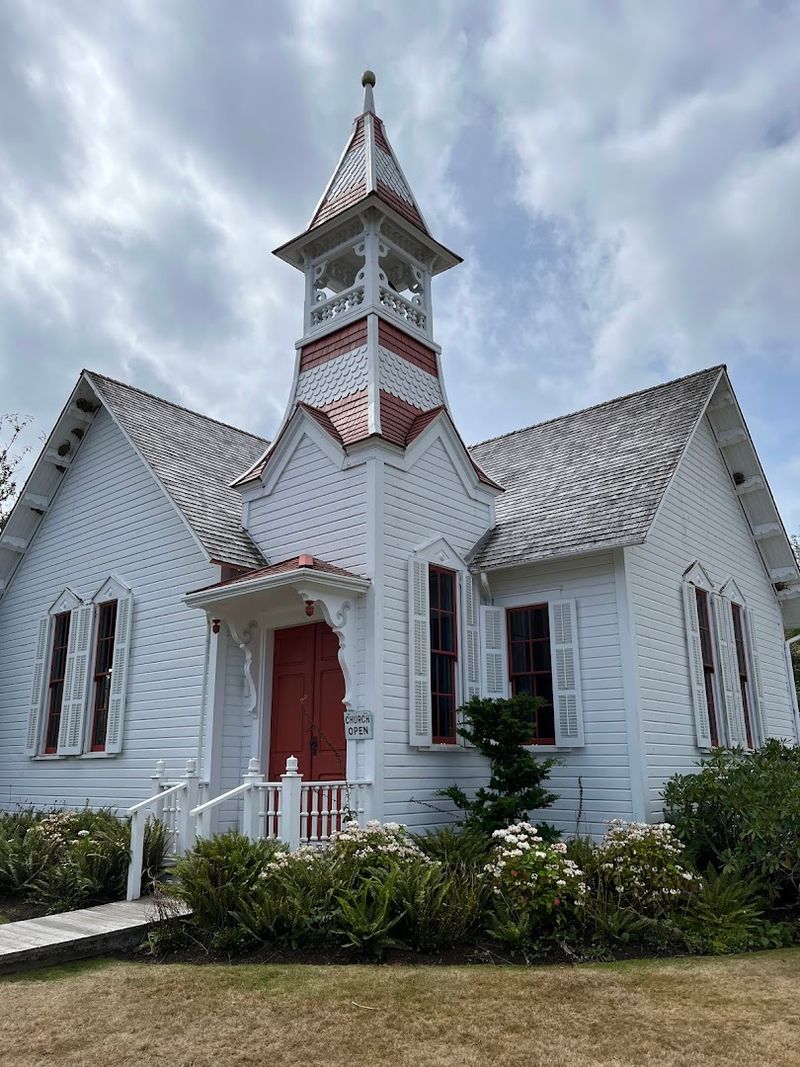
Built in 1892, the Oysterville Church is one of those buildings that earns its reputation simply by still being there. It sits at the edge of the historic district in quiet confidence, painted white and framed by old trees that look like they have been growing alongside it for the full century-plus of its existence.
During the summer months, the church hosts Vespers services that are open to visitors. These are low-key, community-centered gatherings that feel entirely in keeping with the town’s overall character.
Attending one gives you a rare chance to experience Oysterville not just as a place to observe, but as a living community with its own rhythms and traditions.
Even if you visit outside of service times, the church is worth a slow walk around. The architecture is simple and honest, without the ornamentation of larger historic churches, and that simplicity is exactly what gives it such a strong presence.
The cemetery nearby adds another layer of local history, with headstones that tell quiet stories about the families who built this town from the ground up in the years after its founding in the 1850s.
The Oldest Post Office Name in Washington State
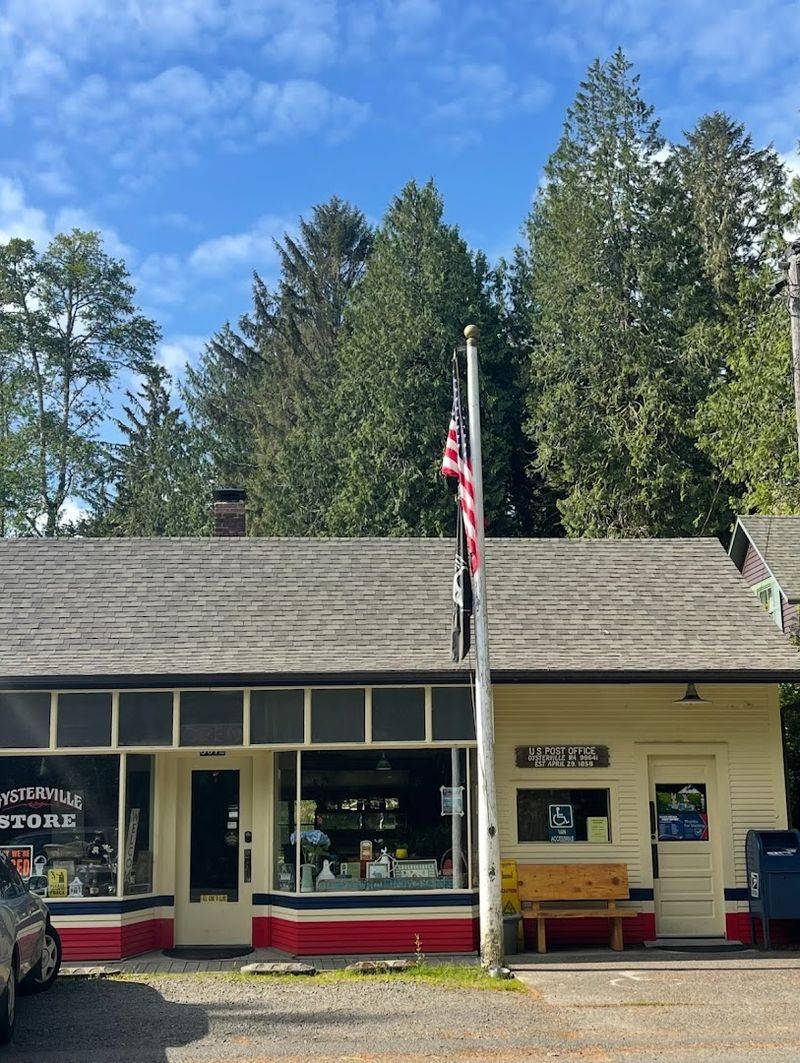
Not every town can claim a record, but Oysterville holds one that is genuinely worth knowing. The Oysterville Post Office is the longest continuously operating post office under the same name in all of Washington State.
For a town with about 20 residents, that is a remarkable piece of institutional staying power.
The post office itself is small and unassuming, exactly the kind of building you might walk past without a second glance if you did not know what you were looking at. But that quiet persistence is kind of the whole point.
While other towns grew, rebranded, or consolidated, Oysterville just kept going, delivering mail under the same name through boom times and quiet decades alike.
It is one of those details that rewards the curious traveler. You do not need to mail anything to appreciate it.
Just knowing that this little building has been doing its job continuously since the 1800s adds a layer of meaning to the whole visit. Oysterville has a way of making history feel personal rather than distant, and the post office is one of the clearest examples of that quality.
Leadbetter Point State Park and the Wild Edge of the Peninsula
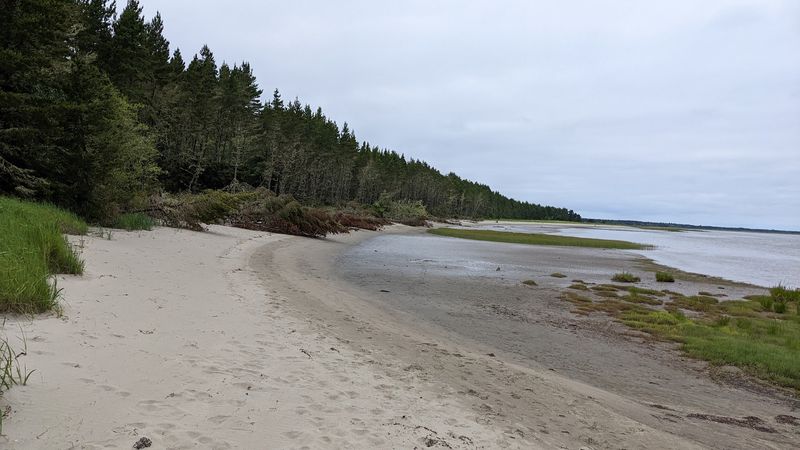
Just a short drive north of the historic district, Leadbetter Point State Park sits at the very tip of the Long Beach Peninsula where Willapa Bay meets the Pacific Ocean. It is one of the more dramatic natural settings in the region, and it sees far fewer visitors than the beaches further south.
That relative quiet is a big part of its appeal.
The park is a strong destination for birdwatchers. The estuary edge and forested trails attract a wide variety of shorebirds and migratory species throughout the year, and the flat, open terrain makes spotting them easier than in more densely vegetated coastal areas.
Bring binoculars and a little patience, and the park will reward both.
Kayaking along the bay edge, clamming in season, and simply walking the beach with the sound of wind moving through shore pines are all genuinely satisfying ways to spend time here. The landscape feels raw and unmanaged in the best possible sense.
There are no concession stands, no parking fees, and no crowds competing for the same stretch of sand. It is the kind of park that reminds you what public land is actually for.
The Chinook Connection and Oysterville’s Origin Story
Oysterville did not come into existence simply because someone looked at a map and picked a spot. The town’s founding in the 1850s was directly tied to knowledge shared by Chief Nahcati of the Chinook people, who introduced the area’s early settlers to the abundant native oyster beds in Willapa Bay.
Without that introduction, the whole town might never have existed.
That origin story adds a layer of depth to a place that already has more history than its size suggests. The Chinook people had understood the value of this bay long before European settlers arrived, and the ecological richness that made Oysterville viable as a commercial center was something they had been living alongside for generations.
It is a piece of context that matters when you are standing on the shore watching the same bay produce oysters more than 170 years later.
Learning about this history before or during your visit makes the landscape feel more layered. The bay is not just a pretty backdrop.
It is a place with a long and complicated human story attached to it, one that stretches back well beyond the Victorian homes and the old cannery building. That depth is part of what makes Oysterville worth more than just a quick stop.
Address: Washington 98641
