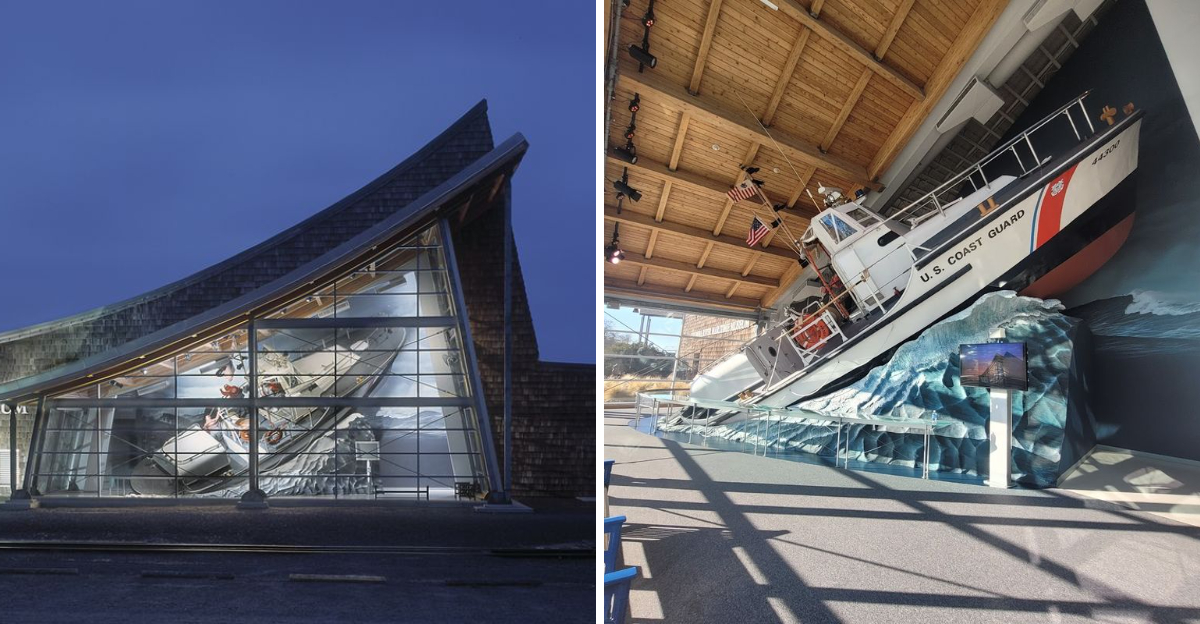
Did you know that fewer than one-in-ten Great Lakes shipwrecks have ever been fully documented? Somewhere in Oregon, a modest museum brings that fact to life.
The moment you step inside, the faint scent of aged pine and lake-water rust greets you. It feels as if the ships themselves are exhaling after a long silence.
A tiny, dimly lit alcove holds a recovered compass. It once guided a freight crew through a midnight storm.
Seeing it sparks a sudden, almost nostalgic thrill. I’ve never felt more like an insider, watching curators peel back layers of history the way a magician reveals a hidden card.
Curious which forgotten crew’s song still echoes through the gallery? Step through the next doorway, and the story continues.
The Columbia River Bar: Where Ships Met Their Fate
Few stretches of water have claimed more ships than the Columbia River Bar. Sailors have called it the Graveyard of the Pacific for good reason.
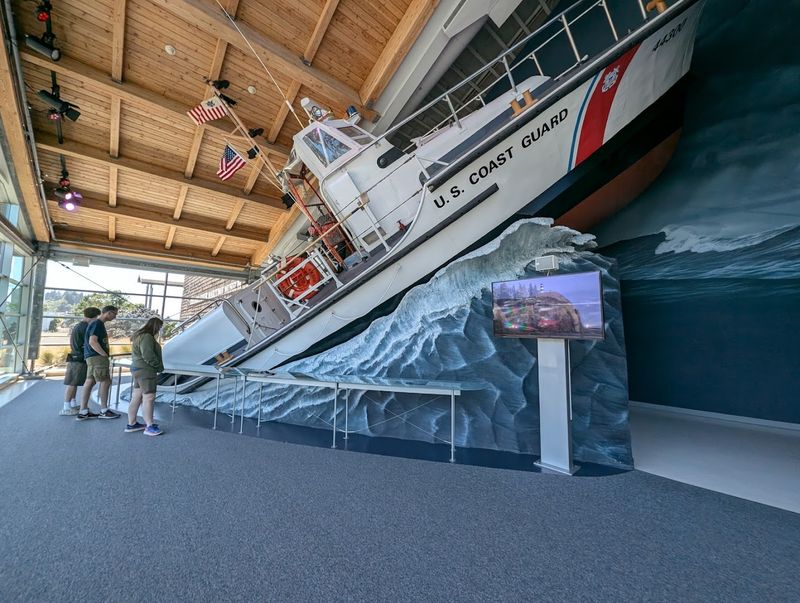
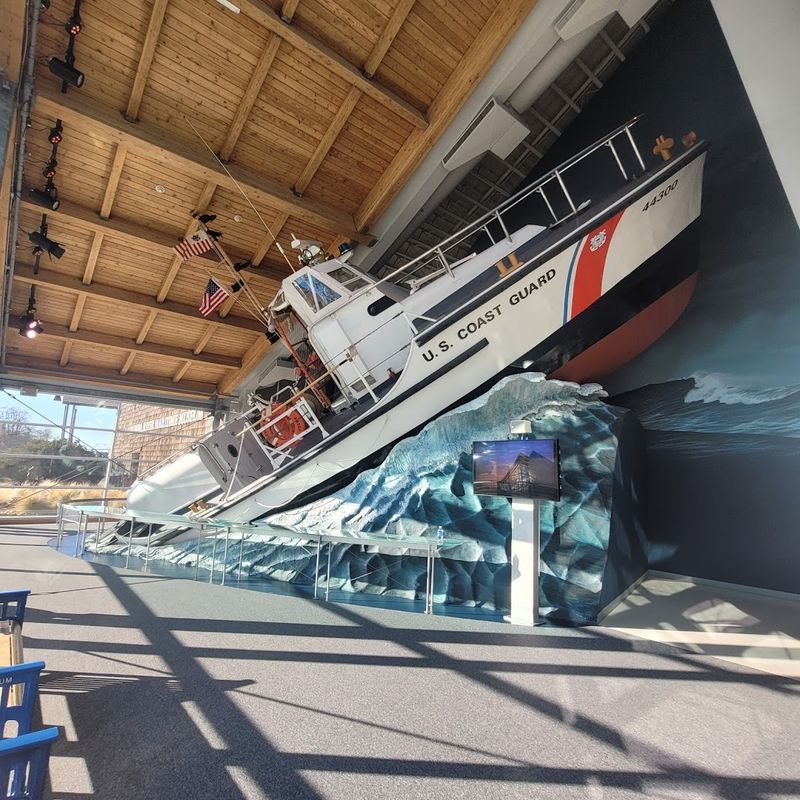
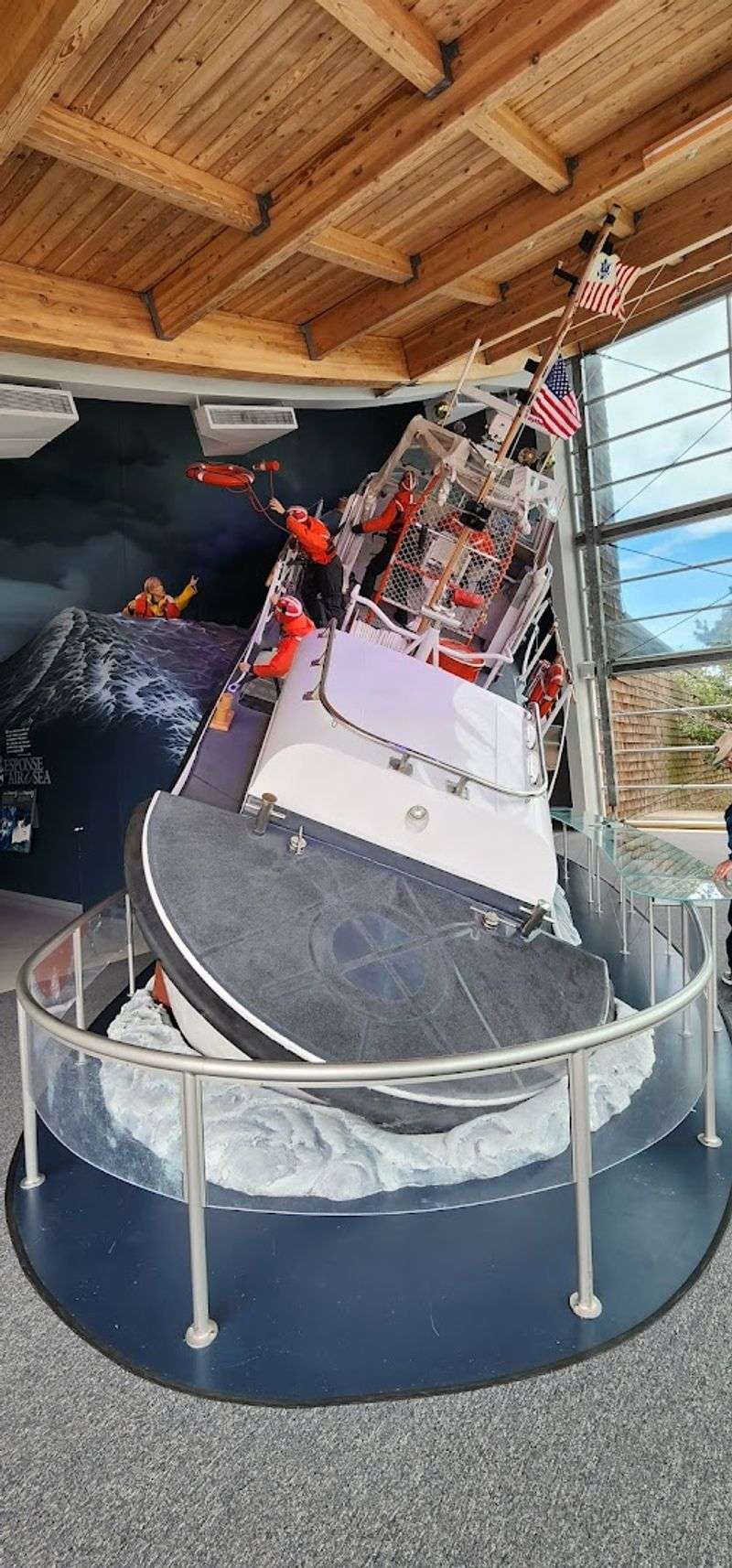
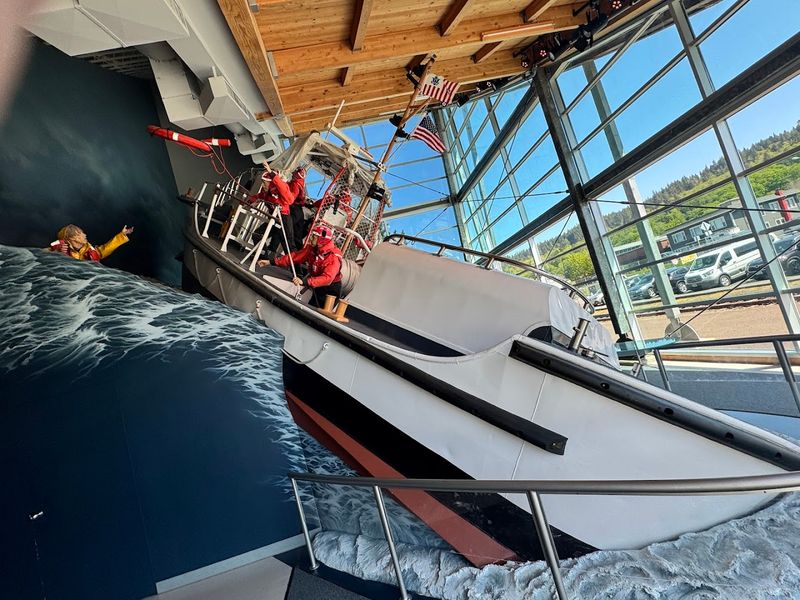
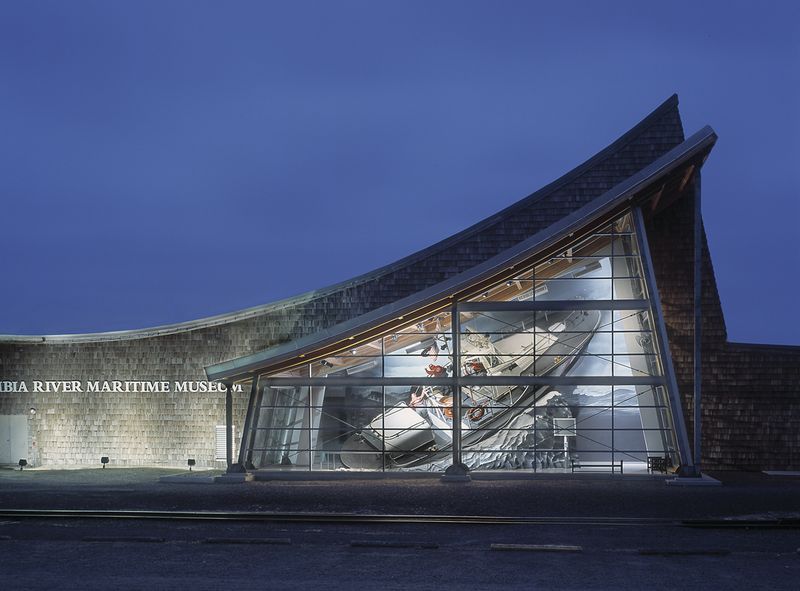
The museum opens with a stunning diorama showing a Coast Guard boat fighting massive, wall-like waves.
Standing in front of it, I felt my stomach drop a little. The scale is enormous.
The detail is almost unsettling in the best possible way.
More than 2,000 vessels have wrecked near this bar over the centuries. The museum walks you through why.
Strong currents, shifting sandbars, and fierce Pacific storms all combine here.
Each shipwreck story is told with real artifacts, photographs, and audio narrations. Nothing feels distant or dusty.
The exhibit makes you understand exactly how dangerous this crossing was for fishermen, traders, and military crews alike.
It sets the tone for everything else inside. You leave this first section with a deep respect for the river and the people who dared to cross it every single day.
Lightship Columbia: A Floating Beacon You Can Board
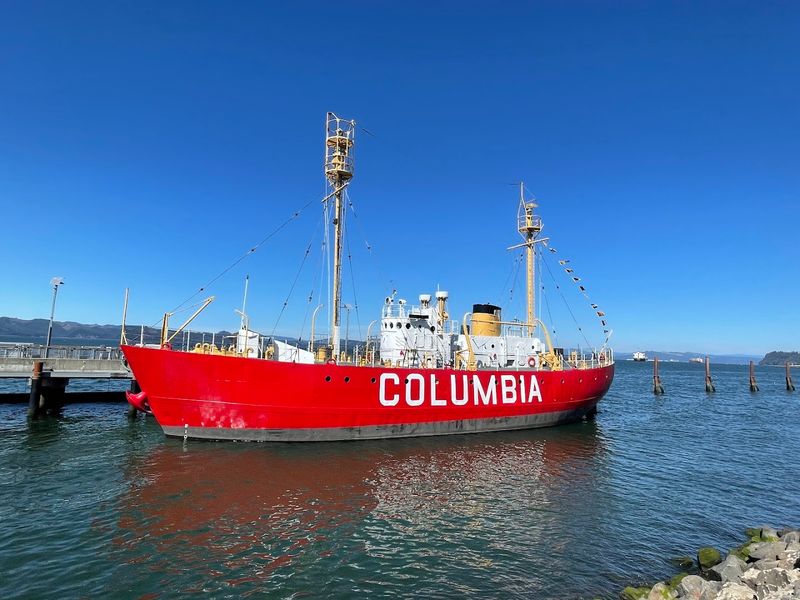
The Lightship Columbia is one of those things you have to see to believe. It sits right outside, docked at the pier, and your museum ticket gets you aboard.
I stepped onto the deck and immediately noticed how compact everything felt.
This vessel once anchored offshore for months at a time. It served as a floating lighthouse, guiding ships safely past the bar.
The crew lived, worked, and waited on this small ship in some of the roughest waters on the continent.
Walking through the engine room is a highlight. The machinery is original and impressively preserved.
You can almost hear the hum of it running at full power.
The sleeping quarters are surprisingly tight. Seeing how little space the crew had makes you think about the mental toughness required for that kind of life.
The engine room tour is especially worth the extra time.
Coast Guard Rescues: Courage Preserved in Every Exhibit
The Coast Guard section hit me harder than I expected. Real equipment, real rescue stories, and real photographs line the walls.
The museum does not sugarcoat how dangerous these missions were.
Rescue swimmers, helicopter crews, and lifeboat operators all feature here. Their gear is displayed up close.
You can examine helmets, drysuits, and navigation tools without any barrier between you and the history.
Families with kids seem to gravitate toward this section naturally. The displays are interactive and easy to understand.
Children ask questions here, and that says a lot about how well the exhibit is designed.
One display focuses on the famous surf rescue boats used at the bar. These flat-bottomed boats were built specifically to handle the violent swells near the river mouth.
Seeing one in person gives you a whole new appreciation for the engineering involved.
The Coast Guard section is heavy with detail but never overwhelming. It balances technical information with human stories.
That balance is what makes it one of the most moving parts of the entire museum.
The Fishing Industry Gallery: Nets, Boats, and Hard Lives
Astoria was built on fish. Salmon canneries once lined the waterfront here, and the fishing gallery brings that era back with vivid clarity.
Old nets hang from the ceiling alongside actual fishing vessels.
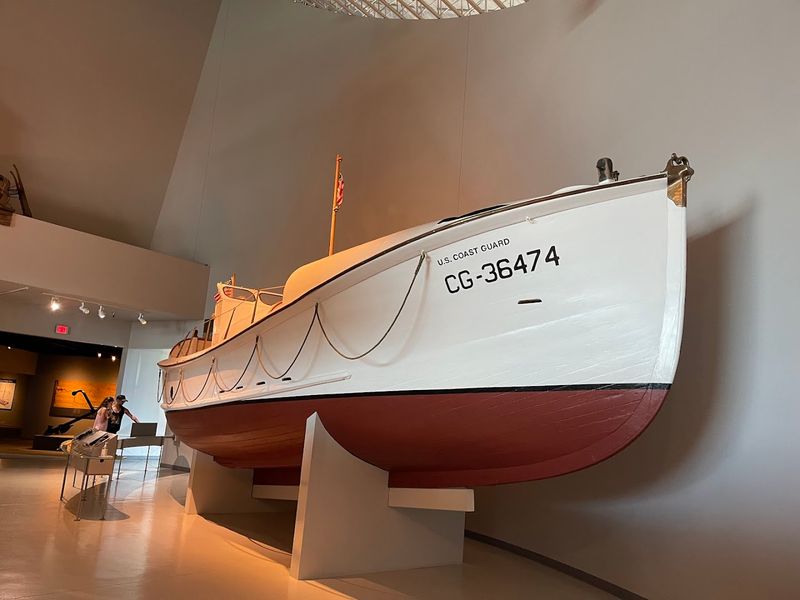
The boats inside the building are the real deal. Full-sized and beautifully preserved, they sit in the gallery like sleeping giants.
I walked around one and kept noticing new details, patched hull sections, worn rope cleats, faded paint.
The exhibit covers the Columbia River salmon industry from its peak in the late 1800s through its decline. It does not shy away from the harder parts of that story.
Overfishing, economic collapse, and the impact on Indigenous communities are all addressed honestly.
Native peoples who lived along the river for thousands of years are woven into the narrative throughout. Their fishing traditions and deep knowledge of the river are given real space here.
The gallery feels lived-in rather than sterile. It smells faintly of old wood.
That sensory detail alone makes the history feel more real than any textbook ever could.
The WWII Destroyer Bridge: Small Space, Big History
Tucked inside the museum is a recreation of the bridge from a World War II destroyer, and it stops most visitors cold. The space is shockingly small.
Standing inside it, you realize these warships were crewed by hundreds of people living in incredibly tight quarters.
The instruments are original or period-accurate. Dials, levers, and communication equipment fill every surface.
It feels less like a museum piece and more like a time capsule.
Nothing quite prepares you for how cramped naval warfare actually was.
The exhibit includes context about the Pacific theater and the role these destroyers played. It connects the local maritime history of Astoria to the broader story of World War II.
That connection feels earned rather than forced.
Kids often climb in and pretend to steer. Adults tend to go quiet and just look around.
Both reactions make total sense. The bridge is one of those exhibits that speaks to everyone differently.
3D Movies and the Hurricane Simulator: Fun Meets Education
The museum does not just tell you about the ocean. It tries to make you feel it.
The 3D films cover topics like arctic expeditions and aircraft carriers, and they are genuinely engaging even if the 3D quality is a bit dated.
Select your movie time at the ticket counter when you arrive. The films run on a schedule.
Missing the window means missing the show, so plan ahead.
The hurricane simulator is a crowd favorite, especially with families. Kids absolutely love it.
You step inside and experience what a storm-force wind actually feels like against your face.
It is one of those rare museum moments that makes everyone laugh out loud. Adults are not immune to its charm either.
The giggles are contagious.
Beyond the simulator, there is a green screen weather station where kids can record their own weather broadcast. The museum clearly thought carefully about keeping younger visitors engaged throughout.
These interactive elements break up the reading-heavy sections perfectly and keep the energy moving forward at a comfortable pace.
Shipwreck Artifacts: Objects Pulled From the Deep
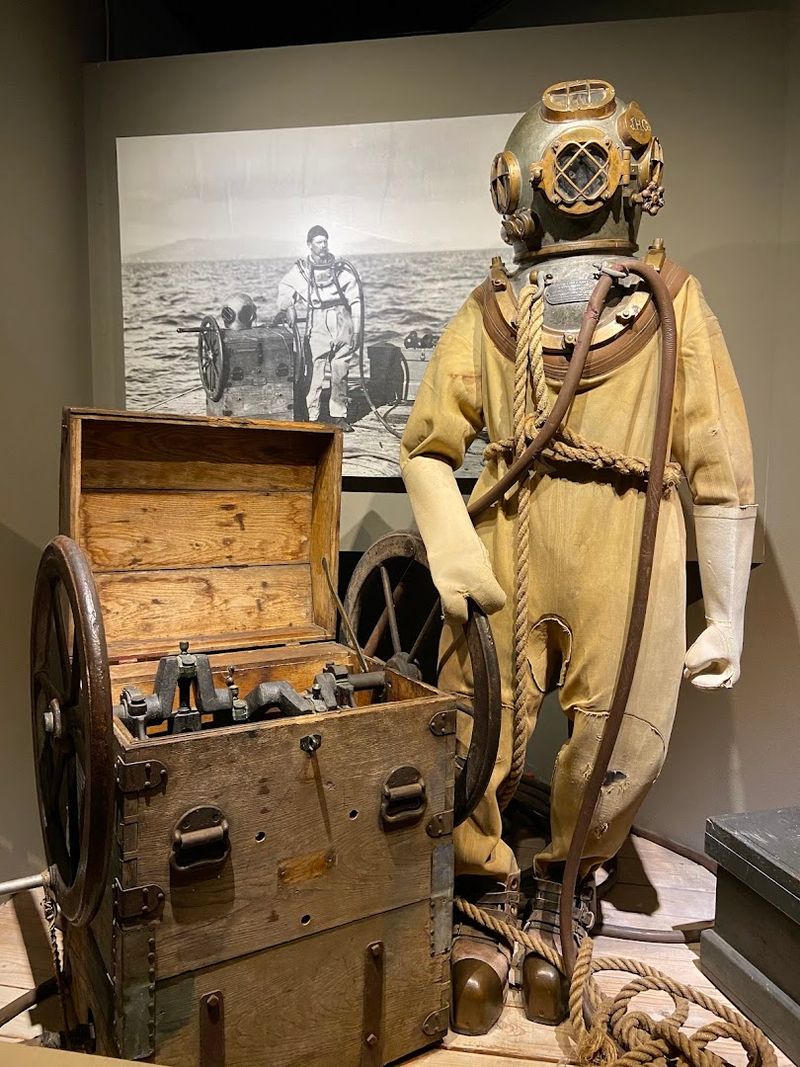
There is something quietly powerful about an object that survived a shipwreck. The museum holds thousands of them.
Anchors, bells, navigational instruments, and personal belongings all sit behind glass with their stories attached.
Each artifact has a tag explaining where it came from and how it was recovered. Some were pulled up by divers decades after the wreck.
Others washed ashore and were donated by local families.
One recovered ship bell from a nineteenth-century vessel particularly stayed with me. It was tarnished and slightly warped from the pressure of the deep.
Yet it still looked dignified somehow.
The sheer number of objects on display is staggering. The collection contains over 30,000 items in total.
Only a portion is on display at any given time, which means repeat visits often reveal something new.
The curators have done impressive work connecting each object to a human story. A sextant is not just a sextant here.
It belonged to a specific captain on a specific voyage that ended in a specific disaster. That level of storytelling makes the collection feel alive.
Pilot Boats and Navigation History on the Columbia
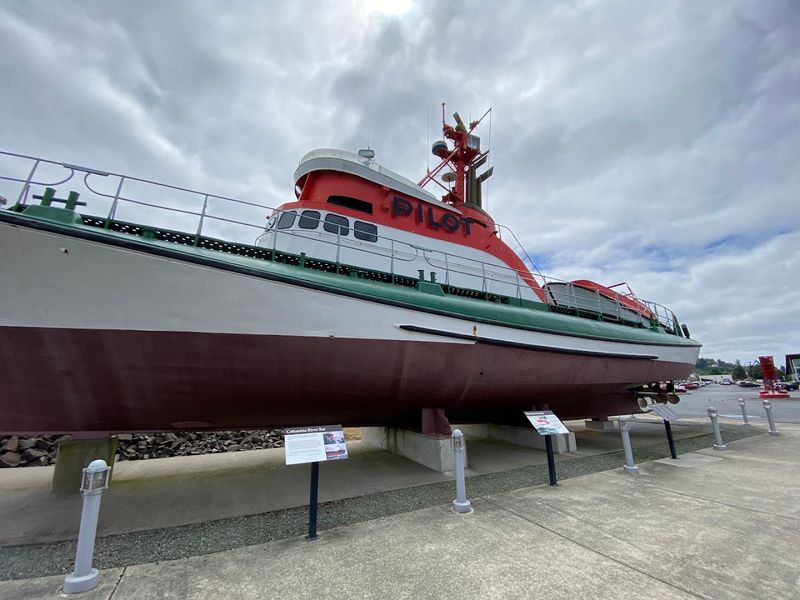
Crossing the Columbia River Bar safely required a very specific kind of expertise. Bar pilots were the specialists who guided incoming ships through the treacherous crossing.
The museum dedicates real space to honoring their work.
Pilot boats are some of the most striking vessels in the collection. They are built for speed and stability in rough water.
Seeing one up close, you appreciate the engineering that went into keeping these small boats upright in brutal swells.
Navigation charts, logbooks, and communication equipment from various eras fill the surrounding displays. The progression from paper charts to early radio systems to modern GPS is laid out in a way that feels natural rather than technical.
I spent longer in this section than I planned to. The logbooks especially caught my attention.
Handwritten entries from pilots describing conditions at the bar felt like reading letters from another world.
The exhibit also explains how pilots still operate today. The tradition continues.
Modern bar pilots still board incoming vessels and guide them through the same dangerous stretch of water their predecessors navigated for generations.
The Harborfront Setting: A Museum With a View
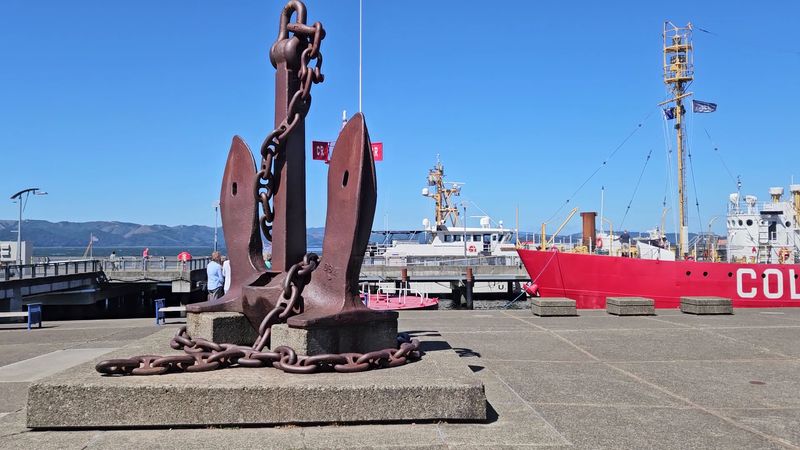
The location of this museum is part of the experience. Sitting right on Marine Drive with the Columbia River stretching out behind it, the building feels like it belongs exactly where it stands.
The outdoor scenery alone is worth the drive to Astoria.
Even after closing hours, visitors stop to admire the exterior. The outdoor decorations and harborside setting are striking at any time of day.
Someone mentioned arriving at 8 PM and being captivated by the view even without going inside.
The Lewis and Clark Bridge is visible from the grounds. Watching the river traffic from the parking area gives you a preview of the maritime world you are about to explore inside.
It is a genuinely beautiful spot.
Parking is ample and easy to navigate. The building is accessible and well-maintained.
Arriving early gives you the best chance to enjoy the outdoor area before the crowds pick up.
The harborfront setting is not just a backdrop. It is a reminder that the stories inside the museum are still happening right outside the windows.
The river is alive, and the museum keeps pace with it.
Planning Your Visit: What to Know Before You Go
The museum opens at 9:30 AM every day of the week and closes at 5 PM. Arriving right at opening is a smart move.
The exhibits are spacious, but popular sections like the Lightship and the destroyer bridge can get busy later in the day.
Plan to spend at least two hours inside, and budget more time if you want to board the Lightship and catch a 3D film. People who spent three to four hours consistently said they felt they got the most out of the visit.
Rushing through would mean missing too much.
The staff receives consistent praise for being friendly and welcoming. The gift shop has a solid variety of maritime-themed items.
It is a good spot to find something memorable without feeling pressured.
The museum is genuinely family-friendly. Kids stay engaged throughout, and the interactive exhibits keep energy levels up.
Younger visitors especially enjoy the hands-on pilot house displays and the activity room.
An expansion is expected to open in fall 2026, so a return visit will likely reveal even more.
Address: 1792 Marine Dr, Astoria, OR 97103.
Dear Reader: This page may contain affiliate links which may earn a commission if you click through and make a purchase. Our independent journalism is not influenced by any advertiser or commercial initiative unless it is clearly marked as sponsored content. As travel products change, please be sure to reconfirm all details and stay up to date with current events to ensure a safe and successful trip.
